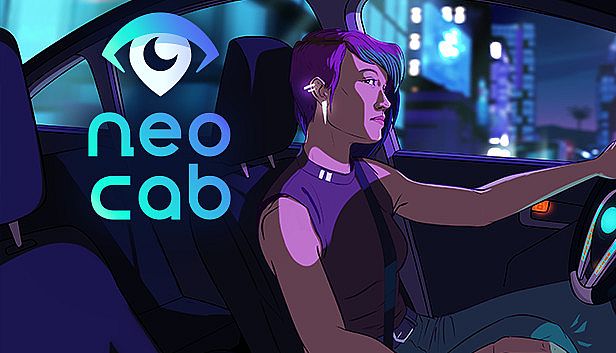















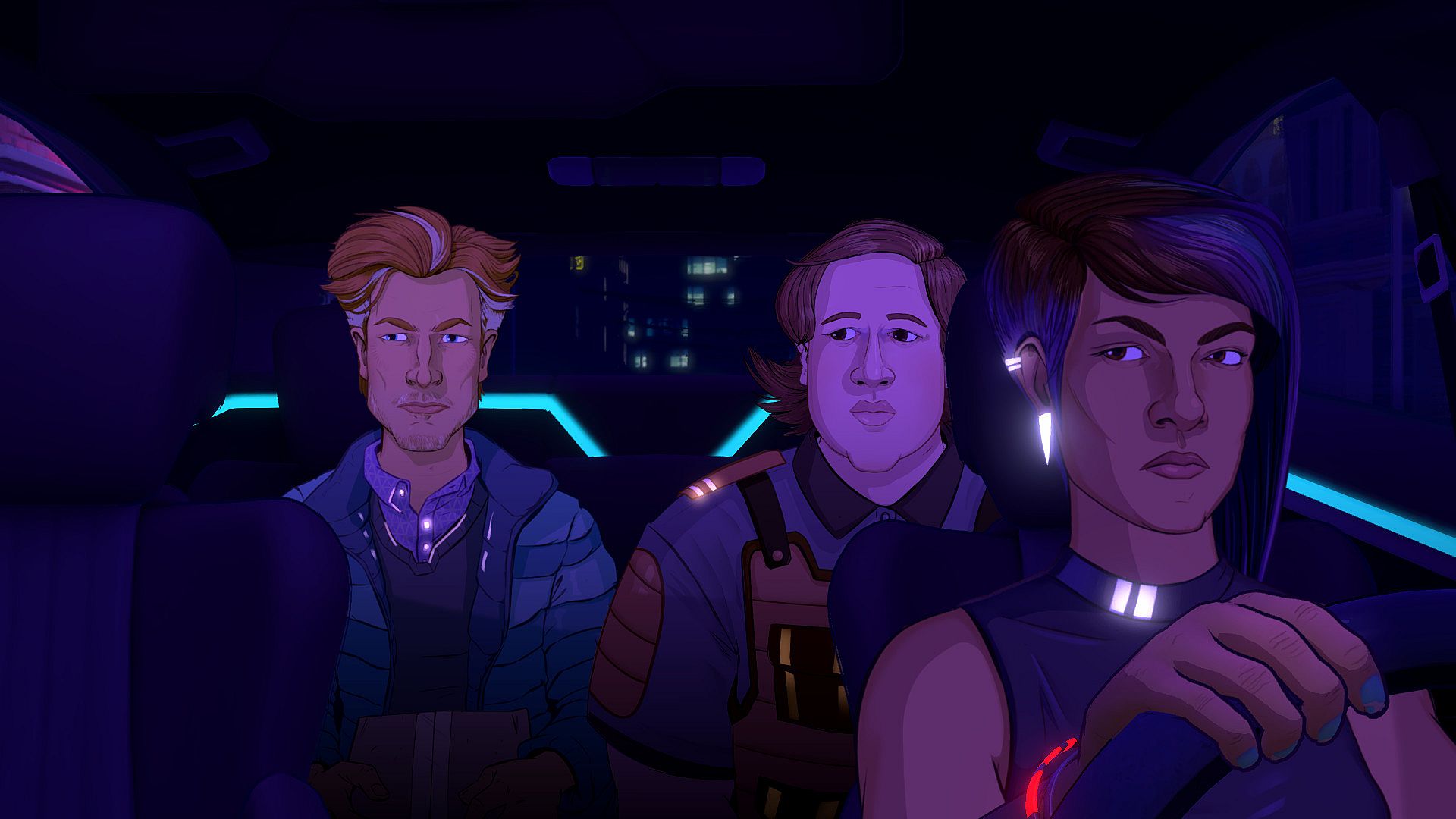

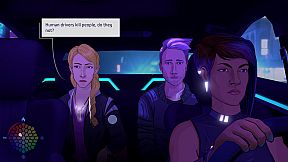

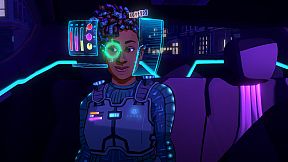
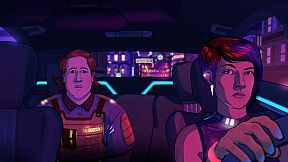
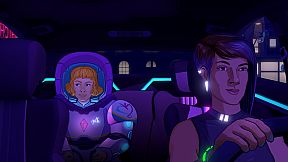

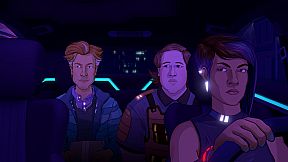

Neo Cab is an indie visual novel that blends RPG elements with adventure storytelling in a single-player experience set in a near-future automated city. Players take on the role of Lina, the last human cab driver navigating the streets of Los Ojos while searching for a missing friend. The game emphasizes emotional decision-making and passenger conversations over action or combat, creating a focused narrative about survival in a gig economy dominated by self-driving vehicles.
Gameplay
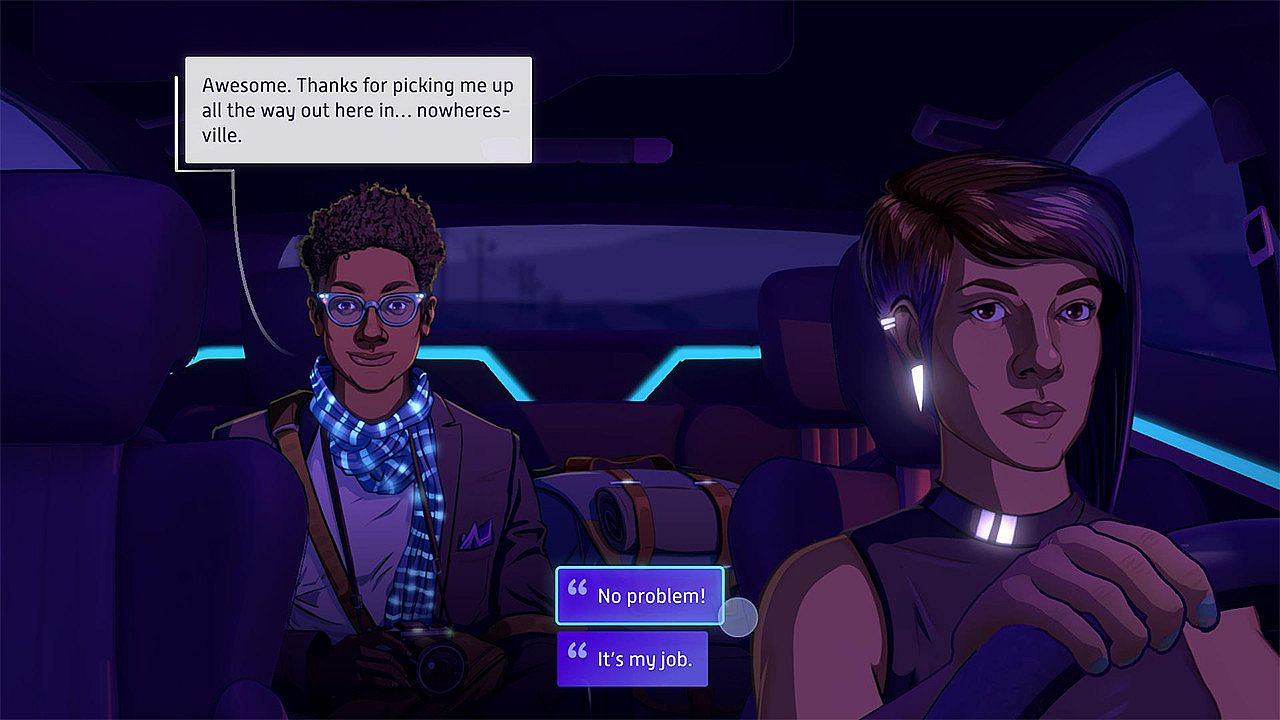
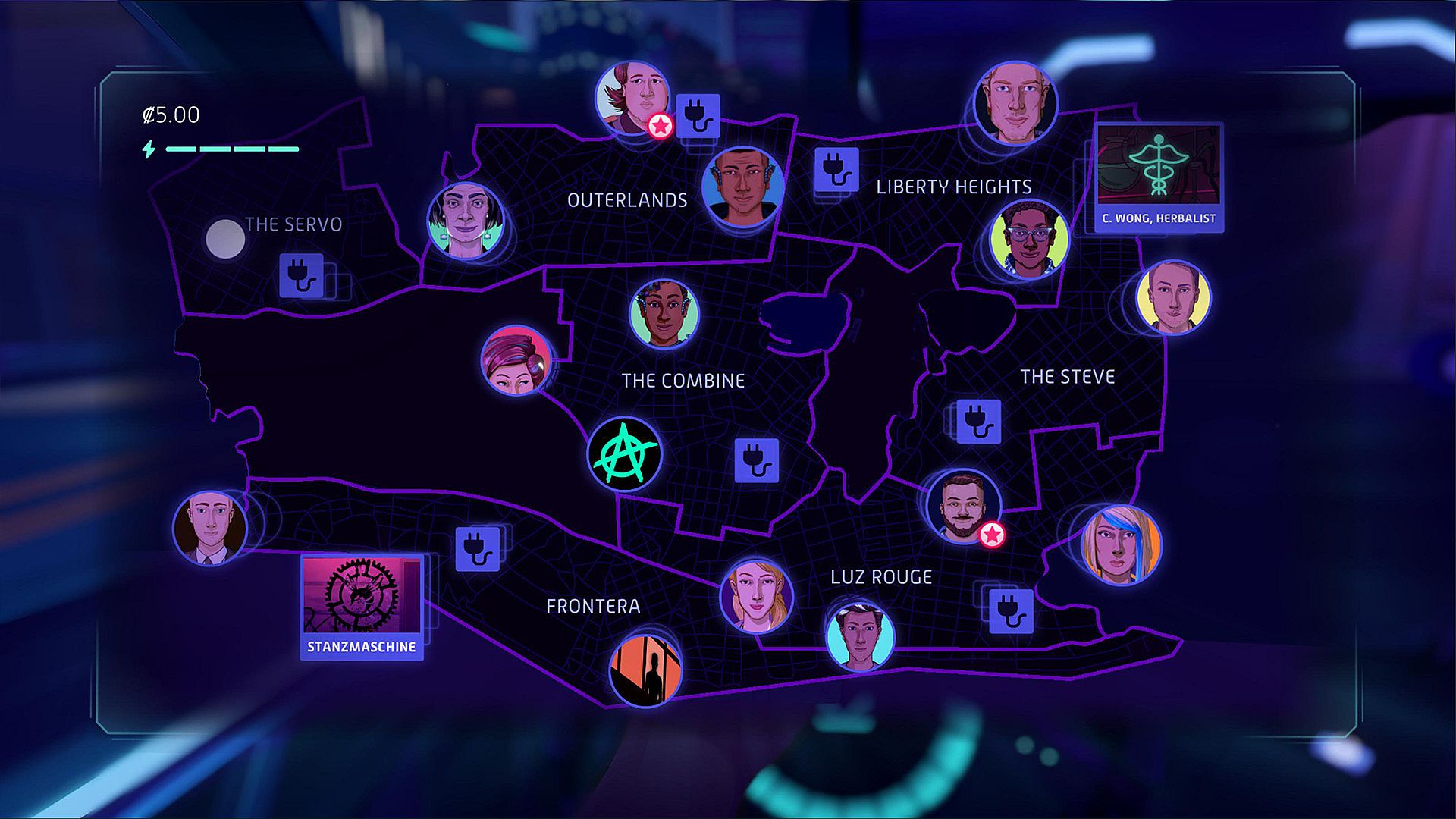
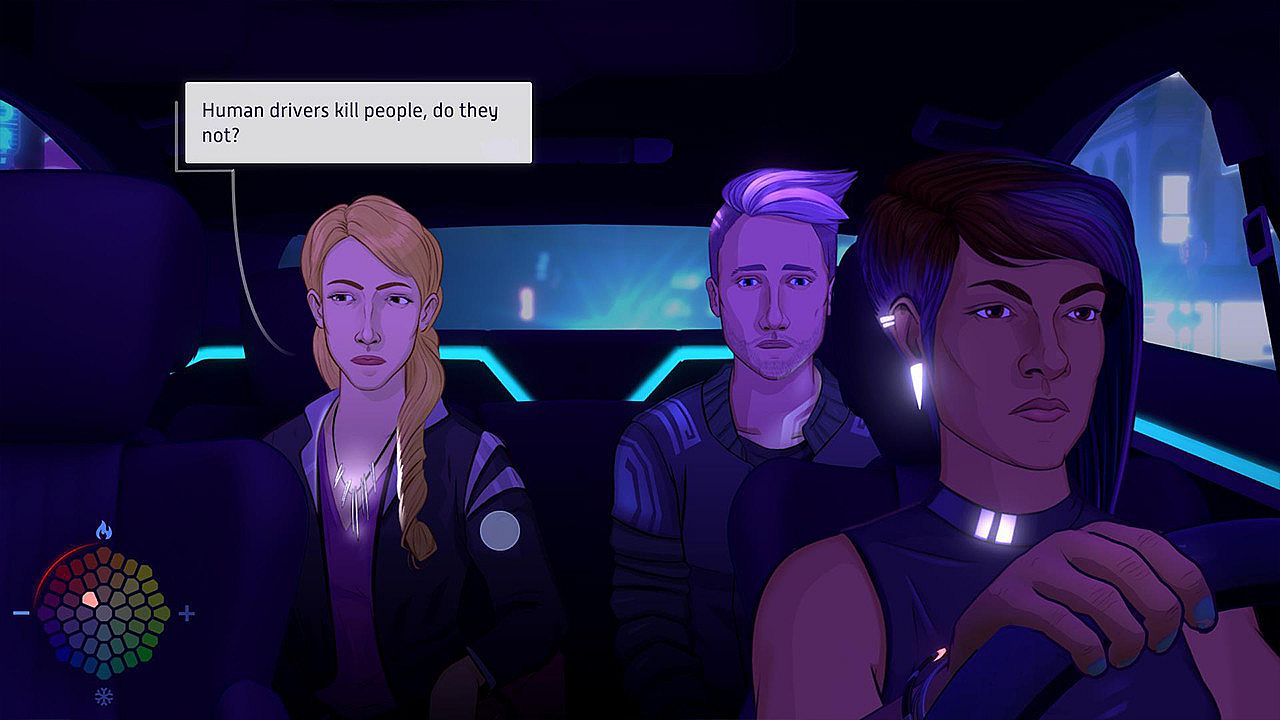
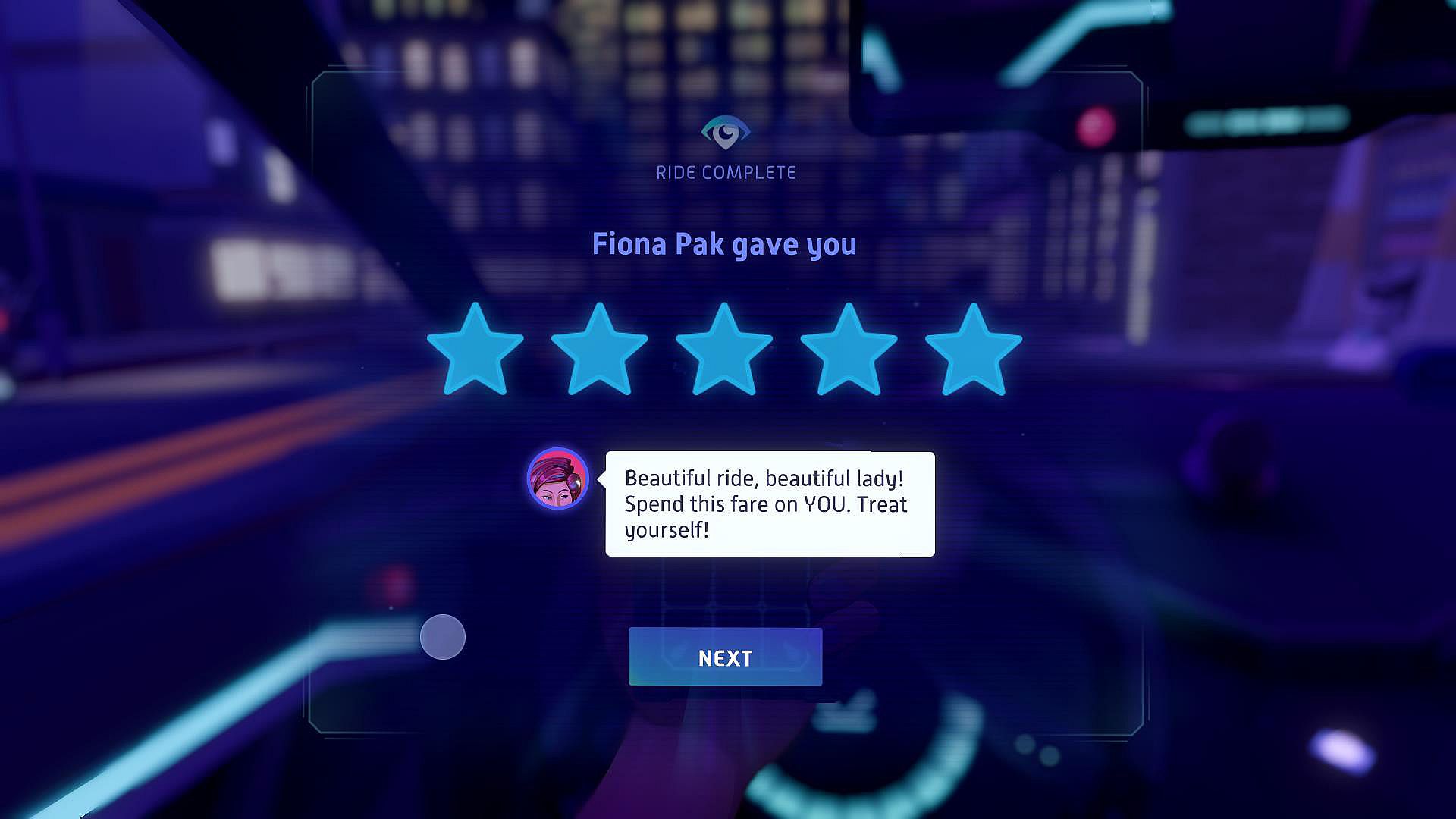
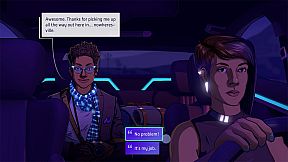
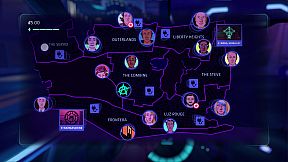
The core loop centers on picking up passengers through an in-game app and engaging them in dialogue during rides. Each interaction reveals pieces of the larger mystery surrounding Lina's friend while also influencing her emotional state. Choices in conversation can raise or lower her mood, which in turn restricts or opens new dialogue options as emotions intensify. This system encourages careful balancing of honesty, empathy, and self-preservation to maintain progress through the night.
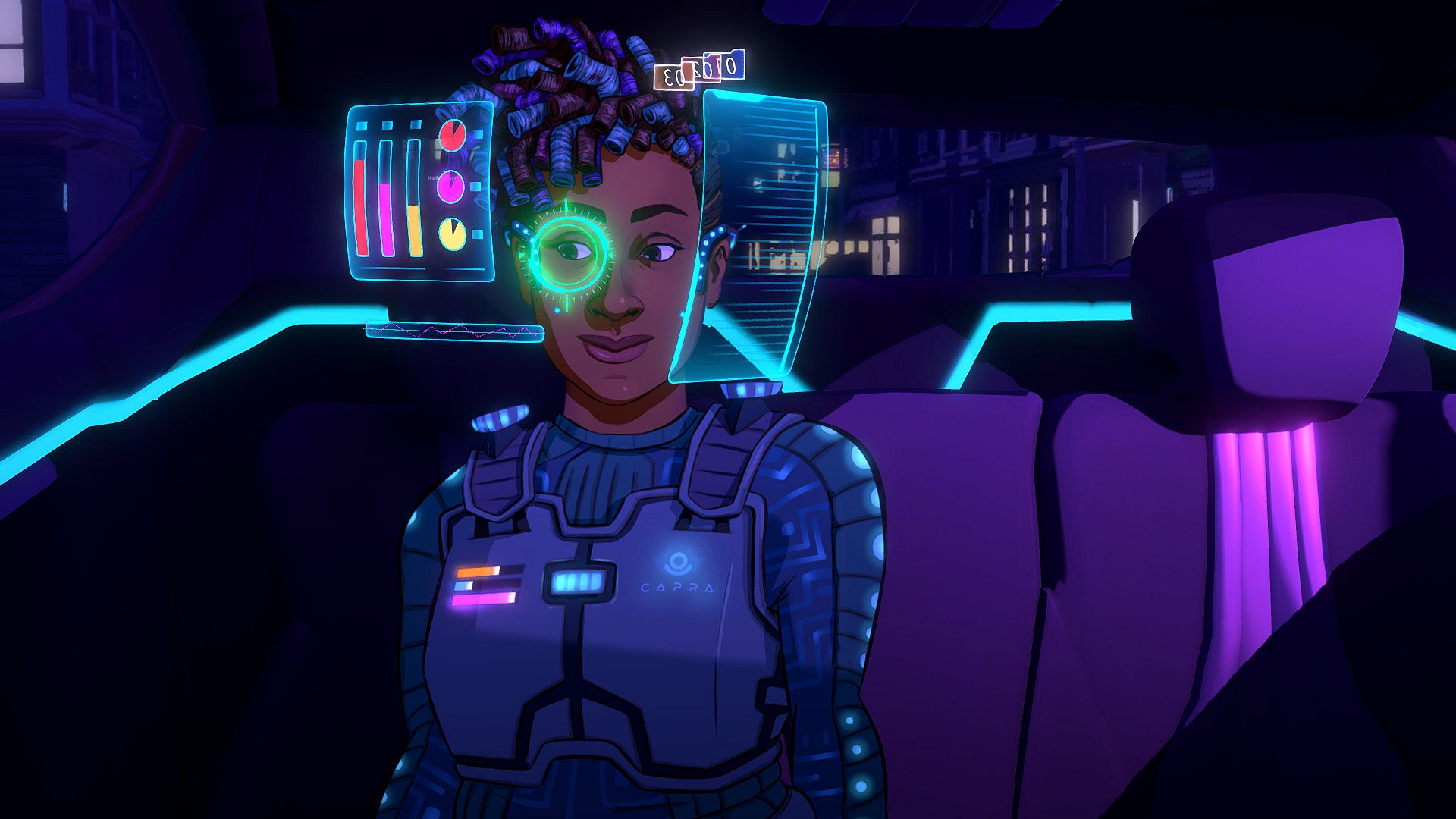
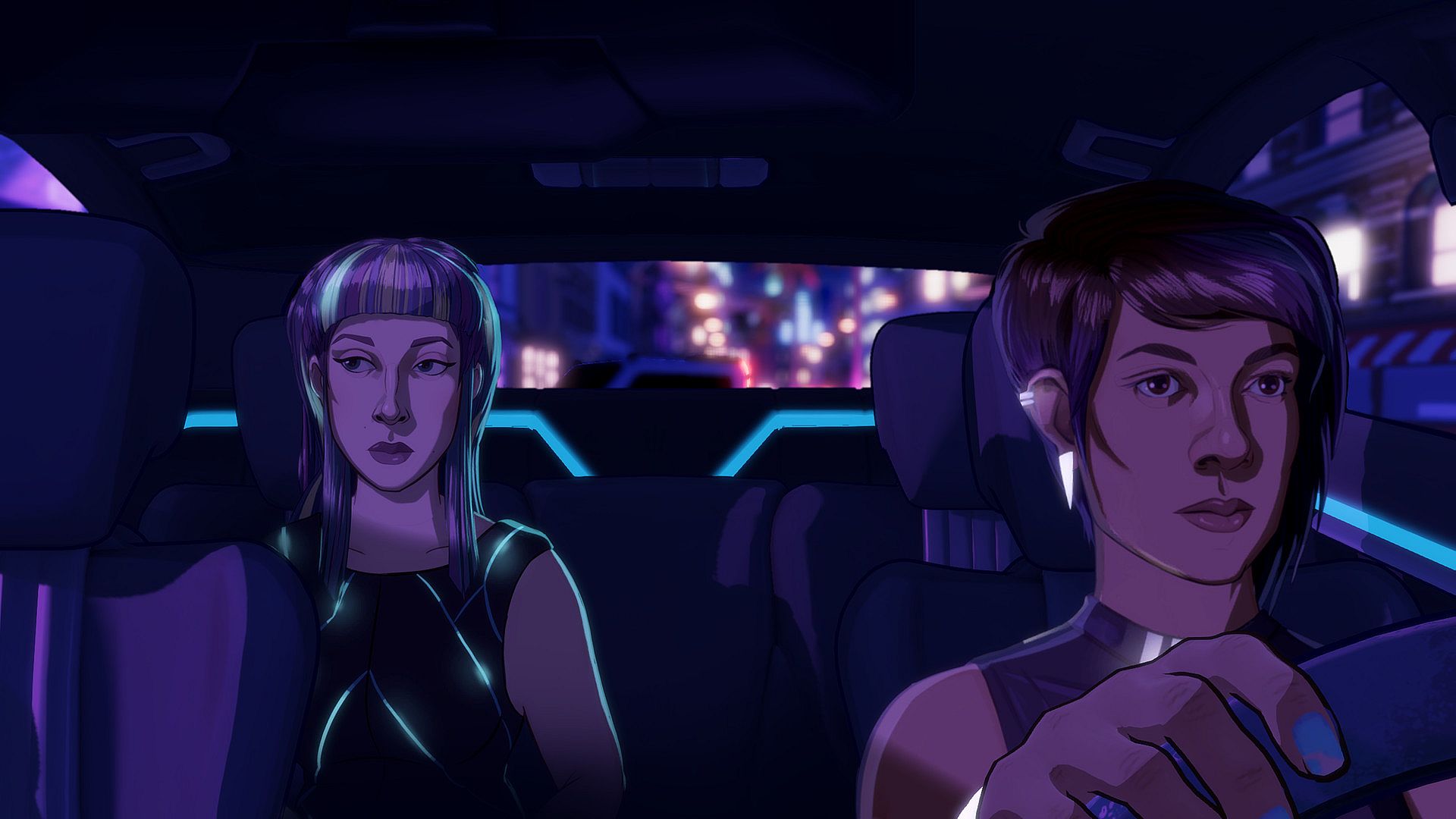
Passengers represent varied backgrounds, including anarchist punks who remain wary, corporate professionals who overlook the driver, and law enforcement figures who apply pressure. Conversations serve as the primary mechanic for gathering information and advancing the plot. The narrative branches based on these exchanges, with multiple paths leading to different revelations about the disappearance and the broader world of automation. An original soundtrack supports the atmosphere during drives and key moments.
Game Modes
Neo Cab operates as a single-player visual novel with no separate multiplayer or competitive modes. The experience revolves entirely around the branching narrative structure, where player decisions shape the sequence of passenger encounters and the information uncovered about the central mystery. There are no distinct game modes such as survival challenges or side activities beyond the main story progression through successive nights of driving.
Progression follows a linear sequence of shifts, with each passenger serving as a self-contained story segment that contributes to the overall plot. Emotional management acts as the unifying system across all playthroughs, ensuring that repeated sessions can yield altered dialogue trees and outcomes without introducing additional modes.
Narrative and Character Interactions
The story unfolds over Lina's first night on the job, blending personal stakes with social commentary on job displacement and late-stage capitalism. Writers including Leigh Alexander, Kim Belair, Bruno Dias, Duncan Fyfe, Paula Rogers, and Robin Sloan contribute individual passenger arcs that stand alone yet tie into the central search. These segments highlight diverse perspectives in the automated city, from those benefiting from the system to those resisting it.
Emotional health serves as a persistent resource that players must monitor. Intense moods can eliminate certain responses while unlocking others, creating a dynamic layer to otherwise text-based exchanges. This mechanic ties directly into the survival theme, as poor emotional management risks derailing the investigation or leaving Lina without resources like cash or a place to stay.
Is It Worth Playing?
Neo Cab appeals most to players who enjoy story-driven visual novels and character-focused adventures rather than fast-paced action or complex systems. Its strength lies in the quality of writing and the way passenger stories intersect with the main plot, offering meaningful choices that affect both immediate outcomes and Lina's personal journey. The game runs on PC and delivers a complete, self-contained experience without requiring ongoing updates or additional content.
Reception highlights the effective setting and memorable cast, though some note the repetitive nature of driving sequences and an ending that leaves certain threads unresolved. For those interested in emotional decision-making and branching narratives in an indie RPG adventure format, the title provides a thoughtful exploration of its themes. Players seeking lighter or more mechanically varied experiences may find the focus on conversation and mood management limiting. Overall, it suits fans of narrative adventures who value character depth over extensive gameplay variety.