




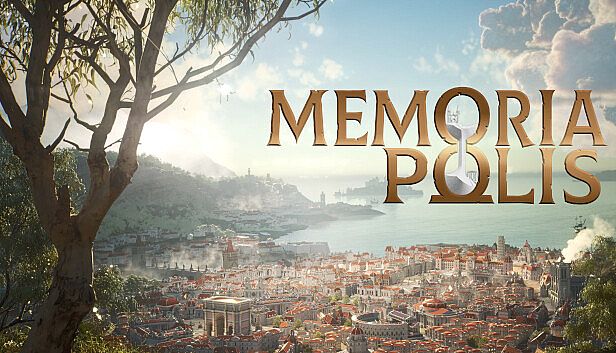






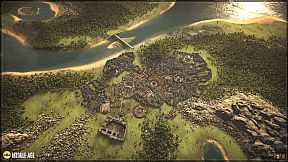
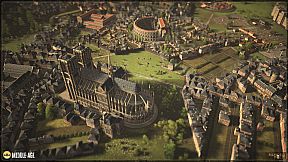
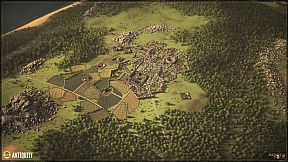
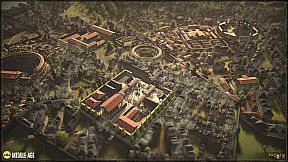
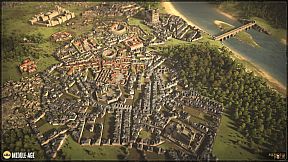
Memoriapolis stands out as a strategy city-builder simulation game that lets you guide a settlement through centuries of history, blending resource management with political intrigue and organic urban growth.
Gameplay
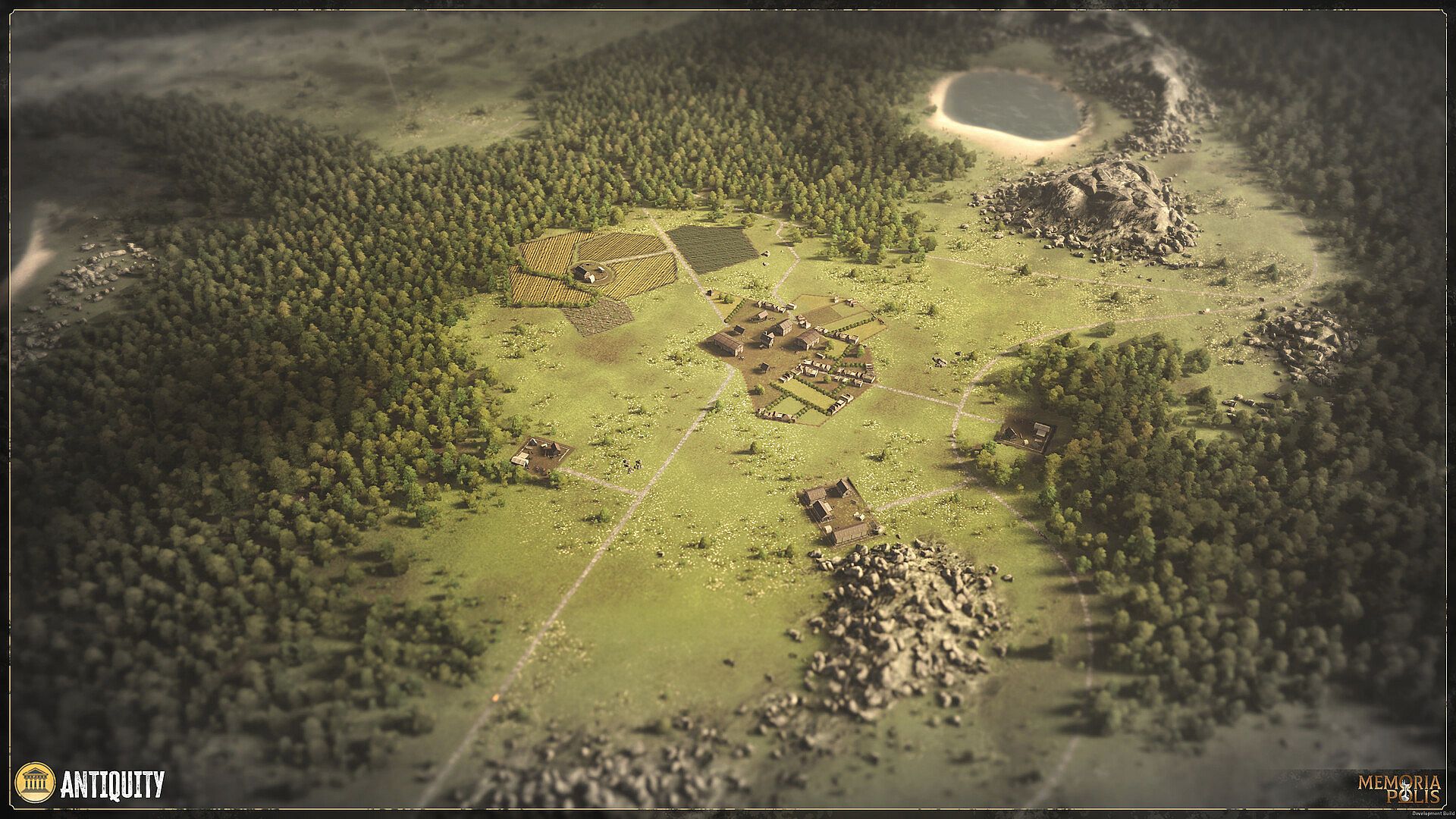
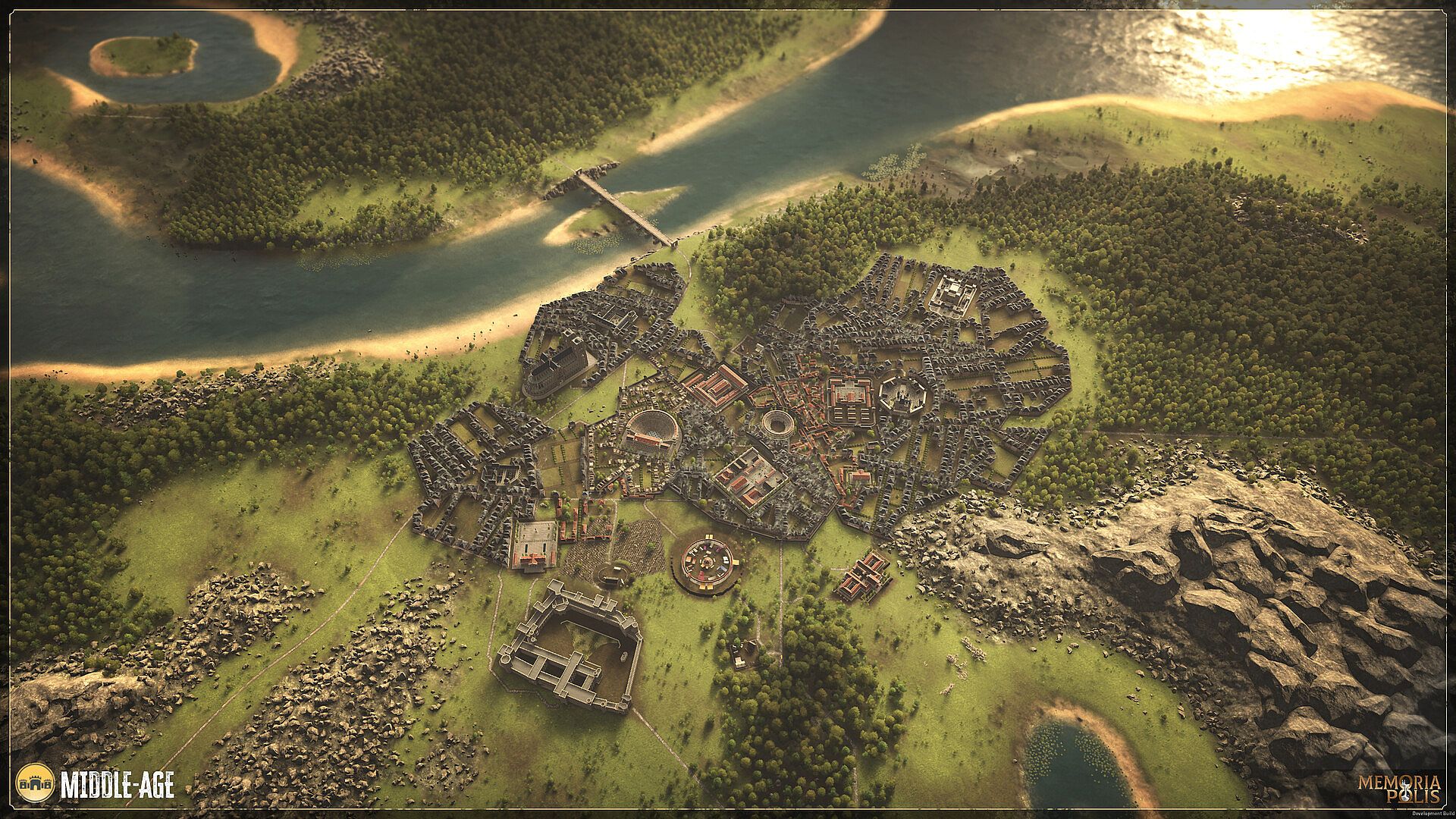
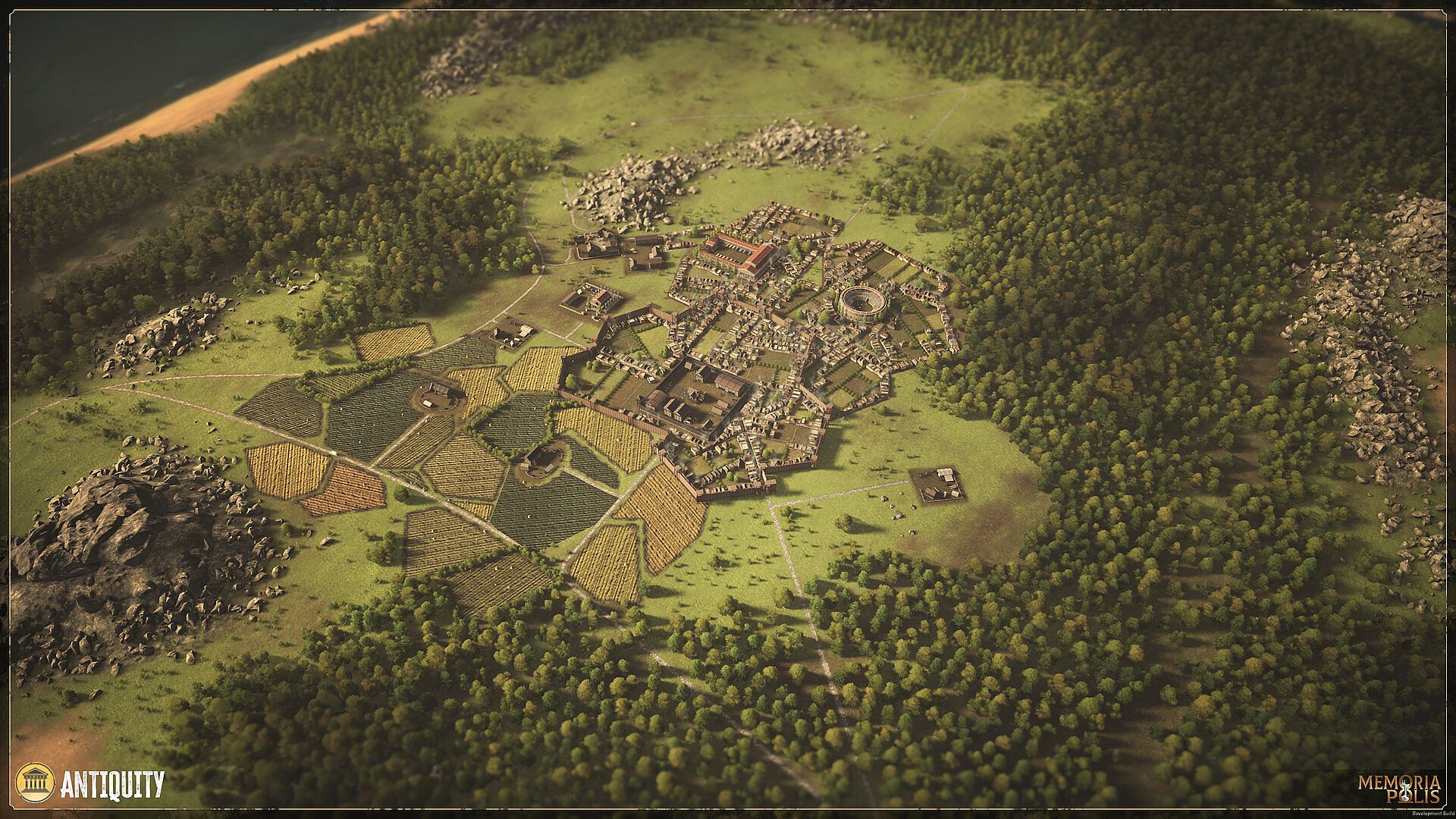
In Memoriapolis, the core experience revolves around overseeing a city that evolves across multiple historical eras, starting from Antiquity and progressing to the Industrial Revolution. You manage essential resources while making key political decisions that influence the city's development. Factions play a central role, emerging from six major cultures including Military, Religion, Trade, Education, Industry, and Politics. These groups gain influence over time and can either support or challenge your leadership based on your choices.
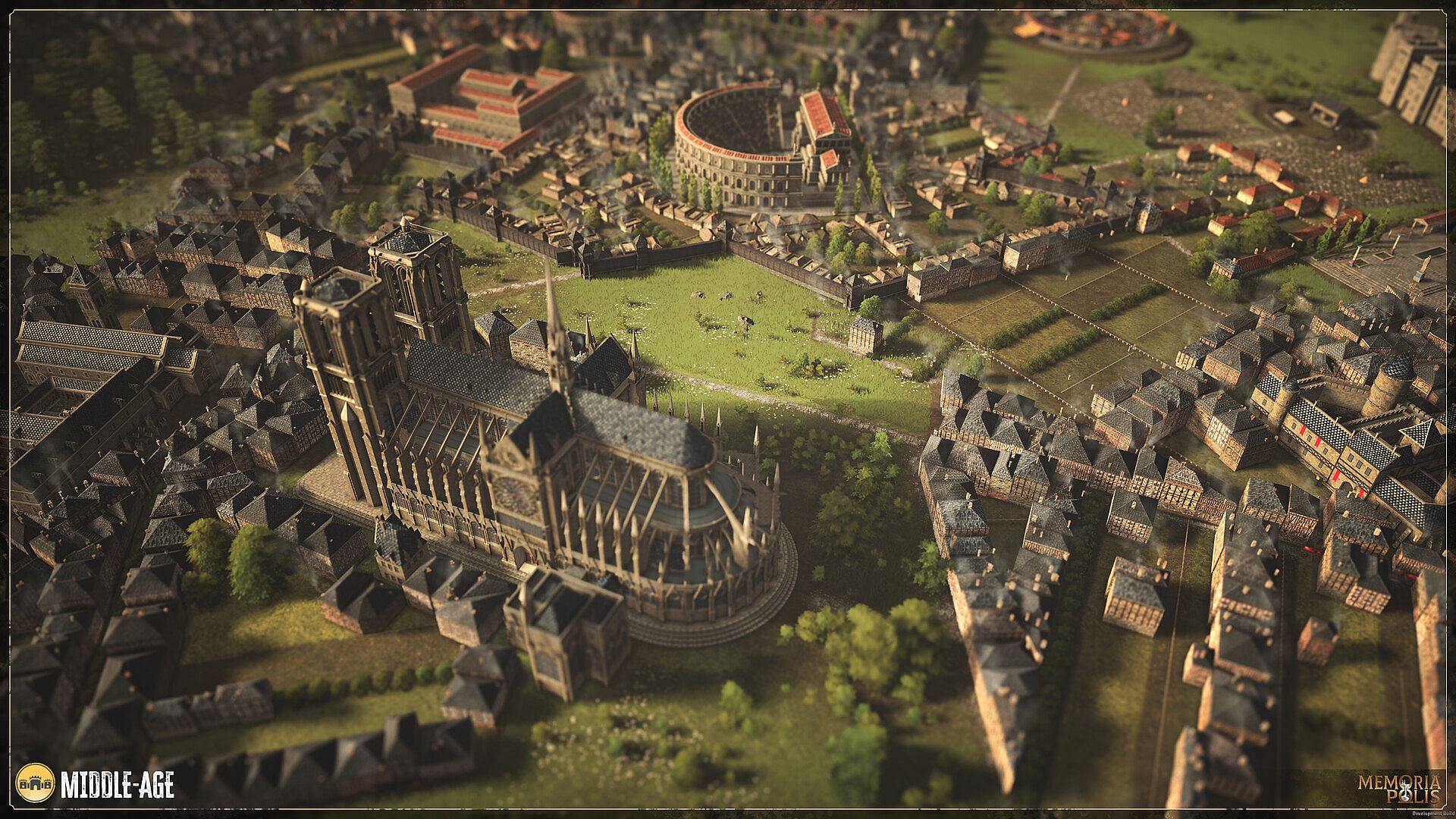
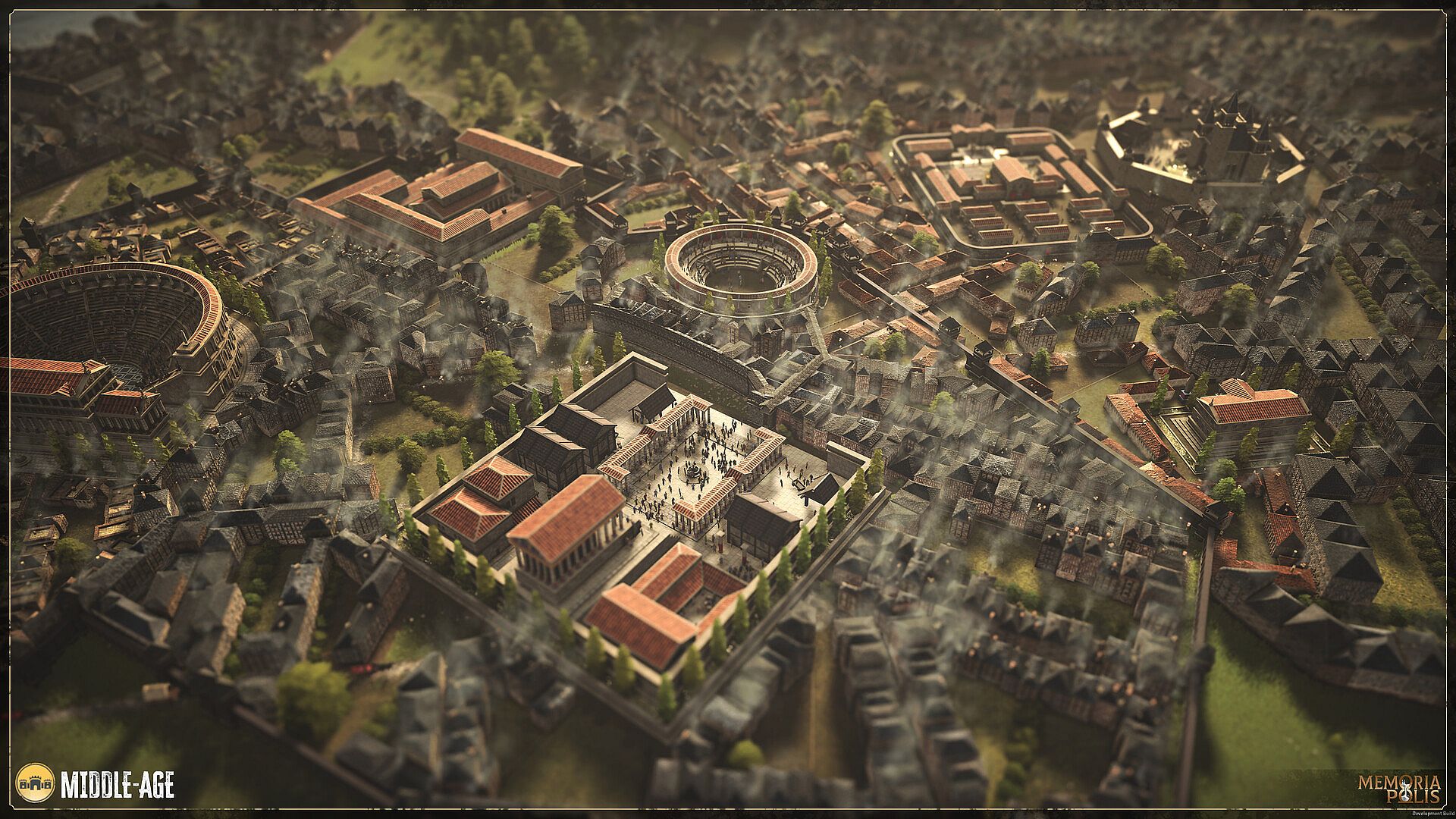
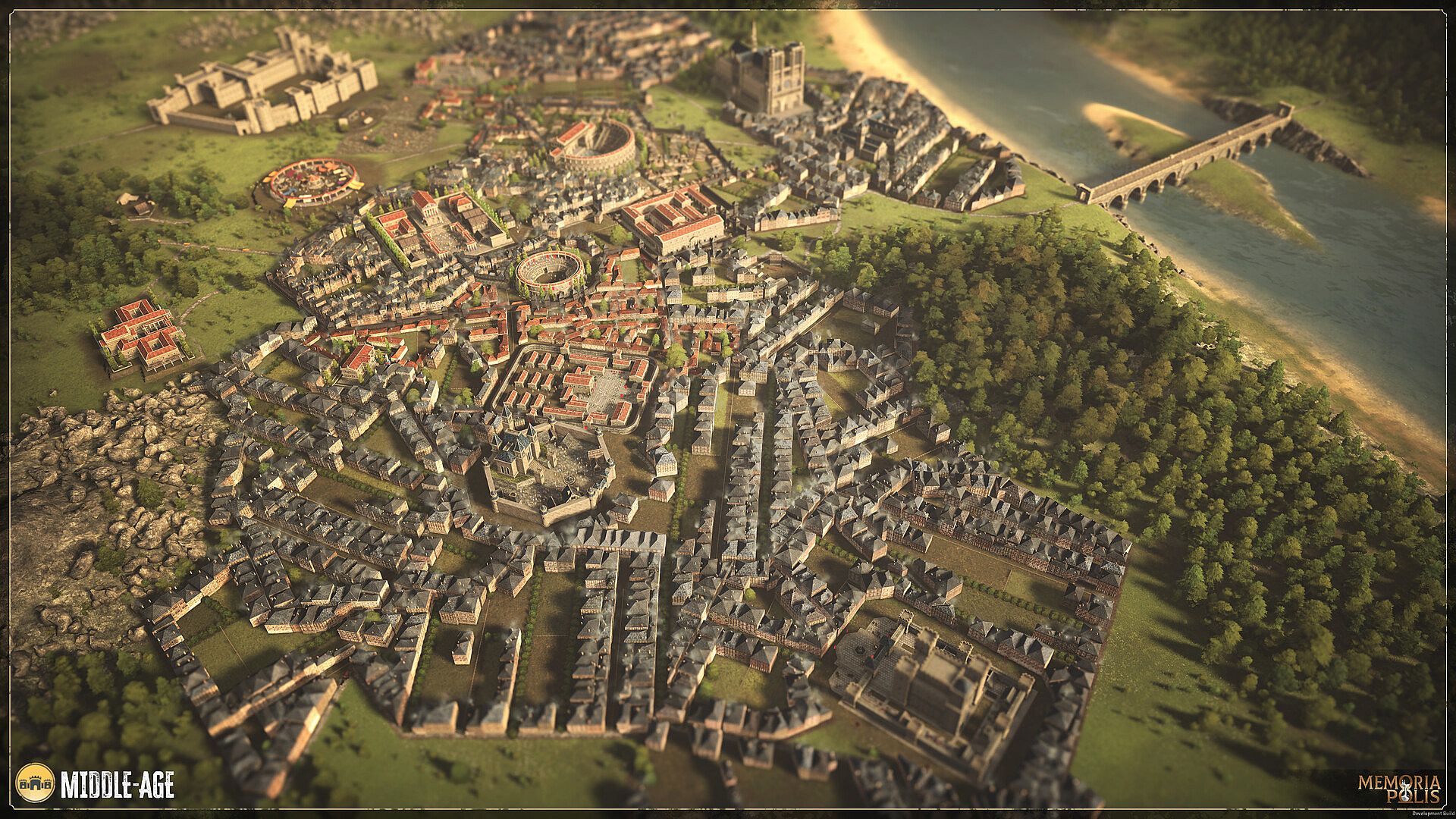
The city's growth feels natural and unpredictable, as citizens decide where to build homes and form neighborhoods without direct control from you. Random historical events add layers of challenge, disrupting plans and requiring adaptive strategies. Building wonders, such as structures inspired by real historical landmarks like the Library of Alexandria or Notre-Dame, provides bonuses but demands careful resource allocation and timing. Each era introduces distinct rules and architectural styles, forcing tough decisions on what to preserve as the city transitions.
Mechanics emphasize irreversible choices that shape a unique city in every playthrough. Balancing faction power is crucial to maintain control, and failing to do so can lead to losing your position. At the game's conclusion, you curate a collection of iconic buildings to commemorate your dynasty's legacy.
Game Modes
Memoriapolis focuses on a single-player mode where you progress through five distinct historical eras, each lasting a set period and bringing new challenges and opportunities. This mode emphasizes replayability, with procedural elements ensuring no two cities develop identically.
There are no separate multiplayer or competitive modes; instead, the experience centers on solo strategy and long-term planning across eras.
Factions and Mechanics
Factions in Memoriapolis evolve from cultural influences and demand attention to keep the city stable. For instance, allowing the Military faction to dominate might strengthen defenses but could provoke unrest from Trade or Education groups. Mechanics like resource management tie into these dynamics, where you allocate goods to satisfy citizen needs and fund constructions.
Random events, such as plagues or invasions, test your preparedness and can alter faction balances. The game's organic growth system means roads and districts form based on citizen behavior, adding realism but limiting micromanagement.
Is It Worth Playing?
Memoriapolis appeals to strategy enthusiasts who enjoy city-builders with a historical twist and don't mind a steep learning curve. With 76% positive reviews from over 1,600 players, it earns praise for its innovative approach to urban evolution and faction politics, though some note repetitive elements after extended play.
If you prefer games that reward strategic depth over constant action, and you're intrigued by guiding a city through 2,500 years of history, this title offers solid value. It's particularly suited for those who like replaying to explore different outcomes, despite occasional performance hiccups in its current state.















