




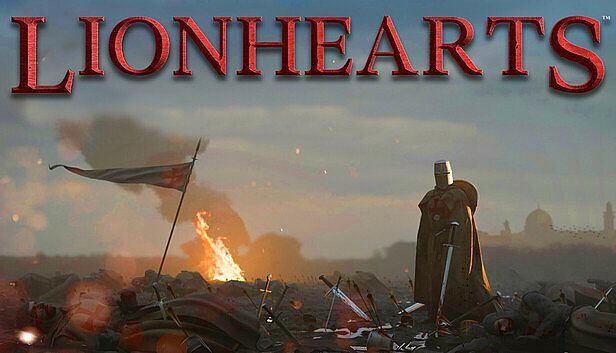


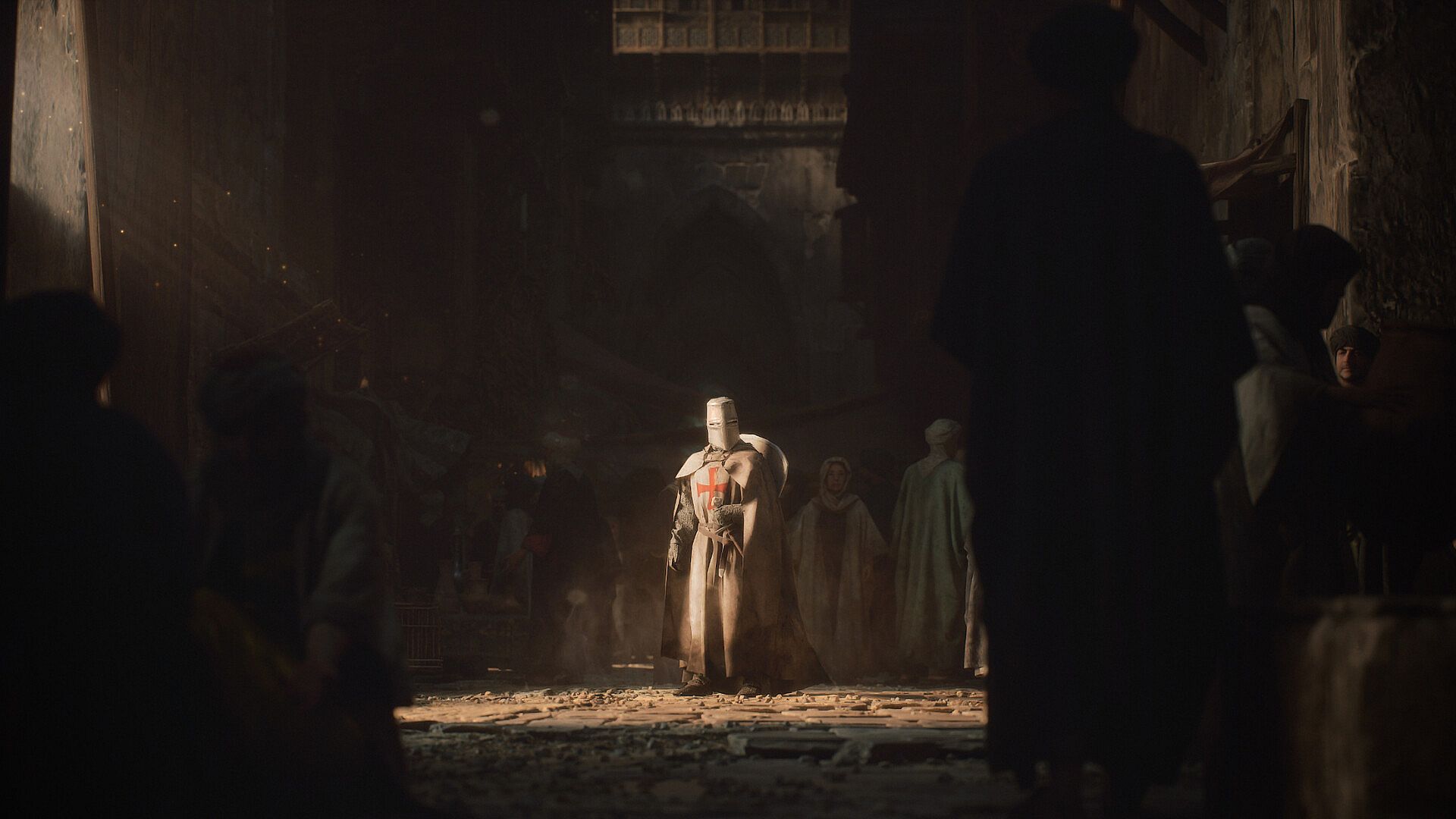
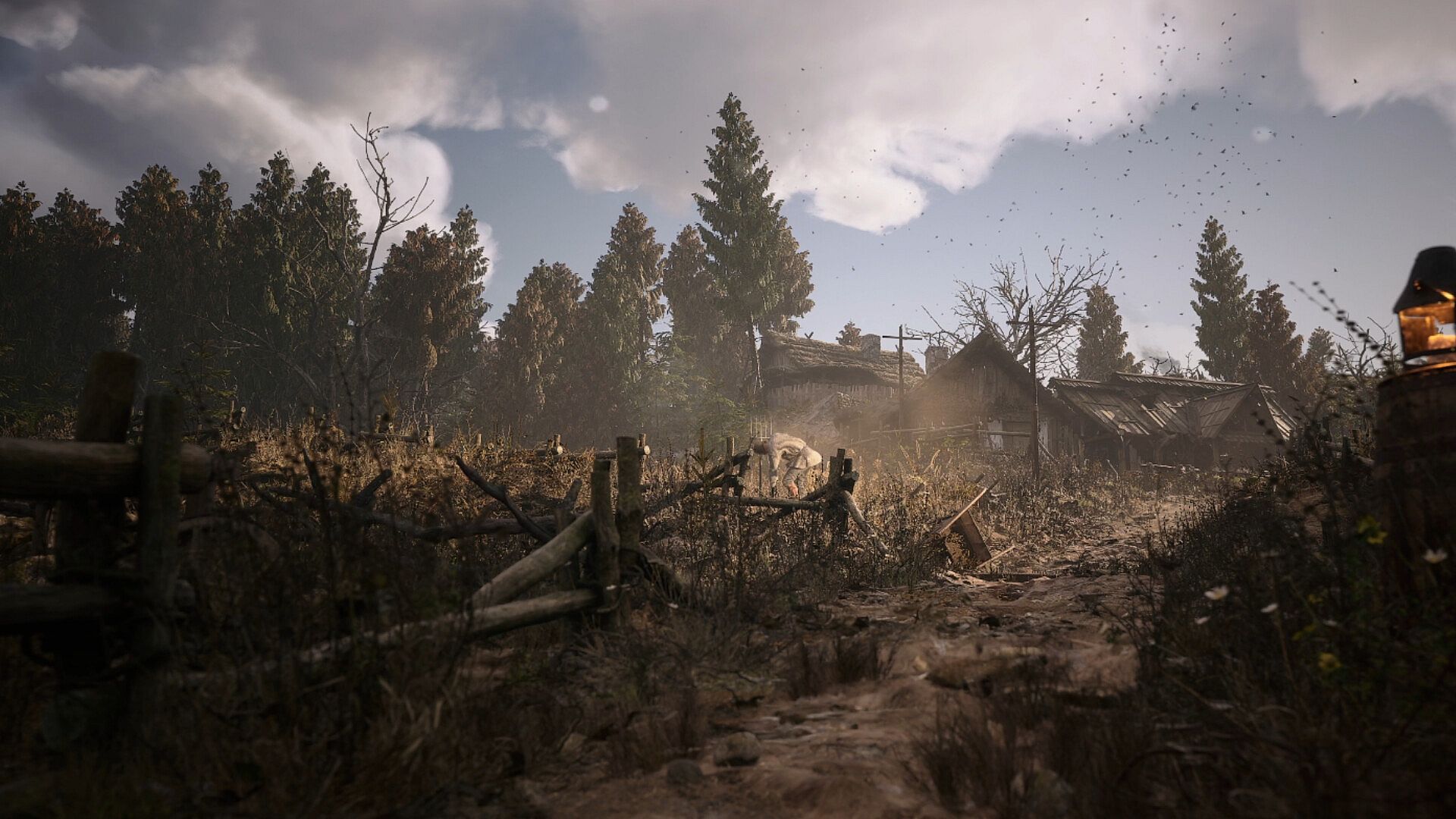
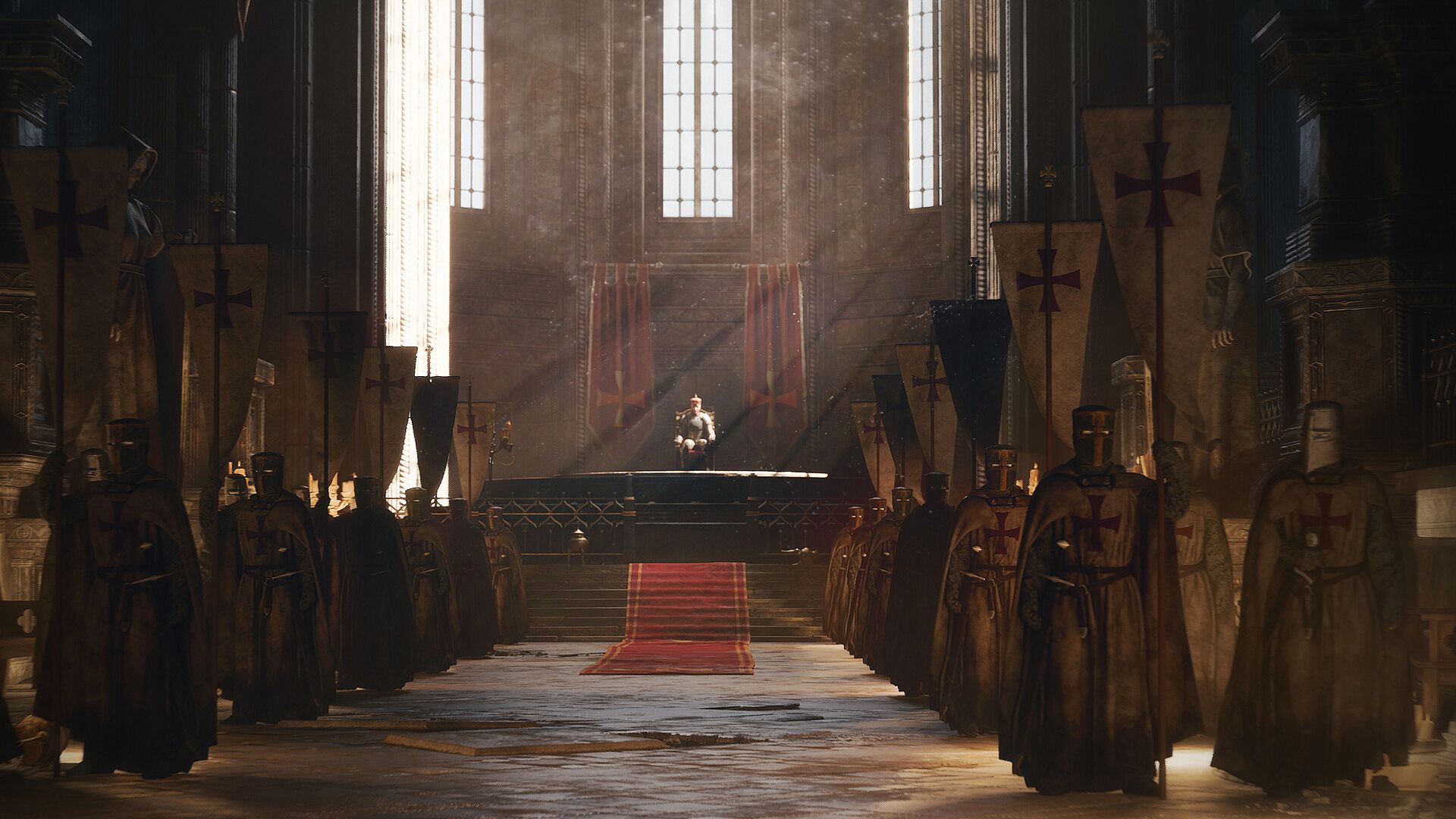
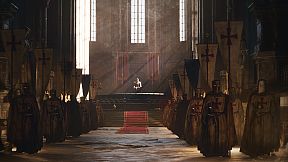


Lionhearts stands out as a massively multiplayer feudal simulator that transports you to the turmoil of the 12th-century Third Crusade. In this strategy-driven RPG, you navigate a world of political intrigue, economic maneuvering, and military conquest, all within a persistent online environment where every decision shapes the shared landscape.
Gameplay
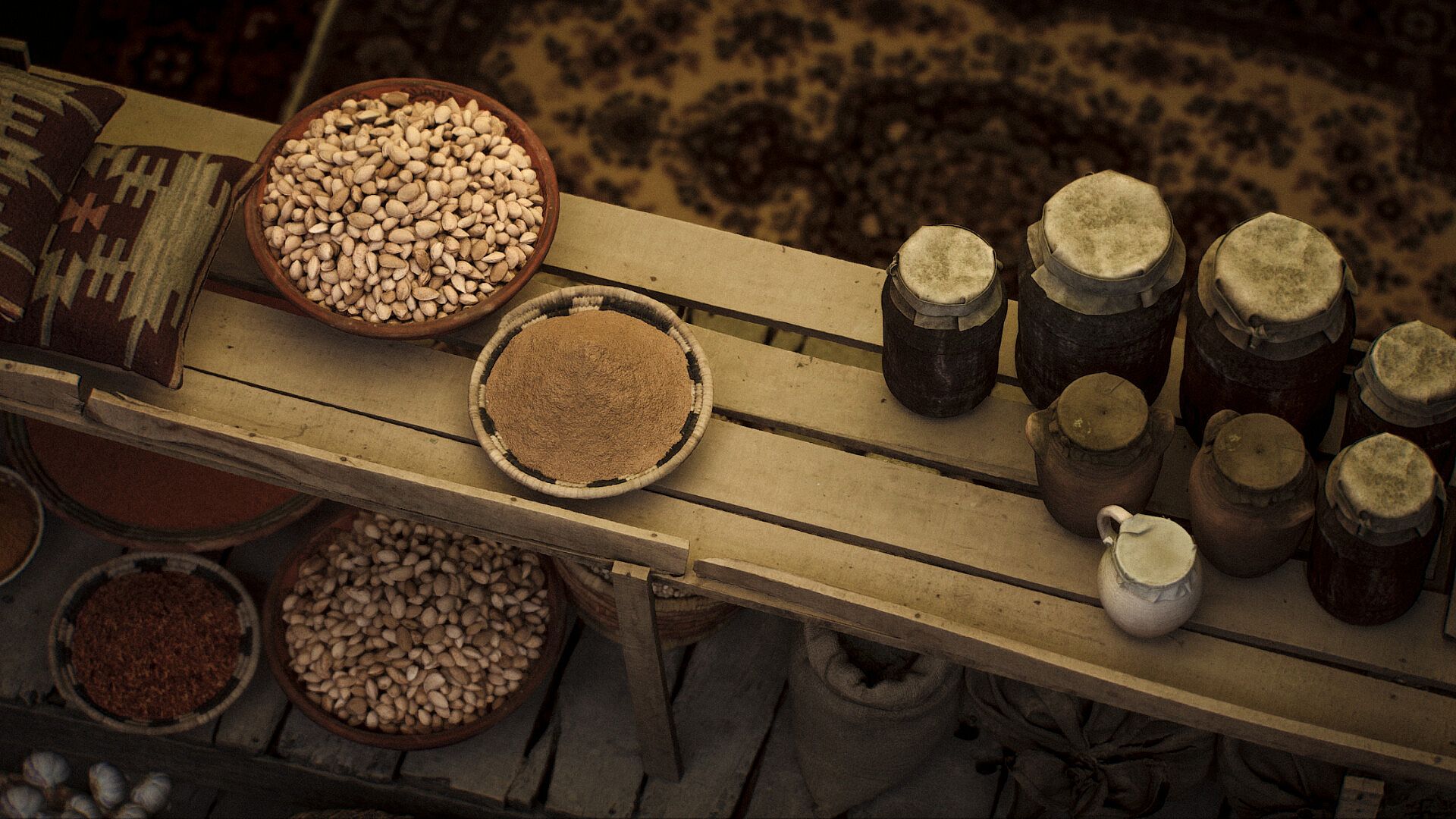
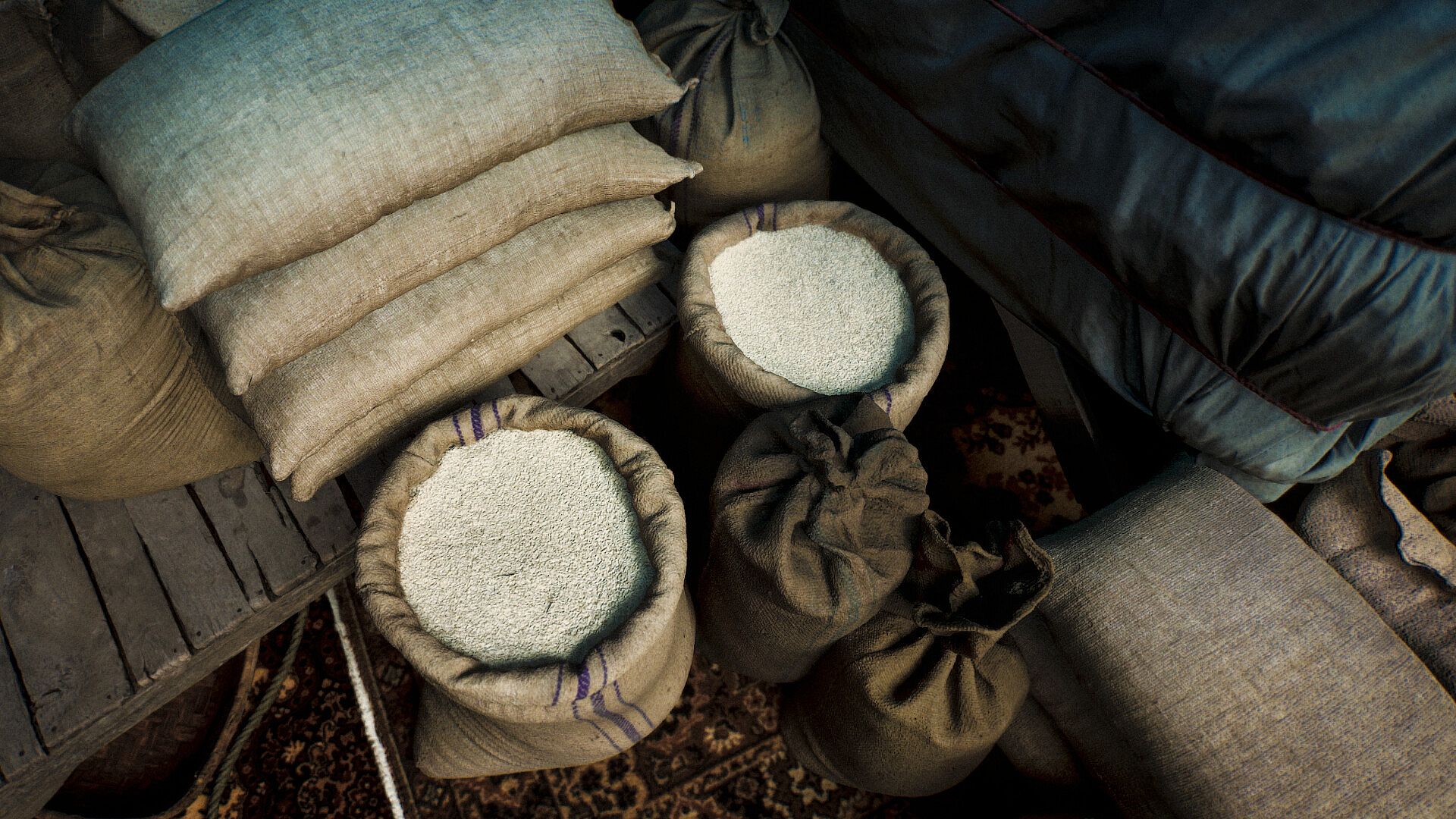
At its core, Lionhearts revolves around managing influence through three main paths: military, trade, and religion. You start by controlling fiefs, where you levy taxes, construct cities, and upgrade structures like farms, homes, and defenses to generate income and strengthen your position. Resource gathering plays a central role, requiring you to chop down forests for wood, mine ore in caverns, or forage for herbs in woodlands, with materials varying in rarity and availability that spark conflicts between players.
A standout feature is the shadow-tasking system, which lets your character continue working offline by assigning tasks such as resource collection, item crafting, or fief maintenance. Combat involves skirmishes where you team up to raid caravans, pilfer enemy supplies, or undermine defenses, adding layers of tactical depth to the persistent world.
Game Modes
Lionhearts operates in a single persistent open world, divided into seamless cells without the need for server switches. This setup supports ongoing activities like kingdom management, where you command retinues, declare wars, and handle diplomacy across 12 player-run kingdoms and four military orders.
Trade-focused play happens through 14 guild types and 66 professions, from blacksmithing to merchant dealings, letting you form guilds, dictate prices, and control resource flows. Religious pursuits involve climbing clerical ranks to influence education, research, and political ties, all within the same unbroken world that emphasizes conquest toward key locations like Jerusalem.
Key Features and Mechanics
The game's economy thrives on real supply and demand, with each fief uniquely owned by players who can lease properties or expand territories. Military hierarchies allow you to lead armies and claim land, while trade empires emerge from mastering crafts and guild leadership. Religion functions as a supportive class, fostering alliances and alternative power dynamics.
Every position of authority, from local lords to kings, remains in the hands of players, creating an unscripted environment of rivalry and cooperation. This player-driven structure ensures that wars, trade deals, and religious edicts evolve organically based on community actions.
Is It Worth Playing?
As an upcoming title still in development with a release date to be announced, Lionhearts holds strong appeal for those drawn to deep strategy and social simulation in a medieval setting. If you enjoy persistent worlds where your choices impact a shared history, such as building empires or engaging in large-scale politics, this could fit well. However, with no current player reviews available due to its pre-release status, decisions hinge on whether its blend of RPG elements, multiplayer interaction, and historical inspiration aligns with your preferences for long-term commitment games.











