




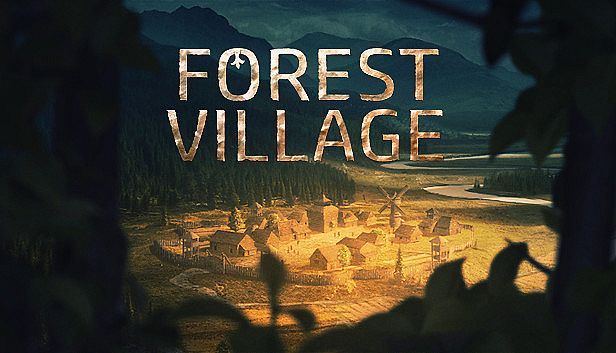














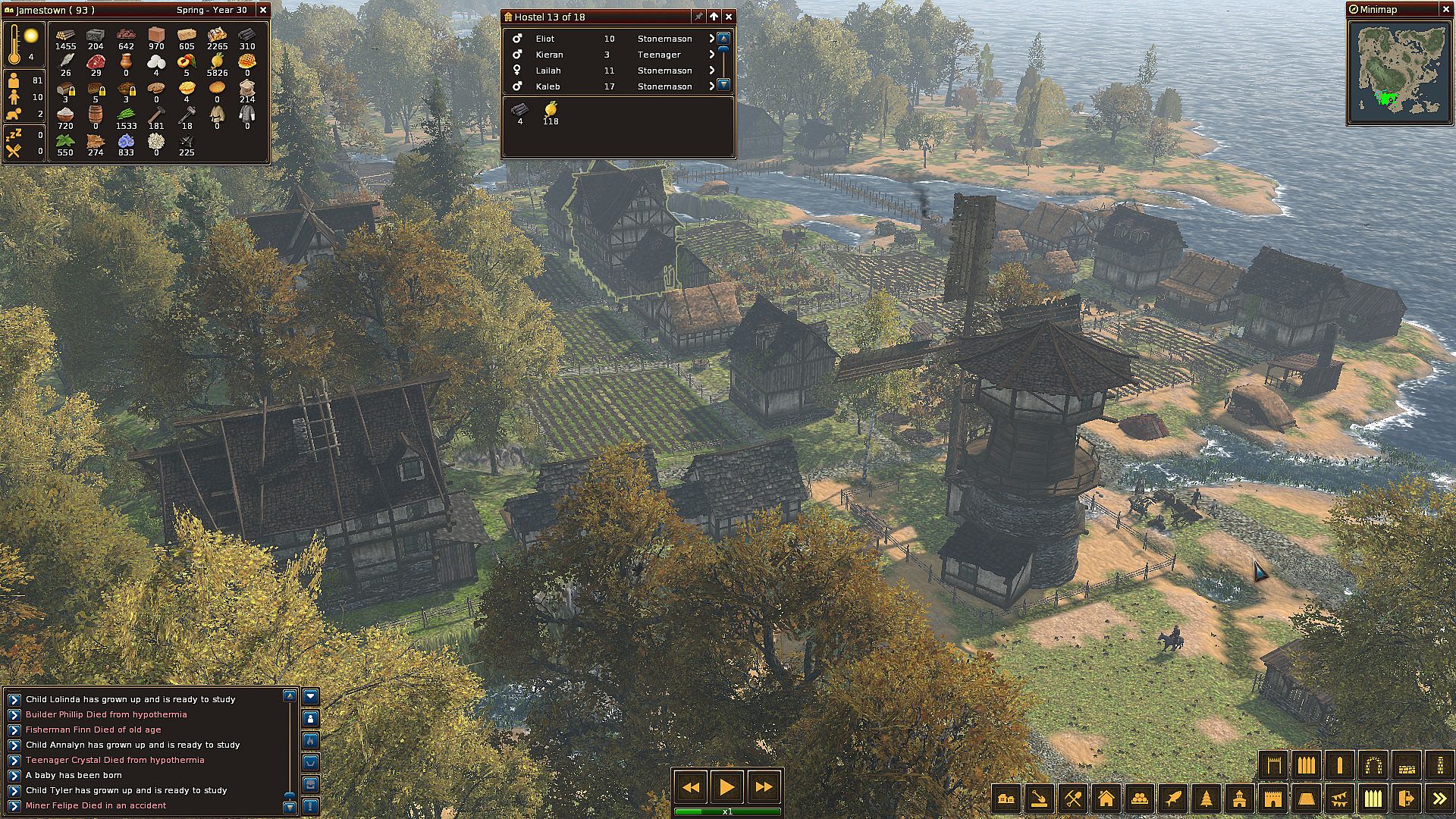
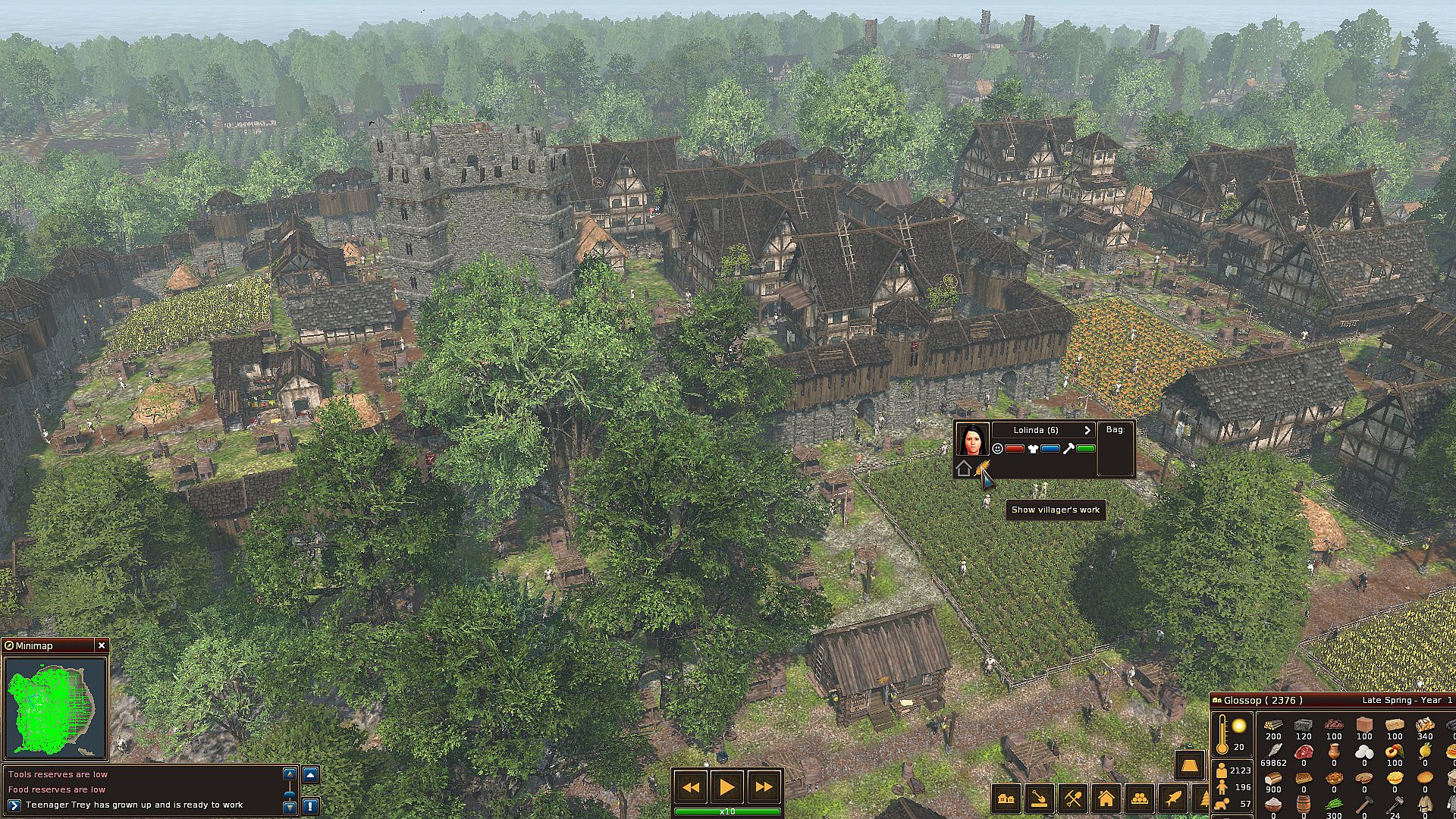
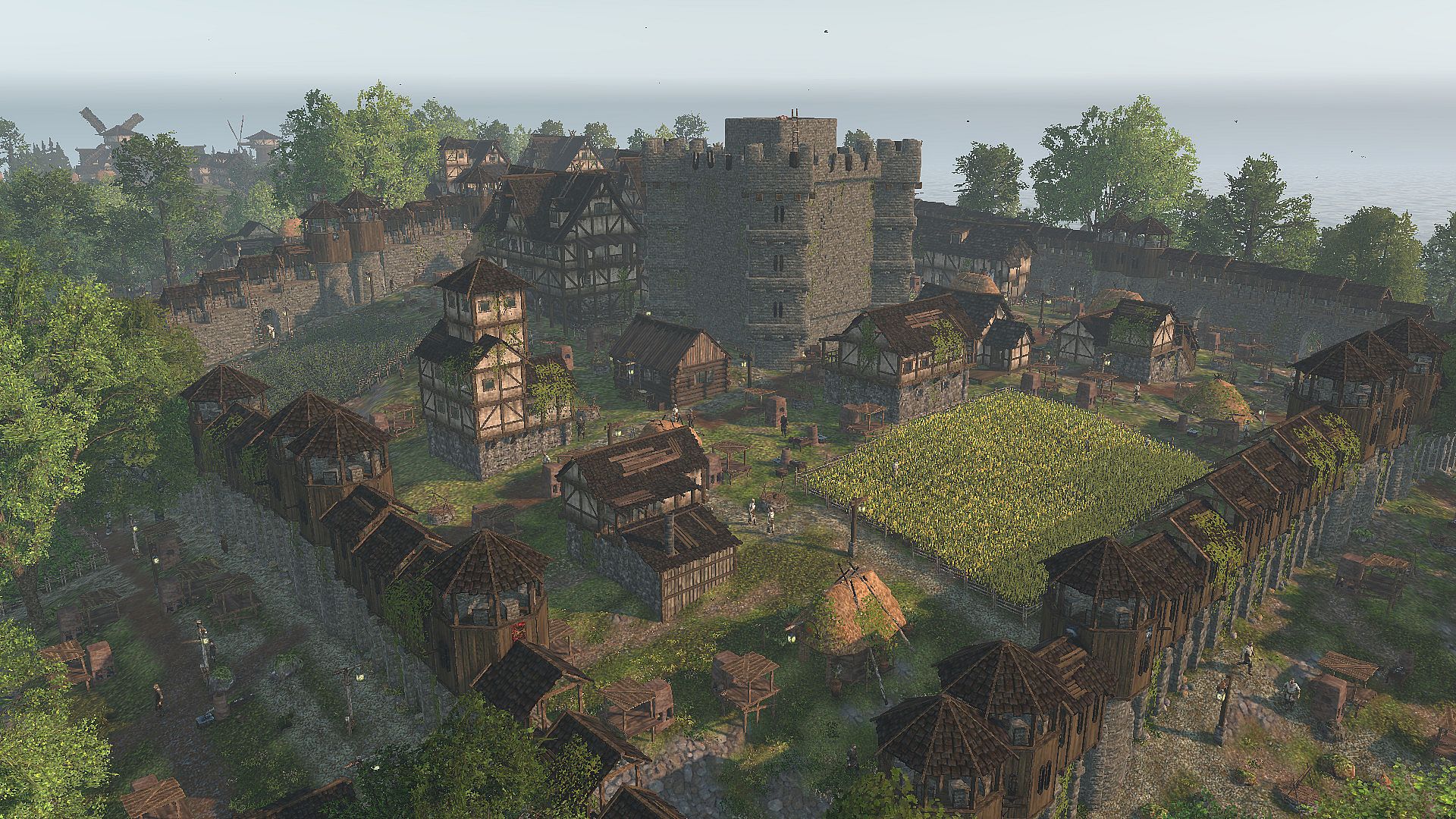
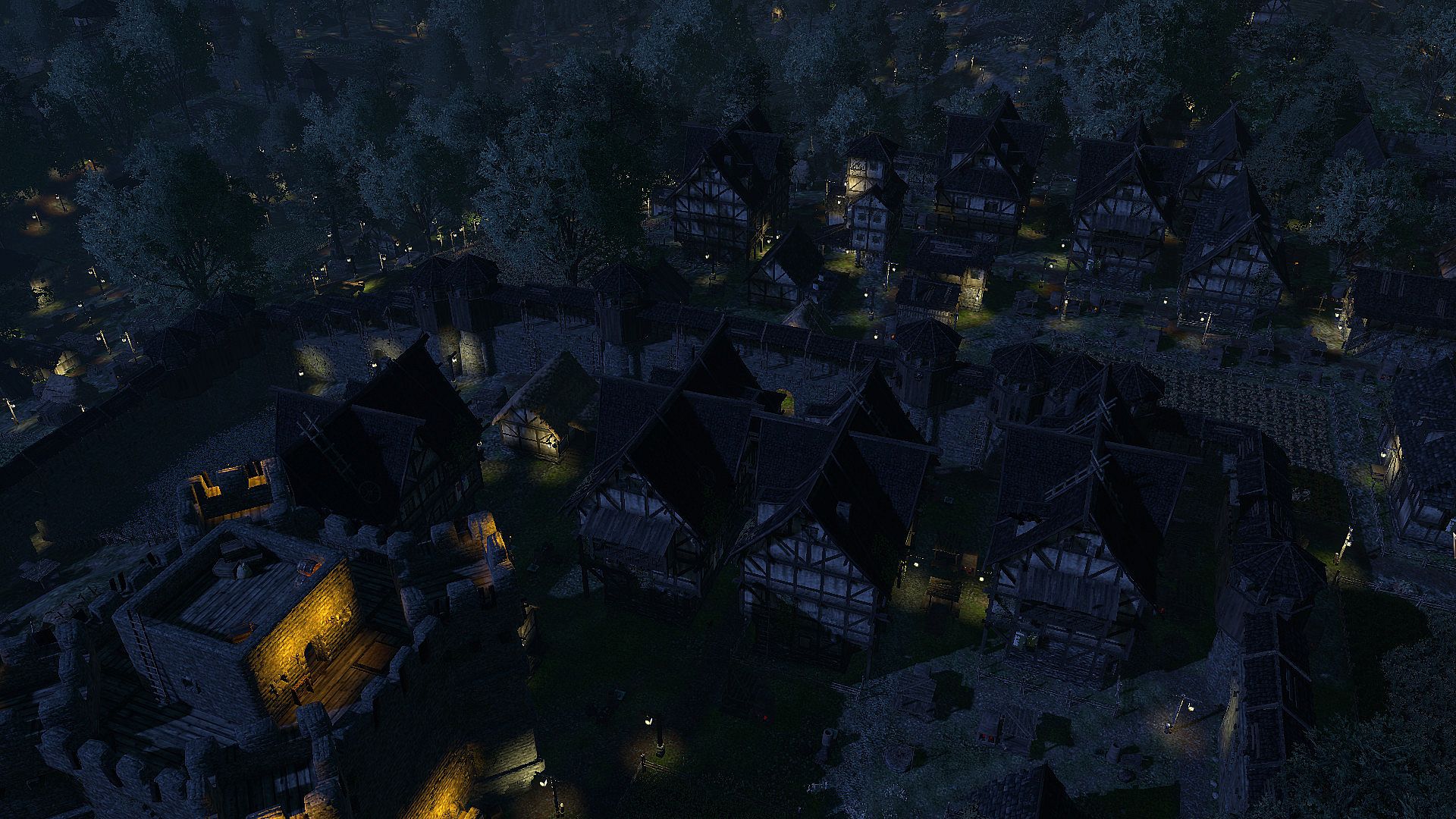
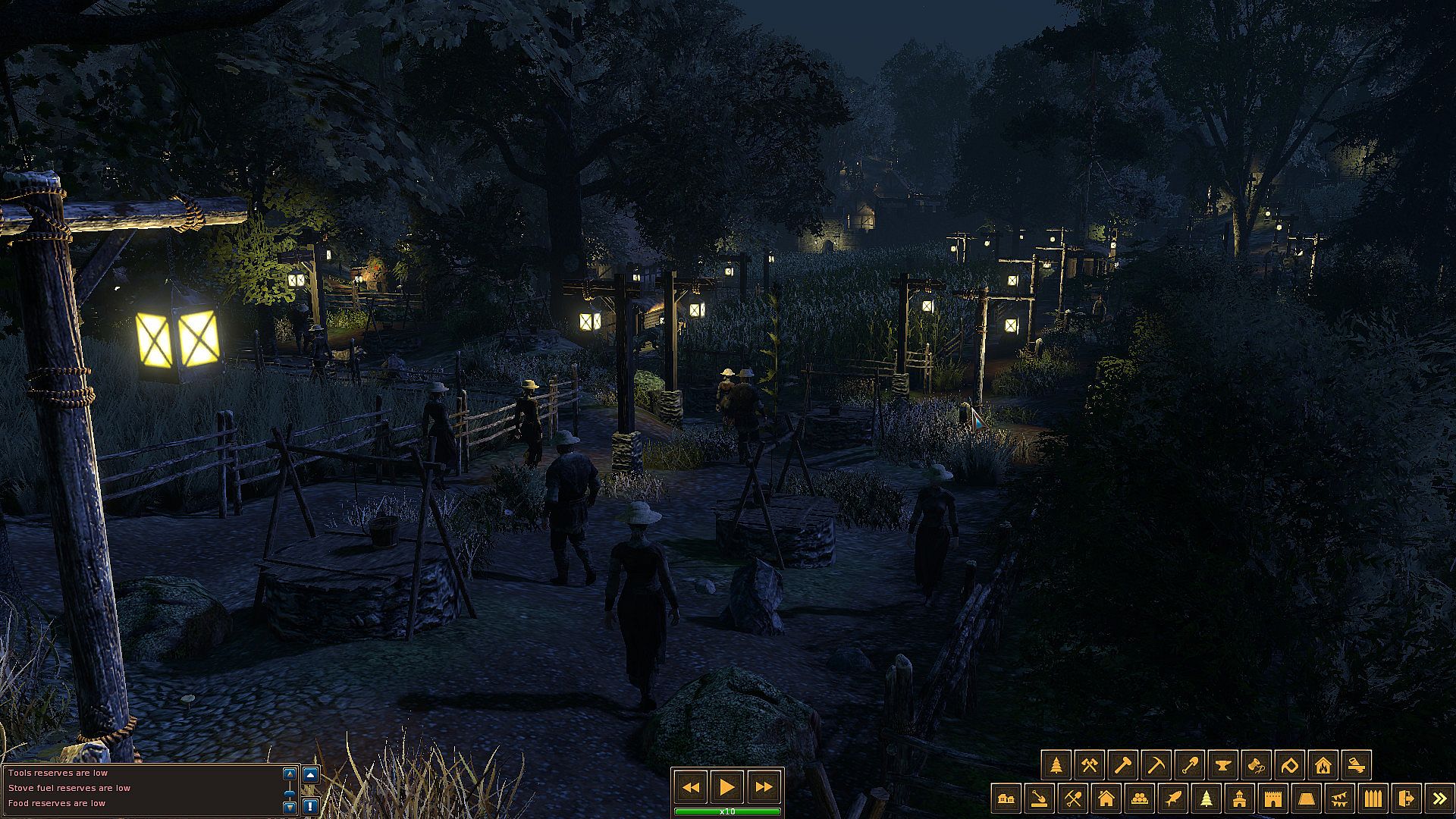
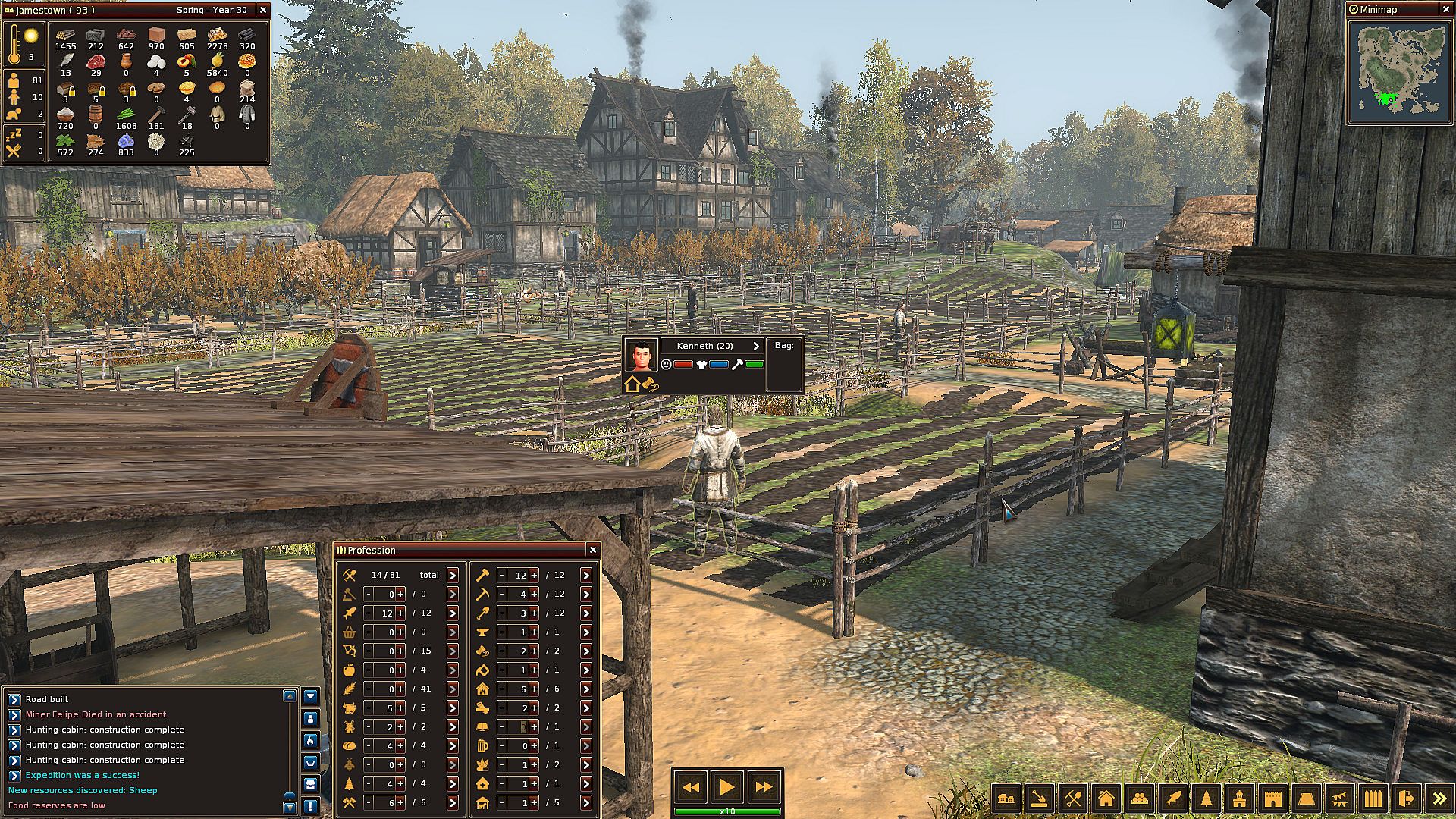
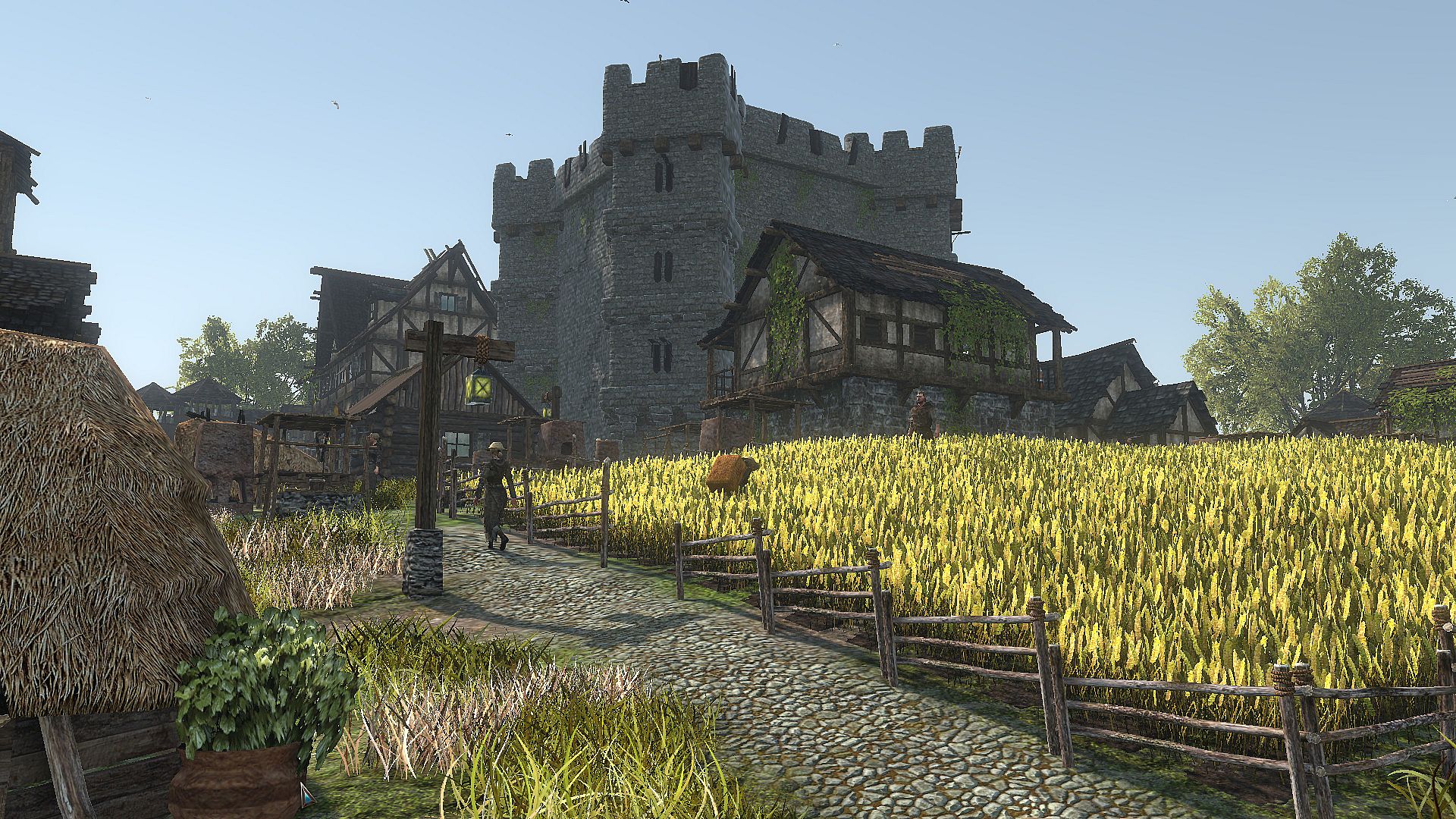
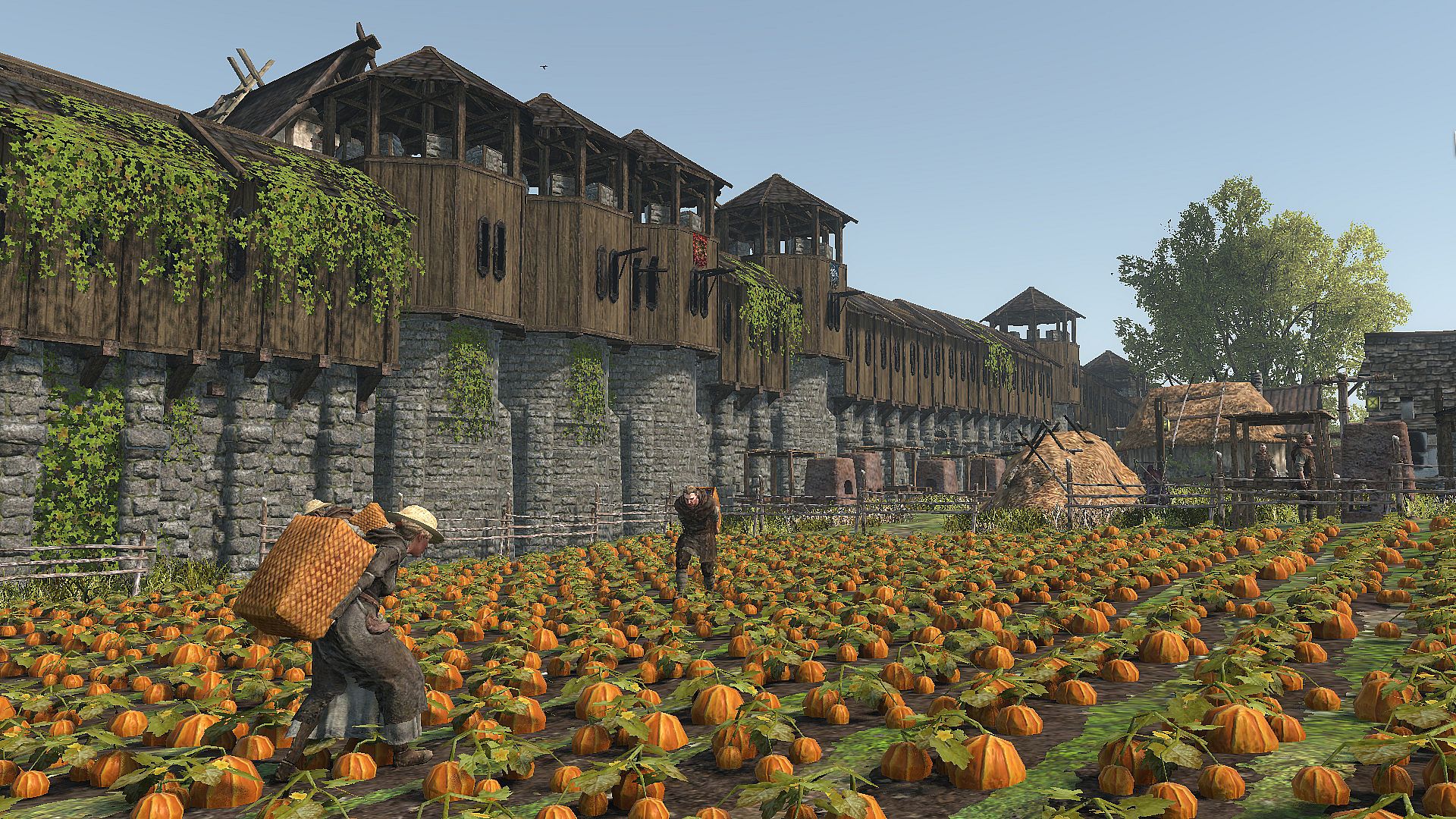
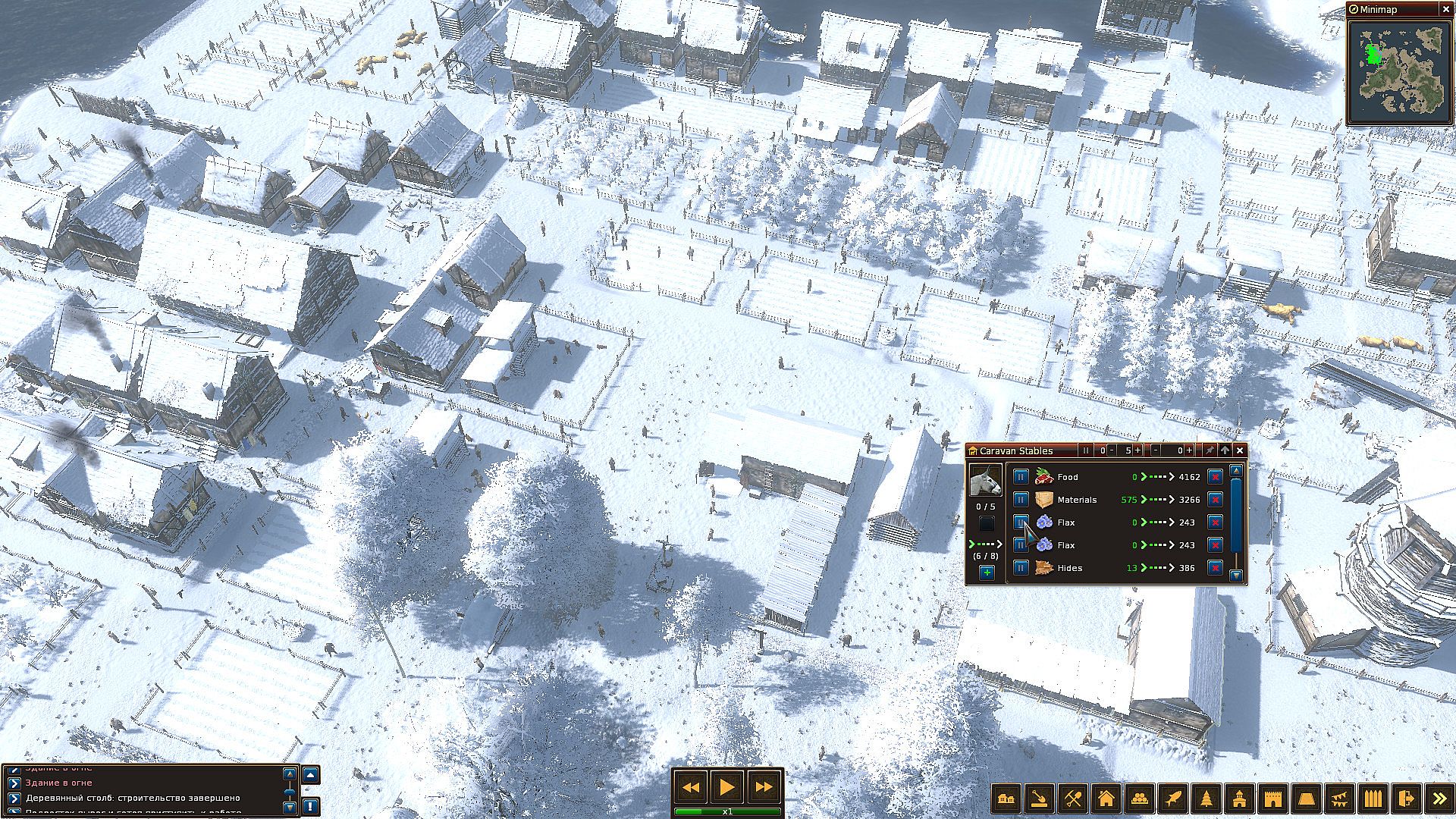
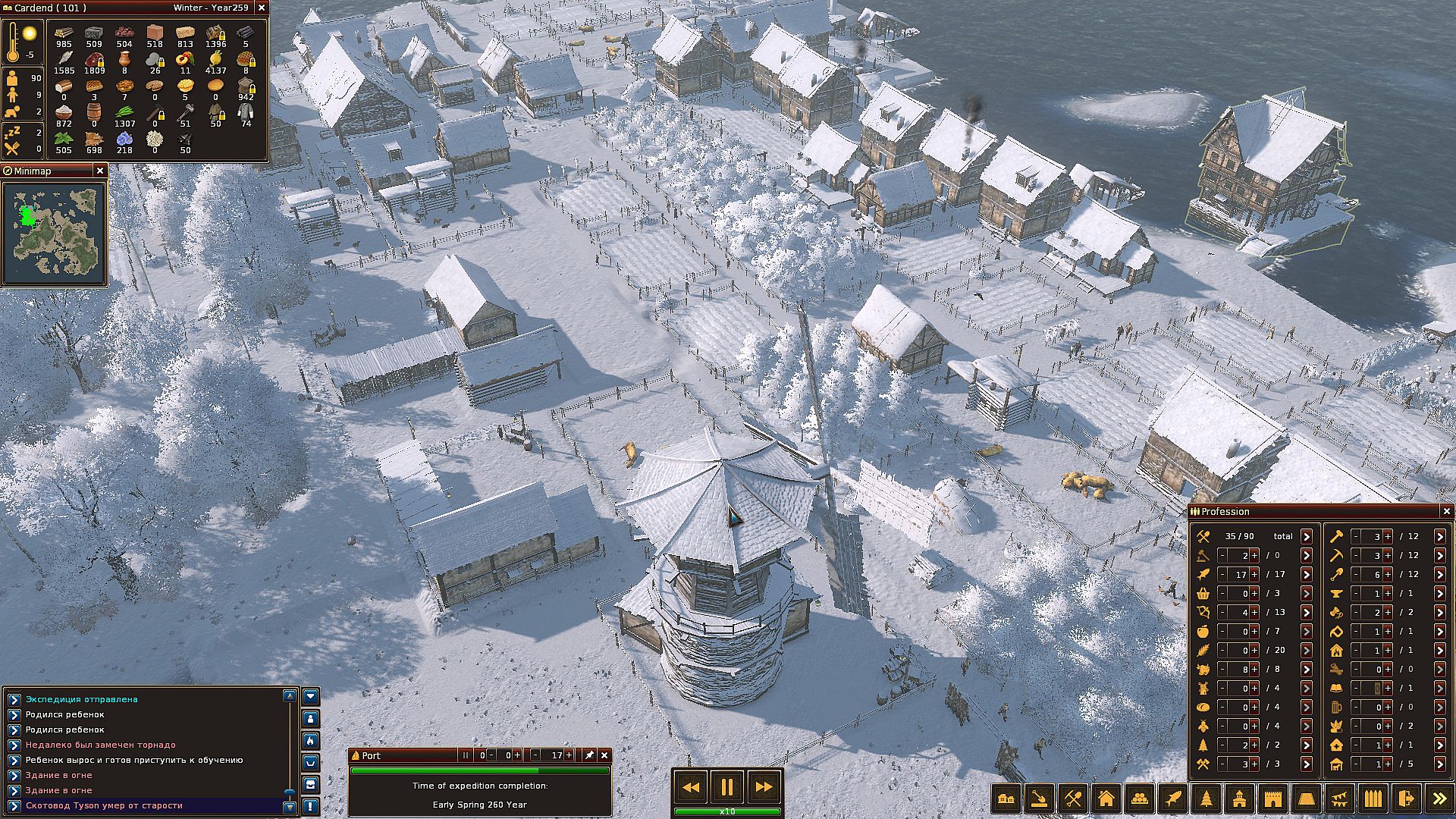
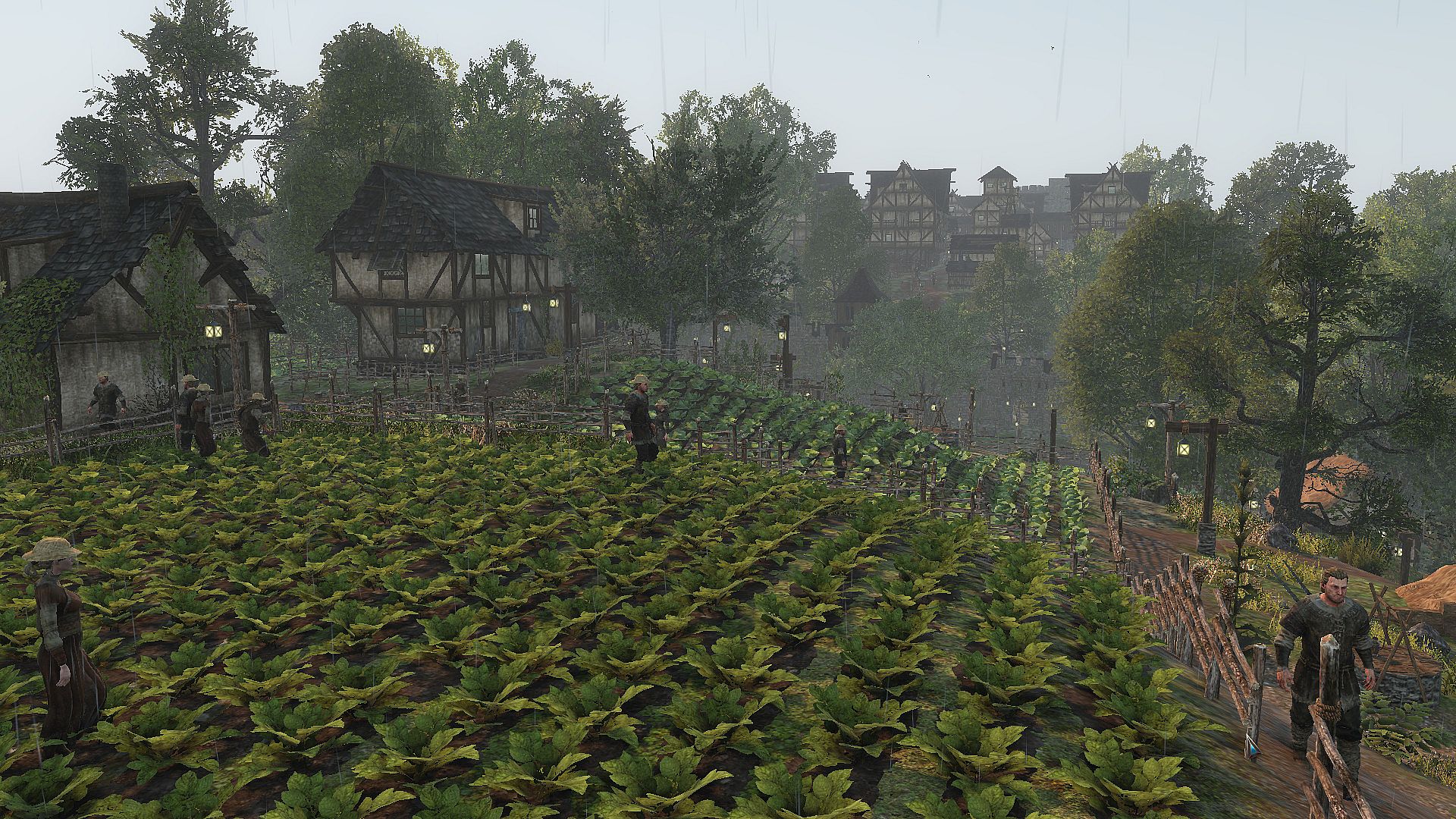
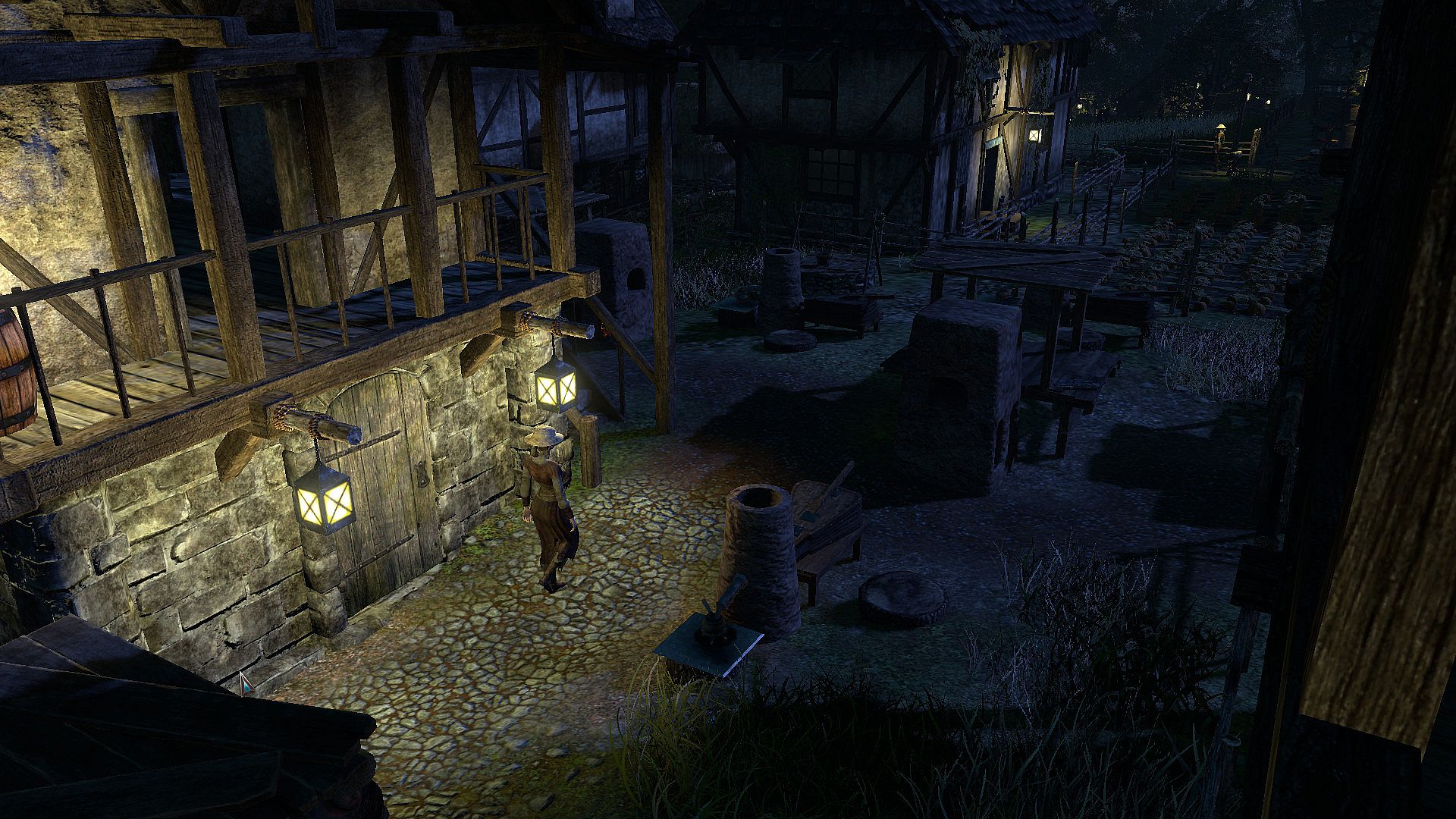
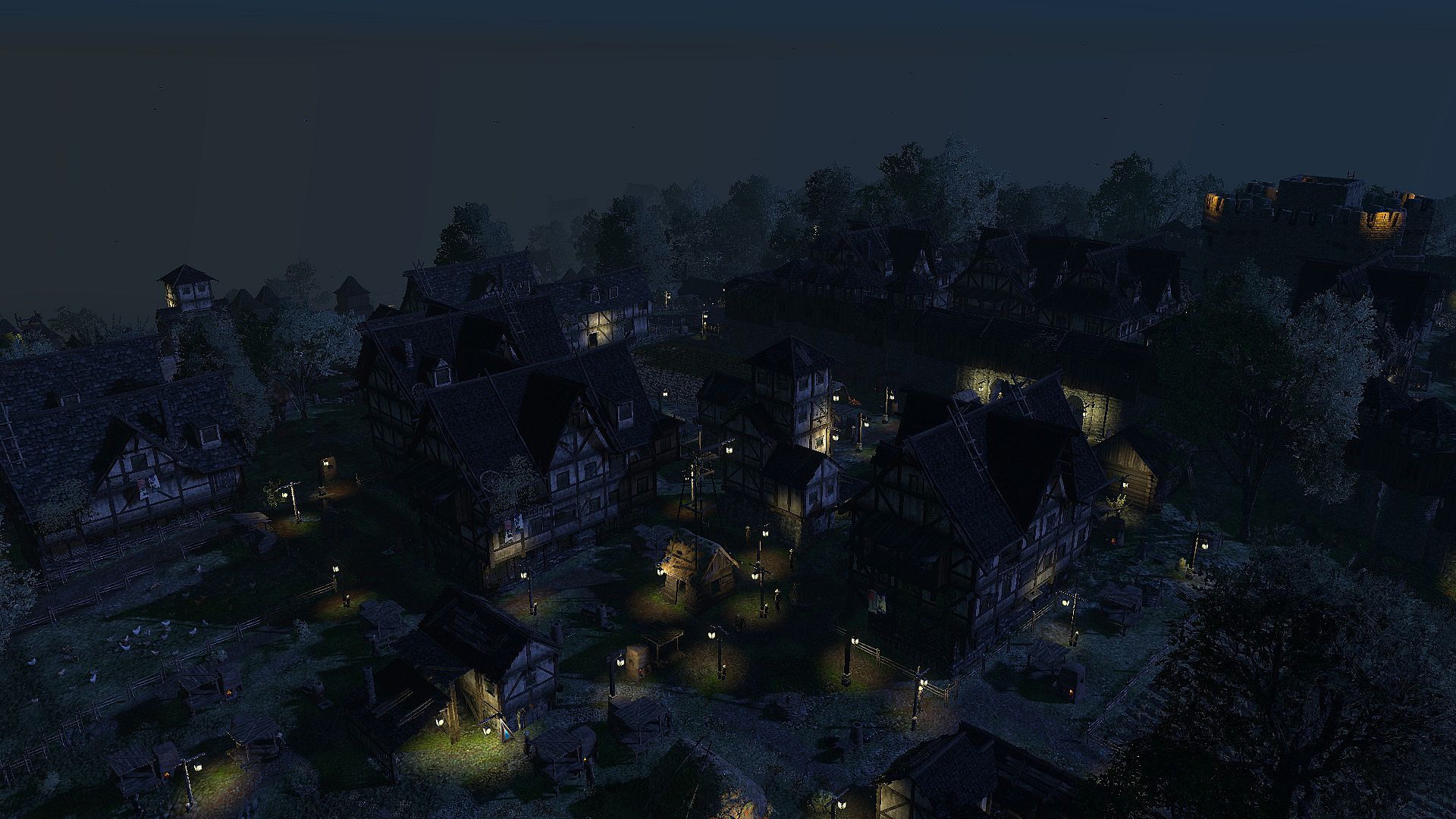
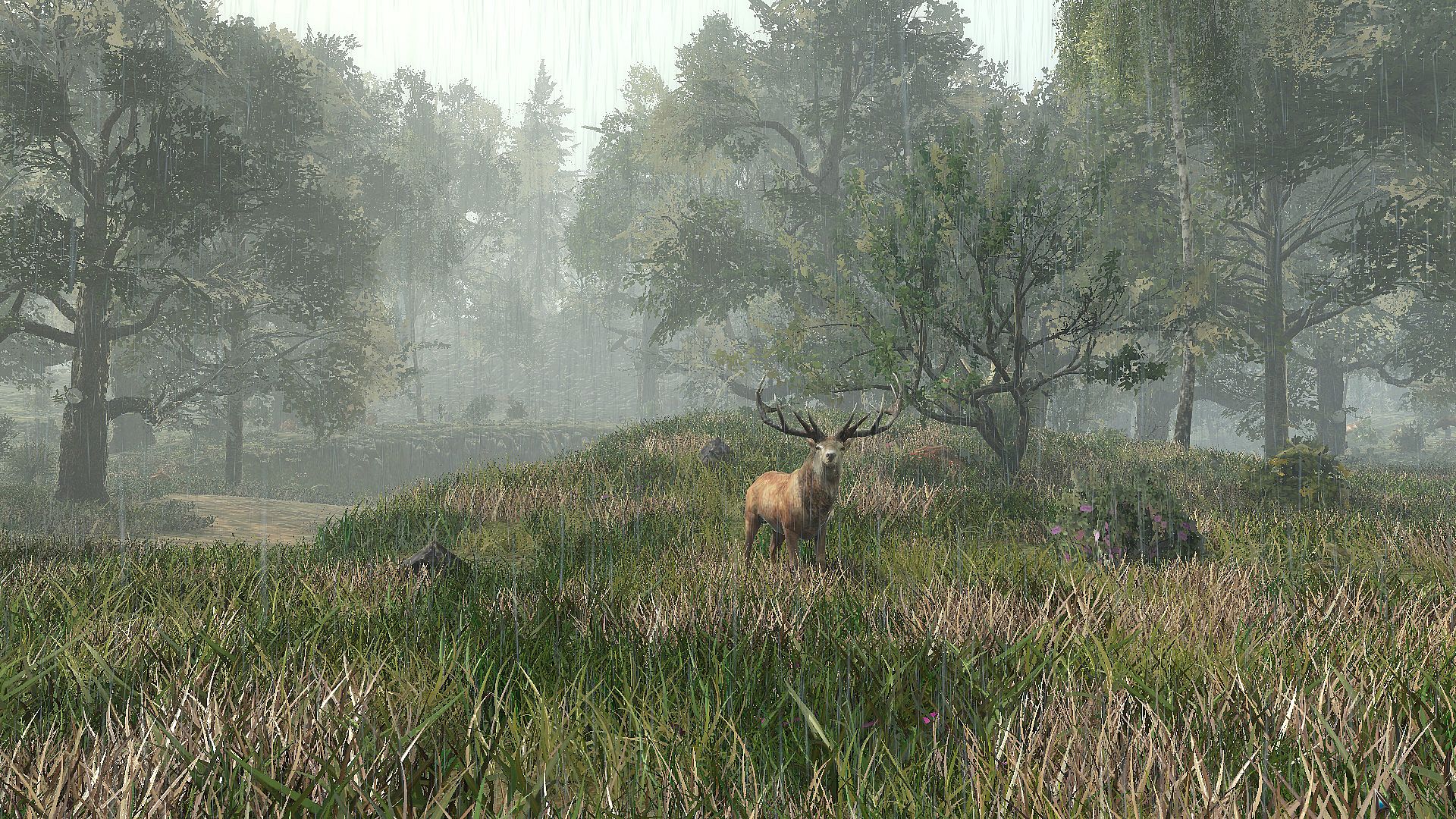
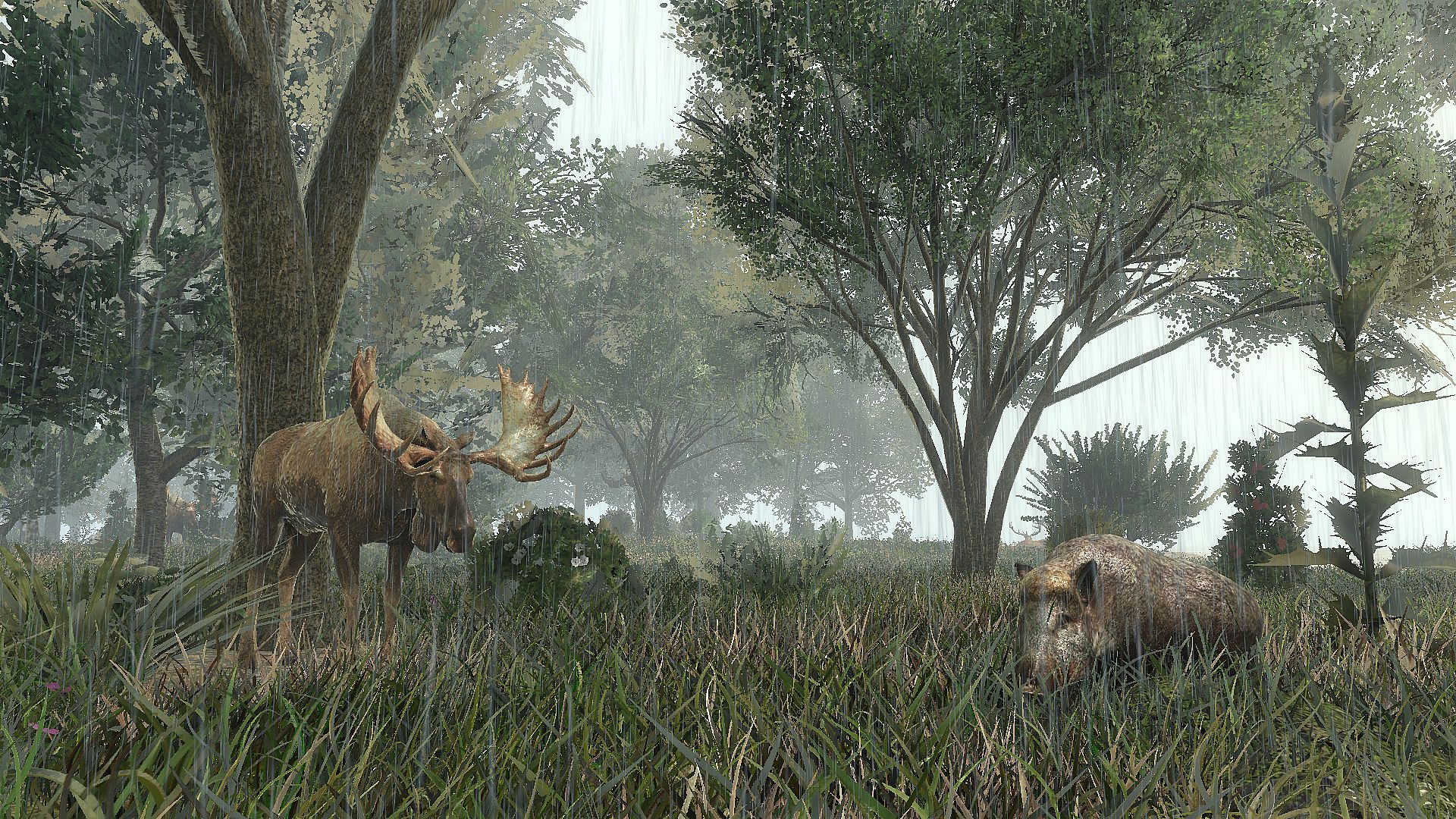
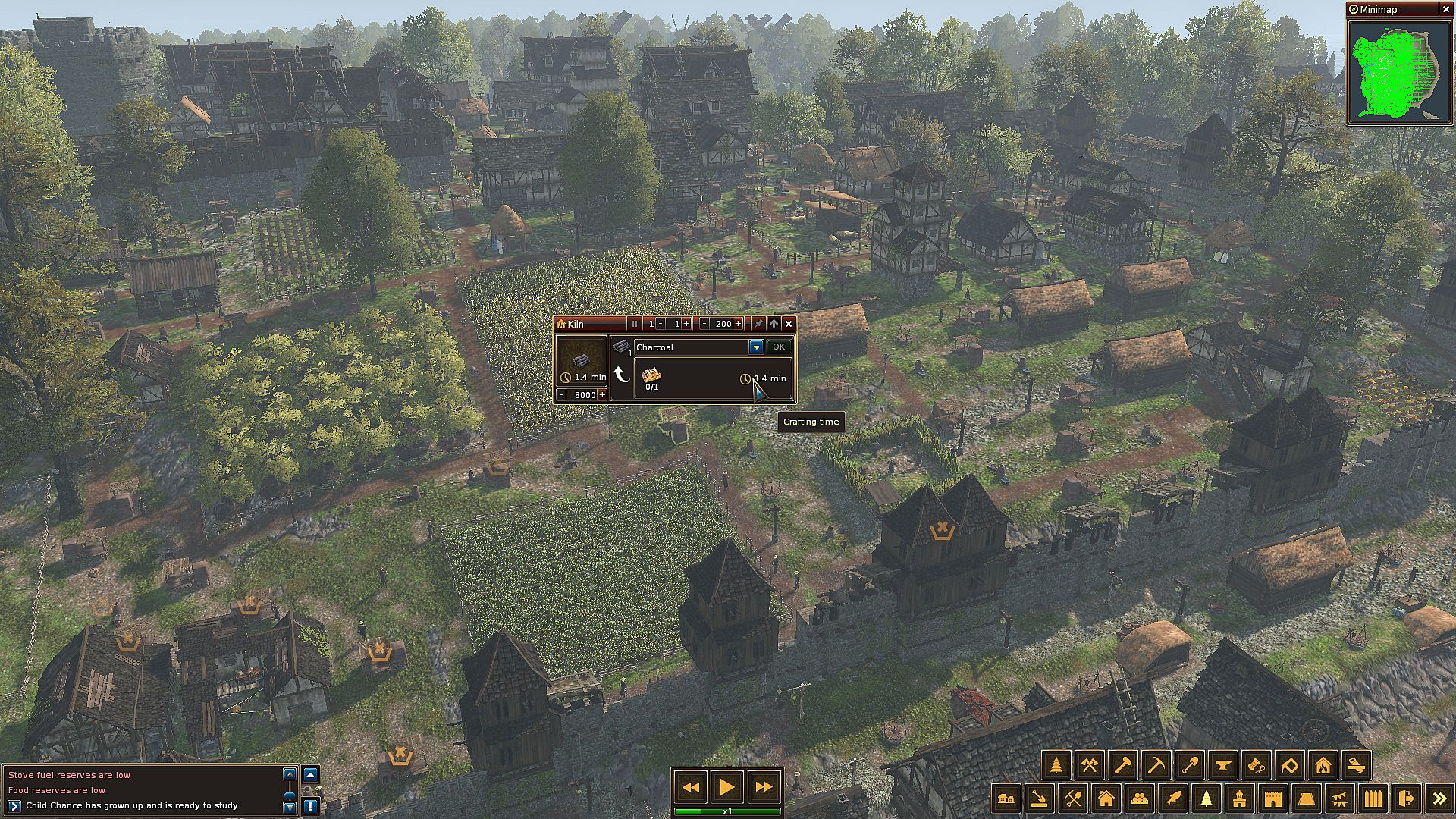
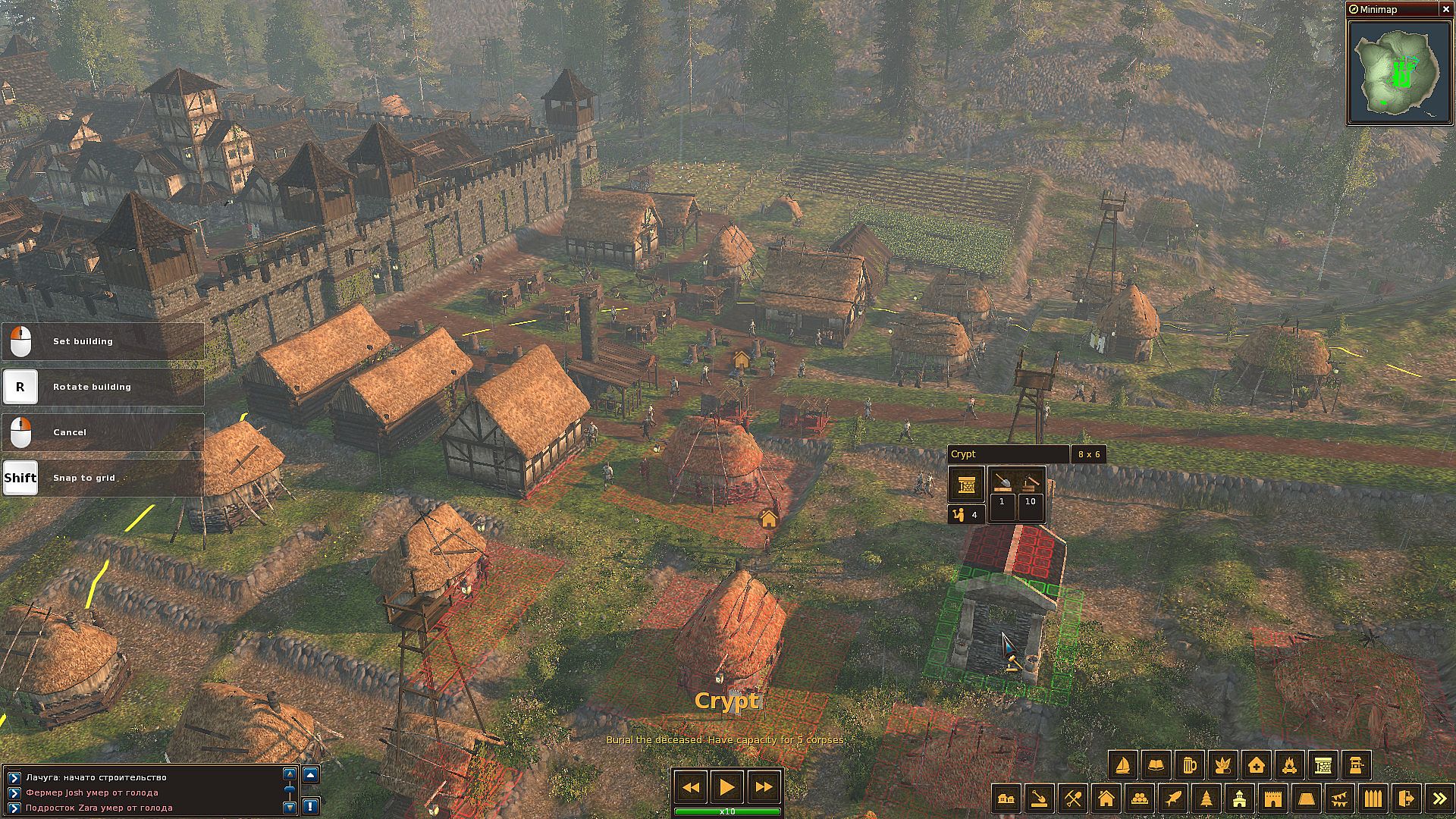
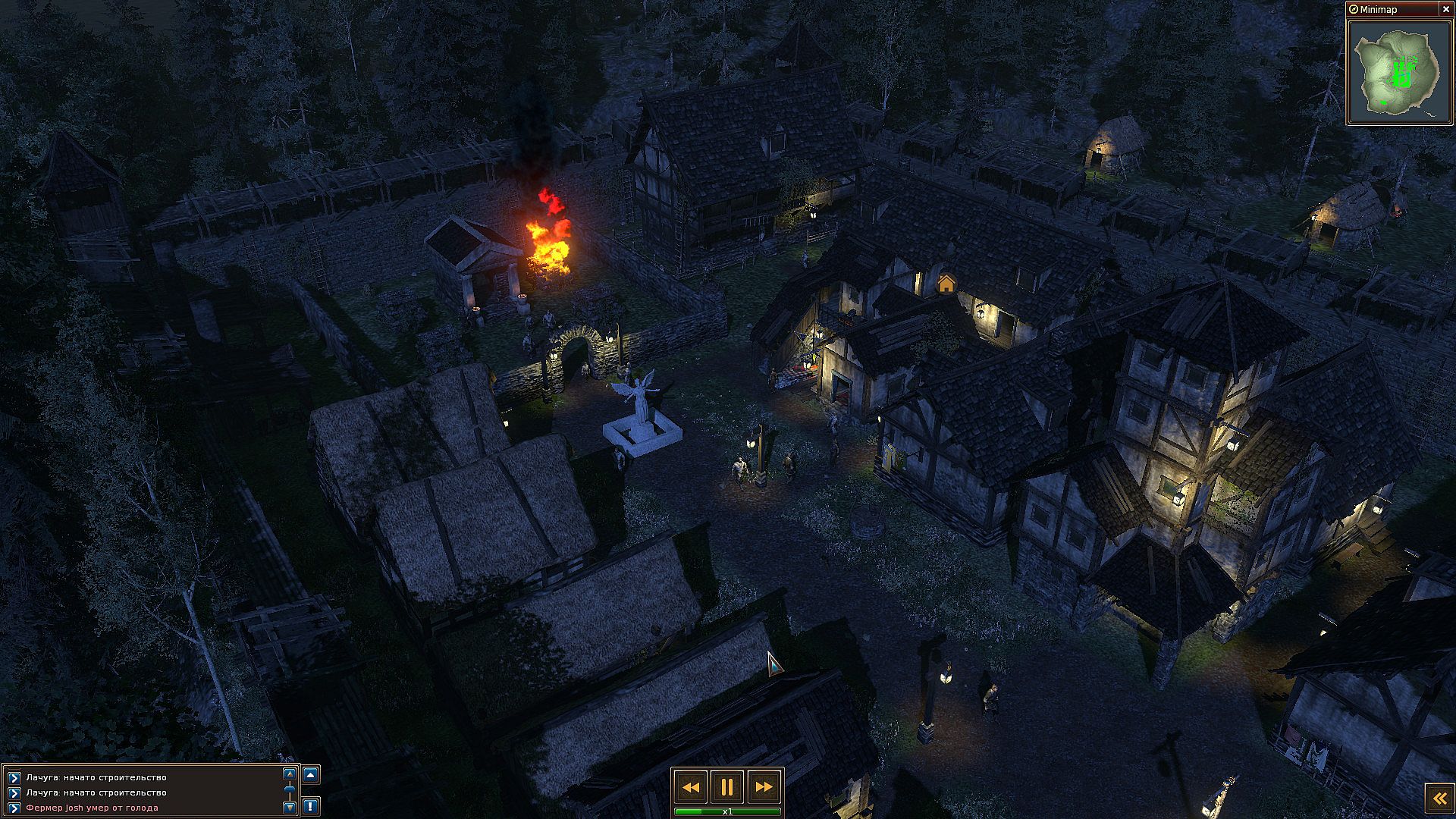
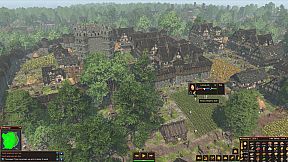
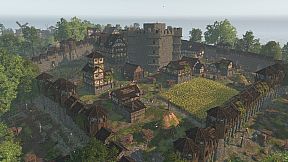
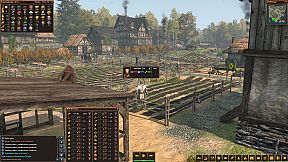
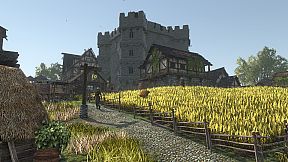
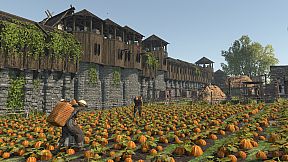
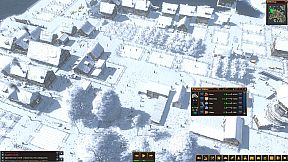
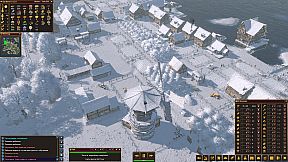
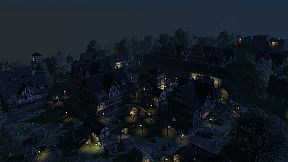
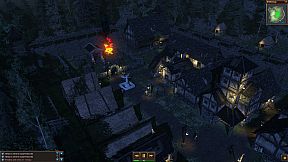
Life is Feudal: Forest Village is a strategy simulation game on PC that combines town building with survival mechanics in a medieval setting. Players lead a group of refugees establishing a settlement on an unfamiliar island, managing resources and population while contending with environmental challenges.
Gameplay
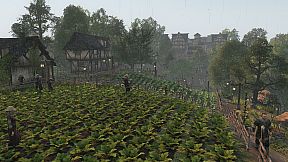
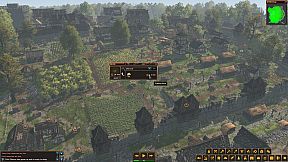
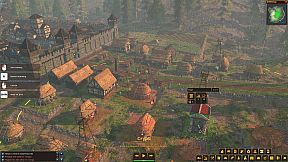
The core loop revolves around expanding a village through construction, resource gathering and agriculture. Players shape the terrain to accommodate structures such as houses, pastures, orchards, farms and windmills. Foraging, hunting and animal husbandry provide food supplies, while stockpiling firewood, charcoal and clothing becomes essential as seasons change.
An advanced farming system requires attention to crop and fruit tree needs for moisture, labor and growth time. Pastures and livestock demand protection from predators. Terraforming allows land modification for larger builds, and paving roads improves villager movement efficiency and overall settlement productivity.
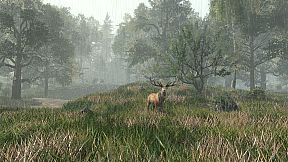
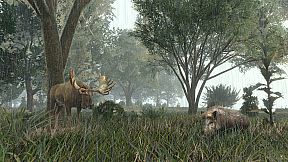
Health management includes monitoring food rations for vitamins to prevent disease, which spreads more readily in cold conditions without adequate clothing. A dynamic ecosystem reacts to player actions, with frequent villager activity in woods pushing wildlife farther away and overharvesting risking depletion of natural resources like meat, hides and herbs.
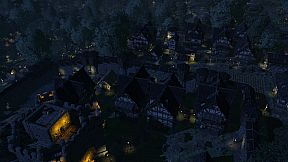
Real-time weather and seasonal cycles influence daily tasks. Summer droughts necessitate crop watering, rain prompts drainage efforts, and winter demands fuel and warm attire. Morale affects population growth, with overcrowding, unmet needs or witnessed deaths lowering productivity.
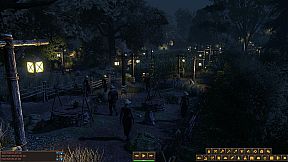
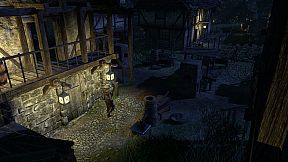
Disasters such as lightning strikes on hilltop buildings, tornadoes and earthquakes introduce sudden risks that require preparation. View switching between overhead strategy oversight and first-person control of individual villagers adds flexibility for task execution or exploration.
Game Modes
The game operates as a single-player experience without separate multiplayer or co-op modes. Players progress through settlement development at their own pace, balancing strategic commands from a birdseye perspective with hands-on first-person actions.
Core play focuses on survival and expansion in one continuous session, where choices in land use, resource allocation and villager well-being determine long-term success. No distinct campaign or competitive variants exist beyond this integrated approach.
Key Systems and Challenges
Population growth ties directly to morale, encouraging balanced living conditions and varied diets. Over time, the settlement must adapt to ecological shifts caused by expansion, such as reduced wildlife yields from excessive woodcutting or farming.
Mod support allows customization of AI behavior, animations, tasks, resources and navigation through LUA scripts, extending the base systems for those interested in modifications.
Is It Worth Playing?
This title suits players who enjoy deliberate town-building simulations with layered survival elements, including resource scarcity and seasonal management. The combination of overhead planning and direct villager control provides variety for those seeking both strategic depth and occasional immersive tasks.
Reception highlights its feature set alongside noted issues with AI pathing and balance in some areas. It appeals most to fans of similar indie strategy simulations who appreciate the emphasis on realistic medieval village life and environmental interactions. The single-player focus makes it accessible for solo sessions without requiring online coordination.














