




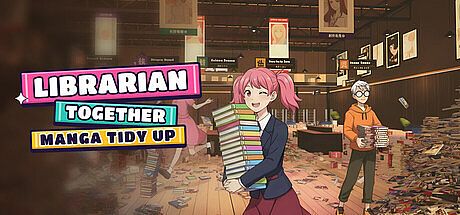


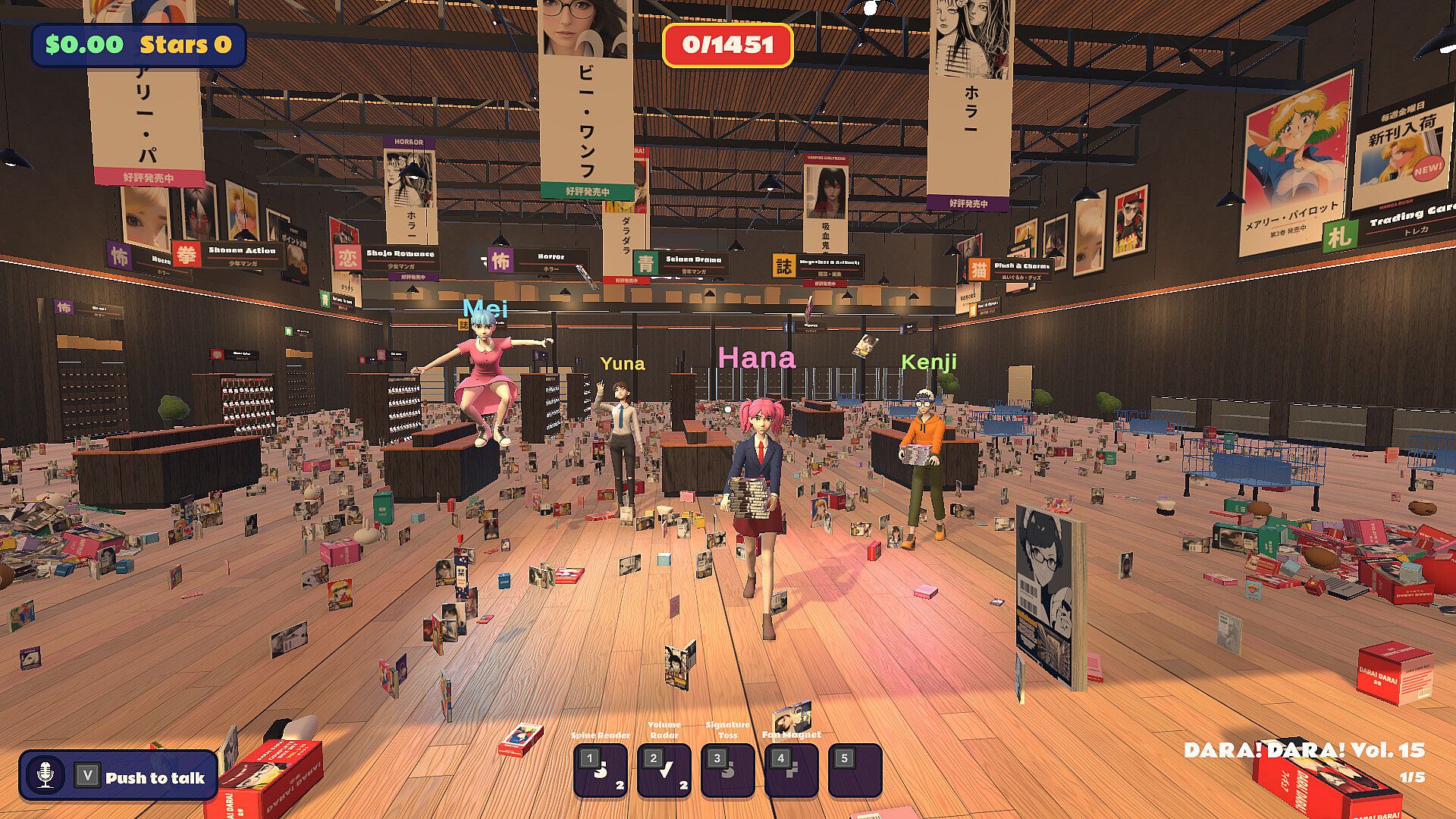
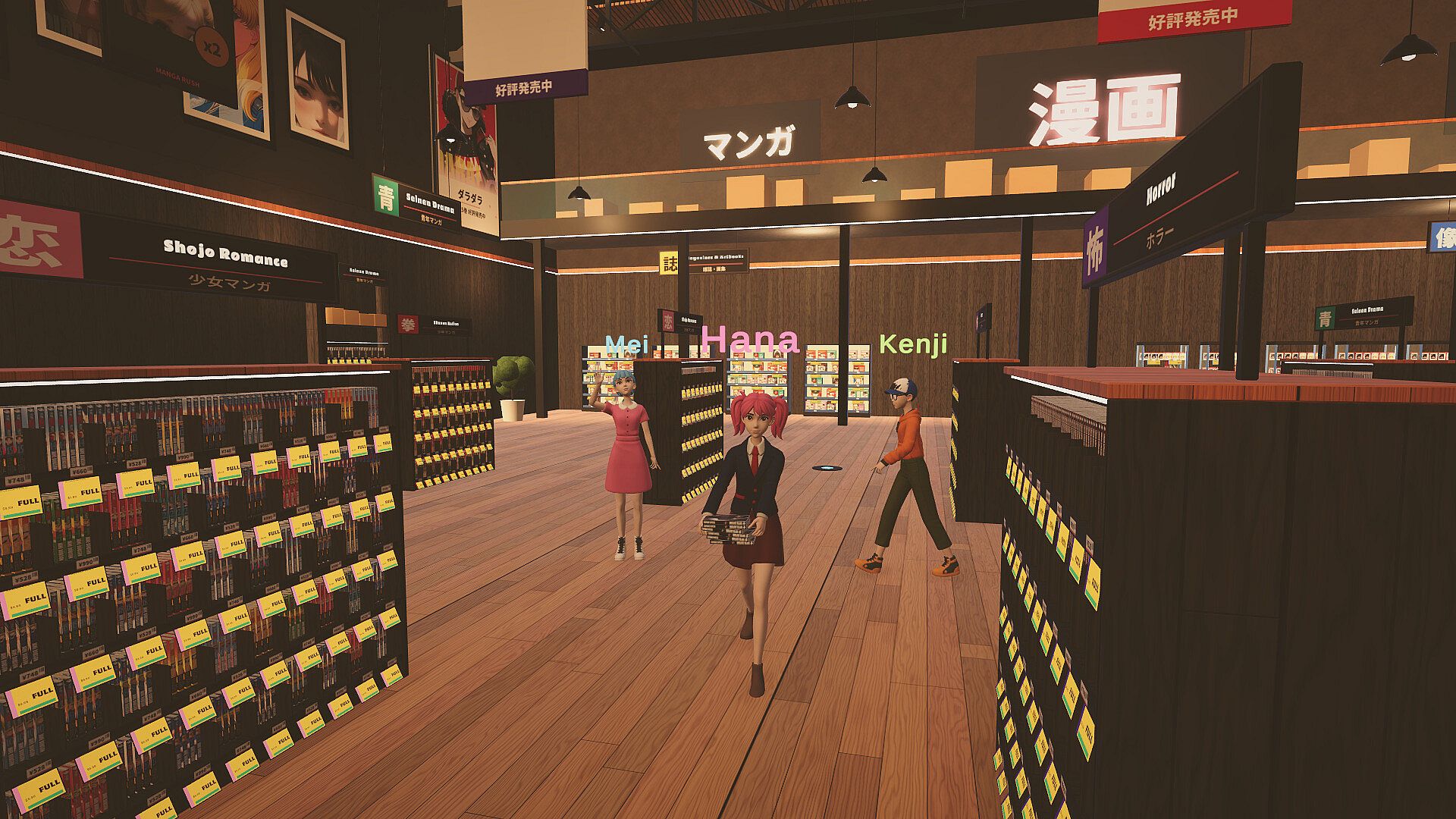
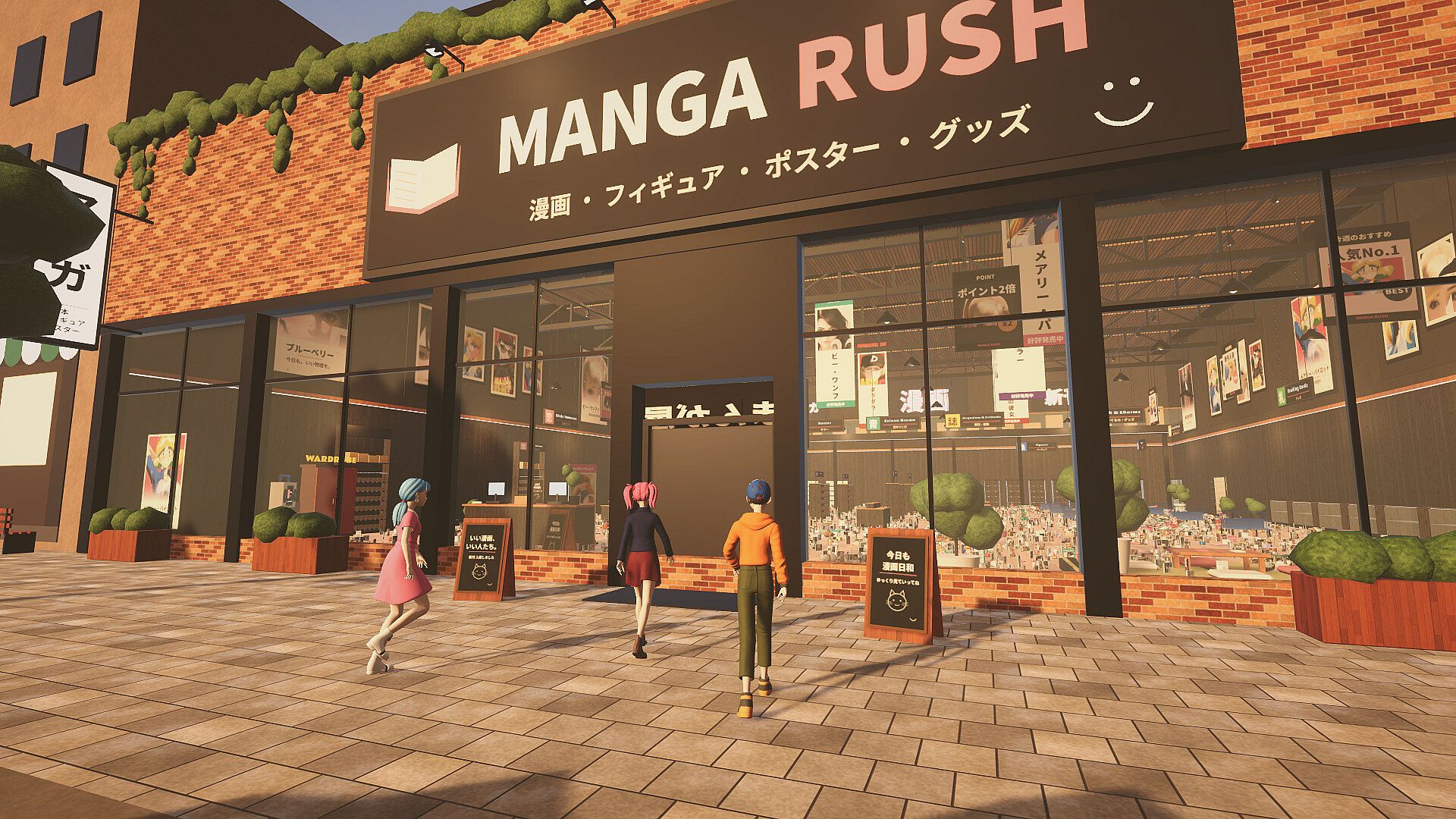
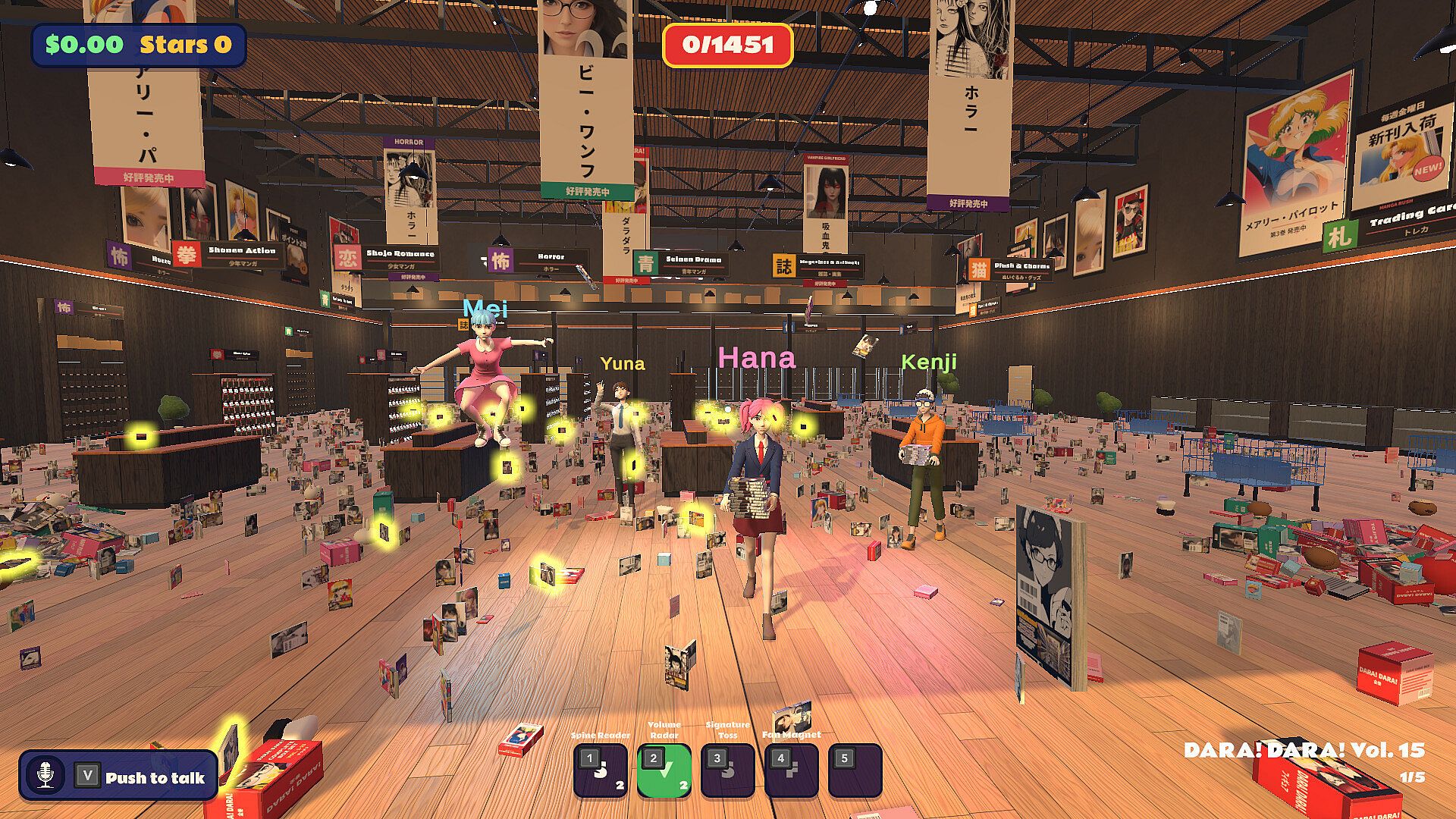
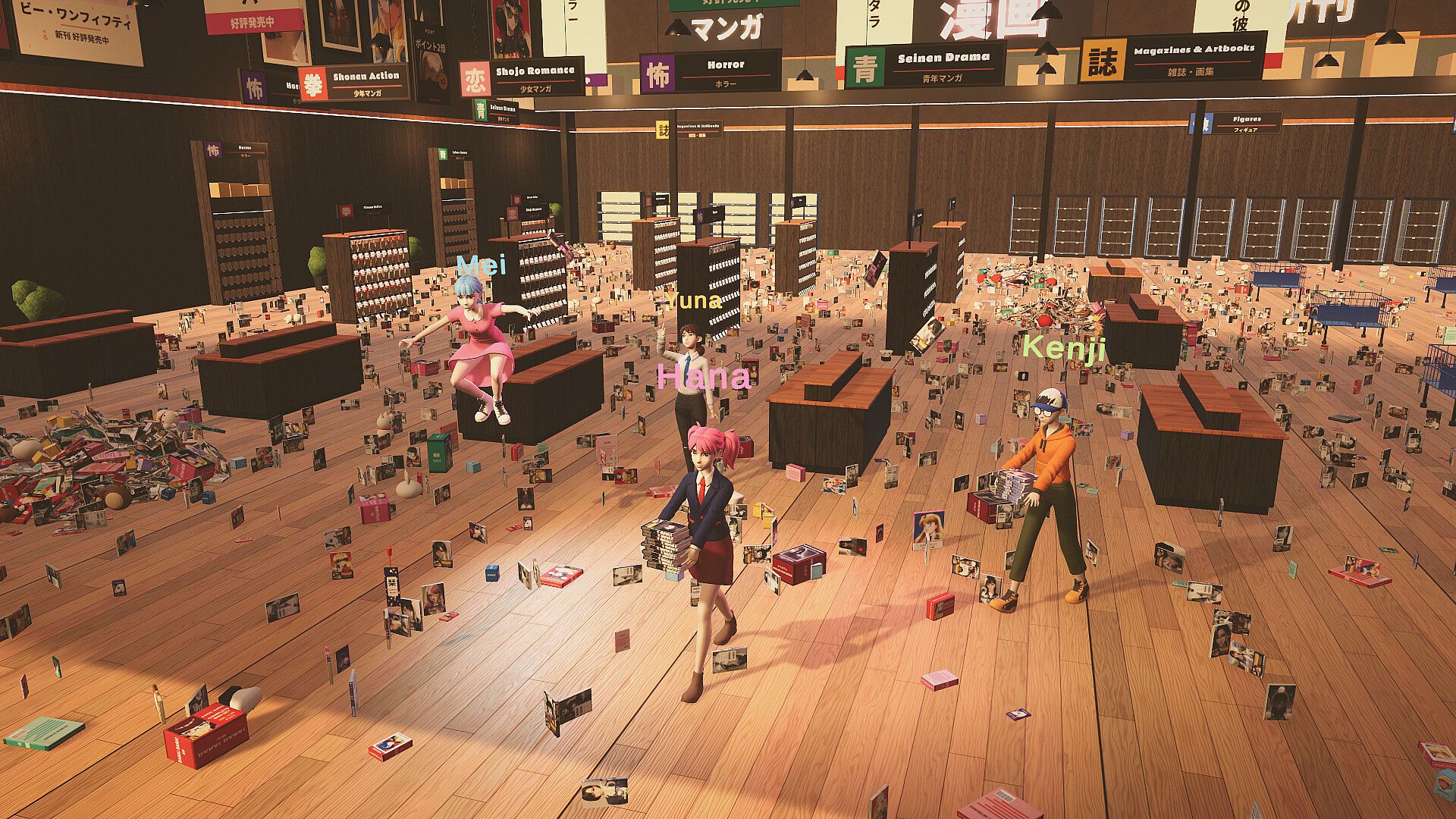
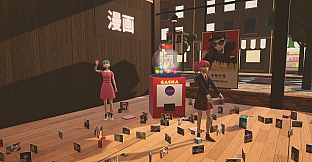
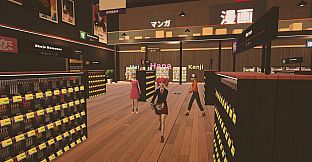
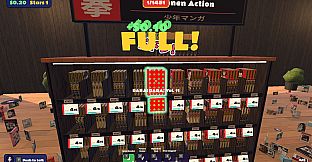
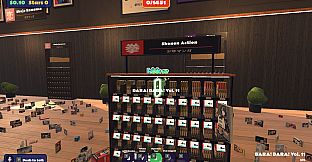
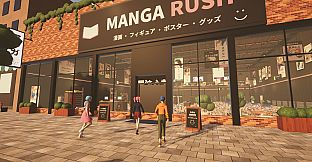
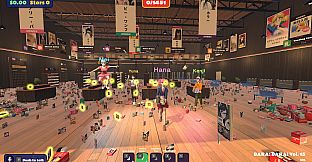
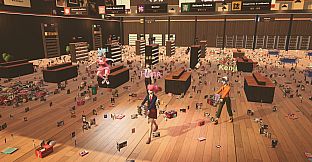
Librarian Together: Manga Tidy Up is an indie casual simulation game set in a Tokyo manga shop that has descended into complete disorder. Thousands of manga volumes, figures, trading cards, and plush charms lie scattered across the floor, and the goal is to restore order by sorting everything into its proper place. Players handle the cleanup in first-person view, focusing on precise placement within a 30 by 40 meter space filled with 1,451 shelf slots across eight distinct departments.
Gameplay
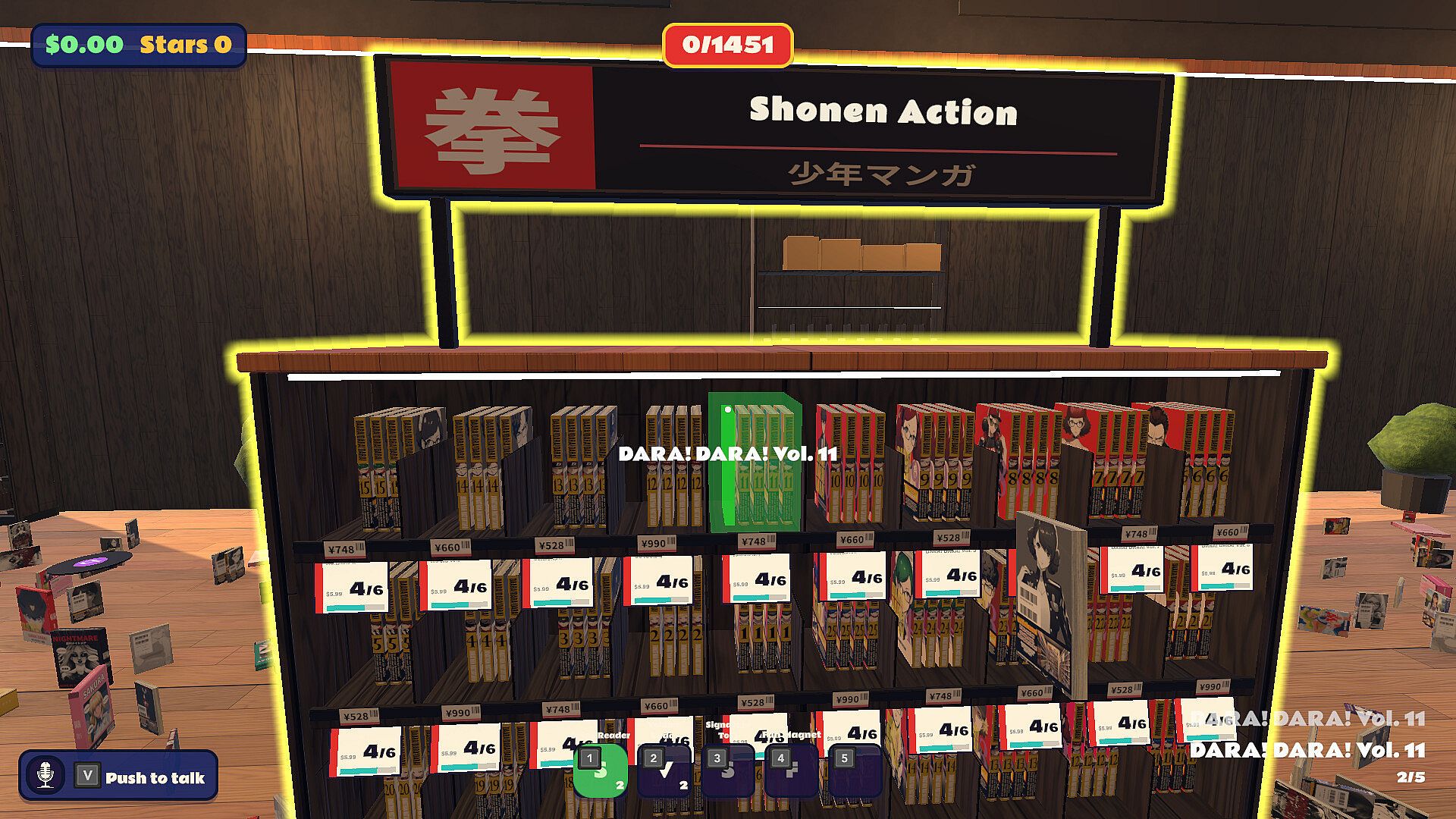
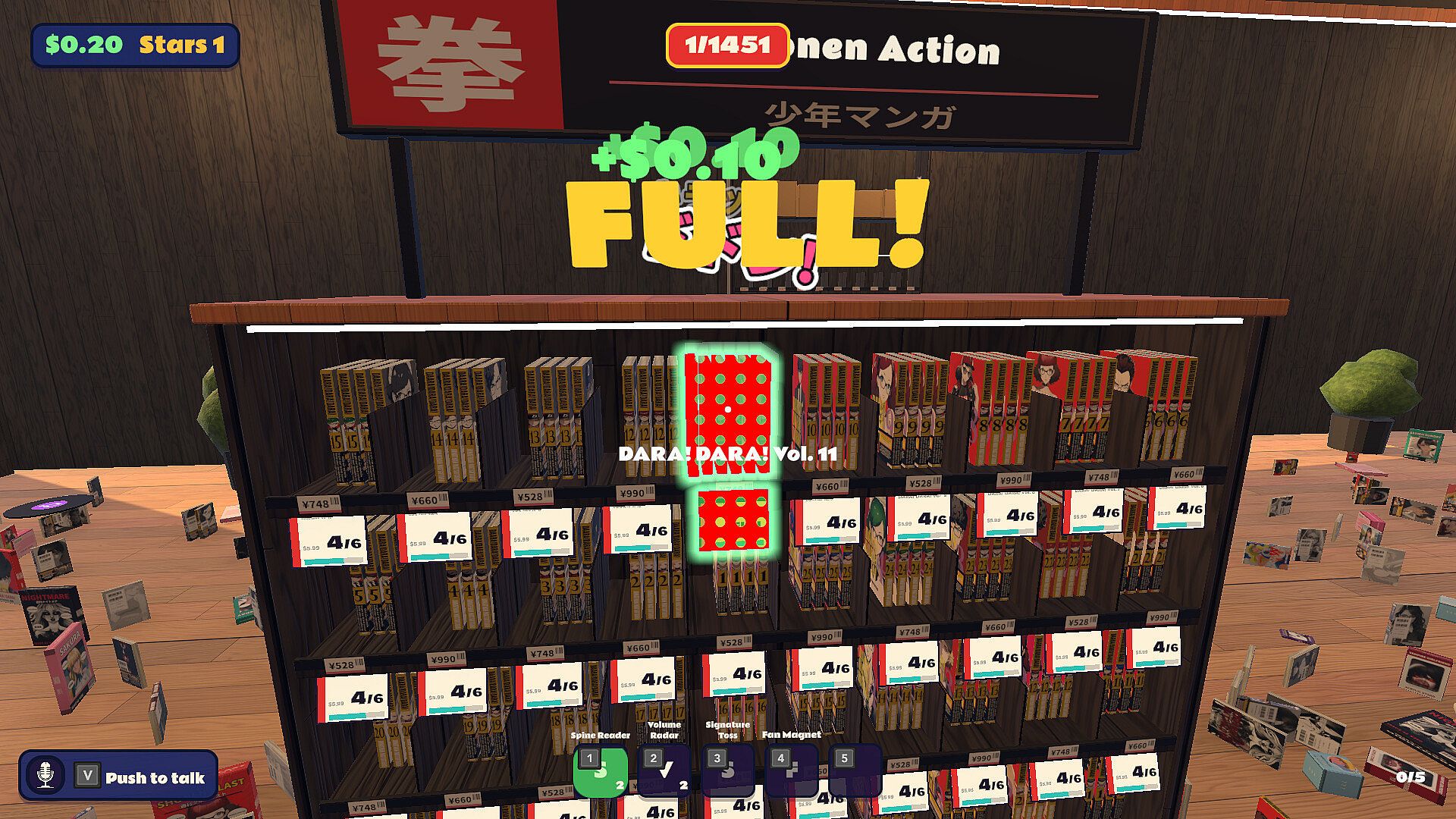
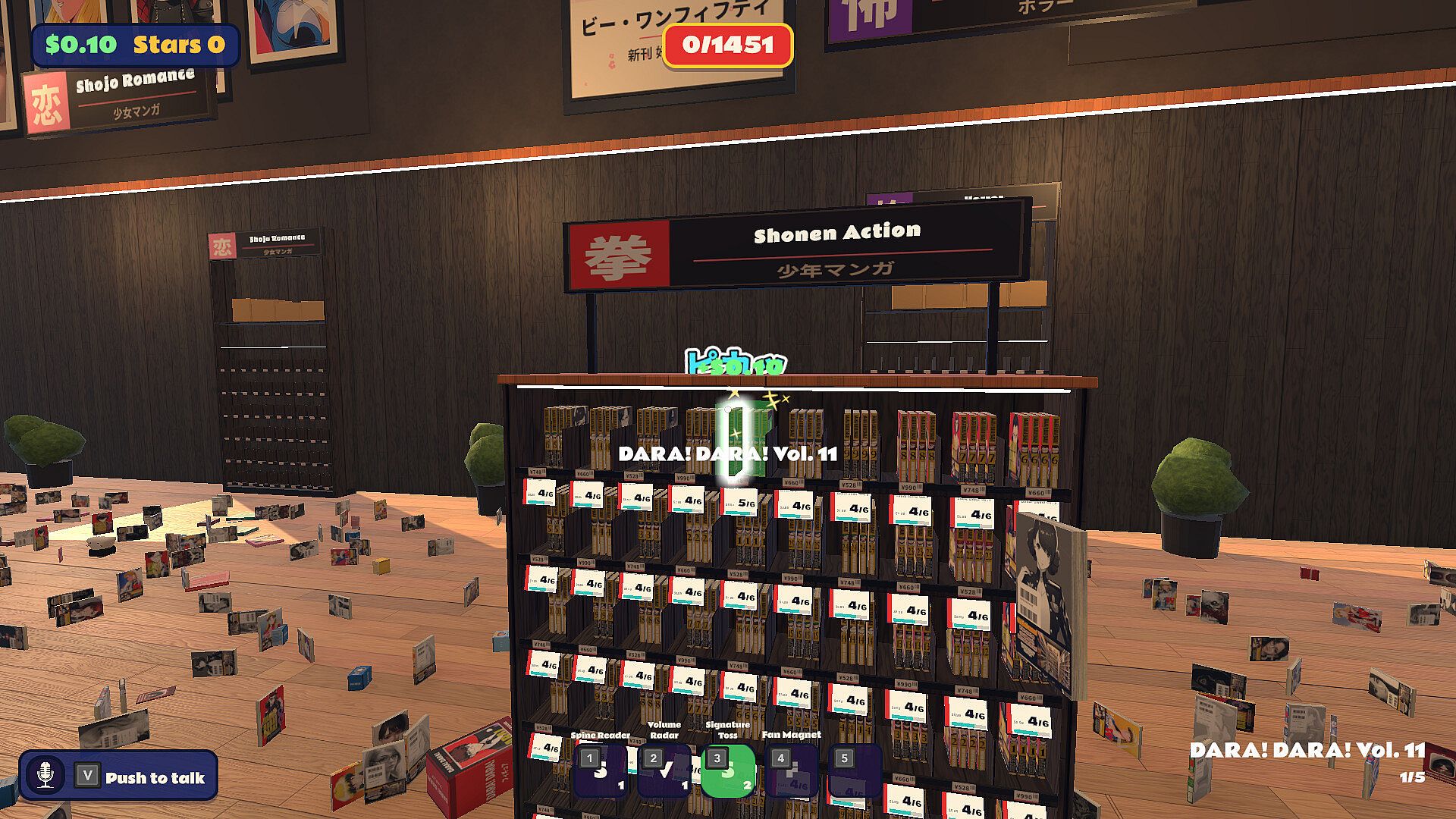
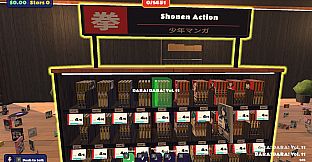
The core loop centers on grabbing stacks of products, identifying the correct department, shelf, and slot, then placing items accurately. A green placement ghost appears to guide correct positioning, while price tags track every filled slot. Successful shelving earns money and stars that contribute to overall progress. Placing an item in the wrong department causes it to shake its head and reject the attempt, forcing players to reconsider their choices. Carrying capacity limits how much can be moved at once, and items can be thrown toward slots for faster results when timing allows. The shop features 138 different product types, each requiring careful categorization into sections such as Shonen Action, Shojo Romance, Seinen Drama, Horror, Magazines and Artbooks, Trading Cards, Figures, or Plush and Charms.
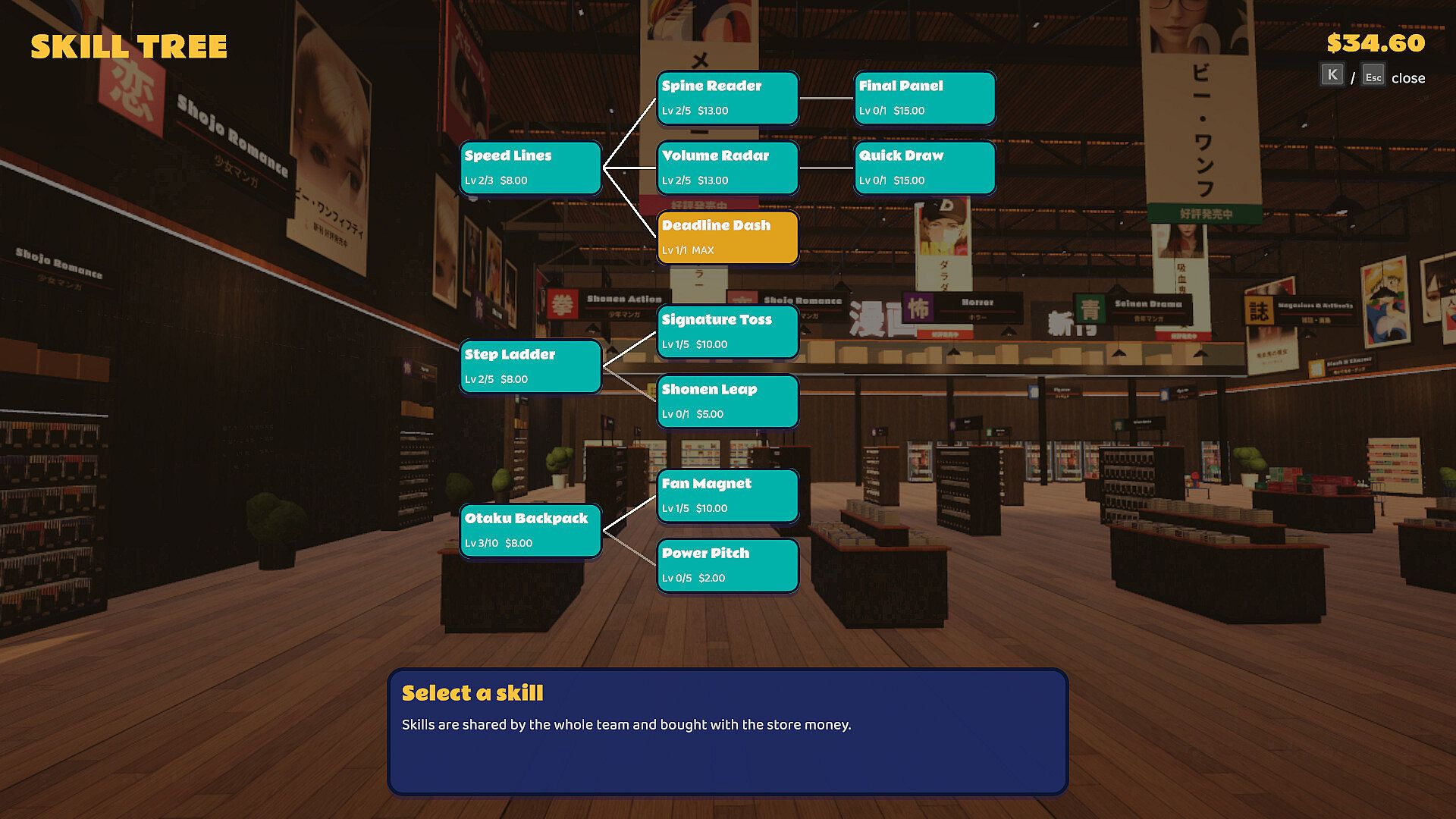
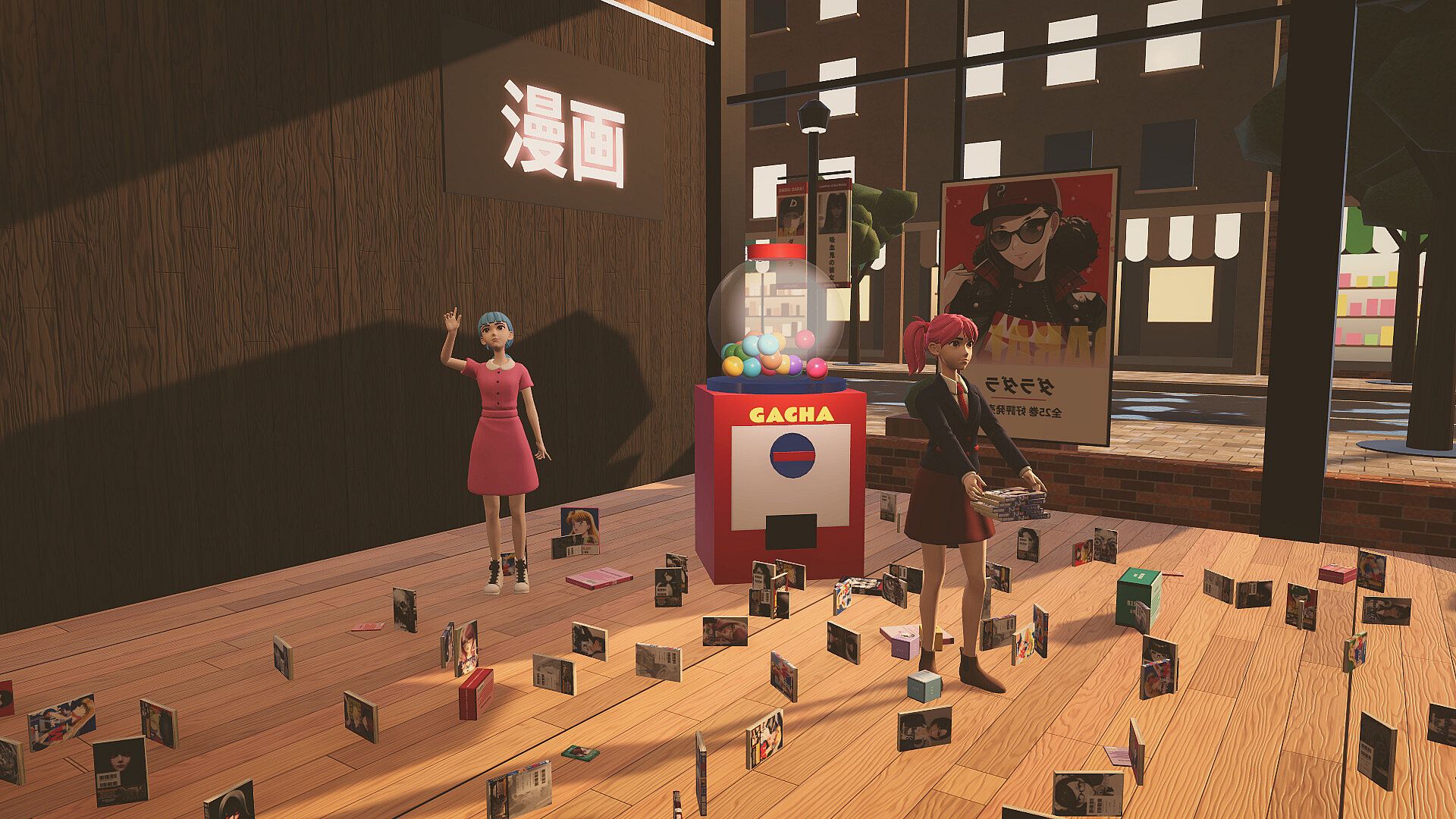
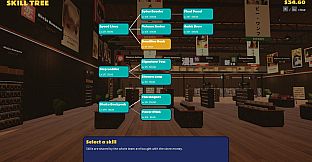
Progression involves spending earned money on a shared team skill tree that benefits everyone in a session. Active abilities include Spine Reader for lighting up the right shelves, Volume Radar for locating identical volumes, Signature Toss for snapping thrown products into place, and Fan Magnet for pulling matching items directly into a player's hands. Passive upgrades such as Speed Lines, Step Ladder, Otaku Backpack, Deadline Dash, Shonen Leap, and Power Pitch further improve efficiency over time. Additional shop elements like a giant gachapon perk vendor, a radio-cassette music station, and a cosplay closet provide variety during longer sessions.
Game Modes
The game supports solo play or online co-op for up to four players. In co-op sessions, participants can divide responsibilities across departments, communicate through in-game voice chat using either push-to-talk or open microphone options, and coordinate to fill shelves efficiently. Big manga-style sound effects play when entire sections reach completion, adding satisfying feedback to group efforts. Solo mode allows the same core mechanics without teammates, letting individuals tackle the full shop at their own pace while still accessing the skill tree and all departments.
Features and Progression
Beyond basic sorting, the experience incorporates ten anime-style characters that appear as shop elements or references, ranging from Tencho and Mangaka to Idol and Gamer. The shared skill tree encourages repeated play as players experiment with different upgrade paths to optimize their approach. Money earned from correct placements funds further improvements, creating a steady sense of advancement even in shorter sessions. The first-person perspective keeps focus on the immediate task of tidying, with the large shop layout requiring players to navigate between scattered piles and distant shelves.
Is It Worth Playing?
This title suits players who enjoy methodical organization tasks and cooperative problem-solving in a relaxed setting. The combination of precise placement mechanics, visual feedback for correct and incorrect actions, and the option for voice-enabled teamwork makes it particularly appealing for groups looking for a low-pressure activity. Solo players can still engage with the full range of departments and upgrades, though the experience shifts toward personal efficiency and exploration of the skill tree. The indie casual simulation approach delivers consistent, repeatable satisfaction through incremental cleanup without requiring complex strategies or competitive elements.











