




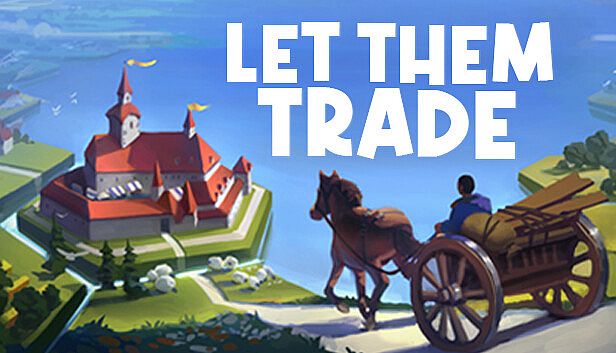


















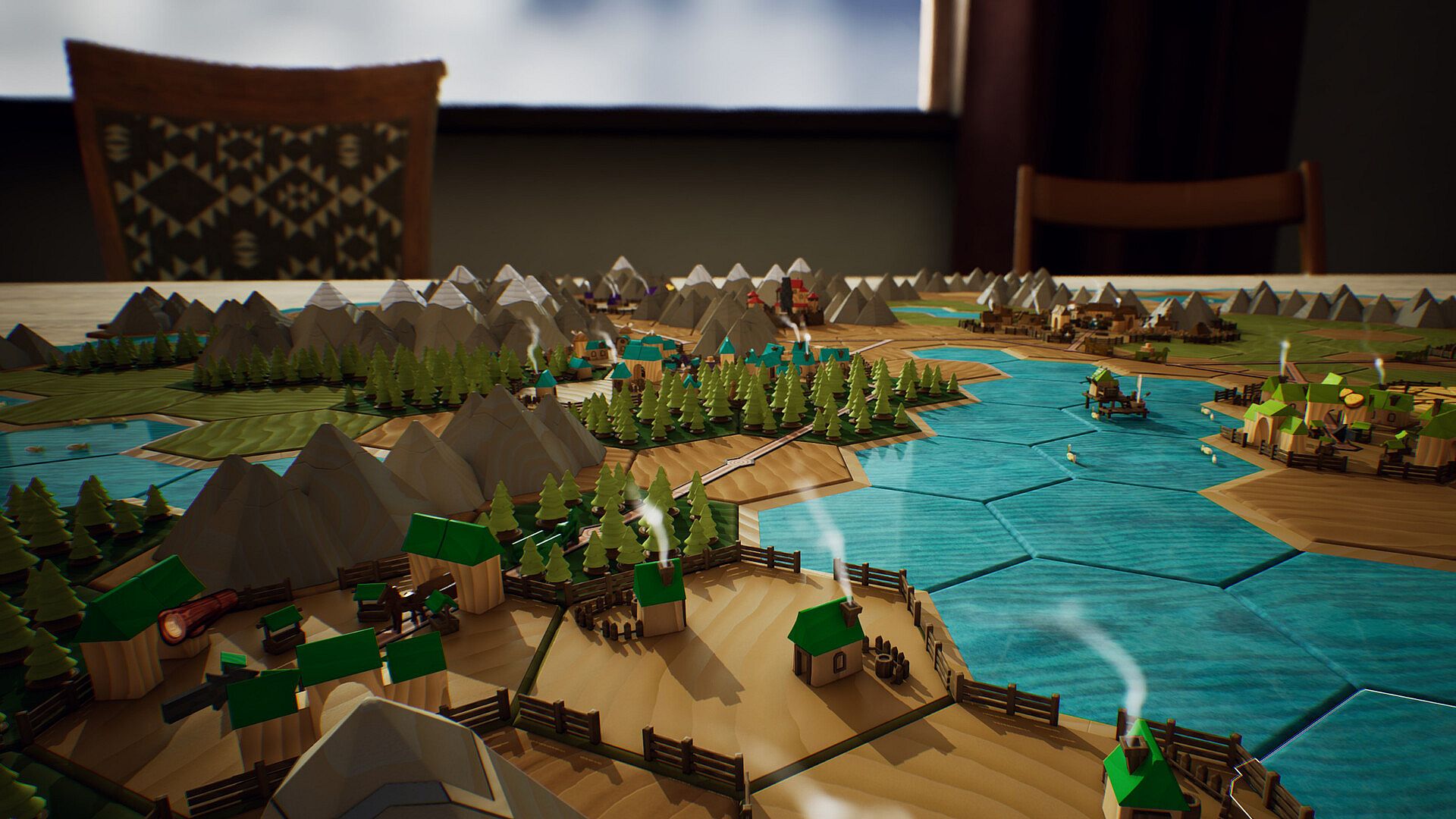

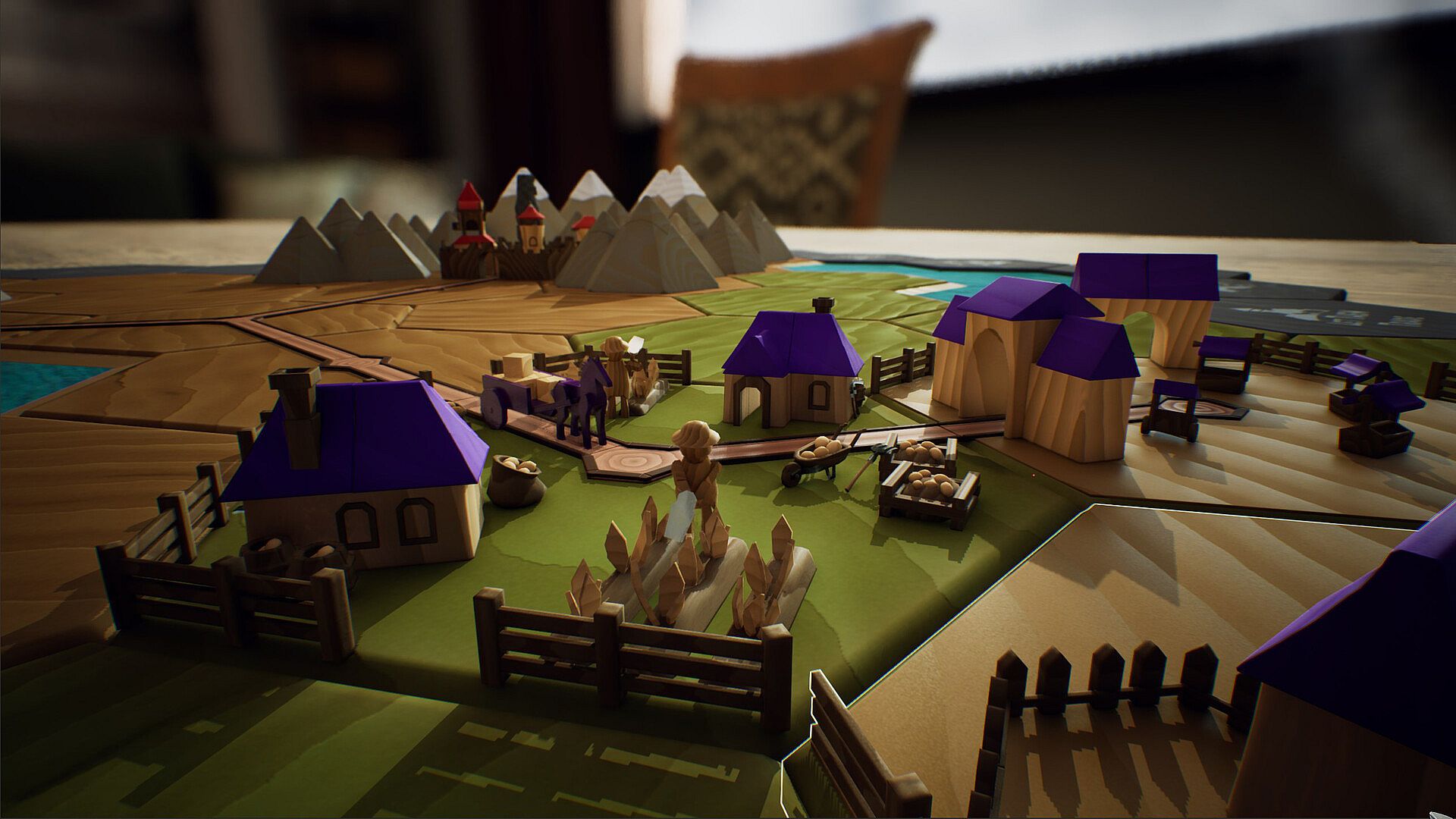
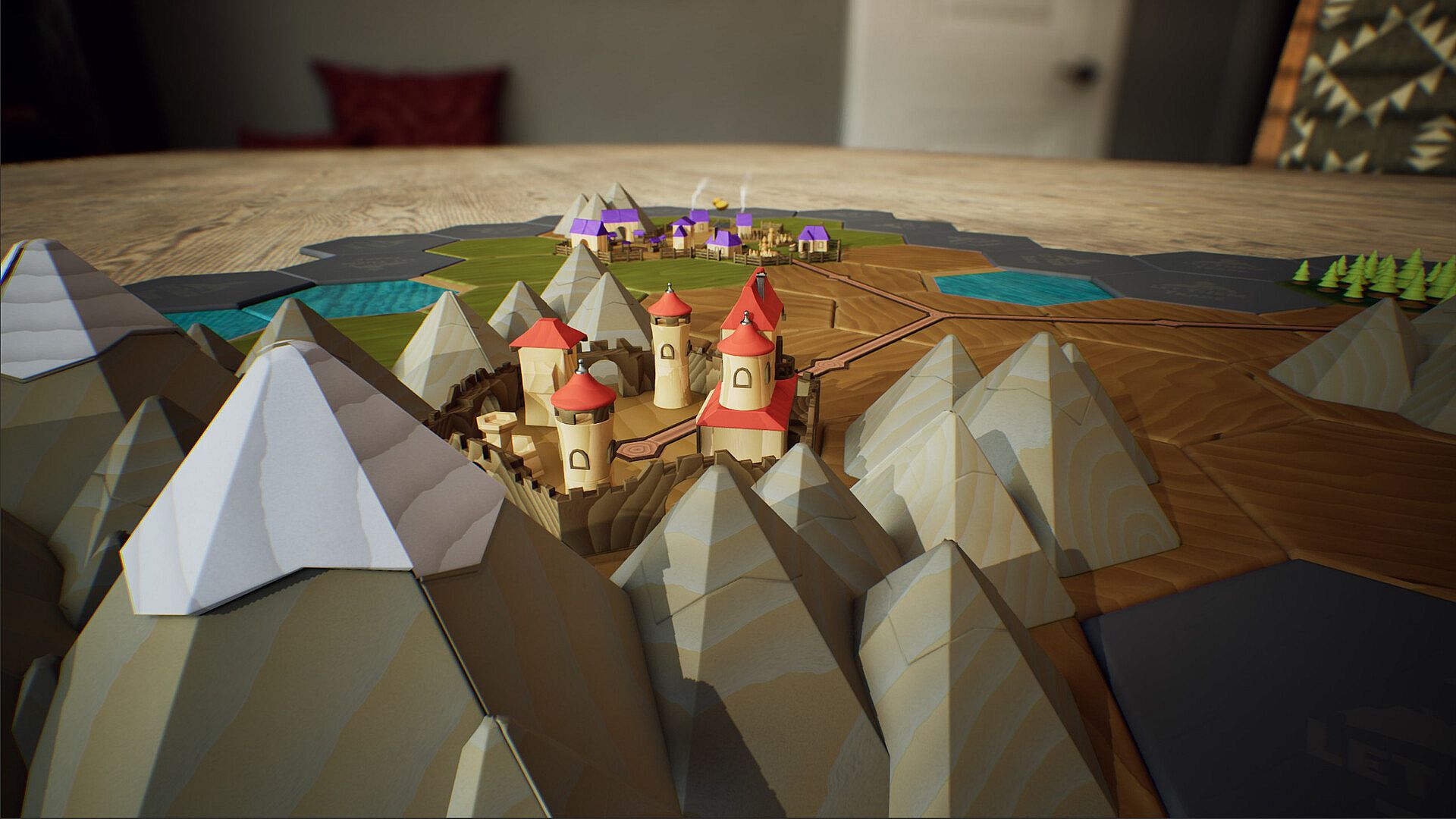

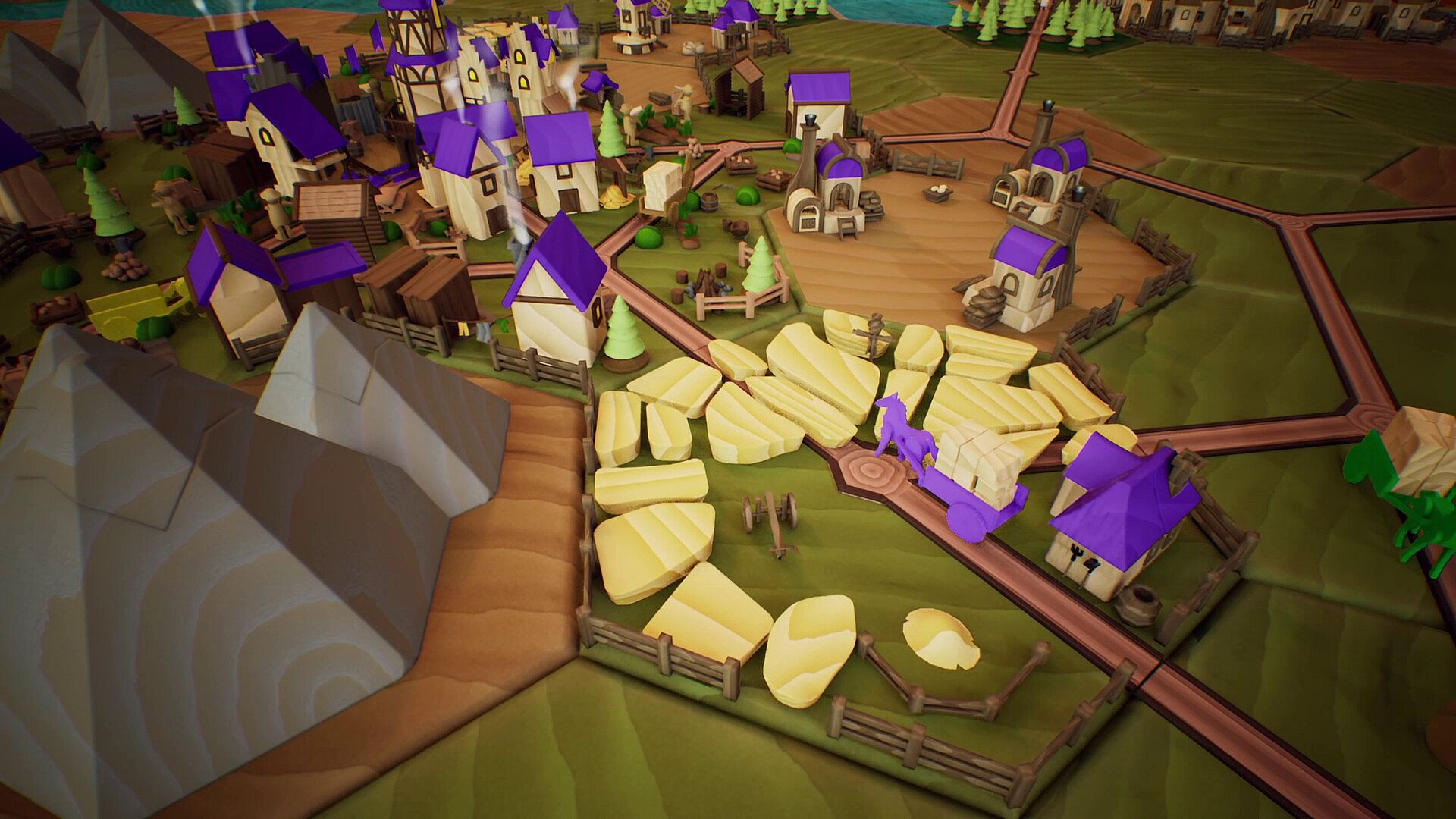
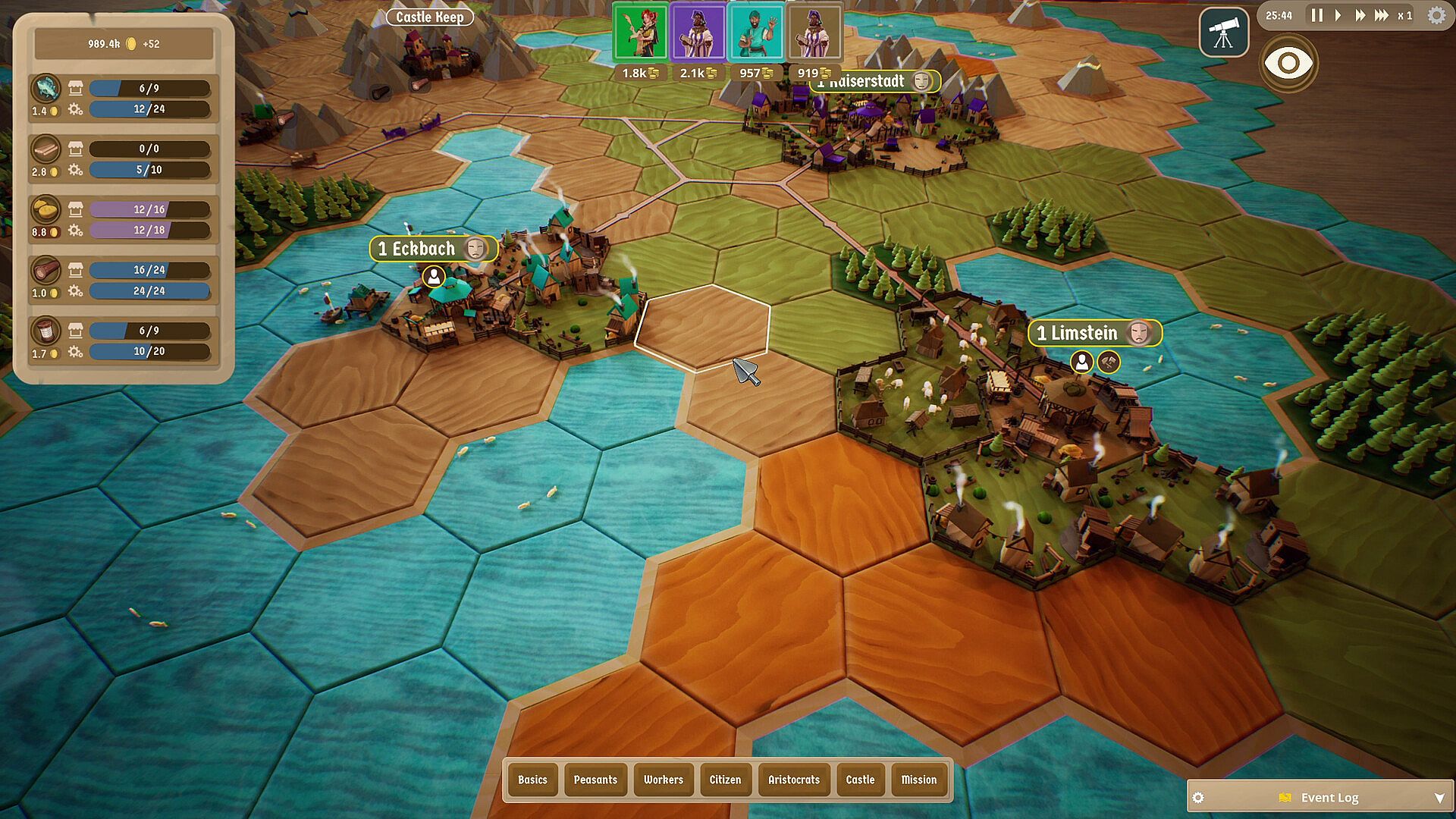
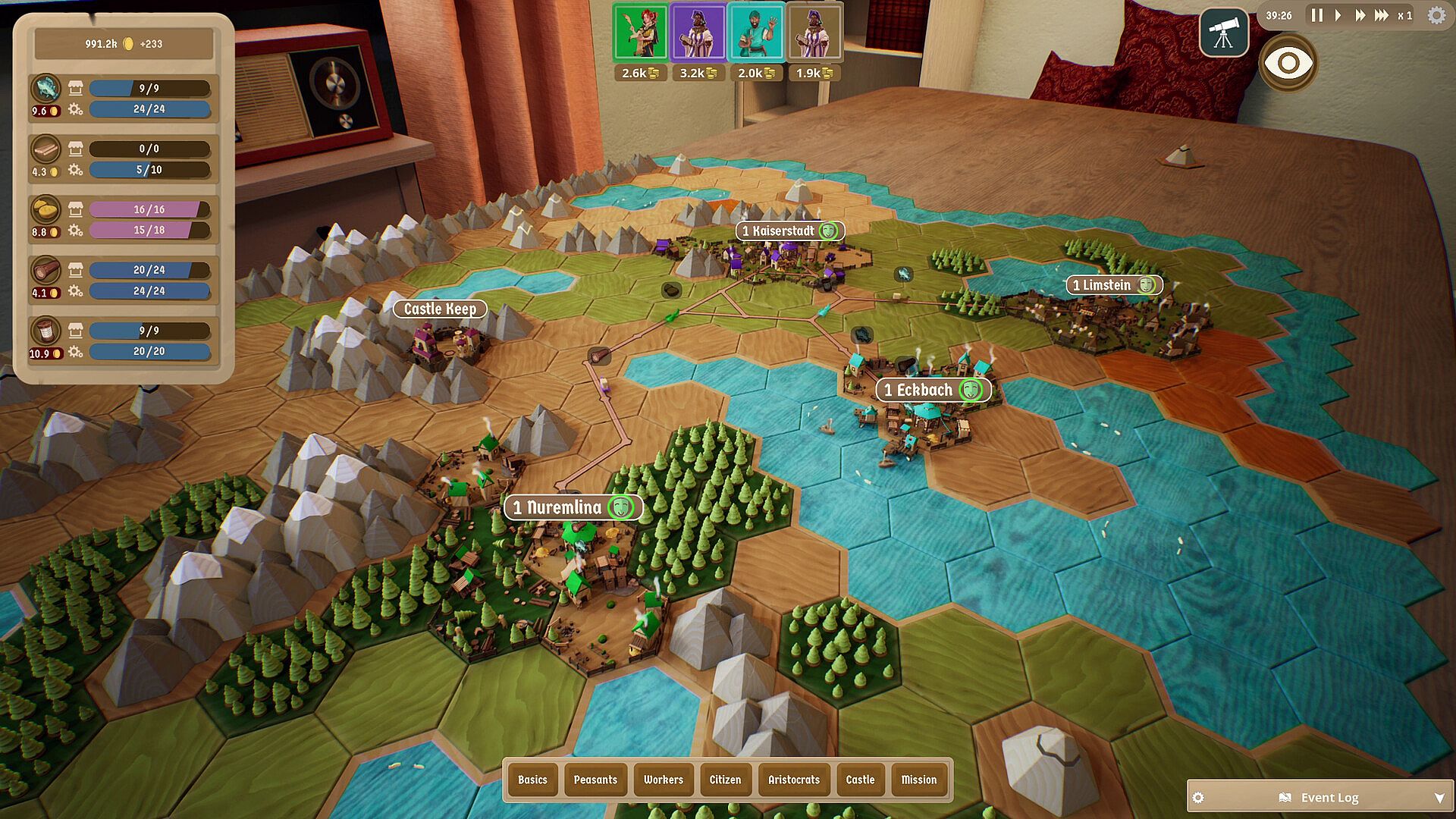
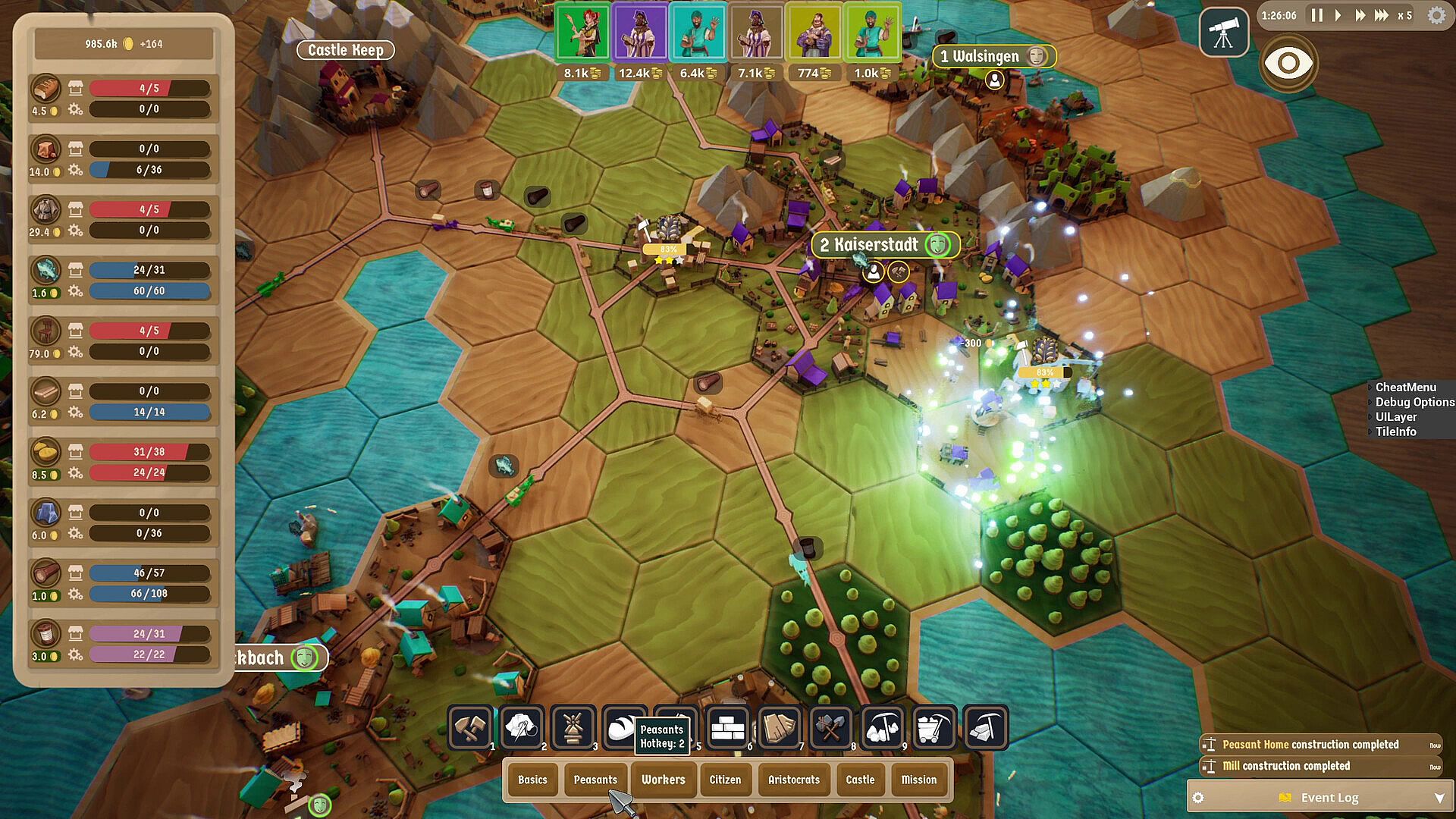

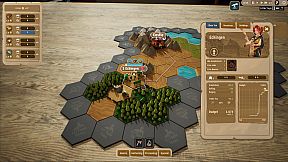
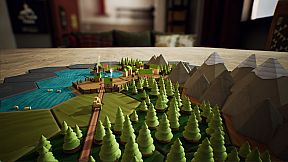
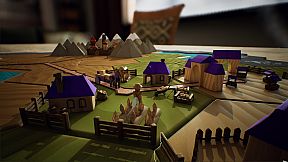
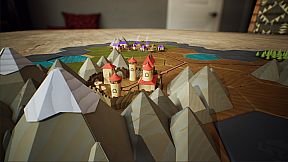
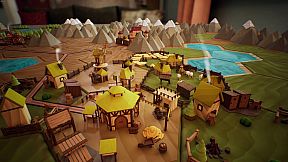
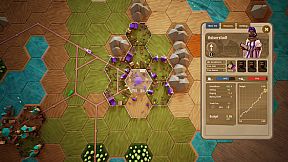
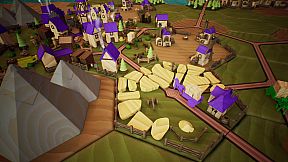
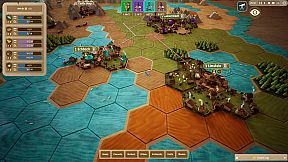
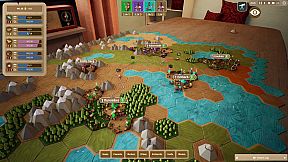
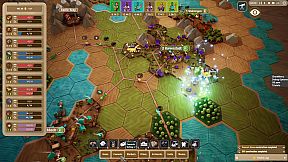
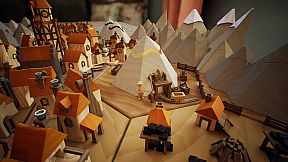
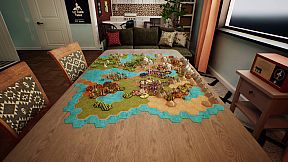
Let Them Trade is a strategy simulation game centered on city building and economic management. Players oversee the growth of a medieval kingdom by founding settlements that handle their own production, trade, and citizen needs while generating revenue through taxes on those exchanges.
Gameplay
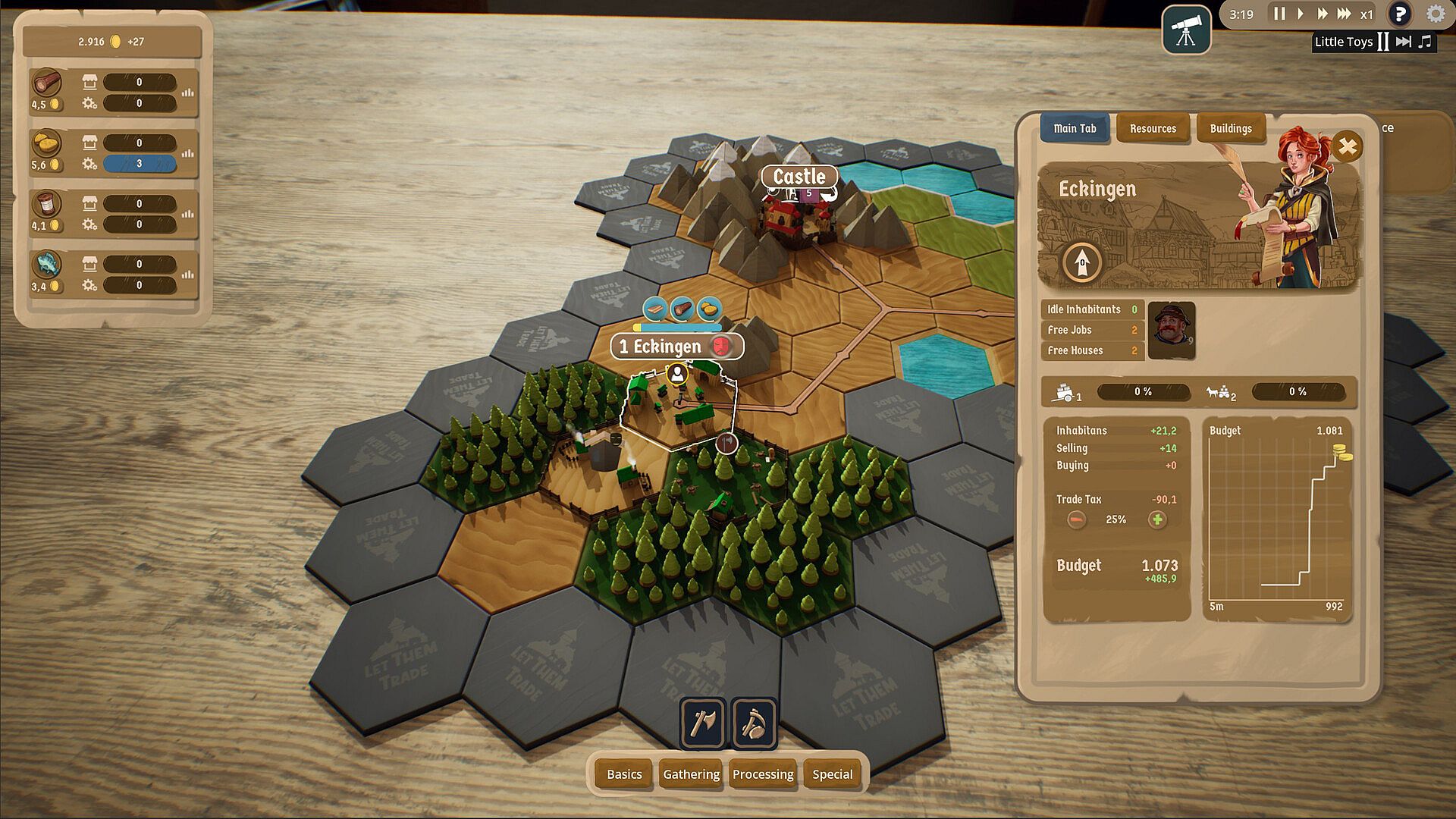
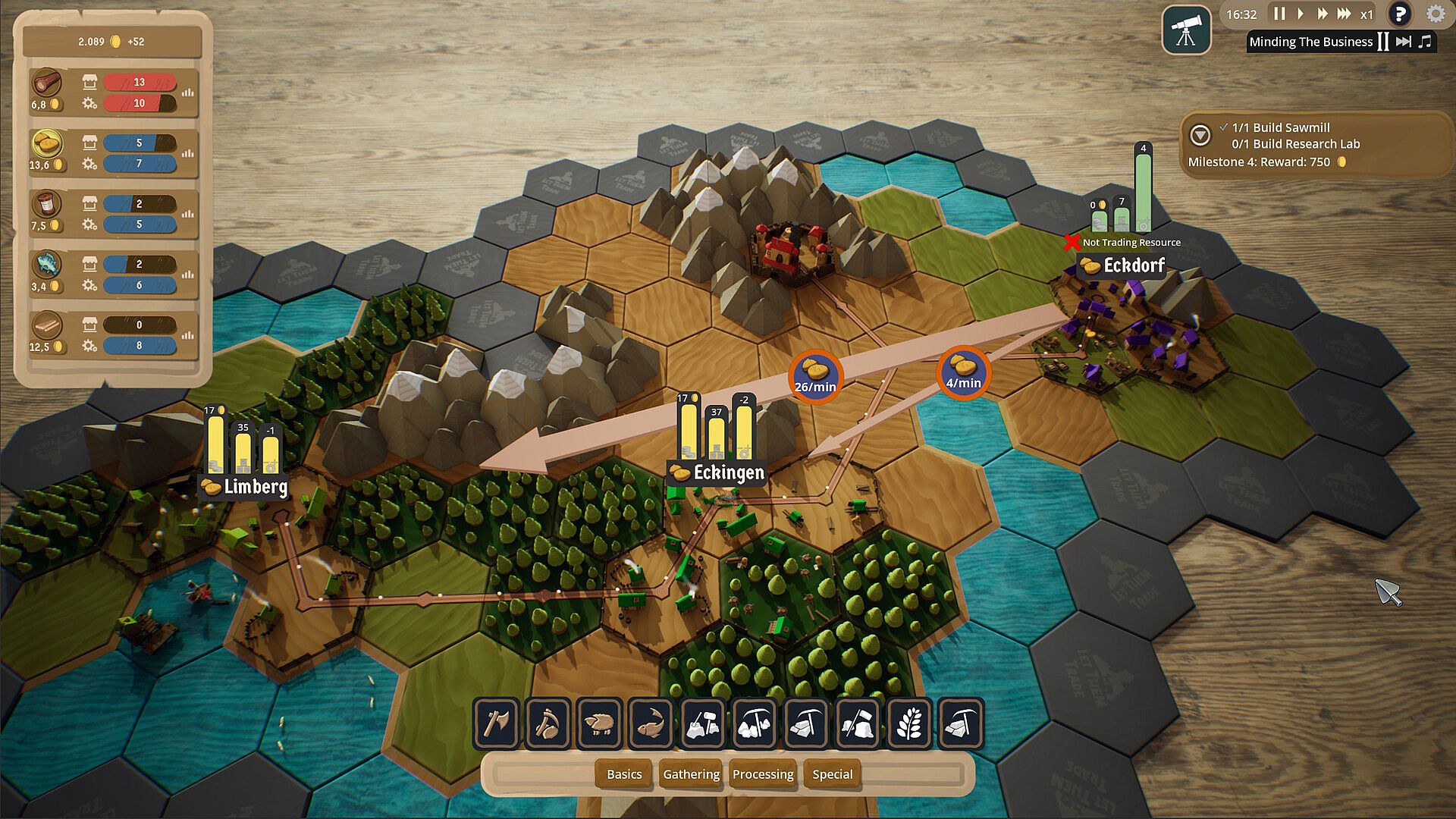
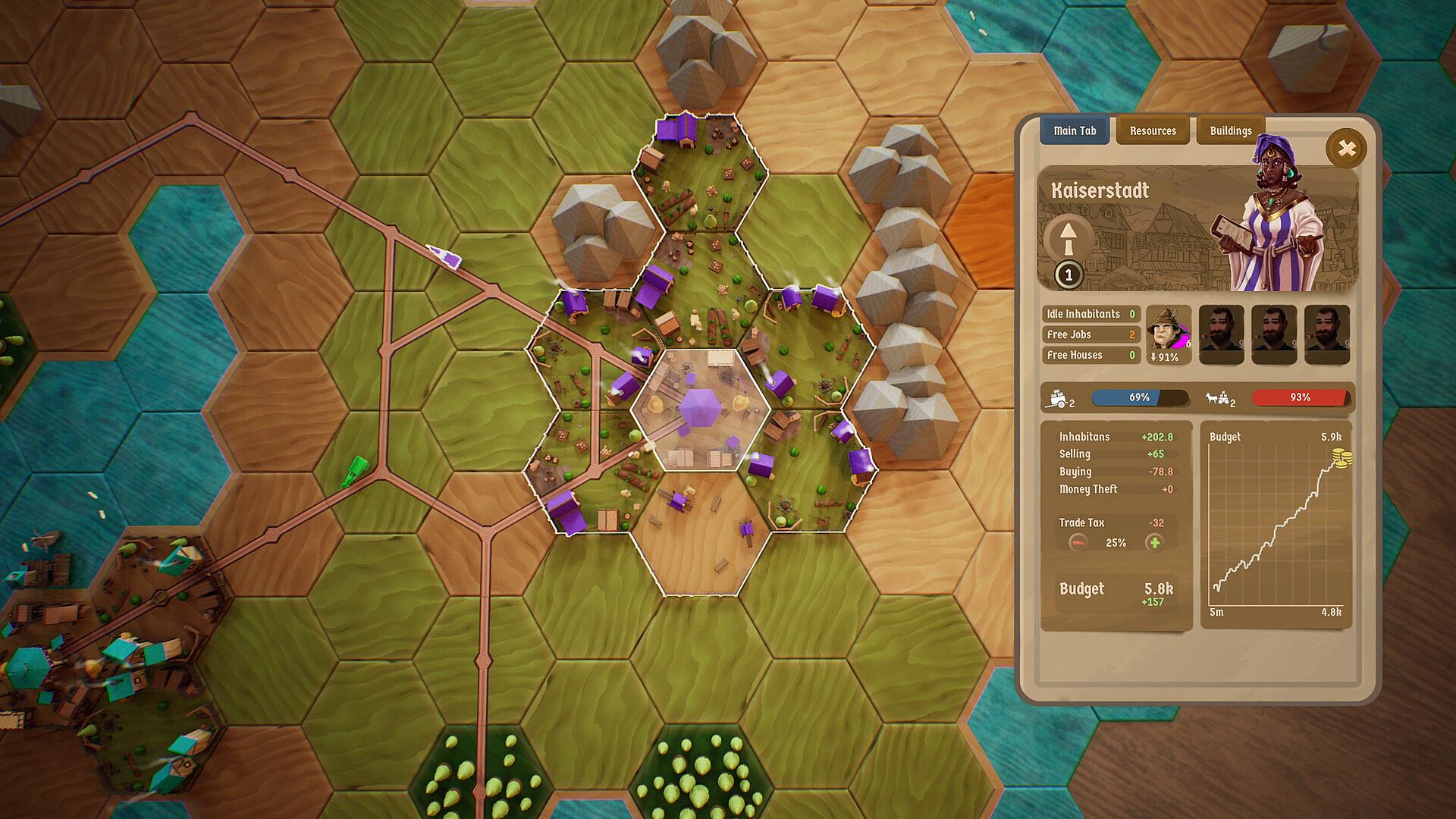
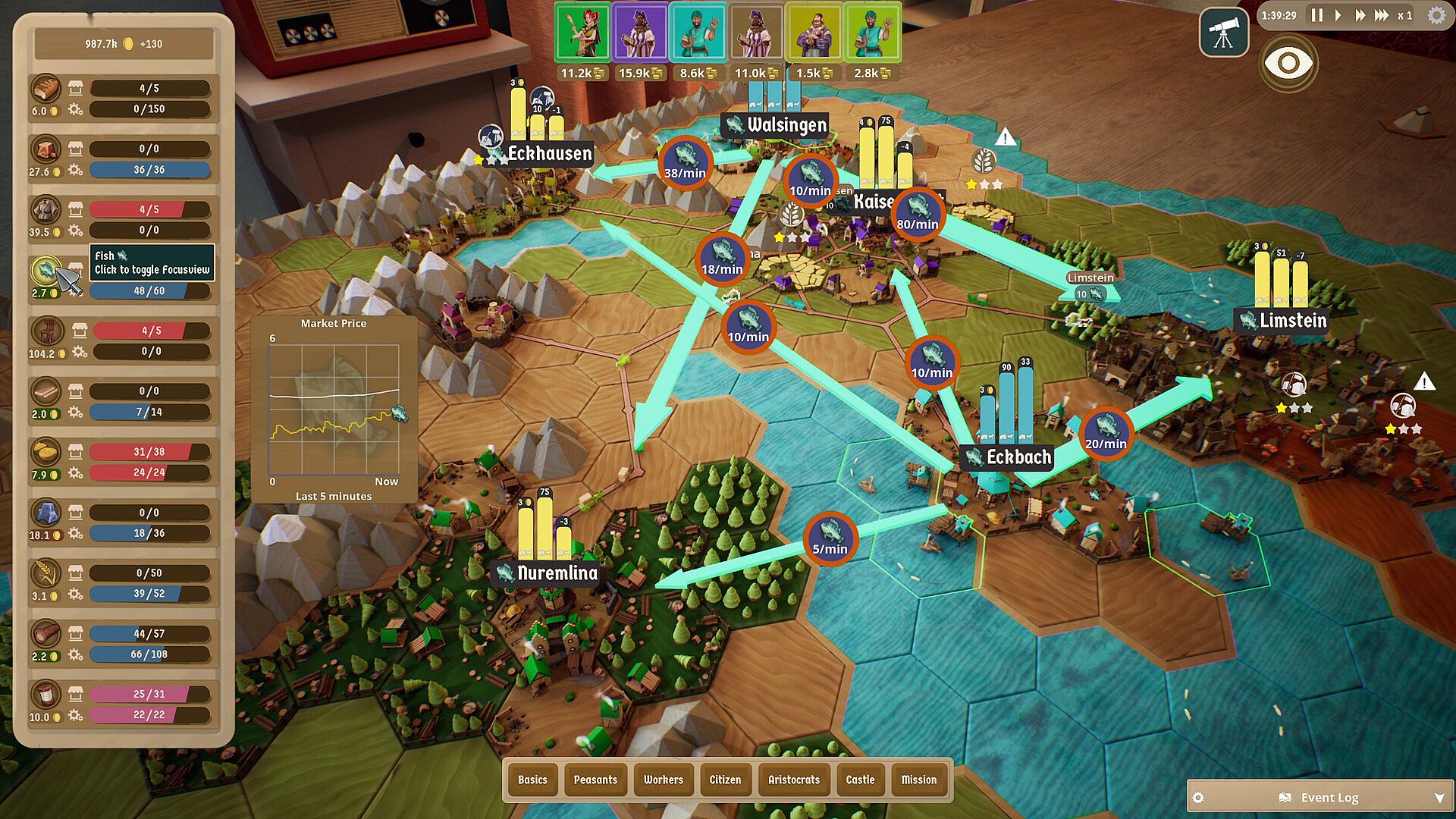
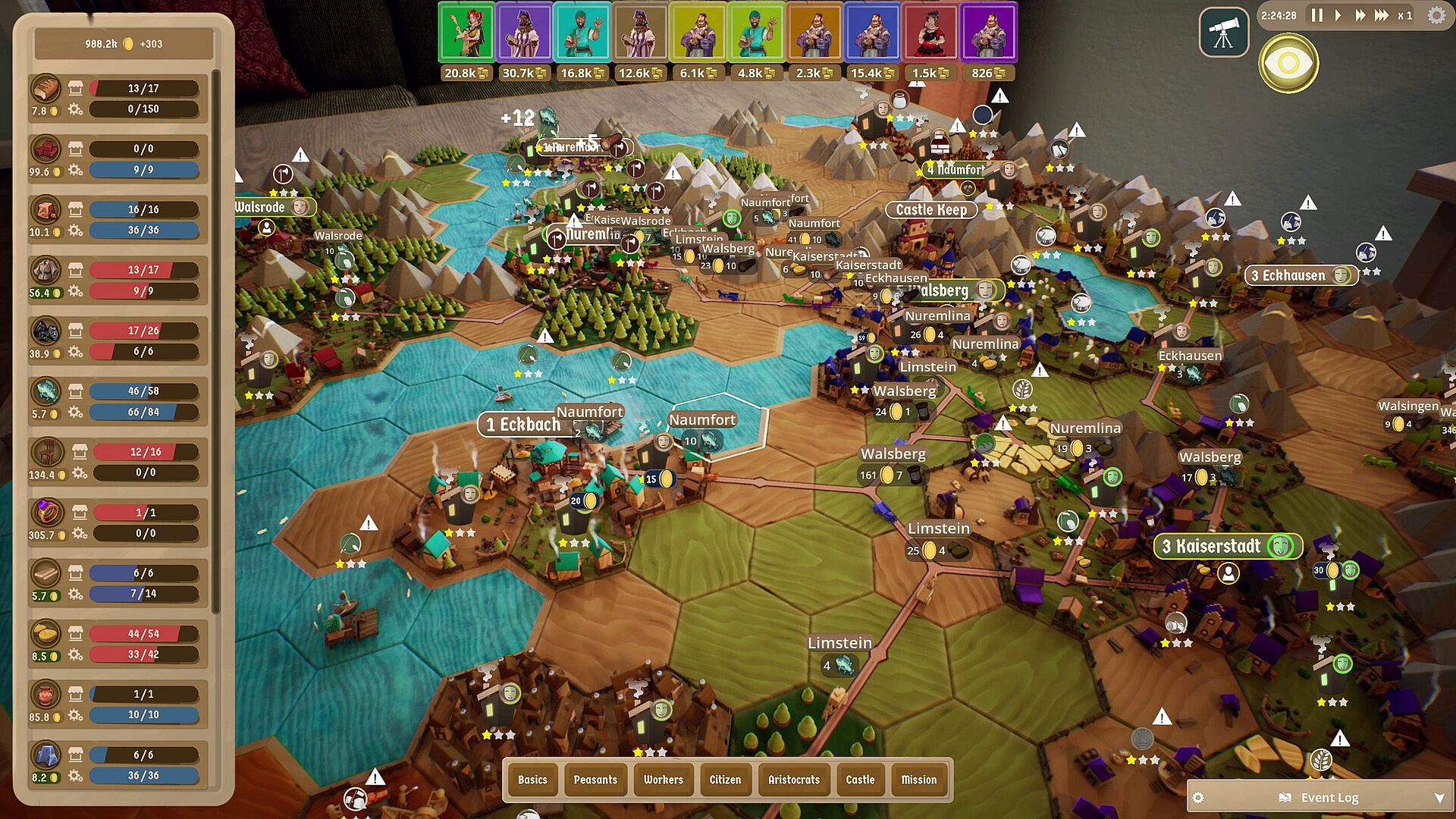
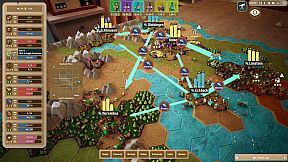
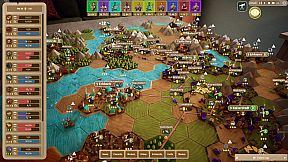
The core loop revolves around placing cities on the map and selecting locations for production buildings that match available resources. Each settlement operates with its own budget and inventory, automatically buying and selling goods to meet internal demands or capitalize on market differences. The player collects a share of the taxes from these transactions, with wealthier cities contributing more generously than struggling ones. Happiness among citizens directly boosts tax income, creating an incentive to balance supply chains and living conditions across the network.
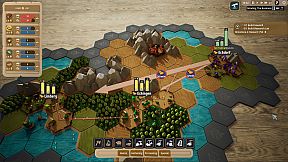
Exploration and defense add layers to the economy. Knights can be dispatched to uncover new territories or repel bandits drawn to prosperous settlements. These encounters involve light combat where the player sends forces but does not control individual units. Research unlocks additional production structures and resource types, allowing gradual expansion of what cities can manufacture and exchange. Castle upgrades provide further improvements to overall operations and storage capacity.
Resource management emphasizes timing and foresight. Goods can be traded strategically for immediate profit or stockpiled against future shortages. Cities expand their influence through trade routes that form naturally between settlements, and the player monitors these flows without constant direct intervention.
Game Modes
The campaign consists of a series of scenarios that introduce progressive challenges. These tasks guide players through helping the king and his advisor prepare for a special event, teaching core systems while presenting varied objectives tied to economic stability and expansion.
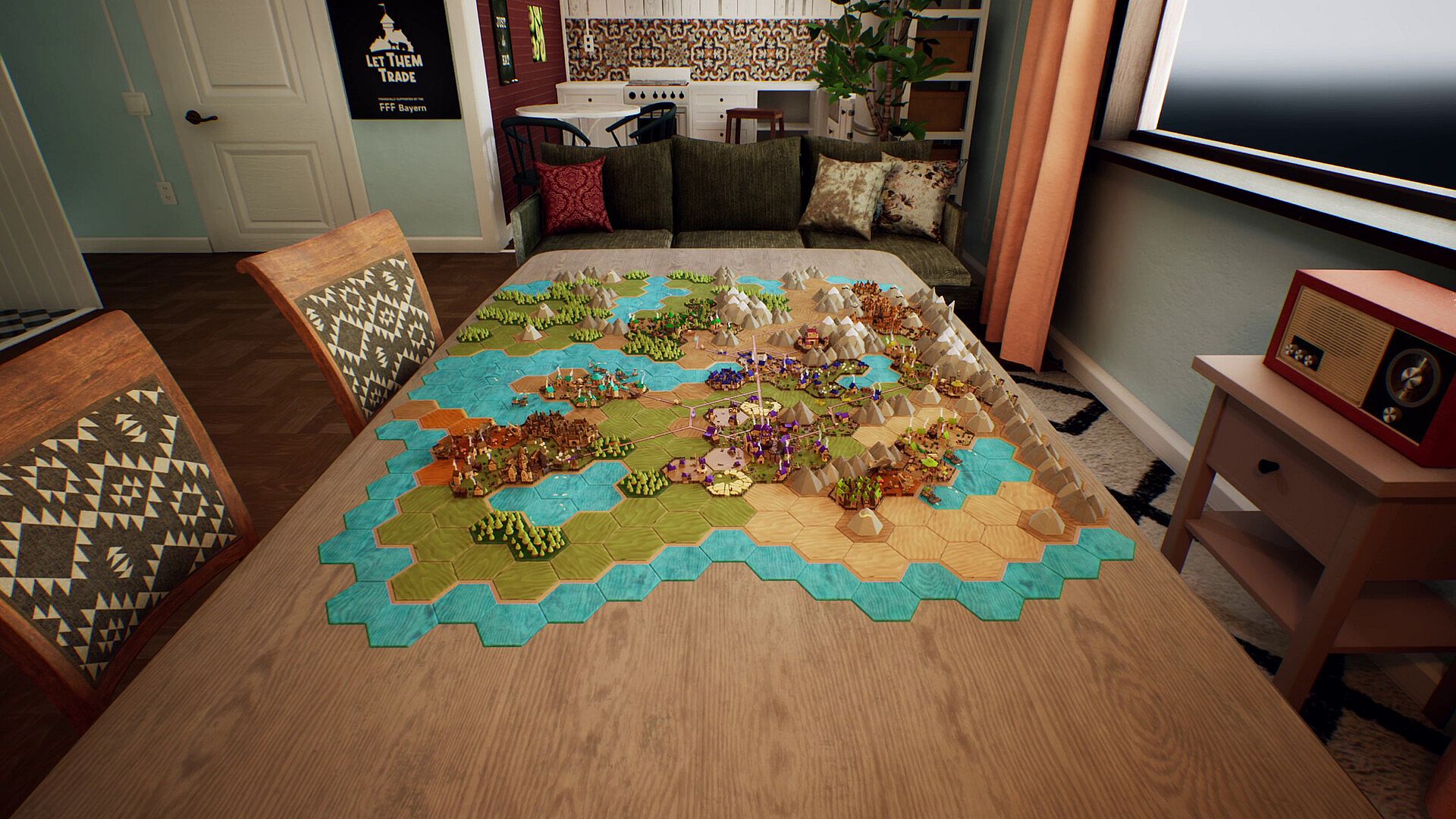
Sandbox mode removes structured goals, allowing free-form building and experimentation with city networks on custom or preset maps. The built-in scenario editor supports creation of tailored challenges, which can then be shared through the workshop system for community use.
Both modes emphasize observation of autonomous systems over constant input, with the campaign providing guided progression and sandbox offering open-ended freedom to test different production and trade setups.
Economic Systems and Progression
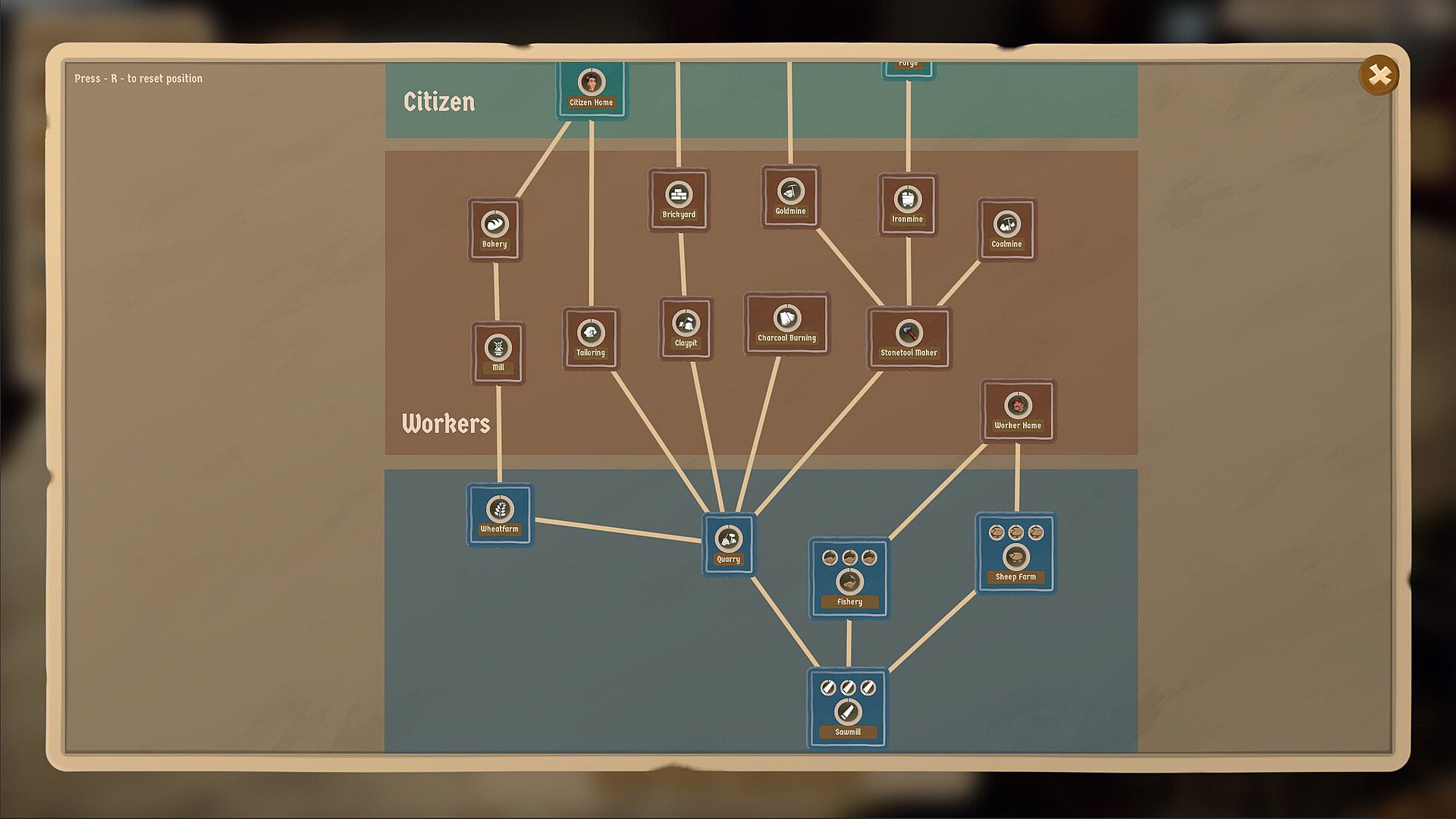
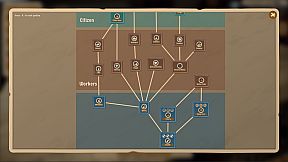
Cities function semi-independently once established, handling citizen needs and internal markets while the player influences broader strategy through building placement and knight deployments. Production chains develop as research advances, introducing new goods that cities can generate or consume. Wealth accumulation funds castle improvements and defensive measures, reinforcing a cycle where successful trade supports further growth and protection.
Bandit threats scale with visible prosperity, requiring periodic knight expeditions to maintain security. This defensive element integrates directly with economic health rather than operating as a separate combat layer. The overall pace allows time for systems to interact naturally, with players adjusting placements or research priorities based on observed trade patterns.
Is It Worth Playing?
Let Them Trade suits players who prefer relaxed strategy experiences focused on economic simulation and city networks rather than intense real-time decisions or combat. The autonomous city behaviors reduce micromanagement, making it accessible for those new to the genre while still offering depth through research trees and trade optimization.
Reception highlights its approachable design and satisfying progression for patient players who enjoy watching systems develop over time. Some note occasional waits for buildings or economic shifts, which align with the deliberate pace. The combination of campaign guidance and sandbox flexibility provides solid replay value for singleplayer strategy fans seeking a low-pressure kingdom builder.
Those drawn to indie simulations with trading mechanics and light defensive elements will find consistent engagement here. The game delivers on its premise of letting cities manage themselves while the player shapes the larger economic picture through strategic choices.














