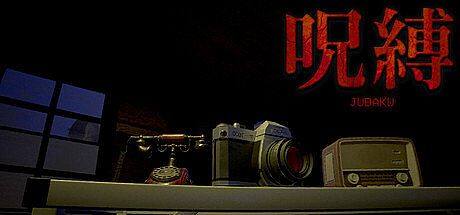



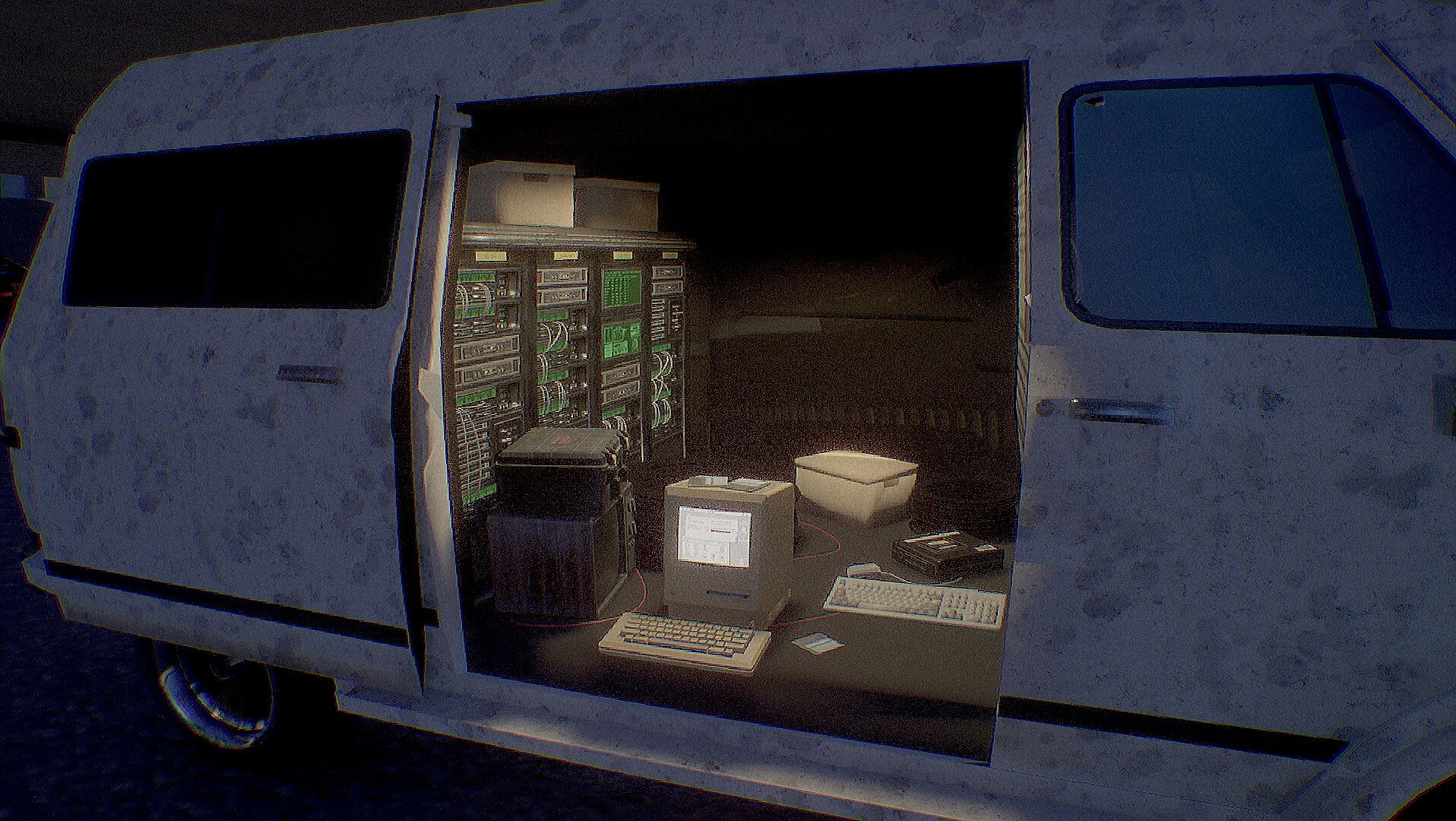
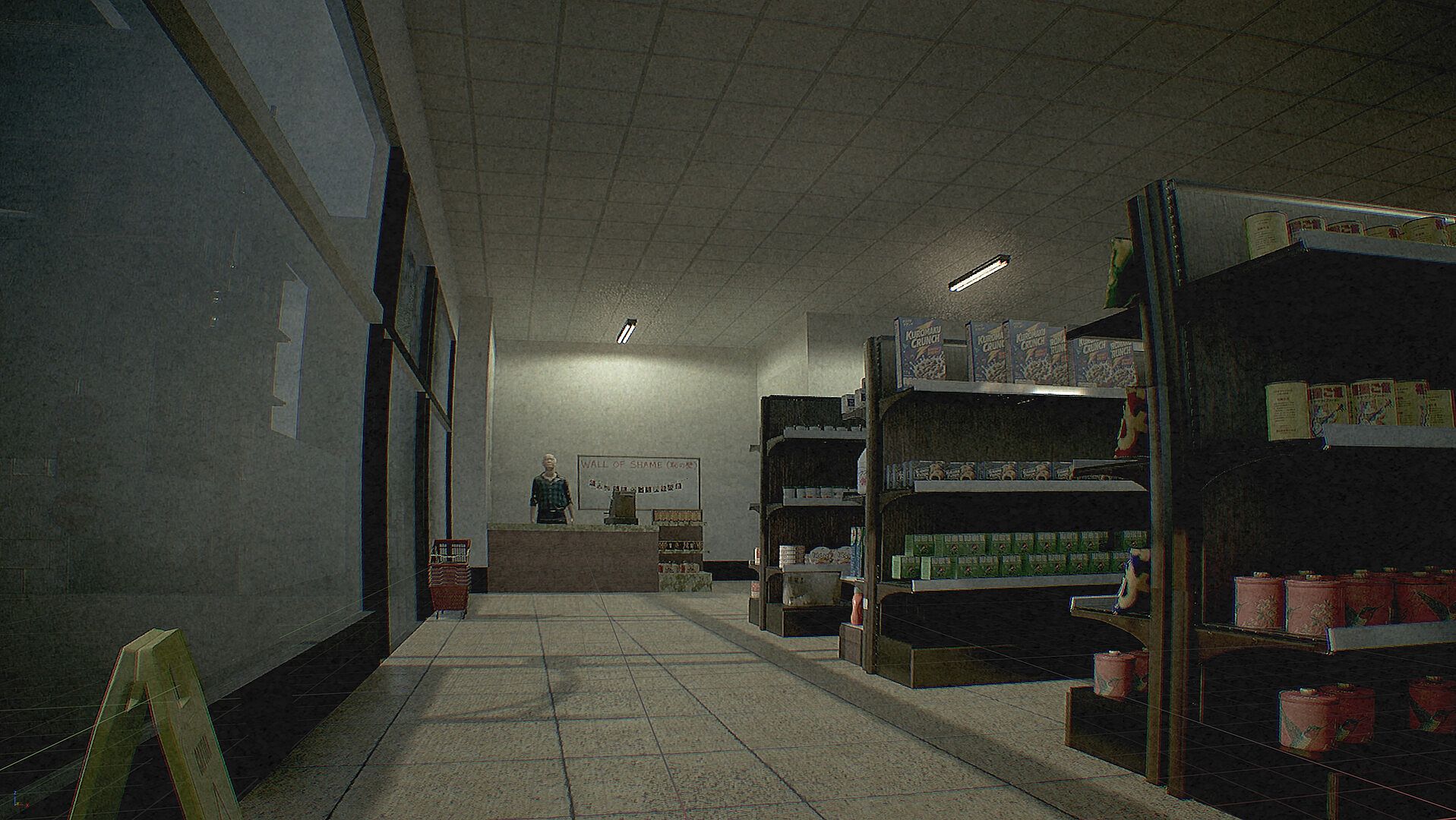
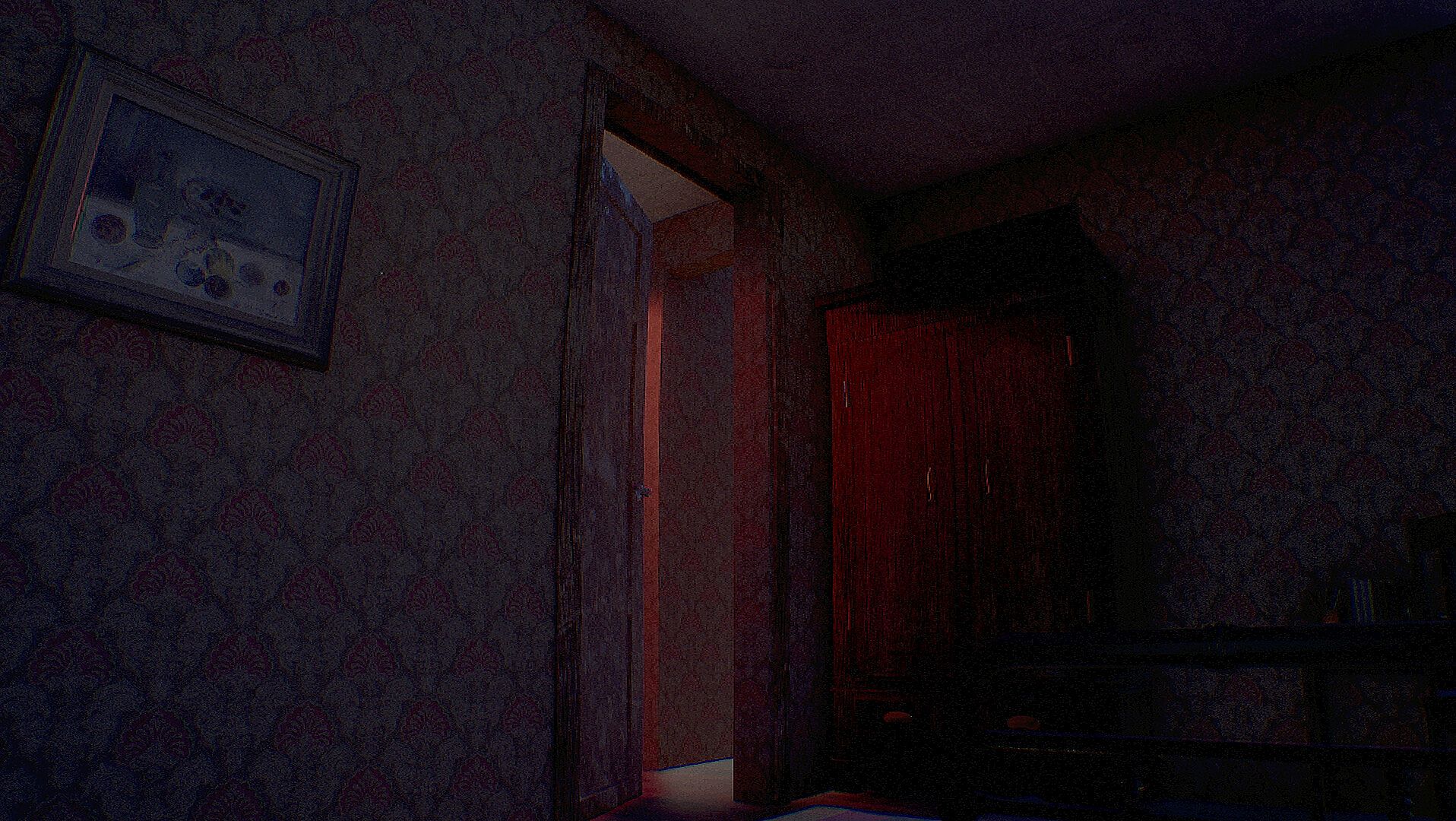
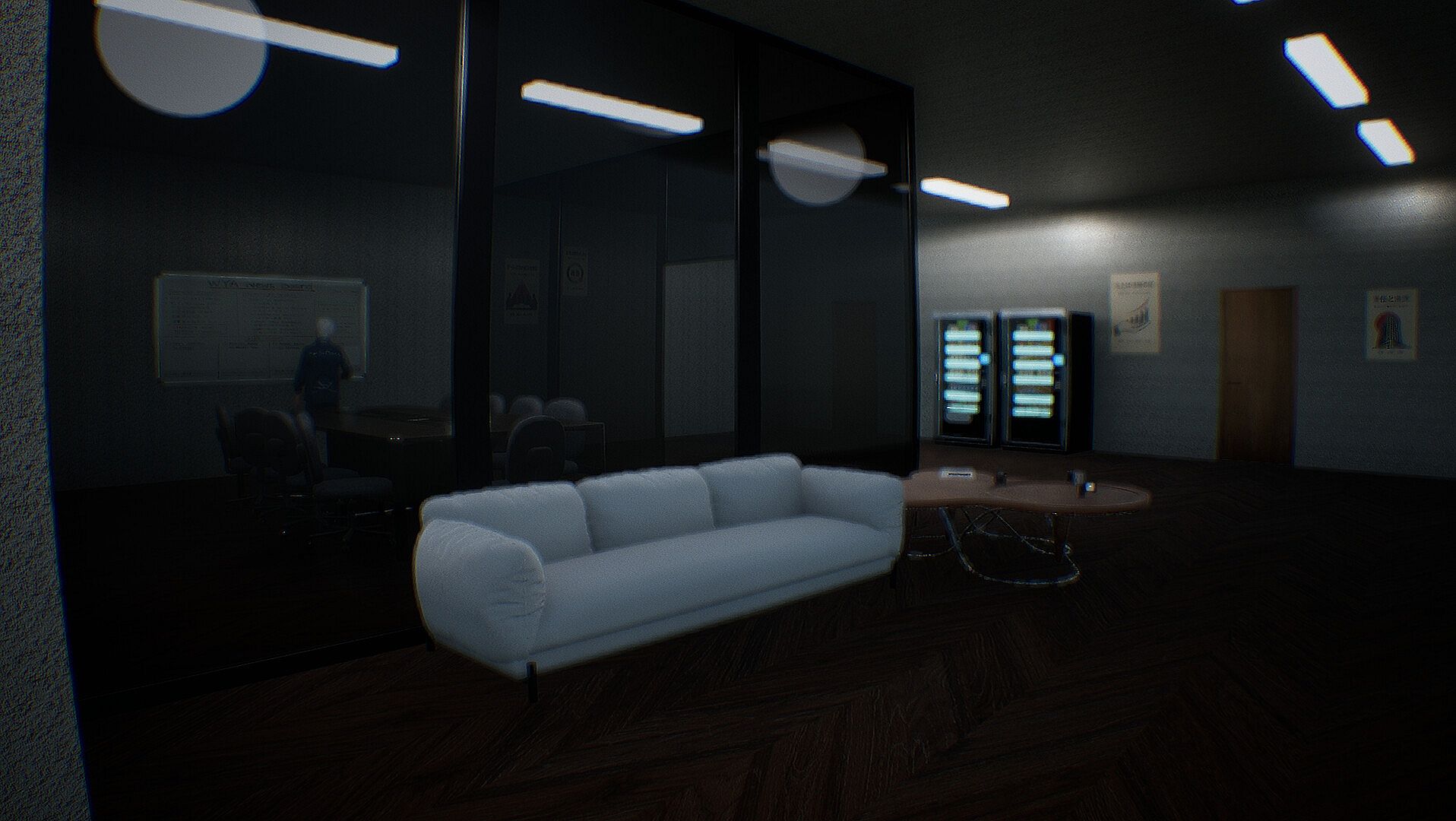
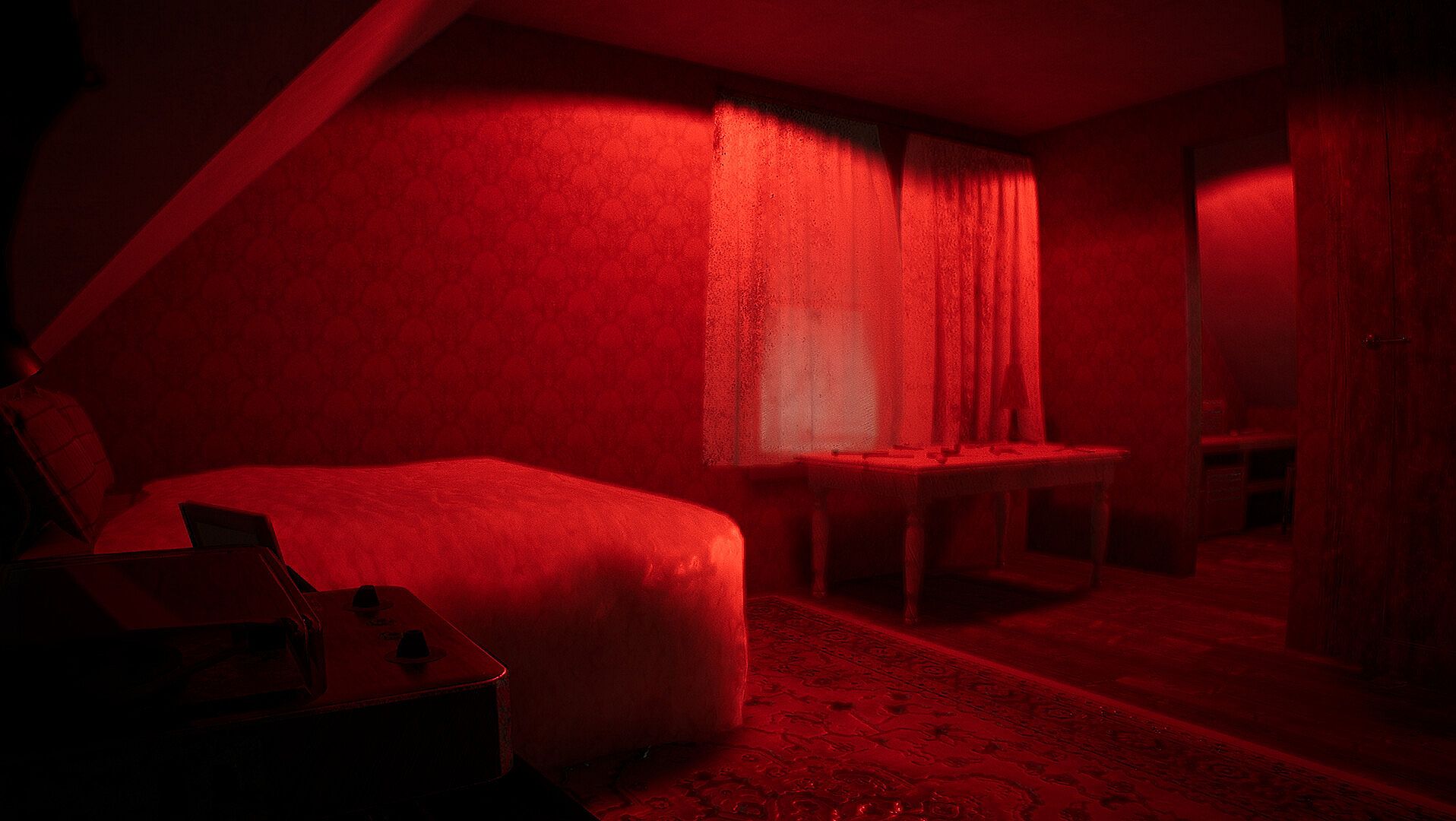

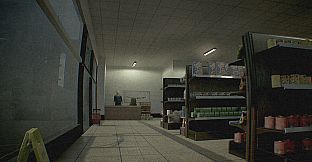

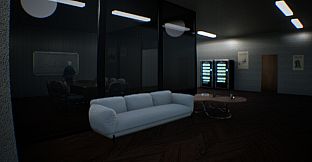
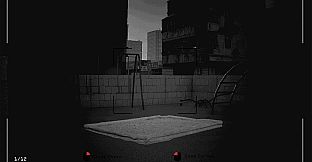

Jubaku is a first-person psychological horror simulation game set in Japan in 1991. Players take on the role of an American journalist tasked with investigating the Tanaka Residence, a location surrounded by local rumors of unexplained deaths after just three days. The experience centers on documenting events, gathering evidence through photography, and navigating an investigation that blurs the boundary between observed reality and personal perception.
Gameplay
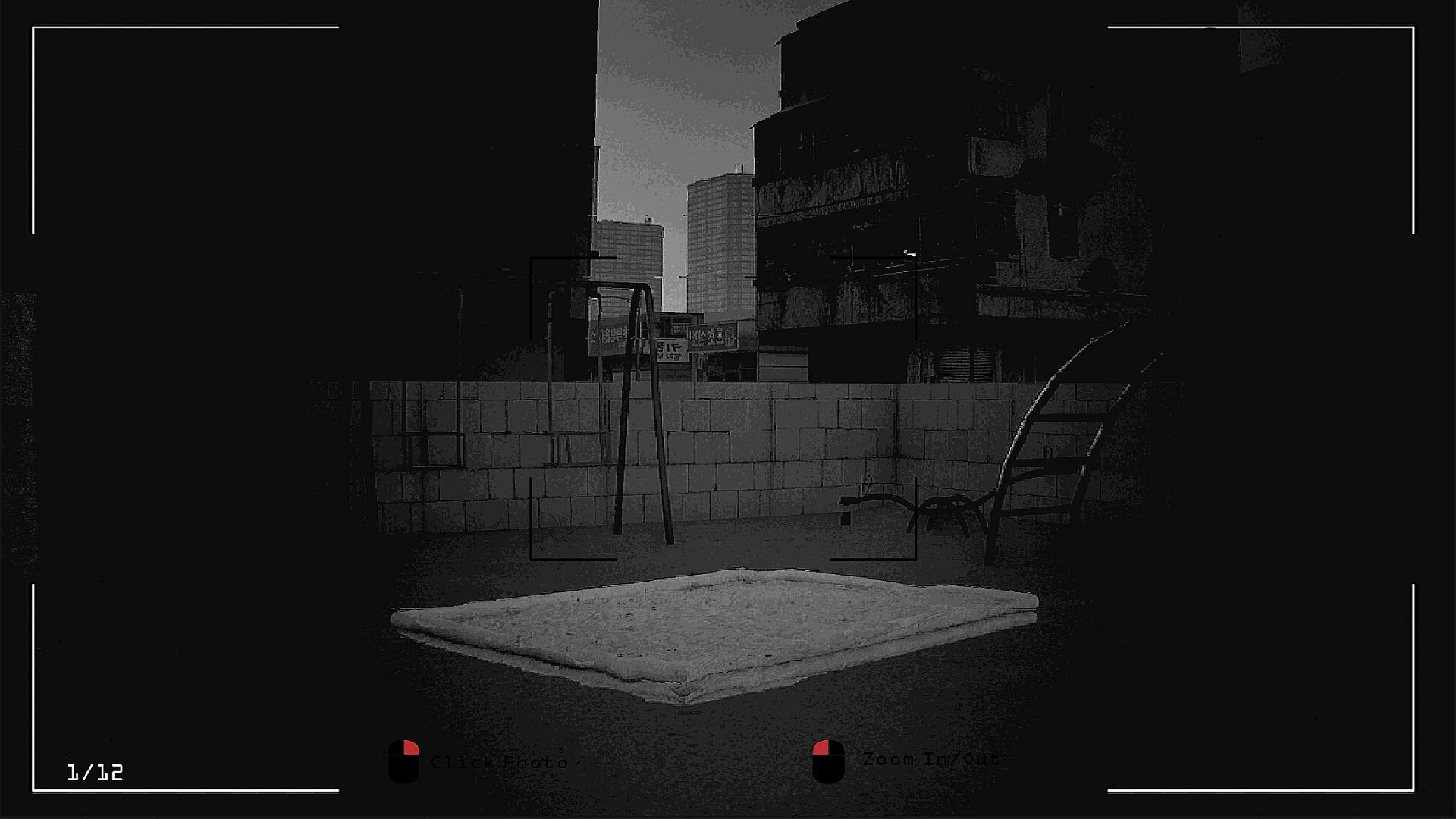
The core loop revolves around thorough exploration of the residence, interviews with residents, and careful review of captured footage. The camera serves as the primary tool for recording paranormal activity and critical clues. Each photograph taken adds to an overall investigation score evaluated at the conclusion of a run. Players must search rooms methodically, locate hidden elements, and decide how far to pursue leads before time or circumstances intervene. Choices during conversations and actions influence the direction of events, leading to varied outcomes based on the depth of discovery.
Progression depends on balancing caution with persistence. Hesitation in certain situations can trigger automatic selections or force restarts upon failure. The system encourages repeated attempts to piece together fragmented information across different paths. Evidence quality directly affects the final journalistic grade, rewarding comprehensive coverage of key moments and manifestations.
Game Modes
Three distinct difficulty settings shape the investigative experience. Story Mode, labeled Rookie and recommended for initial playthroughs, provides assistance through highlighted interaction points and removes time pressure from dialogue selections. Camera capacity sits at twelve photos in this setting.
Veteran mode, titled Reporter, removes visual highlights and reduces storage to eight photos while maintaining standard pacing. Professional mode, called Journalist, imposes the strictest constraints with only six photo slots, timed choices that default if delayed, and full restarts after any death. These options allow players to adjust the balance between guidance and challenge according to preference.
Story and Endings
The narrative unfolds through accumulated evidence and player decisions rather than linear exposition. Multiple conclusions exist, some leaving gaps in understanding while others tie together collected details. A concealed true ending requires exhaustive collection of recordings and full reconstruction of events inside the residence. The structure supports replayability as different approaches yield distinct revelations about the haunting.
Investigation elements include locating concealed items, conducting resident interviews, and analyzing recorded material to advance understanding. The emphasis remains on journalistic documentation over direct confrontation, with the camera functioning as both recorder and evidence gatherer.
Is It Worth Playing?
Jubaku suits players interested in deliberate, choice-driven horror experiences that prioritize investigation and evidence management over action. The three modes provide clear pathways for different skill levels, from assisted storytelling to high-stakes timed decisions. Branching outcomes and the hidden ending reward thorough play without relying on external guides. As an indie title focused on single-player psychological tension, it appeals to those who value atmospheric exploration and consequence-based progression in a contained setting. Availability on PC allows direct access for those matching the described style.