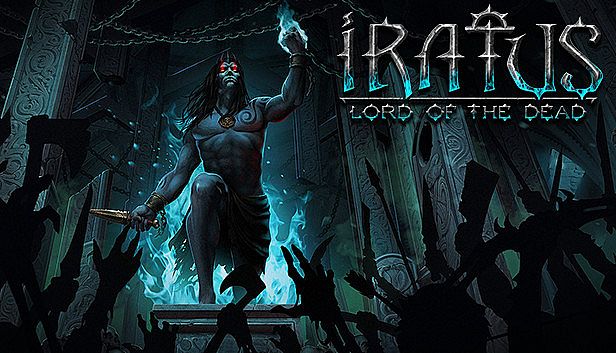




















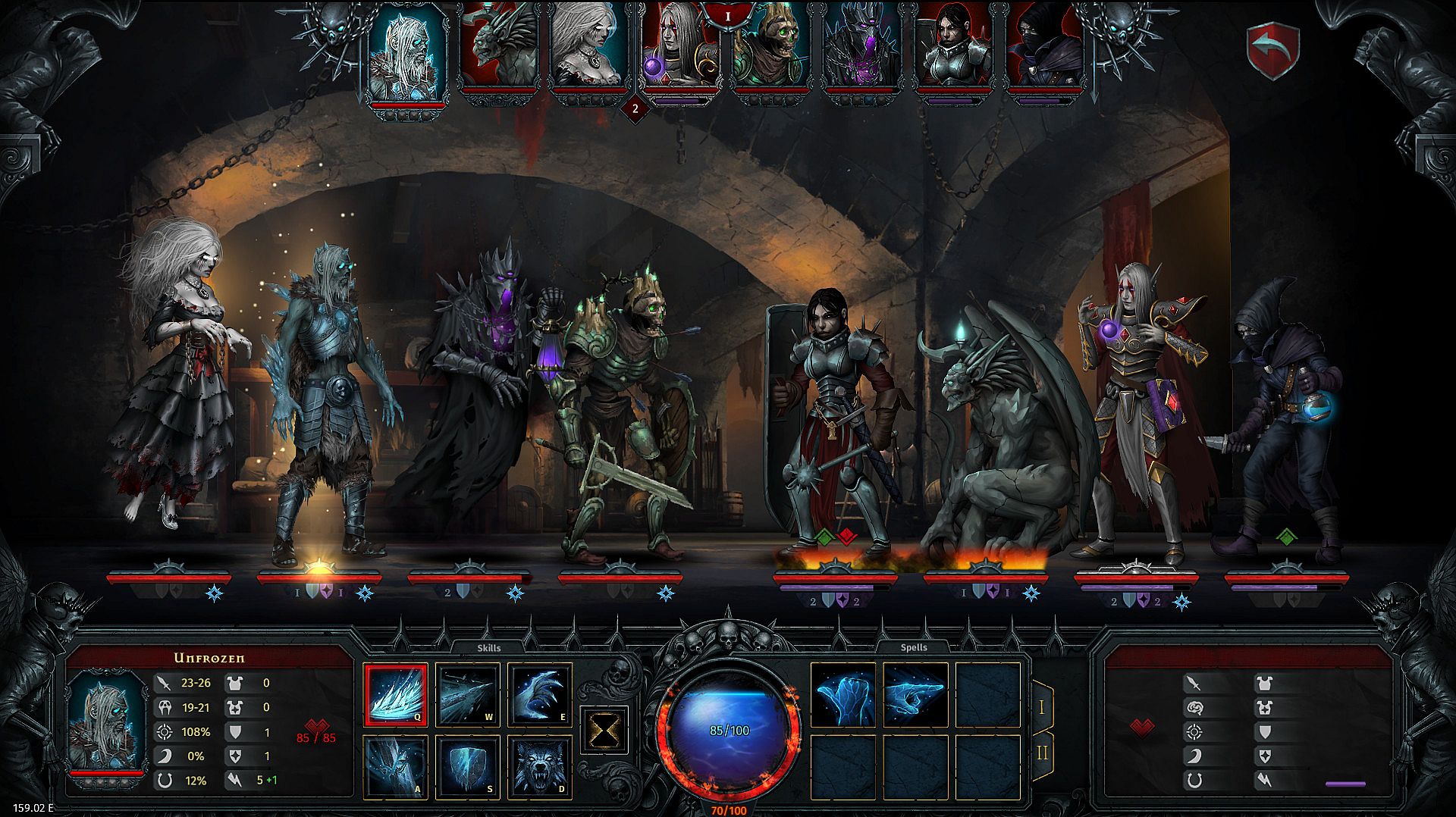
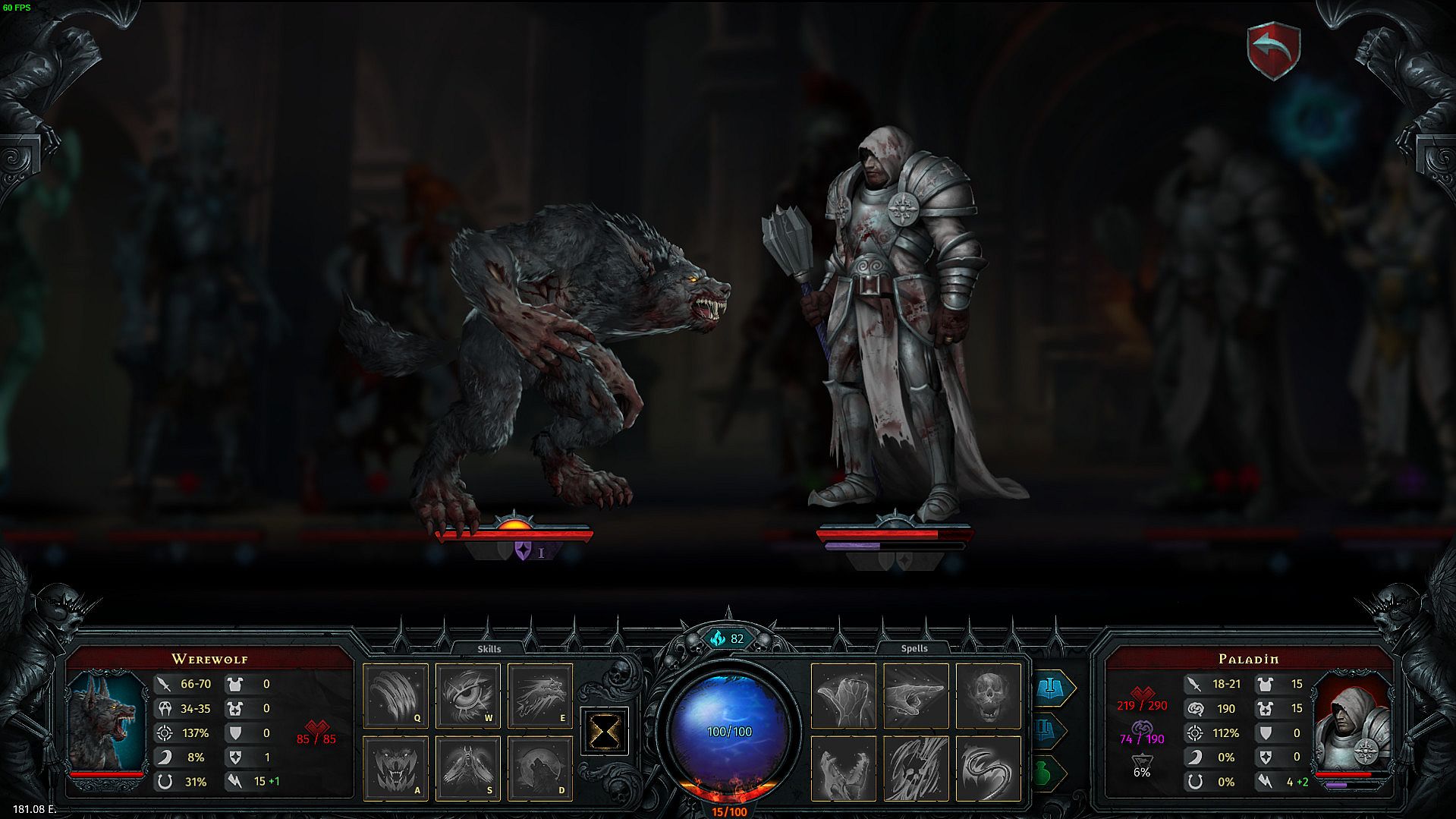
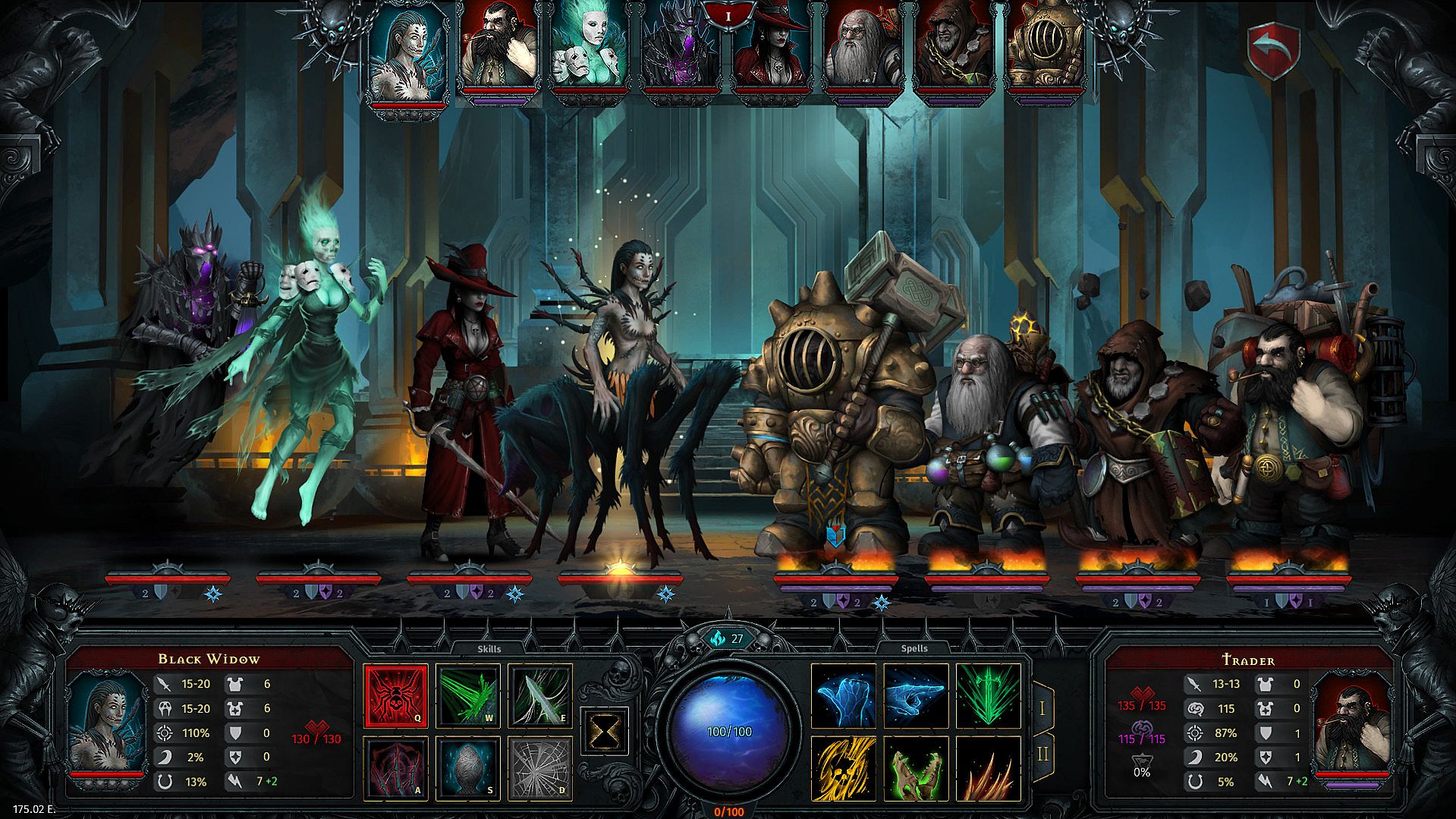
Iratus: Lord of the Dead is a strategy indie RPG that places players in the role of a necromancer leading an army of the undead. Released on PC, the game emphasizes tactical decision-making, resource management, and roguelike elements in a dark fantasy setting. Players build and command forces made from enemy remains while expanding a hidden lair and researching forbidden knowledge to challenge the forces of good.
Gameplay
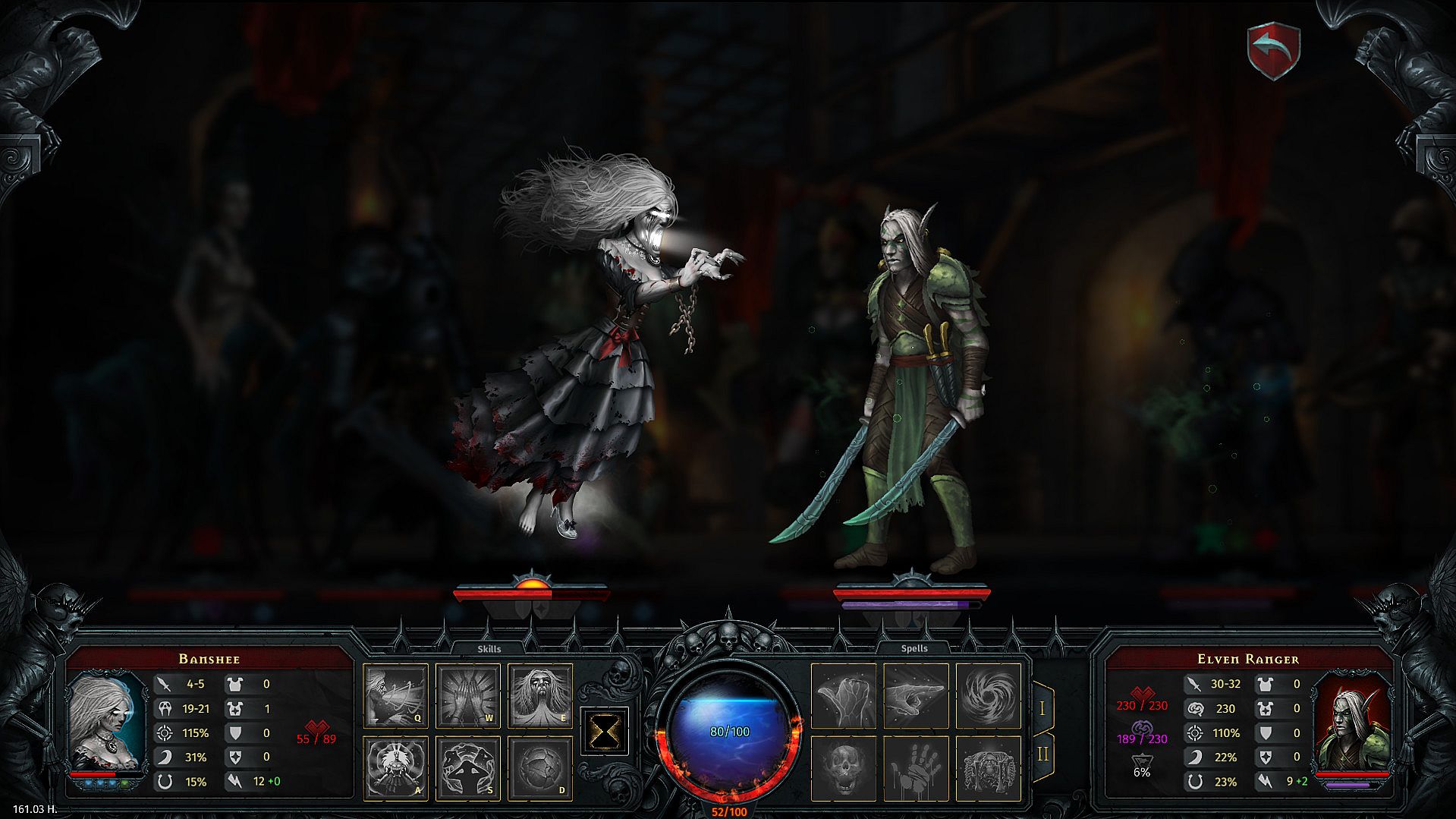
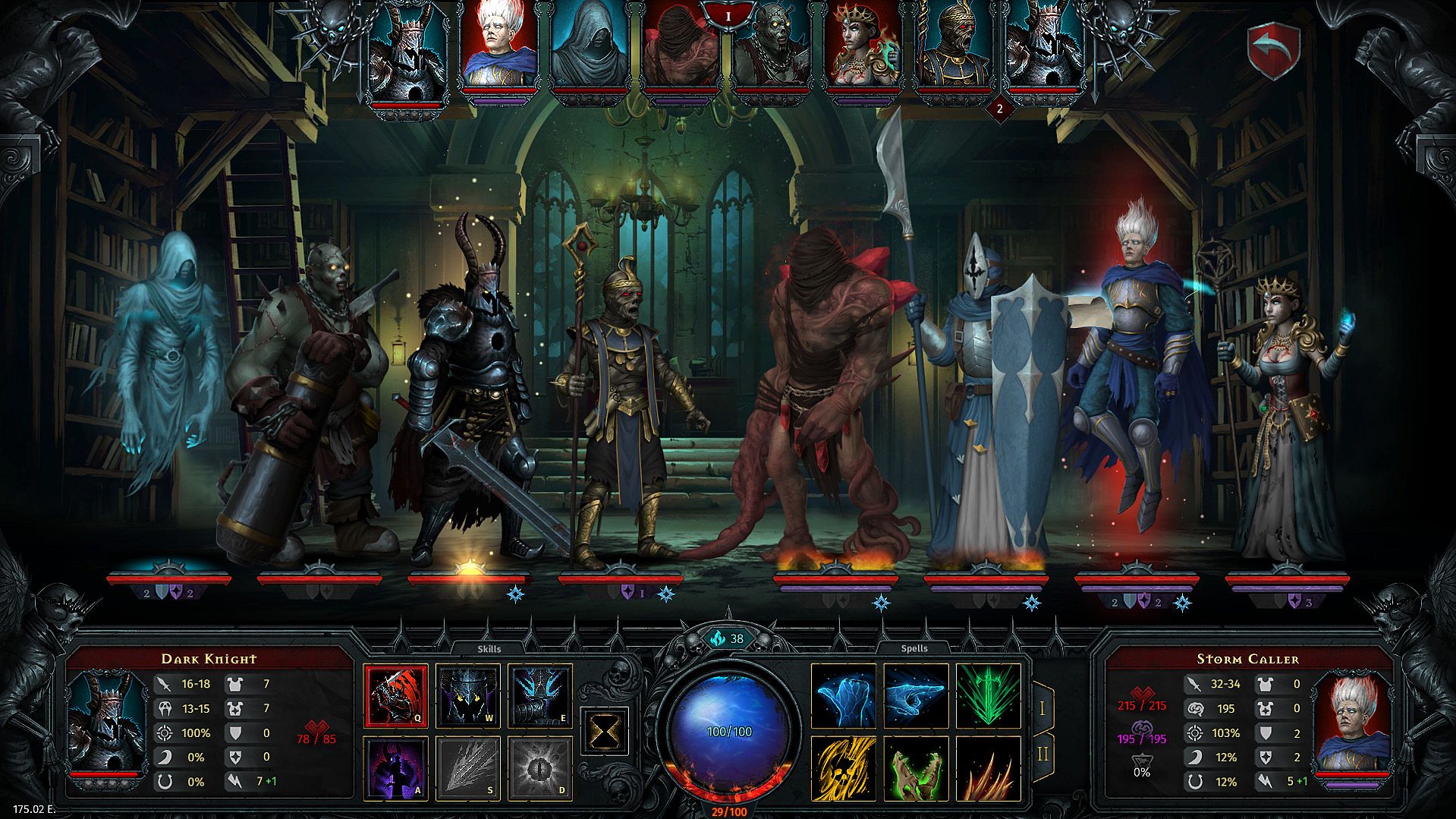
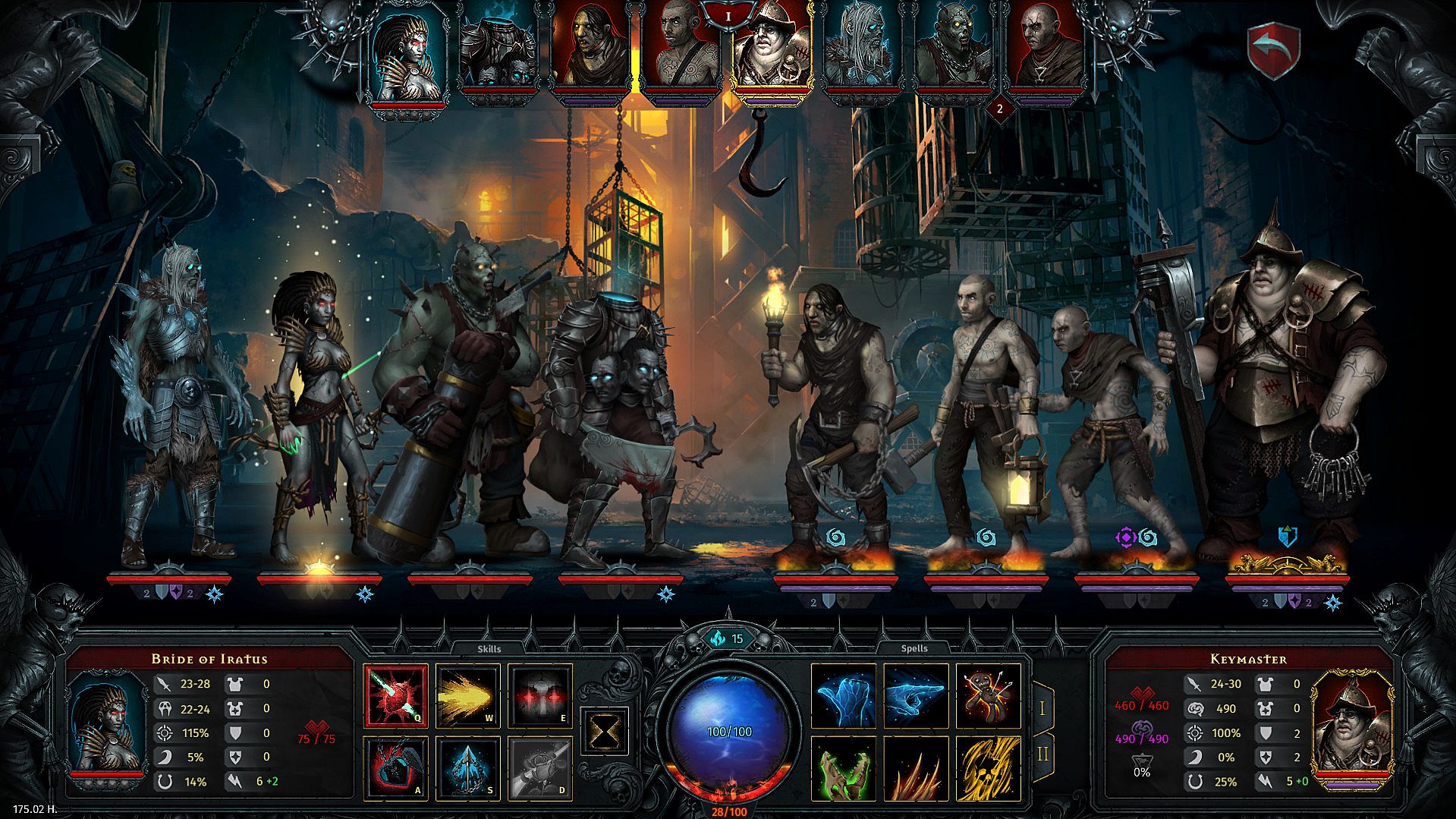
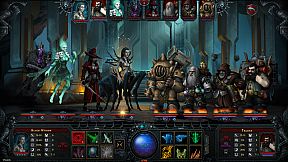
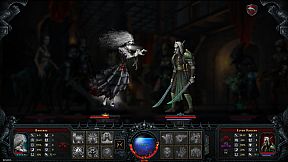
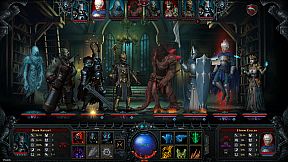
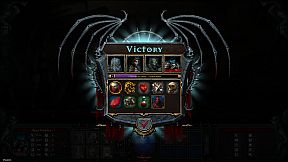
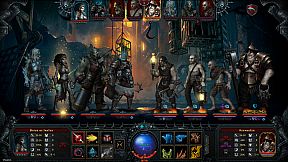
The core loop revolves around constructing minions from body parts collected after battles and deploying them in turn-based combat. Up to four minions form each squad, facing off against groups of enemies such as miners, dwarves, and mercenaries. Combat requires attention to positioning, ability synergies, and dual damage types that target both physical health and mental stability. Iratus contributes directly through spells and sanity-draining effects that weaken foes over time.
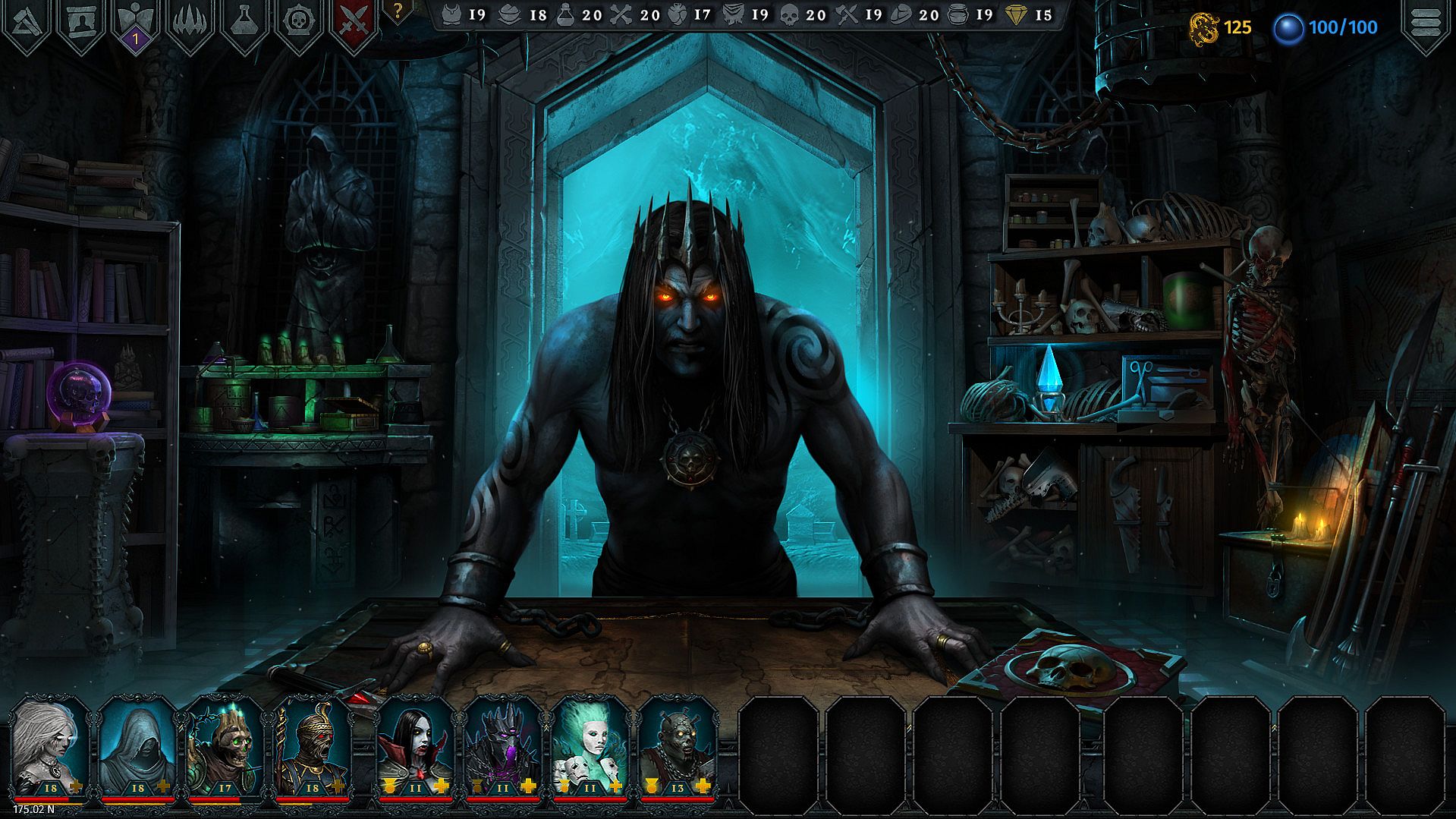
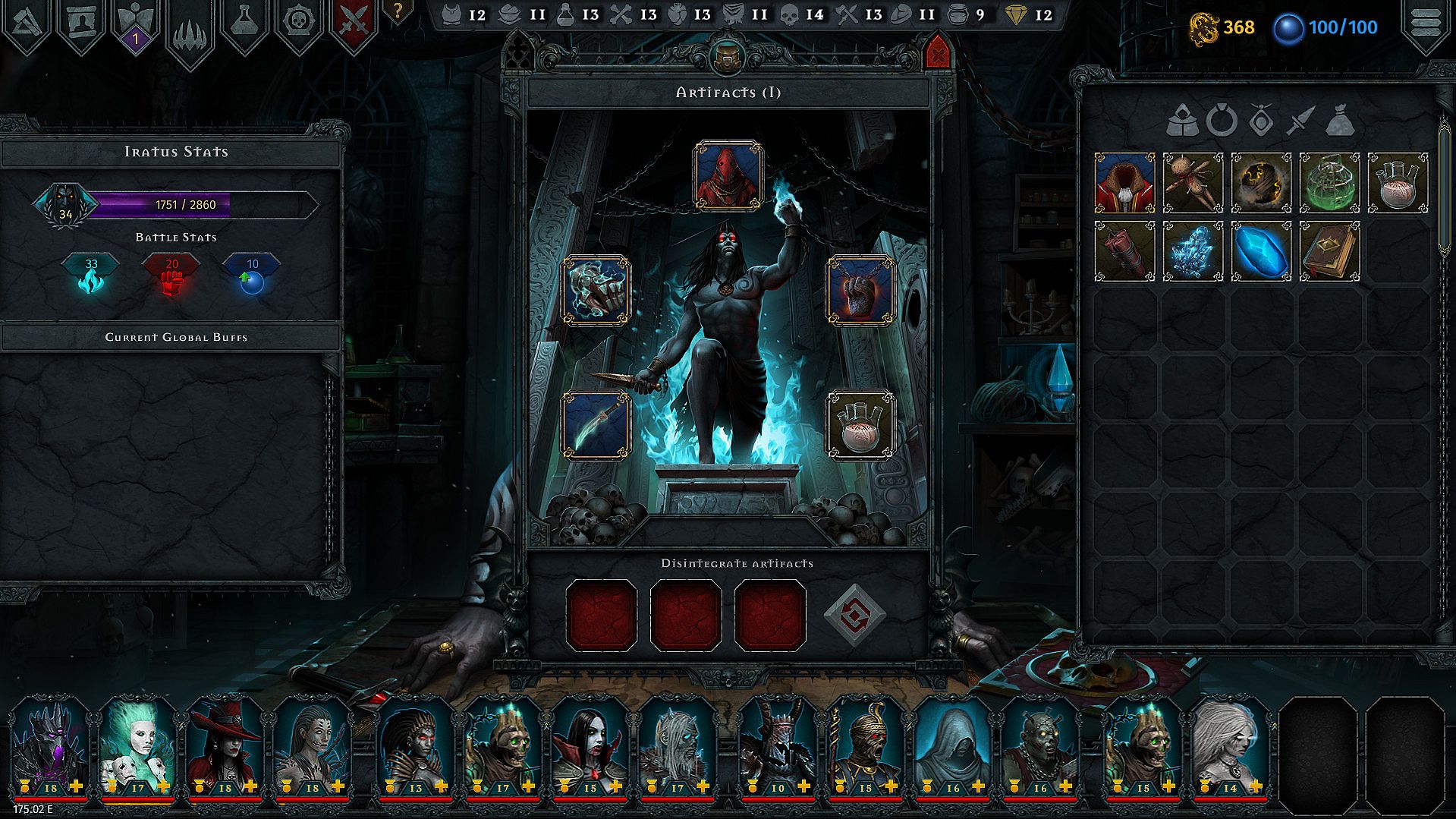
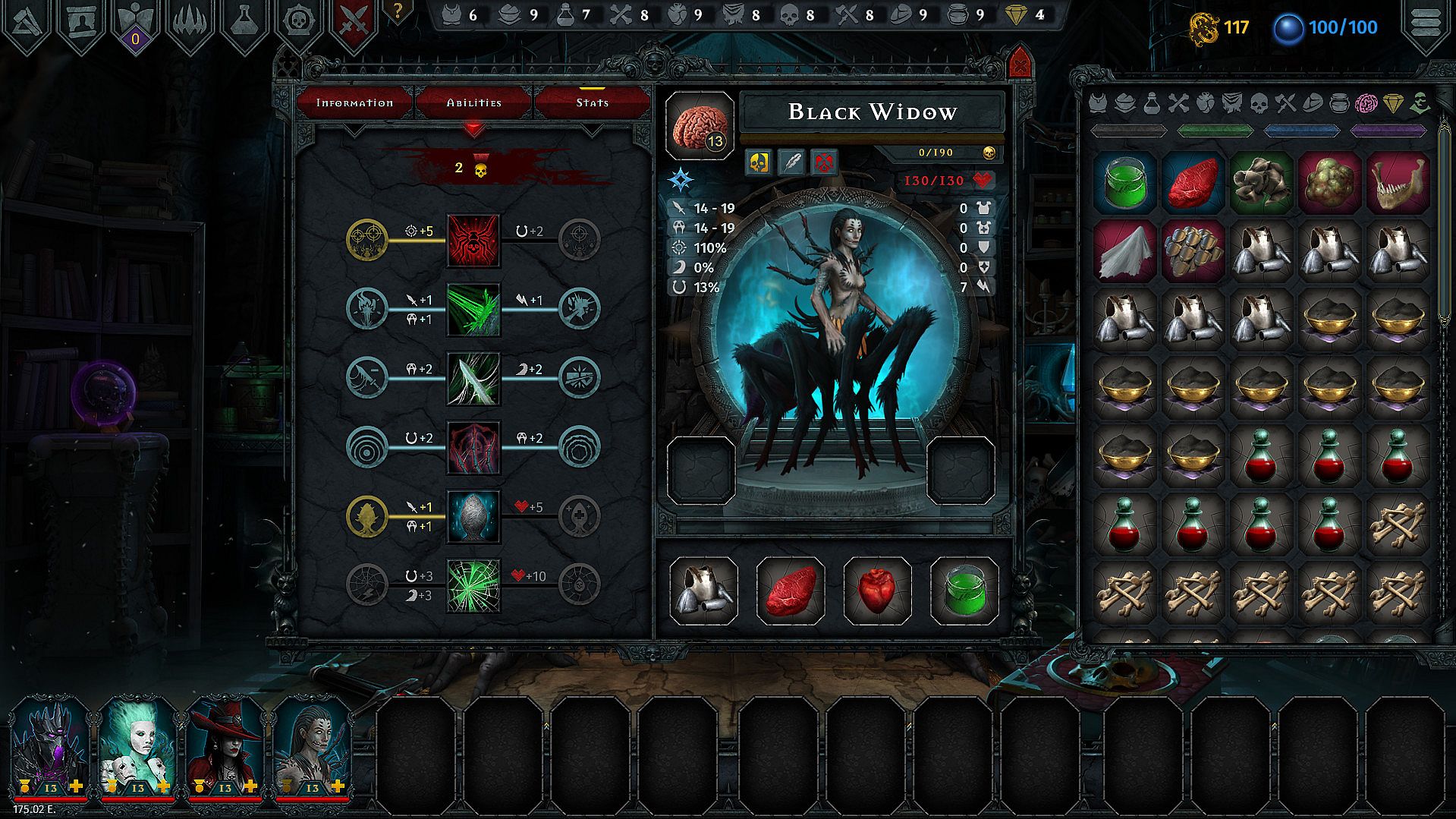
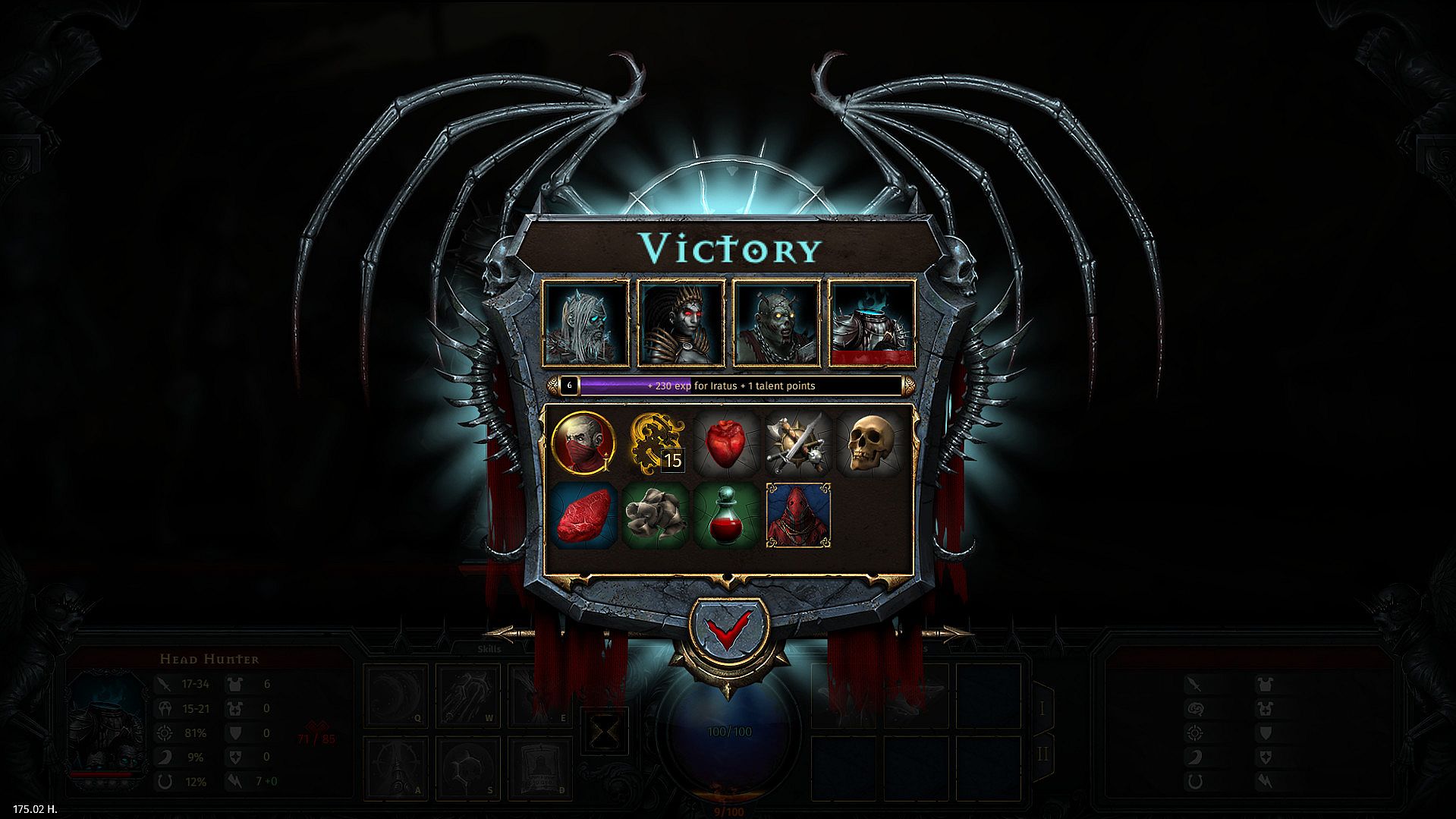
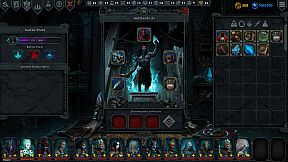
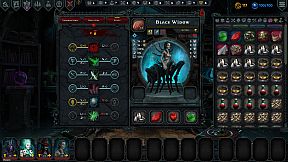
Minion creation offers deep customization. Each servant draws from a pool of parts that determine its type, stats, and skills. Nineteen varieties exist, including skeletons, zombies, vampires, mummies, and banshees. Every minion possesses six unique abilities, resulting in nearly one hundred options across the roster. Players swap components between fights to adapt to upcoming threats.
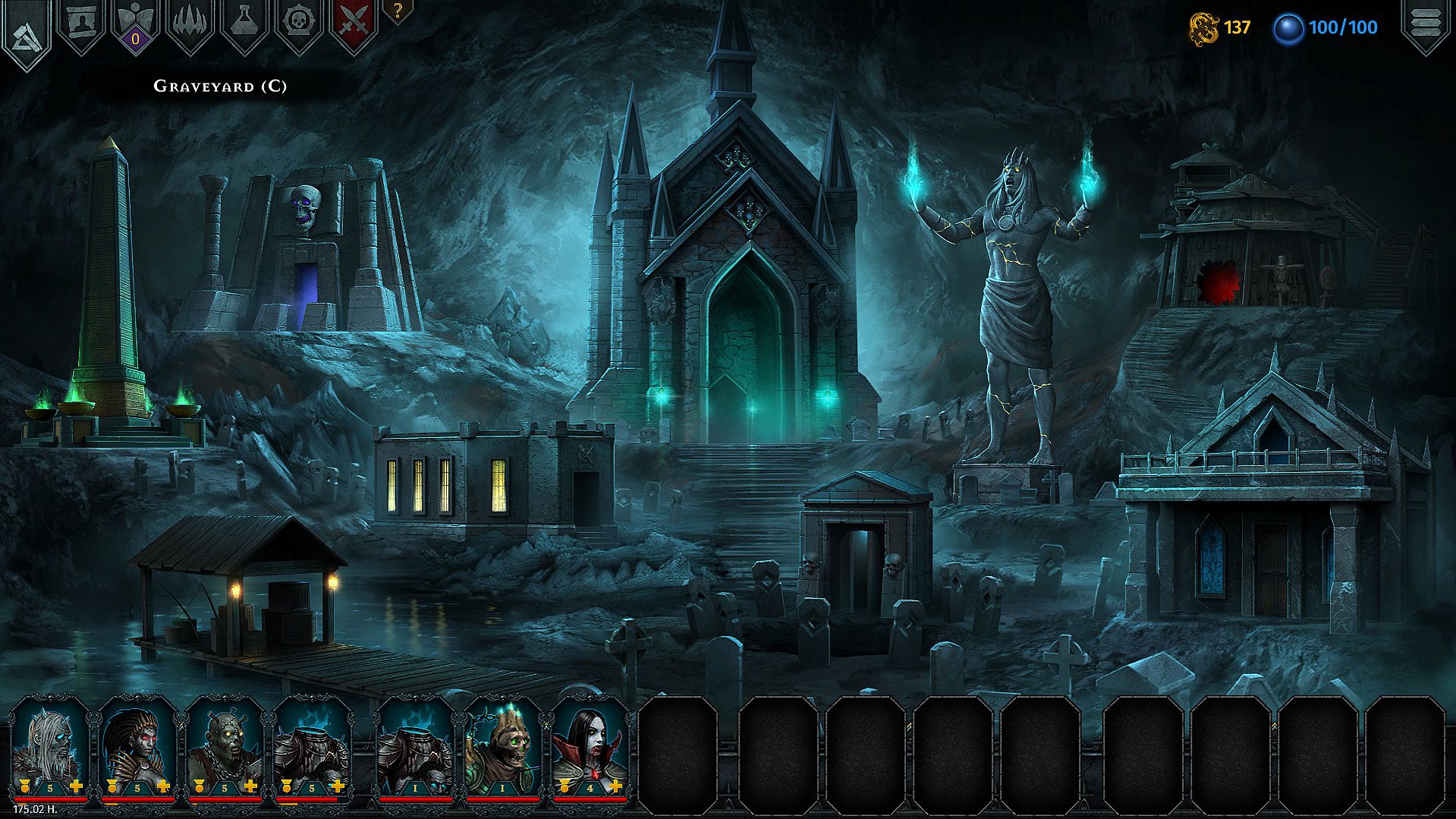
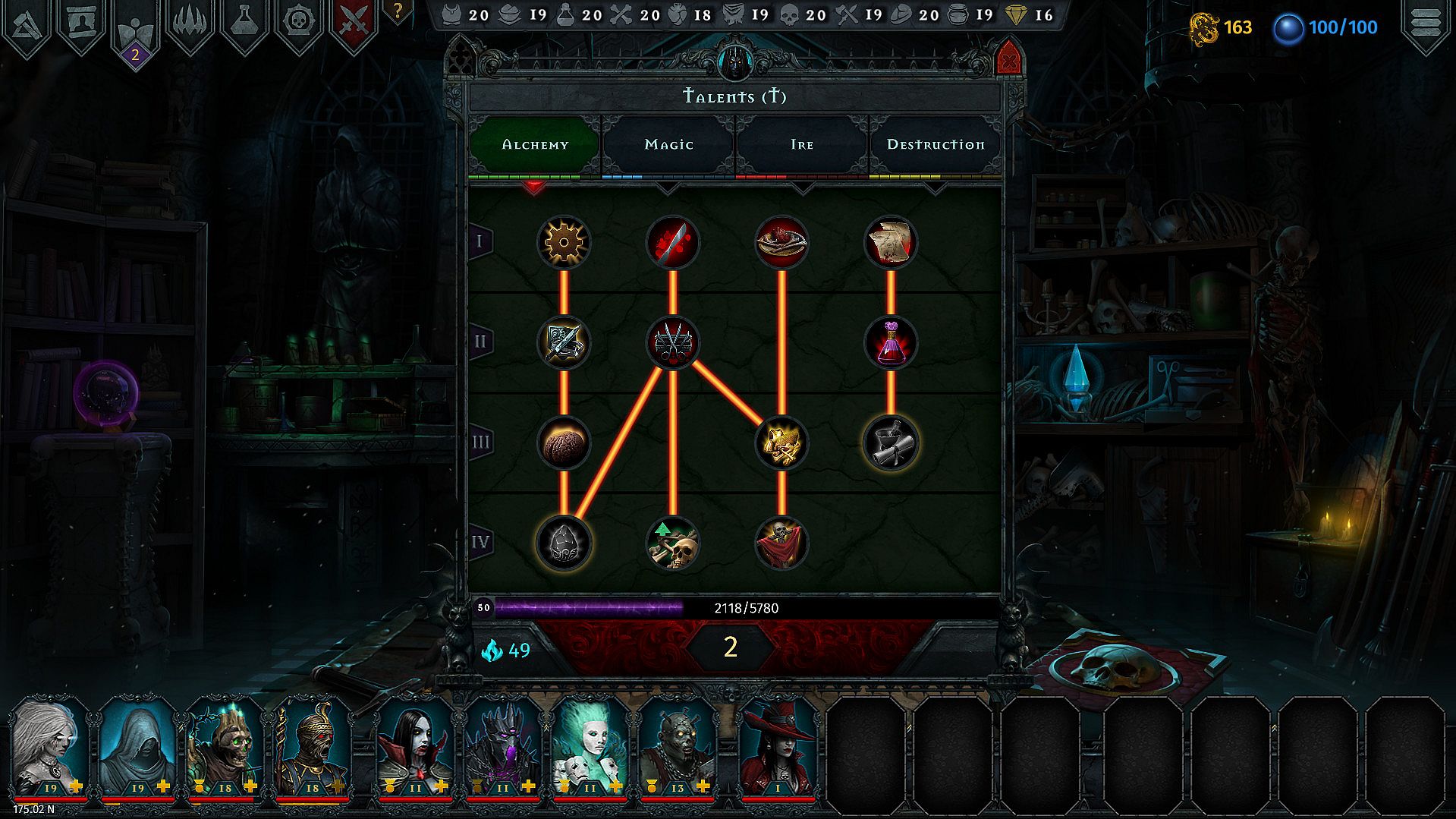
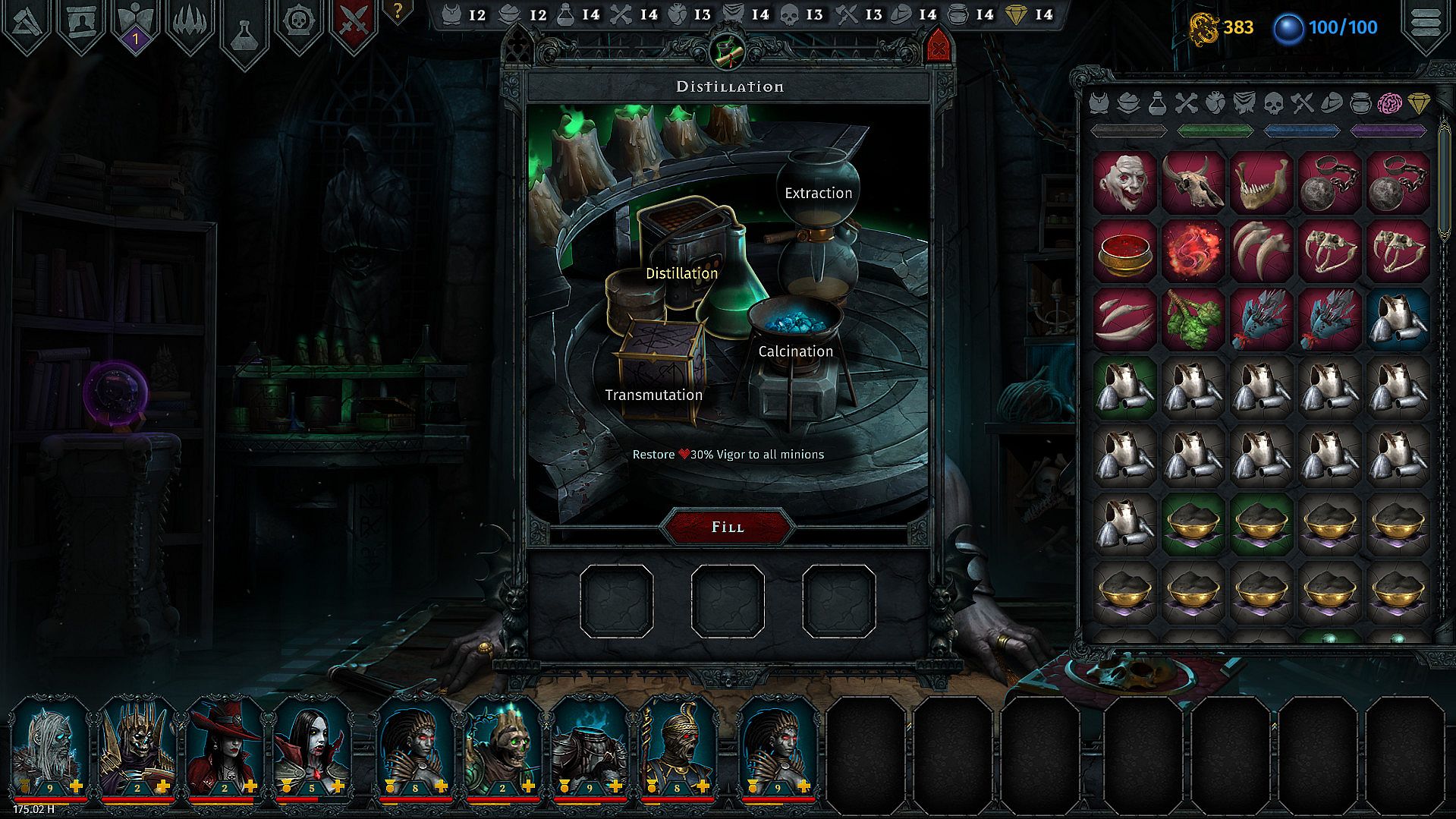
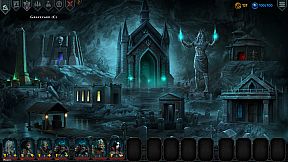
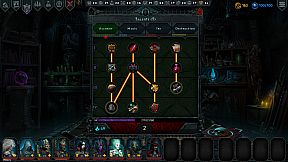
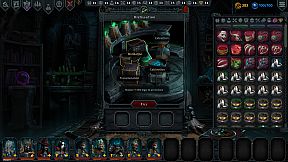
Progression extends beyond the battlefield. The underground lair serves as a central hub where resources fund expansions, ritual research, and minion improvements. Four talent trees for Iratus-Alchemy, Magic, Ire, and Destruction-provide branching upgrades that reshape combat style and resource efficiency. Choices here carry weight because fallen minions stay dead, and the game saves automatically after every action.
Game Modes
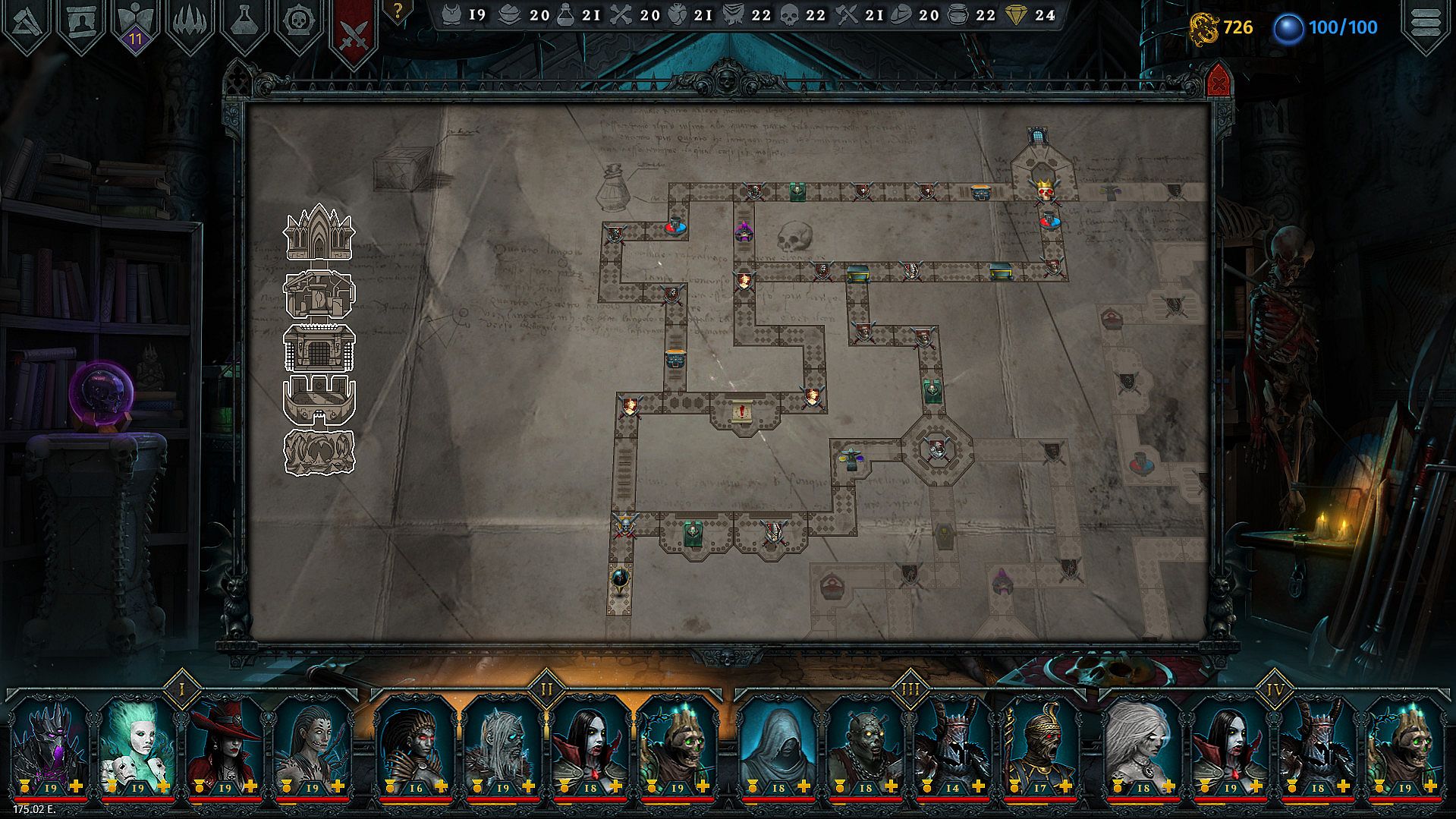
The game operates entirely in single-player. A campaign structure guides players through successive underground regions filled with distinct enemy groups and environmental challenges. Runs feature roguelike permanence: lost minions cannot return, and failed expeditions reset progress while retaining some lair upgrades and research.
Multiple difficulty settings accommodate different experience levels. Novice options reduce pressure on resource management and combat execution, while higher settings demand precise squad composition and exploitation of enemy weaknesses. No separate multiplayer or competitive modes exist; all content focuses on the solitary campaign against the living.
Lair Development and Progression
Building the lair involves allocating gathered materials to unlock new rooms, production lines, and research options. These improvements directly affect minion quality, ability availability, and Iratus's personal power. Secret rituals discovered through exploration add permanent enhancements that influence future runs.
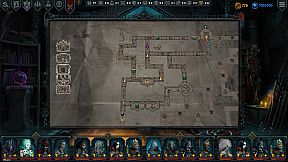
Exploration rewards careful planning. Corridors and catacombs contain encounters that yield parts, essence, and knowledge. Success depends on balancing aggressive expansion with defensive preparation, as stronger enemies appear deeper in each region.
Is It Worth Playing?
Iratus: Lord of the Dead appeals to players who enjoy tactical roguelikes with heavy emphasis on customization and irreversible decisions. The minion assembly system and dual damage mechanics create engaging combat that rewards study of unit strengths and weaknesses. Voice work for the protagonist adds atmosphere to the gloomy presentation.
Reception highlights the satisfaction of building effective undead squads and the strategic depth of the talent trees. Some players note repetition in longer sessions and occasional interface friction. The game suits those comfortable with permadeath and resource scarcity rather than those seeking constant new content or multiplayer features.
Its focused single-player experience delivers a complete campaign for fans of the genre who want to command the forces of darkness instead of opposing them. Different difficulty options and the variety of minion builds provide replay value within the roguelike framework.