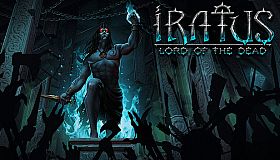




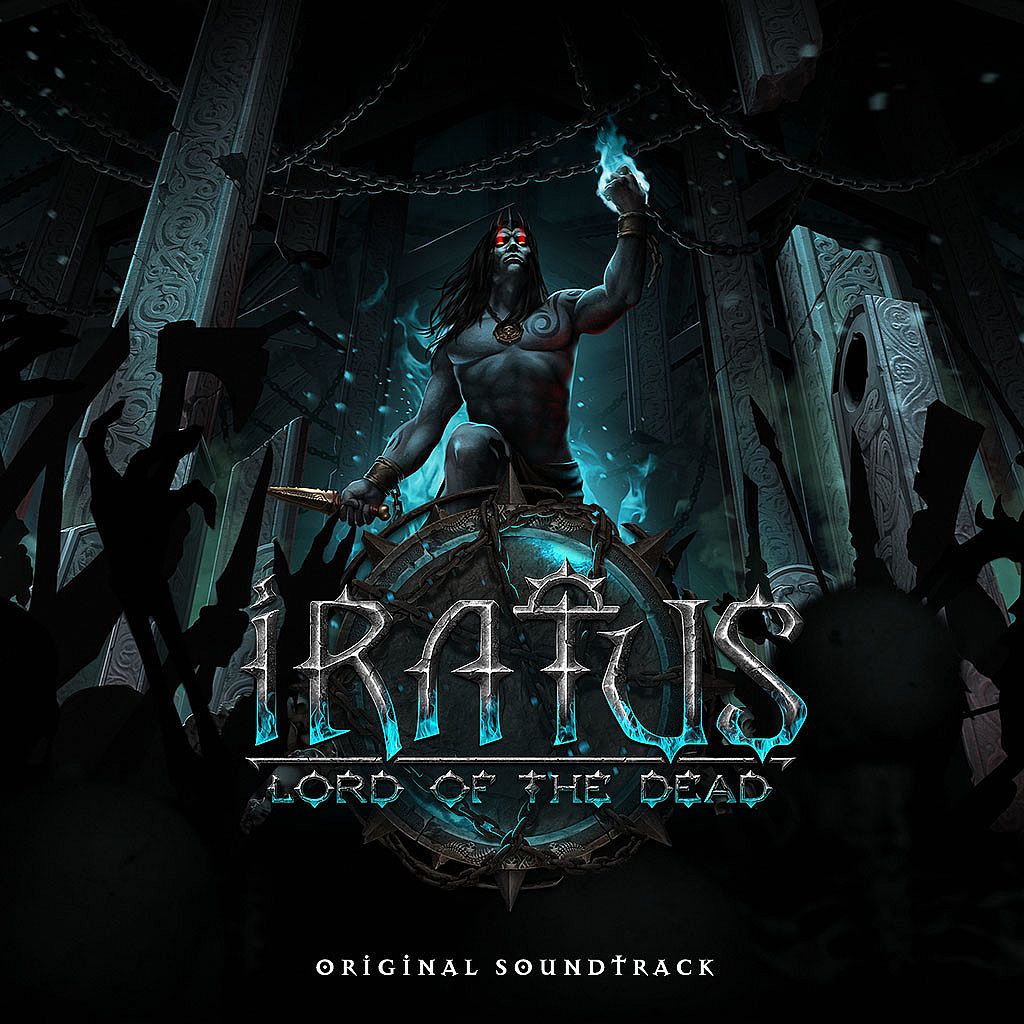
Iratus: Lord of the Dead is a turn-based strategy RPG developed for PC that places players in the role of a powerful necromancer seeking to escape confinement and overcome mortal foes. The title blends indie strategy elements with RPG progression, allowing control over custom undead forces in a dark fantasy setting. Combat and resource management form the core loop, with the included soundtrack providing a fitting gloomy and foreboding atmosphere that enhances the experience of directing the vexed necromancer.
Gameplay
Players construct minions using body parts collected from defeated enemies, such as bones, skulls, hearts, and flesh. These undead servants form a party limited to four active units, with additional reserves possible through careful resource allocation. Each minion occupies a specific position in a four-slot formation that directly influences available skills and effectiveness during encounters.
Turn-based battles unfold in a side-view format against enemy groups of matching size. Every participant acts each round, and Iratus himself can contribute spells once unlocked and supported by sufficient mana. Minions possess multiple talents that reward positioning and timing, while enemy weaknesses must be studied to secure victories. The system emphasizes tactical decisions over raw power, as fallen minions require replacement parts and time to rebuild.
Outside combat, a base of operations supports upgrades to Iratus and his forces. Resource production and stat improvements draw from a structure reminiscent of classic base-building titles, tying progression to successful dungeon runs. Random floor layouts and a single-save structure introduce rogue-like tension, where each expedition carries meaningful risk.
Game Modes
The primary experience centers on a campaign of dungeon exploration across multiple levels. Players advance through procedurally influenced areas while managing party composition and resources between fights. No separate competitive or cooperative modes exist, keeping the focus on solo progression against AI-controlled opposition.
Replay value stems from experimenting with different minion combinations and base upgrades across repeated attempts. The structure encourages refining strategies for the fixed number of main levels rather than branching into distinct variants.
Audio and Atmosphere
The soundtrack delivers a consistent tone of foreboding and evocation that aligns with the necromancer theme. Tracks support the tension of combat and the quiet moments of base management without overpowering the strategic focus. Sound effects for attacks and minion actions add visceral feedback that reinforces the dark setting.
Is It Worth Playing?
The game suits players who enjoy deliberate, position-based tactics and the satisfaction of building an undead army from scavenged materials. Combat receives consistent praise for depth and feedback, though some note repetition after multiple runs and a relatively contained campaign length. It remains a complete, single-player title with no ongoing seasonal content or major post-launch expansions required for the core experience.
Those seeking a fresh take on turn-based strategy with strong audio integration will find the package cohesive. The emphasis on creation over recruitment and the reversed hero dynamic provide a distinct identity within the genre. Availability on PC makes it accessible for strategy enthusiasts comfortable with challenging AI encounters and resource-driven progression.