



Humble Hauler is an indie casual simulation game on PC that puts players in charge of building a trucking business from scratch. You begin with $3,000, a used car, and no commercial driver's license, then expand through deliveries into a full fleet operation.
Gameplay
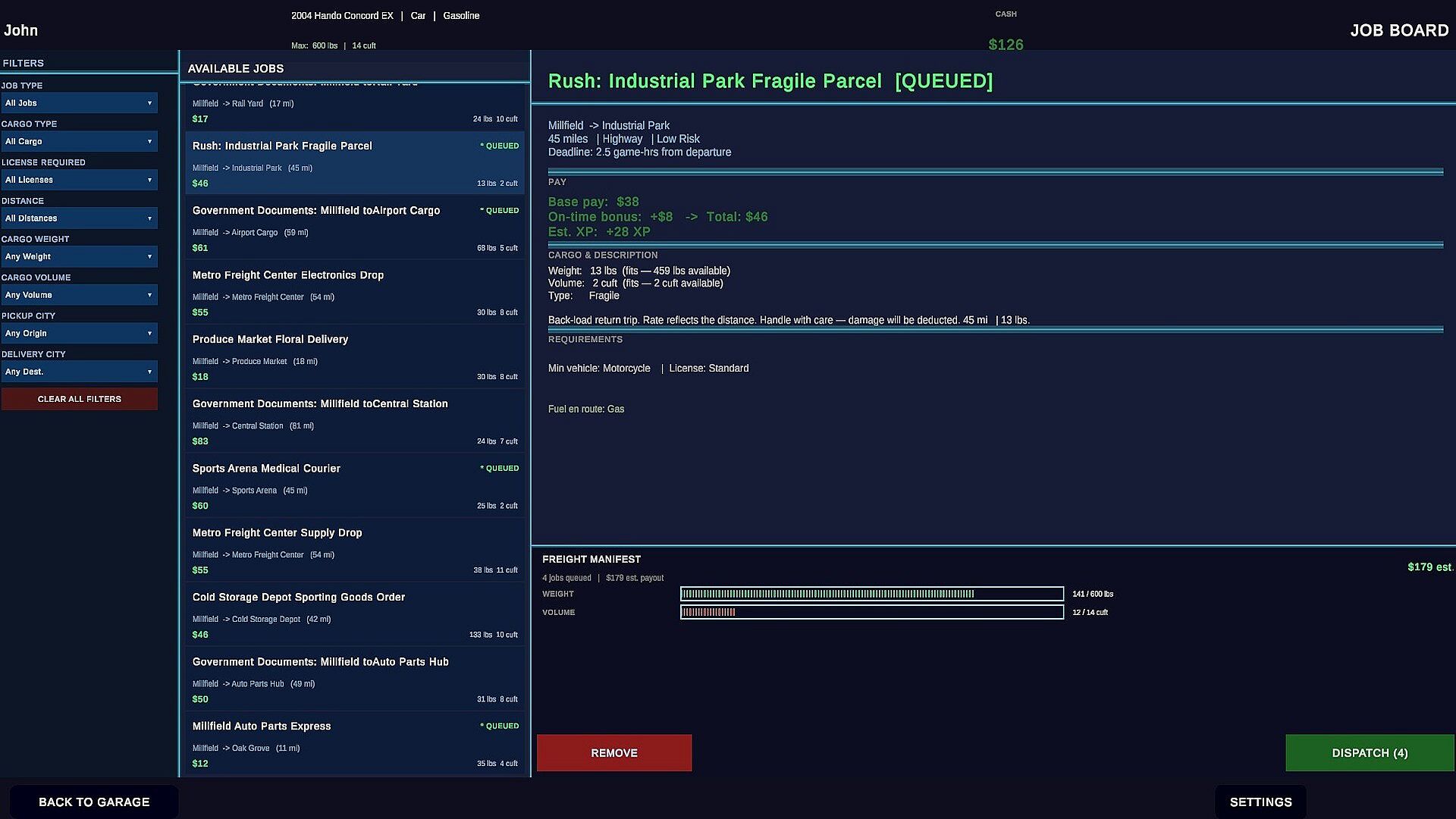
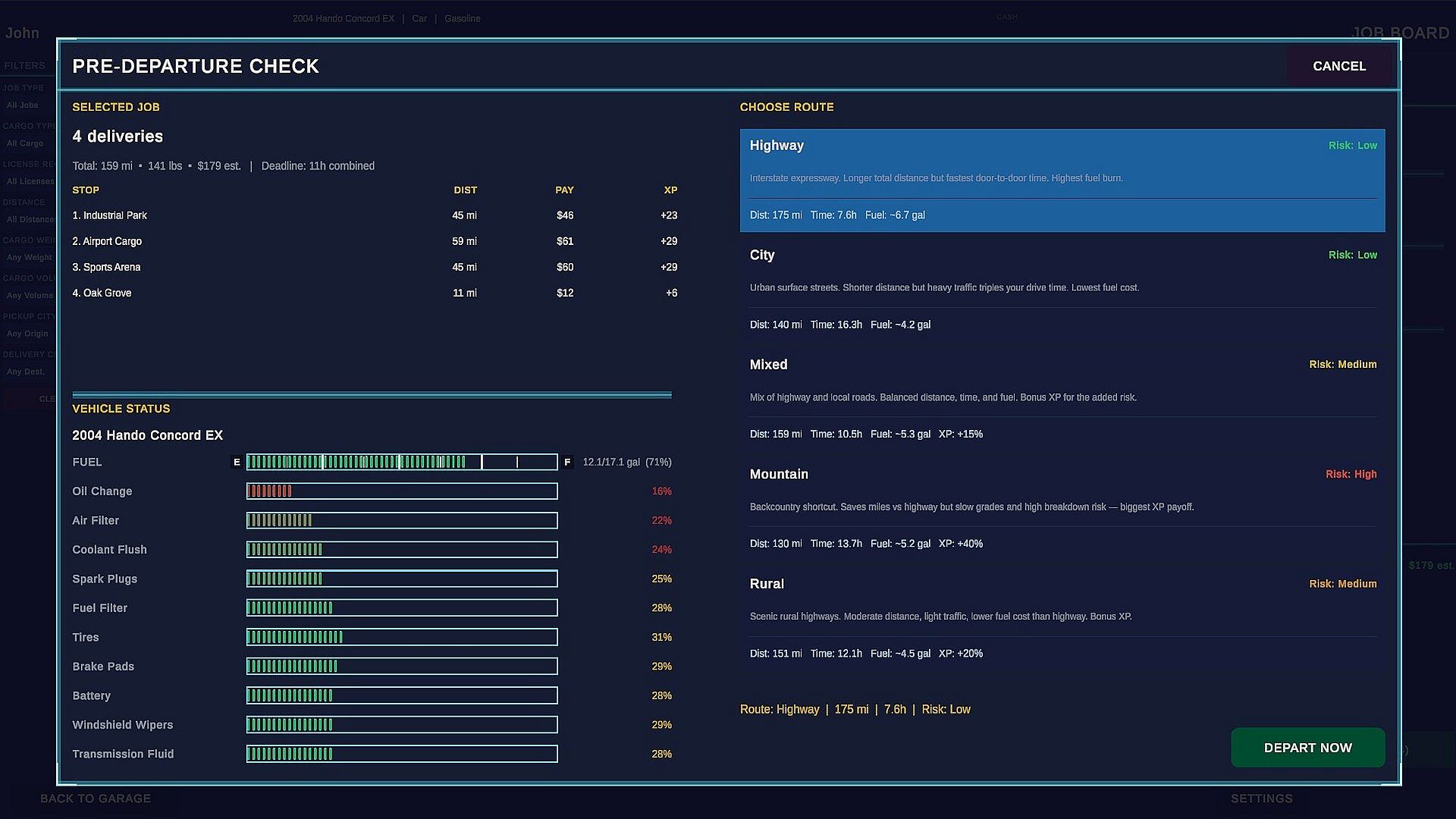
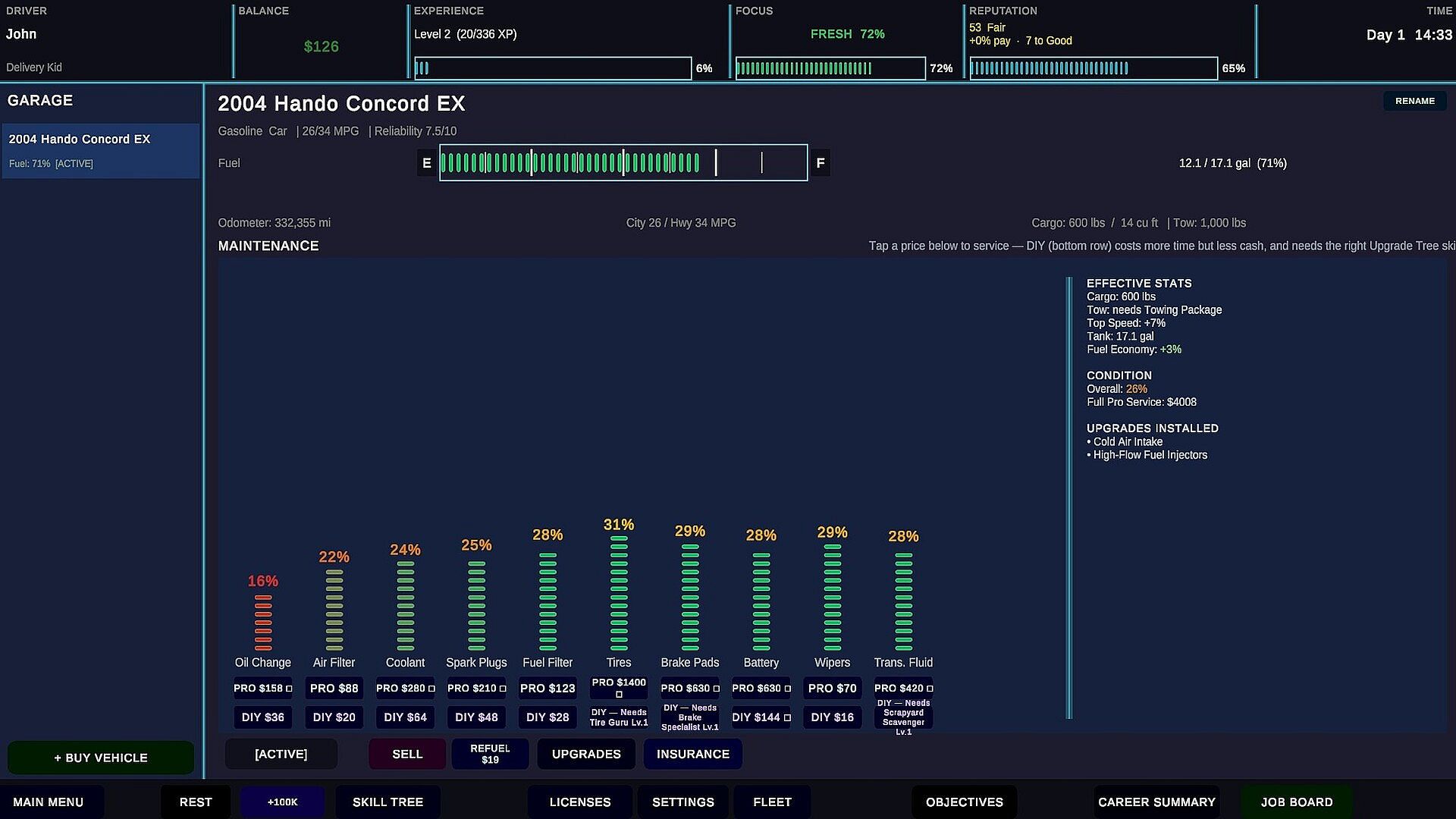
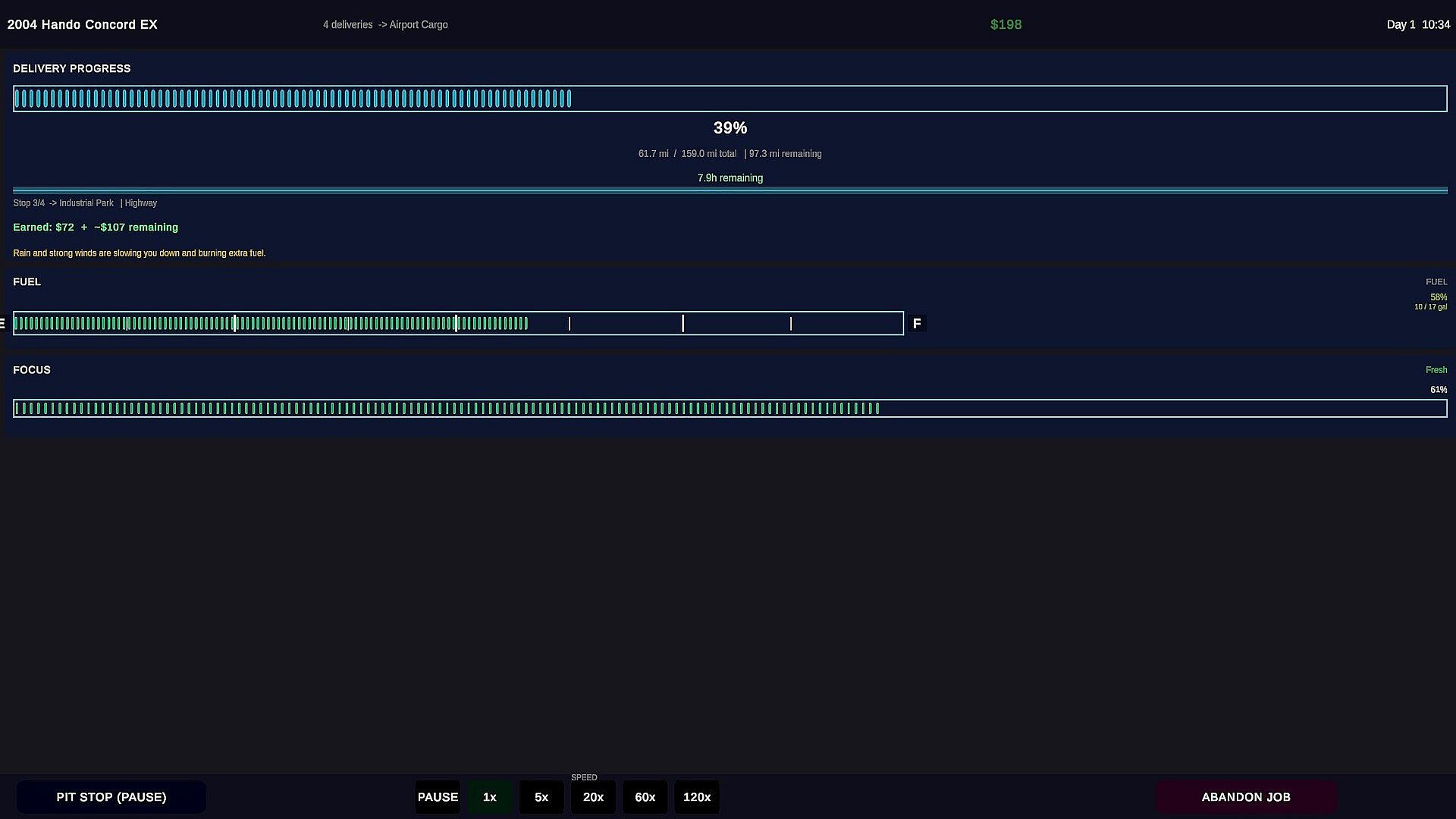
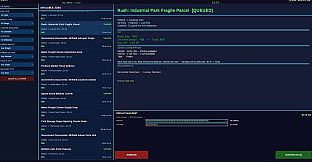
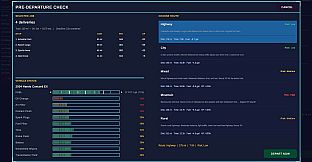
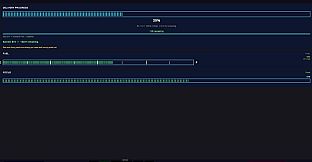
The core loop centers on career management rather than hands-on driving. Players accept jobs, select routes, and monitor deliveries through a dashboard displaying fuel levels, fatigue, vehicle wear, and estimated arrival times. Decisions revolve around balancing competing systems such as fuel costs, repair expenses, driver rest, and profit margins. Every choice carries trade-offs, from opting for a risky shortcut versus a longer highway route to deciding between a full shop repair or a skill-based DIY attempt that risks failure.
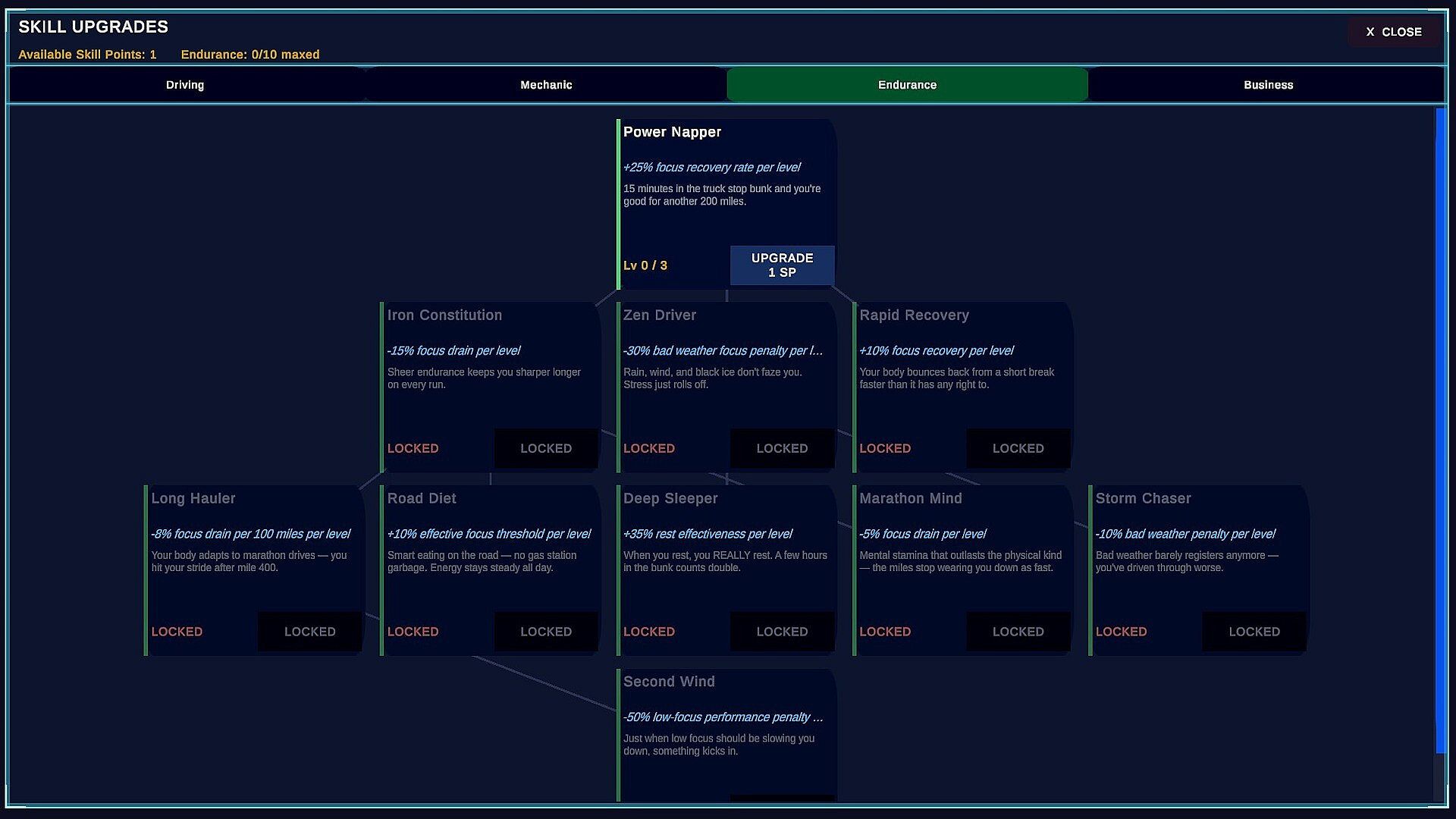
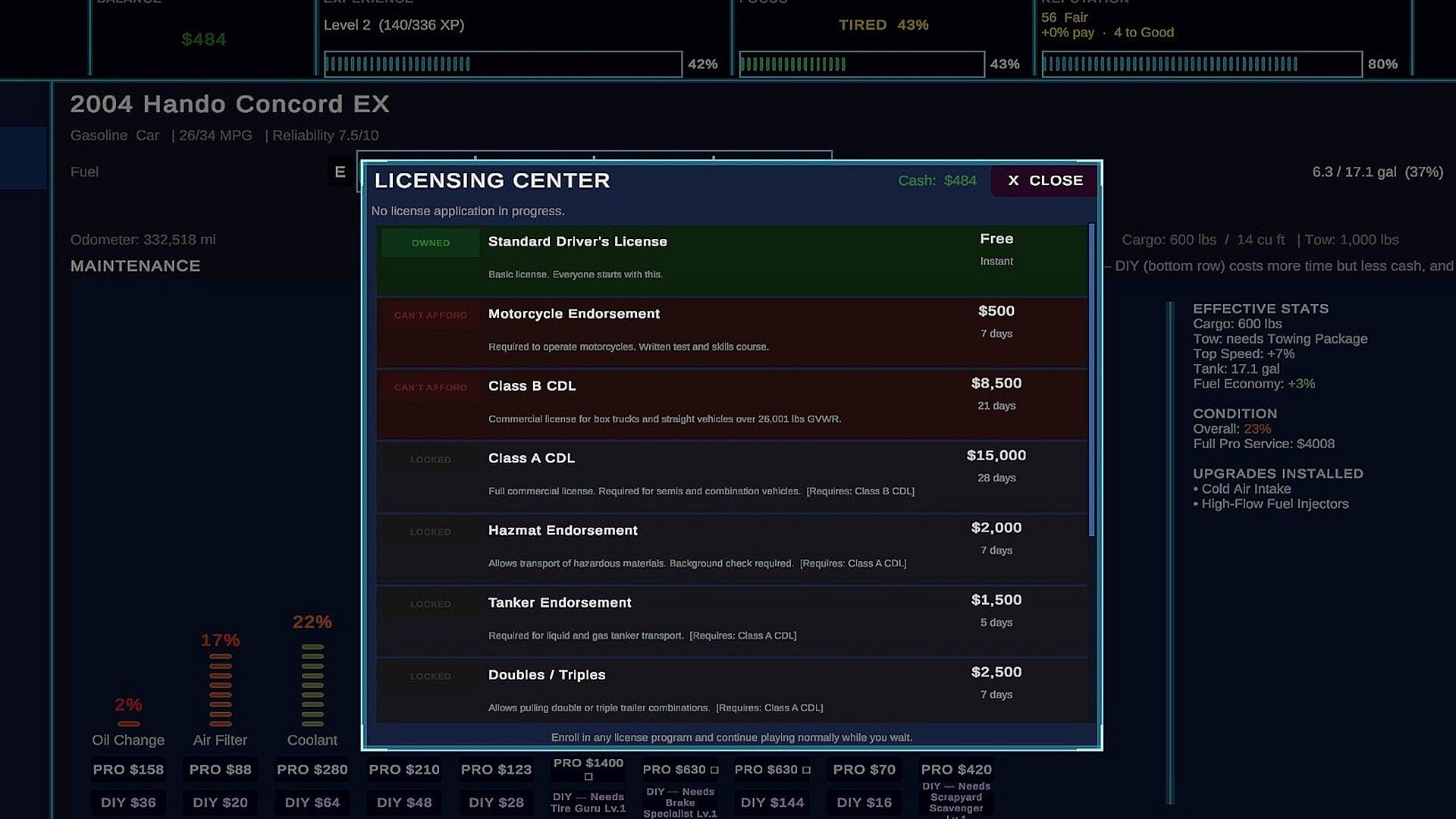
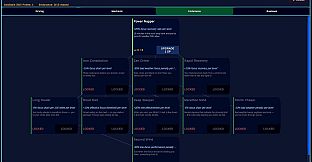
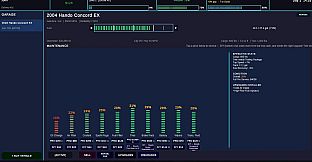
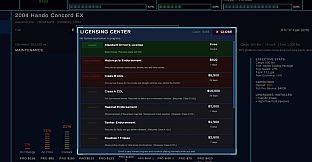
Progression starts with motorcycles and moves through cars, vans, box trucks, and semis. Each vehicle class requires specific CDL licenses or endorsements earned through experience. The game tracks ten license types, fifty character levels, and four skill trees offering thirty-five upgrades across driving, maintenance, endurance, and business categories. A maintenance system lets players pay for instant service or attempt cheaper repairs with failure odds. Fatigue accumulates and requires rest at motels, garages, or in sleeper cabs, with penalties for skipping too many nights. Multi-stop routes allow job stacking limited by vehicle and trailer capacity. Over five hundred vehicles appear with real-world inspired specs under fictional names, covering models from the 1980s through 2026.
Game Modes
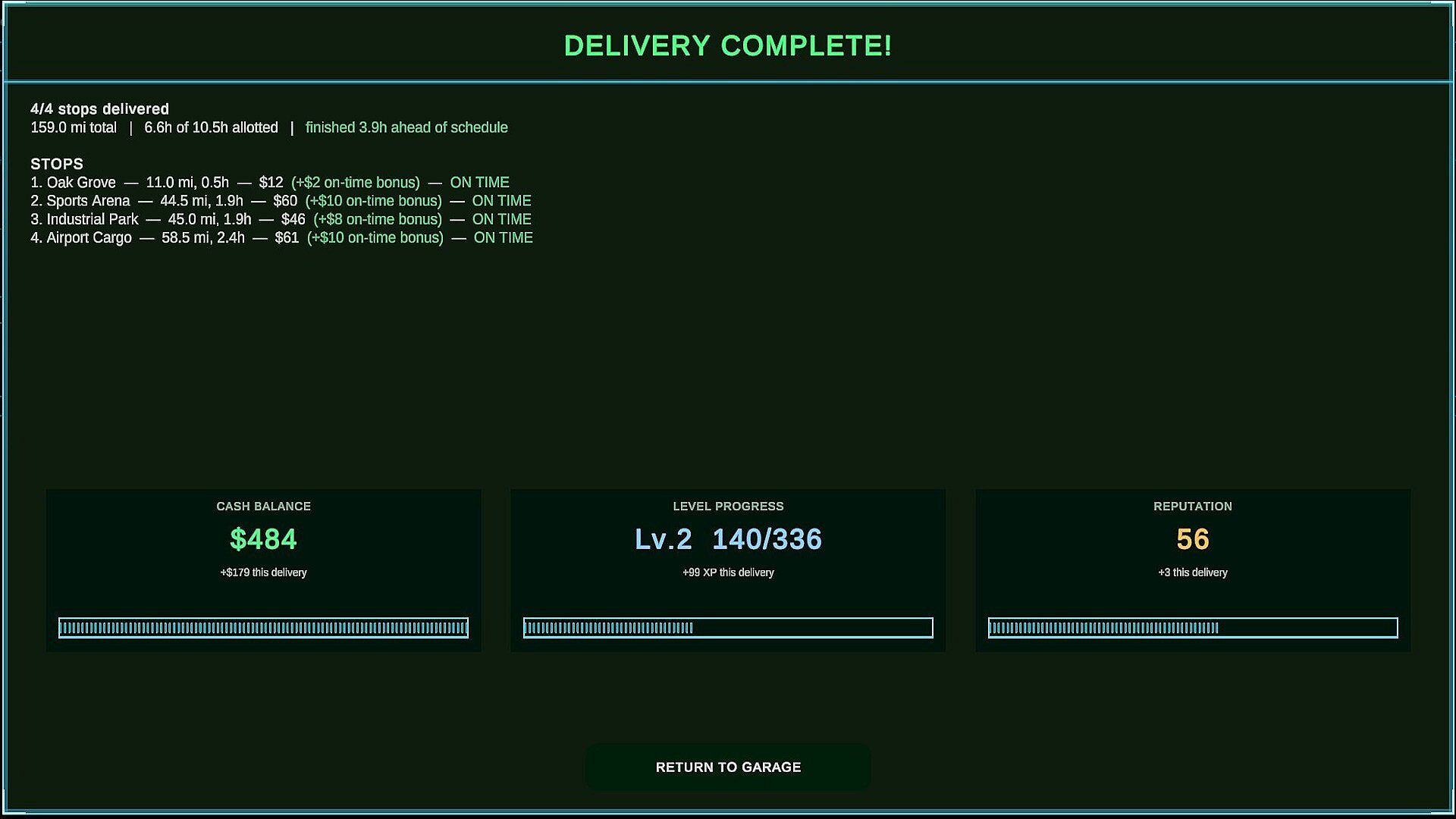
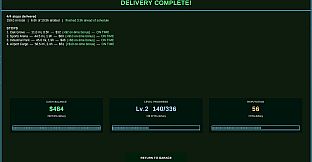
Humble Hauler operates as a single-player career simulation without separate named modes. All activity occurs within one continuous business-building experience that scales from solo deliveries to fleet management. Players hire drivers, assign vehicles, and generate passive income while away from active routes. A dedicated career summary screen records lifetime profit, income sources, and spending patterns to review long-term performance.
Progression and Systems
Deep systems interact constantly. Route planning weighs fuel efficiency against risk. Financial choices pit immediate cash reserves against investments in additional trucks or staff. The simulation runs multiple gauges and timers simultaneously, forcing prioritization among fatigue, wear, deadlines, and earnings. Controller or keyboard support includes automatic on-screen prompts that adjust to the input method in use.
Is It Worth Playing?
This title suits players who enjoy management sims focused on resource allocation and long-term planning over direct vehicle control. The absence of active steering shifts emphasis to strategic decisions across multiple interconnected systems. Those interested in realistic progression through licenses, vehicle classes, and fleet expansion will find substantial depth in the career structure. The game remains in active development as an indie release, with its feature set centered on the described mechanics. It appeals most to fans of simulation games that reward careful balancing of costs and opportunities rather than arcade-style action.