


















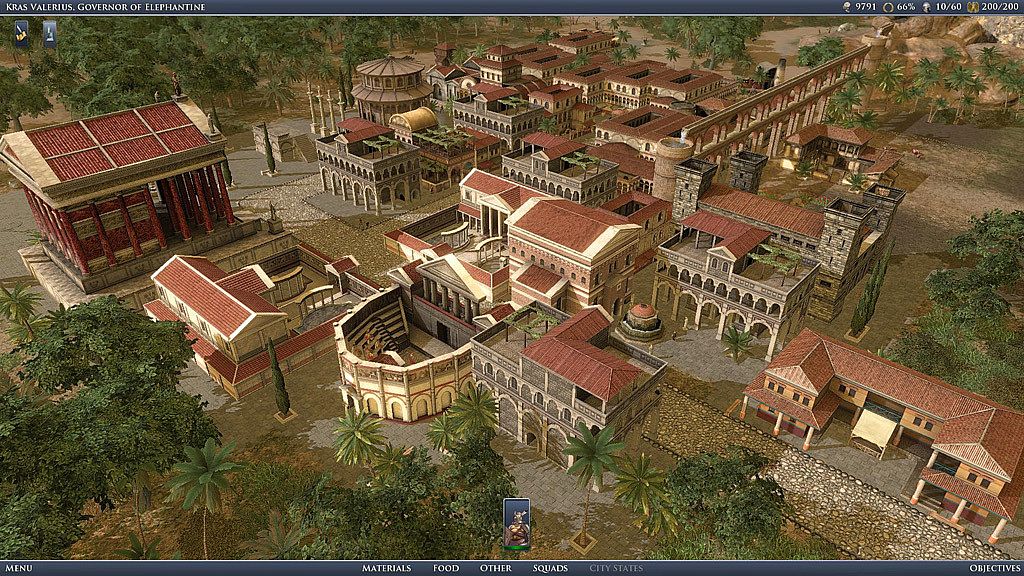
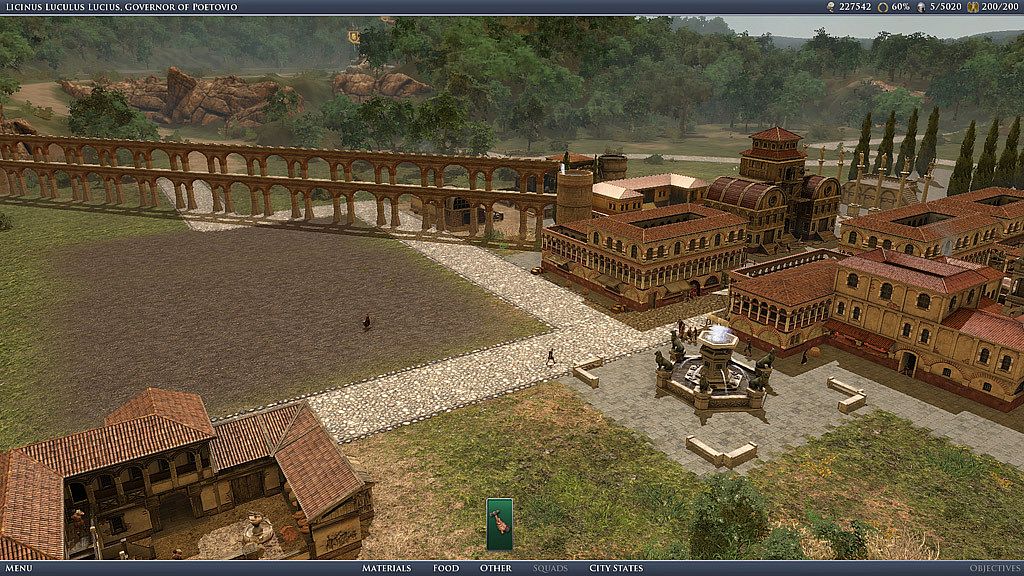
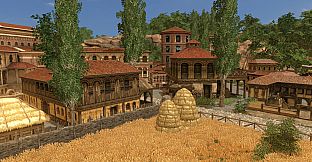
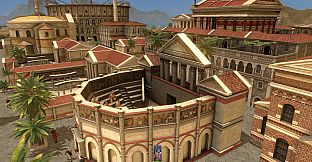
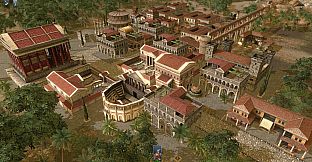
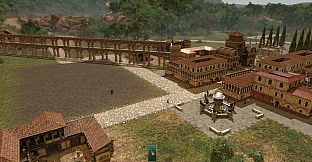
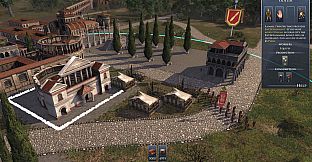
Grand Ages: Rome - Reign of Augustus is a strategy and simulation game set in ancient Rome that expands on city building and empire management. Players develop settlements, manage resources, and handle political elements during the reign of Augustus through a dedicated campaign and additional modes.
Gameplay
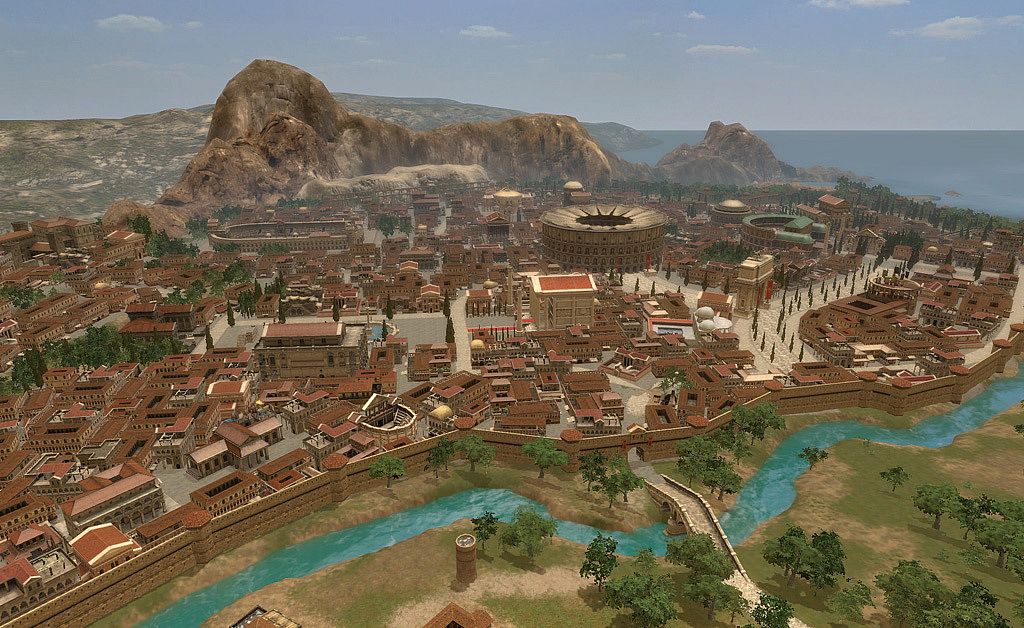
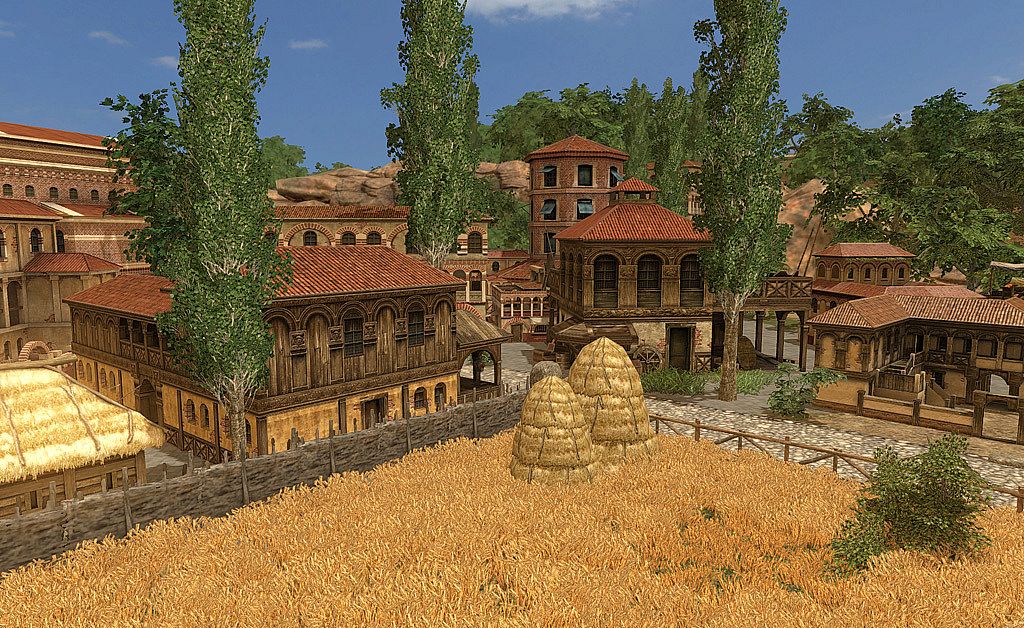
The core loop centers on constructing and expanding Roman cities while balancing economy, infrastructure, and military needs. Builders place structures that produce goods, house citizens, and support growth, with careful attention to placement for maximum efficiency. The expansion introduces roads that link settlements to major Roman routes, providing extra resources, speeding up unit movement, and boosting output from nearby buildings. Authority emerges as a new resource generated by specific structures, allowing players to trigger effects such as extinguishing fires, calling in allied units, or speeding up research progress.
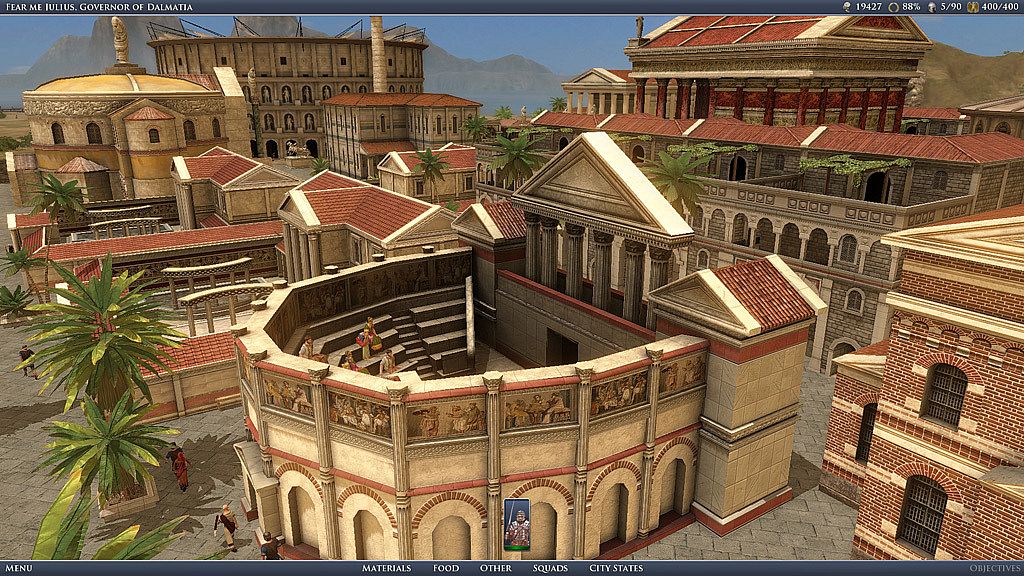
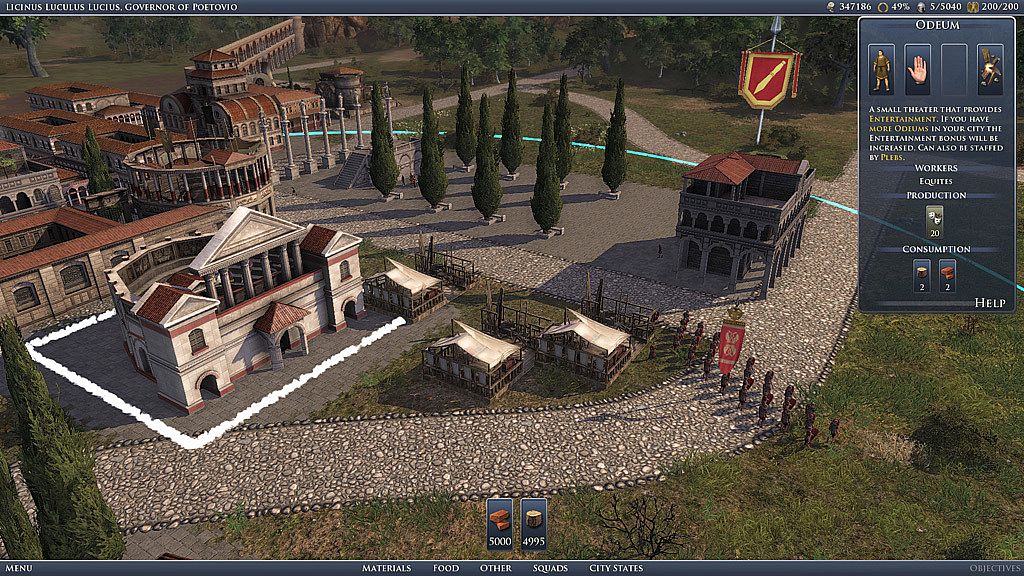
Four new buildings expand options: the Senate for political influence, the Tax Office for revenue management, the Odeum for cultural benefits, and the Hospital for citizen health. Estates receive twenty new bonus options that improve production or other stats. Each family gains access to twenty-one fresh talents that customize progression and abilities. A removal tool simplifies editing roads, trees, platforms, and decorations, while new statues and gardens add visual variety to layouts. Three new patrons Agrippa, Nero, and Drusus bring distinct advantages to city development and military efforts.
Game Modes
Singleplayer focuses on a twelve-mission campaign that follows events from the Augustan era, supported by twelve new maps designed for these scenarios. God Mode offers a free-build experience on open maps with minimal disasters and unlimited resources, ideal for unrestricted experimentation with city designs and mechanics. Multiplayer includes six dedicated maps plus enhancements such as pre-built towns and defensive walls that allow quicker setup for competitive or cooperative sessions.
These modes emphasize different aspects of Roman empire building, from structured historical progression in the campaign to open-ended creativity in God Mode and direct competition or collaboration in multiplayer.
Key Mechanics and Features
Road networks form a central system that integrates cities with the broader empire, rewarding strategic placement and connectivity. Authority management adds a layer of tactical decision-making, where generated points can be spent on immediate interventions or long-term advantages. The new buildings and talents integrate with existing systems to create varied playstyles across different families and scenarios. Decorations and the removal tool support detailed customization without disrupting core production flows.
Multiplayer features encourage both quick matches with pre-built elements and longer sessions that leverage the full range of new structures and authority options. The expansion maintains the simulation focus on resource chains, citizen needs, and territorial expansion while layering in these targeted improvements.
Is It Worth Playing?
The game appeals to players who enjoy deliberate city-building simulations with historical Roman themes and a mix of economic planning and light strategic elements. The twelve-mission campaign provides structured singleplayer content, while God Mode and multiplayer maps extend replayability for those seeking sandbox freedom or competitive play. Reviews of the base title and expansion describe it as a solid entry in the genre that rewards careful management and offers satisfying progression through its systems. Availability on PC remains straightforward, and the added features from Reign of Augustus enhance the original experience without requiring prior mastery of every mechanic. Those interested in Roman history, infrastructure networks, or authority-based interactions will find the most direct engagement here.