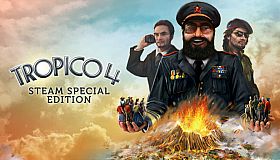







































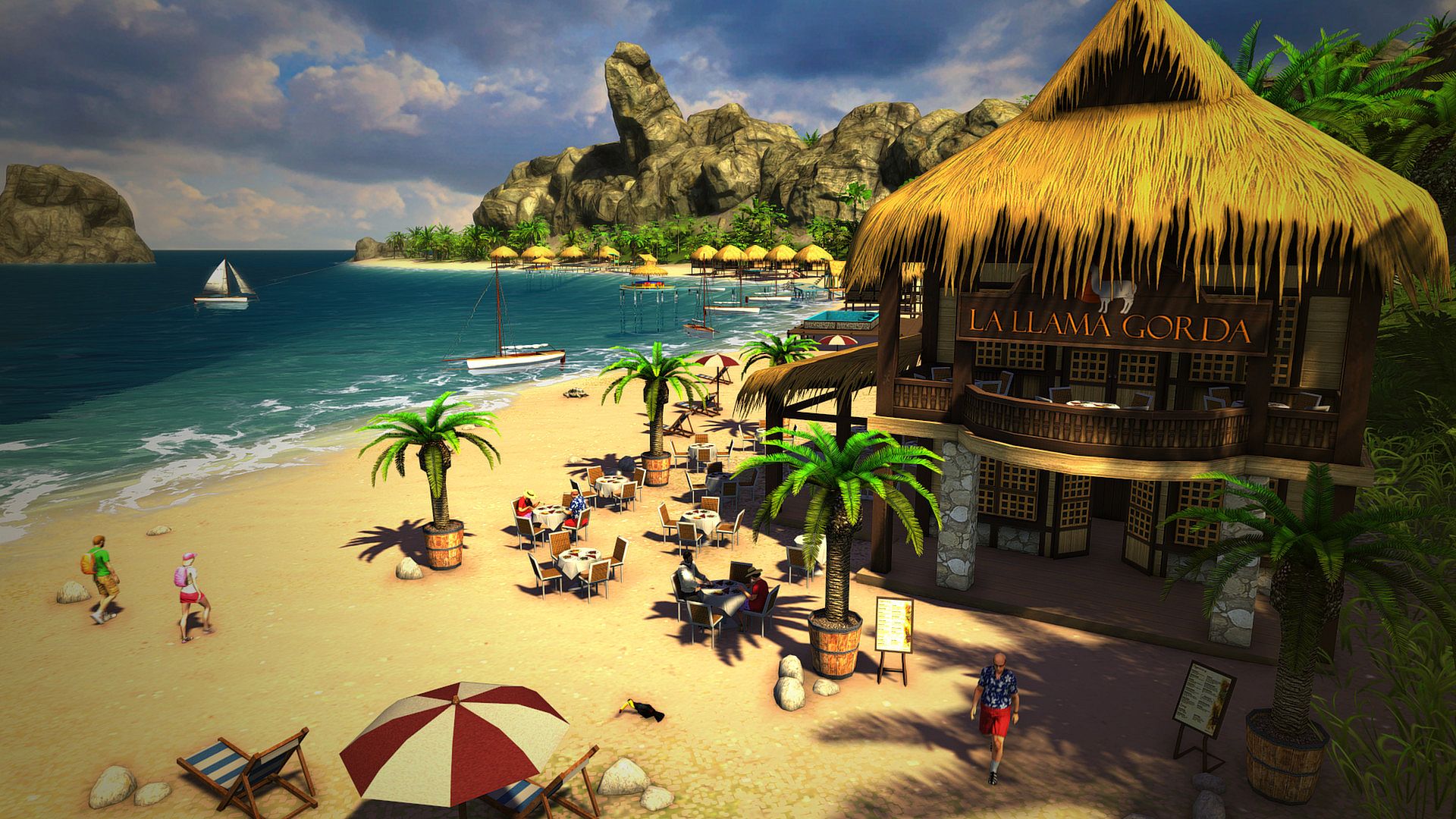
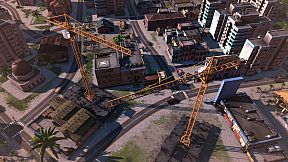
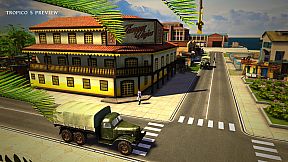
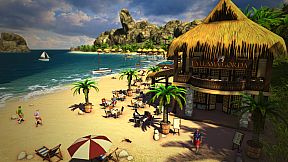
Tropico 5 places players in charge of an island nation as El Presidente in a strategy simulation that blends city building with political and economic management. The experience spans from the colonial era through the World Wars, the Cold War, and into modern times and beyond, requiring careful decisions on development, trade, and governance to maintain stability and growth.
Gameplay
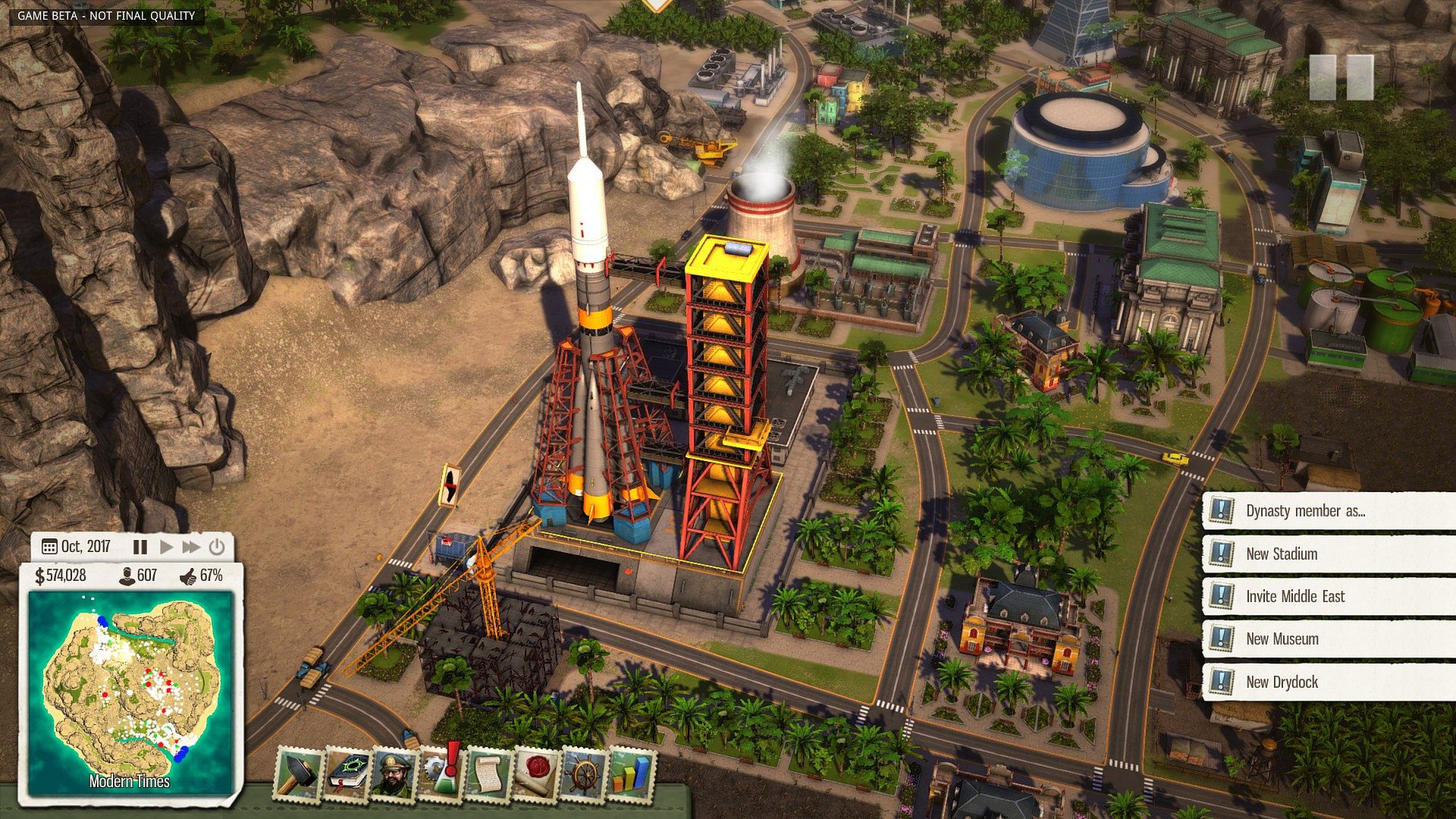
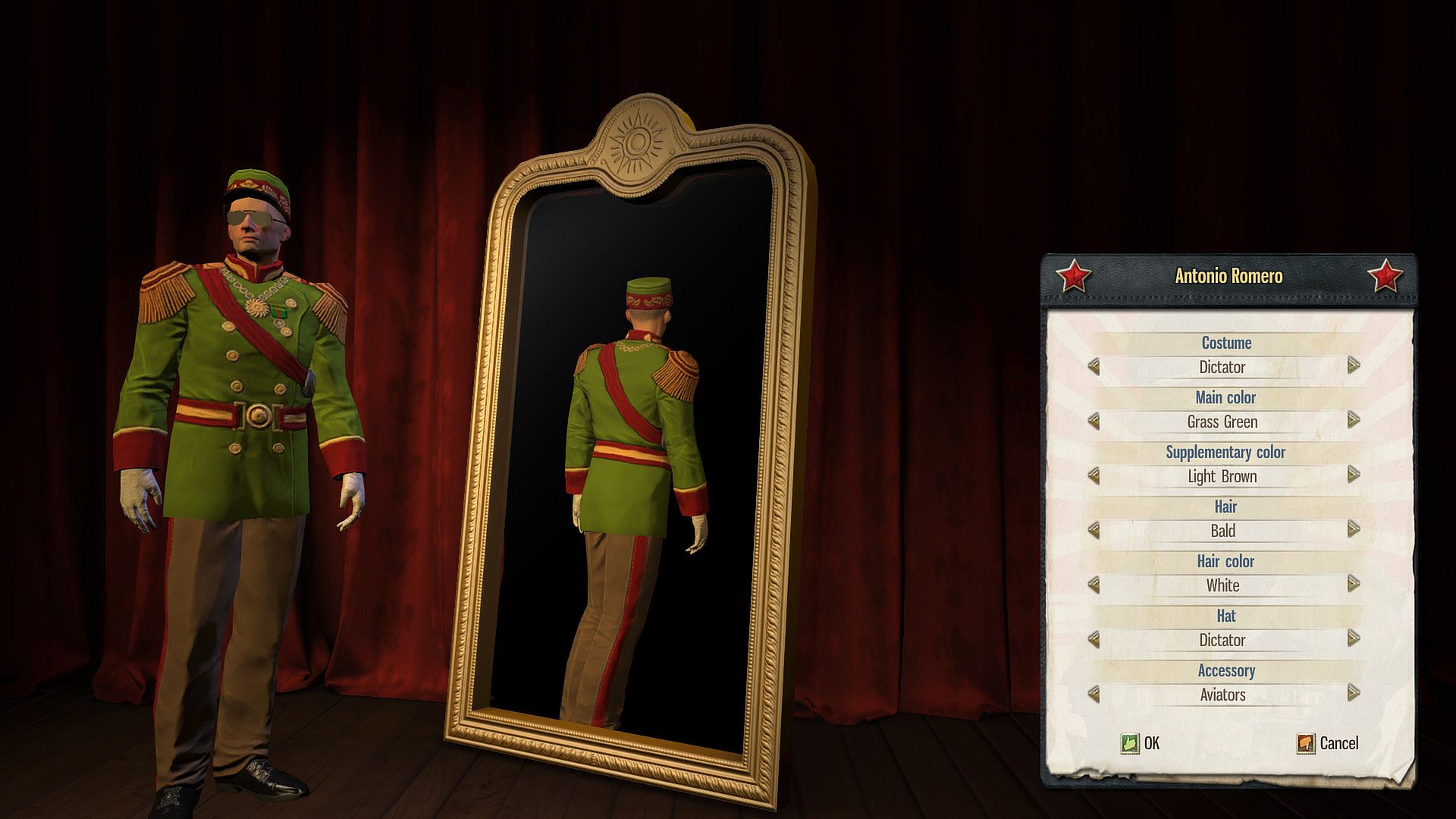
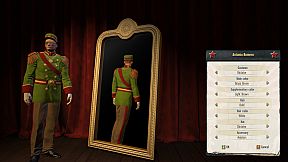
Core systems revolve around advancing through distinct historical periods, each introducing new challenges and building options. Players construct and manage infrastructure while balancing citizen needs, faction relations, and international diplomacy. A key addition is the dynasty system, where family members can be assigned roles such as managers or generals, with investments unlocking specialized traits that improve their effectiveness in those positions.
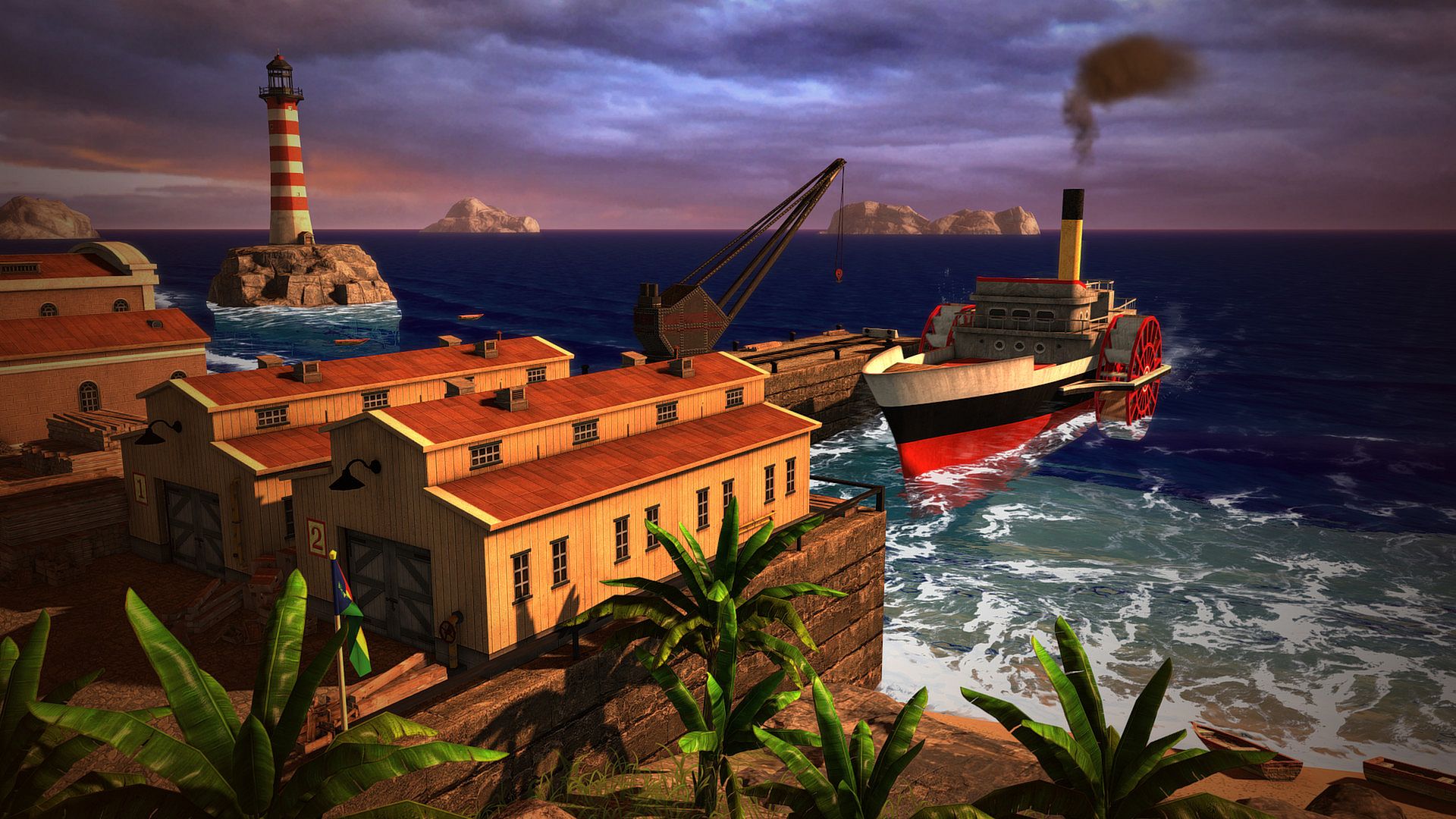
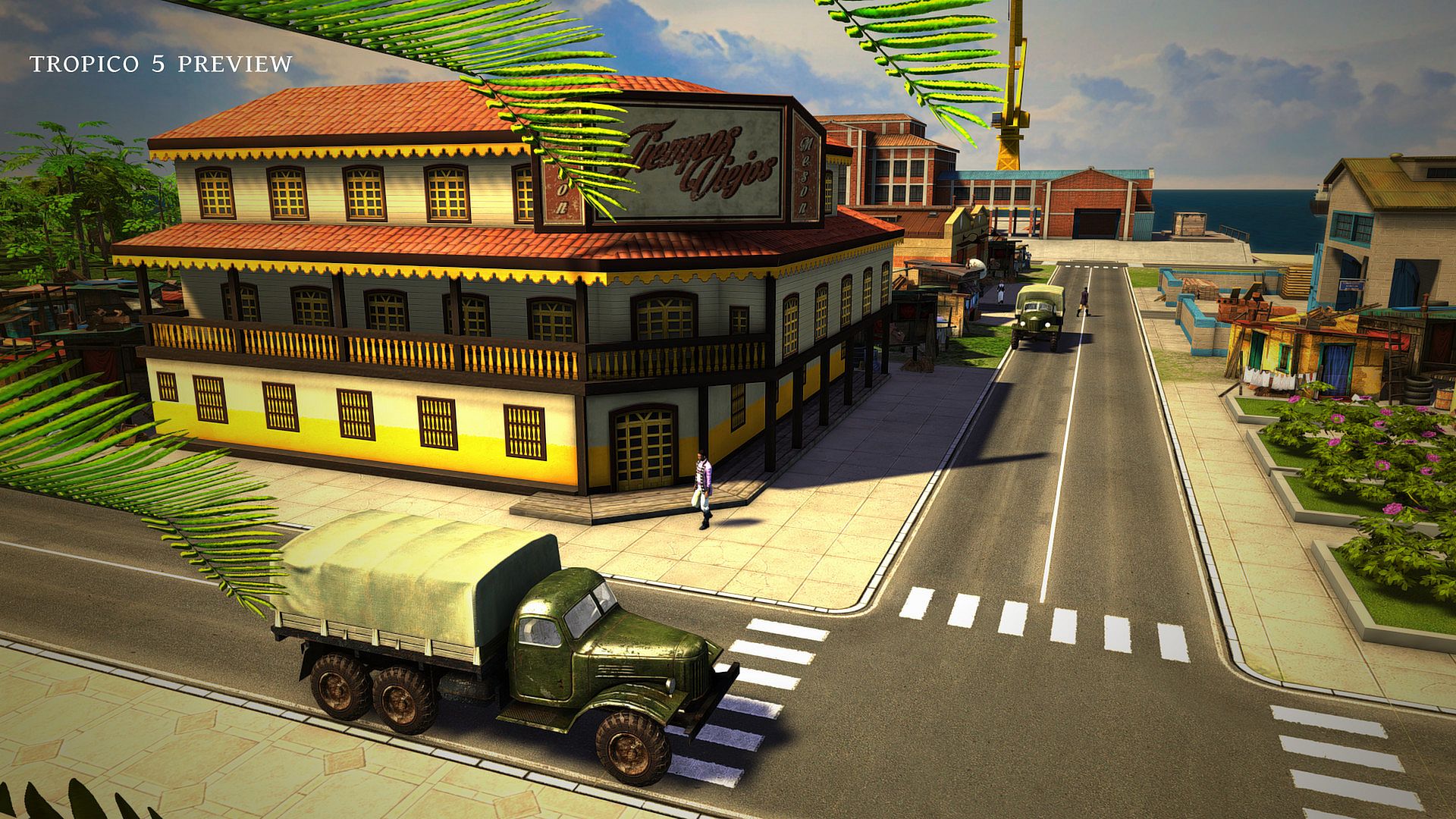
Research allows discovery of new technologies, resources, and structures, while renovation upgrades older buildings for better efficiency. Exploration reveals hidden resource deposits and ancient ruins beyond the initial map fog. Trade operates through a fleet that establishes routes for imports and exports with neighboring islands or major powers, directly impacting the economy and resource availability.
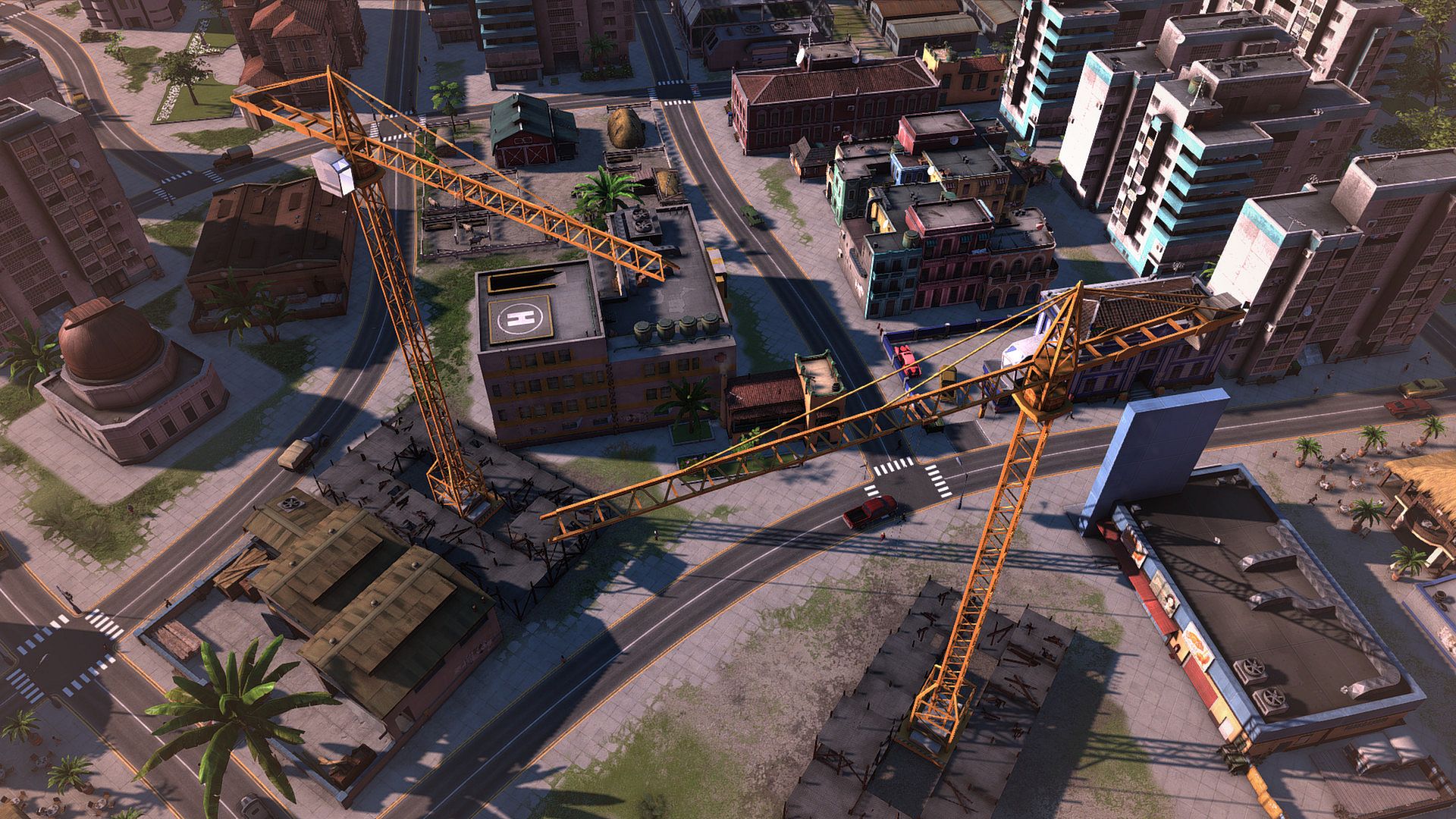
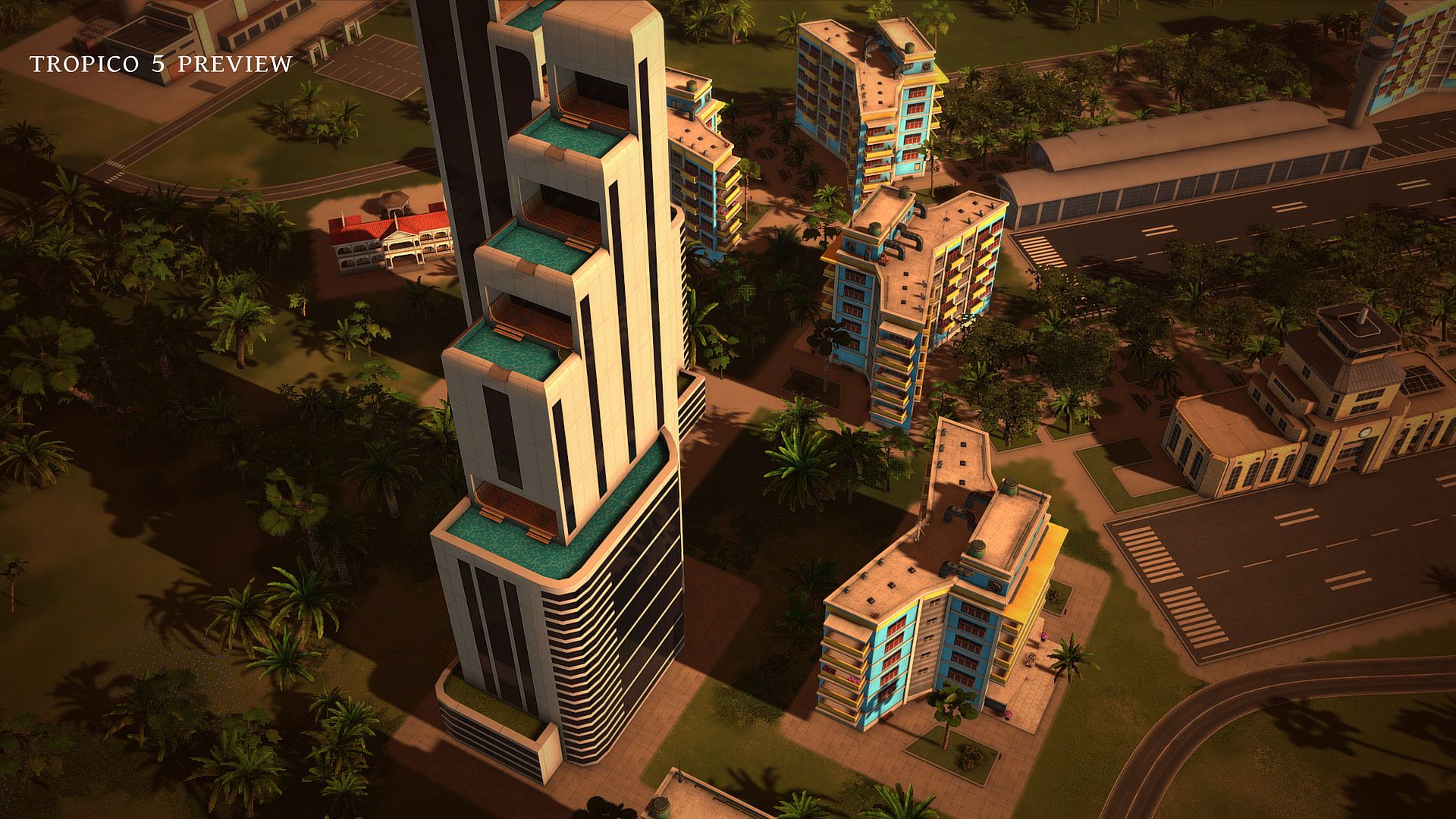
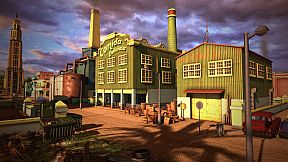
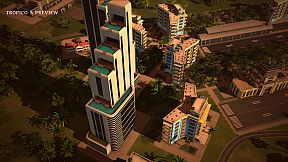
Over one hundred buildings appear across the eras, each with era-specific designs and functions. Political factions influence approval ratings and require attention through policies and appointments. The overall loop combines short-term resource allocation with long-term planning to progress eras and expand the nation.
Game Modes
Single player sessions focus on guiding the island through the full sequence of eras, starting in colonial times and advancing based on completed objectives like drafting a constitution. Progress involves managing internal development alongside external pressures from world events.
Multiplayer supports up to four participants on shared island maps. Sessions allow cooperative resource sharing, including supplies, workers, and power, or competitive play where players can declare war and disrupt each other's economies. Diplomacy options extend to cash transfers and joint construction efforts.
The Eras and Progression
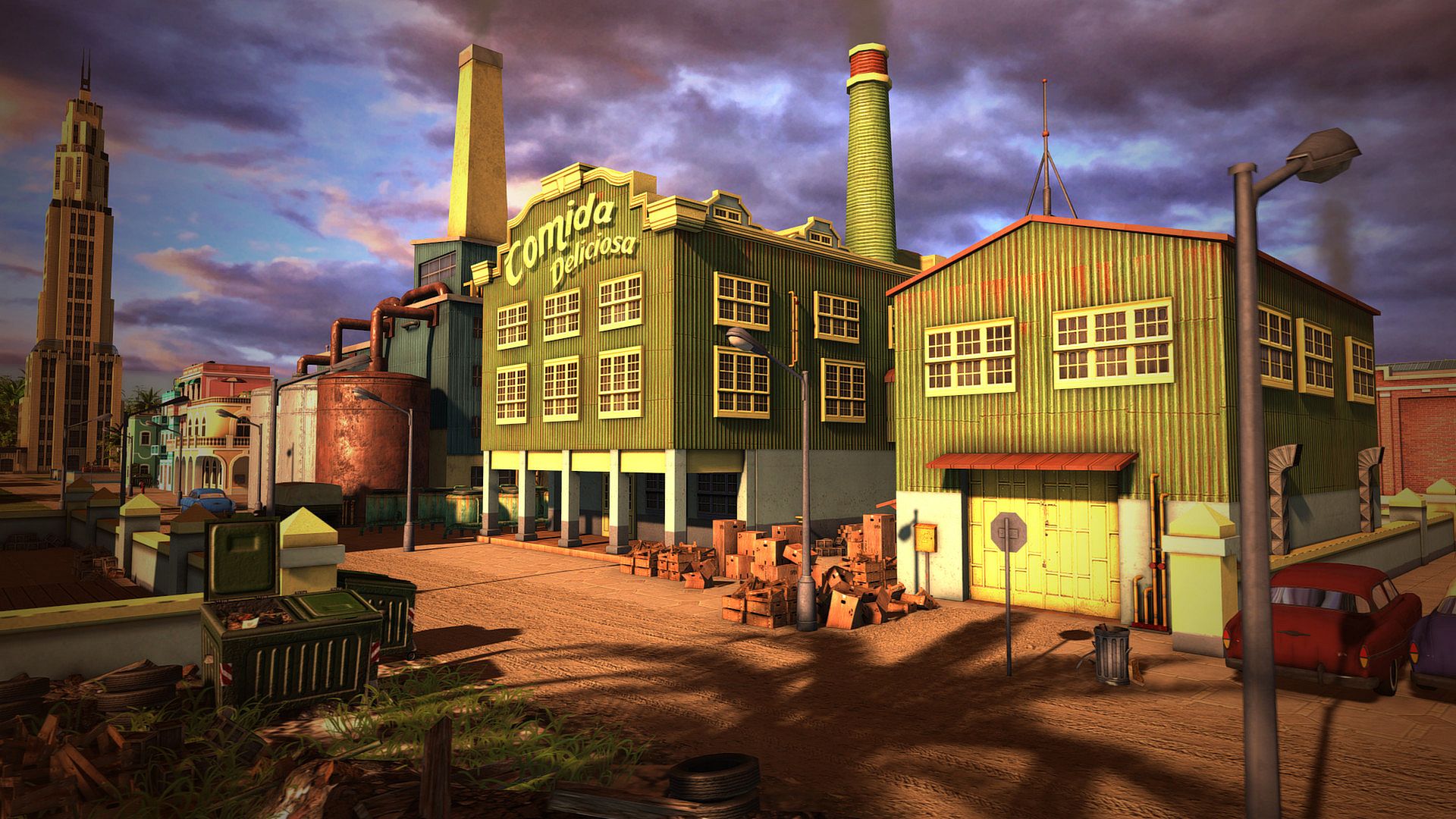
Each era brings tailored opportunities and obstacles. Colonial beginnings emphasize basic agriculture and early industry. Later periods introduce global conflicts, ideological tensions during the Cold War, and technological leaps in modern times. Advancing requires meeting specific milestones while adapting the economy and military to the changing world stage.
Exploration and trade mechanics gain importance as maps expand and international relations open new markets. Renovation becomes essential to keep older facilities competitive with newer constructions unlocked through research.
Is It Worth Playing?
Tropico 5 delivers a complete city-building simulation with layered political and economic systems that reward methodical planning. The dynasty and era progression add depth to long campaigns, while the multiplayer option provides variety for group sessions focused on either collaboration or rivalry.
The title suits players interested in detailed management sims that incorporate historical context and strategic trade networks. Its mechanics remain intact years after release, offering a self-contained experience without ongoing seasonal content. Those who enjoy balancing citizen welfare, faction politics, and global commerce will find substantial replay value in experimenting with different leadership approaches and island layouts.
- Focus on resource chains and approval management in single player
- Coordinate or compete in shared maps during multiplayer
- Experiment with dynasty assignments to optimize long-term efficiency