




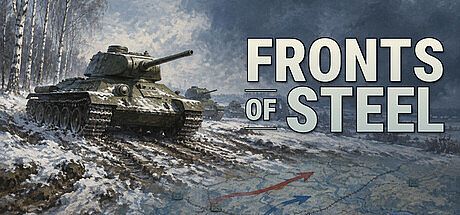


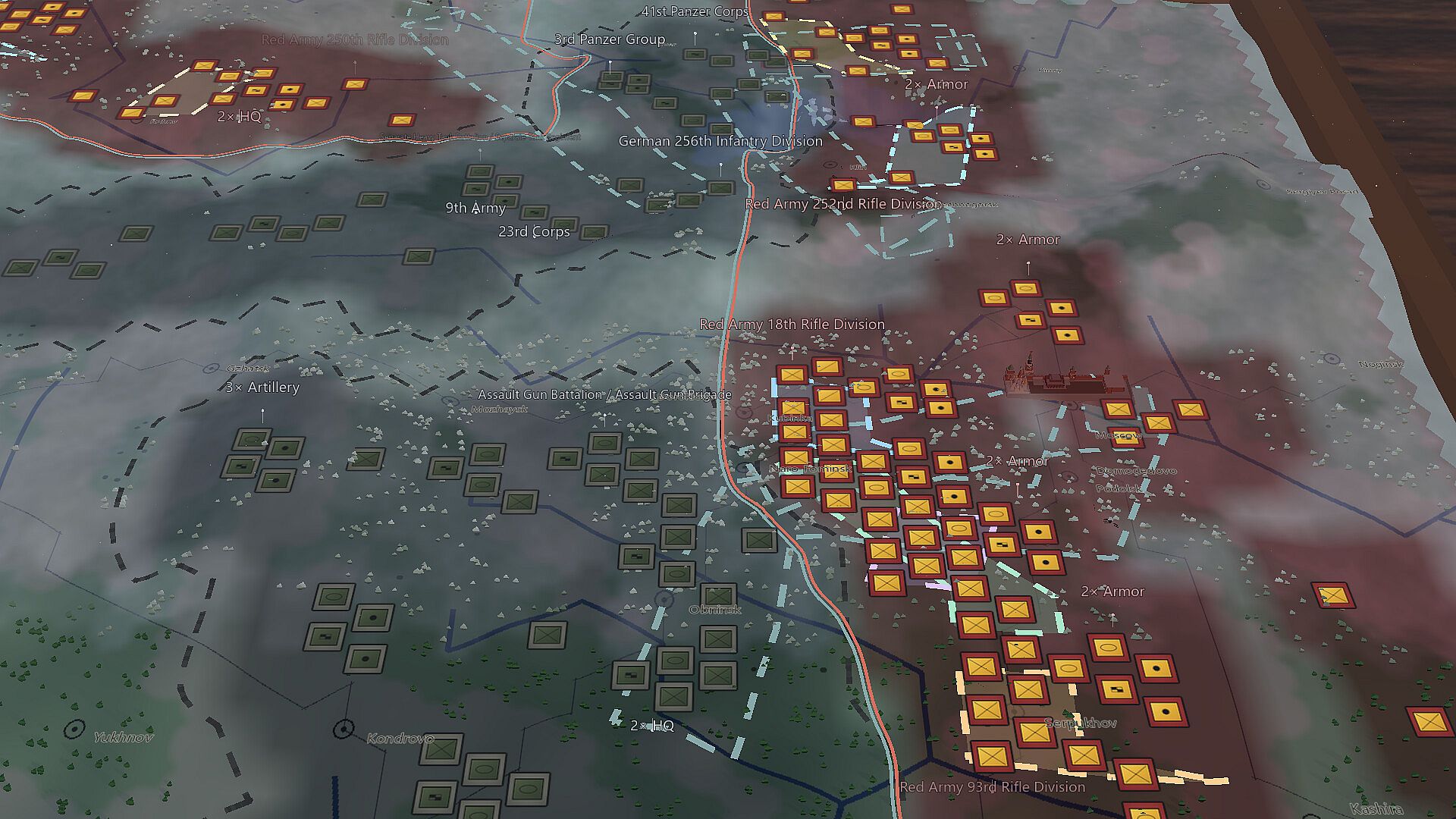
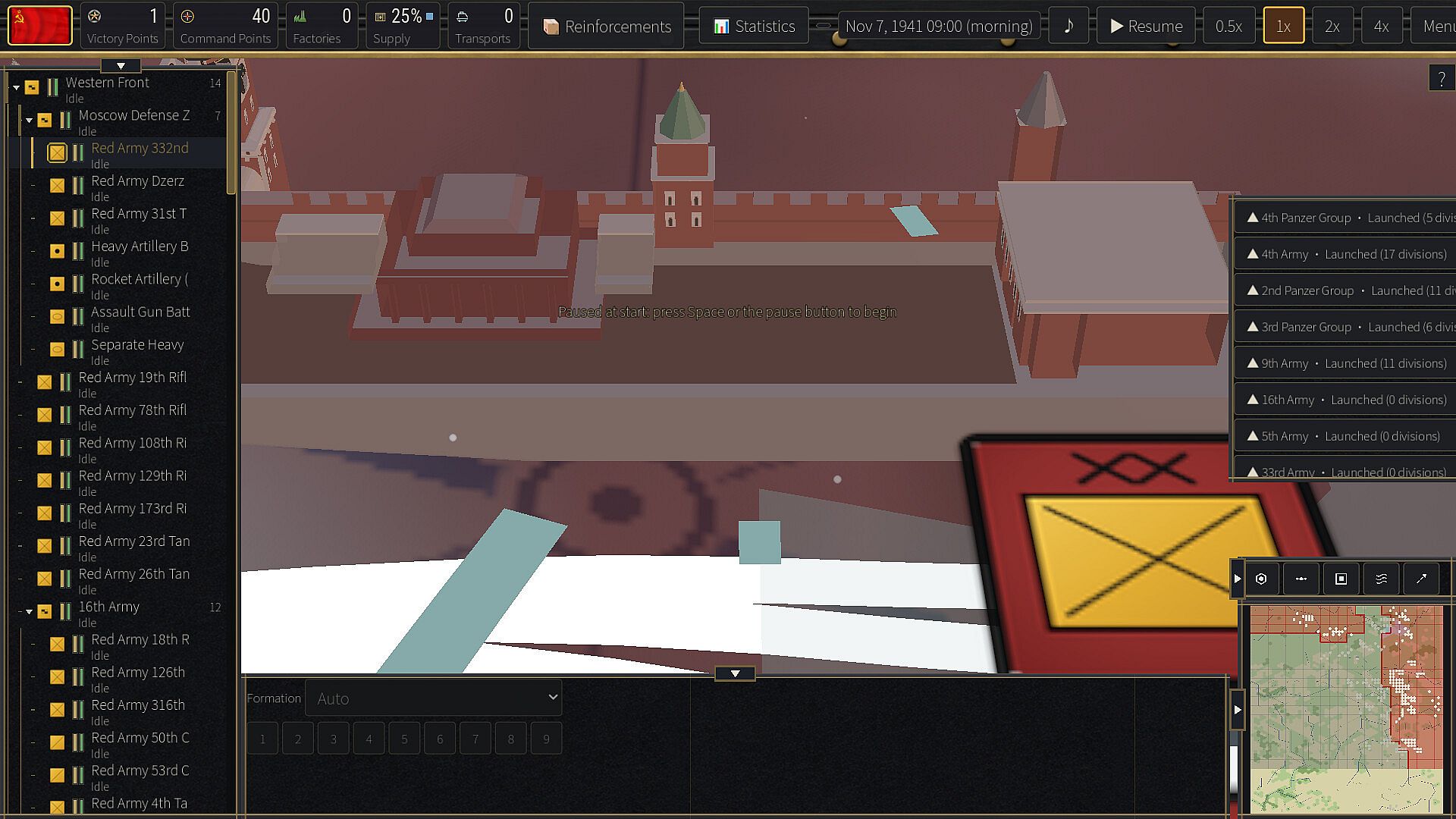
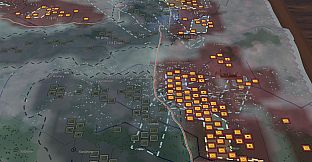
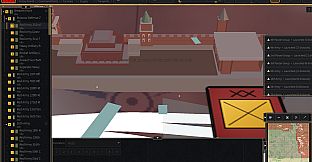
Fronts of Steel is a single-player real-time operational-level wargame and strategy simulation set on the Eastern Front of World War II. Players command division-level forces for either the German or Soviet side on a staff map drawn from real geographic data, with full pause and speed controls to manage the flow of operations.
Gameplay
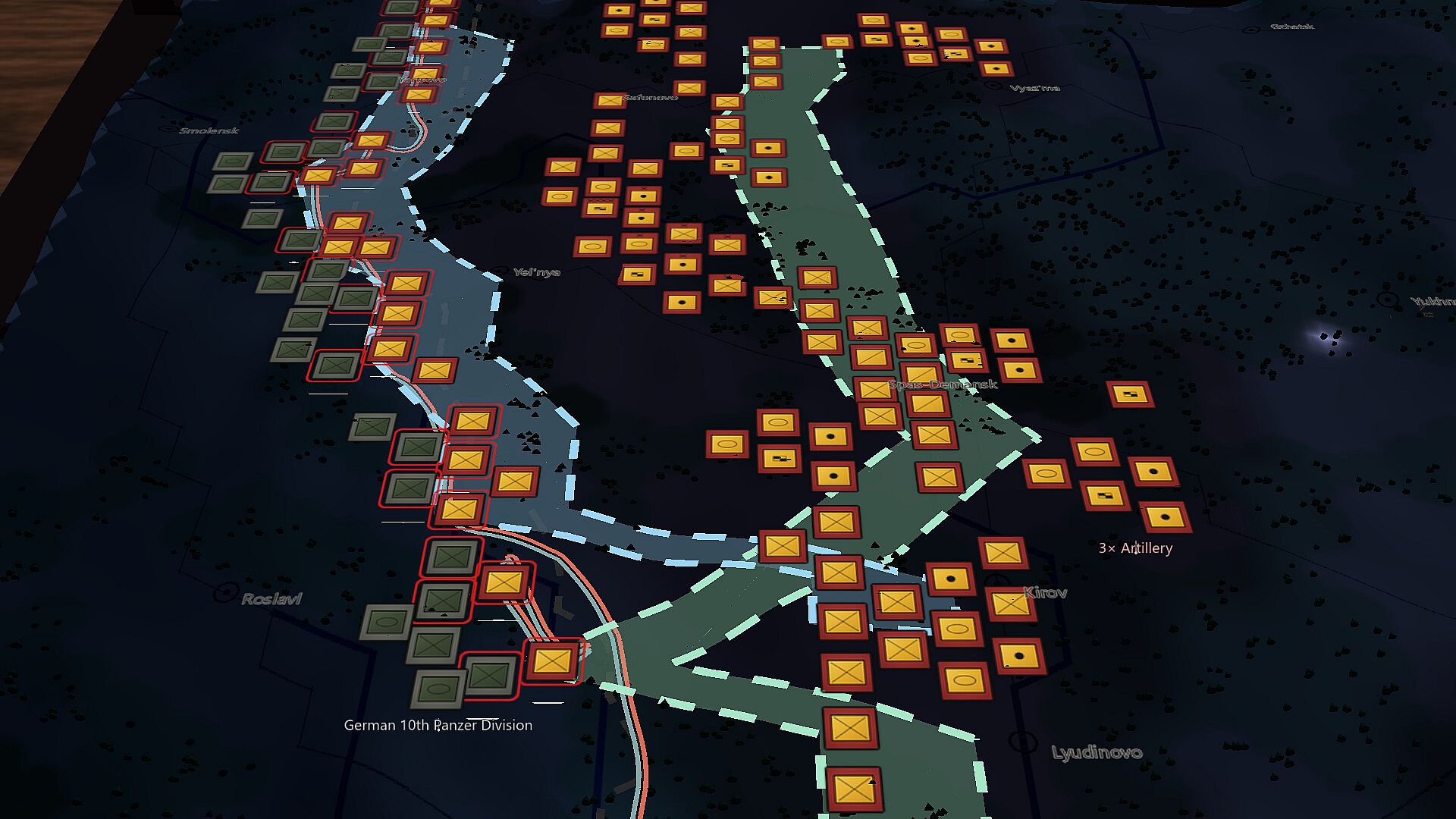
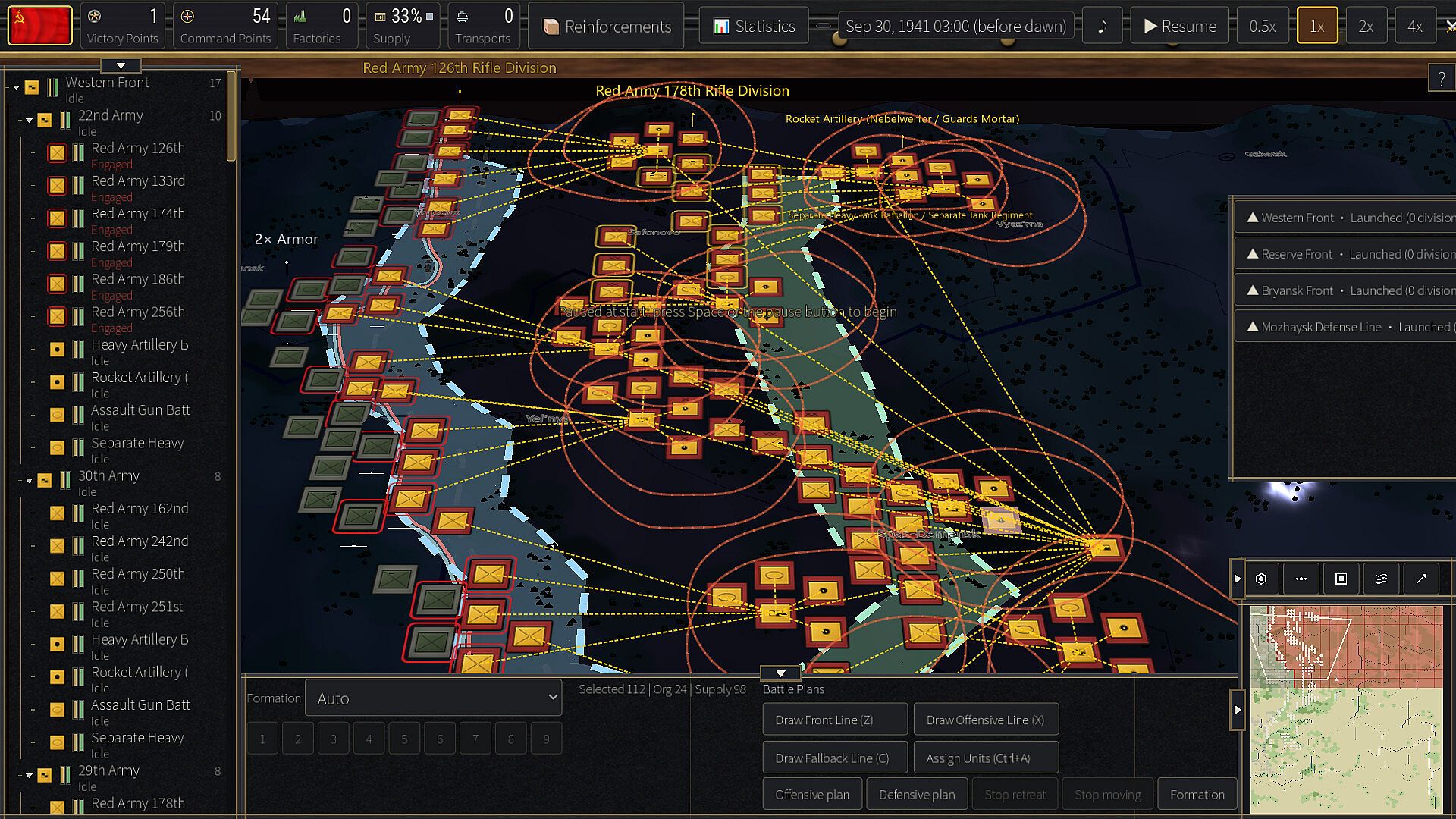
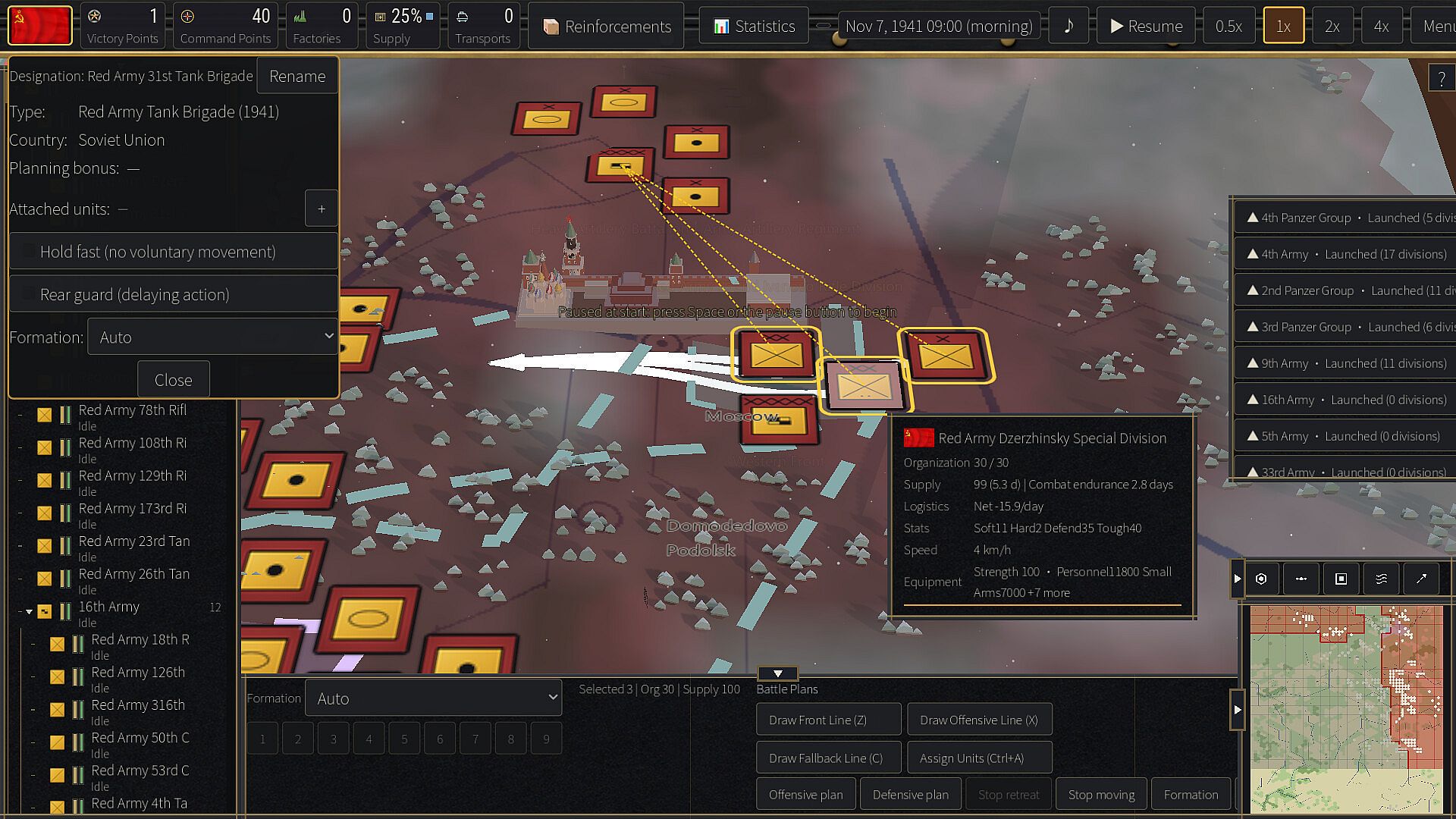
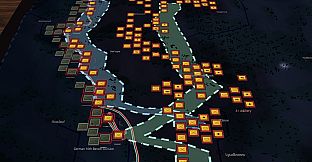
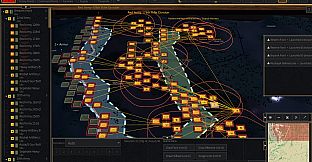
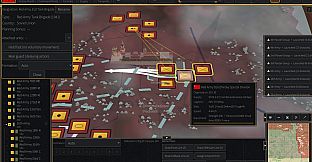
The core loop centers on drawing operational plans directly onto the map. Defensive lines position troops for holding ground, attack lines coordinate breakthroughs, withdrawal lines organize retreats, and encirclement rings prepare to trap enemy units. Forces receive assignments to these plans, and commanders adjust them as the battle evolves to exploit local gains.
Terrain shapes every decision. Roads, rivers, forests, and cities dictate movement paths and combat conditions. Mud and snow slow advances, forcing careful route selection. An axis of attack must account for supply lines reaching the front and viable fallback positions if momentum stalls.
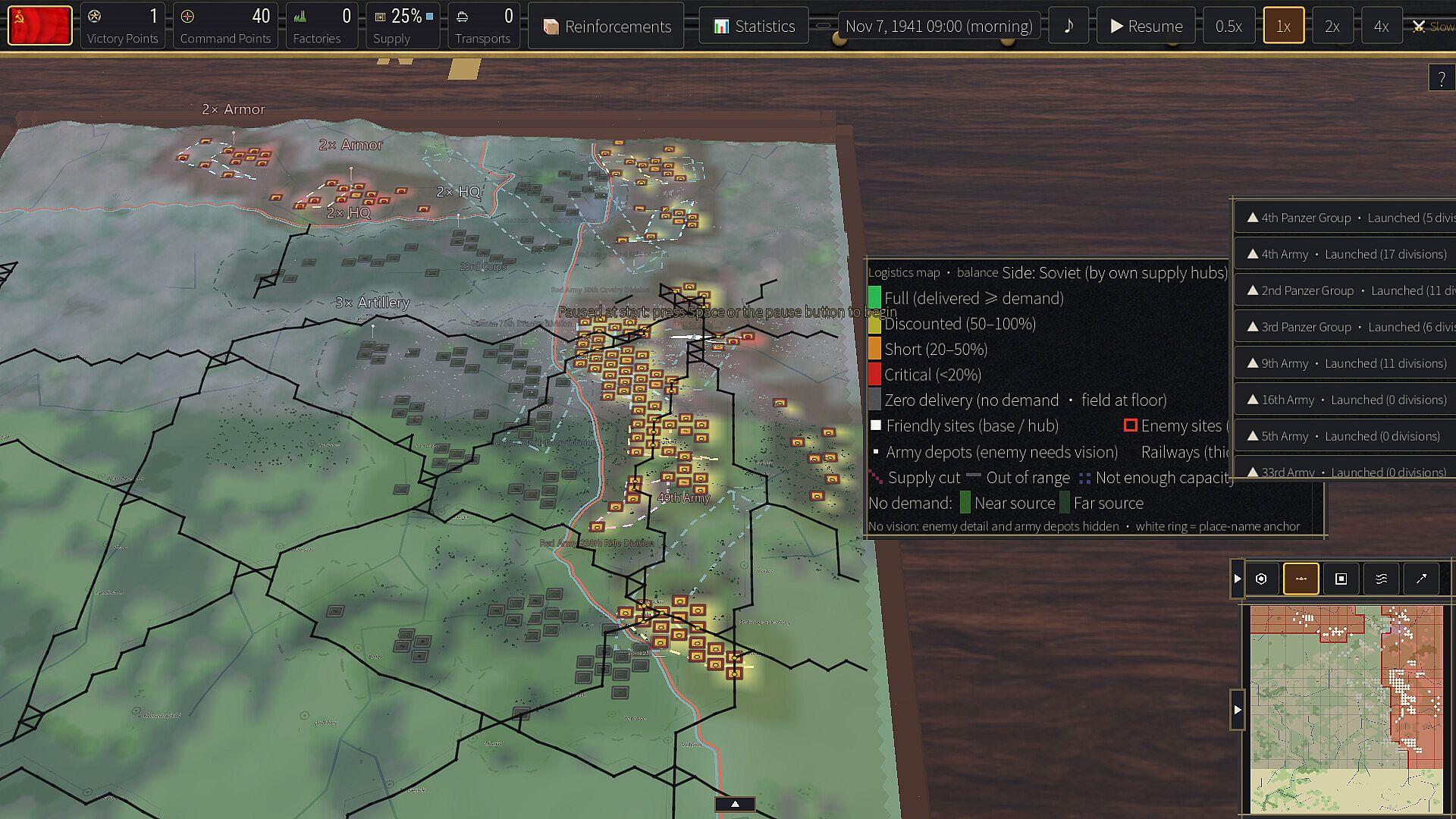
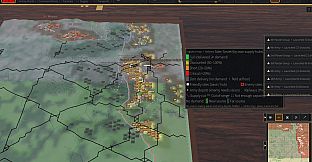
Logistics receive equal attention through a dedicated map view. Players establish and advance supply hubs, prioritize railway repairs, and monitor stock levels. Cutting enemy supply routes reduces their combat effectiveness, while safeguarding own railways and depots keeps divisions operational. Deeper offensives demand constant reassessment of objectives against available sustainment capacity.
Time management remains flexible. The game pauses for detailed planning at any moment, then resumes so units execute orders autonomously. Speed adjustments let commanders accelerate during breakthroughs, slow for stalled sectors, or pause again for timely redeployments and withdrawals.
Game Modes
Fronts of Steel runs exclusively as a single-player experience. Commanders select either the German or Soviet side and direct division-scale formations across scenarios built on historical Eastern Front geography. The pausable real-time system replaces traditional turn-based resolution, allowing continuous observation of force movements once orders are issued.
Operational planning forms the central activity. Players draw lines and rings on the map to define defensive postures, breakthrough axes, retreat paths, or encirclement zones, then assign available units to those directives. Adjustments occur mid-operation as the situation changes, turning local successes into larger advances or preventing overextension.
Logistics and terrain interact with every plan. Supply hubs and railway priorities appear on a separate map layer, while environmental factors such as seasonal mud or snow alter movement rates and engagement viability. The single-player structure emphasizes repeated playthroughs of the same operational challenges with different approaches to supply management and force allocation.
Is It Worth Playing?
Fronts of Steel targets players who enjoy detailed operational wargames and simulation mechanics focused on logistics, terrain, and command decisions rather than unit-level tactics. The pausable real-time format and direct map drawing tools provide a distinct approach to Eastern Front operations, where supply lines and withdrawal options matter as much as initial attack planning.
With a planned release in Q1 2027 and no public reviews available yet, the game remains in development. Those interested in single-player strategy simulations that reward careful planning of breakthroughs, encirclements, and sustained advances will find the described systems aligned with that preference. The emphasis on real geographic data and side-specific command of German or Soviet divisions adds historical flavor without requiring multiplayer coordination.
Prospective players should consider whether they value pause-and-issue mechanics over fast-paced action or unit micro-management. The logistics layer and terrain effects create depth for repeated scenario attempts, suiting those who analyze supply capacity and route viability before committing forces.











