




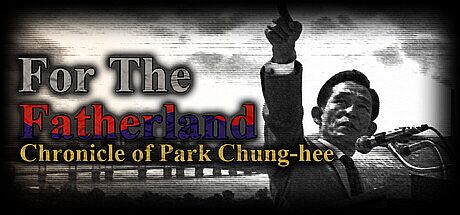




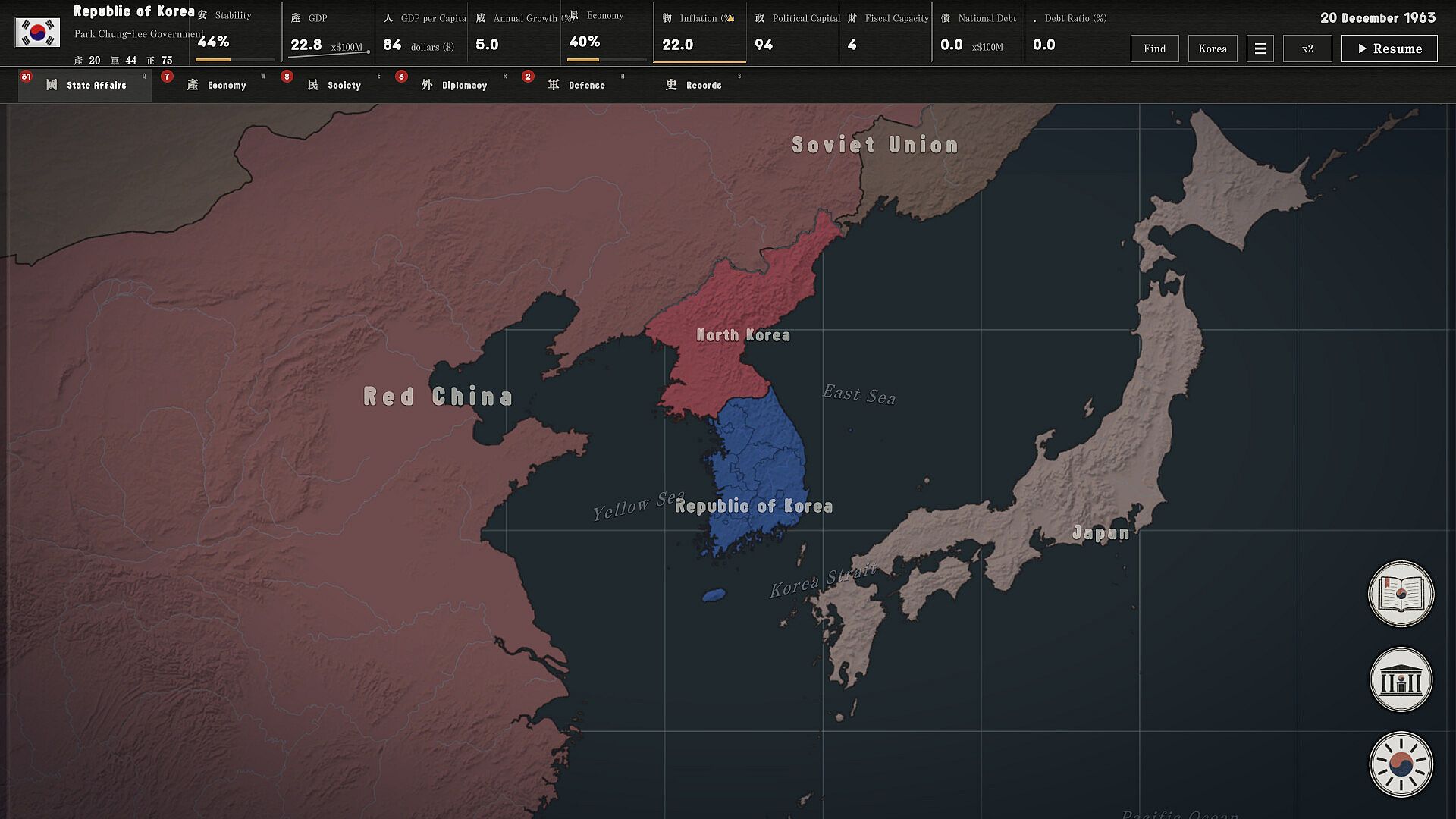
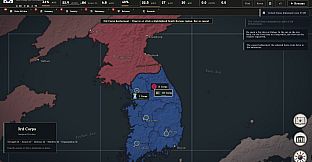
For the Fatherland: Chronicle of Park Chung-hee is a strategy, indie, and simulation game set on PC that places players in the role of Major General Park Chung-hee during a pivotal moment in South Korean history. The experience centers on the tense period from January 1960 through the early hours of May 16, 1961, as players navigate the collapse of the Rhee government, the April 19 democratic uprising, and the planning of a military operation amid economic hardship and political instability.
Gameplay
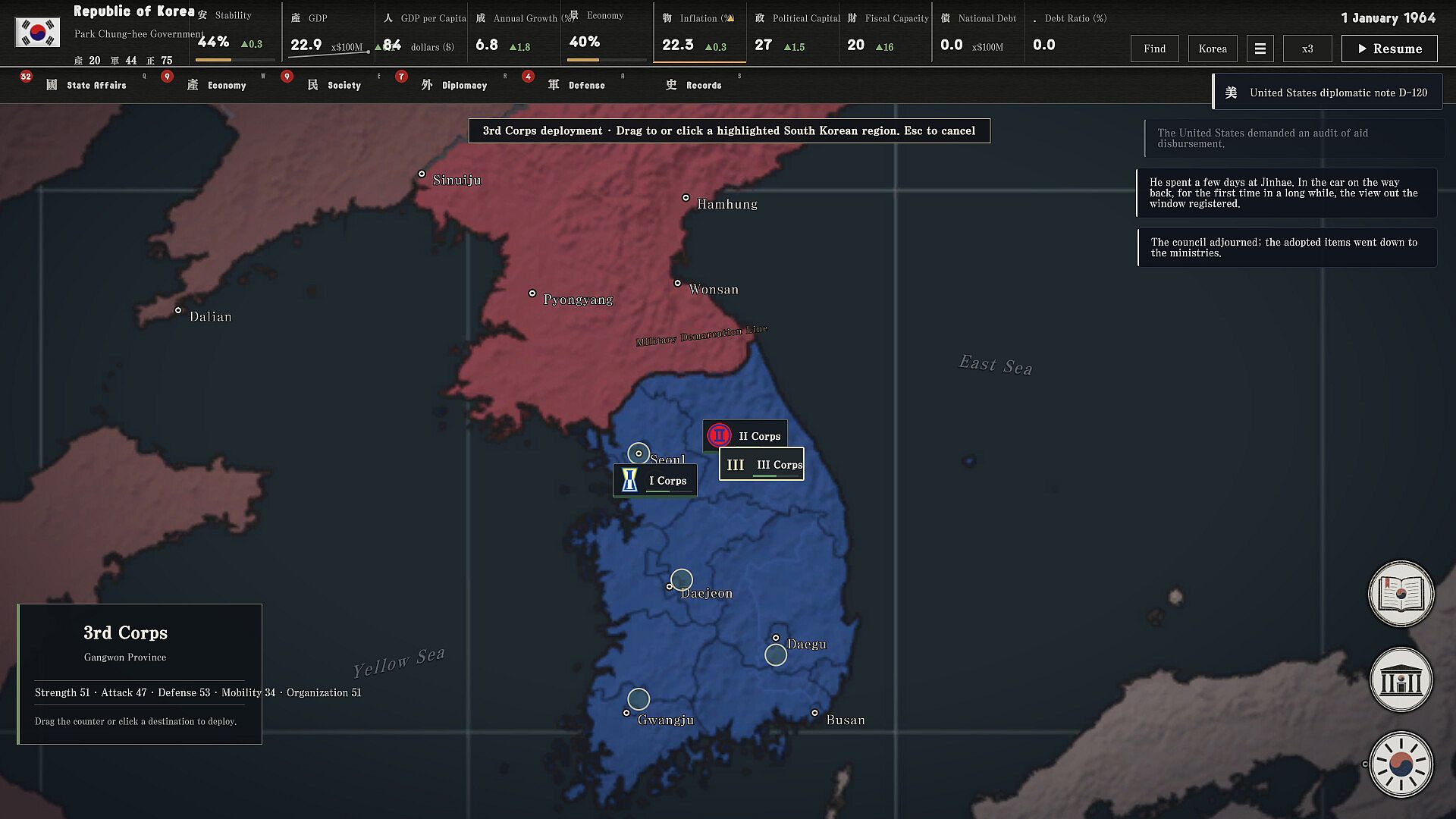
The core loop revolves around preparation for a military coup while managing limited resources and risks. Players work to secure support from military units, gather necessary funds, and avoid detection by counterintelligence forces. Decisions made in the weeks leading up to the operation determine whether the plan succeeds or collapses into failure before dawn. Once the initial phase concludes, attention shifts to governance through dedicated interfaces for key institutions.
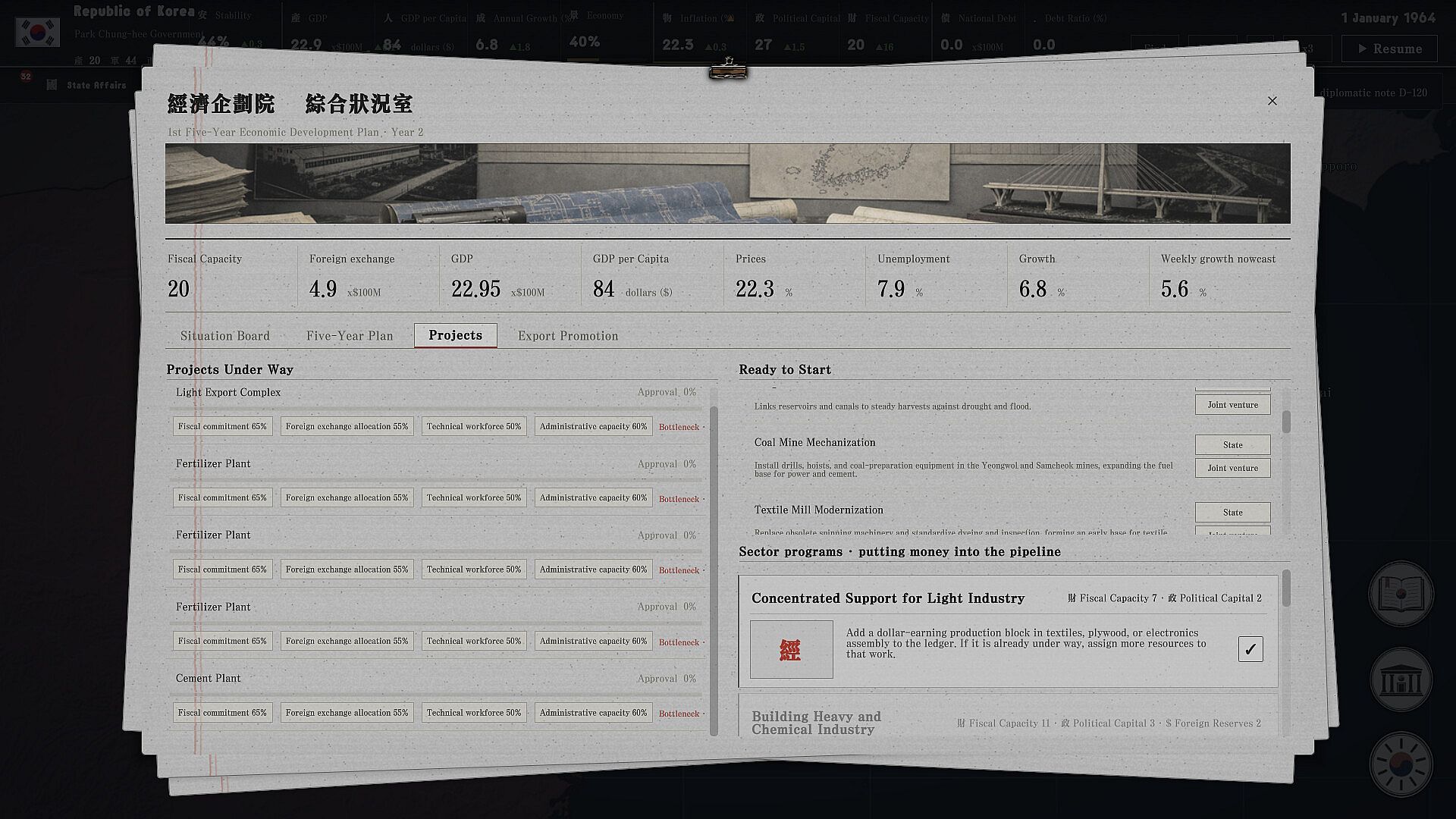
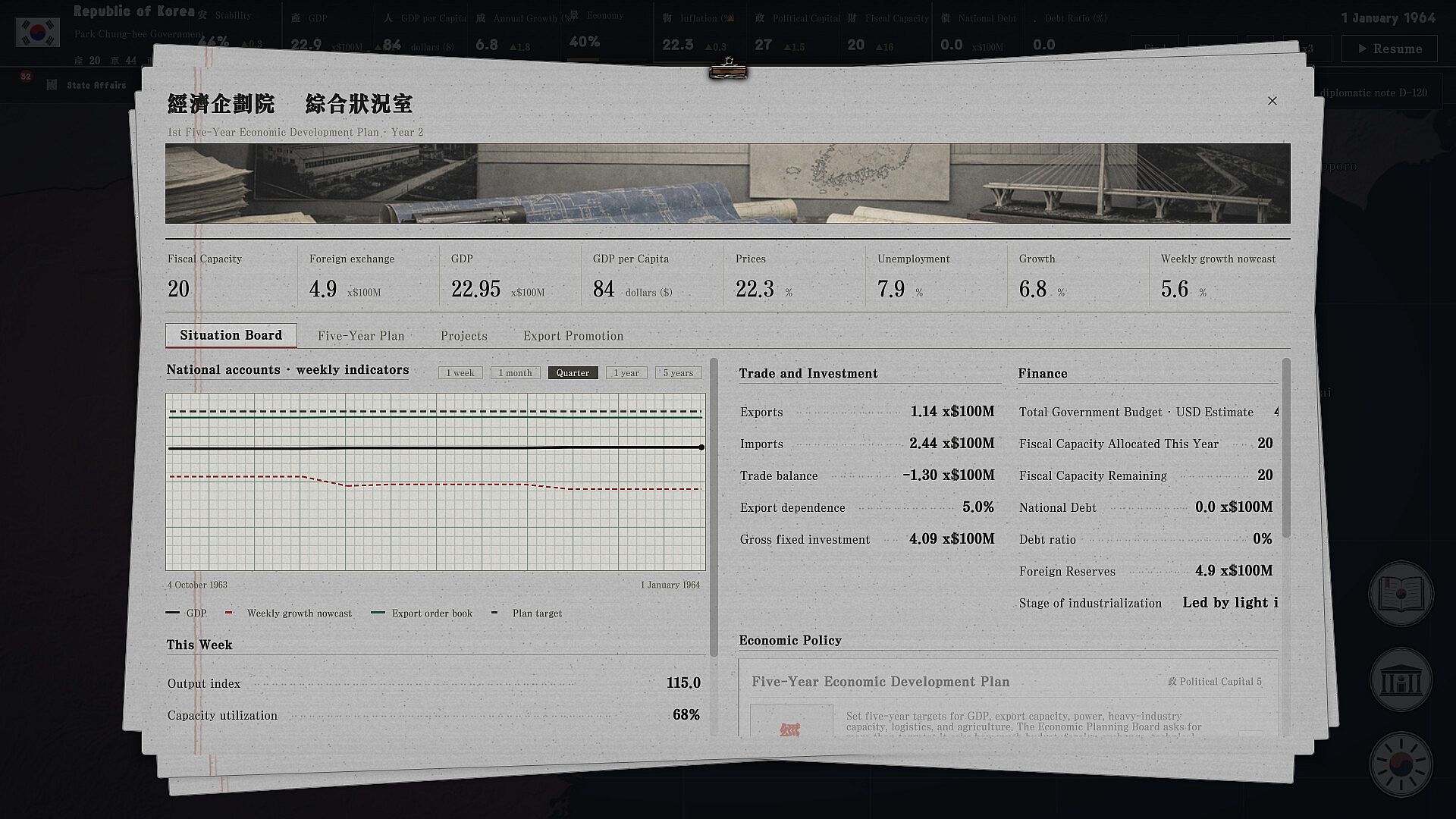
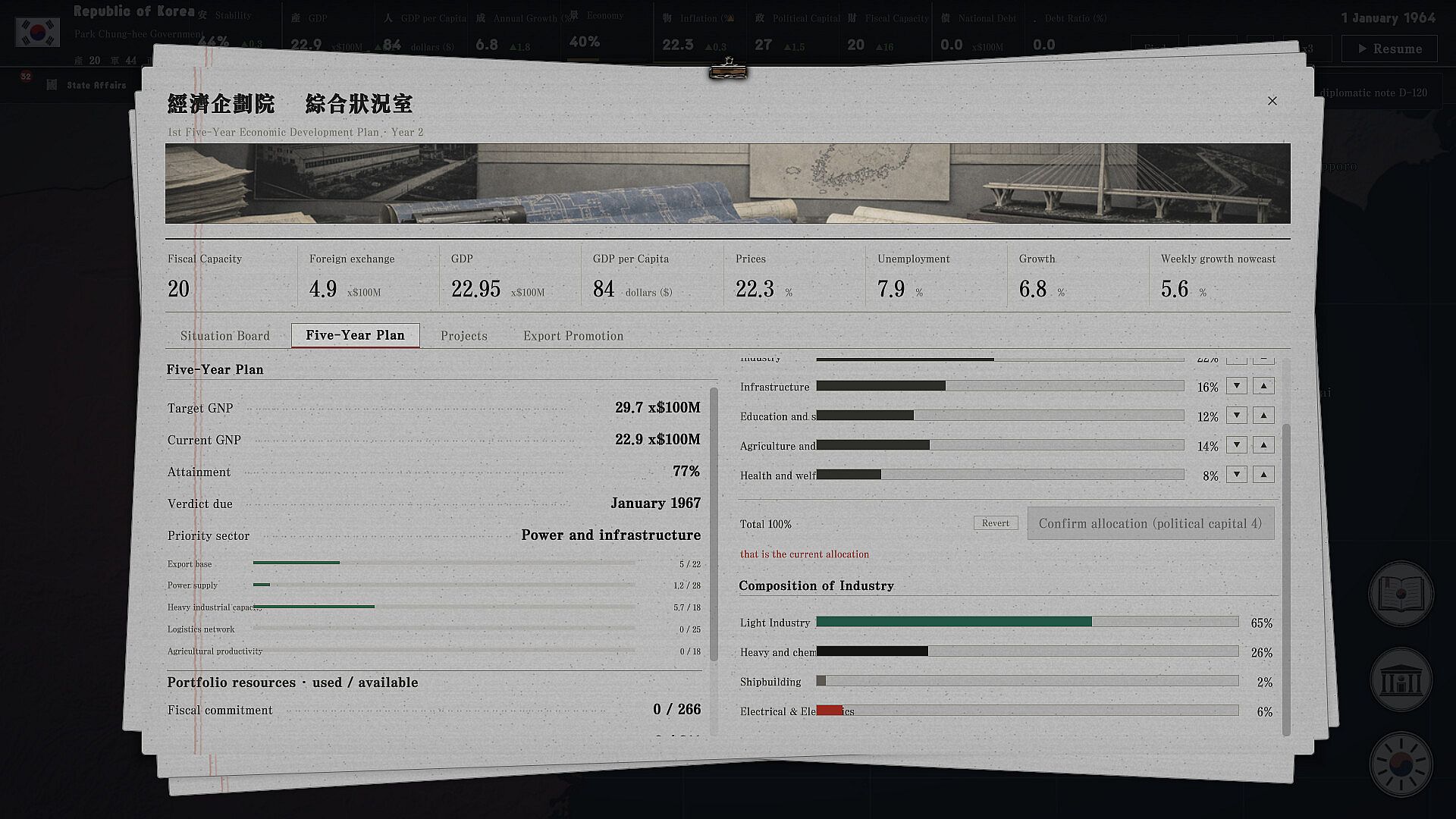
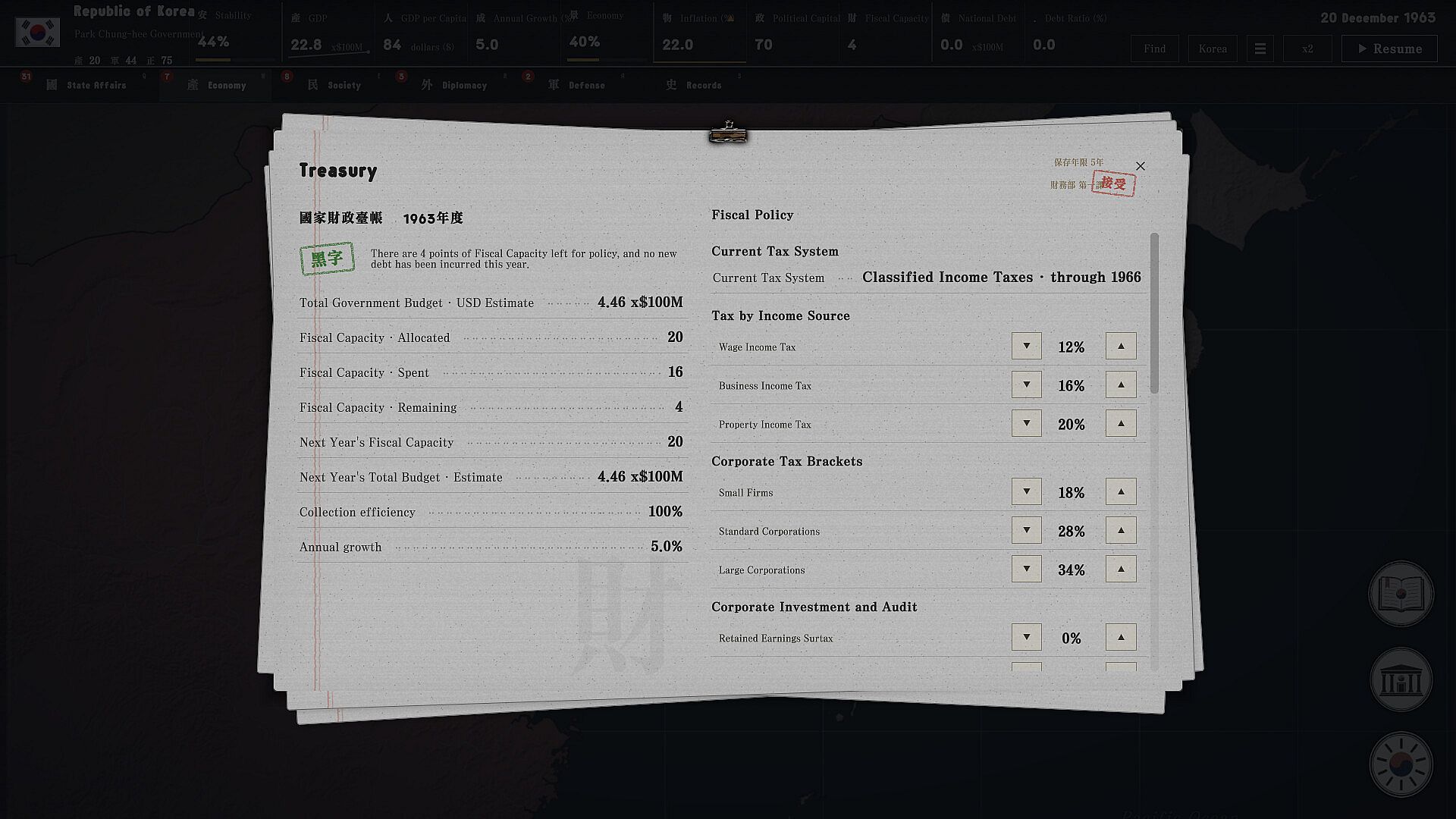
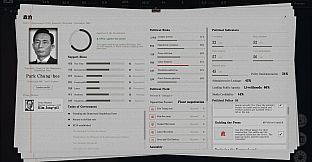
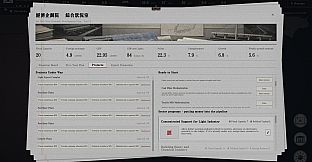
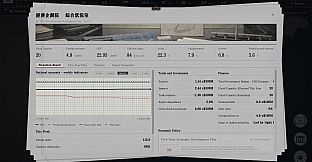
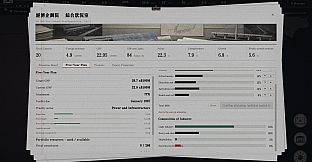
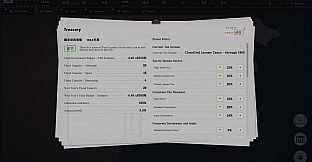
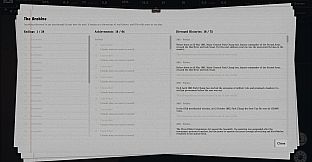
Economic planning forms a central pillar, with tools to set targets against actual performance on graph paper representations of Korea's struggling 1960 economy. The Ministry of Finance allows allocation of funds into plans or tax adjustments that influence public sentiment. Legislative processes in the National Assembly require multiple stages over months, with outcomes tied to election results and party seats. Constitutional amendments through the judiciary generate new articles based on player choices, altering the legal framework and public memory of those changes.
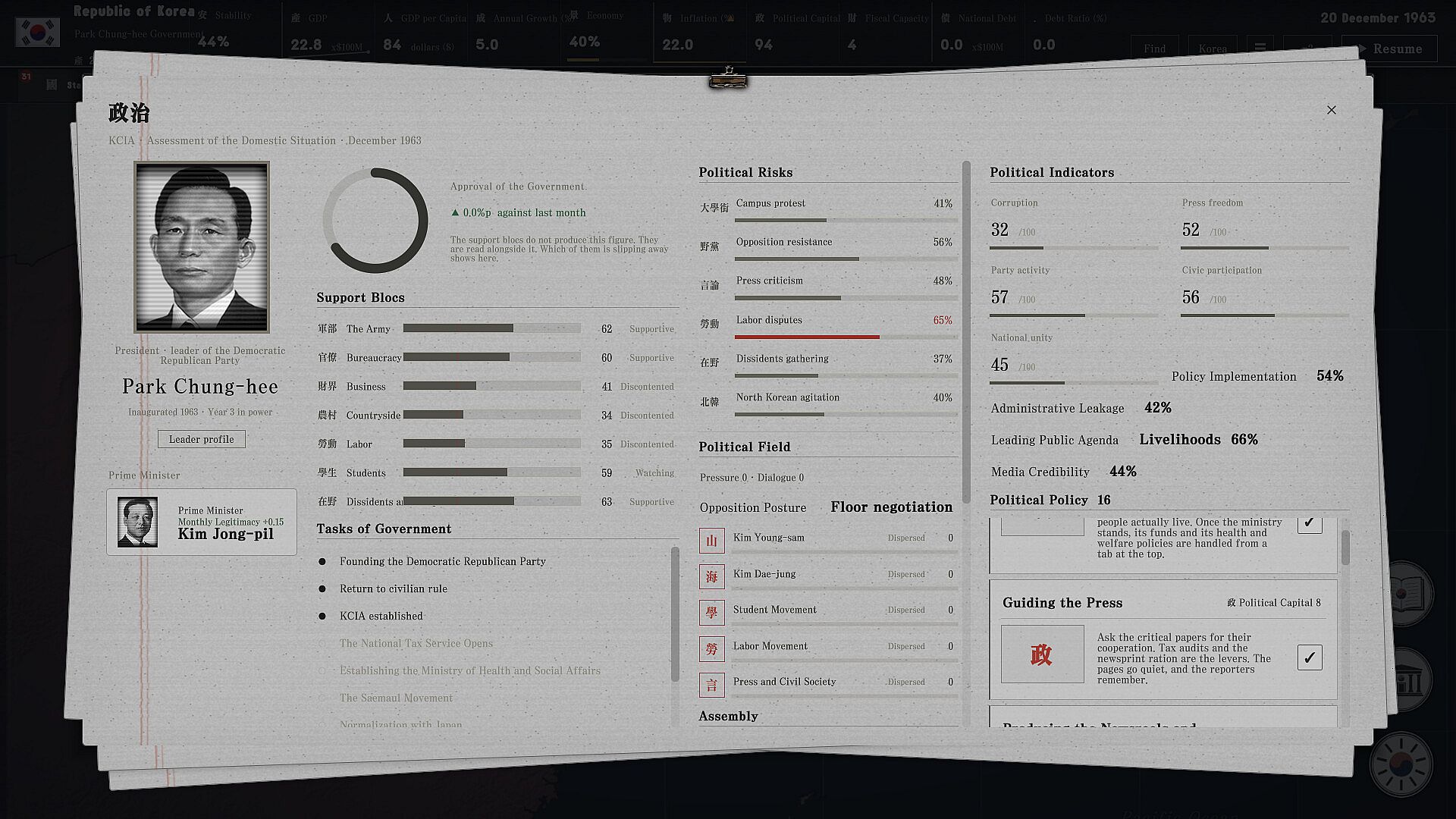
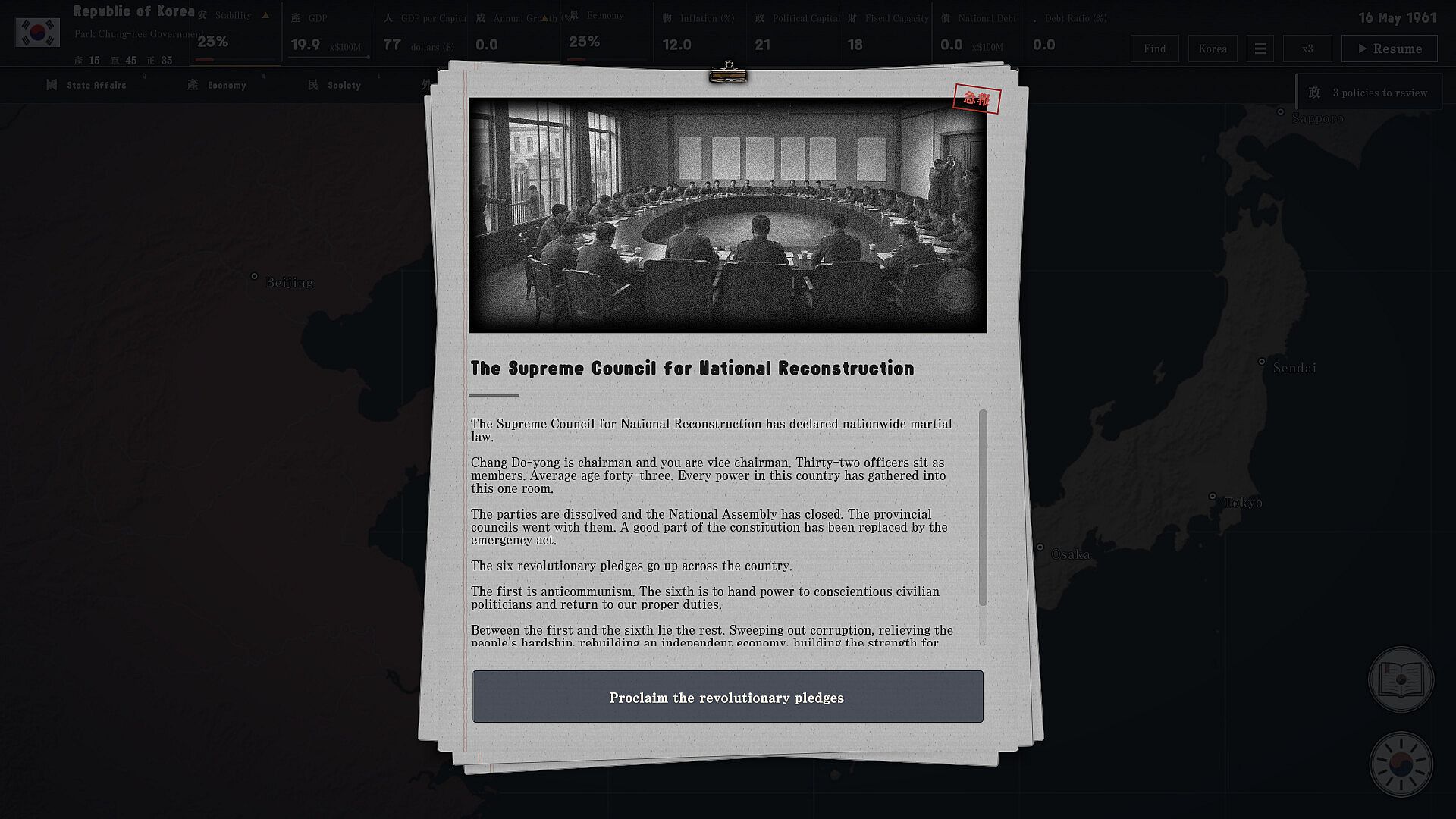
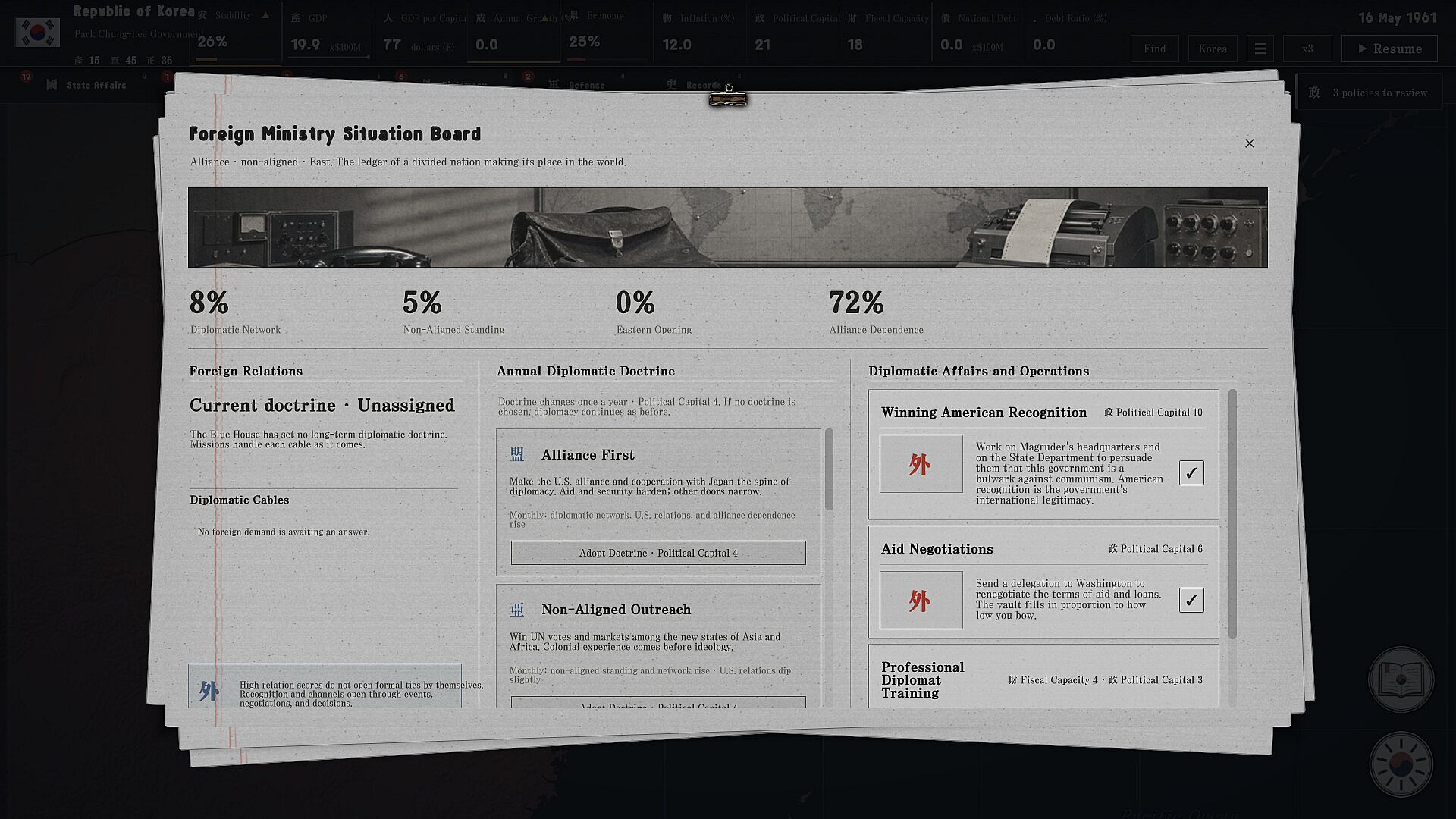
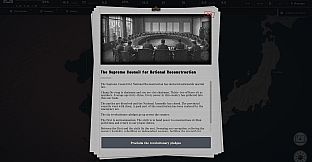
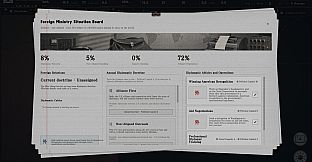
Separate screens handle the Bank of Korea, conglomerates, the New Village Movement, health and social affairs, responses to the oil crisis, and nuclear program development. Major historical events receive dedicated interfaces, including the Seoul Operation on May 16, presidential elections, claims negotiations with Japan, restoration council meetings, and dinners at Gungjeong-dong. Every significant choice branches into multiple outcomes, allowing Korea's path to follow documented history or diverge along thousands of alternate routes.
Game Modes
The game operates as a single continuous campaign without separate named modes. Players progress through the pre-coup planning phase, the execution of the May 16 operation, and the subsequent years of rule, with all elements integrated into one experience. Branching decisions create replay variety, leading to one of twenty-four distinct endings that range from early coup failure to different political resolutions in later years such as 1963, 1971, or 1979.
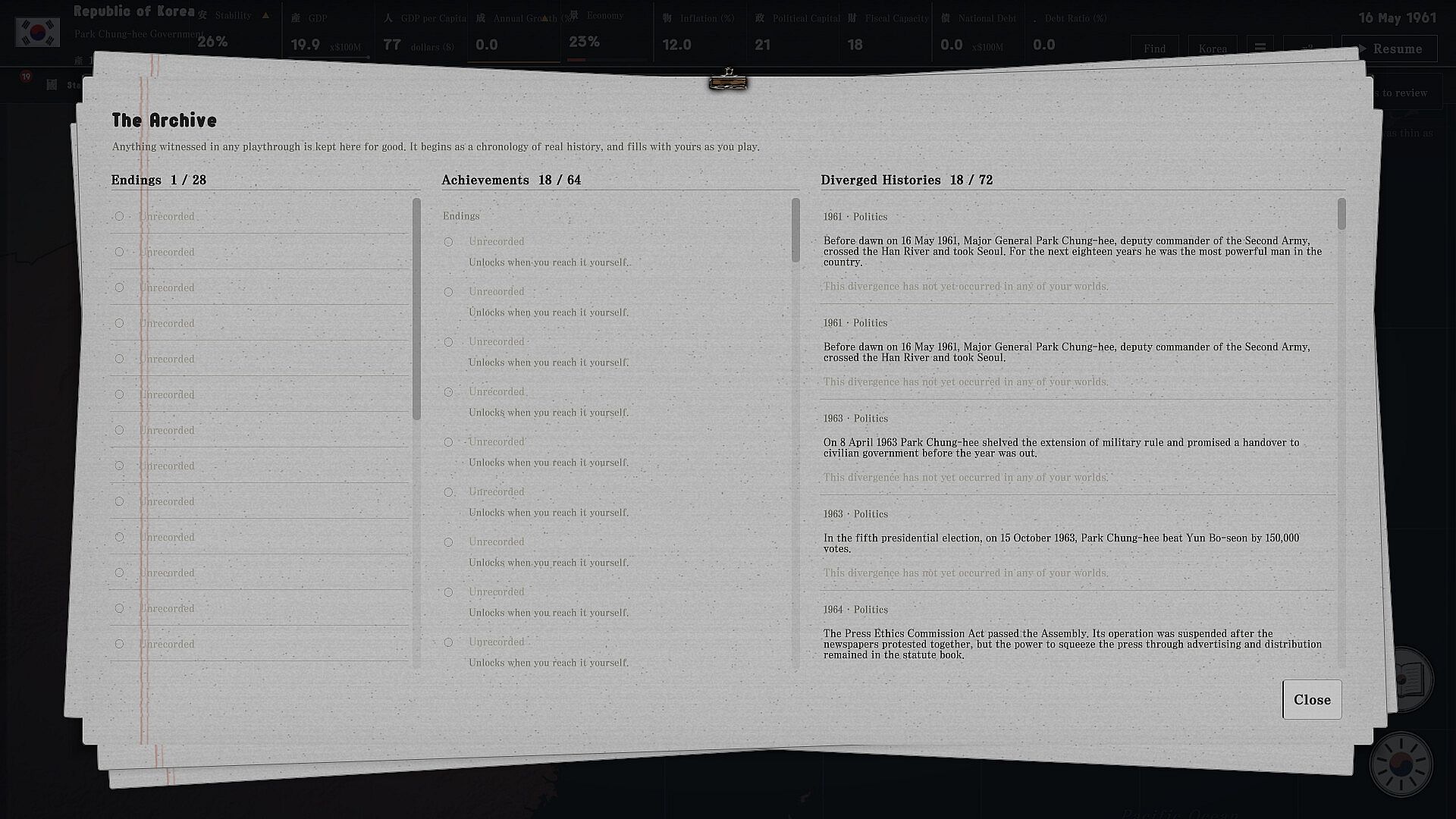
Some paths involve maintaining or losing control over economic factors like prices, while others explore options such as stepping away from power or engaging with opposition victories. The structure emphasizes consequence and historical contingency rather than isolated scenarios, with a chronicler's record at the end summarizing every turning point for review.
Historical Context and Decision Making
The simulation draws directly from the contested legacy of its central figure, presenting the period after the coup as a series of accounts to settle with the old order. Players confront trade-offs between economic modernization and political control, with options to proclaim new constitutional orders or navigate international pressures. The game acknowledges that the same choices can position the player as a nation builder or as another figure in a line of authoritarian rulers.
Mechanics reflect the era's realities through systems for public resentment, tax policy impacts on daily life, and long-term planning against external shocks. Outcomes depend on prior judgments about alliances, resource distribution, and institutional reforms, creating a record of alternate histories that players can compare across playthroughs.
Is It Worth Playing?
This title suits players interested in historical strategy simulations that emphasize political maneuvering, economic management, and branching narratives over action or real-time combat. The focus on institutional interfaces and multi-month legislative processes rewards careful planning and repeated attempts to explore different paths. With twenty-four endings tied to life-altering decisions, including those that carry personal costs, the game provides substantial replay value for those drawn to alternate-history scenarios.
Reception centers on its detailed recreation of 1960s Korean institutions and the weight given to each choice. Those seeking a straightforward military tactics experience may find the emphasis on bureaucracy and long-term consequences less engaging, while enthusiasts of political and economic simulation will appreciate the depth of the ministry screens and event handling. The game remains available as a complete single-player package on PC with no additional seasonal content required.












