















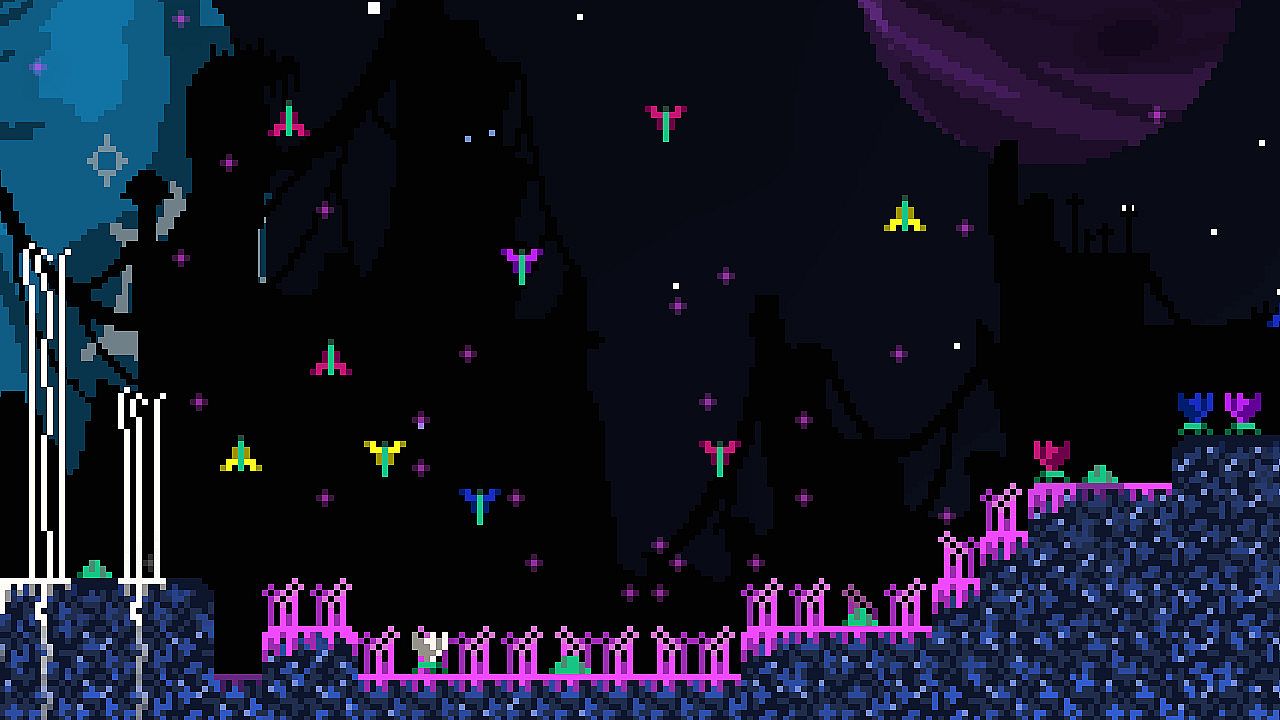
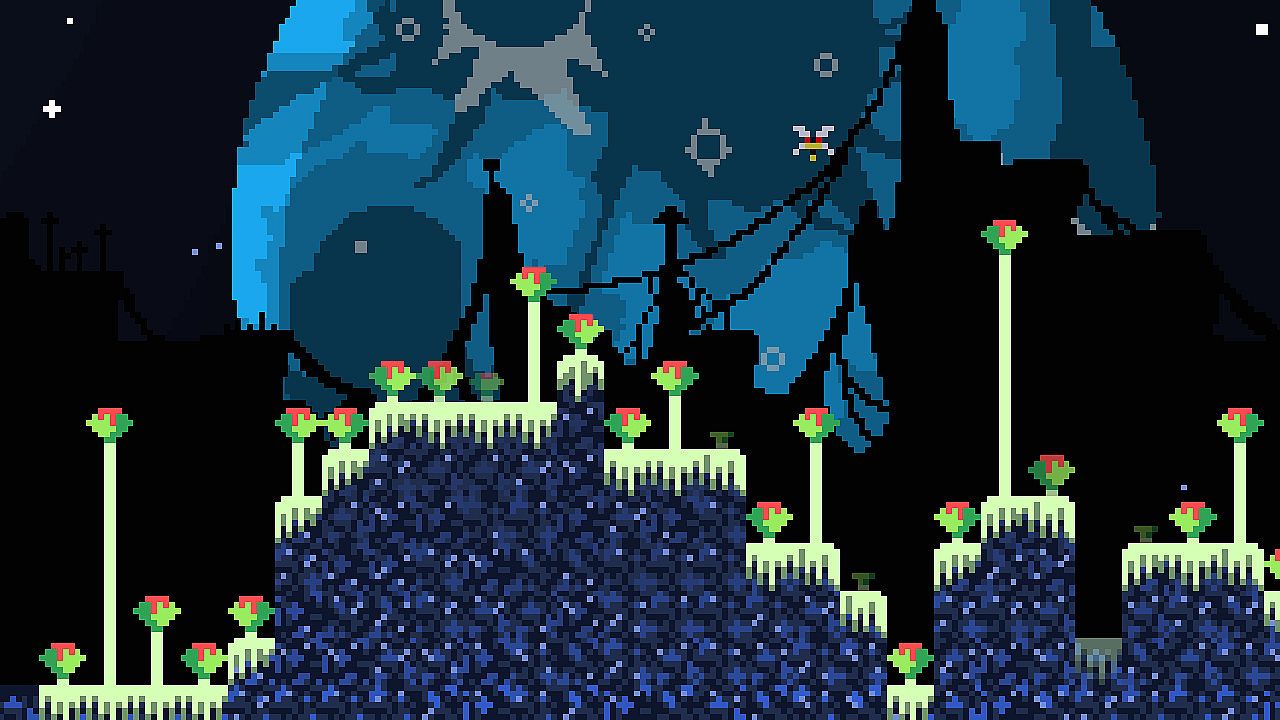
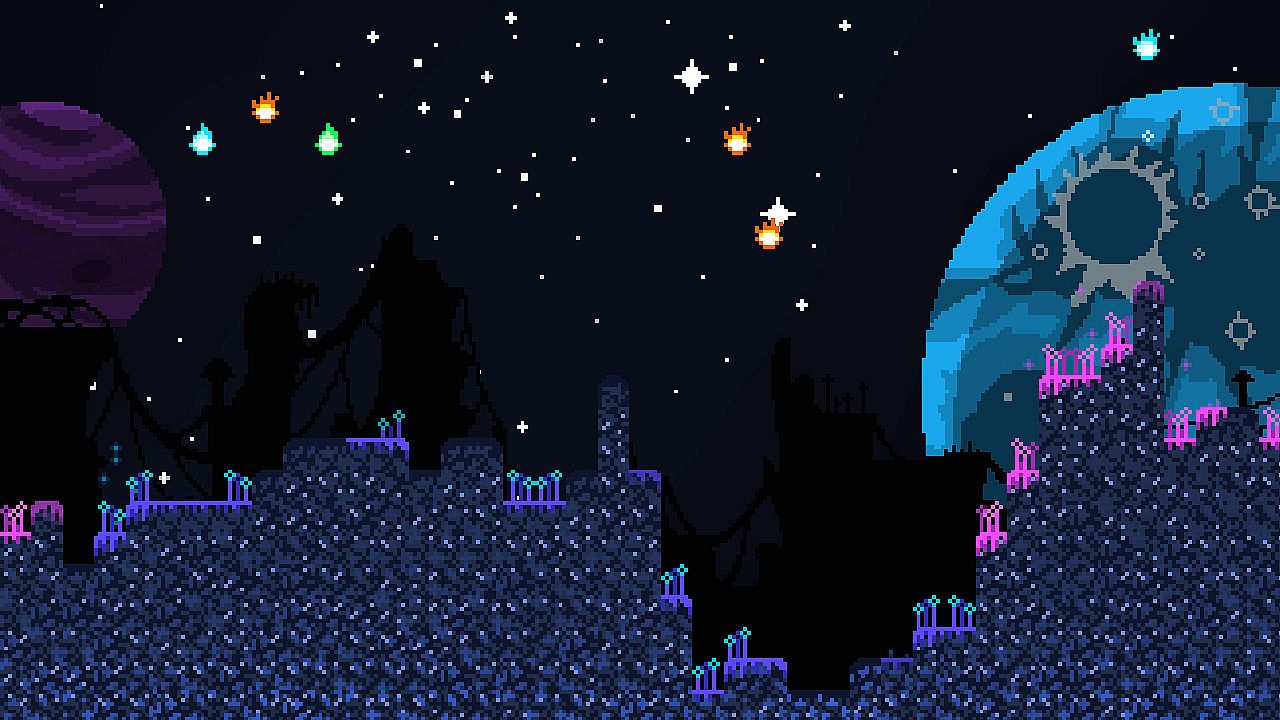
Earthtongue is an indie simulation game set in a sunless world where fungi and insects form a self-sustaining ecosystem fed by a constant rain of nutrients. Players take on the role of a subtle guide rather than a direct controller, observing and occasionally adjusting conditions to support life in this contained environment on PC.
Gameplay
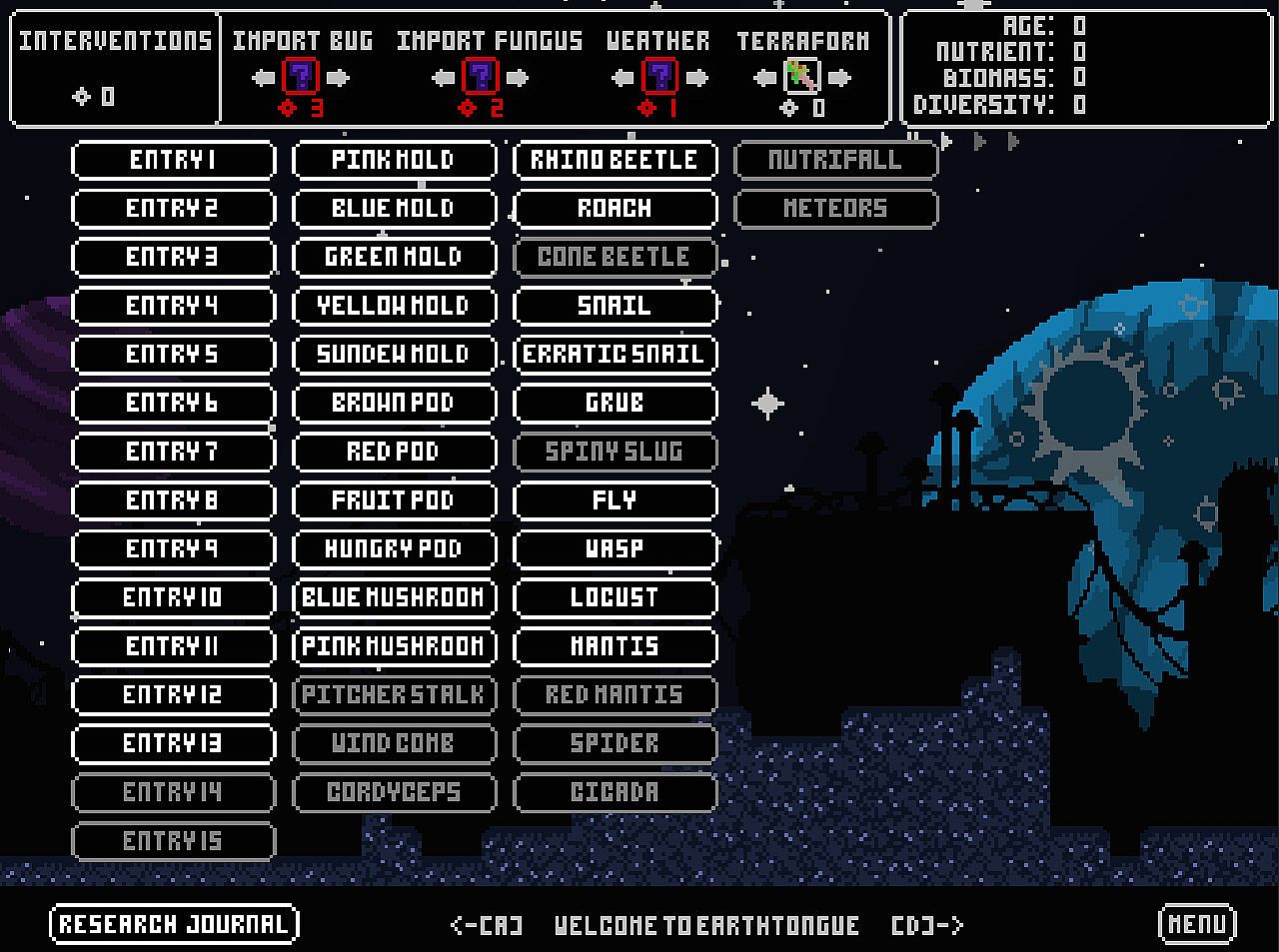
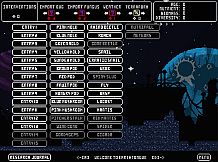
The core loop revolves around watching organisms grow, interact, and consume one another while the player applies minimal interventions to keep the system stable. Life forms include various fungi that spread across surfaces and insects such as beetles and mantises that feed on available resources or each other. The simulation runs largely on its own, with the player monitoring overall health metrics and stepping in only when imbalances appear, such as overpopulation in one species or stagnation in growth.
Interactions focus on cataloging and light management rather than building structures or issuing commands. Players can encourage certain fungal patterns through targeted adjustments or shift insect populations by altering food availability indirectly. The emphasis stays on patience and observation, as the ecosystem responds gradually to these nudges and often corrects minor issues without further input.
Game Modes
Earthtongue operates without distinct game modes or structured levels. The experience remains open-ended, centered on maintaining ecosystem health as the primary objective. Within this framework, individuals may pursue personal aims such as shaping fungal growth into preferred arrangements or increasing numbers of specific insects like beetles for their own interest or as a resource for predators.
Another approach involves using the simulation purely for passive viewing, allowing natural cycles of predation and renewal to play out without additional direction. These choices emerge from the same underlying system rather than separate modes, giving each session a consistent yet flexible structure based on the player's focus at any moment.
Visuals and Atmosphere
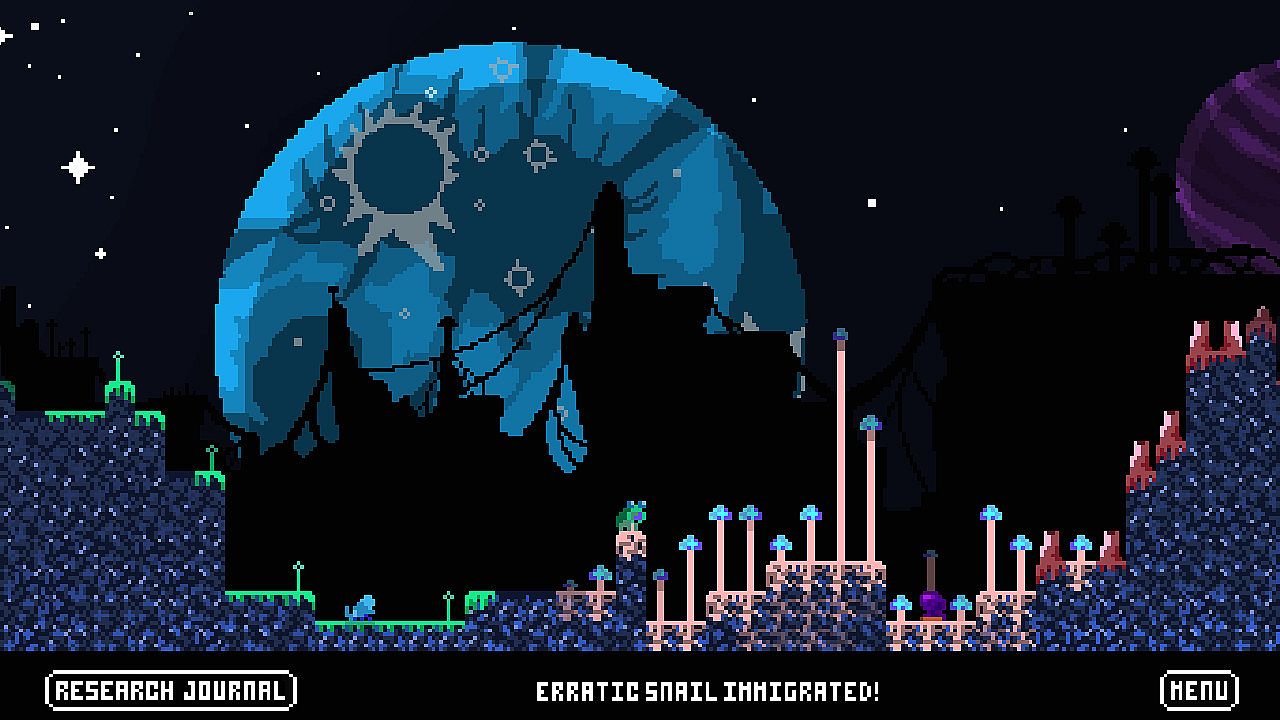
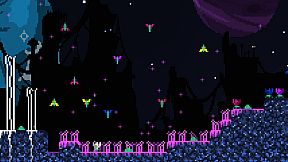
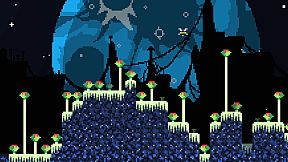
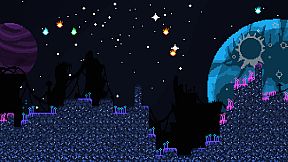
Pixel art renders the miniature world with clear detail on individual organisms and environmental layers, supported by a calm soundtrack that complements the slow pace of events. Weather effects and gradual changes in the terrain add subtle variety to the scene without disrupting the meditative quality of the simulation.
The setting avoids bright colors or dramatic events, instead highlighting the quiet persistence of life forms adapting to their constraints. This visual restraint reinforces the focus on long-term observation over immediate action or spectacle.
Is It Worth Playing?
Earthtongue suits players who enjoy relaxed simulation experiences centered on ecosystem management and patient watching rather than fast-paced challenges or complex progression systems. With very positive overall reviews on its platform, the game has maintained a small but appreciative audience since its 2015 release, praised for its soothing presentation and clever approach to limited player influence.
Those seeking traditional goals, competitive elements, or frequent updates will find little here, as the title prioritizes a self-contained, low-intervention style that runs reliably on its own. For anyone interested in indie simulations that reward careful observation and personal experimentation within a living system, it offers a distinctive and consistent experience worth considering on PC.














