










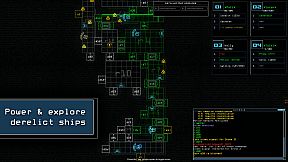
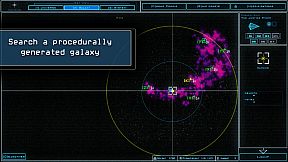
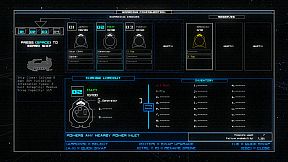
Duskers stands as a distinctive strategy and simulation indie title on PC that places players in the role of a lone drone operator navigating the remnants of a collapsed universe. The experience centers on piloting small machines into abandoned vessels to scavenge resources while uncovering fragmented clues about a widespread catastrophe that left space littered with derelict ships.
Gameplay
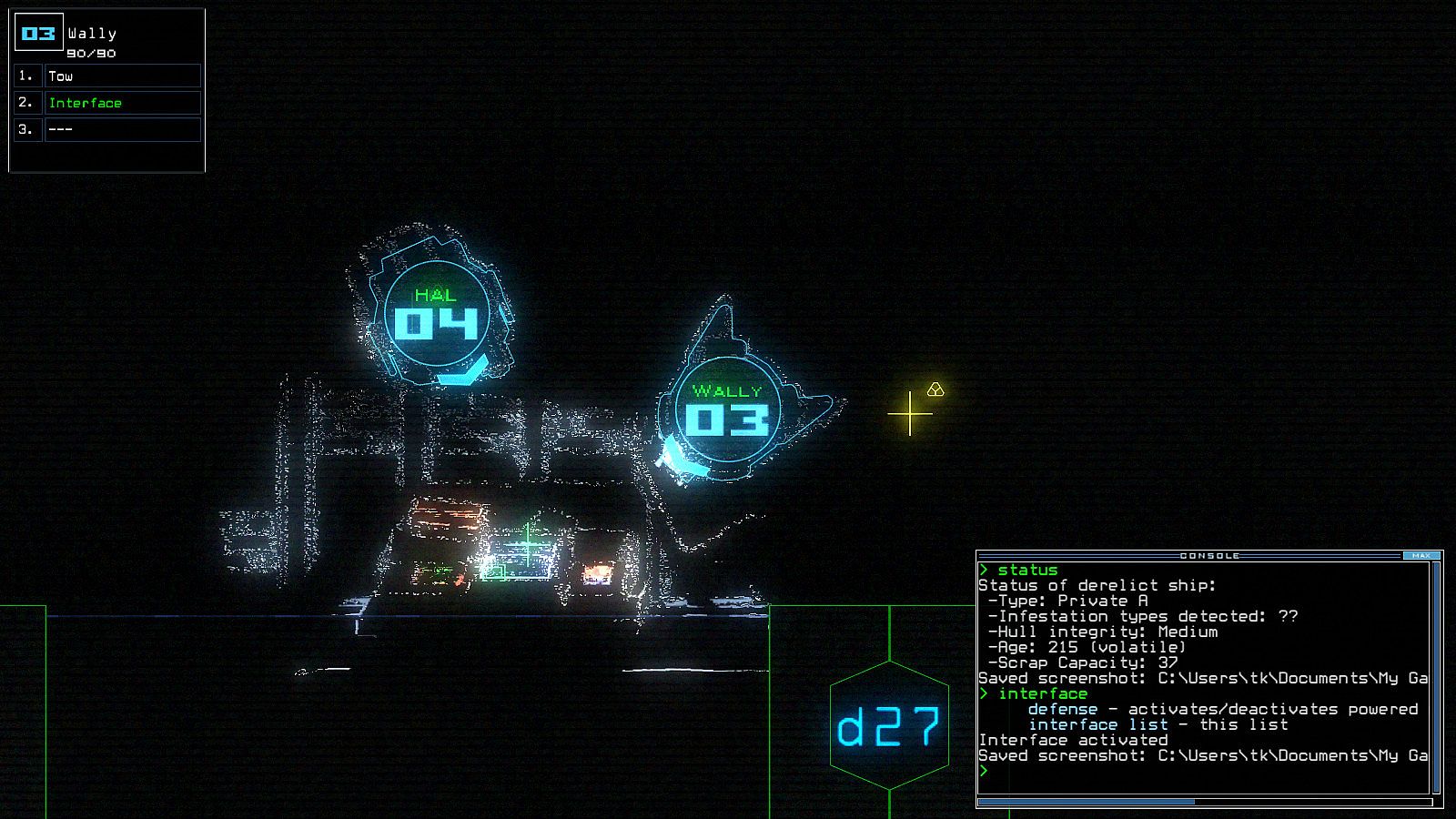
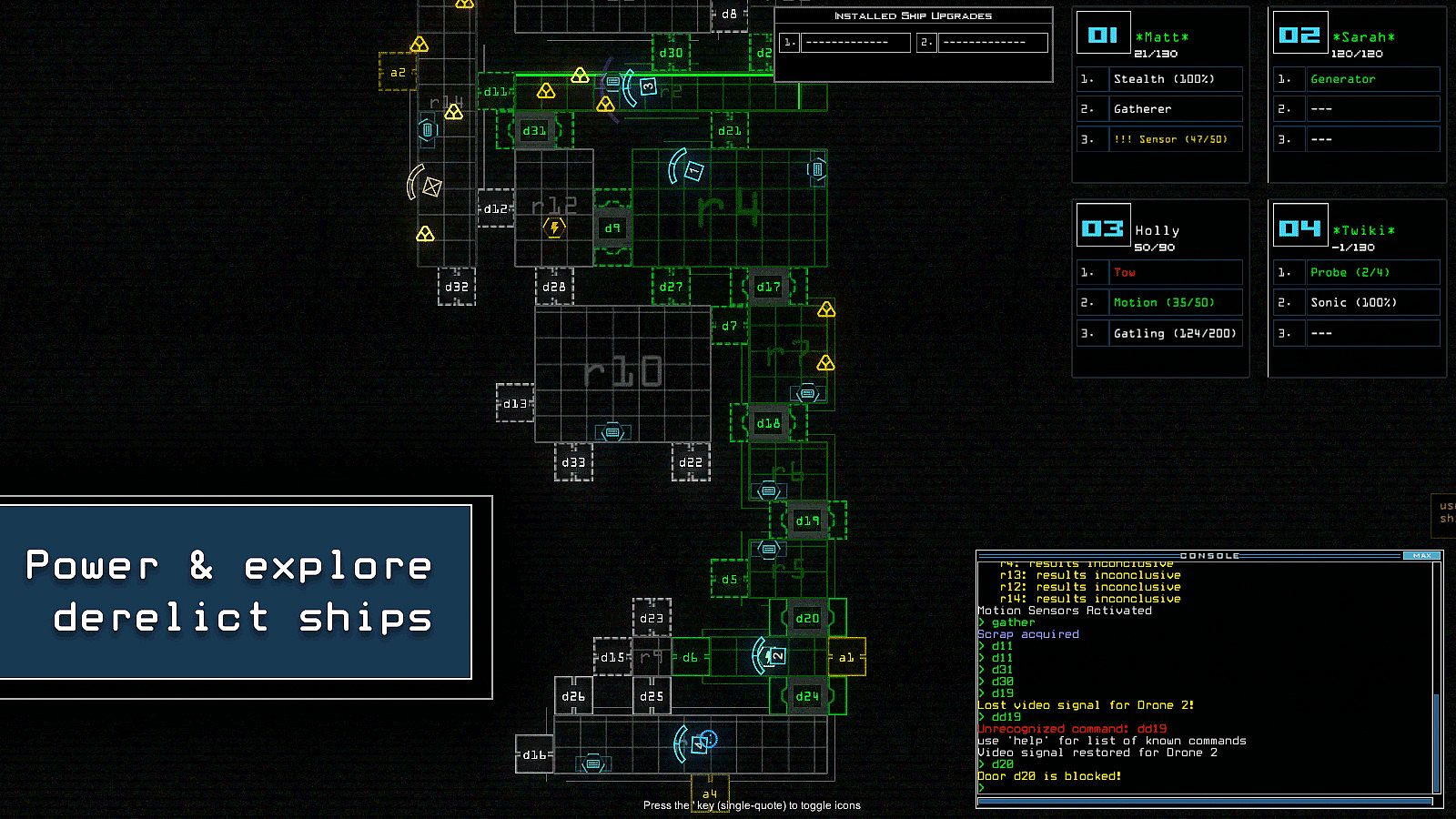
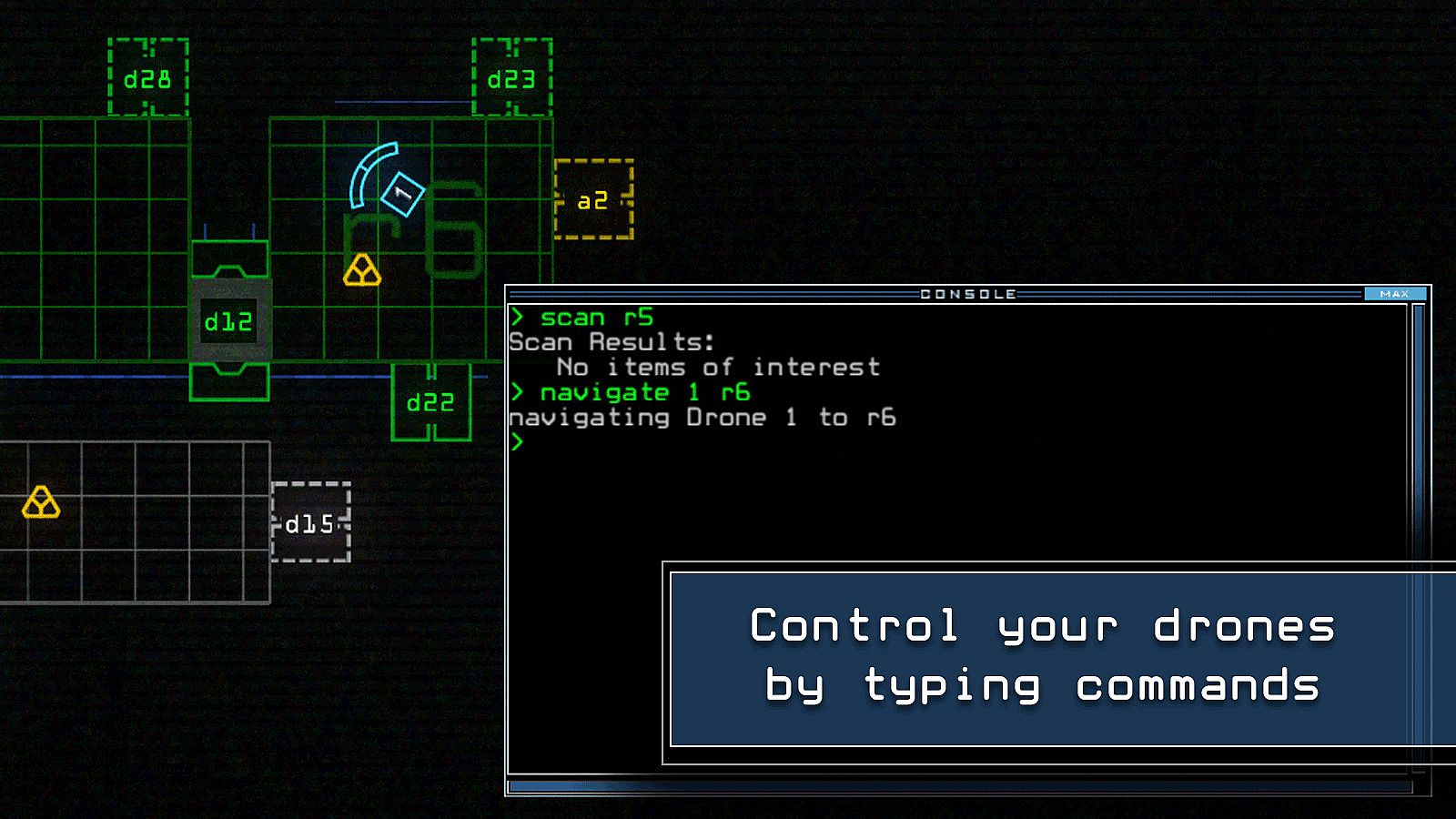
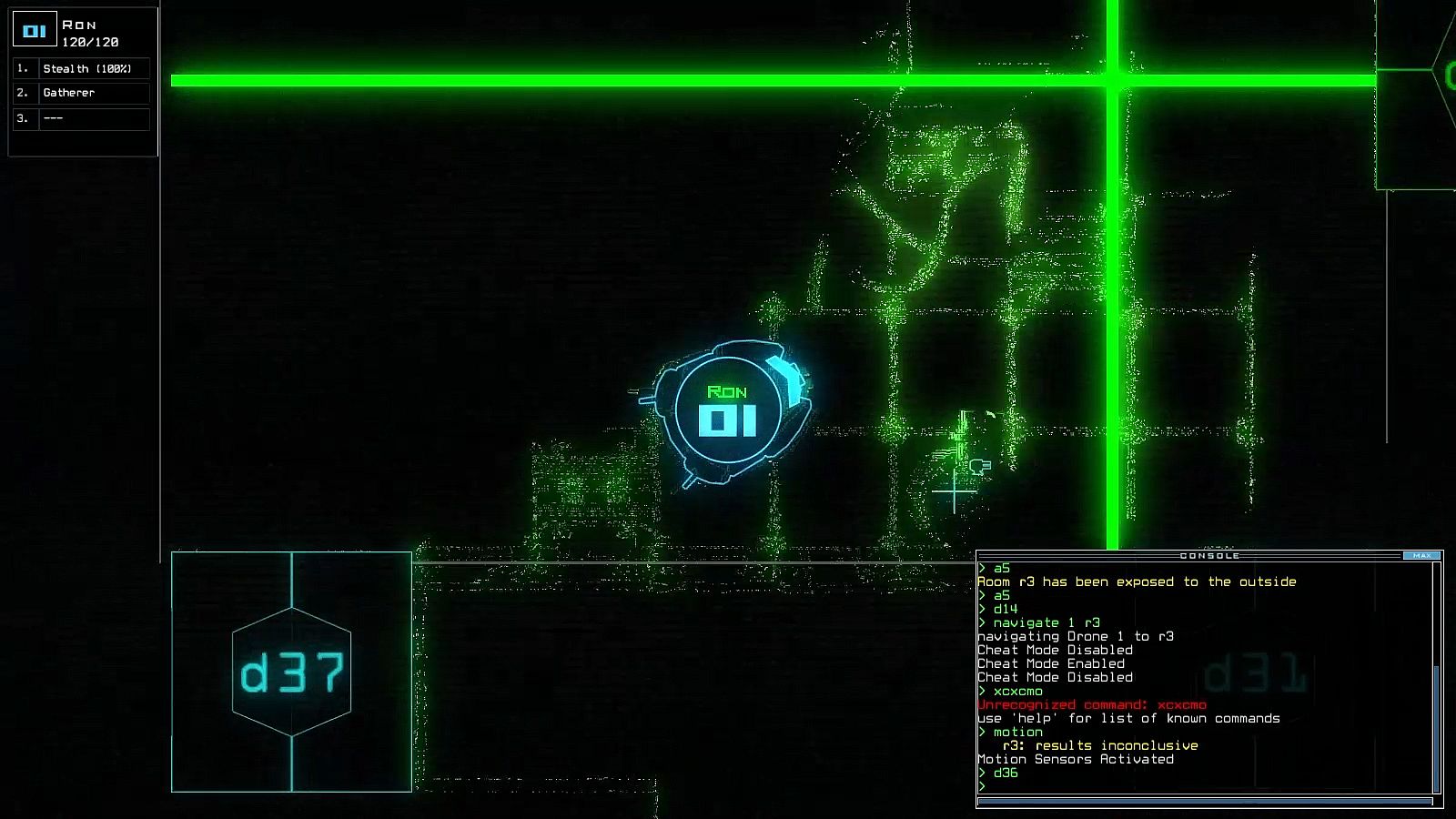
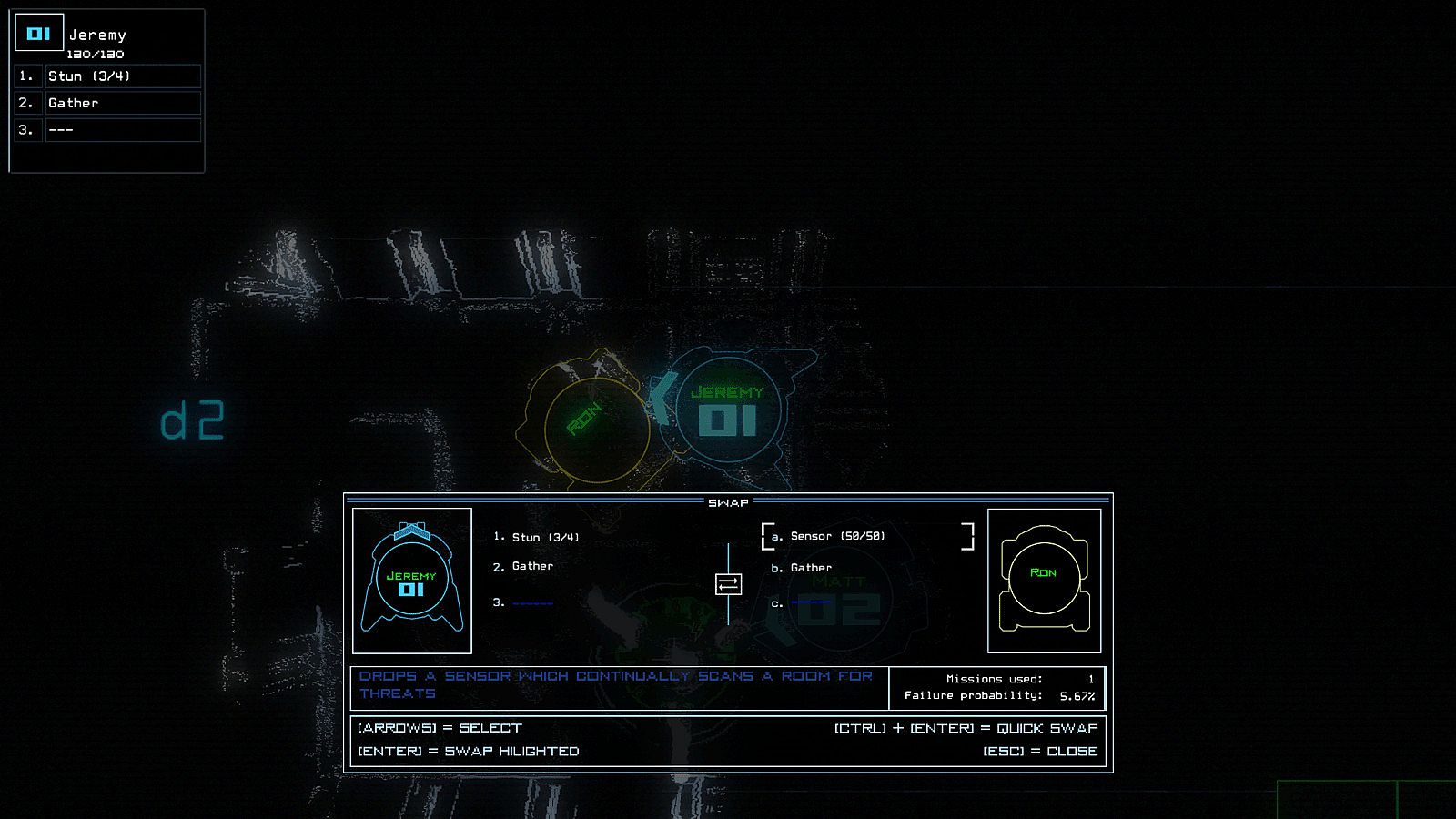
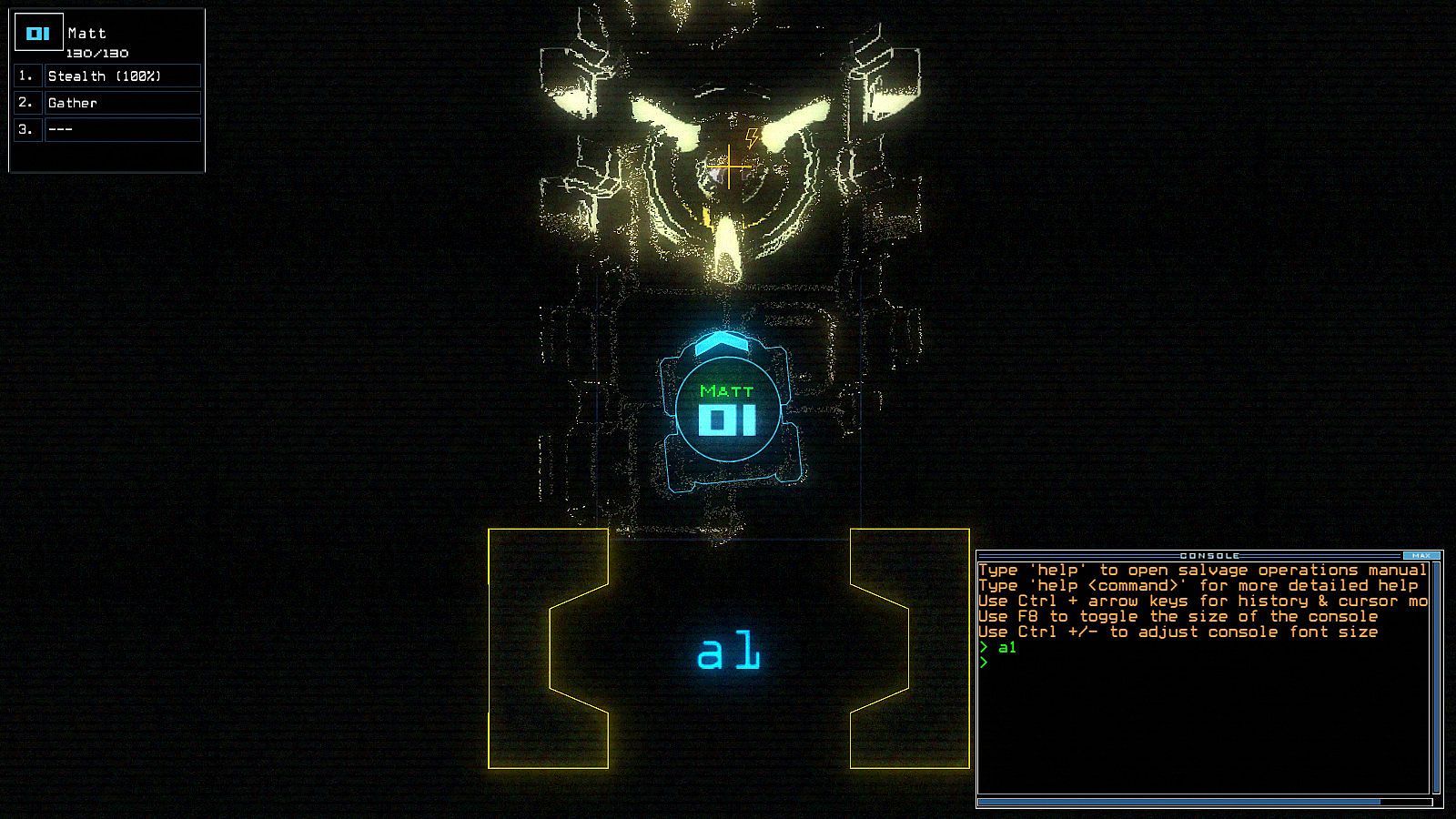
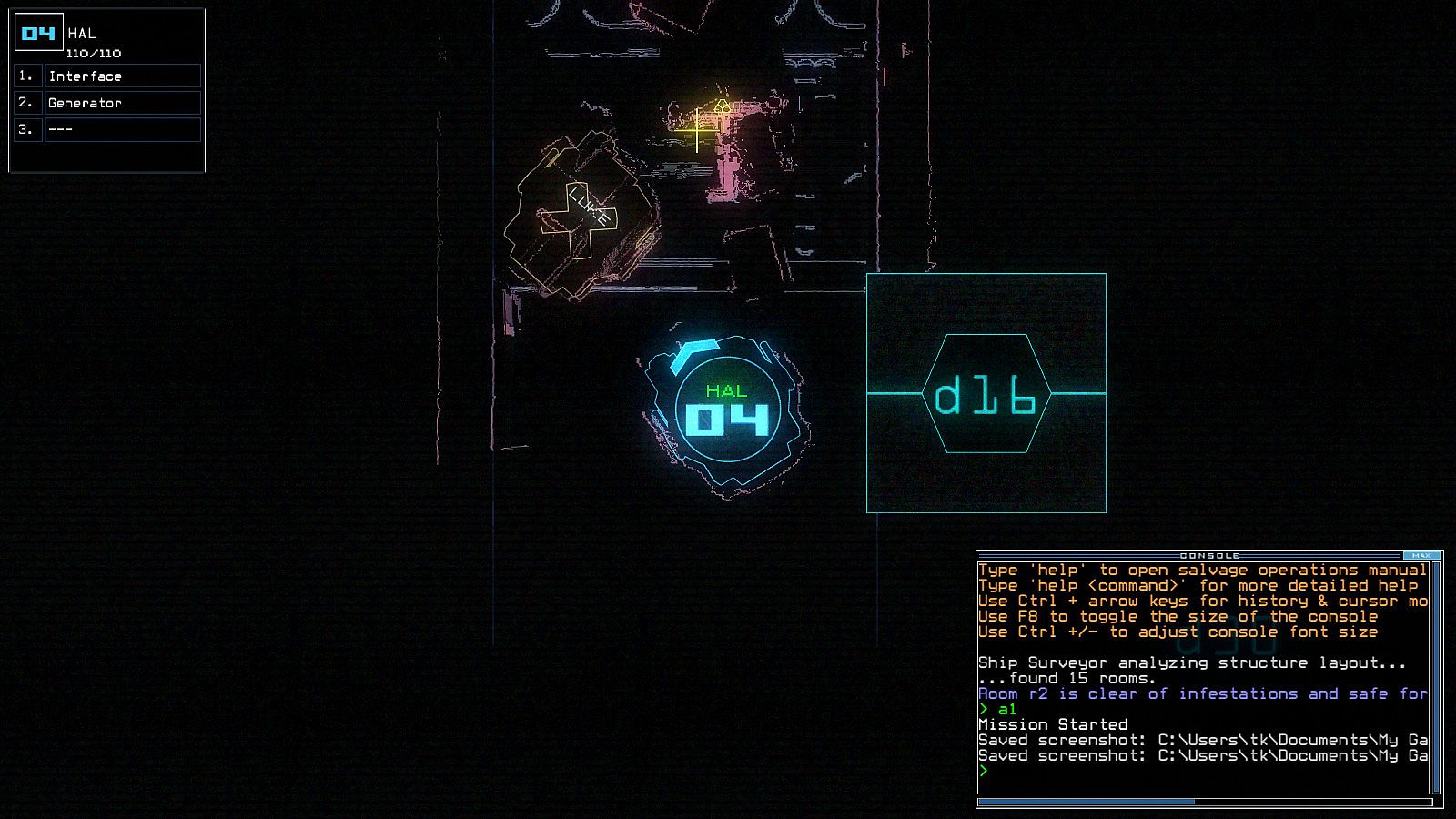
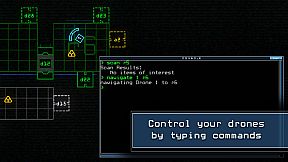
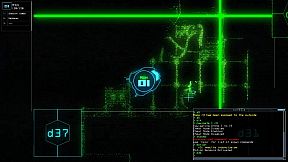
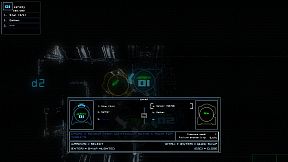
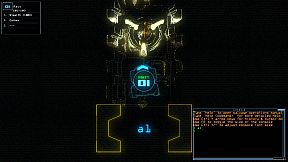
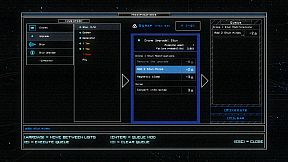
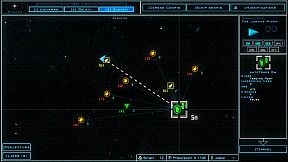
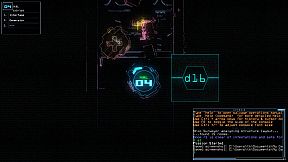
Control occurs exclusively through a command line interface that issues orders to drones and manages ship systems. Visual feedback arrives only through each drone's camera feed, while audio comes via a remote microphone that captures distant sounds. Motion sensors provide alerts to nearby activity without revealing exact threats, forcing constant vigilance and interpretation of limited data.
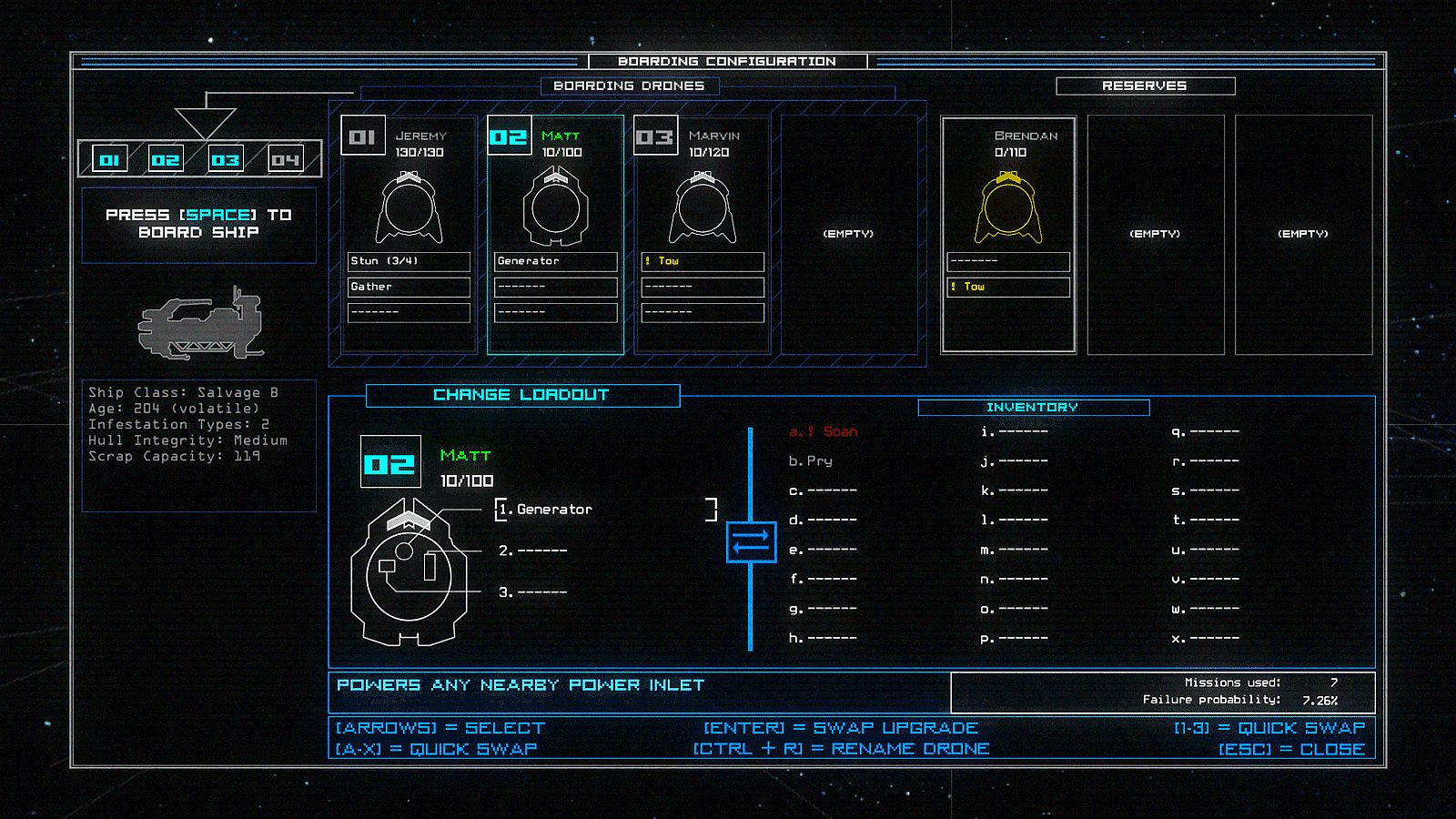
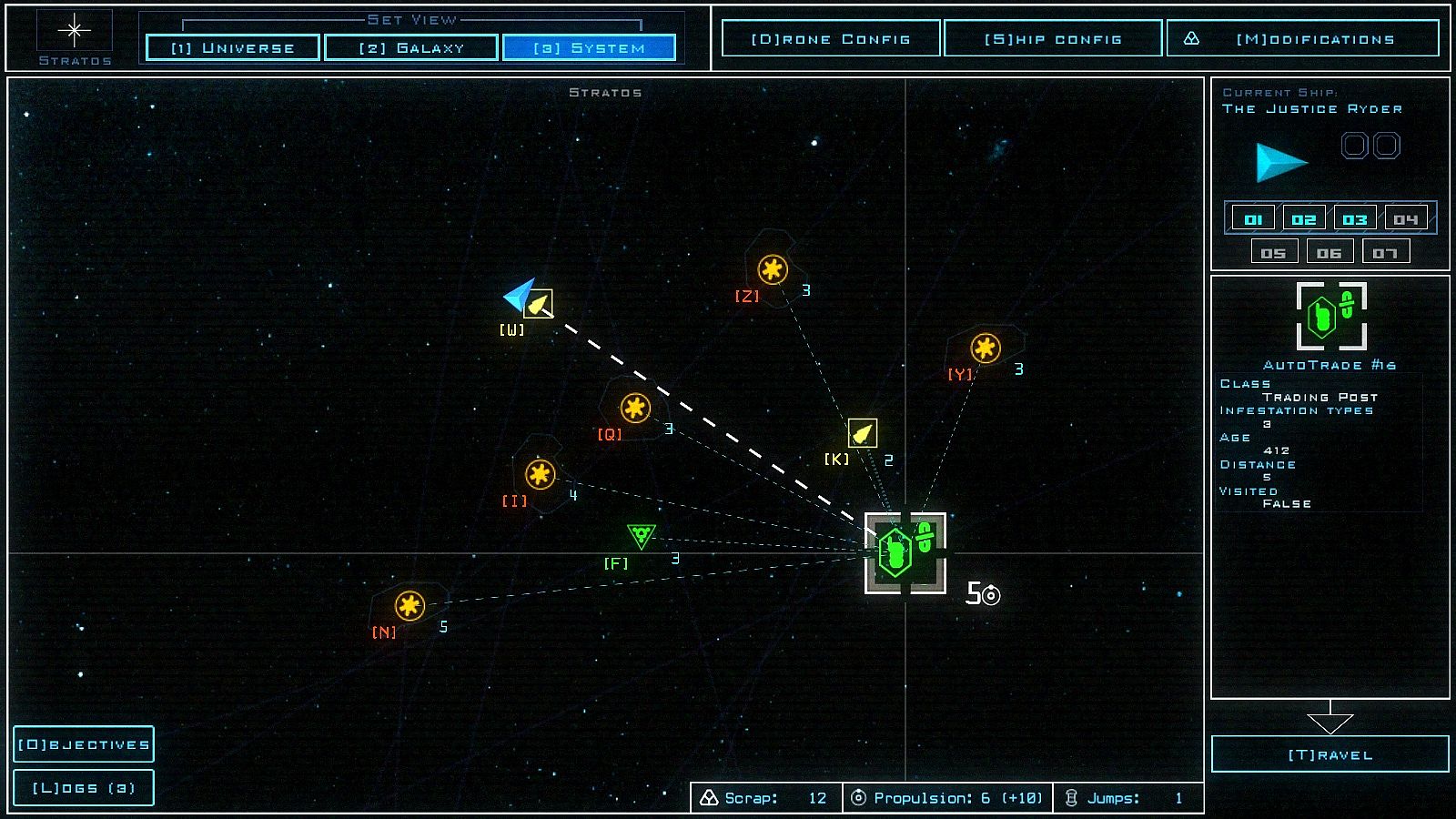
Exploration unfolds across procedurally generated derelict ships filled with hazards and salvage opportunities. Upgrades for drones and the main vessel must be earned through scavenging, yet equipment can fail at any moment due to wear or damage. This unpredictability demands ongoing adaptation, as reliable tactics become unreliable when sensors degrade or supplies dwindle. Fuel management and part shortages add further layers of risk during extended operations in the generated universe.
Creatures inhabit many vessels and pose direct dangers, though weapons remain scarce. Success often hinges on creative use of available tools such as lures combined with sensor data to map and navigate areas safely. The tension builds from isolation and the constant threat of irreversible loss upon failure.
Game Modes
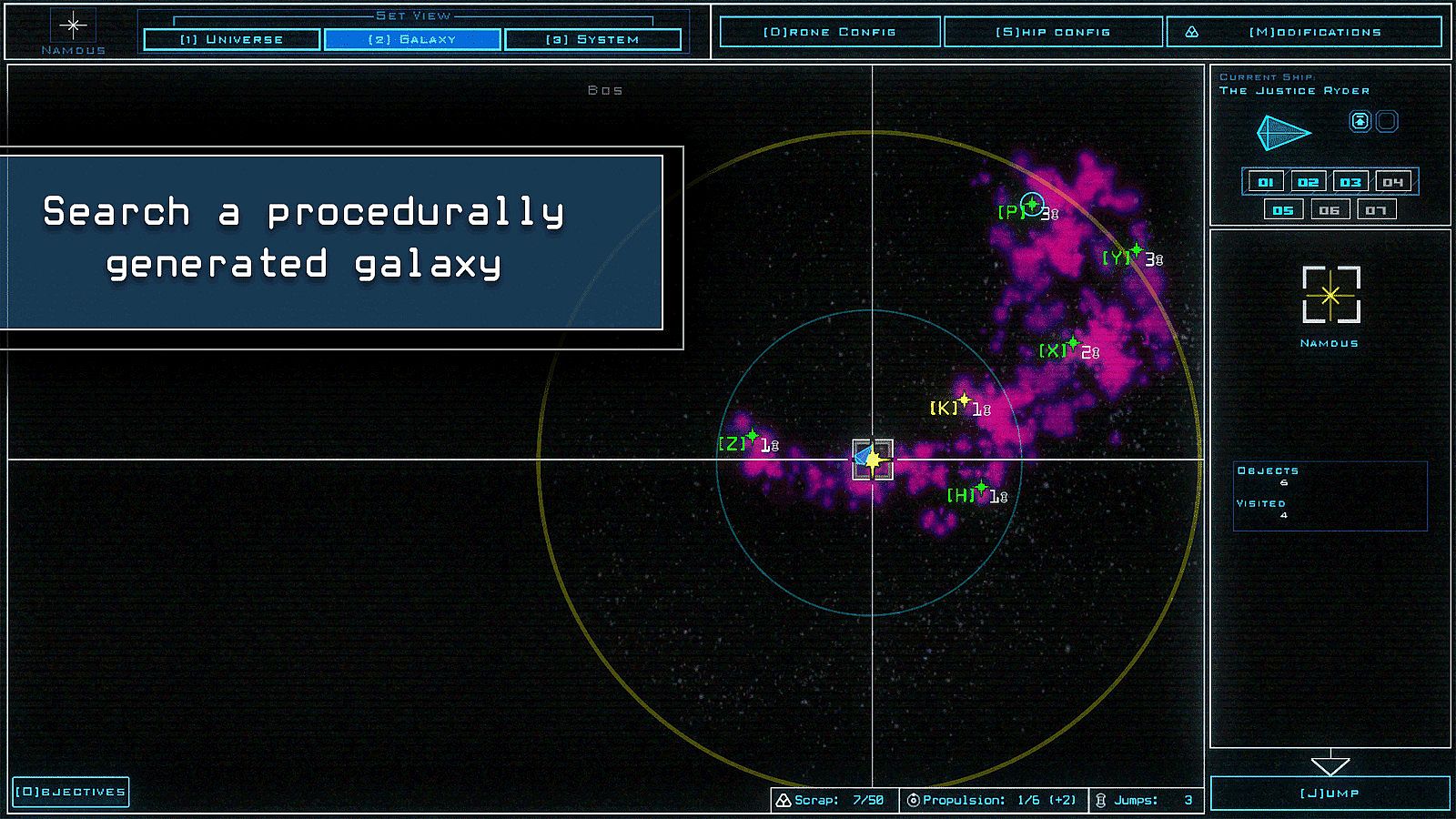
The game operates as a singleplayer experience built around repeated runs through procedurally generated content. Each attempt begins with limited resources and ends either in success through accumulated salvage or in total loss when the operator's ship runs out of fuel or suffers critical failure. Procedural generation ensures varied ship layouts and hazard placements across the broader universe map.
Progression ties directly to survival across multiple runs, where recovered materials enable permanent improvements to drone capabilities and ship functions. The structure emphasizes careful planning and real-time decision making under incomplete information rather than direct confrontation or resource abundance.
The Setting and Story
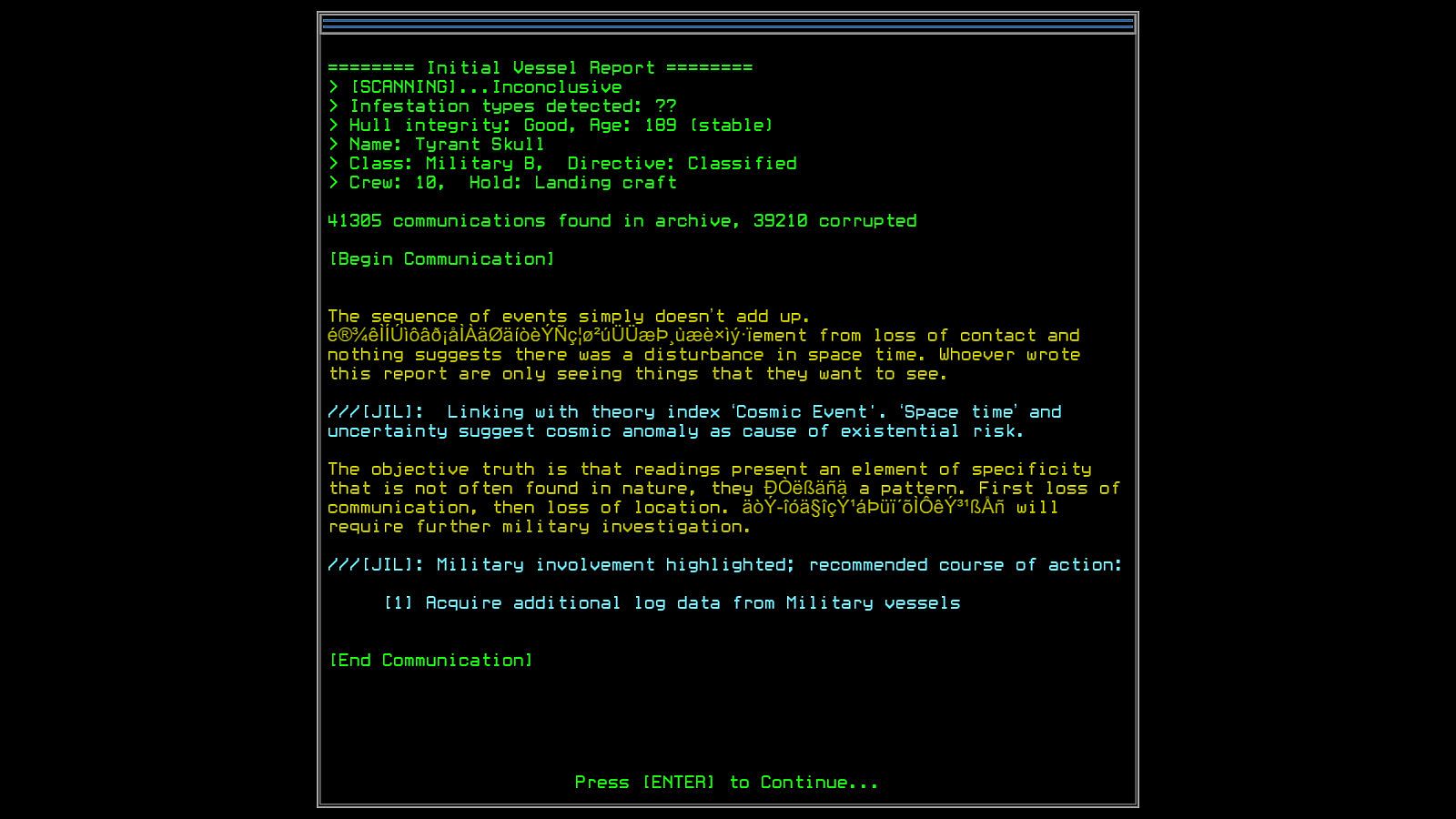
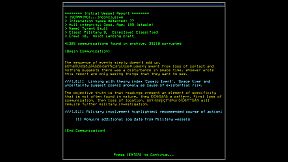
Events take place in a vast, empty cosmos reduced to a graveyard of vessels. Players piece together the backstory solely through corrupted ship logs discovered during expeditions. These fragments reveal details about the events that emptied the stars without providing a linear narrative or external guidance.
The atmosphere relies on gritty, outdated technology interfaces and ambient audio cues to convey isolation. No external factions or allies appear, reinforcing the solitary nature of operations in this environment.
Progression and Upgrades
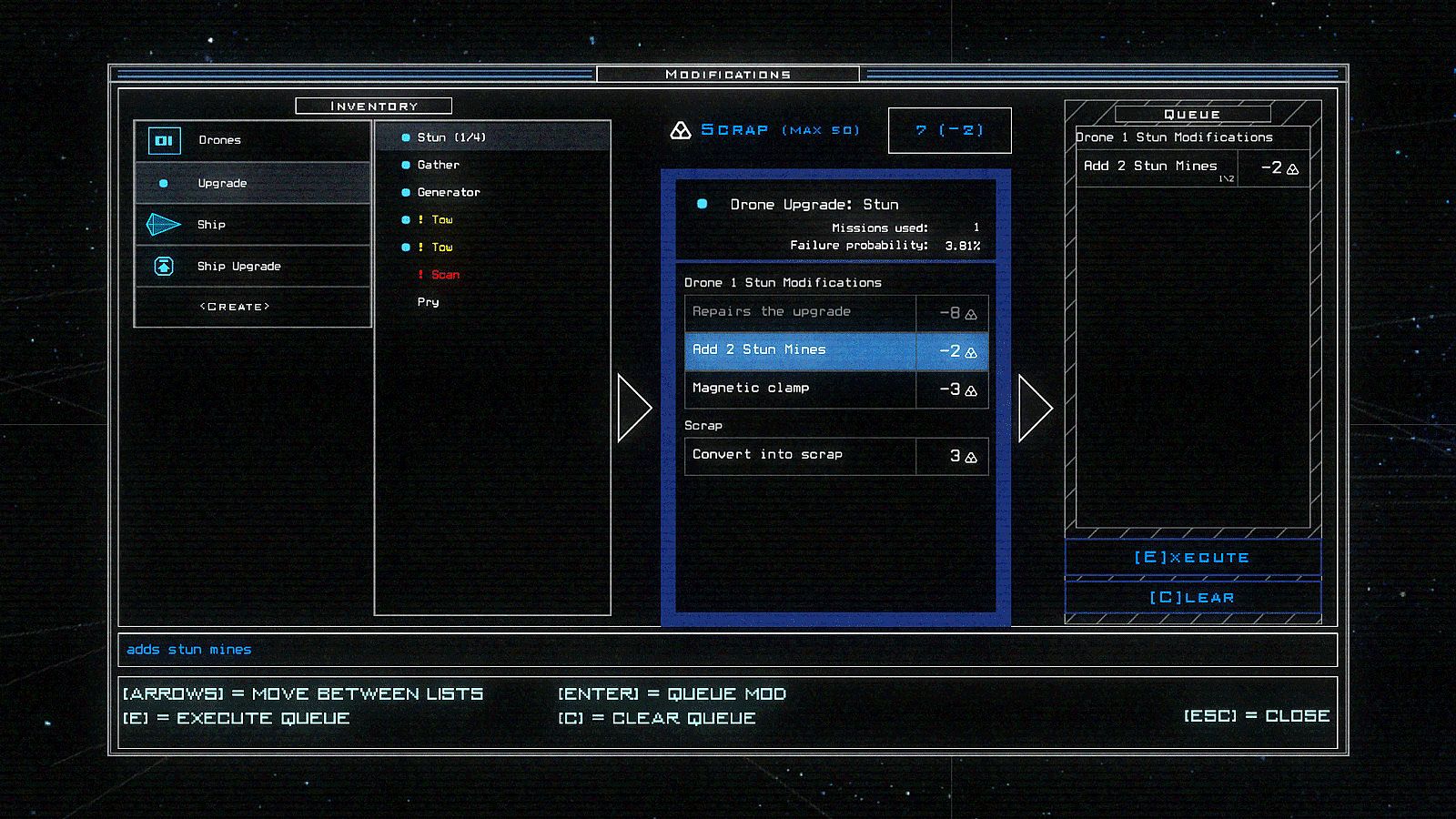
Everything from additional drones to specialized modules comes from salvage found inside the derelicts. Modifications alter how drones interact with environments, such as improving sensor range or adding utility functions. Ship-level upgrades expand storage, mobility, or defensive options against the unknown.
Because failures can destroy hard-won equipment, advancement requires balancing risk against reward on every outing. The procedural universe ensures that no two sequences of discoveries repeat exactly, keeping the loop fresh through constant variation in available resources and threats.
Is It Worth Playing?
Duskers appeals to those who enjoy deliberate, information-limited strategy sessions with strong atmospheric tension and roguelike consequences for mistakes. Its command line mechanics and sensor-based exploration create a unique loop that rewards patience and creative problem solving over fast reflexes.
Recent updates have maintained the title years after launch, preserving the core systems while addressing long-term stability. The game suits players comfortable with singleplayer procedural survival that emphasizes adaptation and resource scarcity rather than action or multiplayer coordination.
Those drawn to tense exploration in confined, hazardous spaceships with minimal direct control will find substantial depth in its systems. The experience remains focused and self-contained, delivering consistent challenge through its procedural design and equipment fragility.