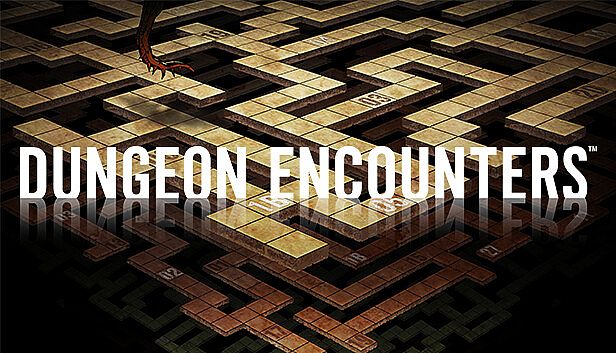



















Dungeon Encounters is a dungeon exploration RPG developed with input from key members of the Final Fantasy team. Players navigate a vast underground labyrinth that emerges near a quiet town, using strategy and resource management to descend through its levels while uncovering secrets and surviving encounters.
Gameplay
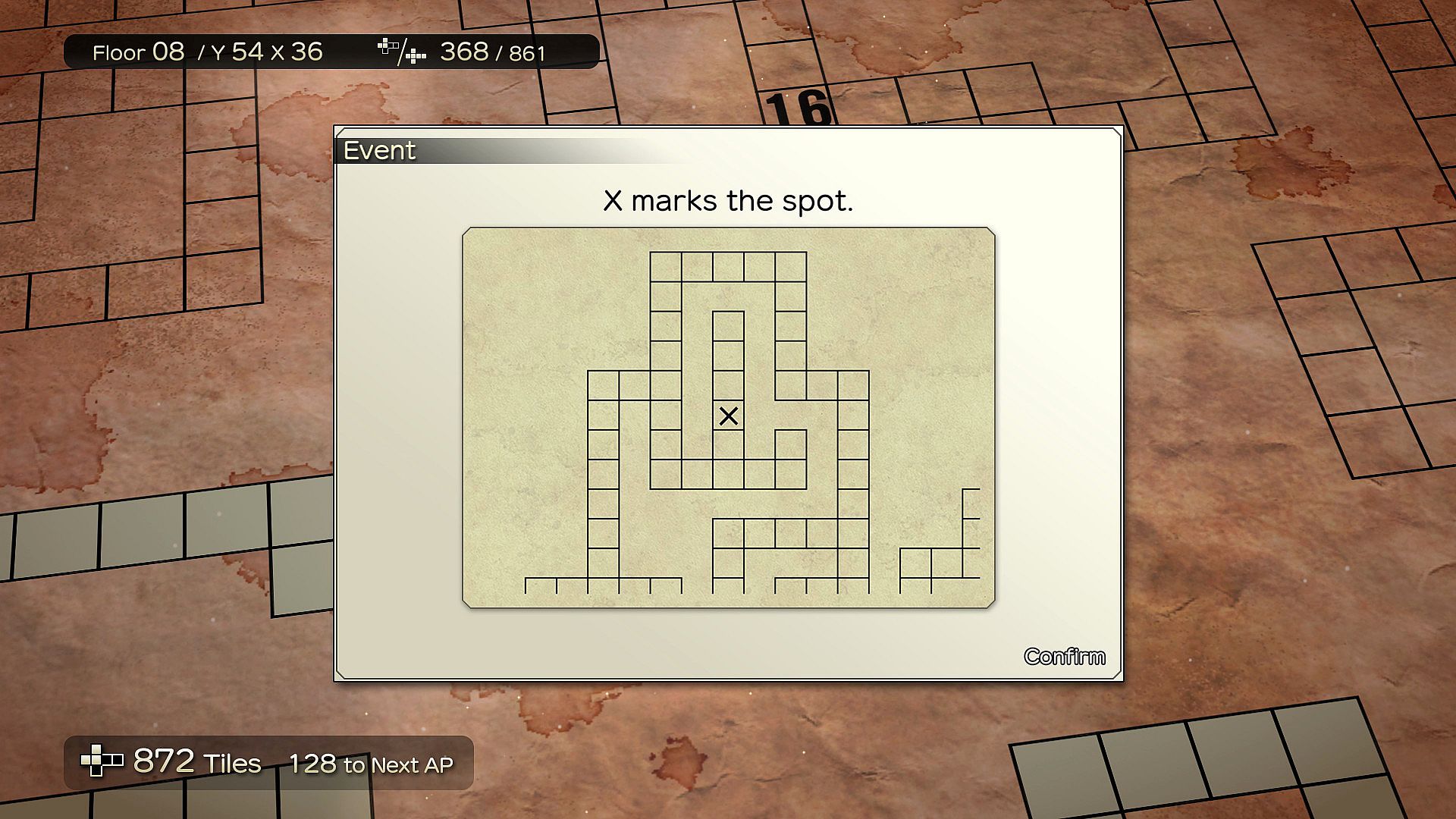
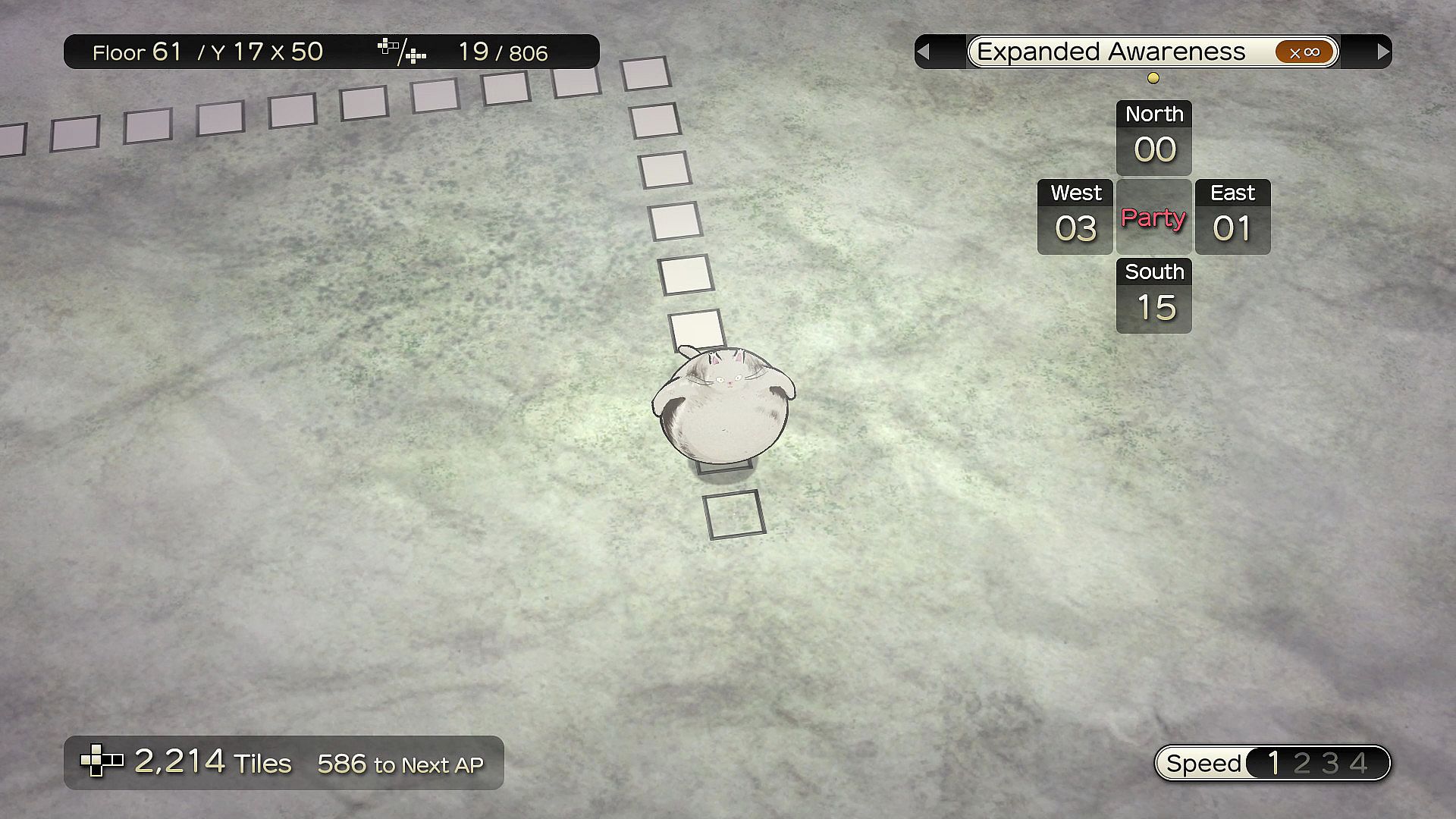
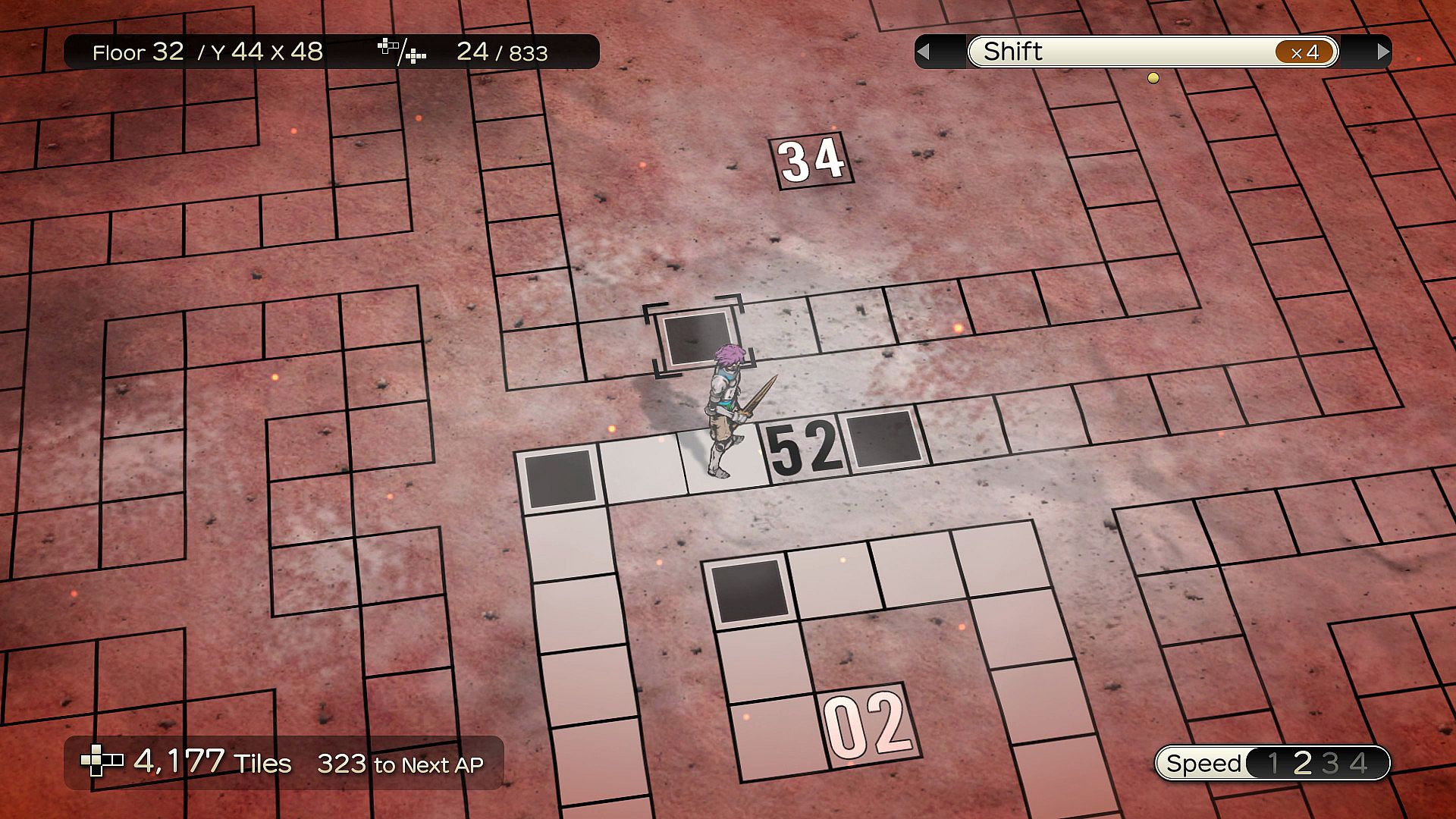
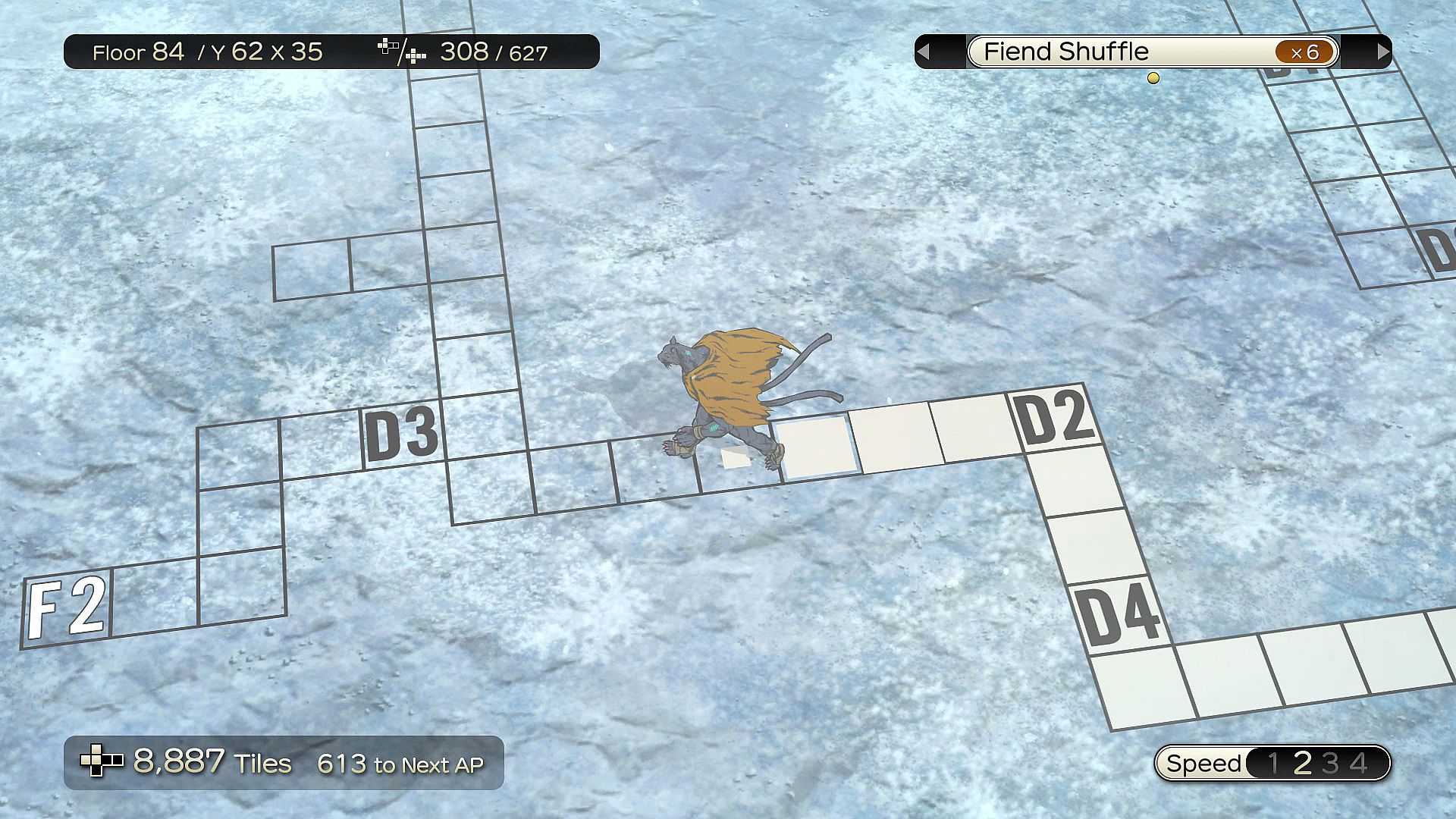
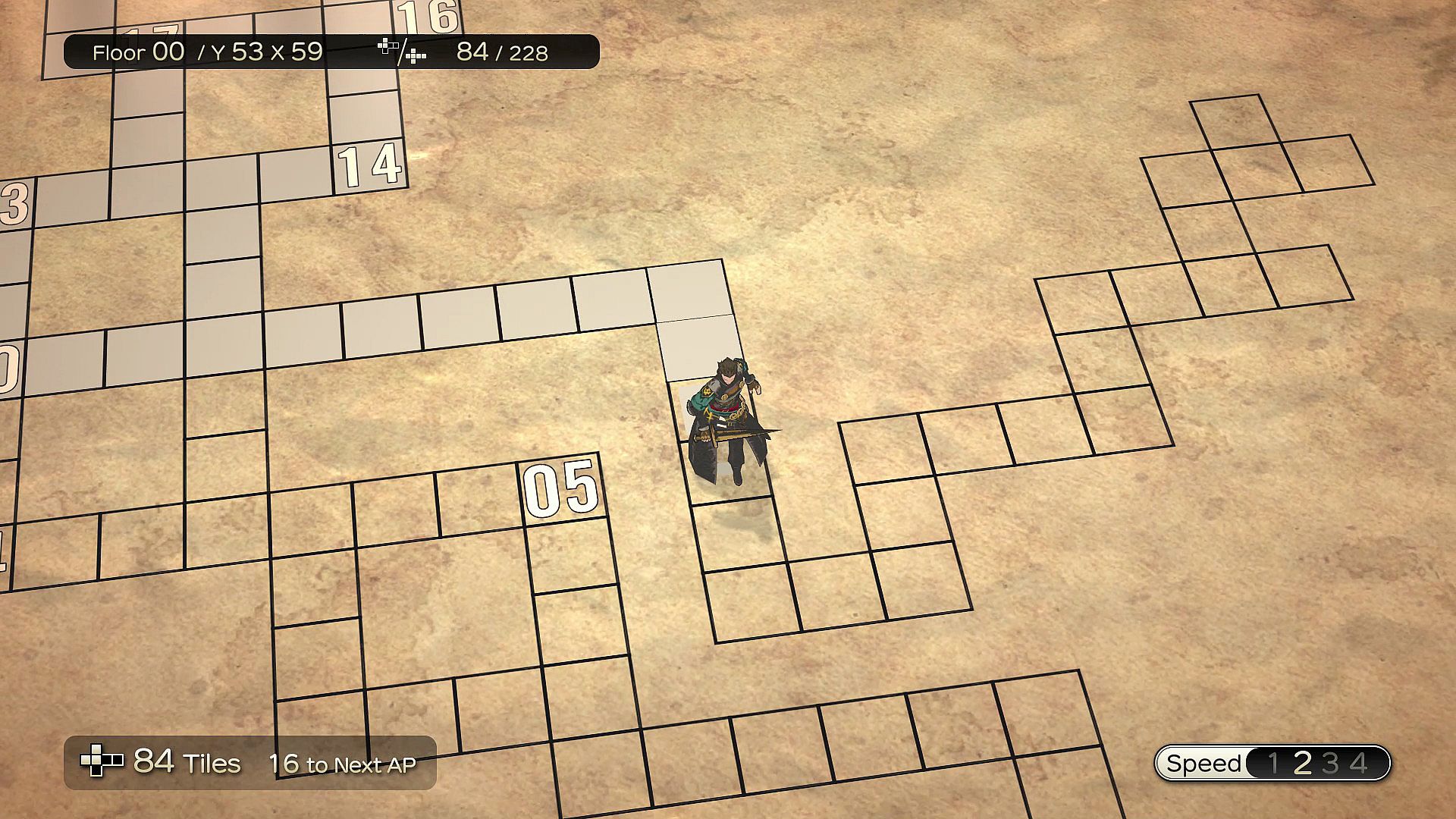
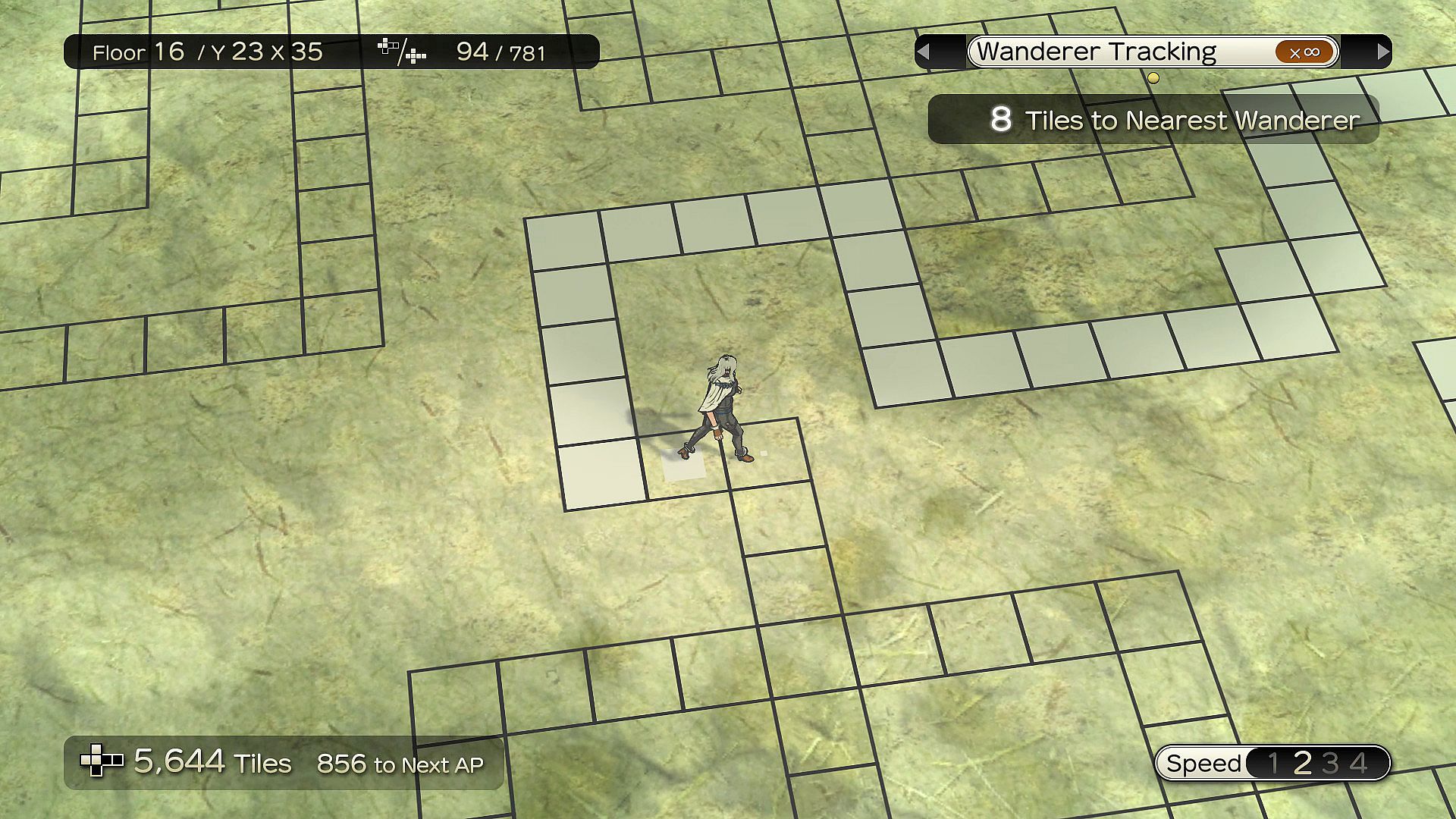
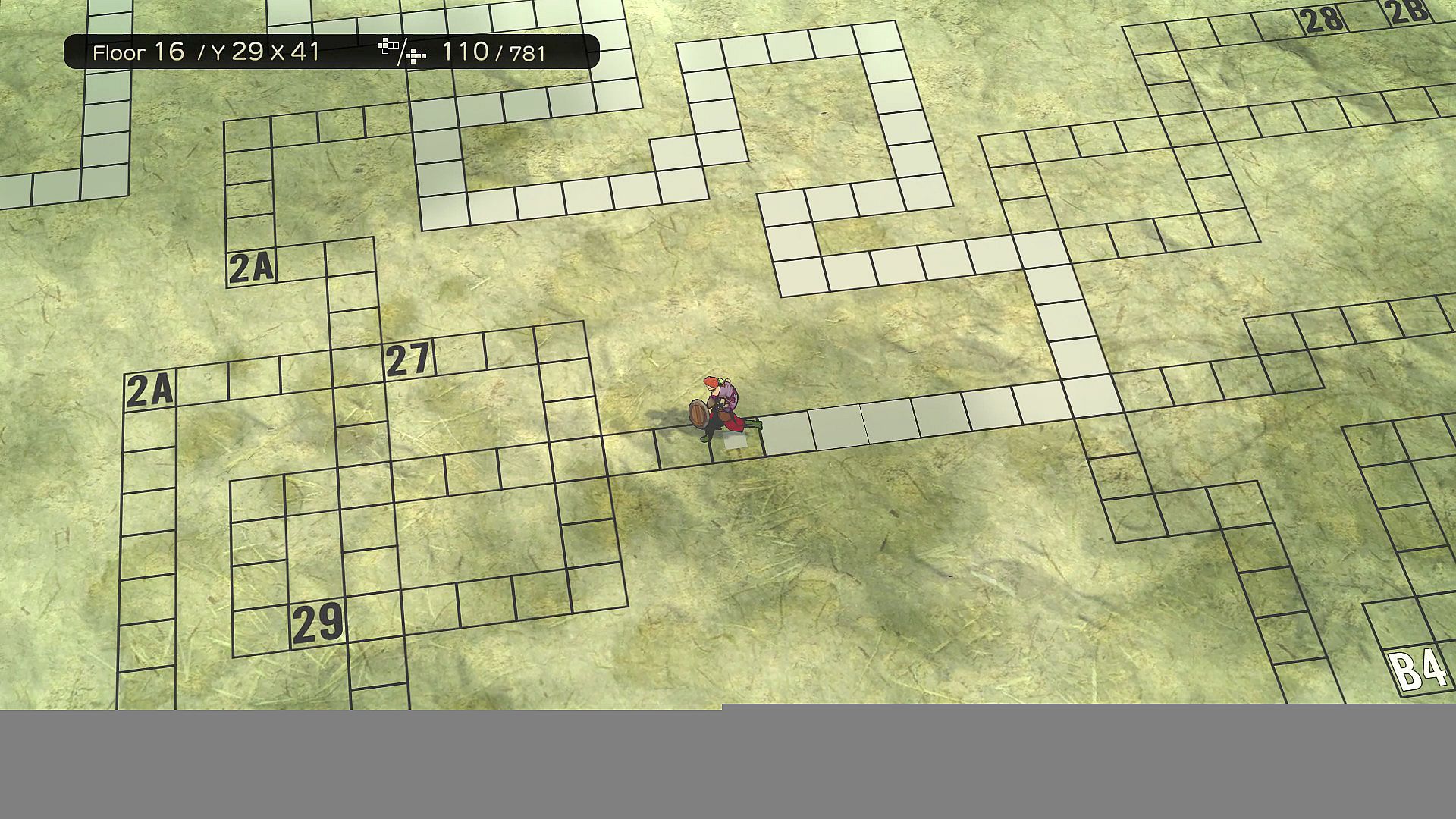
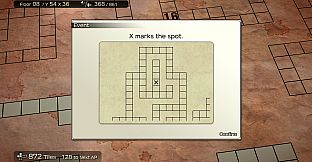
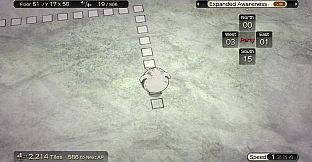
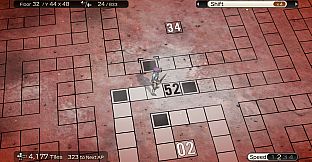
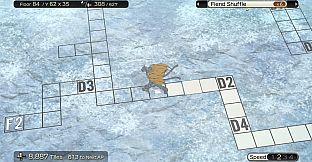
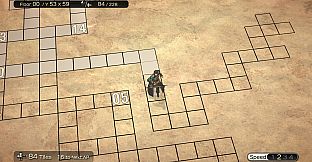
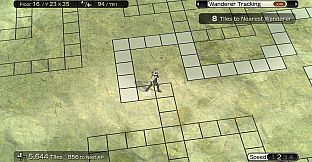
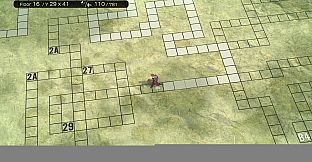
The core loop centers on exploring a blank grid map across 99 floors. Moving across tiles reveals the layout and grants ability points for progression. White-numbered spaces trigger events such as item acquisition, ability changes, health restoration, or merchant visits. Black-numbered spaces indicate hidden battles that can be revealed through a dedicated ability, giving players control over when to engage foes.
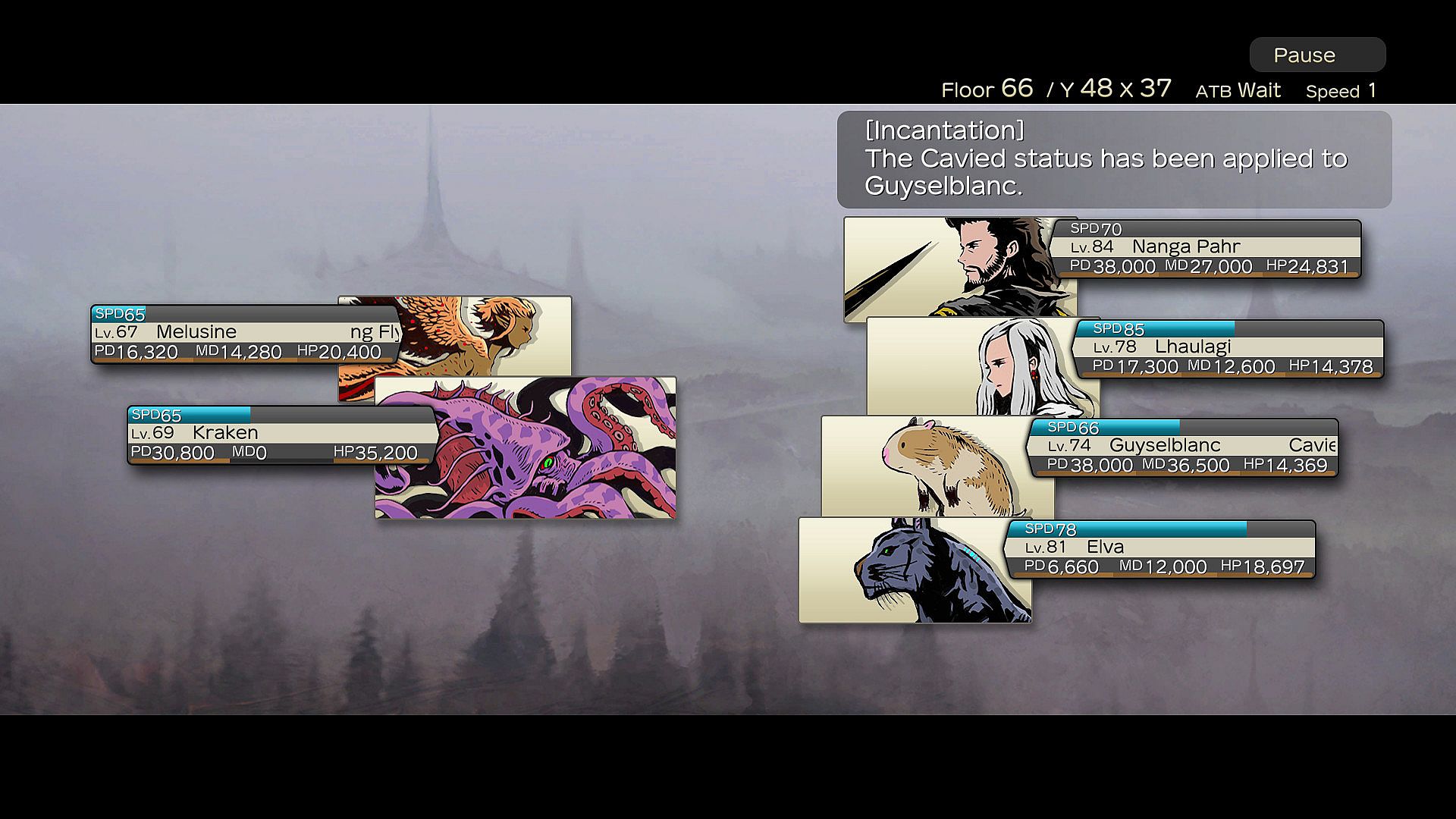
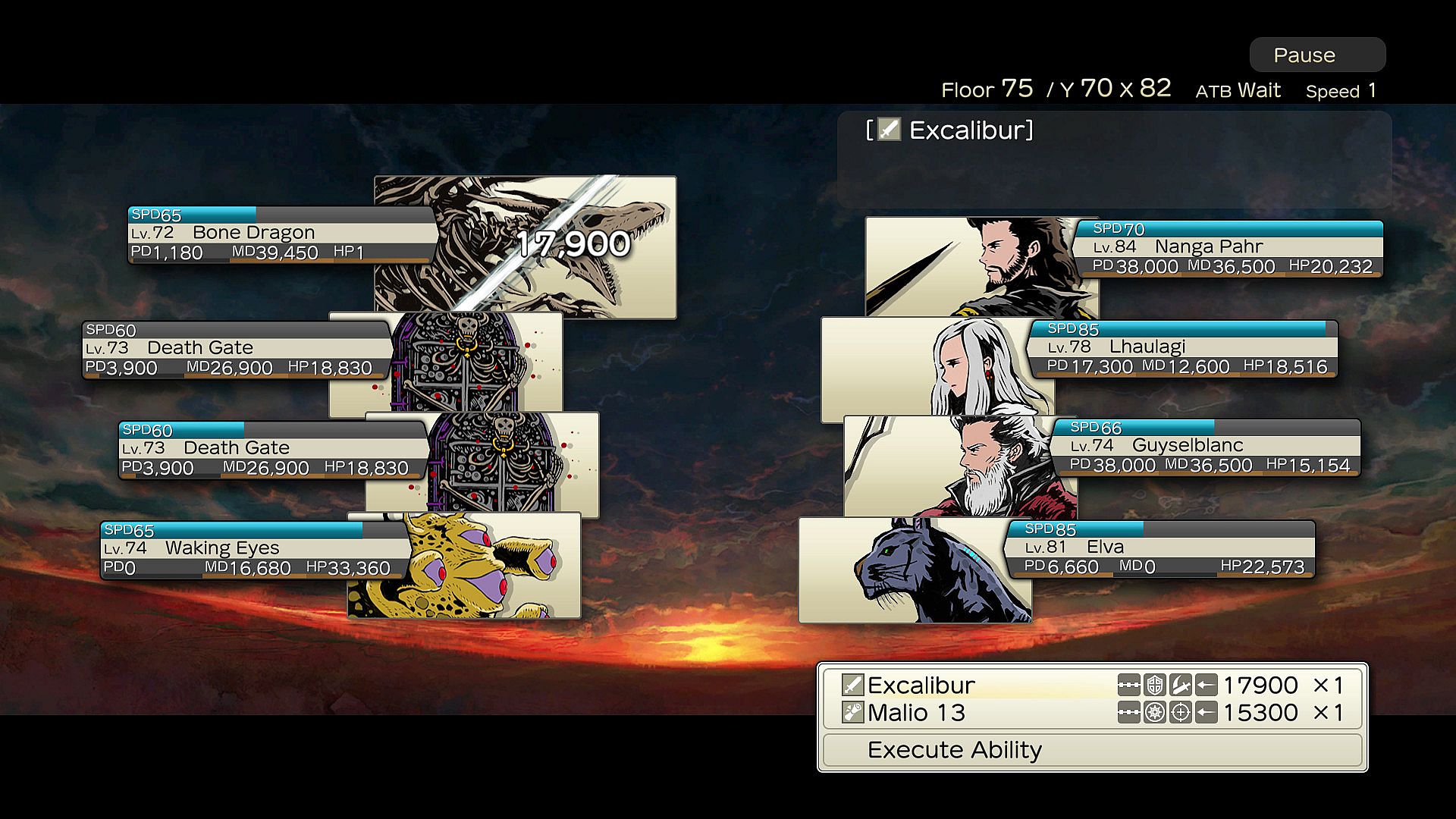
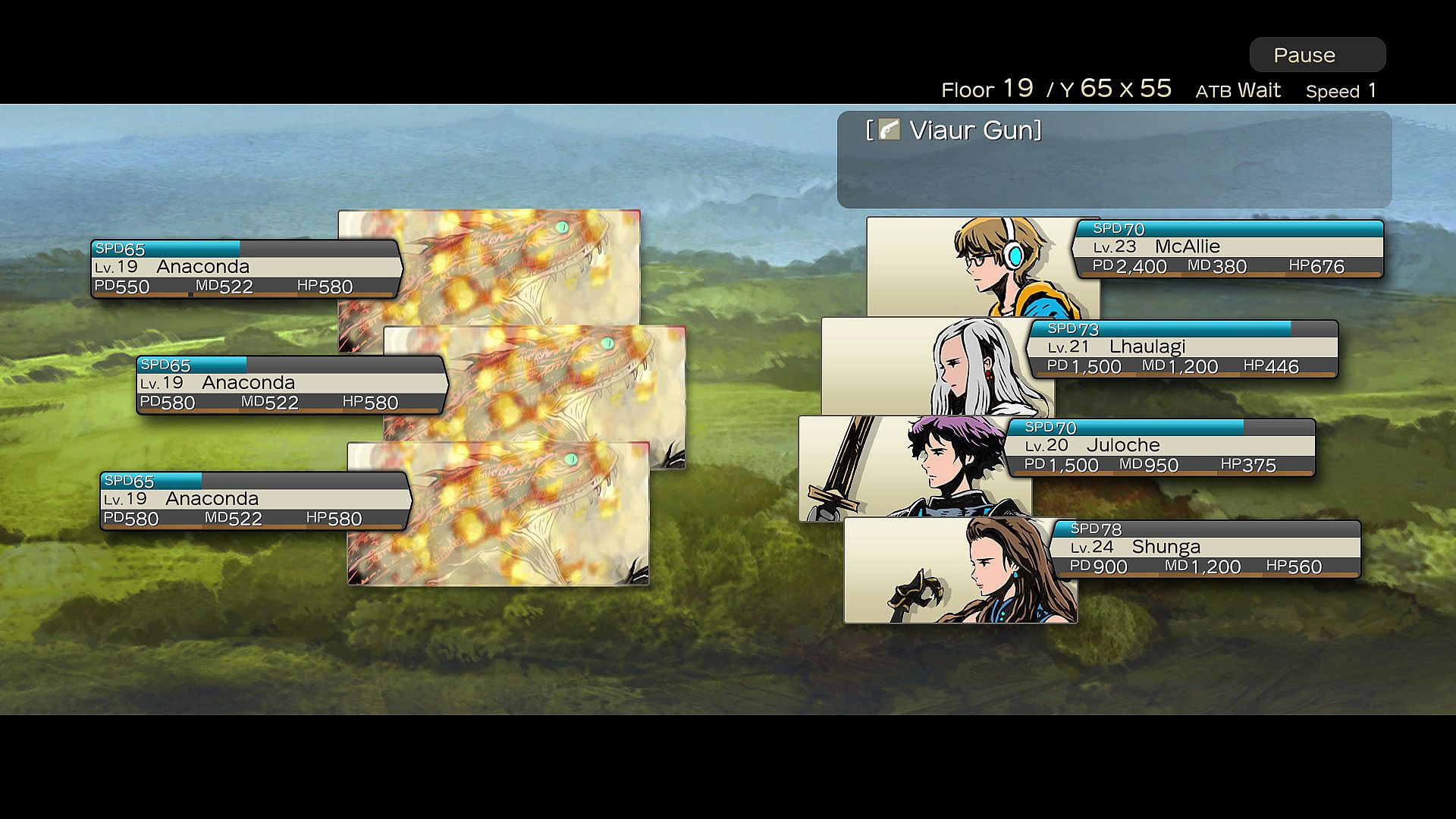
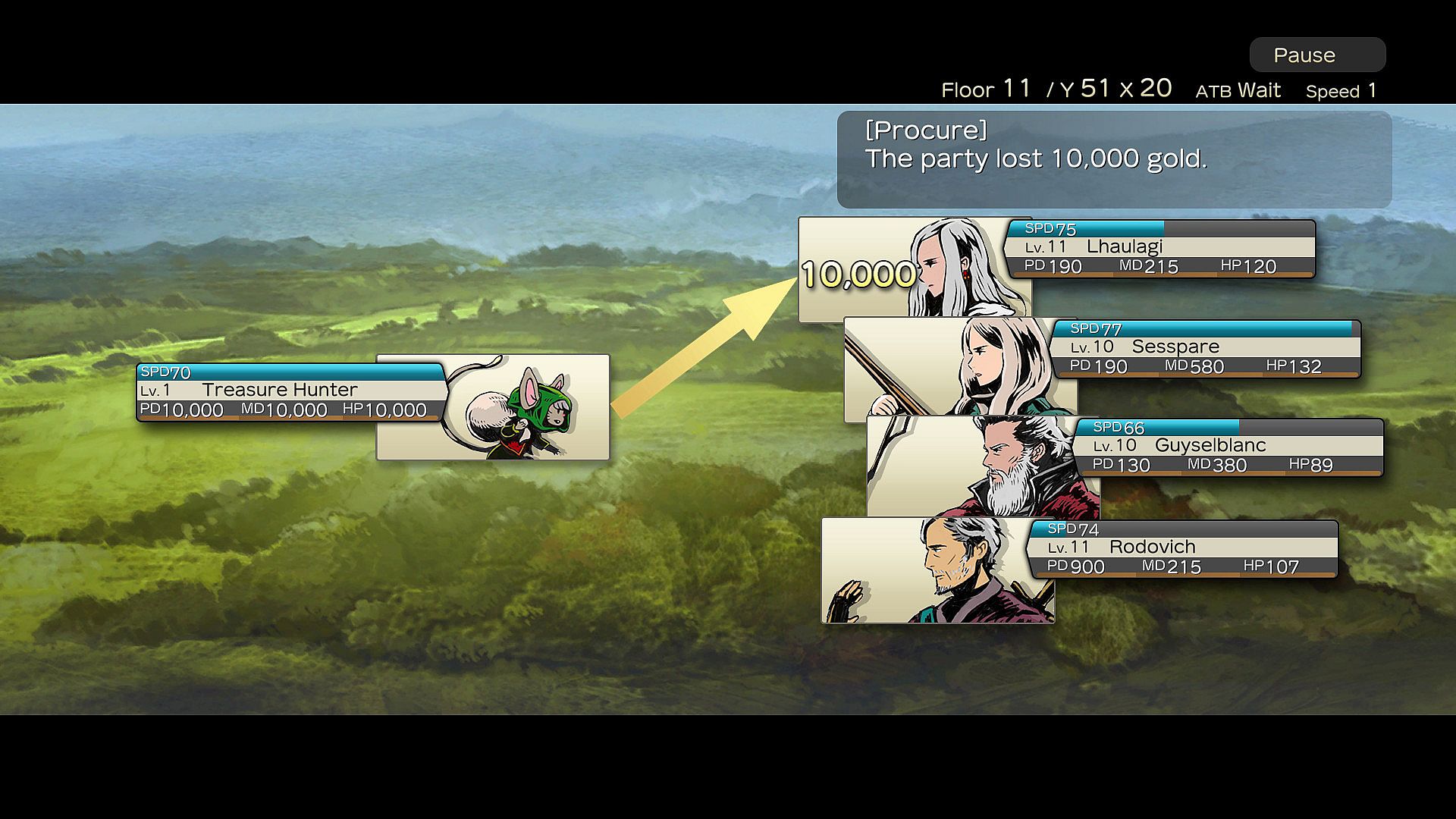
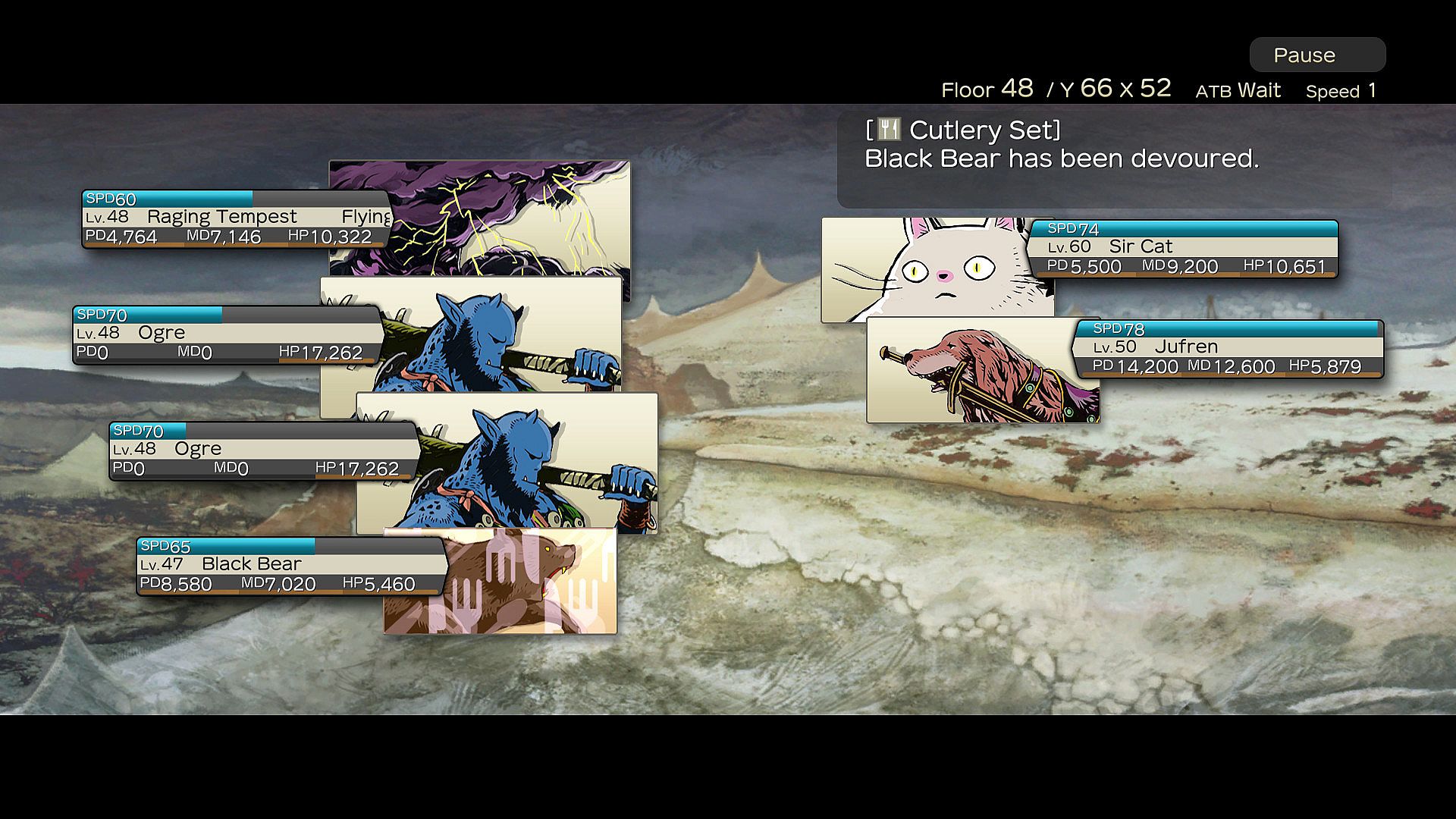
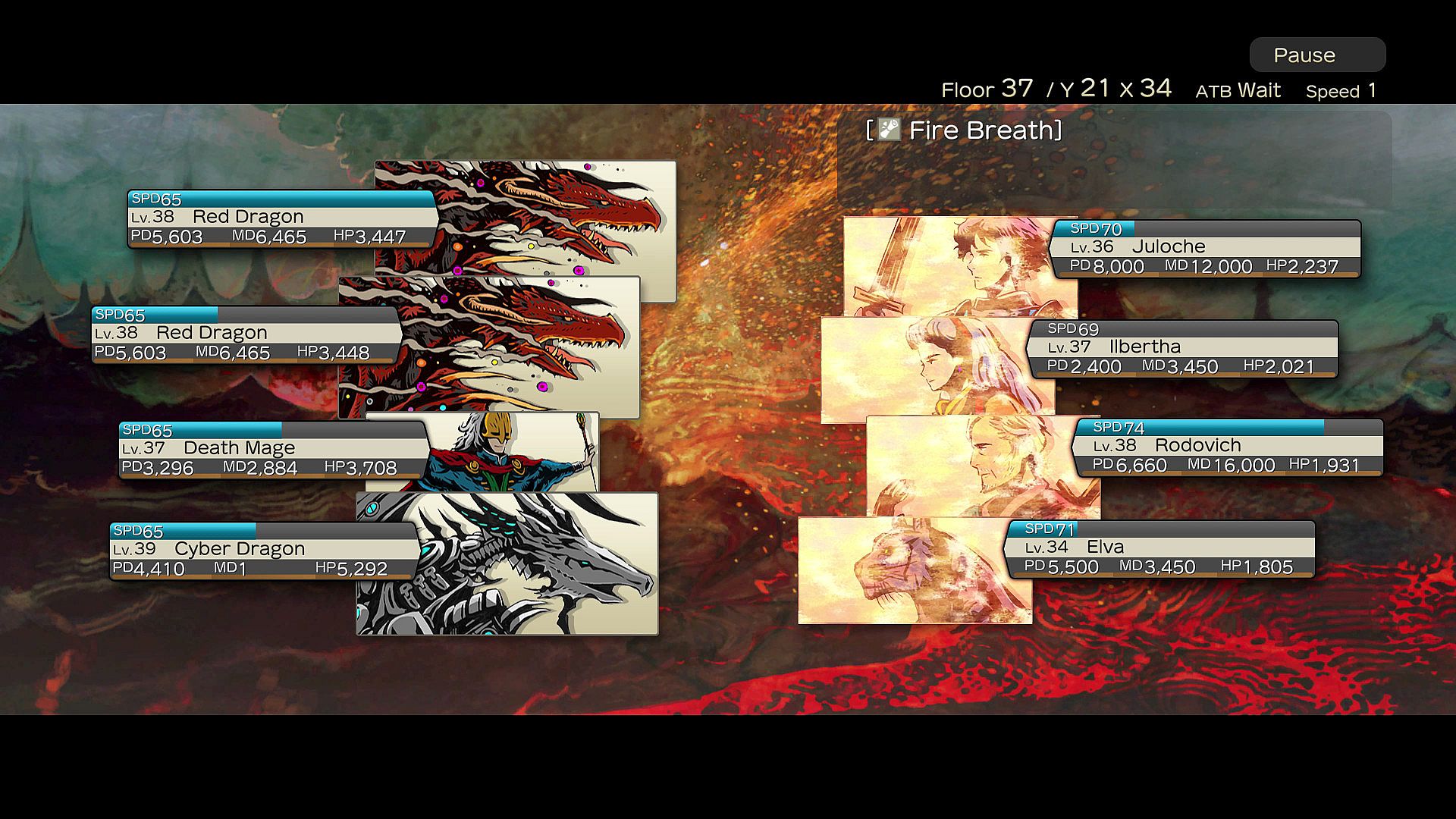
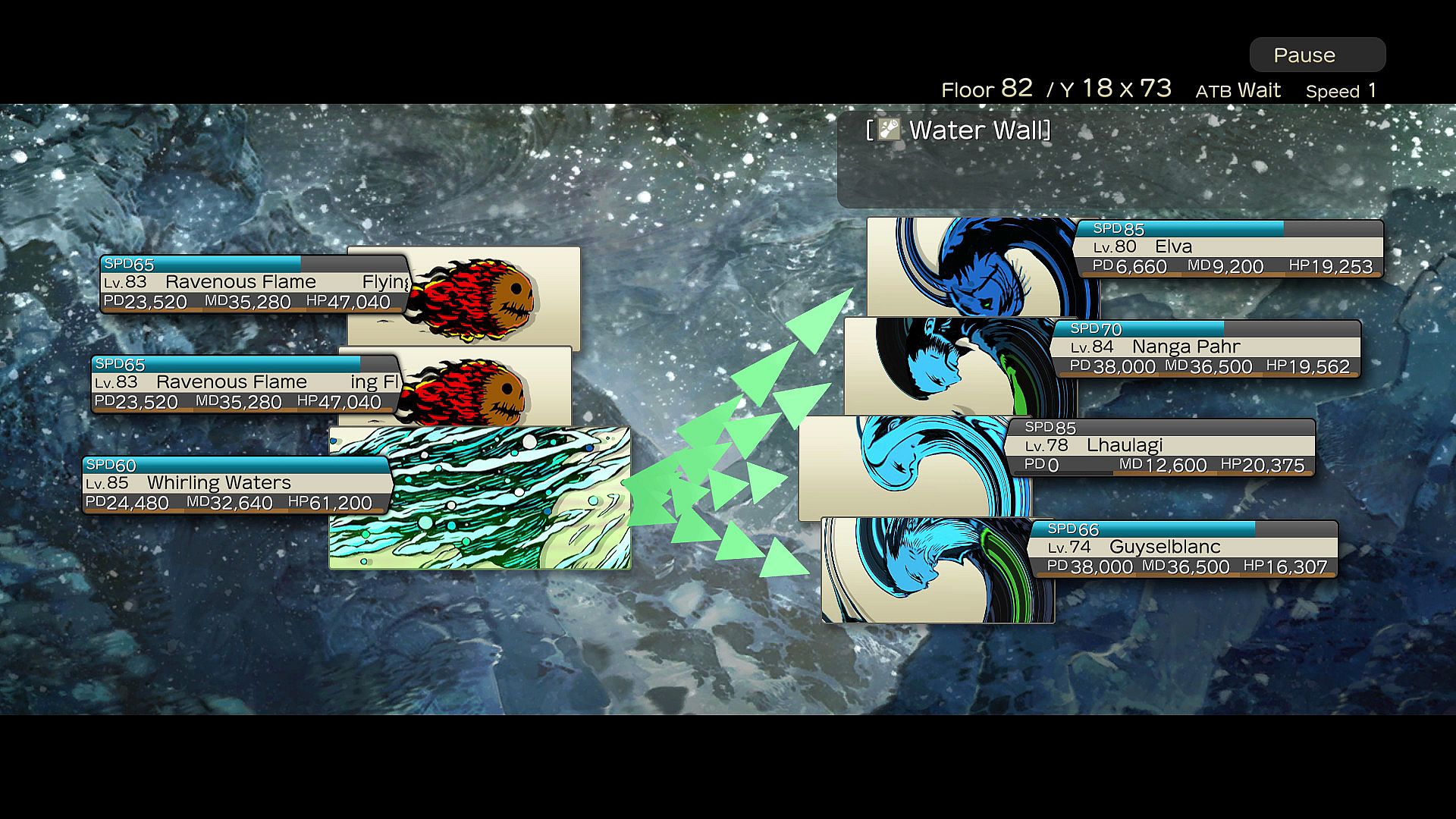
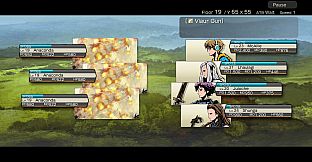
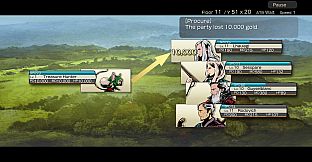
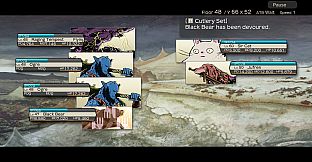
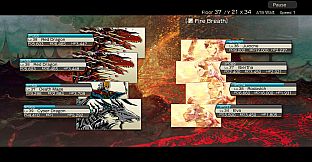
Combat employs a refined Active Time Battle system directed by Hiroyuki Ito. Battles unfold with emphasis on real-time decision making, where equipment determines physical and magic attack options. Each enemy and character has distinct physical and magic defense values. Successful attacks reduce these defenses until health points become vulnerable, requiring players to analyze formations and defenses before committing actions. Party management involves selecting and equipping four characters, swapping abilities, and adapting tactics through trial and error.
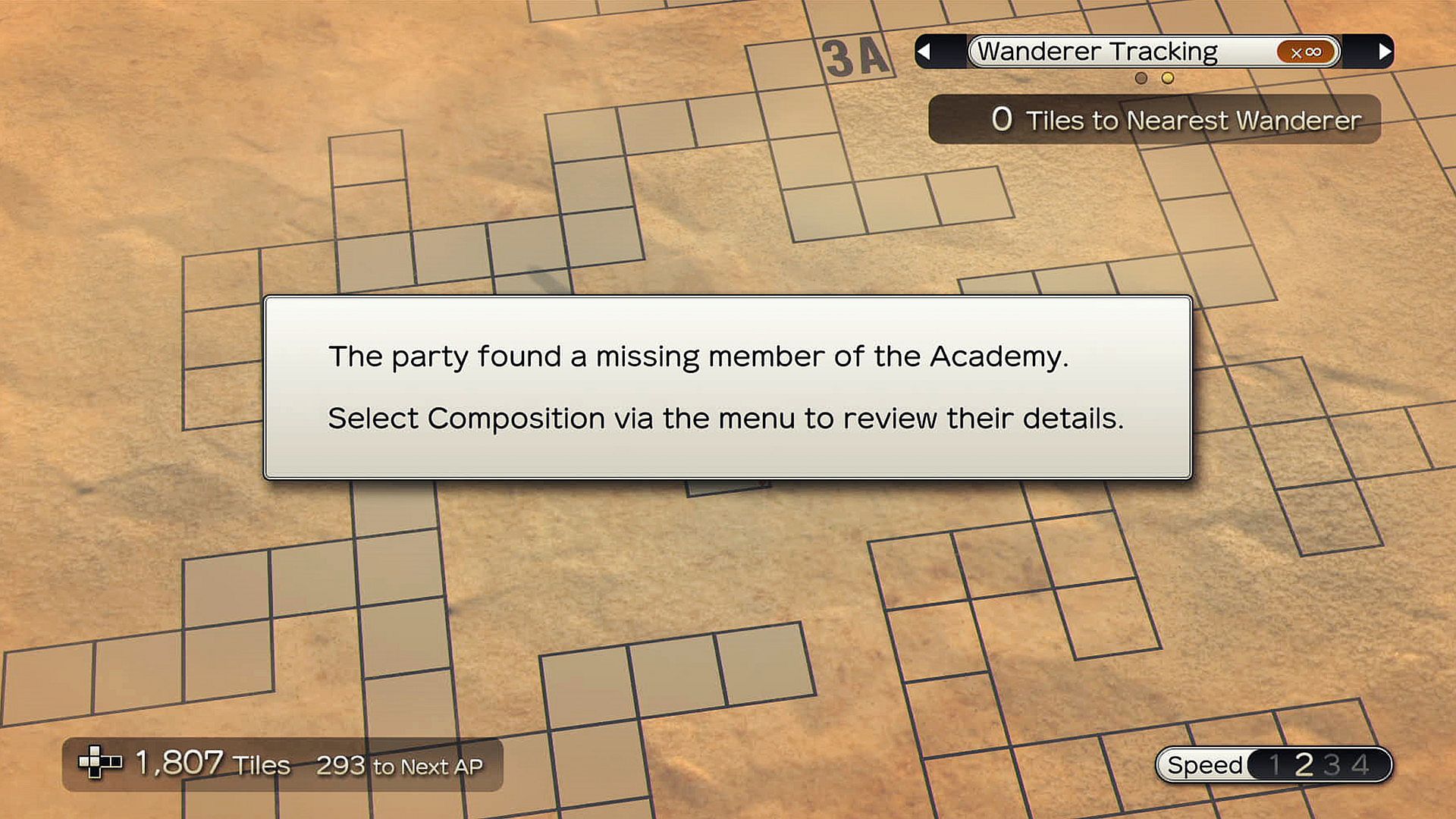
Exploration rewards careful mapping, as previously encountered events are logged for future reference. Secret passages and traps add layers of navigation challenge, while recruiting lost adventurers expands party options. The minimalist presentation strips away visual clutter to highlight these mechanics, allowing focus on positioning, ability selection, and defensive calculations.
Game Modes
Dungeon Encounters offers a single-player experience built around progressive dungeon descent. There are no separate competitive or cooperative modes. The entire game revolves around charting the labyrinth floor by floor, balancing exploration risks with combat preparation. Players return to the surface between expeditions to reorganize their party and apply new abilities gained from events.
This structure encourages repeated attempts at deeper levels, with each run building knowledge of event locations and enemy patterns. The Event Log serves as a persistent tool across sessions, turning past discoveries into strategic advantages for subsequent delves. No additional modes alter this fundamental loop of mapping, event resolution, and tactical battles.
Key Mechanics and Progression
Ability points earned from full tile exploration fund upgrades that enhance survival odds. These points support party-wide effects such as healing or resurrection options. Equipment choices directly influence combat effectiveness, as attacks target specific defense types rather than relying on broad stats. Hidden merchants and rare items found during events provide further customization paths.
The system rewards methodical play. Revealing battles in advance lets players choose optimal engagement points, while the real-time elements of the ATB system demand quick assessment of enemy weaknesses. Over multiple expeditions, accumulated knowledge from the Event Log reduces reliance on guesswork and improves efficiency in reaching lower floors.
Is It Worth Playing?
Dungeon Encounters suits players who enjoy deliberate, mechanics-focused RPGs with high strategic depth and minimal distractions. Its challenging combat and grid-based exploration appeal to those comfortable with trial-and-error progression and party optimization. The refined ATB battles and event-driven map create a satisfying loop for dedicated dungeon crawlers.
Reception highlights its precision and addictive quality for fans of classic systems, though the stark presentation and unforgiving difficulty may limit broader appeal. The game remains available as a complete title with no seasonal content or ongoing updates required. Those seeking a focused single-player challenge centered on exploration and tactical combat will find its systems rewarding through repeated attempts at the full 99-floor structure.