







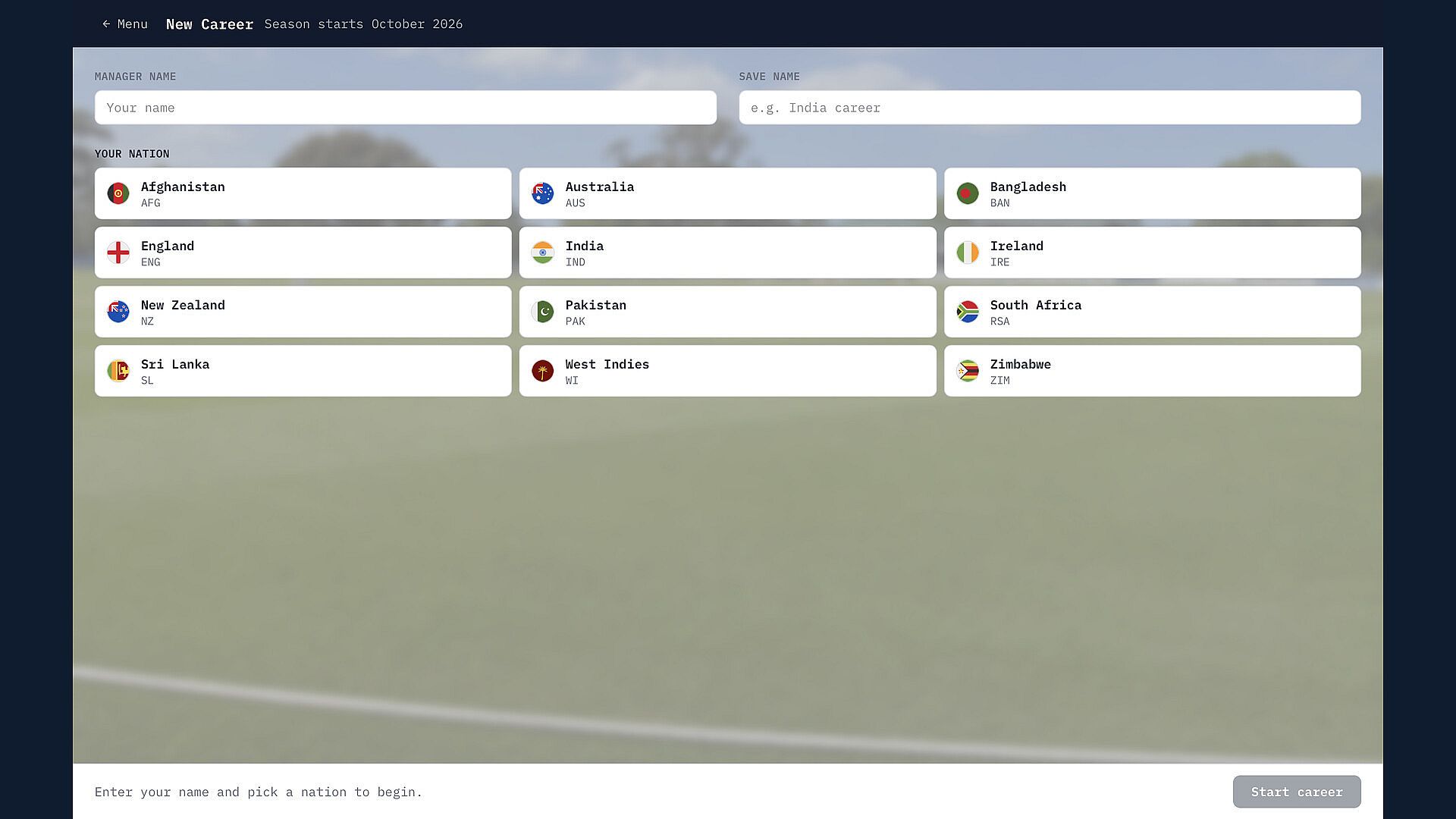
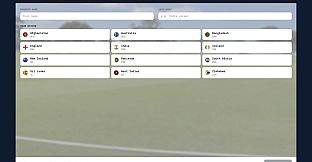
Cricket Team Manager is a strategy and simulation game focused on running a national cricket side across multiple formats. Players select one of the twelve Test-playing nations and handle squad building, contracts, captaincy appointments, and long-term development while competing in tours and tournaments season after season.
Gameplay
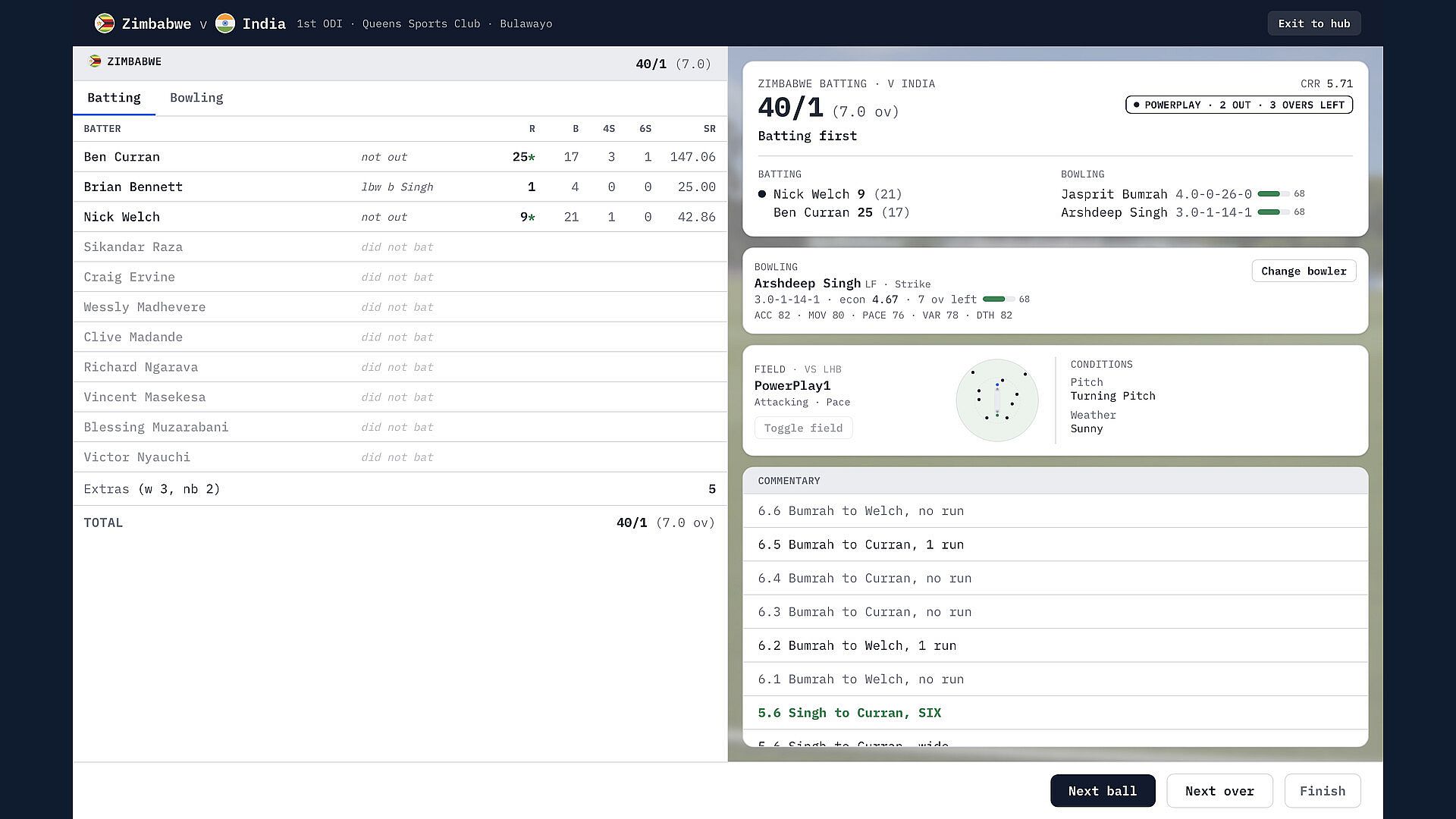
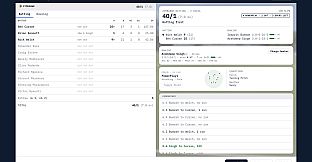
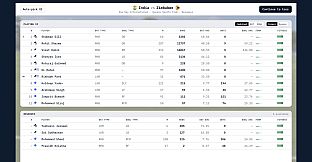
The core loop centers on detailed team management and match resolution. Every delivery in a match factors in the two batsmen or bowlers involved, the pitch conditions, weather, and the age of the ball. Managers decide tactics such as attacking or defensive approaches for batters, bowler changes, field placements, declarations, follow-ons, and new ball usage. Matches unfold live through a scorecard, commentary, and field diagram without any graphical match engine.
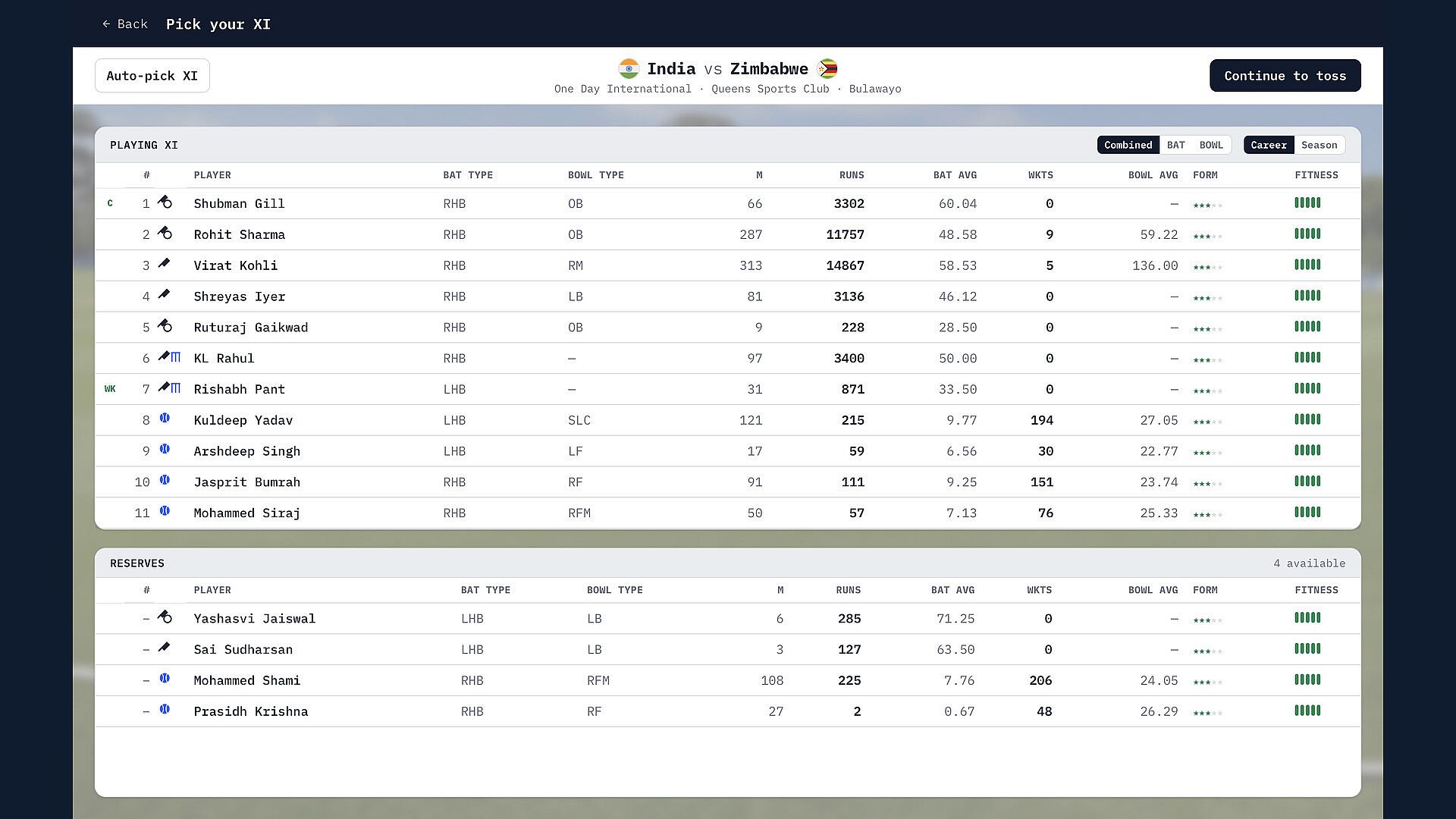
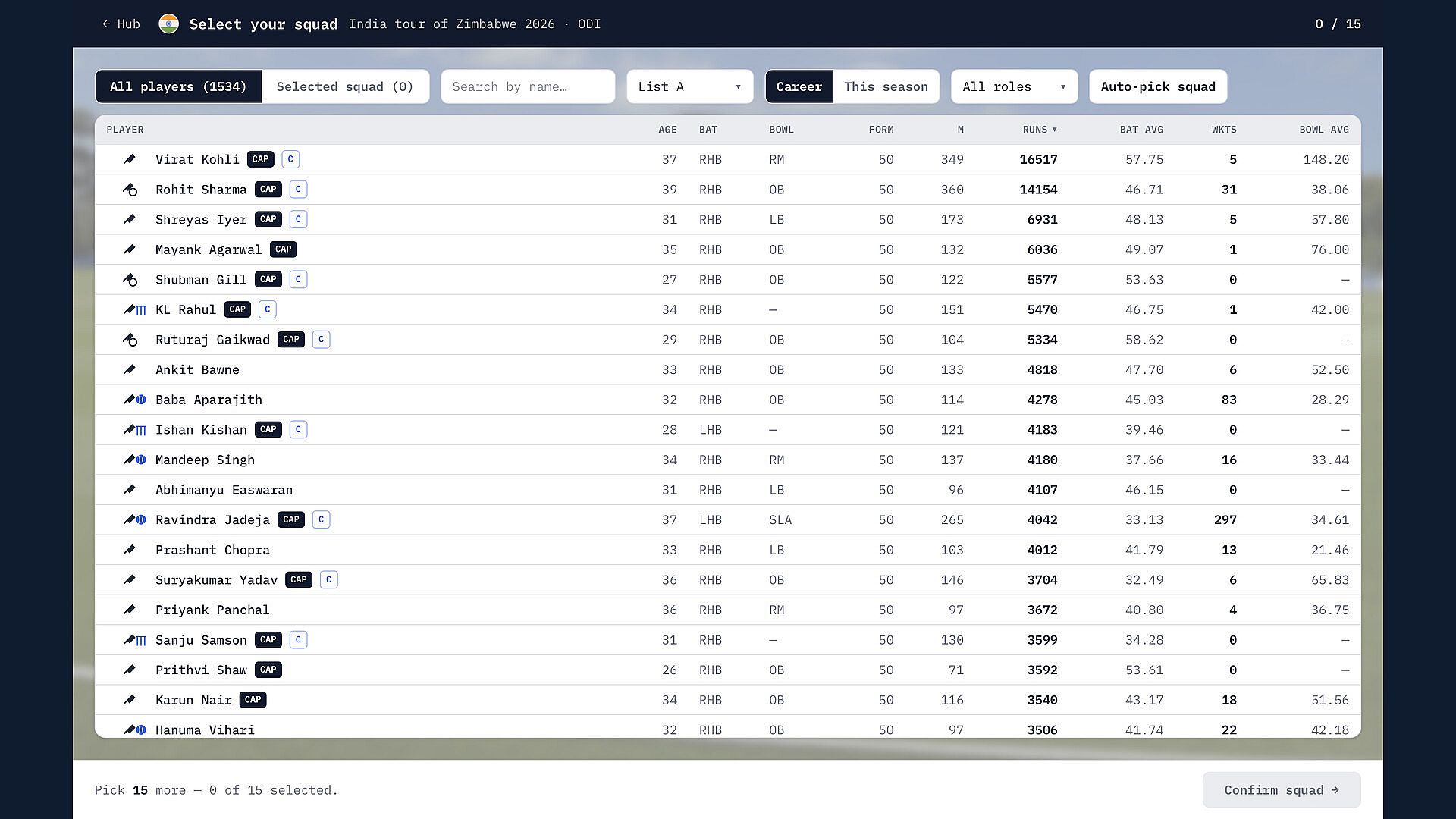
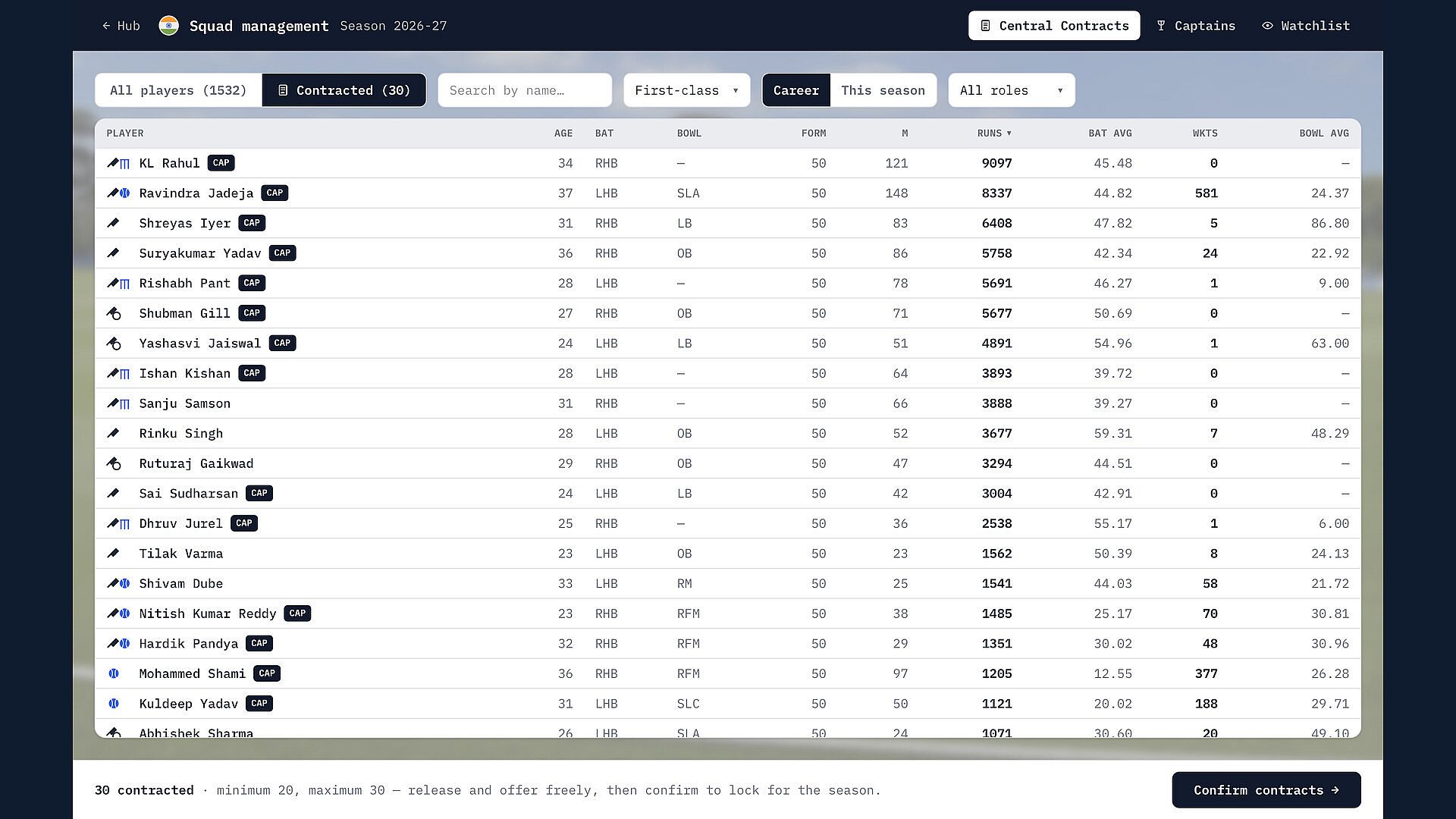
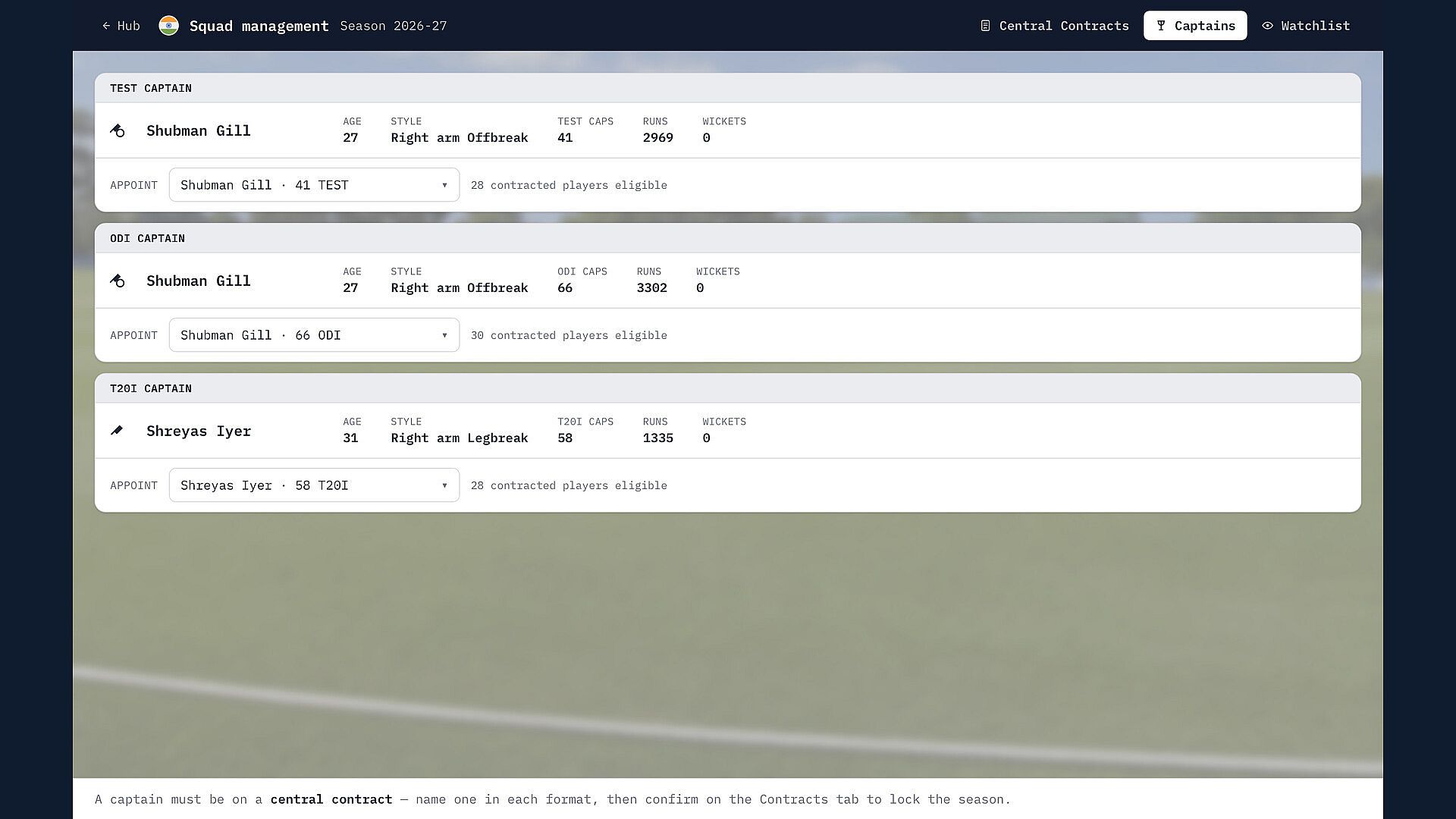
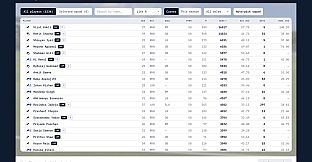
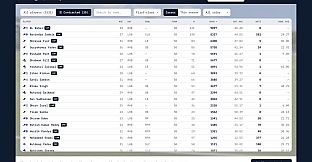
Selection and preparation form another major layer. Squads are named for series and carried forward, with choices based on career averages, strike rates, wickets taken, current fitness, and recent form. Central contracts are awarded at the start of each season to a locked group of 20 to 30 players. Captains are appointed separately for each format, with records tracked across played, won, and lost matches. A limited training budget is then allocated across the squad to improve specific skills, such as adding pace to a quick bowler or helping a middle-order batter handle spin.
Player development occurs naturally through domestic seasons that run in the background. Thousands of players maintain separate records for Test, one-day, and T20 internationals alongside their first-class, List A, and domestic T20 careers. Ratings shift with age in realistic ways, with fast bowlers losing pace across the board while batsmen may retain judgment longer than mobility. New generations arrive from each nation to replace retirees, and identifying which prospects deserve early caps becomes a central decision.
Game Modes
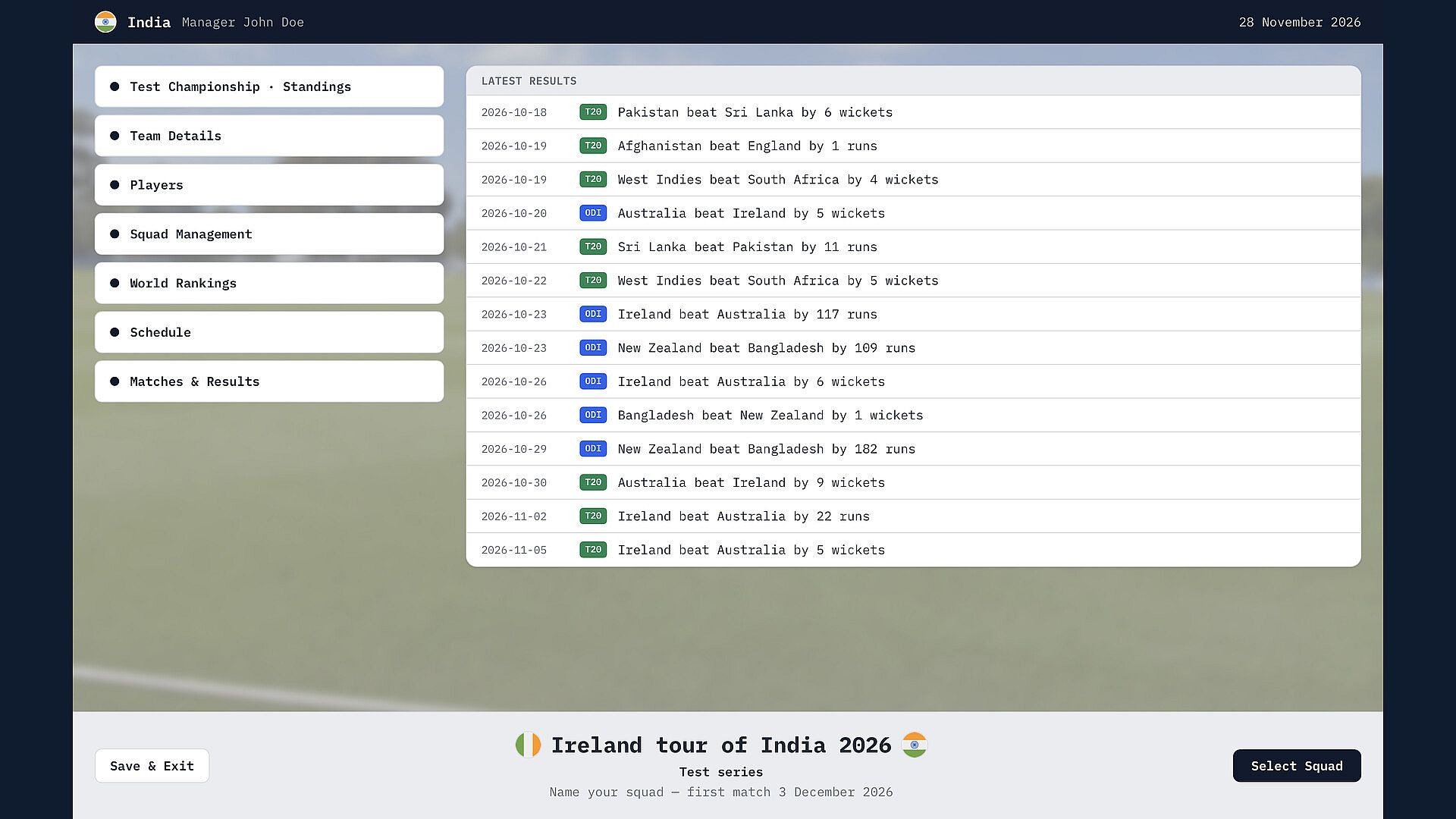
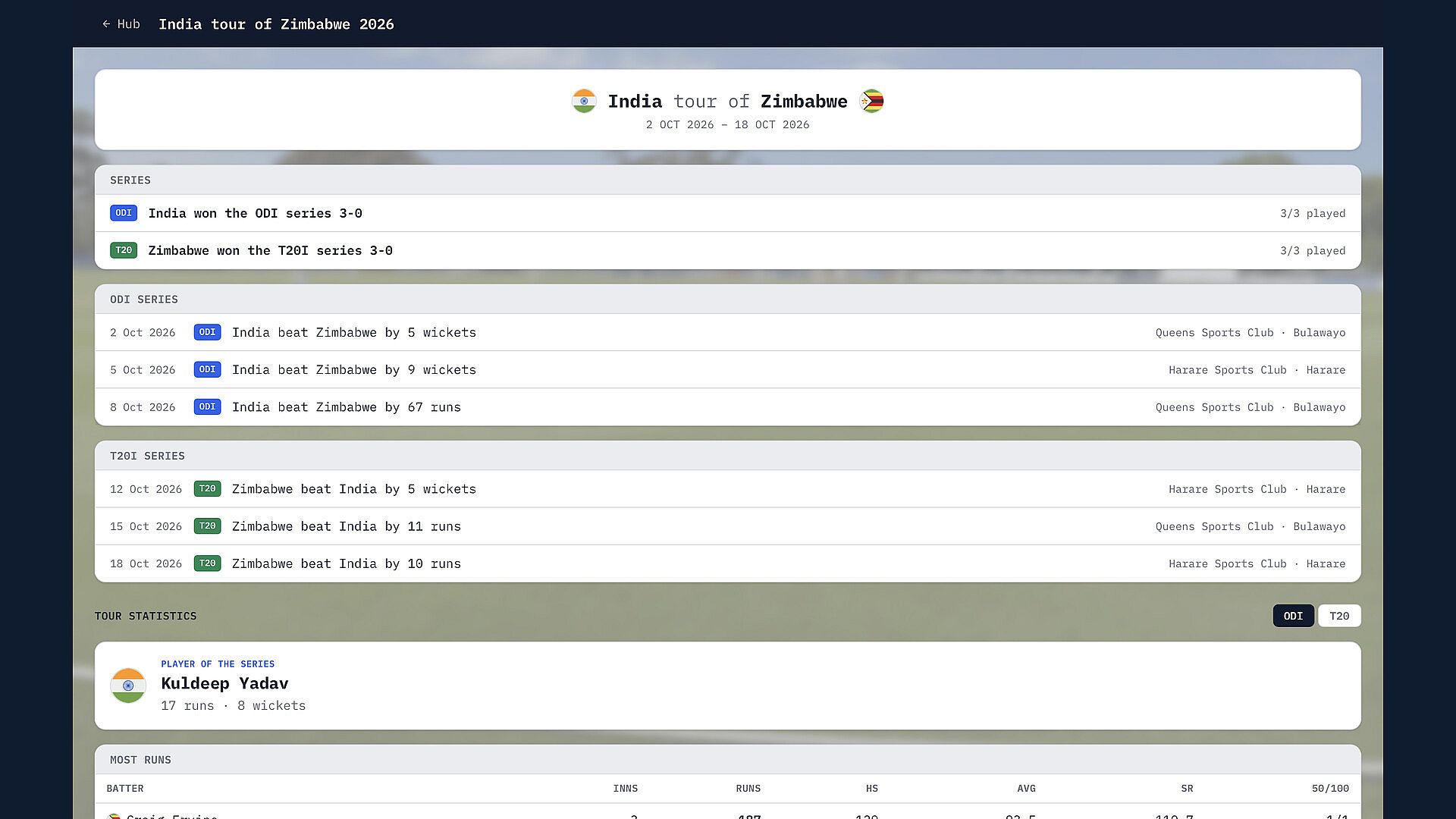
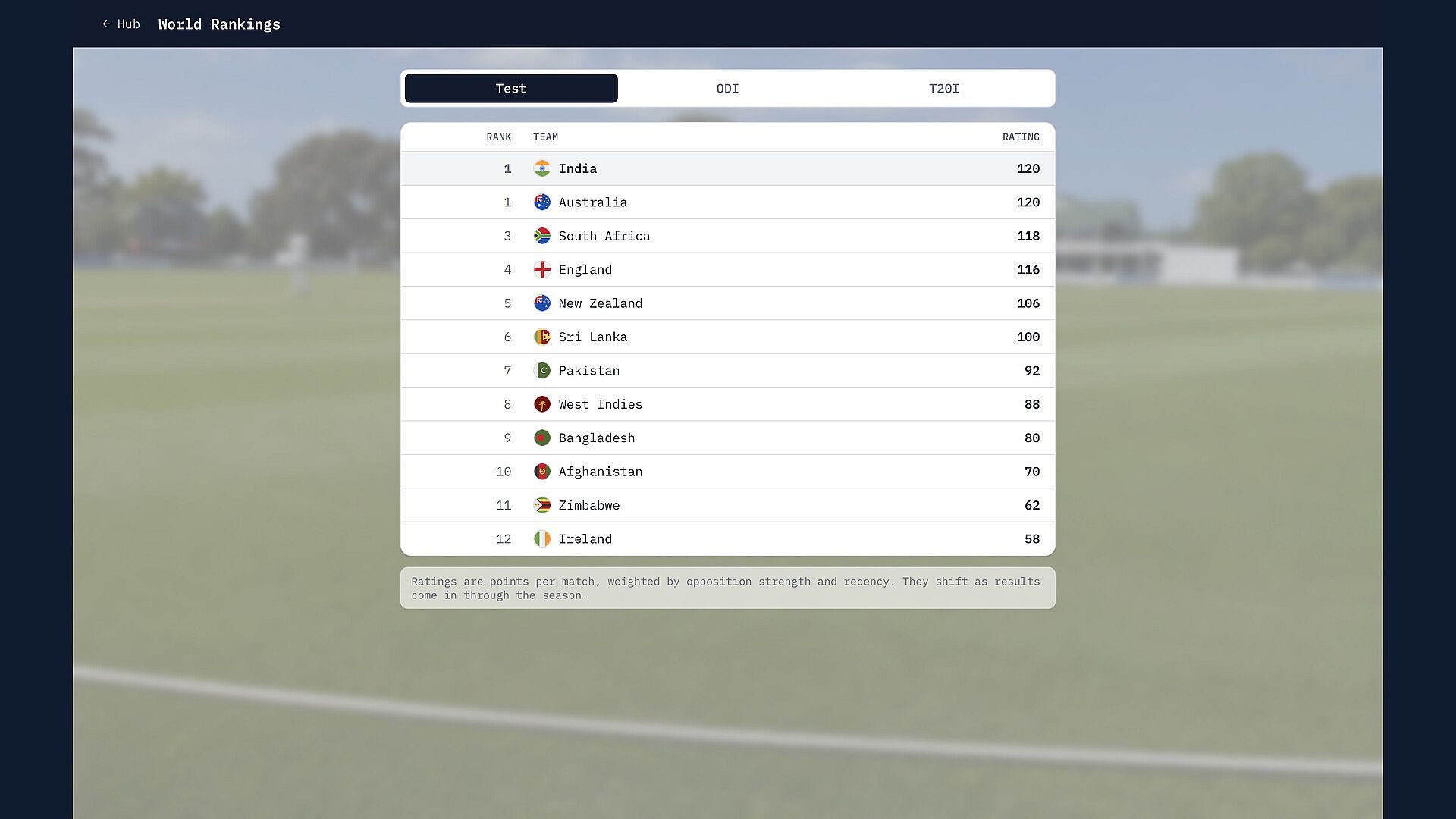
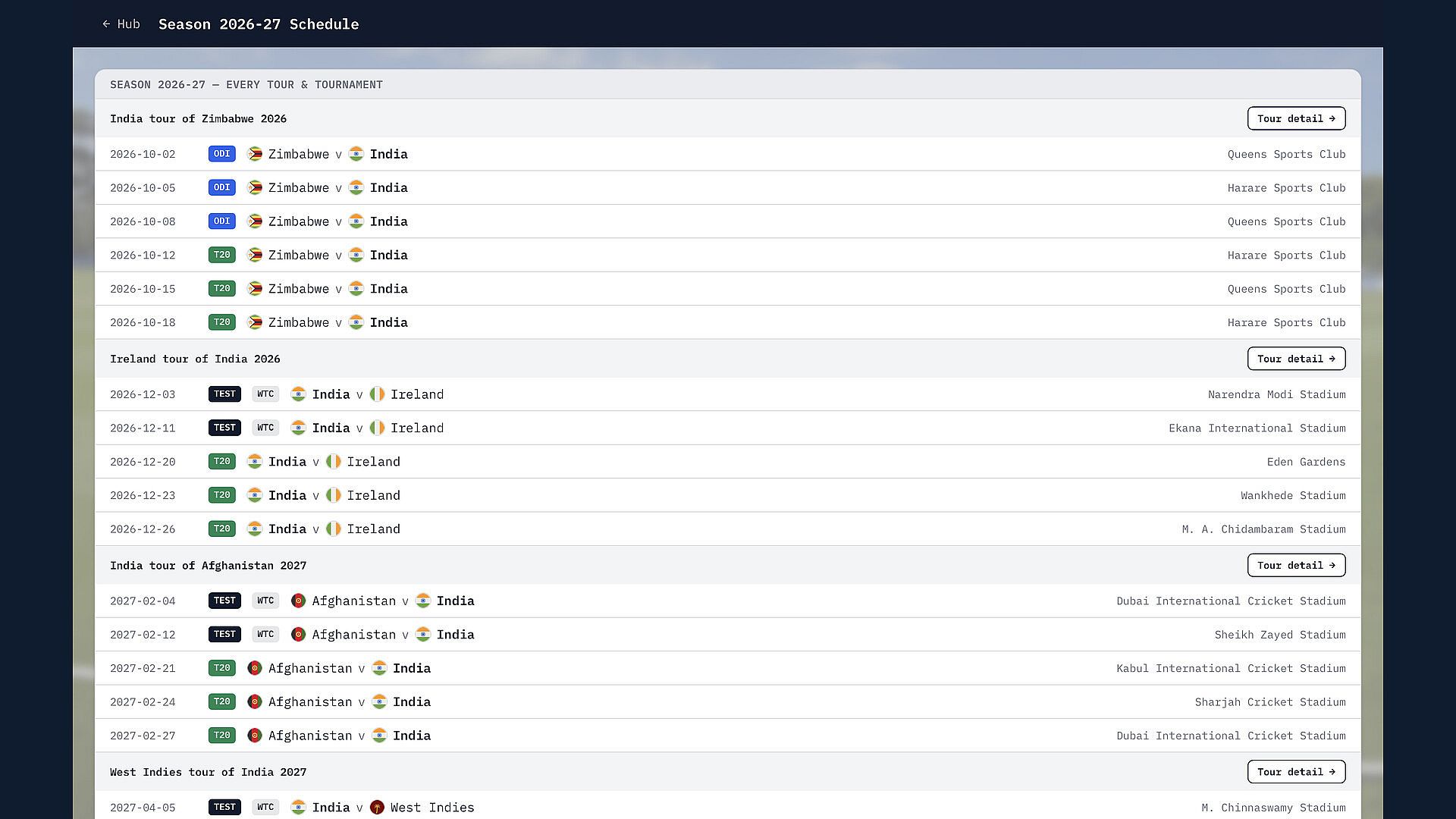
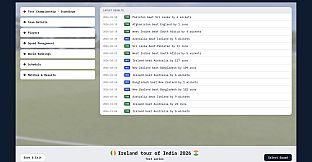
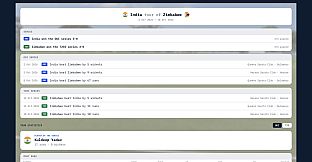
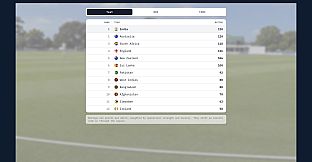
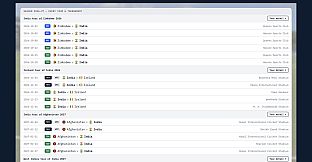
Competition follows real-world cricket calendars. Bilateral tours include Test, one-day, and T20 legs played both home and away. A fifty-over World Cup and a twenty-team World T20 run on their own cycles. Additional events such as a regional cup and occasional tri-series appear in certain years. A Test championship tracks every match on the schedule, meaning even a February dead rubber can influence qualification for the final.
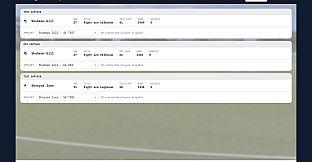
Matches can be simulated in full or handed over to the engine for quicker resolution via scorecard only. The underlying simulation remains identical either way. A full Test spans five days, so sessions can be paused and resumed later at the exact same delivery point, such as after tea on the third afternoon.
Long-Term Career Structure
Careers extend indefinitely across multiple seasons and generations of players. Domestic performances build cases for uncapped players, who can be added to a watchlist for timely selection. The game tracks captaincy history in the style of official record books, carrying forward from previous holders. Everything stays on the player's local machine with no online components or uploads required.
The experience stays strictly single-player and fully offline. Domestic cricket continues regardless of whether the manager is actively watching, providing ongoing scouting opportunities without direct control over those sides.
Is It Worth Playing?
This title suits players who enjoy deep cricket management simulations and are comfortable with text-based and scorecard-driven presentation. The emphasis on realistic player progression, contract decisions, training allocation, and multi-format scheduling delivers a focused experience for those interested in national team strategy rather than club management or visual match action. Newcomers to the genre may find the level of detail rewarding once the selection and match-tactic systems are learned. Those seeking graphical replays or multiplayer features will find the design intentionally avoids those elements in favor of simulation depth. The game remains available as a single-player PC title with no additional modes or expansions required to access the full feature set described.












