




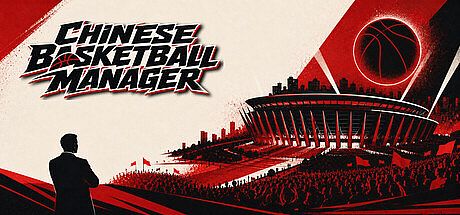



Chinese Basketball Manager is a single-player sports simulation game focused on basketball team management in a Chinese professional league setting. Players take control of a franchise, handling roster construction, training schedules, tactical decisions, and long-term progression across multiple seasons while navigating financial constraints and player dynamics.
Gameplay
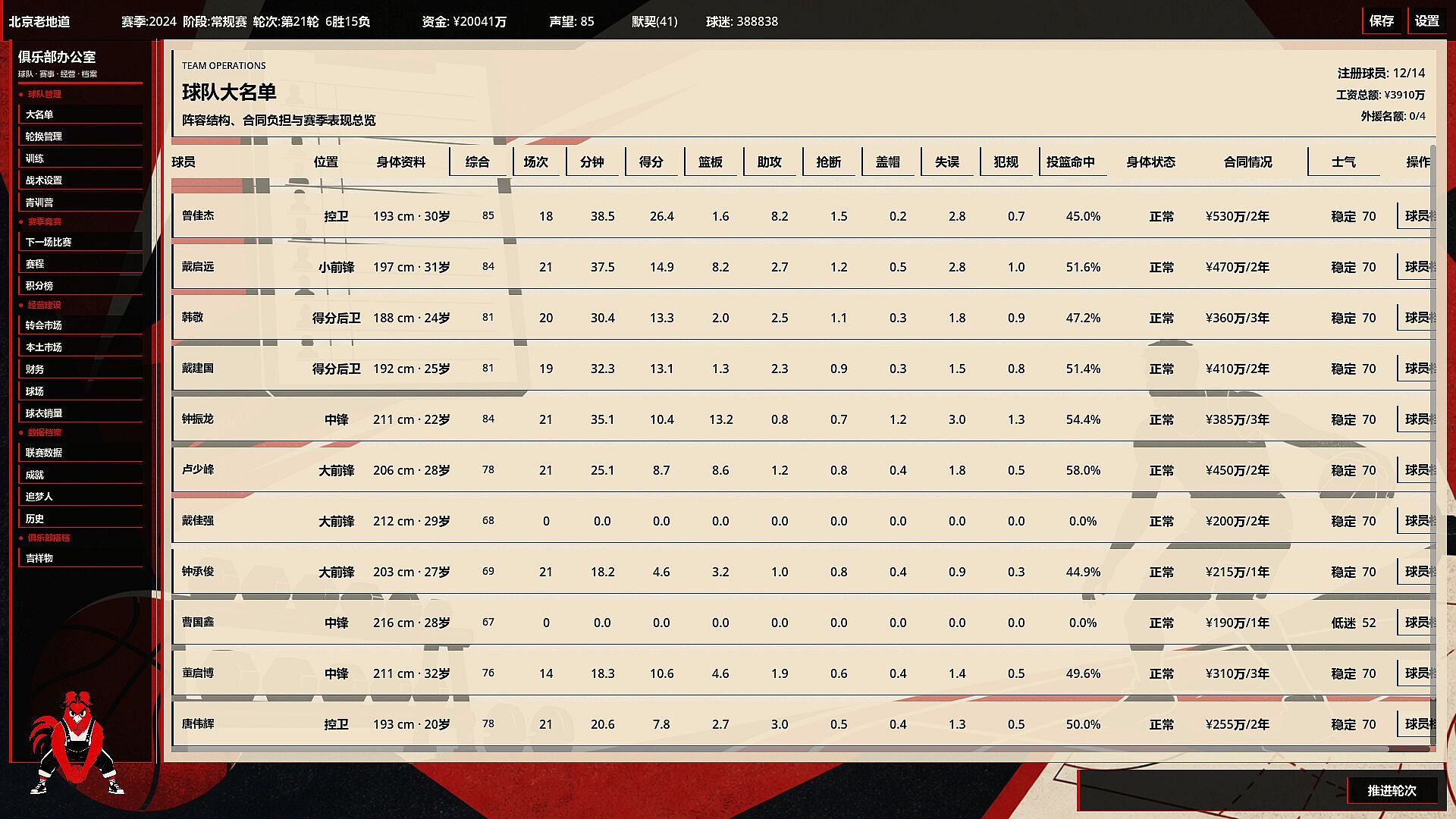
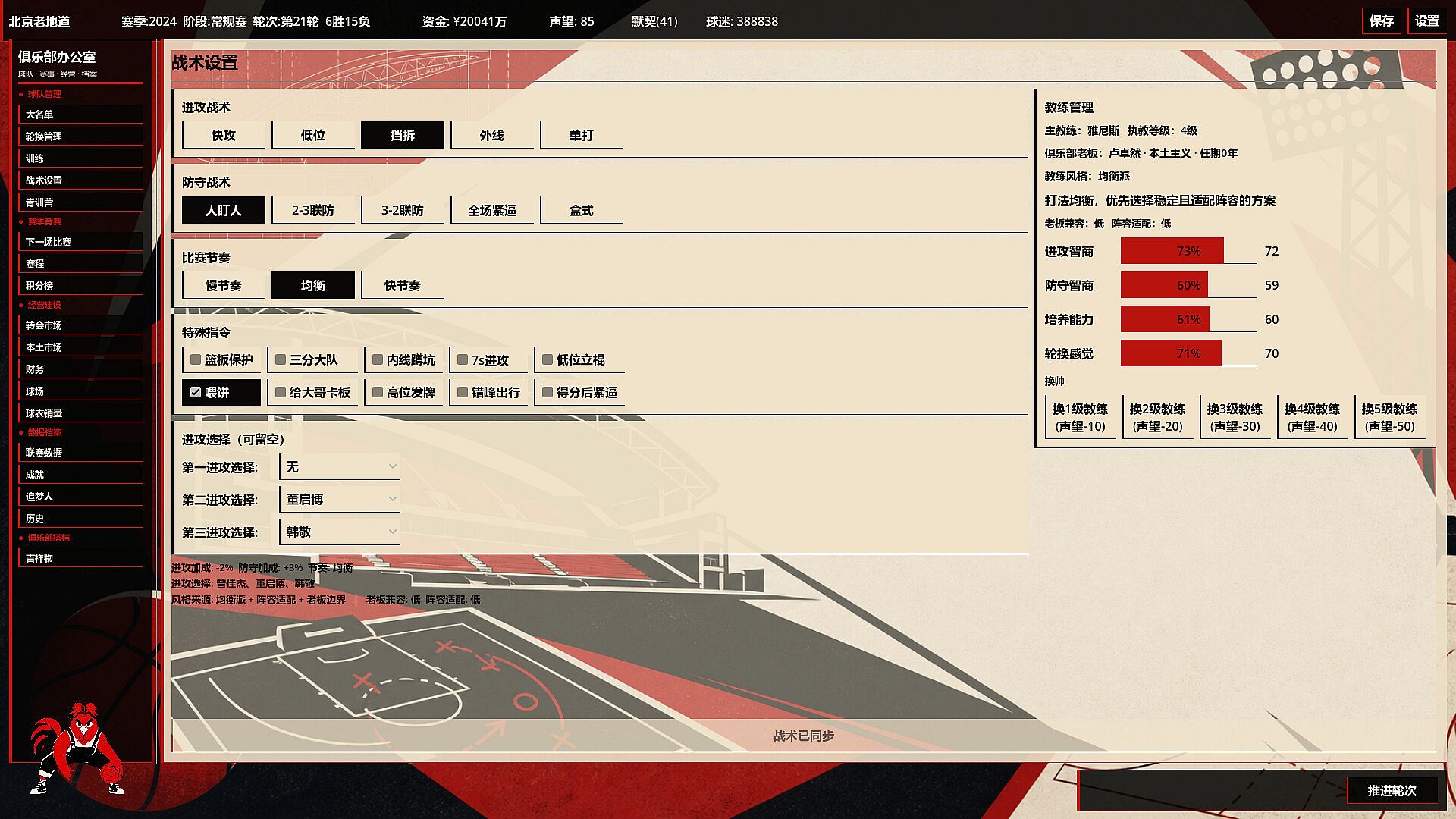
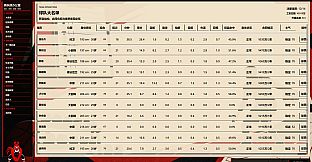
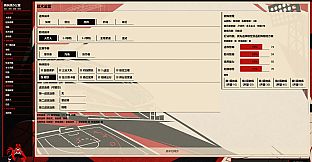
The core loop centers on managing a 12-man roster under salary cap rules. This involves scouting and signing players from domestic and import markets, negotiating contracts, and balancing spending to avoid financial pitfalls. Training includes five focus areas that influence player development, while tactics cover set plays and in-game adjustments during matches.
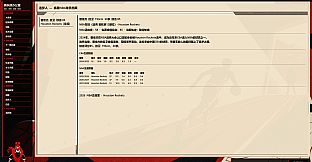
Matches unfold through live text simulation or quick results, with detailed stats tracking individual performances and team outcomes. Post-game analysis includes media interactions and fan reactions that reflect on wins, losses, and player contributions. Injuries, morale, chemistry, and ego management add layers, as poor handling can lead to rotation disruptions or player dissatisfaction over time.
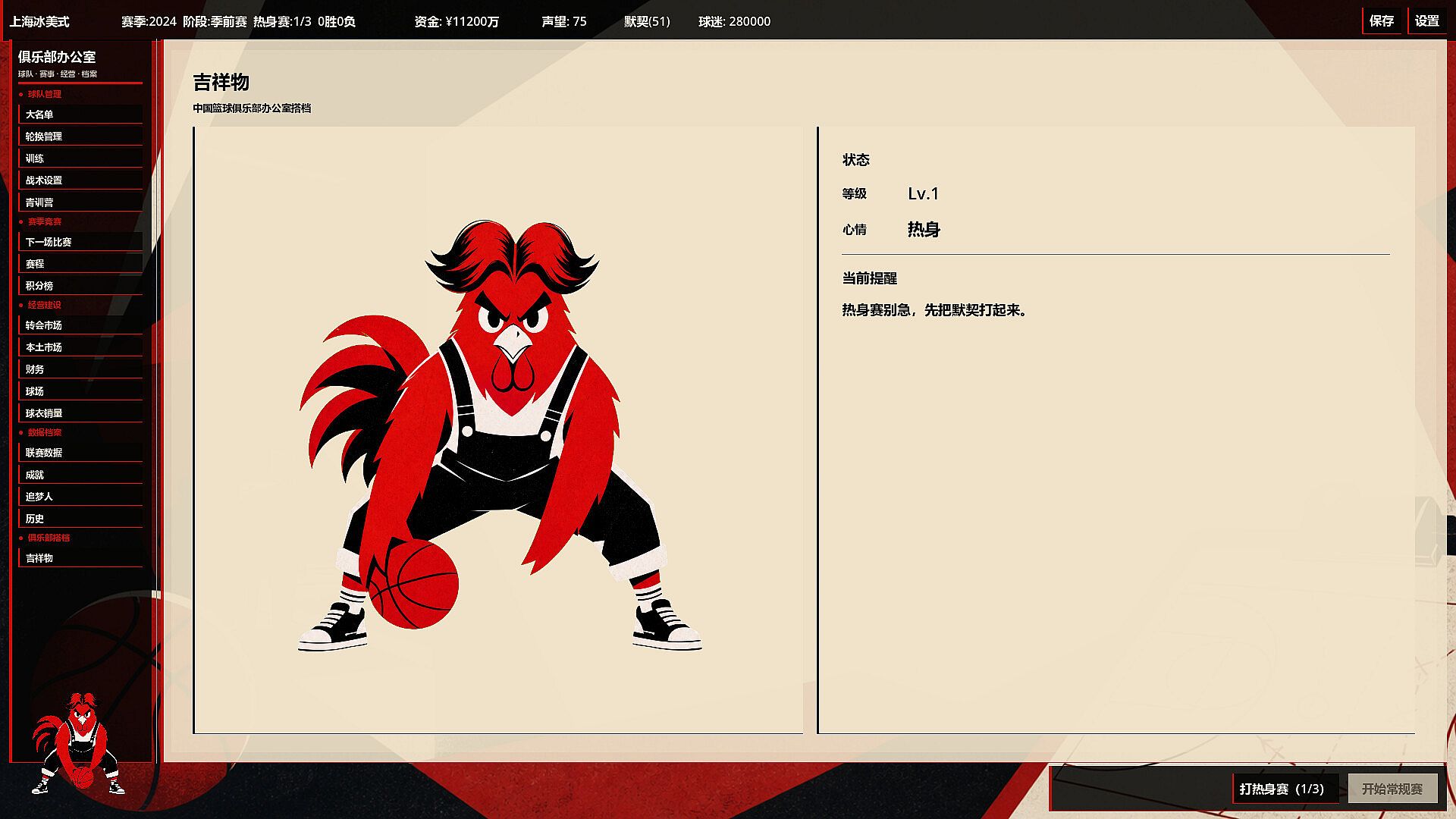
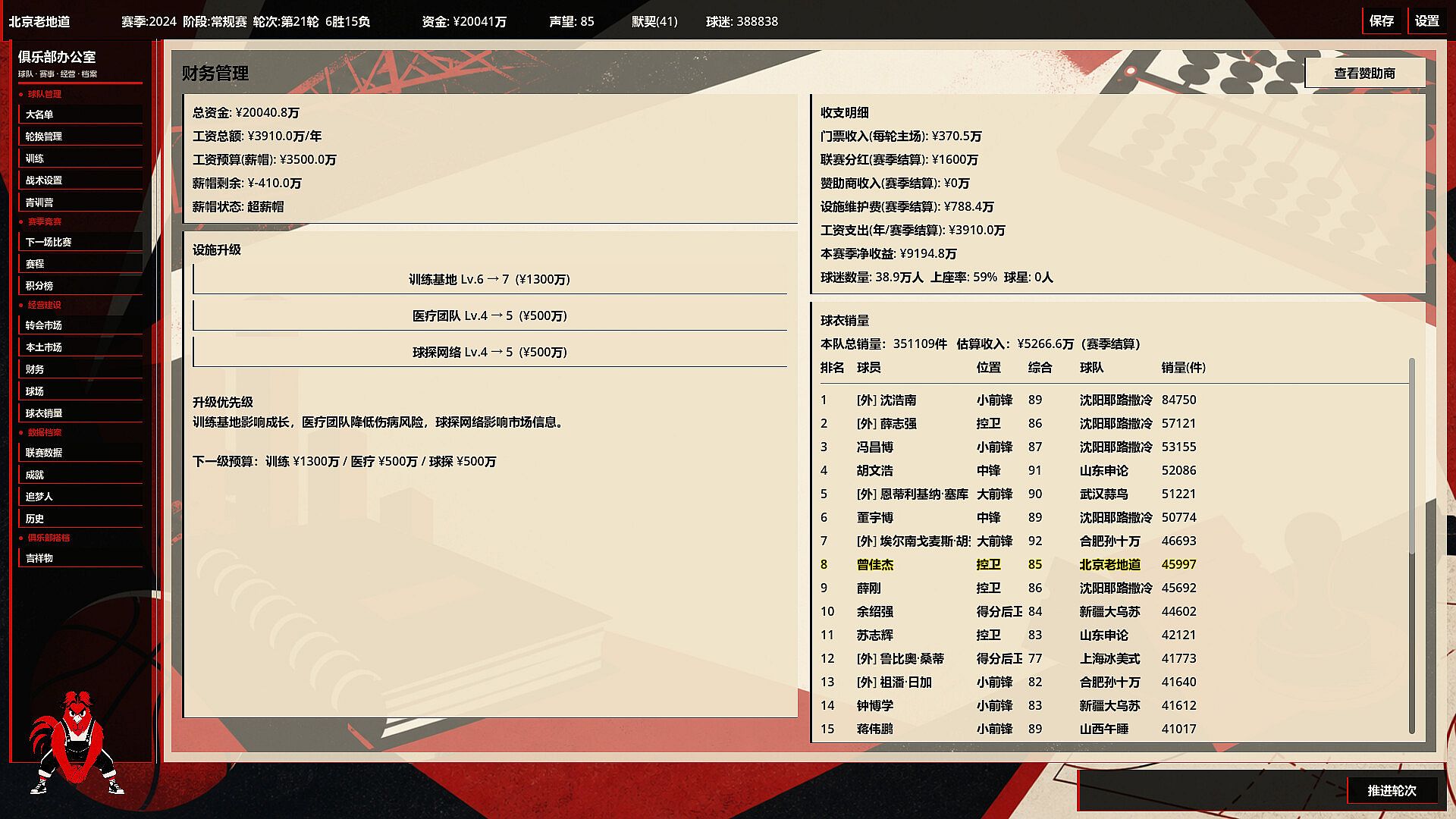
Facilities upgrades, such as arena expansions, practice courts, medical centers, and team restaurants, tie into broader operations. These improvements affect revenue from tickets, sponsors, and jersey sales while supporting player health and team identity. Youth development systems allow scouting and nurturing prospects, including those with unique backgrounds, to build future talent pipelines.
Game Modes
Progression follows a structured season format with a three-game preseason, a 42-round regular season, playoffs, and awards ceremonies. Multiple seasons create a dynasty experience where sustained success builds legacy records and team history.
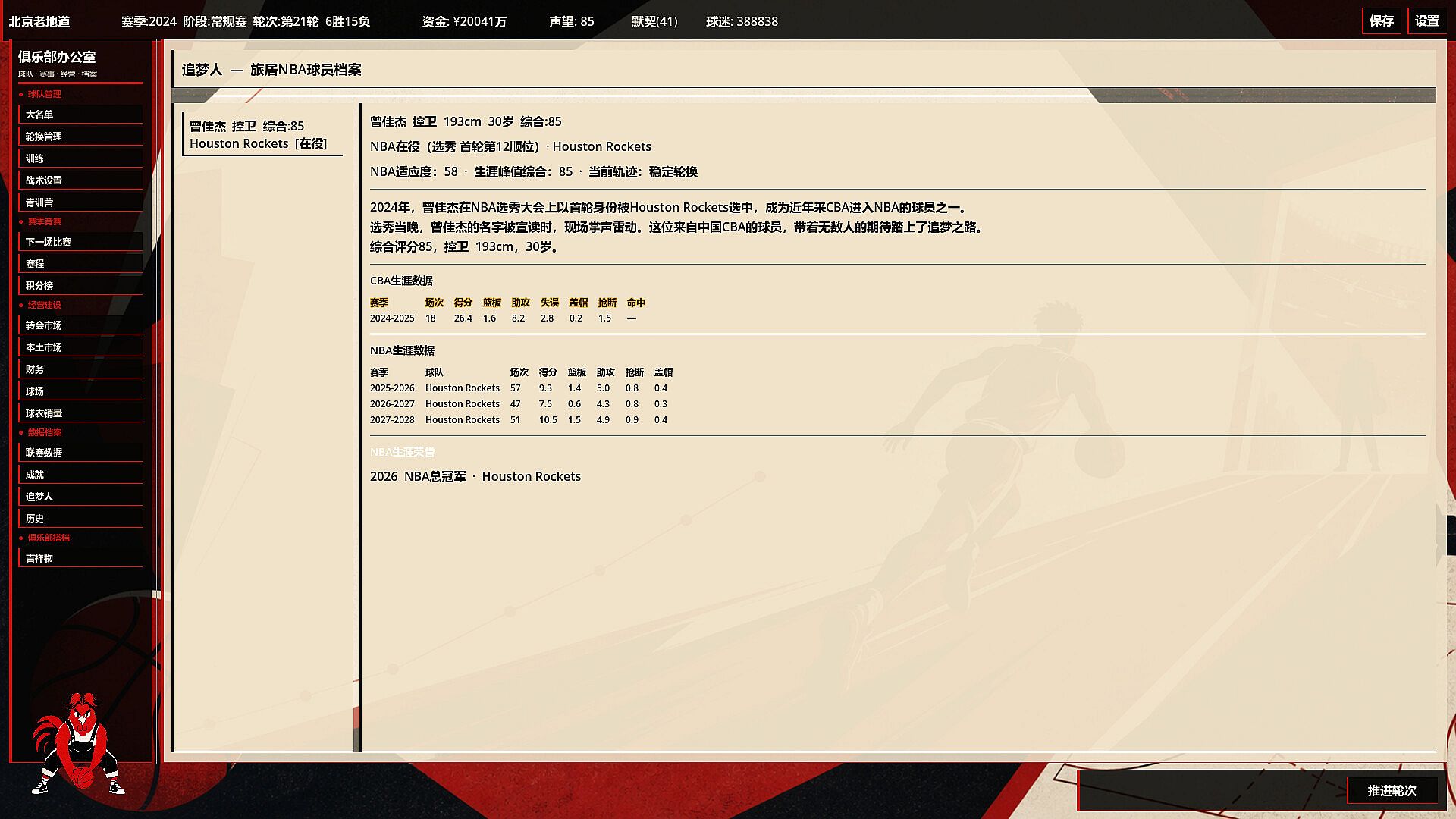
All-Star events and prospect tracking introduce additional milestones, including pathways for top domestic talent to advance overseas. Financial and event systems run alongside, with sponsor deals, scandals, and fan feedback influencing decisions throughout the campaign.
Save management supports continued play across seasons, allowing players to refine strategies based on prior outcomes and evolving roster needs.
Front Office and Off-Court Management
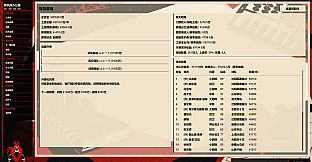
Beyond on-court coaching, the game emphasizes front-office responsibilities. This includes balancing operating costs against sponsor income, handling owner directives, and responding to market fluctuations. Scouting imports and negotiating with free agents require careful timing to maintain competitive rosters without exceeding limits.
Off-court elements extend to fan engagement and narrative events. Jersey sales and arena atmosphere contribute to revenue, while random incidents like scandals or forum reactions demand narrative control to stabilize the franchise.
Building a Dynasty
Long-term goals revolve around developing standout players, particularly Chinese prospects, through consistent training and opportunities. Success metrics include regular-season performance, playoff runs, and individual accolades that accumulate across campaigns.
Player growth systems track development metrics alongside intangibles like leadership and resilience. Achieving sustained excellence requires integrating youth talents with veteran signings while adapting to injuries and chemistry shifts over multiple years.
Is It Worth Playing?
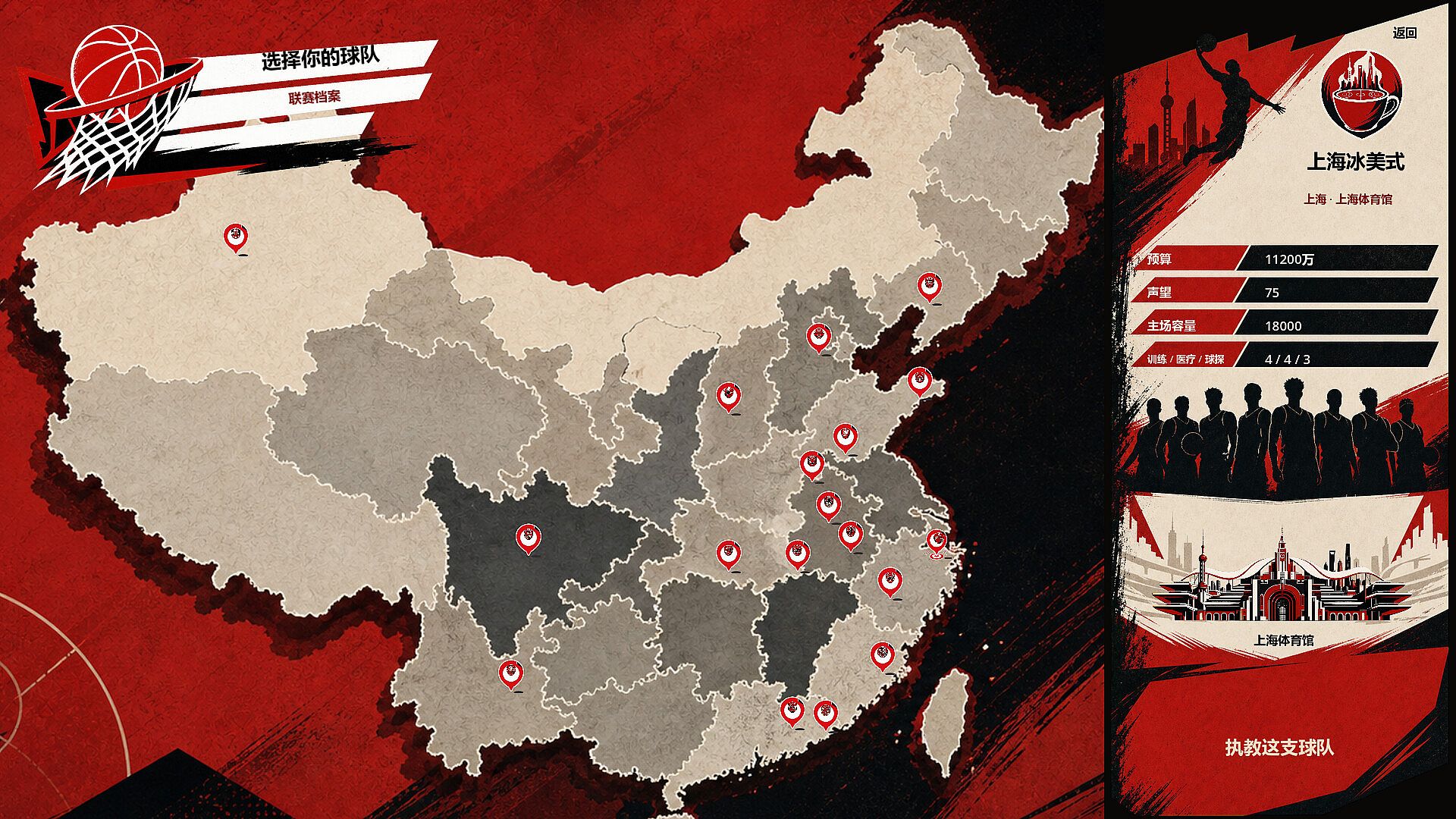
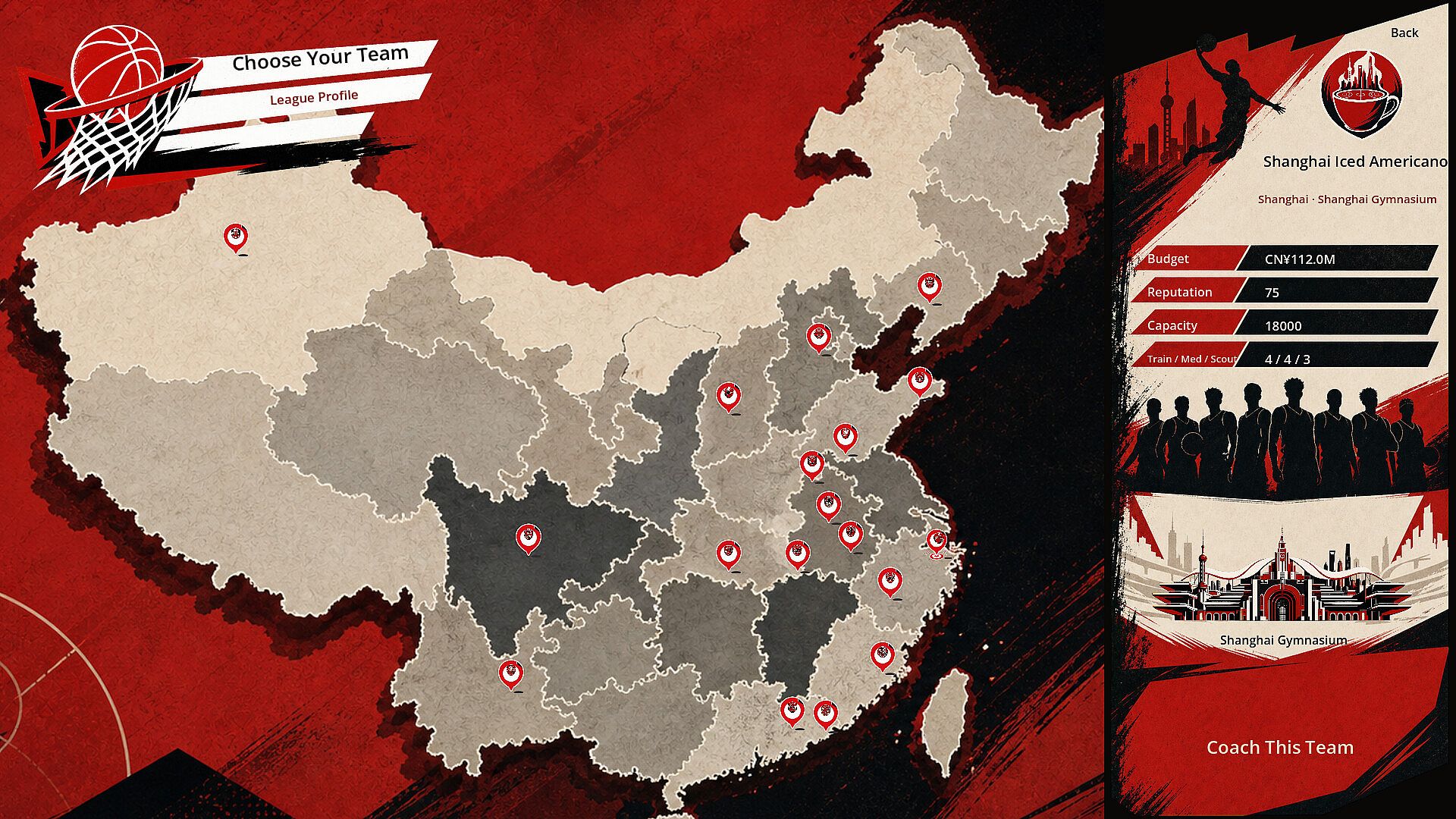
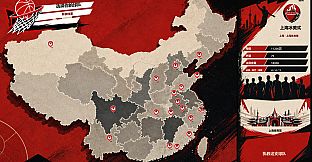
Chinese Basketball Manager suits players who enjoy deep management simulations with basketball themes. The Early Access version delivers a playable loop spanning roster building, match simulation, financial oversight, and multi-season progression across 18 fictional teams and hundreds of players. Current features cover contracts, tactics, live text matches, facilities, and awards, with planned expansions for events and balance based on feedback.
Those seeking immediate polished depth may prefer waiting for updates, as the title focuses on iterative refinement of AI, economy, and usability. It appeals to fans of strategic decision-making in sports management who value long-term planning over quick matches.











