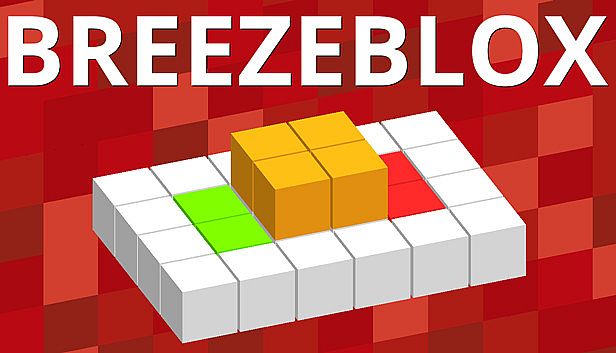













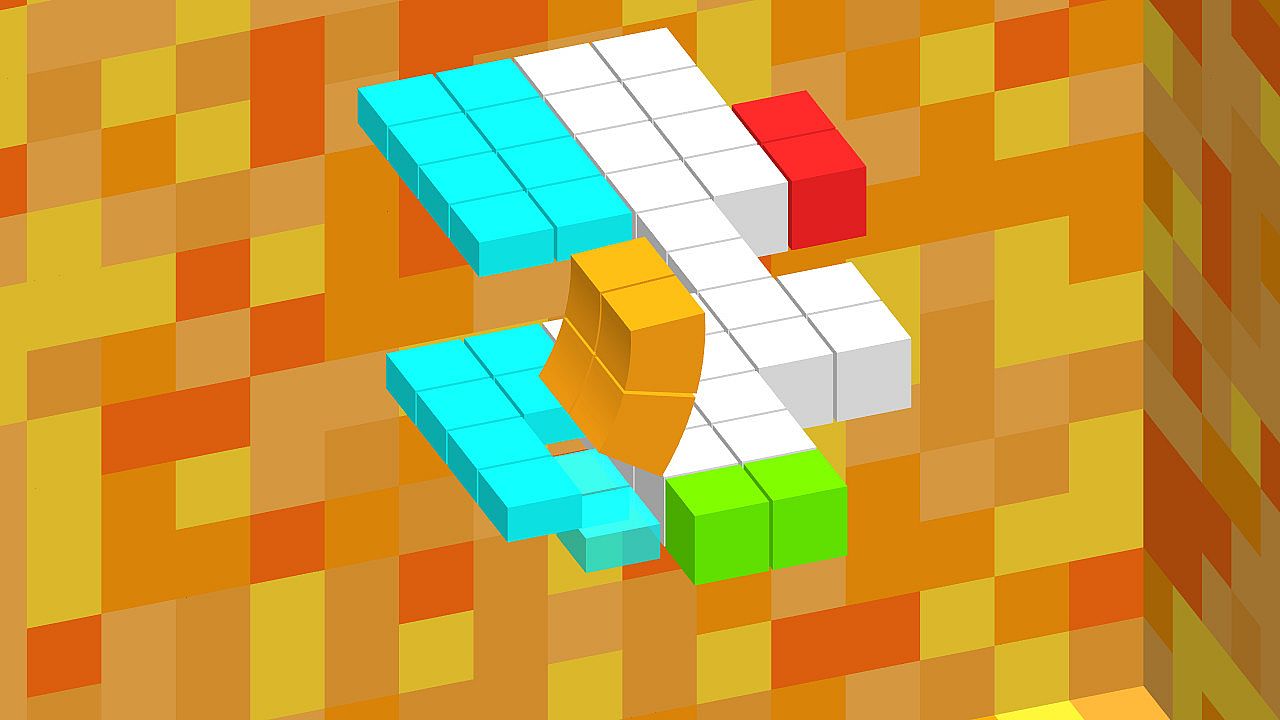
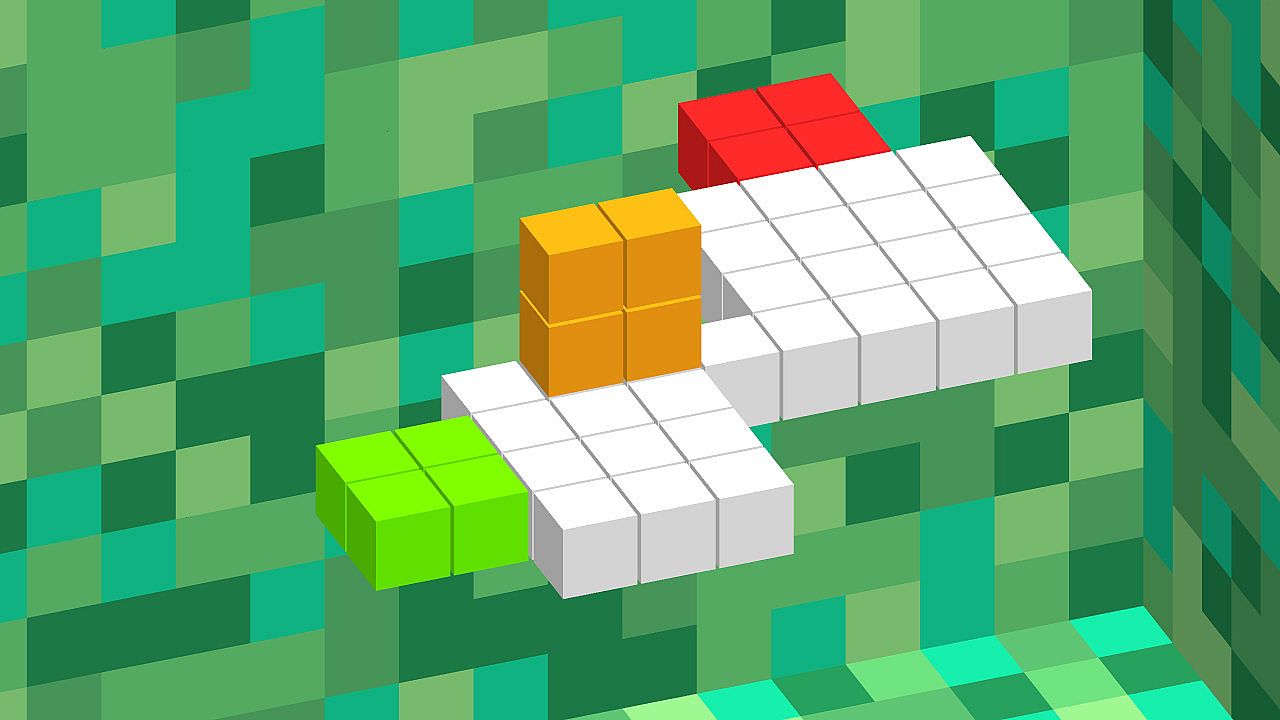
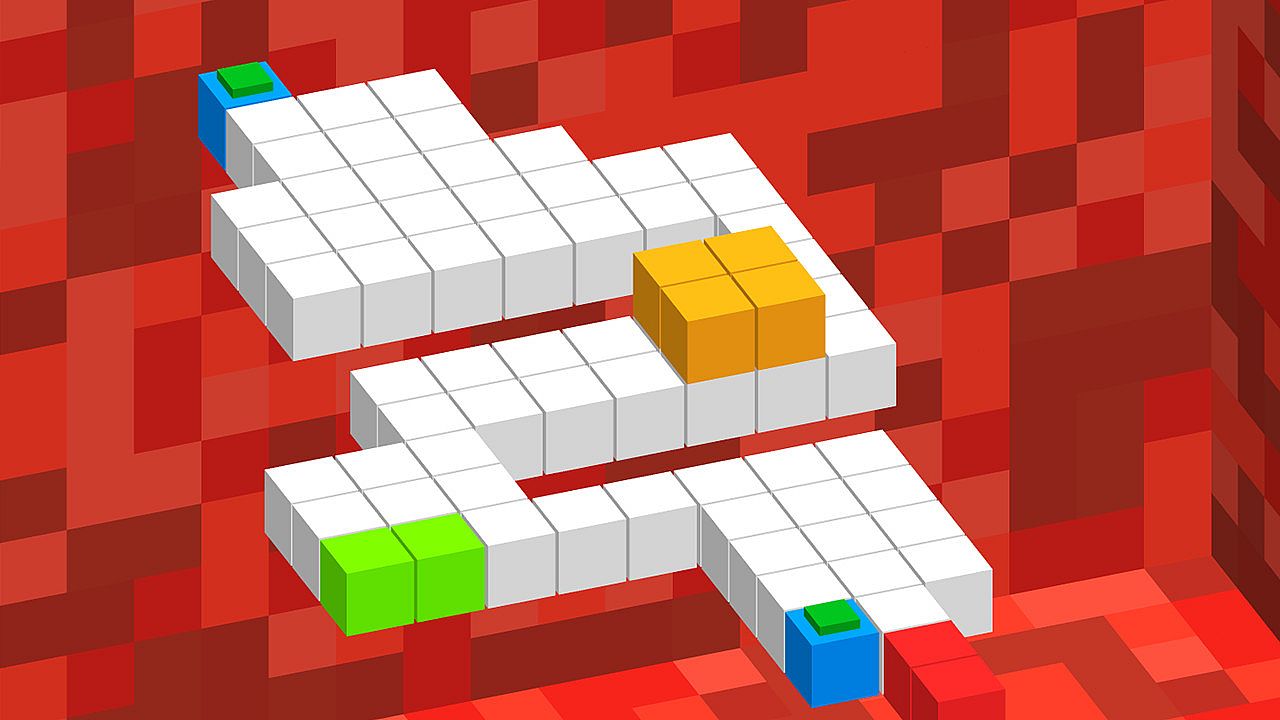
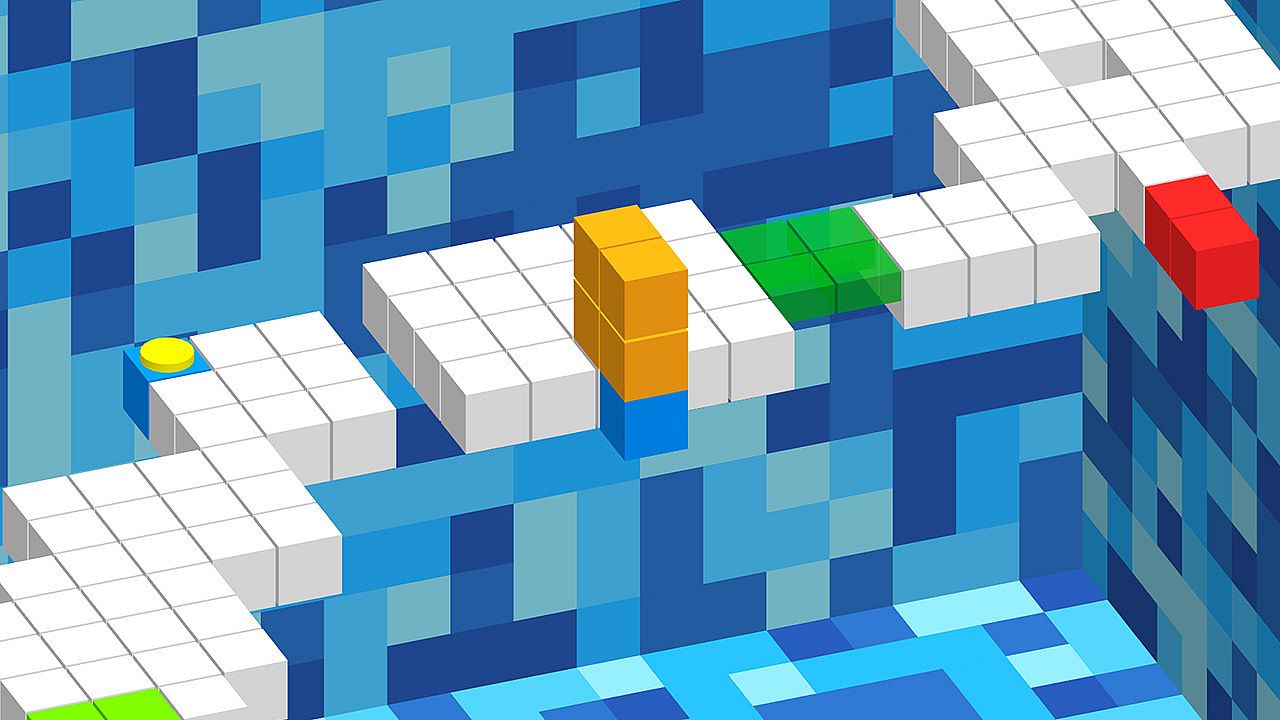
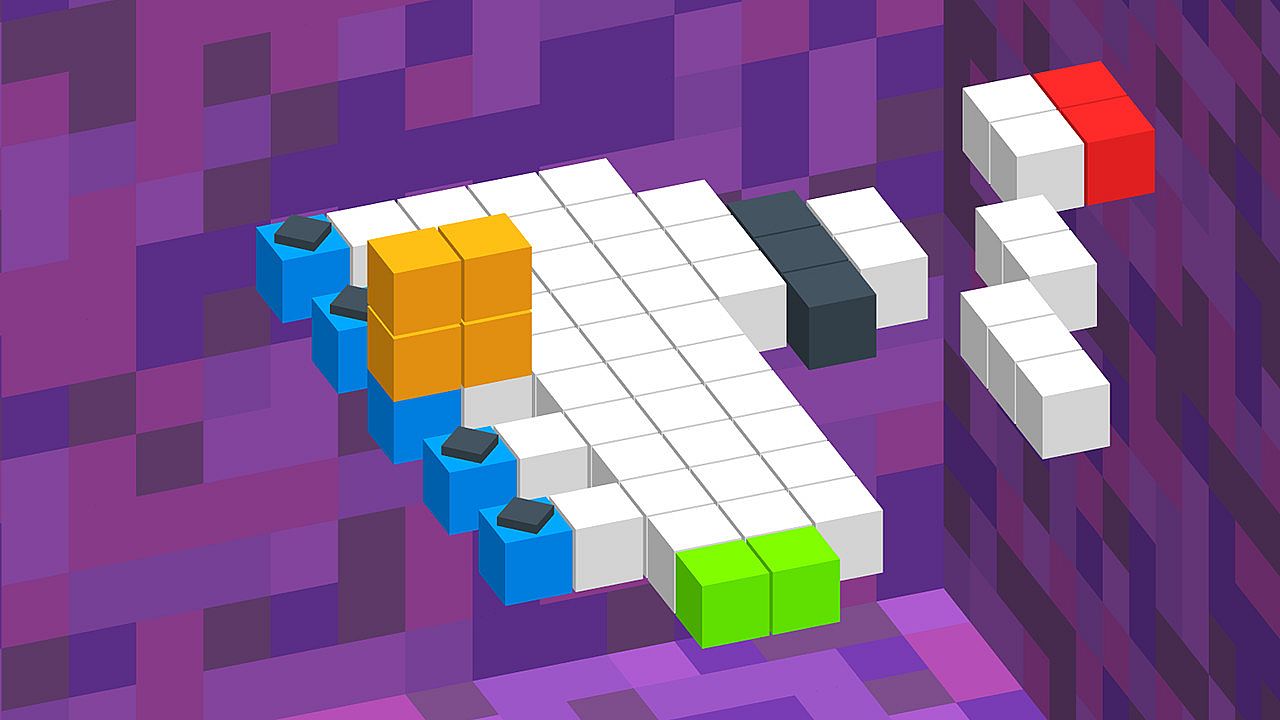
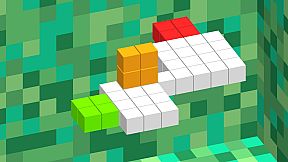
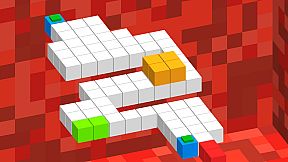
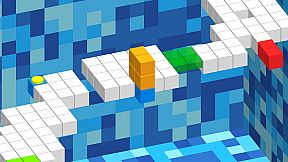
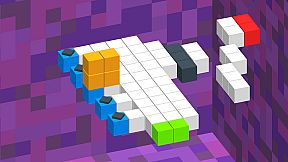
Breezeblox is a casual strategy puzzle game developed for PC that challenges players to solve spatial reasoning problems across a series of floating platforms. The core objective remains consistent throughout: guide a cube to the designated end point while staying on the platform at all times. Special cubes placed in each level activate mechanisms that alter the environment, such as shifting tiles or creating new paths, which players must use strategically to advance.
Gameplay
The experience centers on precise movement and forward planning. Players control the cube in a grid-based environment where one wrong step sends it off the edge and requires a restart of the current puzzle. Each of the 150 levels builds on this foundation by introducing new combinations of special cubes that trigger platform changes. These mechanics encourage experimentation within a limited space, rewarding careful observation of how actions affect the overall layout. The puzzles scale in complexity, starting with straightforward navigation and progressing to intricate sequences that demand multiple steps to align paths correctly. Controls feel responsive, allowing quick adjustments as players test different routes without unnecessary friction.
Progression follows a linear structure where completing one puzzle unlocks the next. There are no timers or competitive elements, so the focus stays on logical deduction and spatial awareness. The indie nature of the title keeps the scope tight, emphasizing quality over quantity in its level design. Special cubes serve as the primary interactive tools, each type producing a distinct effect that must be integrated into the solution path.
Game Modes
Breezeblox operates as a single-player puzzle experience with no separate modes or variations. All content revolves around the same core loop of navigating platforms and activating special cubes to reach the goal. Players work through the full set of 150 puzzles in sequence, with difficulty increasing gradually to maintain engagement. The absence of multiplayer or alternative formats keeps the game focused on individual problem-solving sessions that can be picked up and put down easily.
This unified approach suits casual play sessions, where the emphasis remains on completing individual challenges rather than switching between different rule sets. The three Steam achievements provide minor additional goals tied directly to puzzle completion milestones.
Visuals and Presentation
The game uses a bright, friendly color palette that makes the floating platforms and cubes easy to distinguish at a glance. Levels feature clean, minimalist designs that highlight the spatial relationships without visual clutter. Animations for cube movement and platform reactions remain smooth, supporting the mental focus required for each puzzle. The overall presentation avoids unnecessary distractions, directing attention to the mechanics and level layouts.
Sound design complements the visuals with subtle effects that reinforce actions like cube shifts or platform activations. The result is a polished but understated aesthetic that aligns with the casual strategy genre, making extended puzzle sessions comfortable on PC.
Is It Worth Playing?
Player feedback on Steam shows 92 percent positive ratings from the available user reviews, highlighting the satisfying nature of the spatial puzzles and clever level design. Reviewers note the balance between simplicity in controls and mental challenge in execution, describing it as a fun, compact experience for those who enjoy reasoning-based games. The title released in 2015 and continues to be available on PC platforms including Windows, macOS, and Linux.
It appeals most to fans of indie puzzle titles who prefer deliberate, single-player problem solving over fast-paced action or multiplayer competition. With its fixed set of 150 puzzles and no ongoing updates or additional content layers, the game delivers a complete, self-contained package for players seeking short to medium sessions of strategic thinking. Those drawn to spatial mechanics and platform manipulation will find consistent value in working through the full progression.