

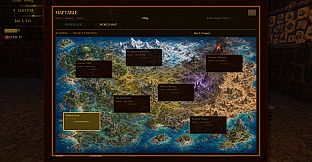
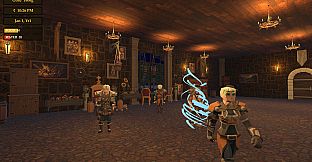
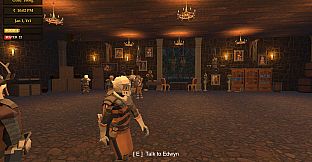
Bramblewick: Guild Management Simulator is a single-player simulation game set in a fantasy world where players take on the role of a guild master rather than an adventurer. The core experience centers on recruiting and directing a team of heroes with distinct personalities, managing daily operations in the guild hall, and overseeing missions that unfold as narrative journeys. Players handle recruitment, equipment, training, and resource allocation while navigating the consequences of decisions that shape relationships among the guild members.
Gameplay
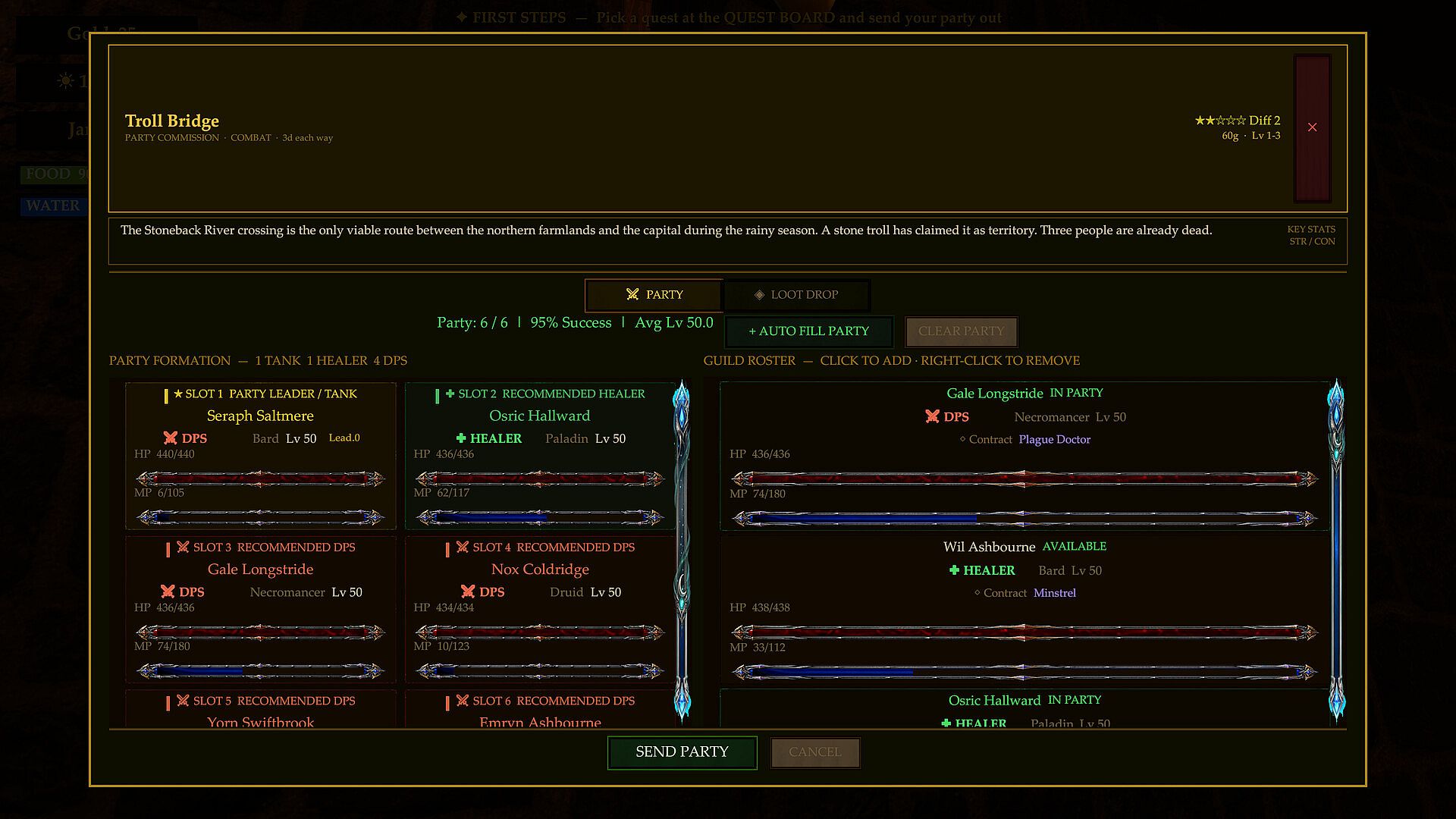
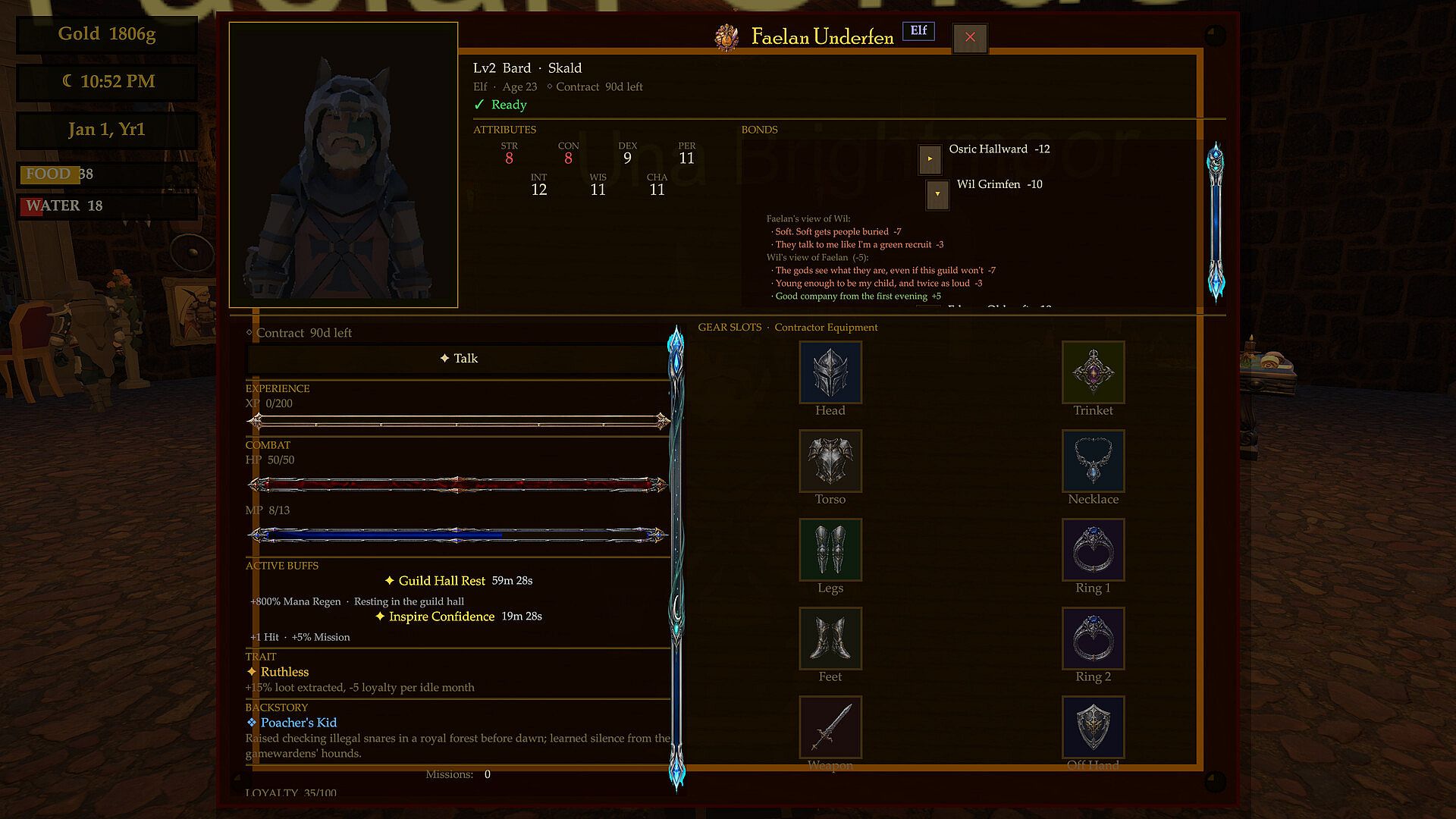
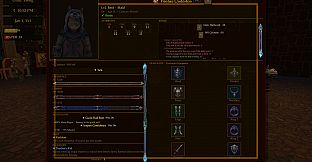
The gameplay loop revolves around building and sustaining a functional guild hall. Players recruit adventurers from ten different classes, each offering two specializations that allow for varied builds and party compositions. Classes include warriors who can specialize as guardians focused on defense or weapon masters emphasizing offense, rangers with warden or beast keeper paths, wizards split between arcanist and elementalist roles, and similar branching options for rogues, clerics, paladins, druids, shamans, bards, and warlocks. Each hero carries individual stats, traits, and temperaments that influence performance in the field and interactions back at the hall.
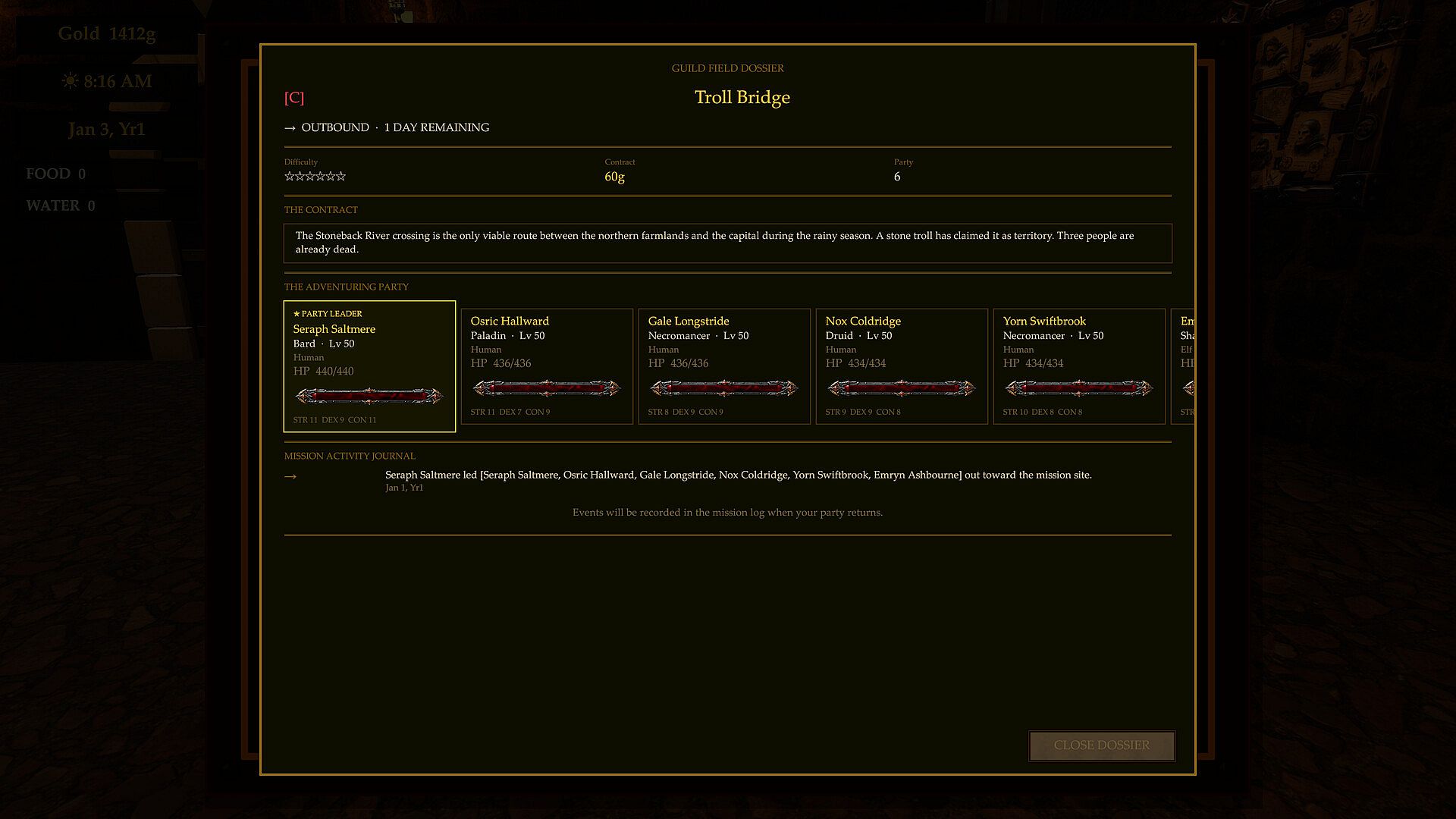
Outfitting and training occur in the guild facilities, after which parties are dispatched on quests involving combat, exploration, escort duties, or theft. These missions progress as journeys with random encounters such as bandit skirmishes or environmental challenges like crossing rope bridges. Outcomes depend on rolls and choices, with detailed journals recording successes and failures upon return. Heroes retain memories of events, forming scars, friendships, grudges, and shared stories that play out in conversations around the hall.
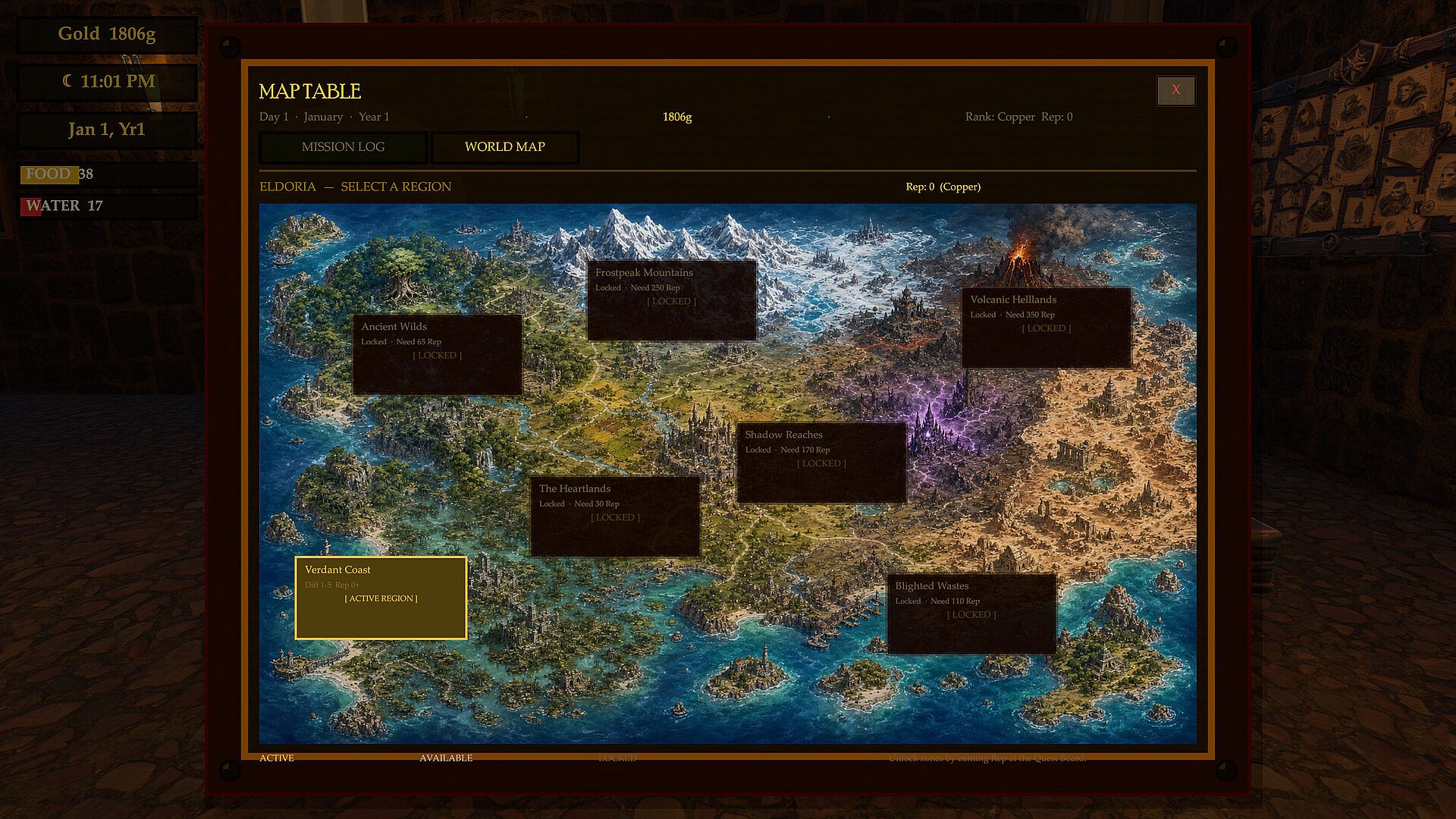
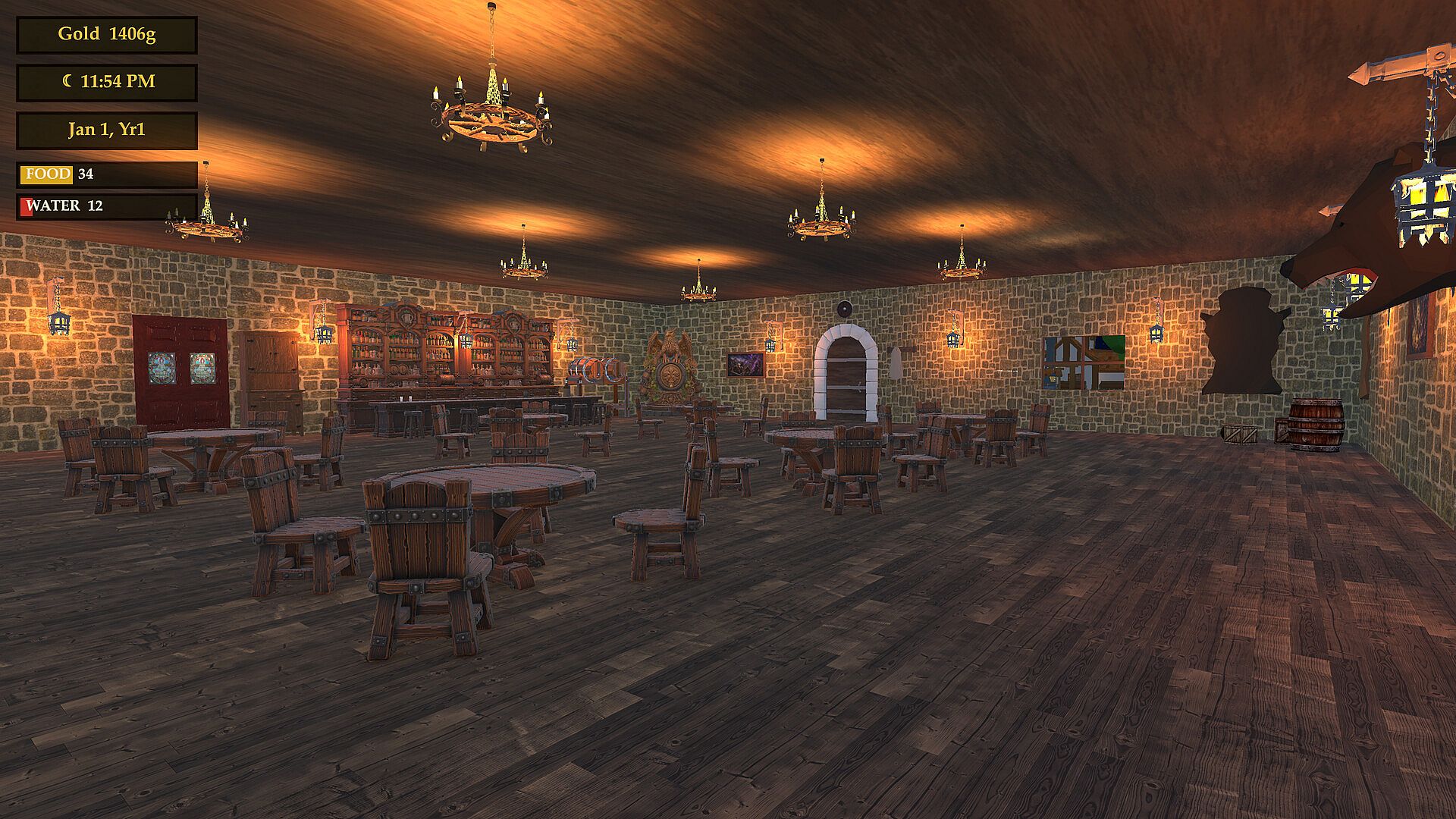
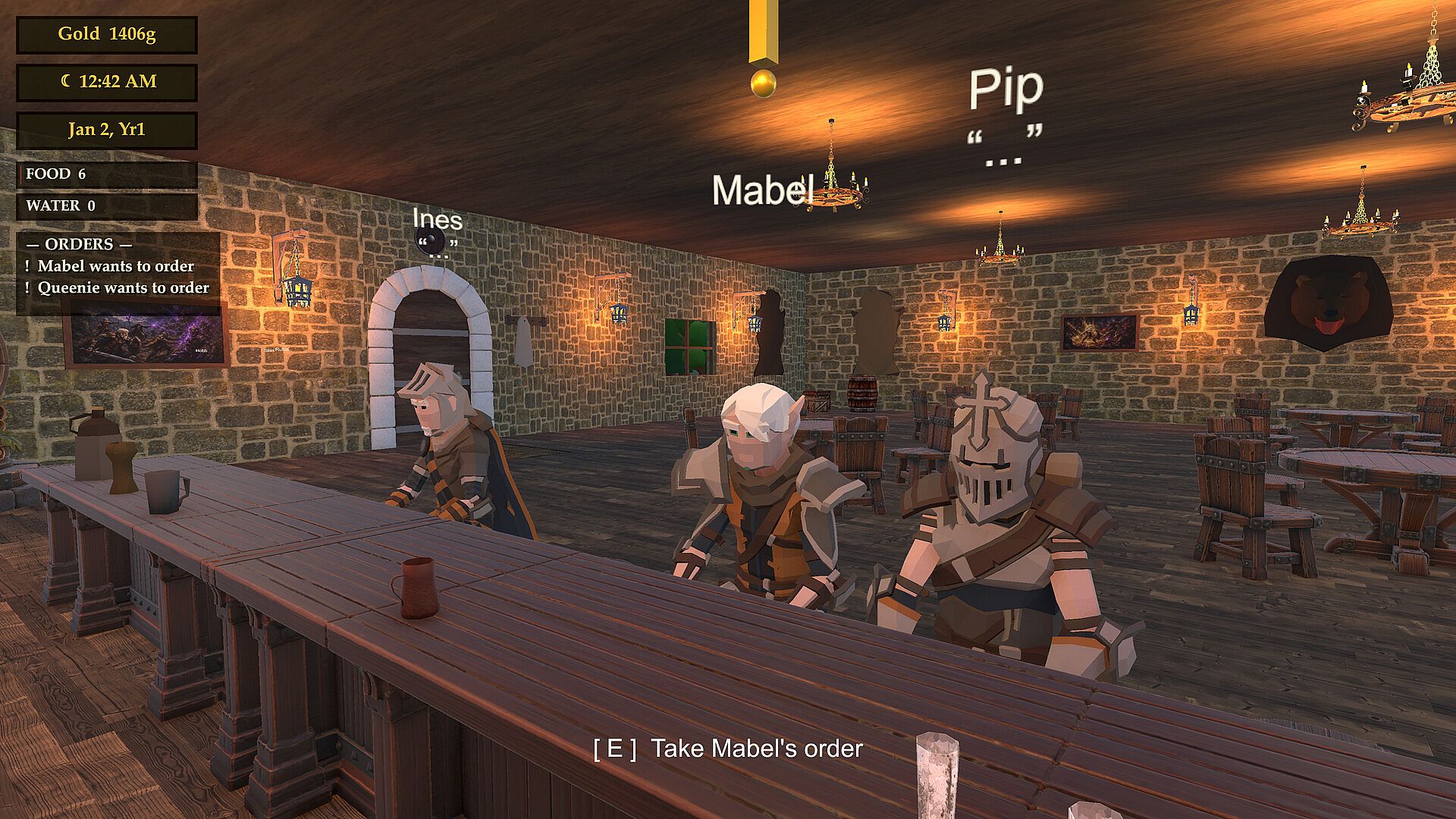
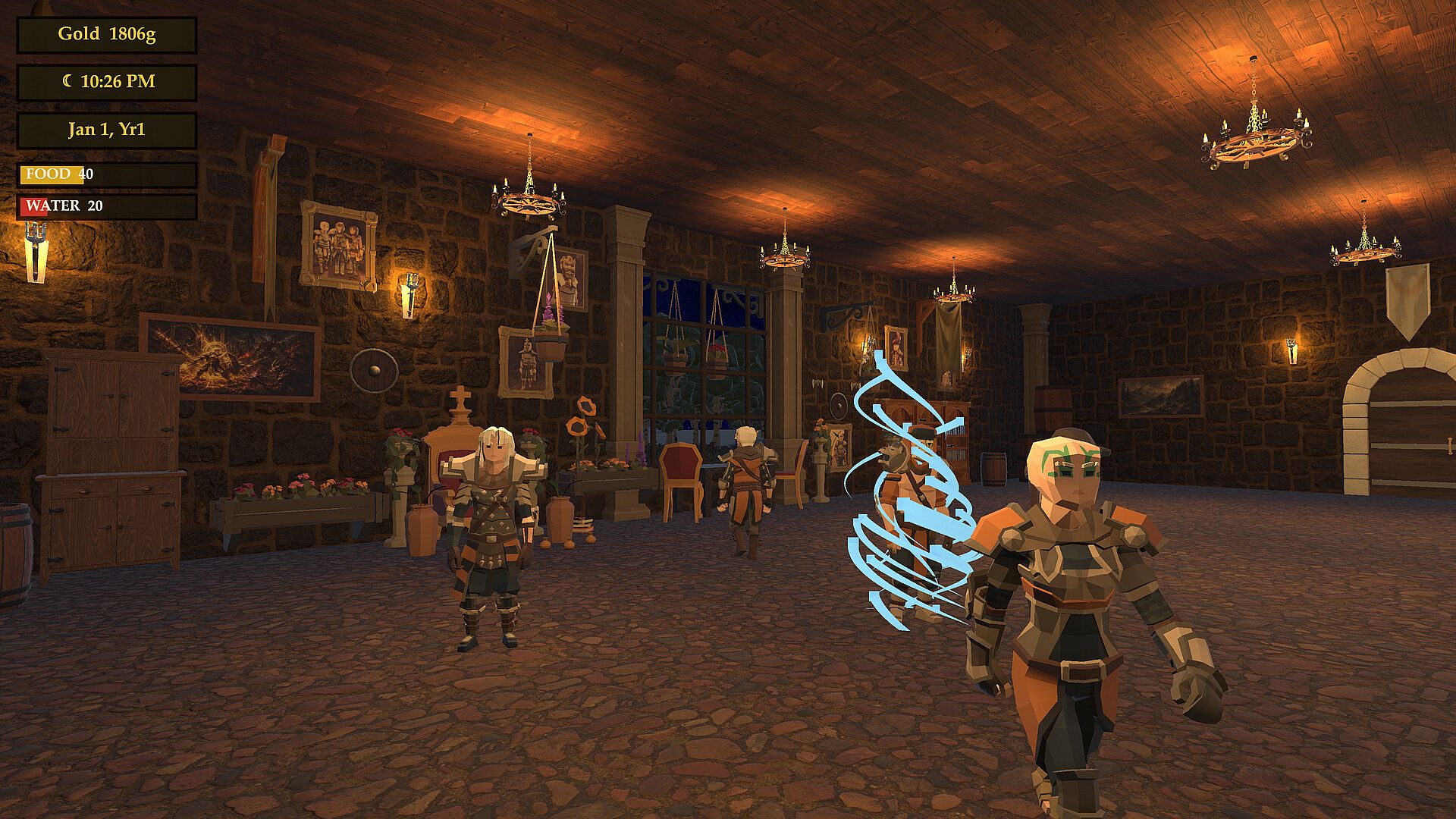
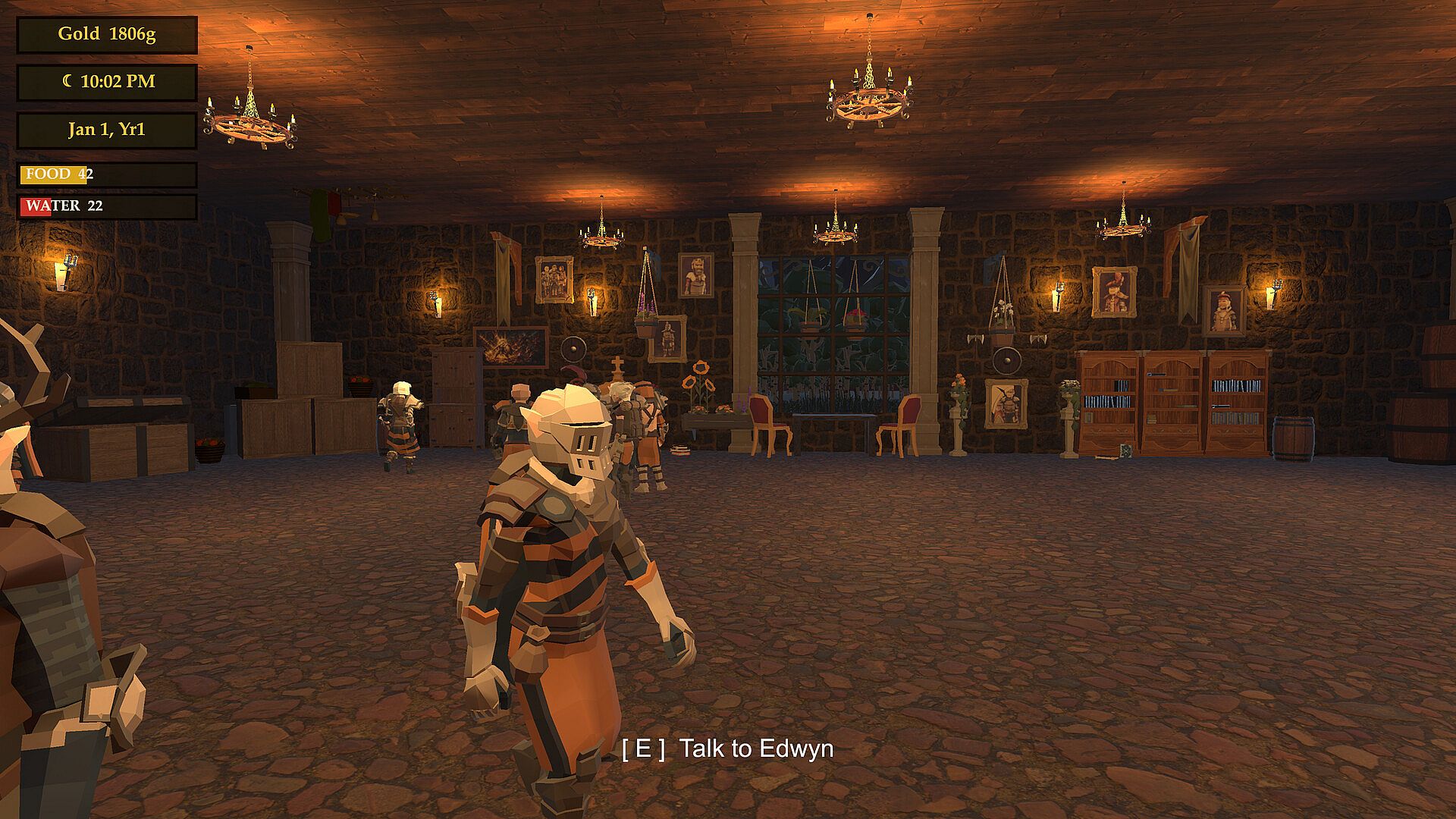
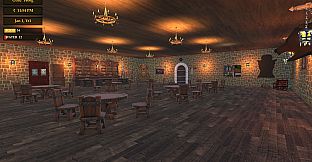
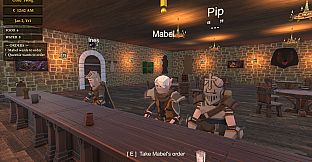
Hall management extends beyond combat preparation. Players negotiate contracts, balance the guild chest, host visitors, and handle diplomacy with neighboring factions. Additional layers include operating a tavern by serving food and drinks, maintaining a farm, fishing at a nearby river, and processing gathered resources into supplies. A day and night cycle governs activity as members train, rest, argue, or heal from wounds. Dilemmas encountered during missions require player input, and the resulting reputation influences loyalty and morale among the adventurers.
Game Modes
Play centers on a unified single-player campaign structure without separate competitive or cooperative modes. The primary focus remains on long-term guild progression through repeated quest cycles and hall upkeep. Players can experiment with different recruitment strategies and specialization combinations to adapt to various mission types, creating emergent variety in how parties handle combat encounters or narrative branches. Resource management and relationship tracking provide ongoing challenges that evolve based on prior choices rather than predefined scenarios.
Exploration and combat elements integrate directly into the management simulation. Quests serve as the main activity driver, with returns triggering both mechanical rewards and narrative developments that affect future operations. Tavern operations and resource processing add routine tasks that run parallel to adventure planning, encouraging balanced attention across multiple systems during each in-game day.
Character Progression and Relationships
Heroes advance through experience gained on missions, with personal histories accumulating over time. A single event like surviving a bandit camp can lead to lasting dialogue options and interpersonal dynamics that influence group cohesion. Players observe these developments in the hall environment, where conversations and minor conflicts emerge naturally from accumulated memories and decisions. This system emphasizes loyalty earned through consistent management rather than direct control over individual actions.
Specialization choices allow tailoring parties to specific needs, such as heavy healing support from certain cleric or paladin paths or crowd control from shaman or druid variants. These options expand as the guild grows, rewarding careful selection and retention of key members across multiple quests.
Is It Worth Playing?
Bramblewick appeals to players who enjoy detailed management simulations combined with narrative-driven RPG elements. The emphasis on persistent hero memories and reputation mechanics creates a personalized guild story that unfolds through routine decisions rather than scripted events. Those interested in overseeing operations, balancing resources, and watching interpersonal dynamics develop will find substantial depth in the hall management and quest resolution systems.
The game remains in development with a planned release in December 2026 and currently has no user reviews available. Its single-player focus and simulation genre positioning make it suitable for solo play sessions centered on long-term planning and observation of emergent stories. Potential players should consider their preference for indirect control and relationship management when evaluating whether the title matches their interests.