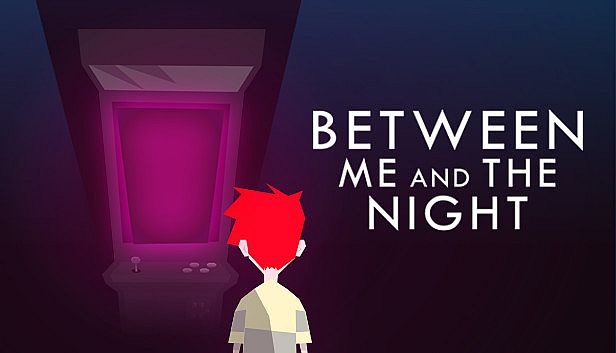












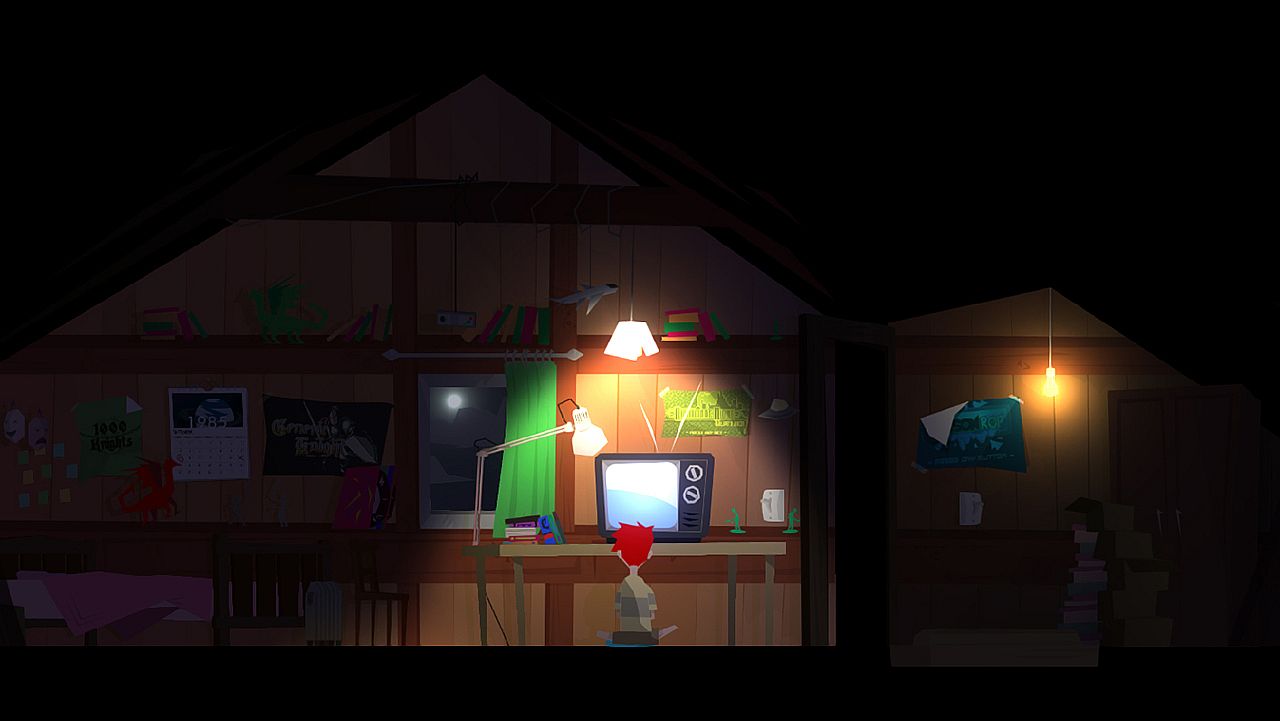
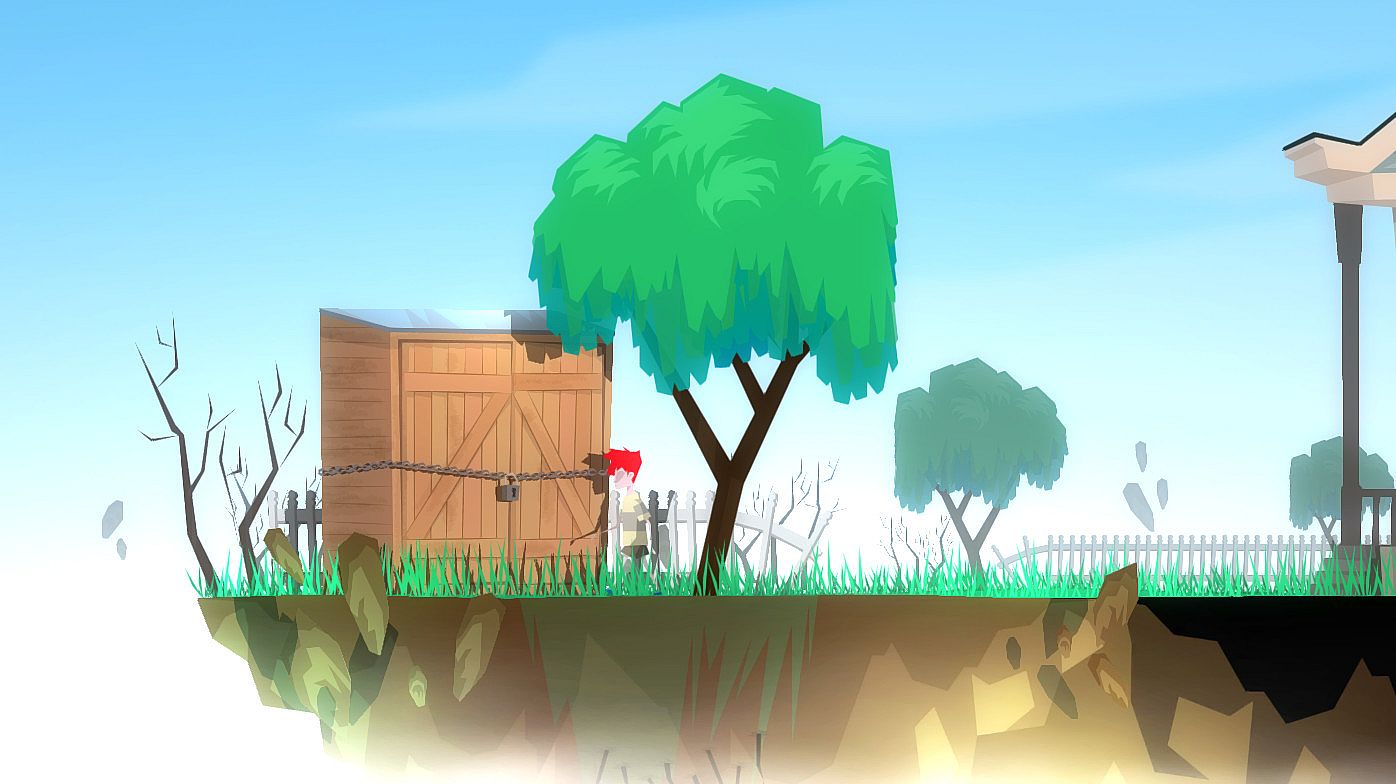
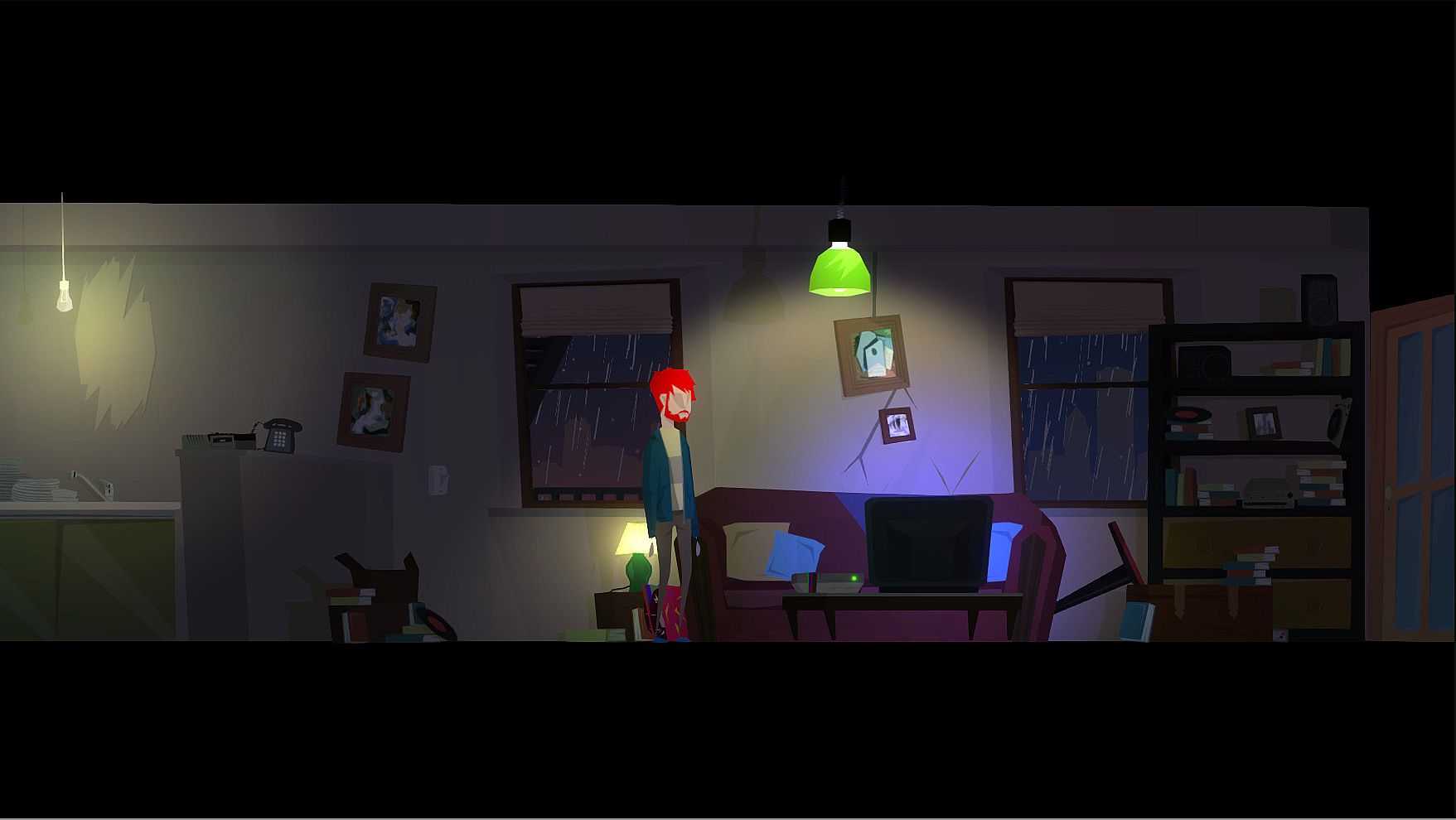
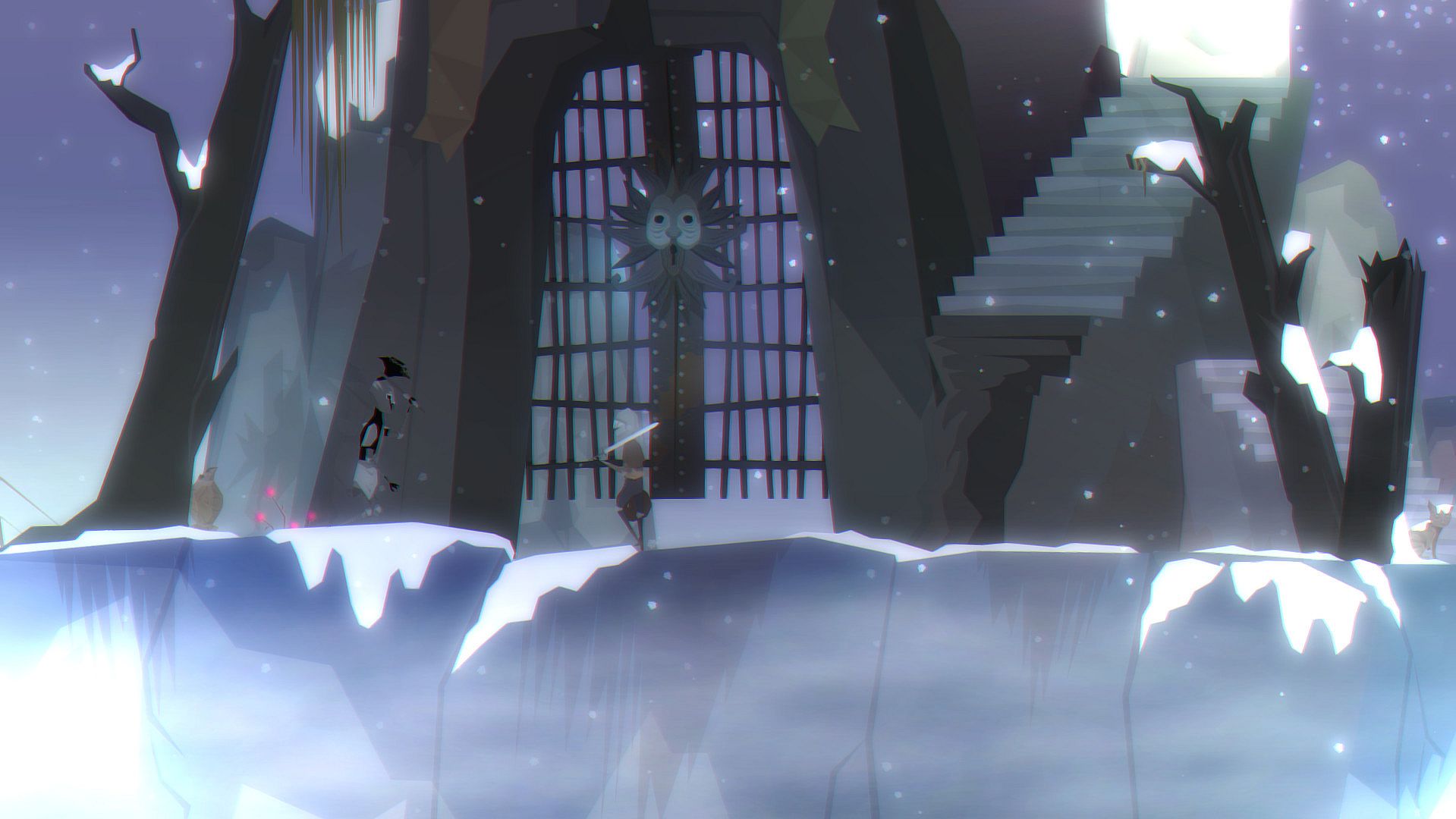

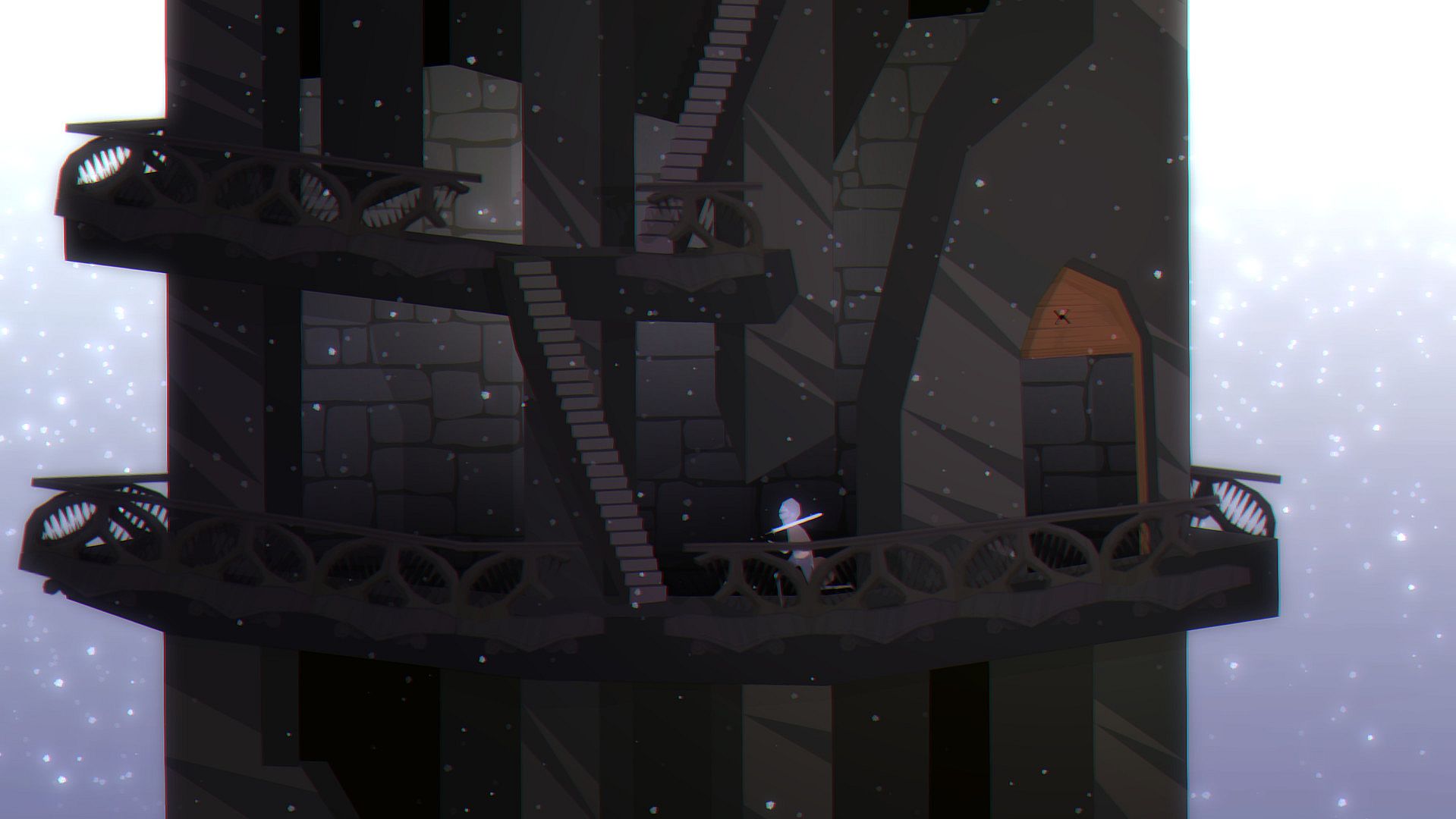
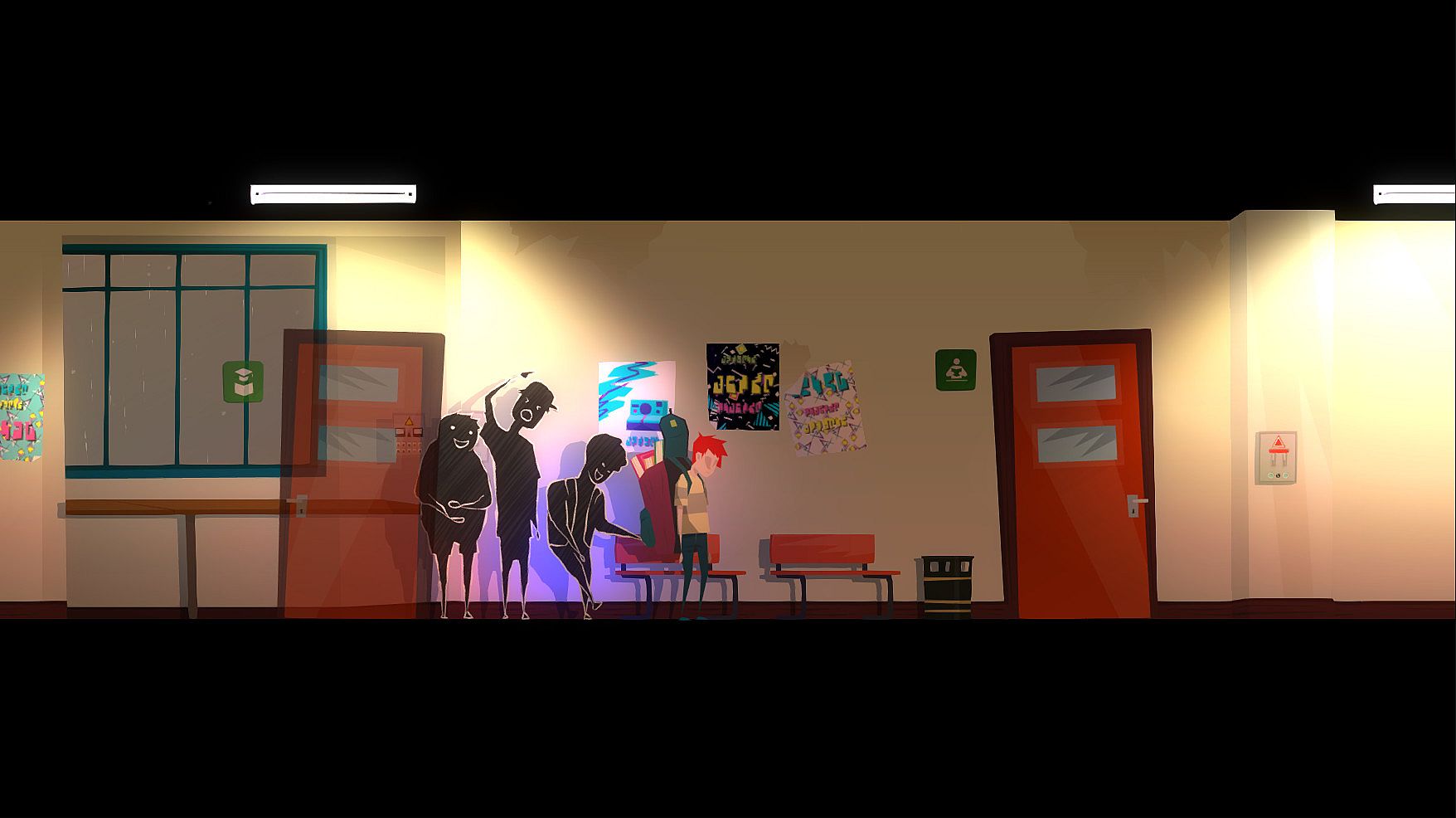
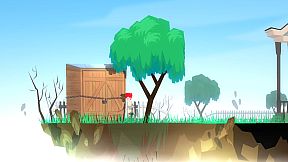
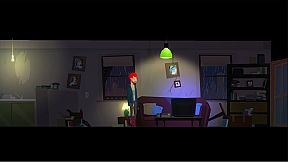
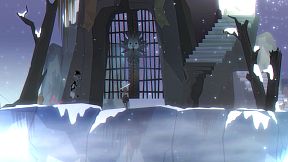

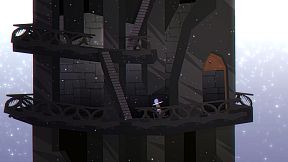
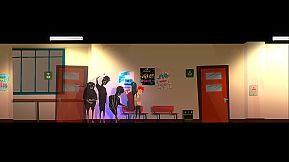
Between Me and The Night is a surrealist action adventure game developed for PC. Players take control of a young boy navigating a mysterious house that blurs the line between reality and something far stranger. The experience centers on exploration, item collection, and puzzle solving to unlock new areas while confronting the shadows that appear at night.
Gameplay
The core loop involves moving through the house in a side-scrolling perspective. In the real-world sections, the focus stays on interacting with objects, gathering items, and using a limited inventory to solve environmental puzzles. Limited space forces careful choices about what to carry, adding a layer of decision making to progression.
Dream sequences shift the tone toward direct confrontation. Here the boy faces enemies alongside additional puzzles that require quick thinking and timing. These segments introduce combat elements that break up the slower puzzle pace without overwhelming the overall deliberate rhythm.
Short retro-style platforming sections appear at intervals. These require precise jumps and navigation through simple levels that echo classic 2D platformers. The variety keeps the experience from settling into one repeated pattern while maintaining a consistent artistic style across all parts.
Game Modes
The game operates entirely as a single-player experience with no multiplayer components or separate competitive modes. Progression unfolds through a linear sequence of real-life exploration, dream-world challenges, and platforming interludes that together form the complete narrative path.
Each segment serves a distinct purpose within the structure. Real-life portions emphasize observation and inventory management. Dream portions add enemy encounters and faster puzzle resolution. Platforming breaks provide brief changes in movement focus. No additional modes such as endless runs, survival challenges, or alternate difficulty settings exist beyond the main campaign flow.
Story and Atmosphere
The narrative follows the boy as he uncovers layers of his home and the world beyond its walls. Puzzles and interactions gradually reveal connections between the ordinary house and the unsettling elements that emerge after dark. The tone remains consistent in its surreal quality, supported by detailed art and a fitting soundtrack that reinforces the sense of unease.
Atmosphere builds through environmental details rather than heavy exposition. Shadows and altered spaces create tension, while the contrast between daytime exploration and nighttime threats drives the central conflict. The story resolves through the accumulation of these discoveries without relying on multiple endings or branching choices.
Is It Worth Playing?
Player feedback describes a mixed but generally positive reception for those drawn to atmospheric puzzle adventures. With 67 percent positive reviews from 110 user submissions on its primary distribution platform, the game earns praise for its visual style, music, and thoughtful puzzle design. Criticisms often center on its short length and occasional inventory frustrations.
The title suits players who enjoy deliberate pacing, side-scrolling exploration, and surreal storytelling over fast action or extensive replayability. Its compact scope makes it accessible for a focused session, though the absence of post-release updates means the experience remains exactly as released in 2016. Those seeking a concise indie adventure with puzzle and light combat elements will find the most value here.