















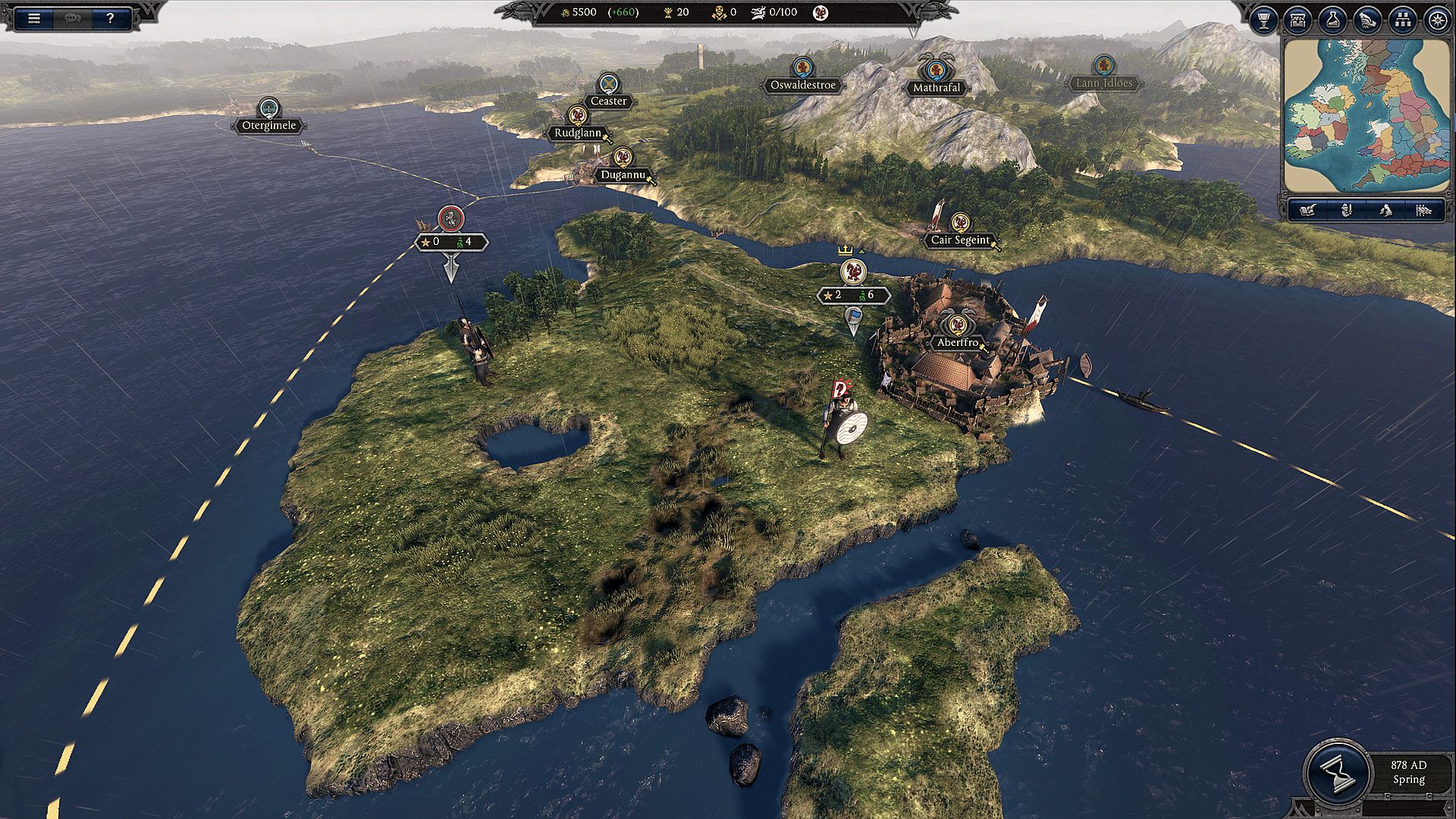
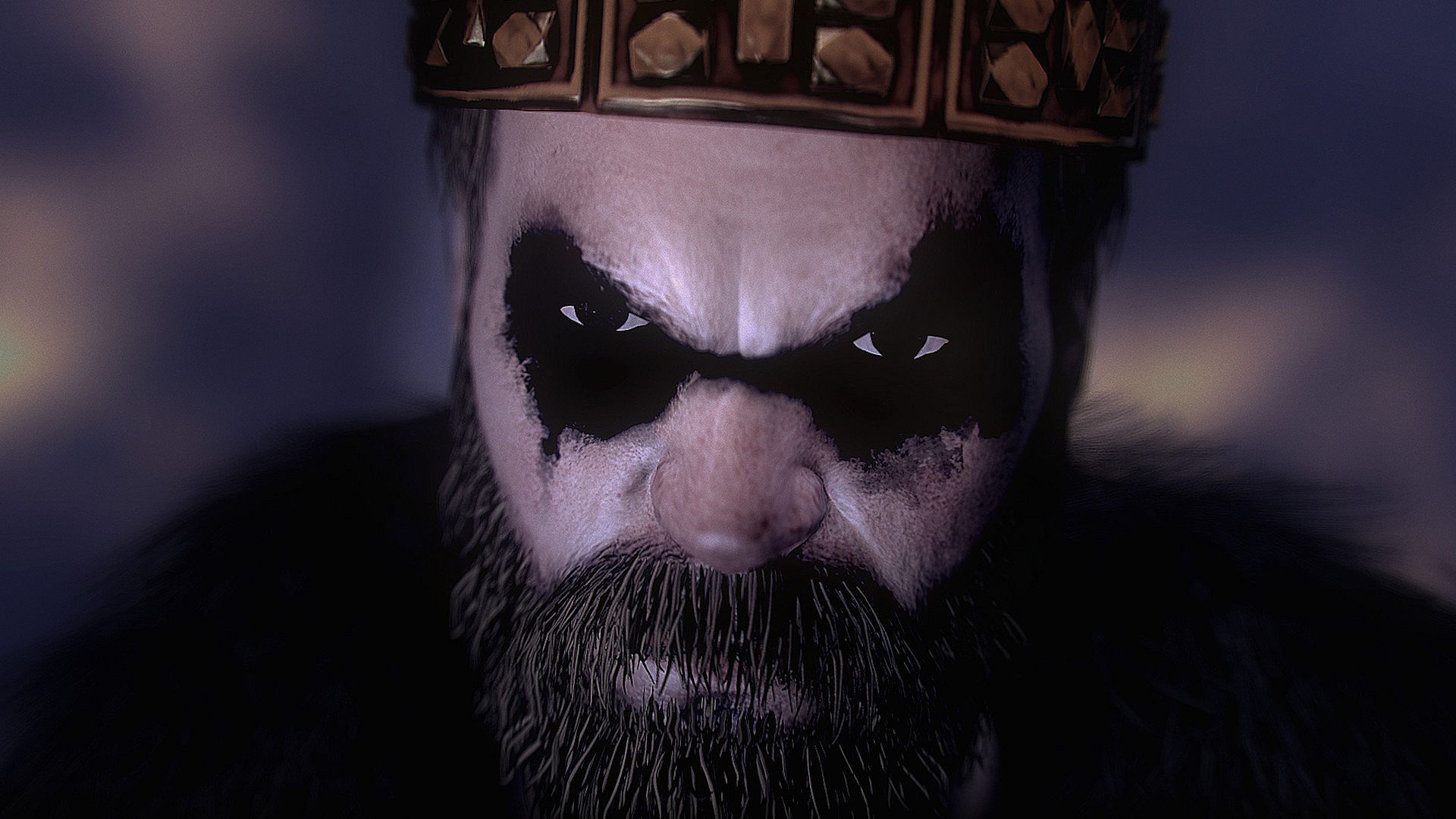


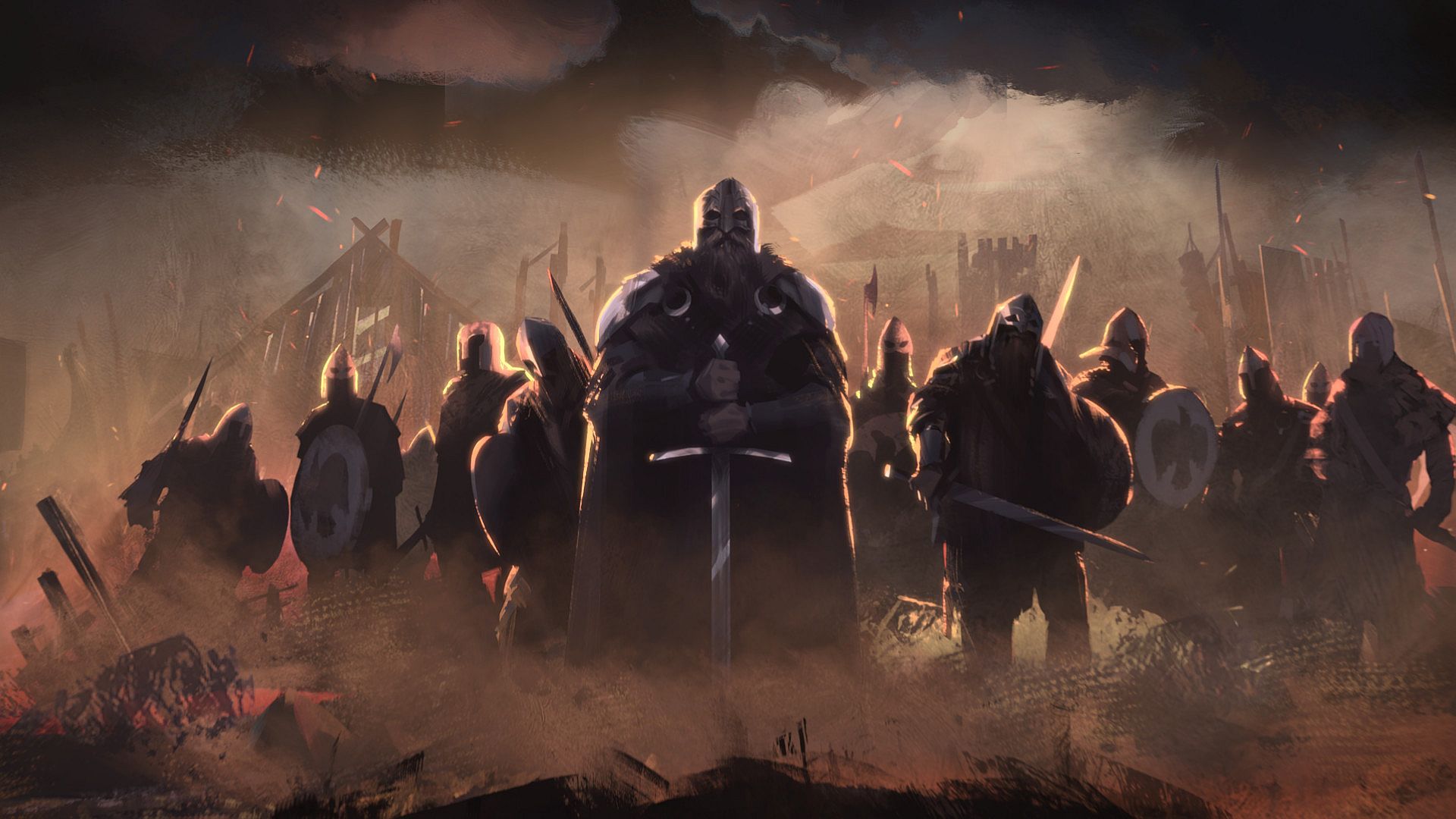
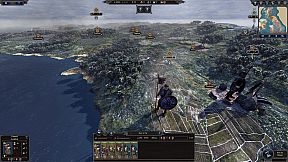
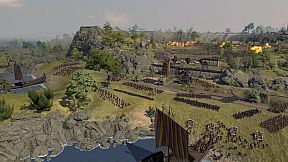
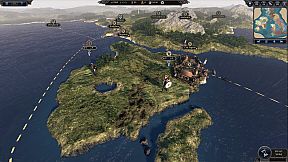
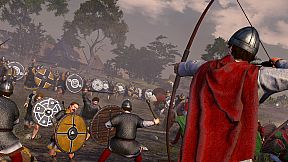
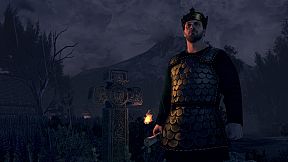
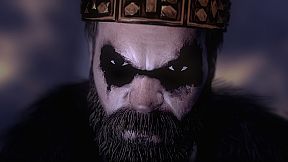


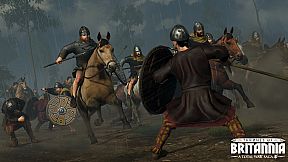
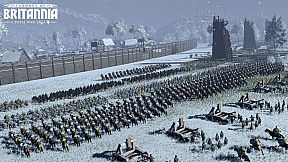
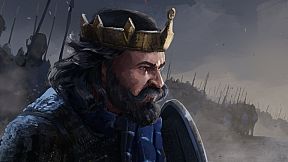
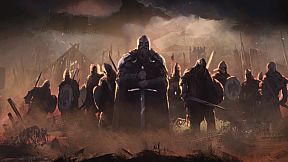
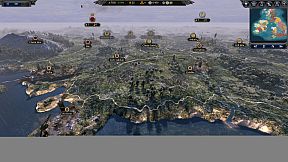
A Total War Saga: Thrones of Britannia is a strategy game that places players in the role of a ruler during the year 878 AD in the British Isles. The title challenges participants to navigate a period of fragile peace following the Battle of Edington, where Viking forces have settled across the region while Anglo-Saxon, Gaelic, Welsh, and Norse factions vie for dominance. It combines turn-based campaign management with real-time battles on a detailed map of Britain, allowing choices between military expansion, economic development, or pursuit of faction-specific goals.
Gameplay
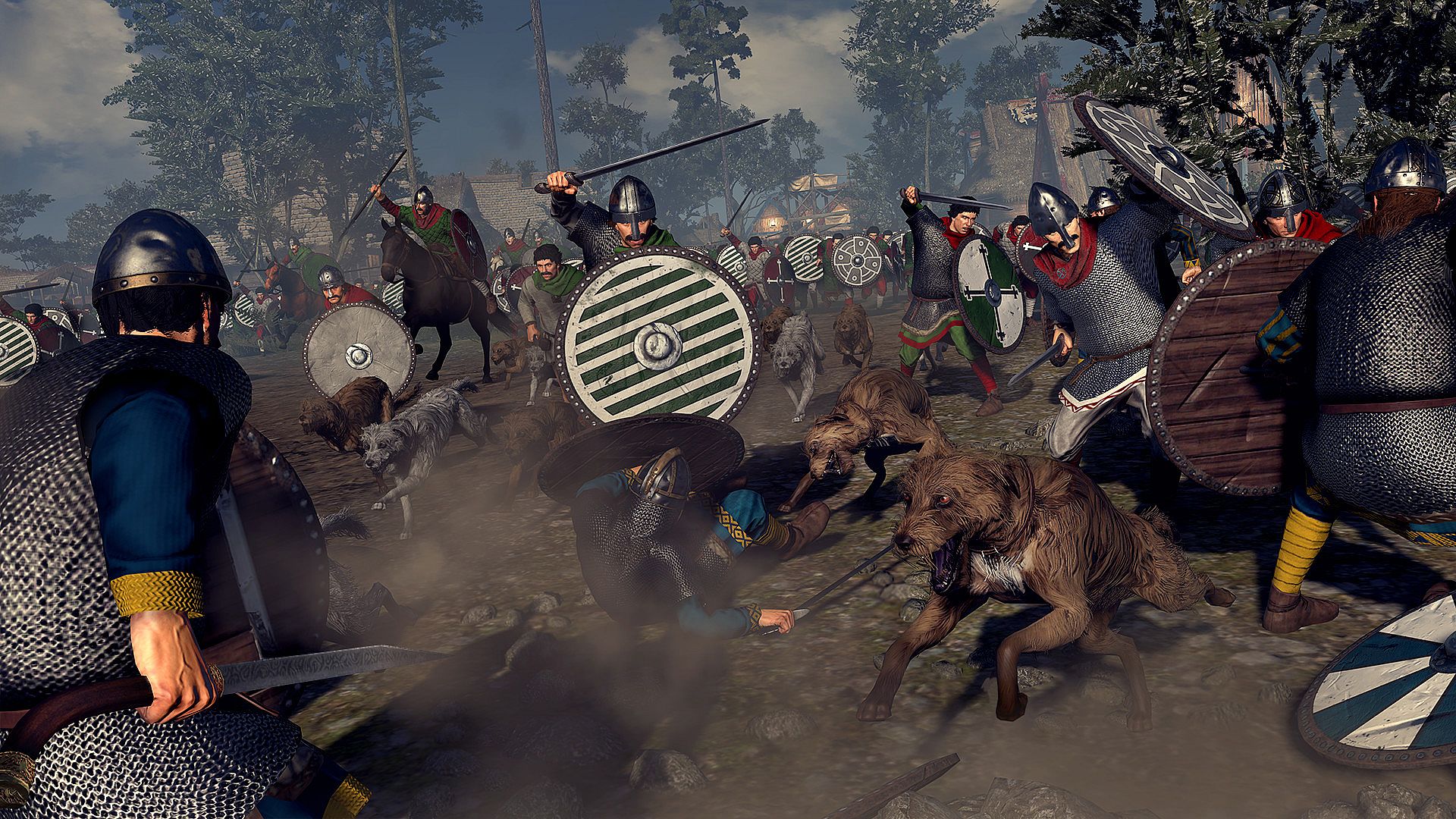
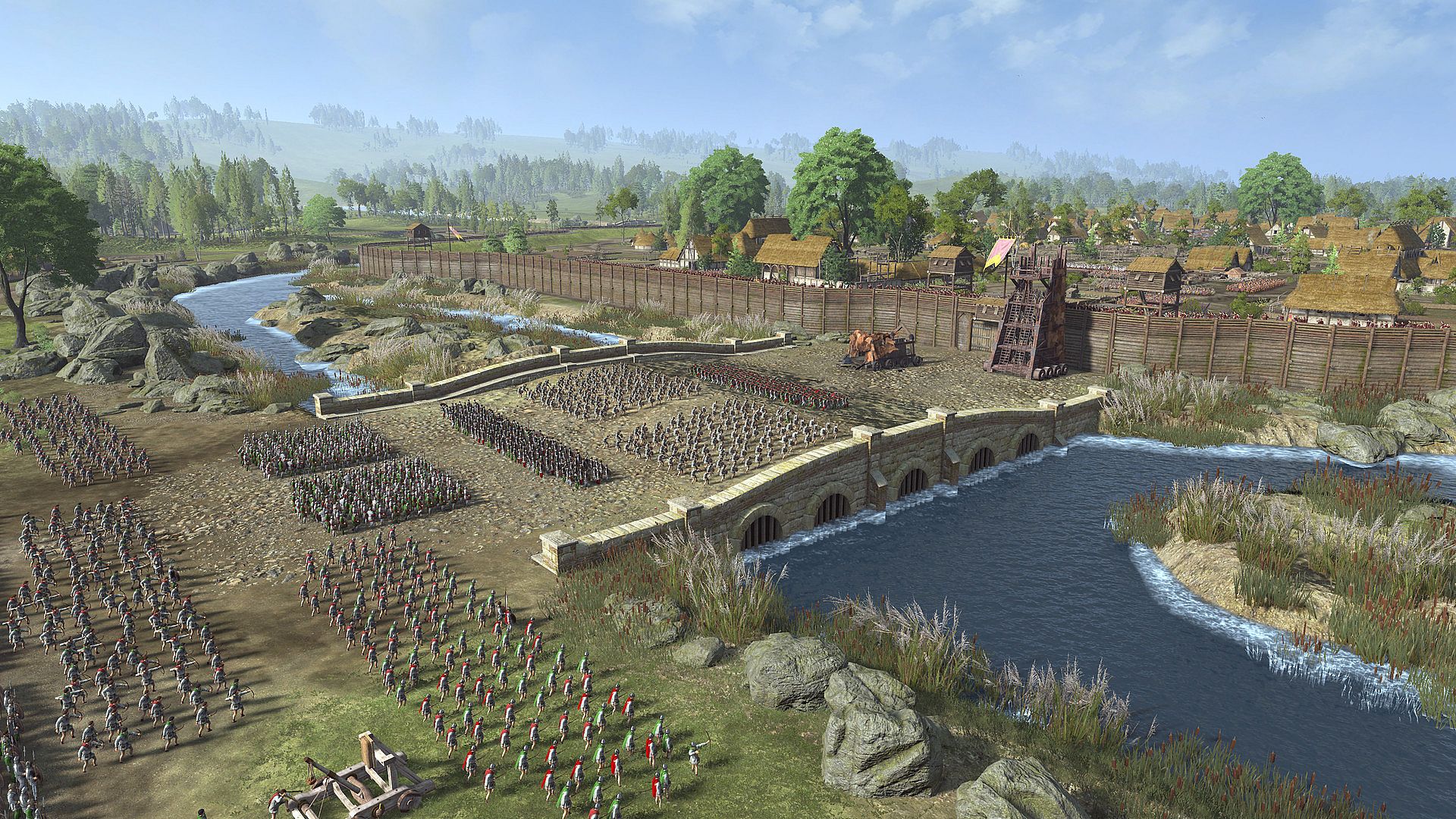
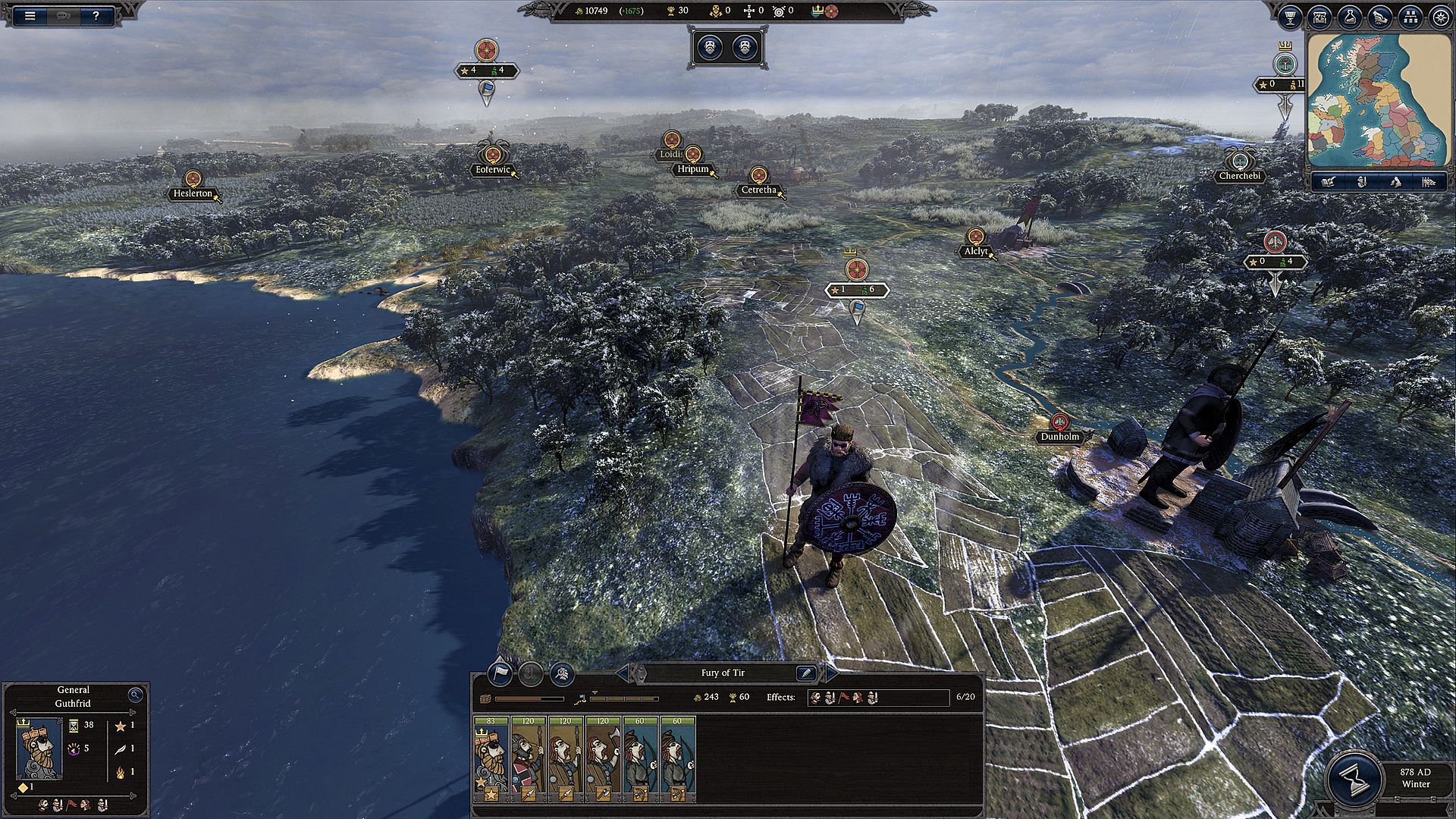
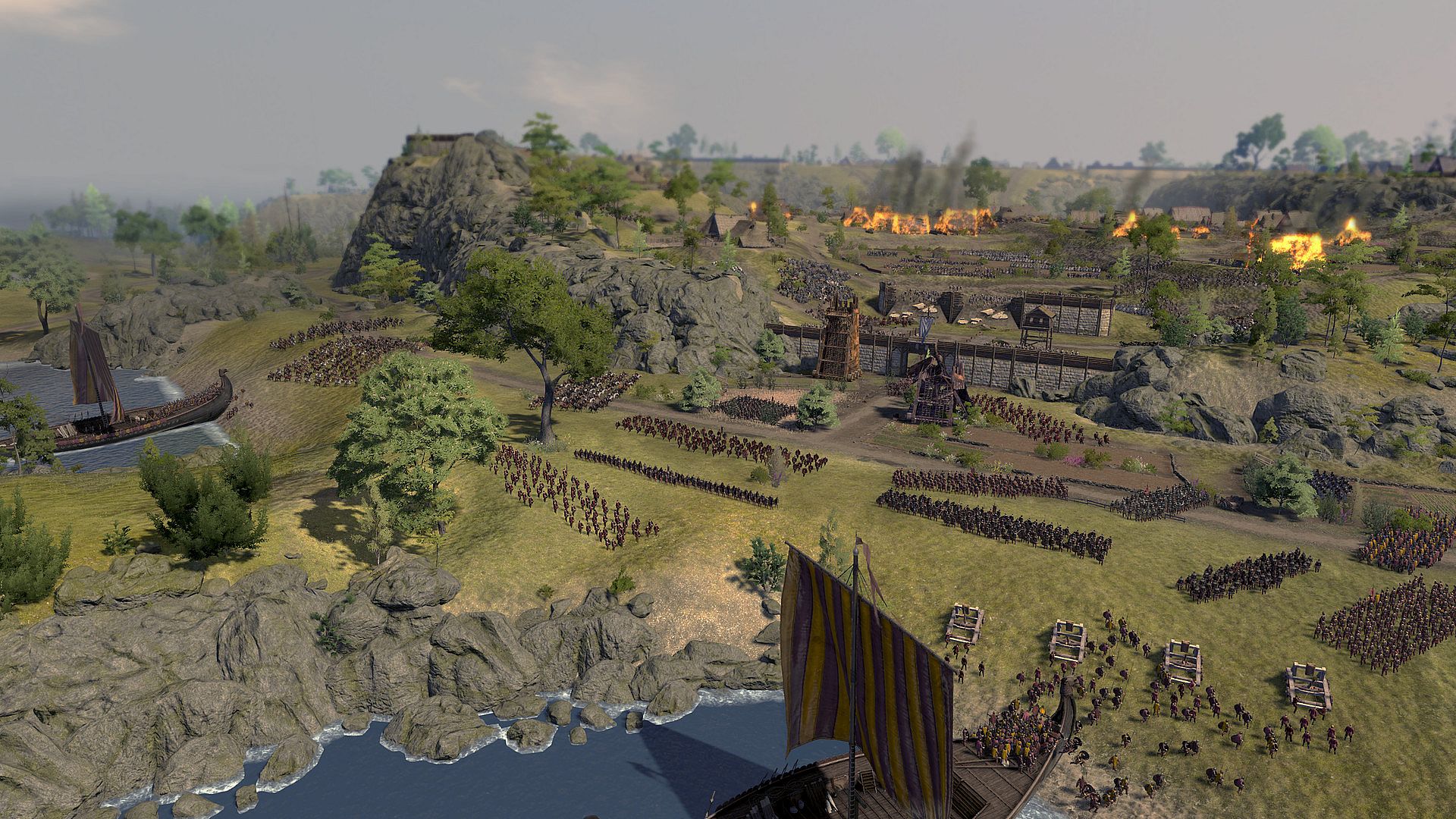
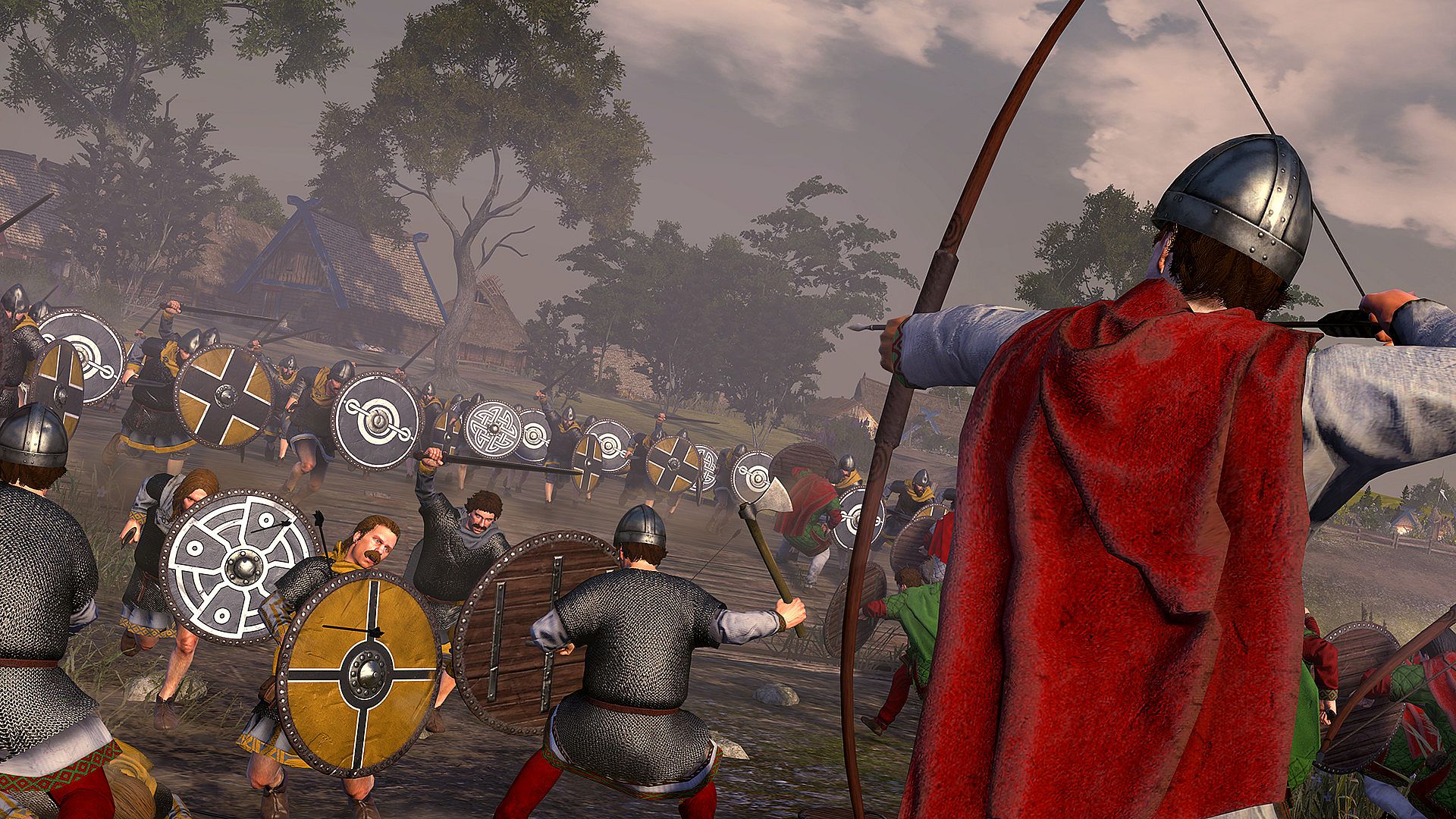
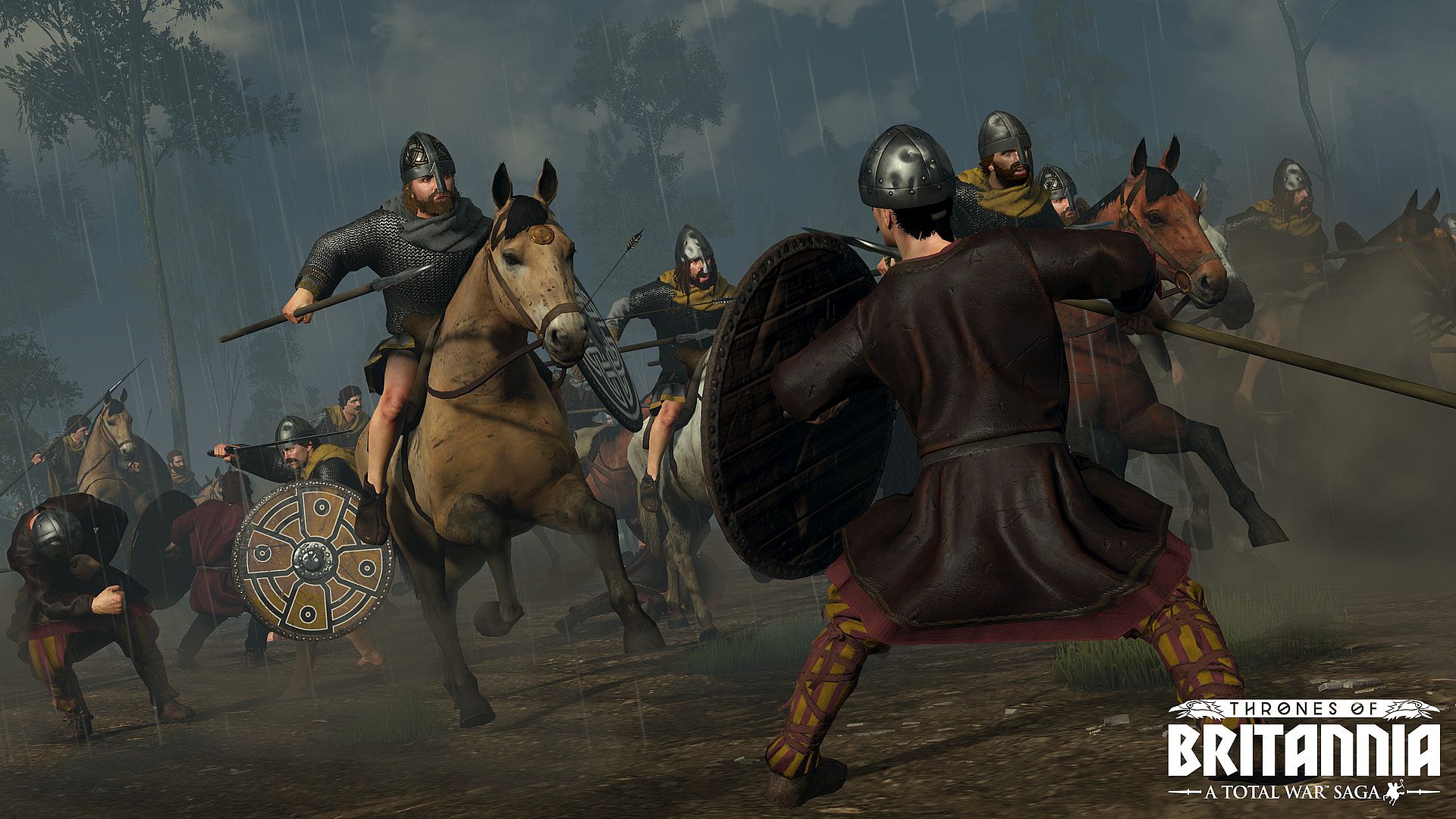
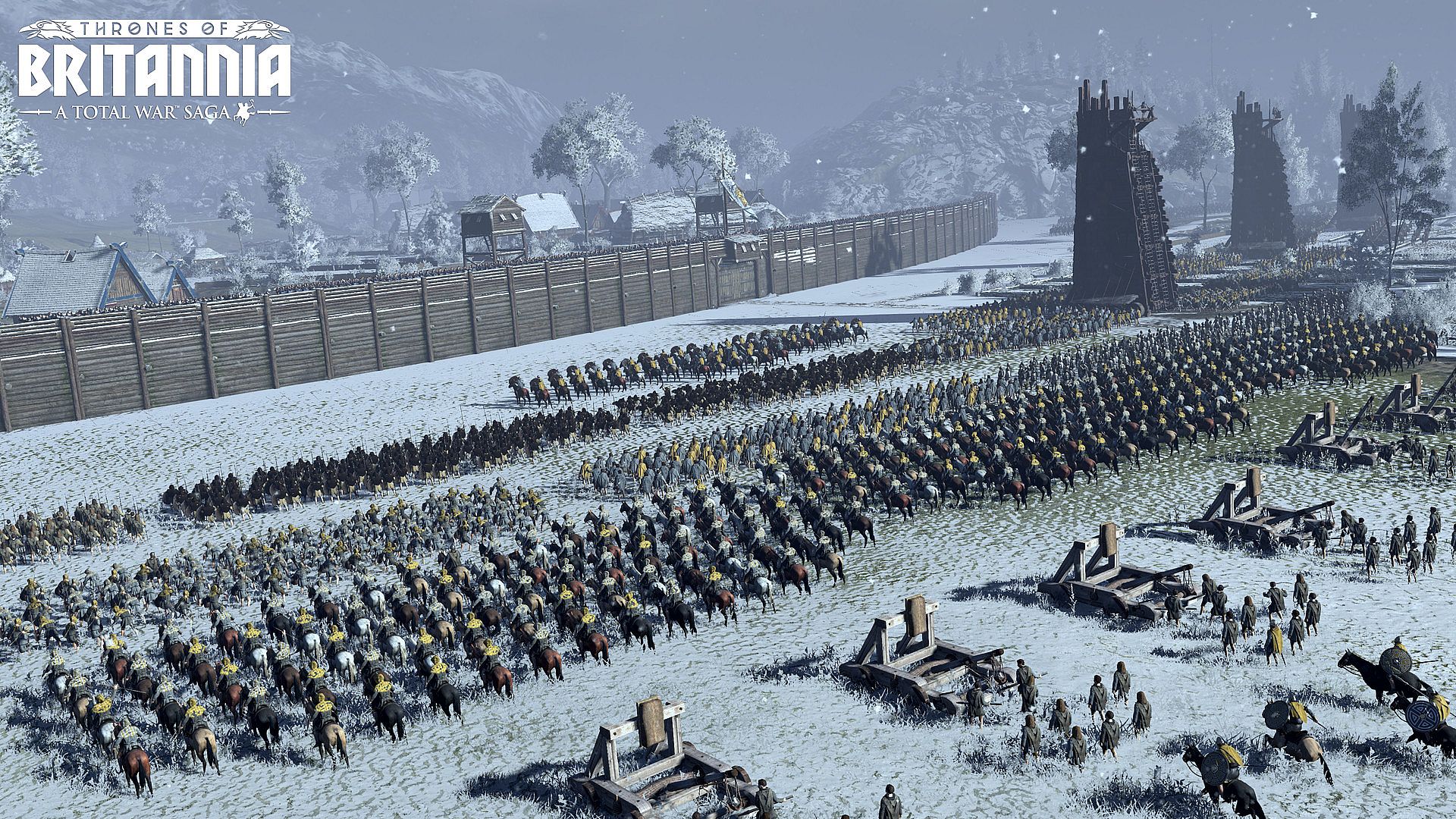
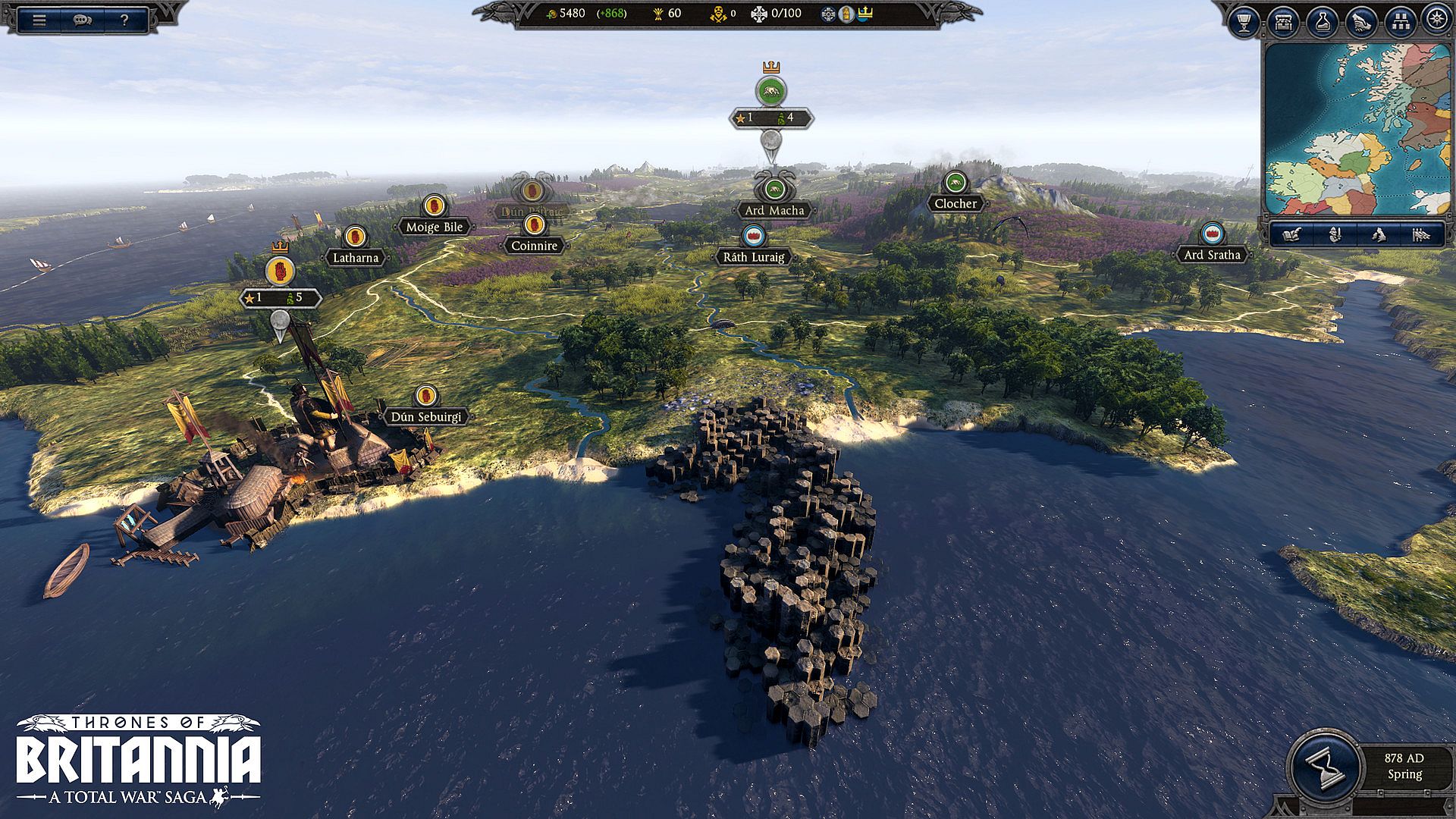
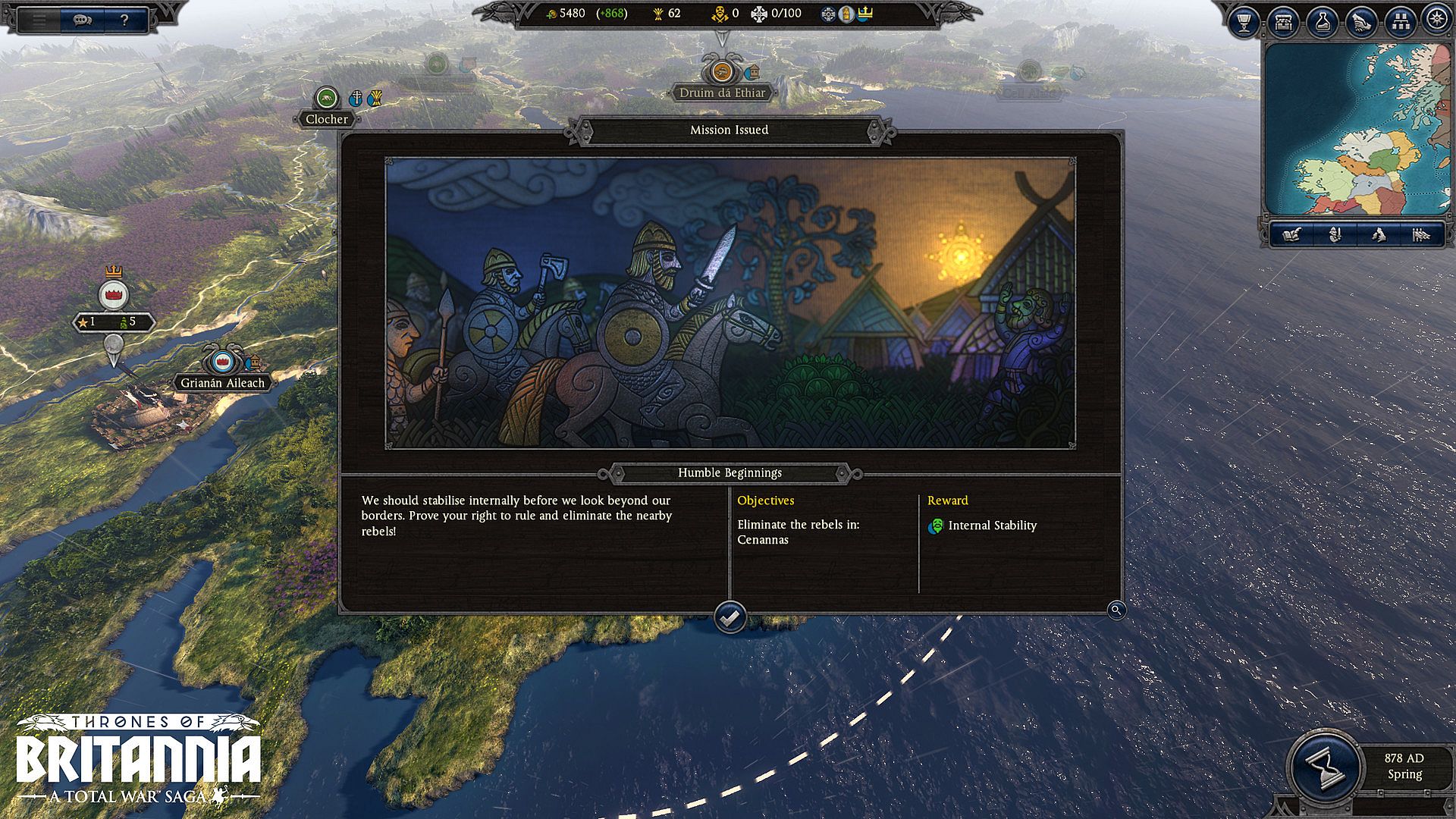
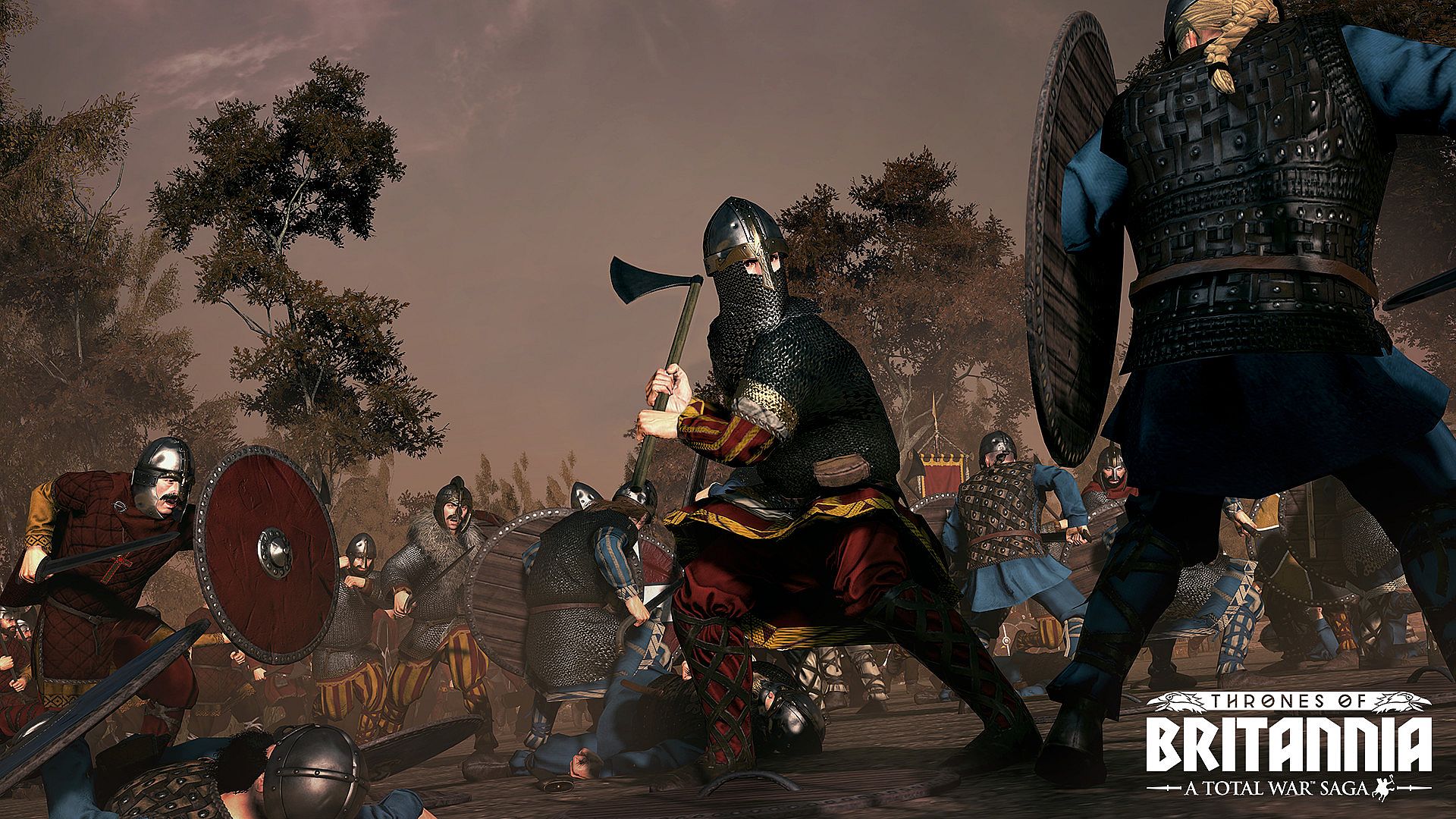
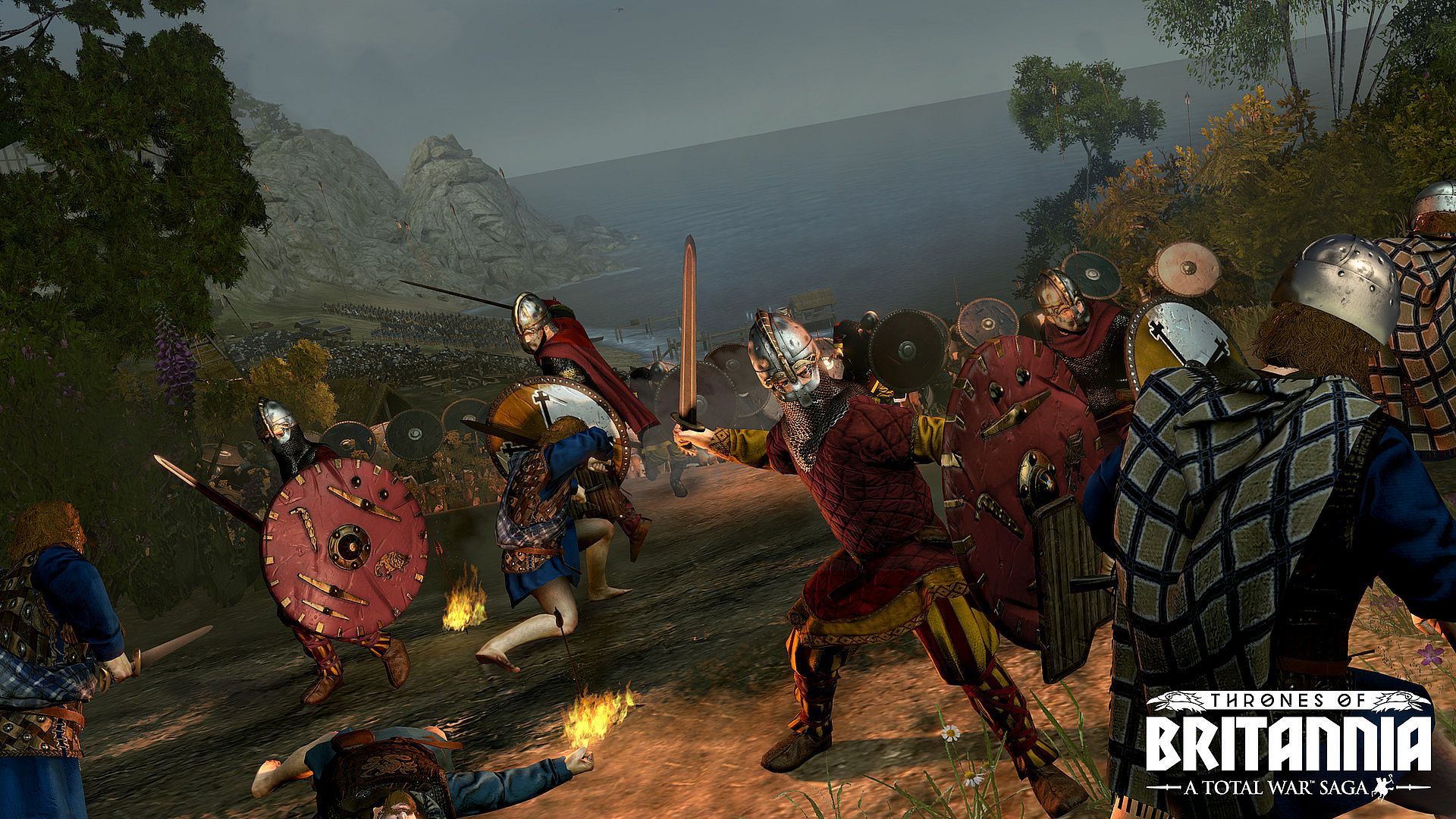
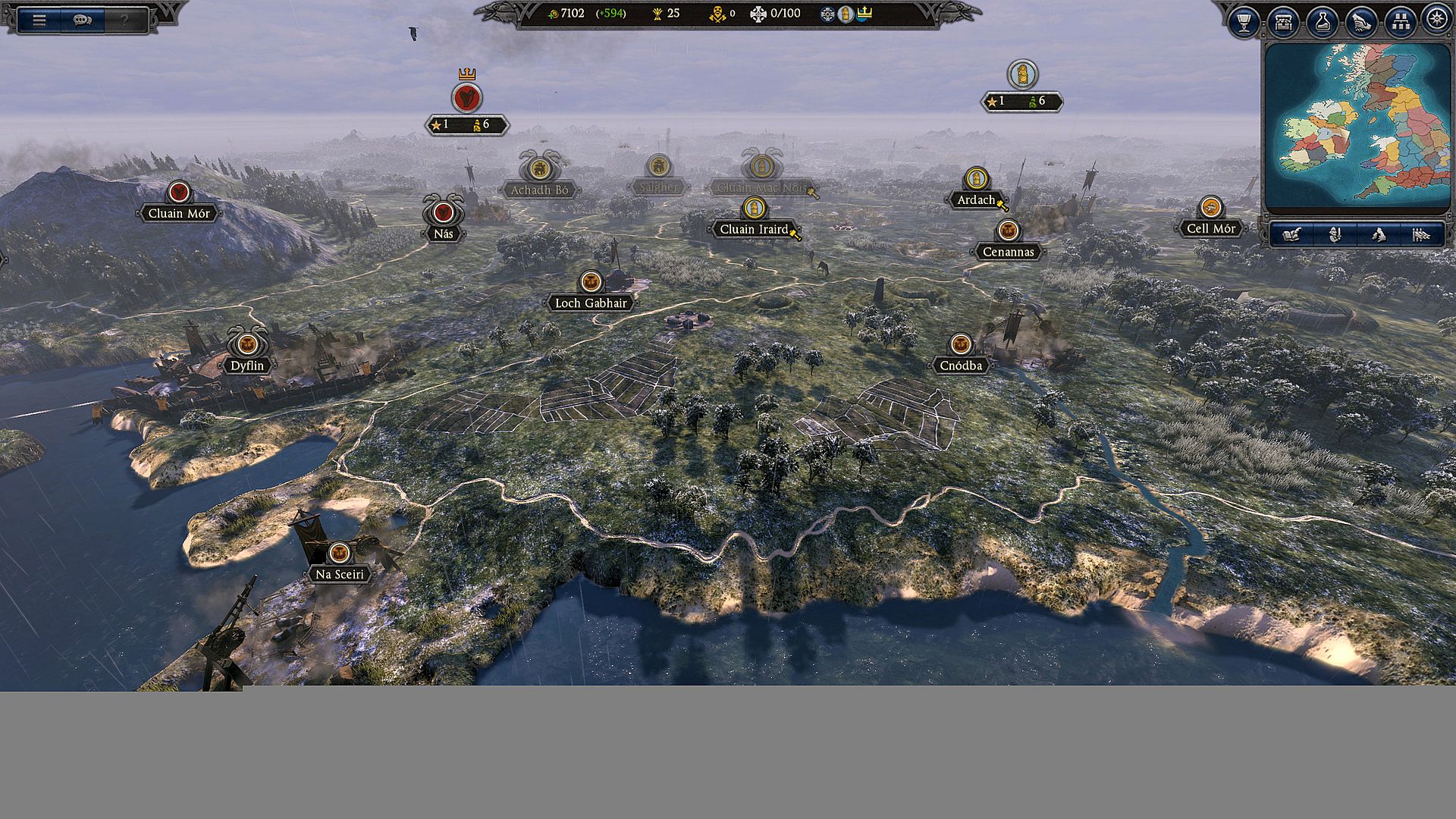
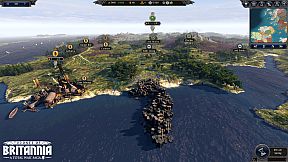
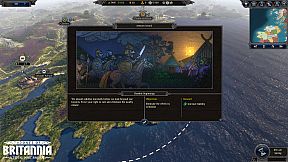
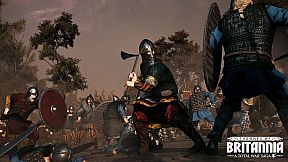
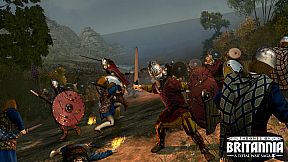
The core loop centers on the Grand Campaign, where players manage settlements, recruit armies, forge alliances, and expand influence across varied terrains from Scottish highlands to southern English meadows. Updates to classic mechanics include refined province systems, political interactions, technology trees, and recruitment options that tie directly into settlement growth and noble development. Each decision about a king's or noble's path carries lasting effects on army composition, economy, and diplomatic standing. Battles unfold in real time across diverse environments, with opportunities to capture minor settlements that disrupt enemy trade or force tactical retreats. Faction-specific events and dilemmas, drawn from historical contexts, shape unique playstyles for Anglo-Saxon kingdoms focused on defense and unification, Gaelic clans emphasizing clan politics, Welsh tribes leveraging terrain advantages, or Viking groups balancing settlement with raids.
Game Modes
The primary experience is the Grand Campaign, which supports multiple victory paths including aggressive territorial conquest, accumulation of renown through buildings and influence, or completion of tailored historical objectives before facing a late-game ultimate challenge. Multiplayer options extend this through online co-op campaigns, LAN co-op, online PvP battles, and LAN PvP matches where participants can control opposing forces. These modes allow shared progression in the campaign or direct competitive engagements without altering the single-player structure.
Factions and Cultures
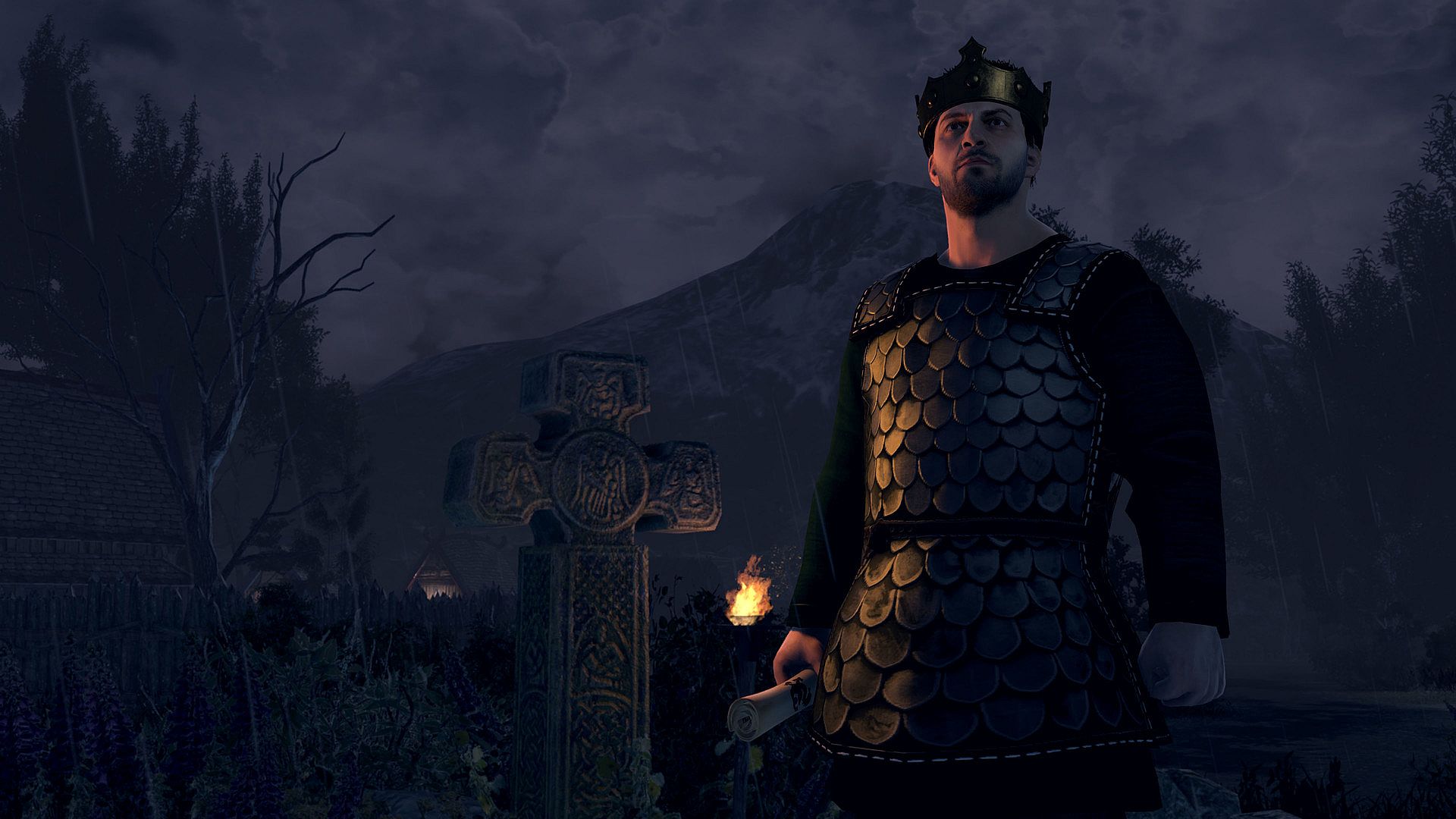
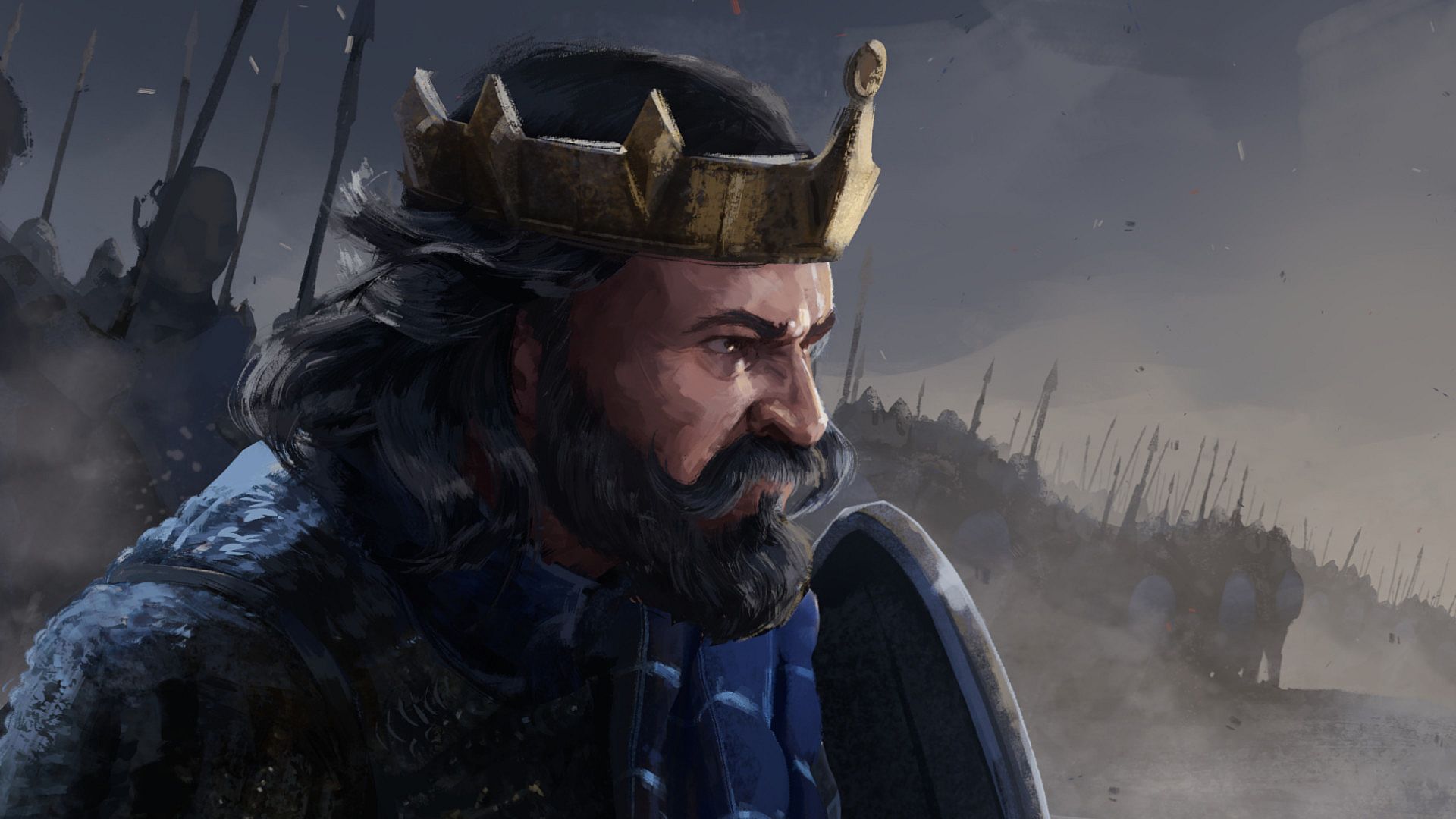
Ten playable factions span five cultures, each with distinct leaders and starting positions that influence strategy. Anglo-Saxon options include West Seaxe under King Alfred, centered on southern resistance and expansion from Winchester, and Mierce under Ceowulf, controlling the Midlands from Tamworth. Gaelic factions feature Mide led by King Flann Sinna in central Ireland and Circenn under Áed mac Cináeda along Scotland's eastern coast. Welsh kingdoms consist of Gwined with King Anaraut in the west and Strat Clut under Run in the Clyde valley. Viking groups cover Northymbre with Guthfrid in York and East Engle under Guthrum in the southeast, alongside Sea Kings such as Dyflin ruled by Bardr and Sudreyar led by Eirik in the southern isles. These setups encourage different approaches to economy, military, and diplomacy based on cultural strengths.
Historical Context
The setting captures a pivotal moment after Viking invasions, with settlements like Winchester, Tamworth, and York serving as key hubs amid shifting alliances. Players encounter branching narratives tied to real events, such as the integration of Norse-Gaelic elements or the legacy of figures like Alfred the Great, while managing peasant economies or launching expeditions. The map reveals layered environments that affect movement, defense, and resource control, emphasizing the transition from conflict to potential nation-building.
Is It Worth Playing?
This title suits players interested in historical strategy campaigns that blend management depth with tactical battles, particularly those drawn to the British Isles setting and faction variety. It offers single-player depth through varied victory conditions and multiplayer support for co-operative or competitive sessions. As a complete standalone release with no ongoing seasonal content, it provides a self-contained experience focused on one historical era rather than live-service updates. Those who value refined campaign systems and meaningful choices in ruler development will find consistent engagement across multiple playthroughs with different factions.