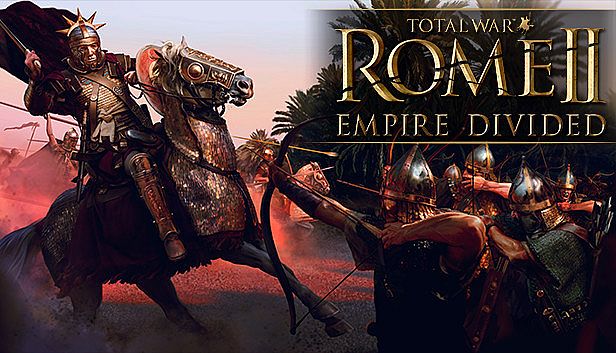











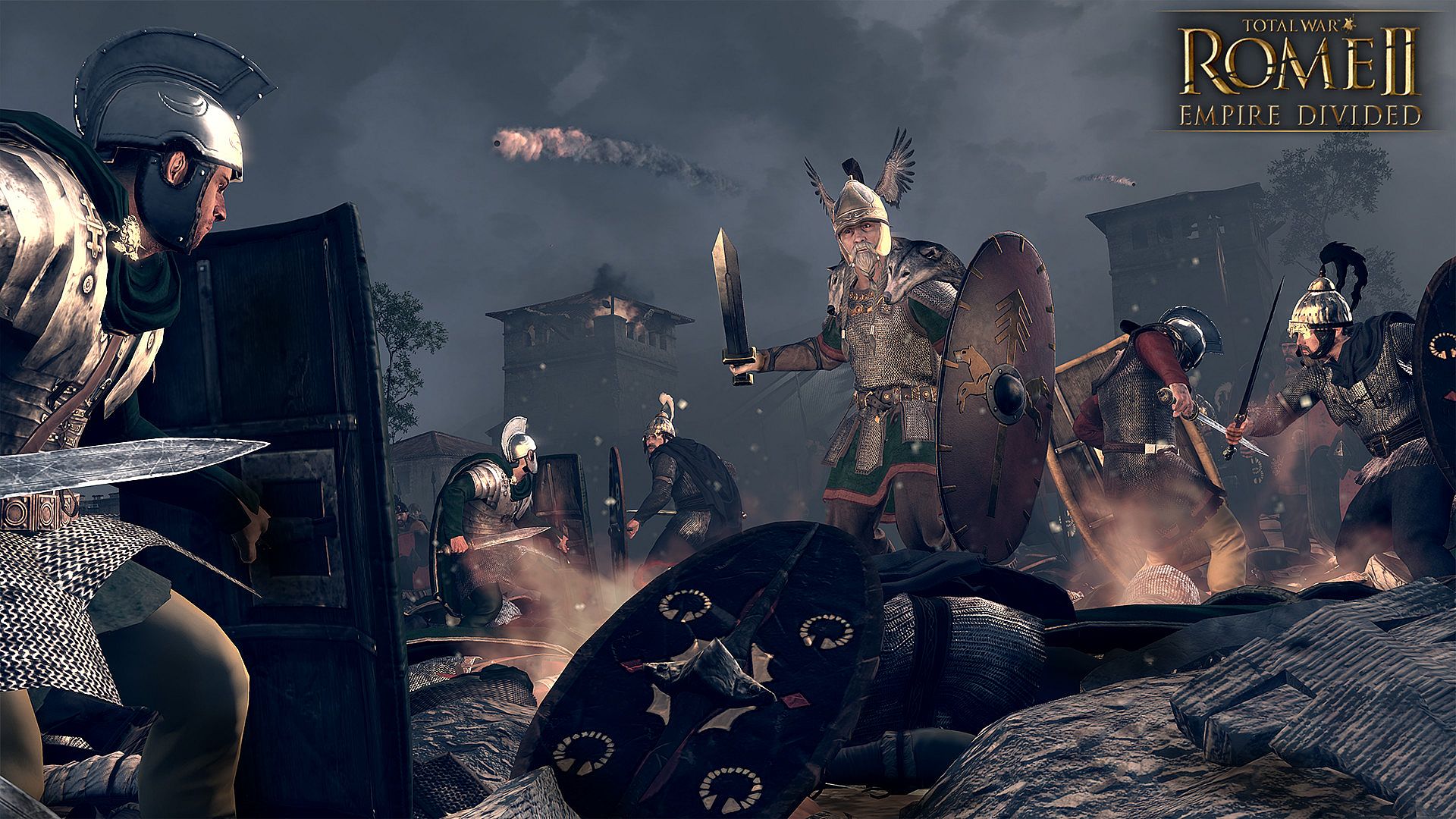

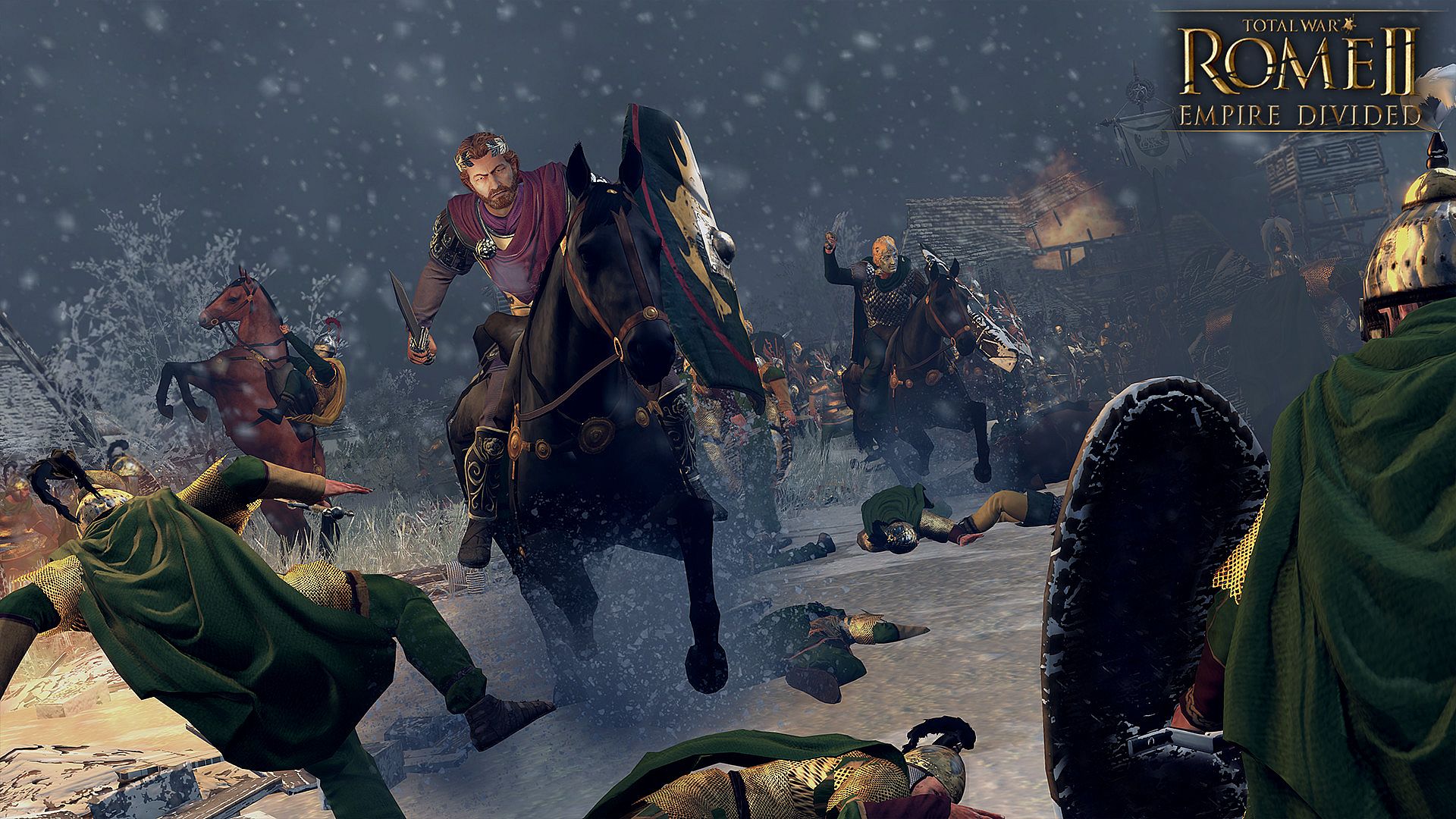
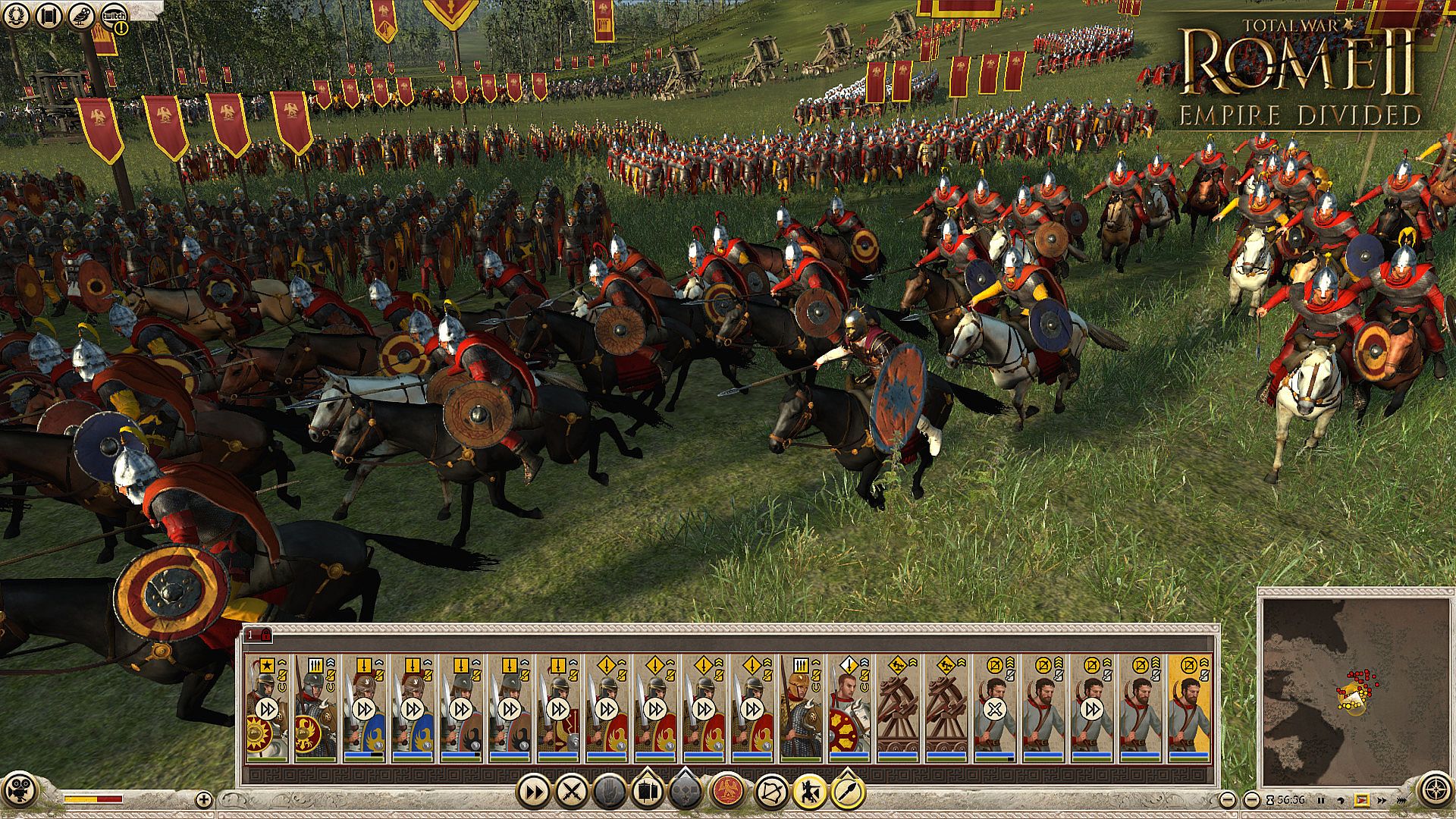
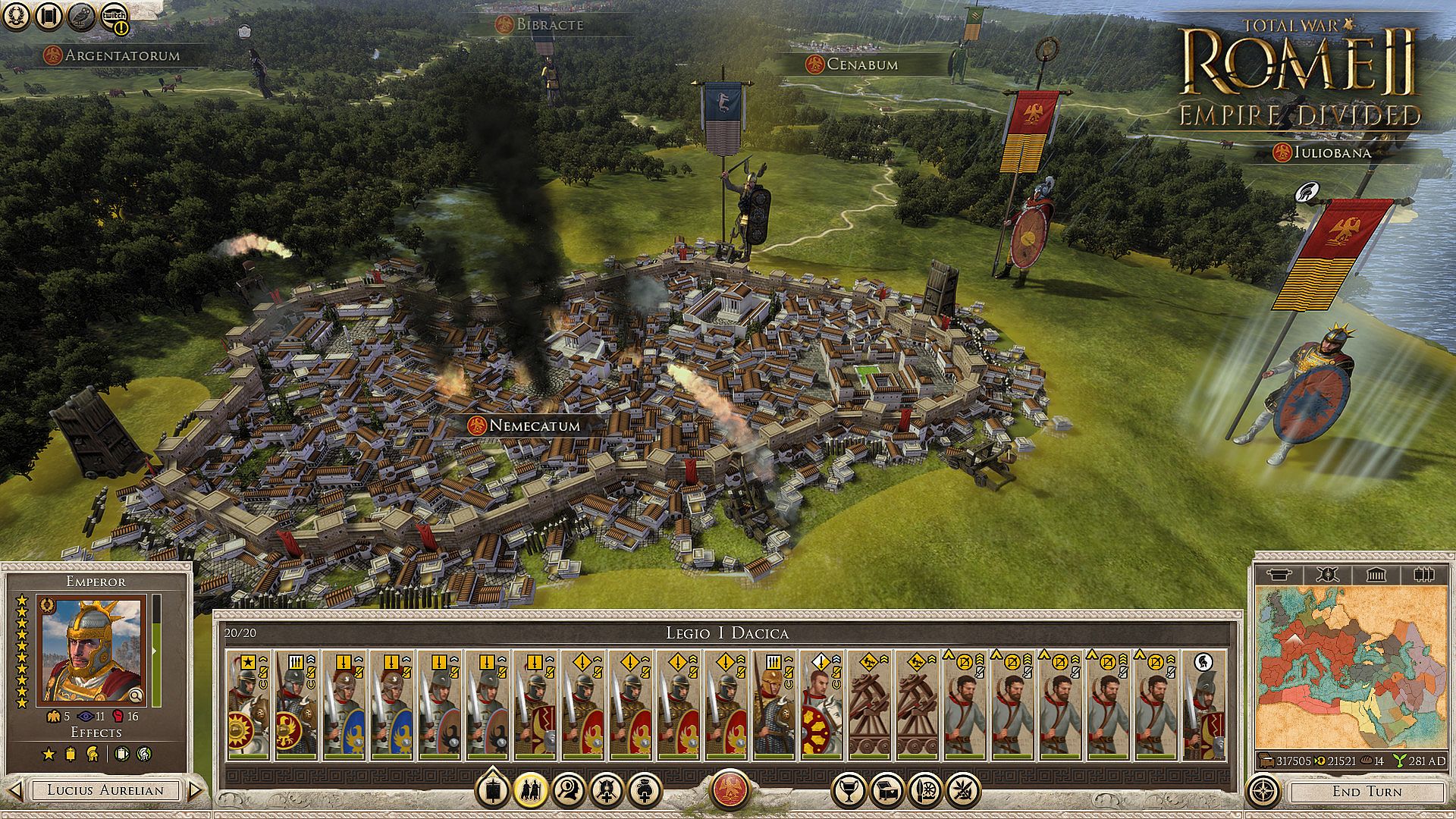
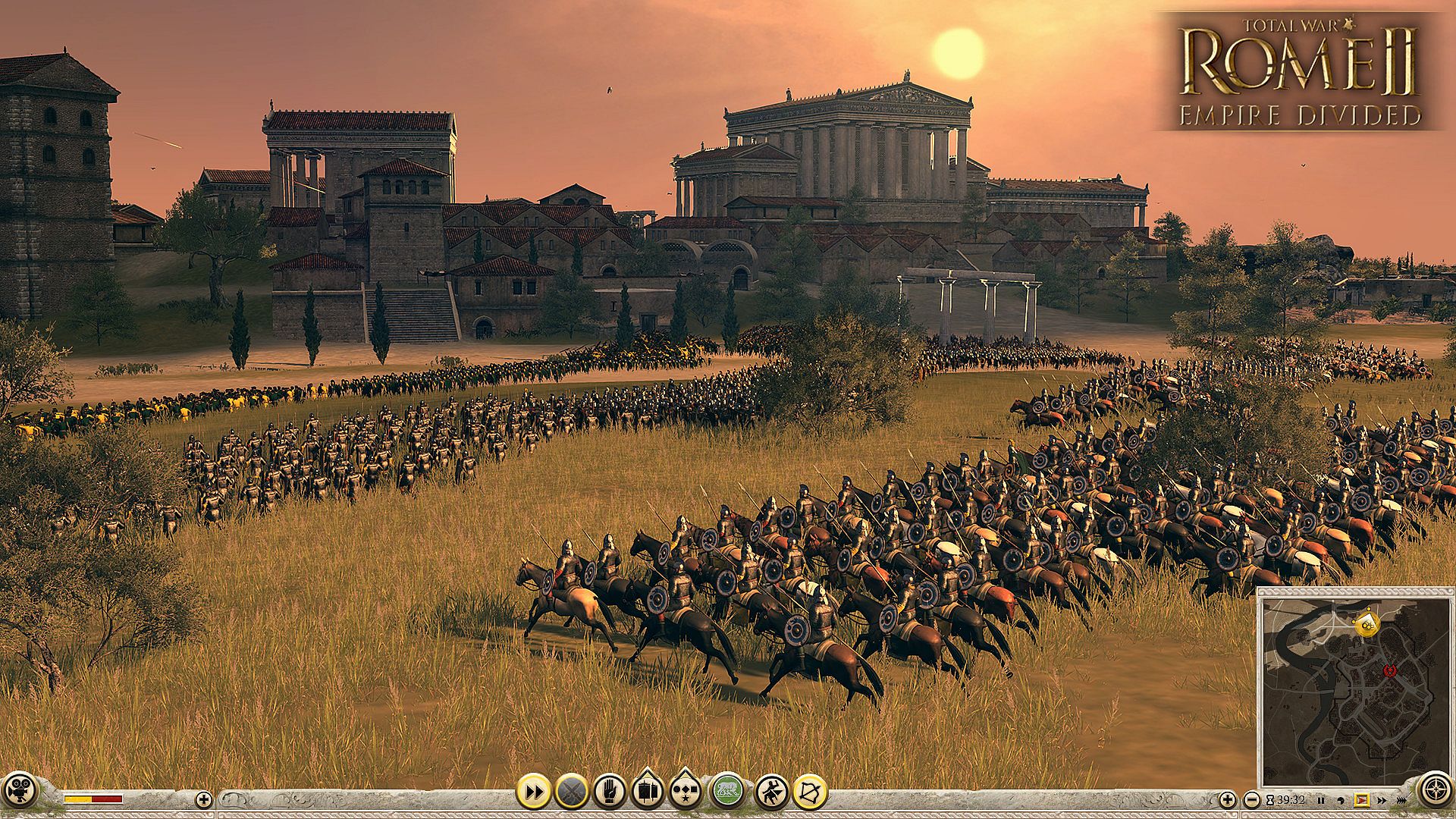
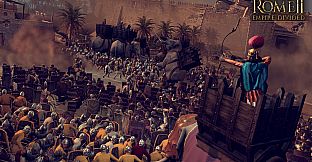
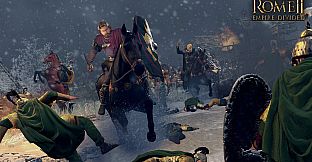
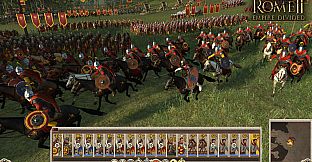
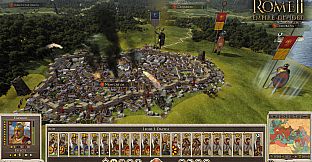
Total War: ROME II Empire Divided is a campaign pack for the strategy game Total War: ROME II on PC. It shifts the setting to 270 AD during the Crisis of the Third Century, when the Roman Empire faces economic collapse, internal power struggles, and external threats from barbarian tribes and eastern powers. Players select from ten factions divided across five cultural groups, each with distinct traits that shape diplomacy, military performance, and economic development.
Gameplay
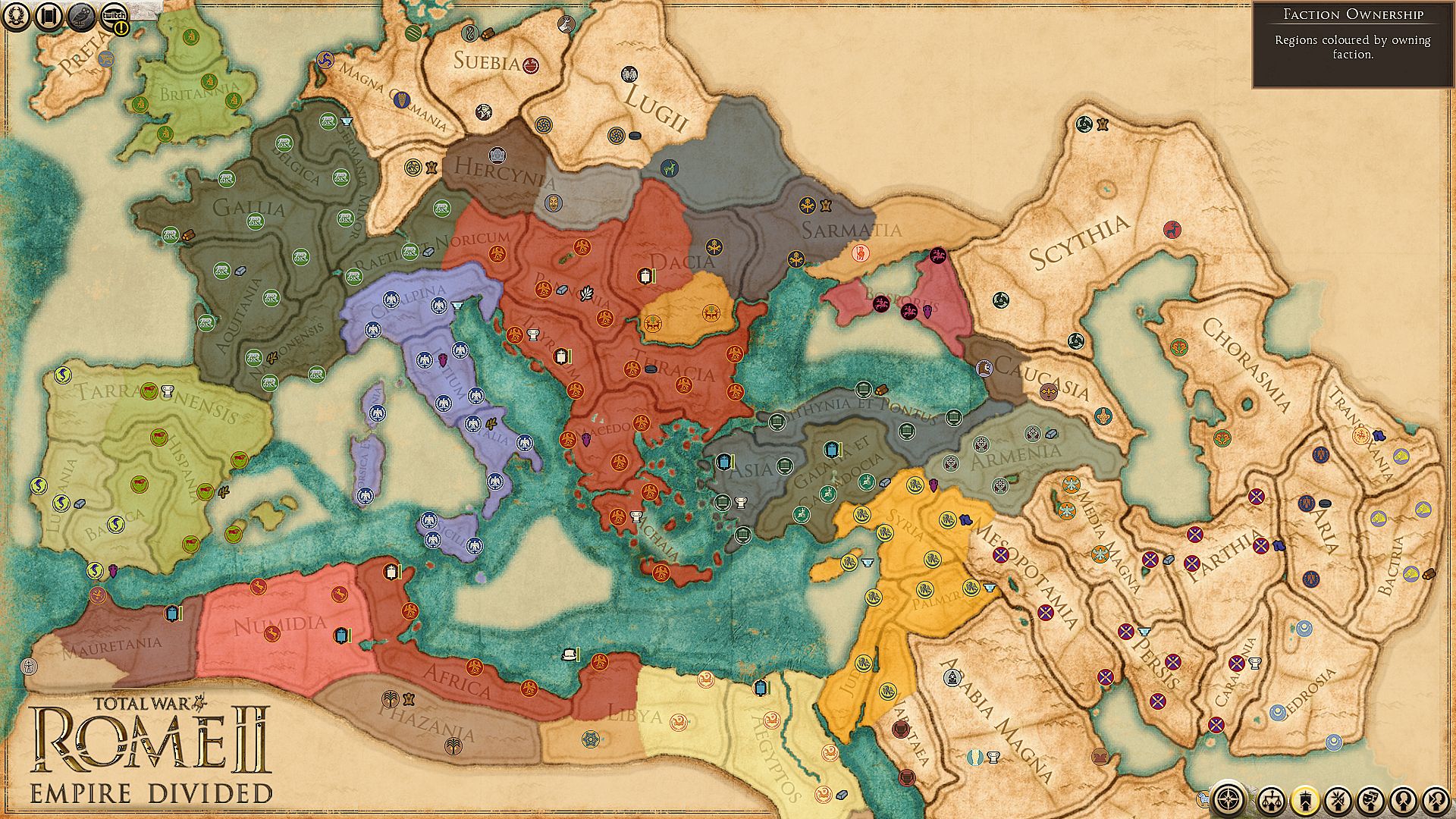
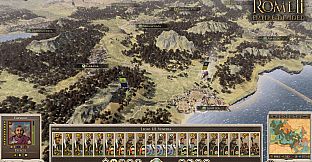
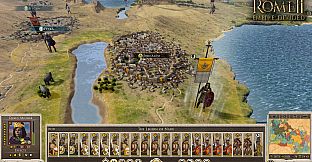
The core loop combines turn-based campaign management with real-time battles. On the campaign map, players expand territories, manage resources, and respond to period-specific challenges. Banditry levels rise in provinces based on domain size and certain buildings, which reduces food supplies and can trigger events. Armies and special structures help lower banditry to maintain stability.
Plagues spread between neighboring settlements via armies or trade routes, lowering growth, public order, and income until sanitation improvements contain them. Cults representing Christianity, Mithraism, and Manichaeism appear as optional building chains that grant bonuses at the cost of spreading foreign culture and potential disorder. Removing them requires significant spending and triggers public order penalties.
Five heroic factions receive elaborate victory conditions, named leaders who cannot die in battle, and custom event chains that influence character development and faction bonuses. Technologies have been restructured to reflect historical responses to crises rather than abstract advances, with unique trees for each culture group. New building chains include administration structures for Rome, naval training facilities in coastal capitals, and specialized religious sites for Palmyra and Armenia. General skills now allow specialization in recruitment, combat, strategy, governance, or maritime areas.
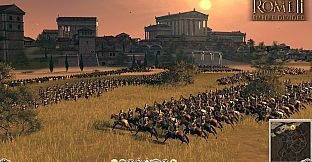
Each faction brings unique units that vary the classic Roman aesthetic. Rome fields Praetorians, Jovianii, Herulianii heavy infantry, Equites Dalmatarum light cavalry, and heavy cataphracts. Gallic Rome offers Taifali Cavalry and distinctive Gallic Legionaries and Axemen. Palmyra includes spear-preferring Palmyrene Legionaries, Hamian Archers, and armoured camels alongside eastern-style cataphracts.
Game Modes
The primary experience centers on the single-player grand campaign set in the divided empire era. This mode incorporates all new mechanics, events, dilemmas, and missions while retaining the established battle system. Heroic factions add narrative depth through bespoke event chains tied to their leaders. No separate multiplayer modes or additional game types appear in this pack.
Factions and Cultural Groups
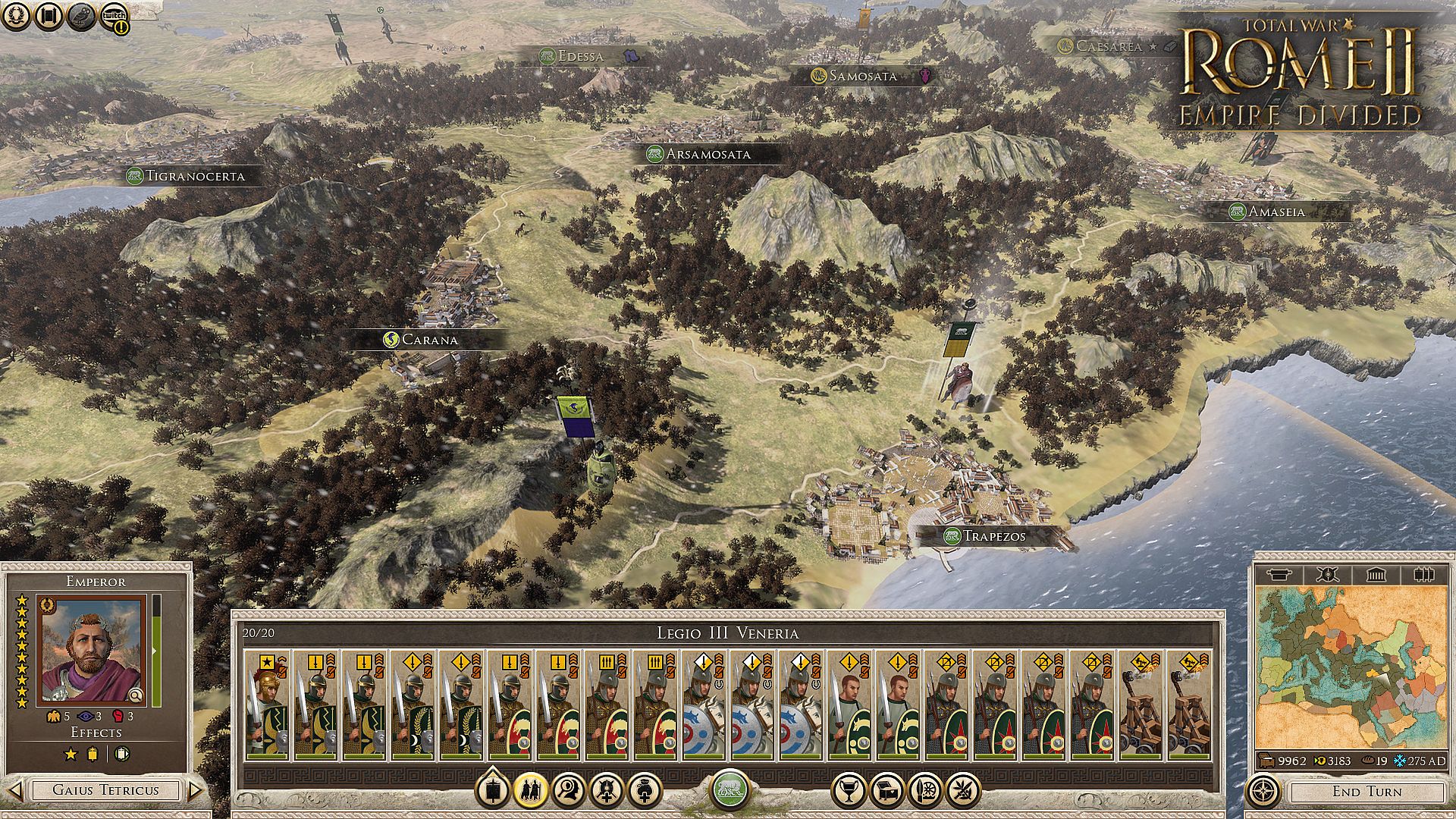
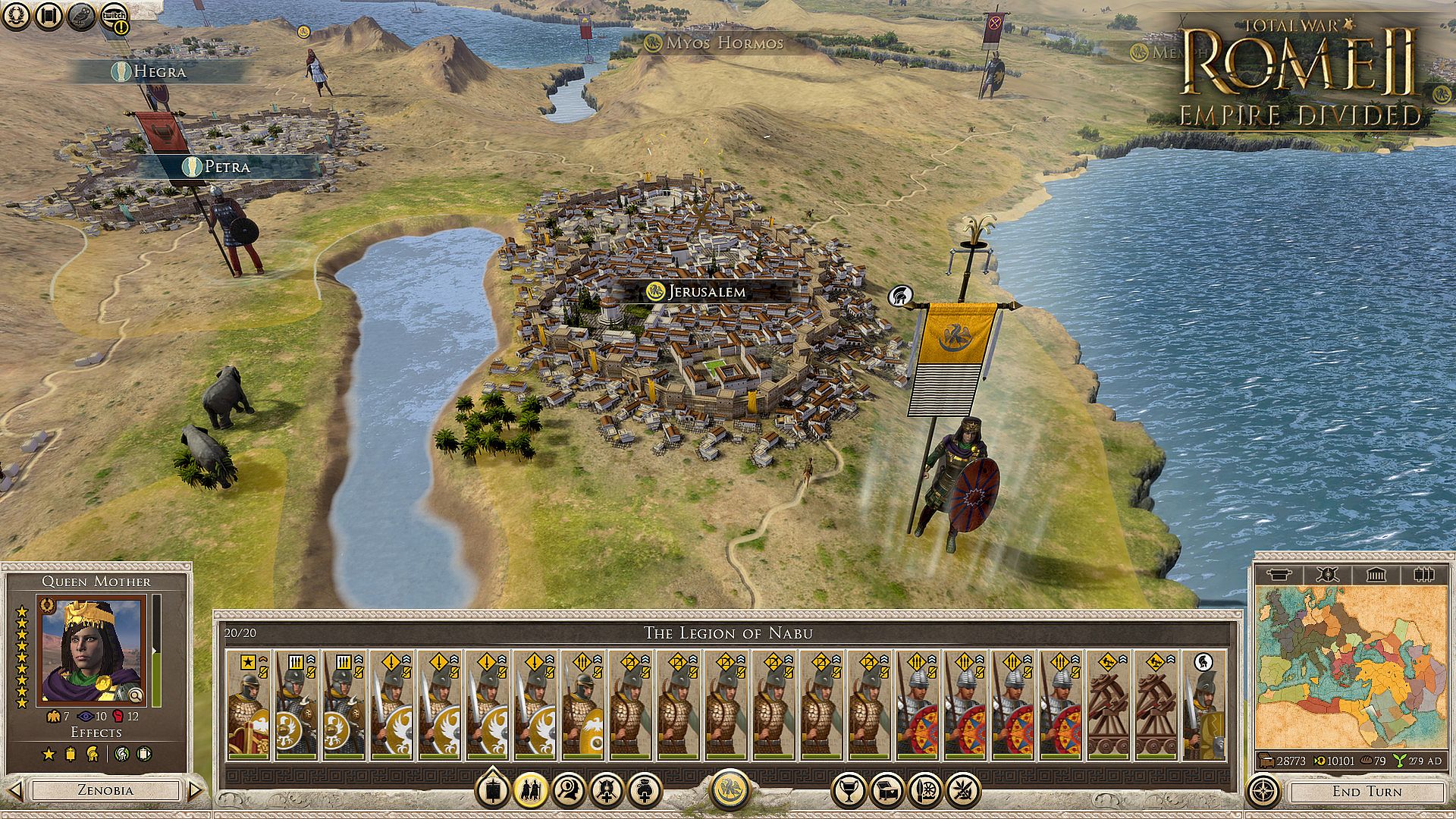
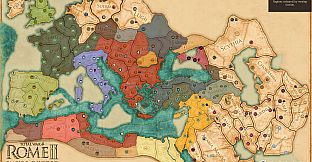
Ten playable factions span the Divided Roman Empire, Germanic Kingdoms, Eastern Empires, Nomadic Tribes, and Britannic Celts. Rome under Aurelian emphasizes military reform and empire defense. Gallic Rome led by Gaius Tetricus focuses on administration and Romanisation. Palmyra with Queen Zenobia highlights research and piety. The Sassanids pursue conquest under Hormizd, while the Gothi under Cannabaudes emphasize cavalry and ancestral traditions. Other options include the Saxones, Marcomanni, Armenia, and Alani, each with tailored traits for movement, recruitment, or diplomacy.
Is It Worth Playing?
This campaign pack suits players who already own Total War: ROME II and seek a focused historical scenario with fresh mechanics. It introduces meaningful changes to empire management through banditry, plagues, and cults that alter long-term strategy. Heroic factions provide stronger narrative elements than standard campaigns. Steam user reviews rate the pack as mixed, with appreciation for the period flavor and unit variety alongside notes on technical aspects. Those interested in the Crisis of the Third Century or expanded campaign systems will find the most value, while newcomers may prefer starting with the base game first.