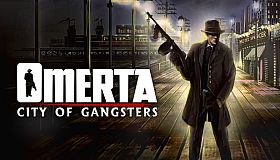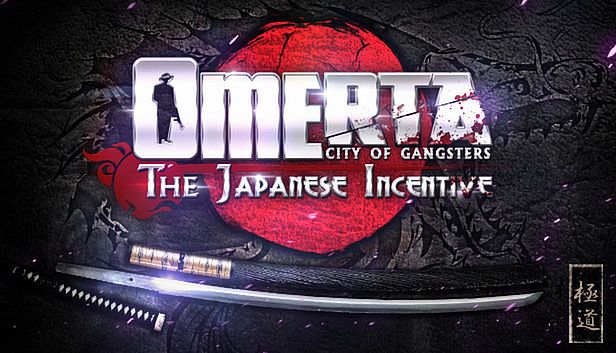









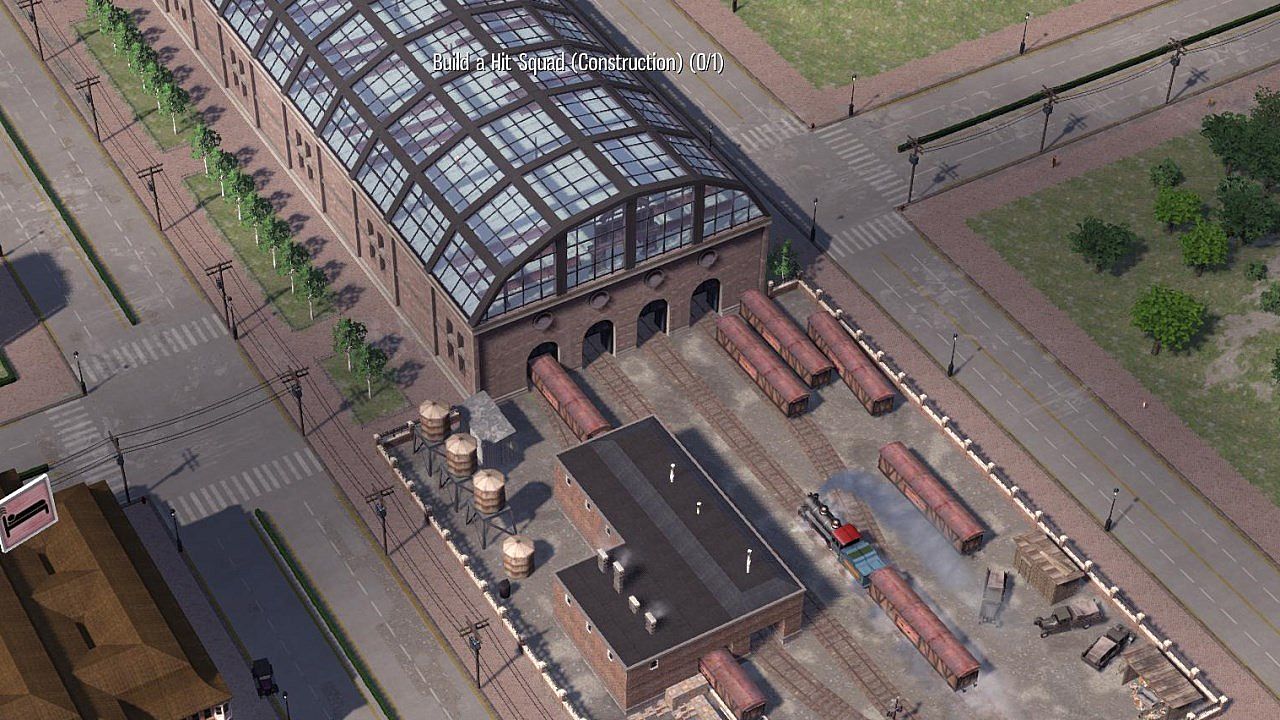
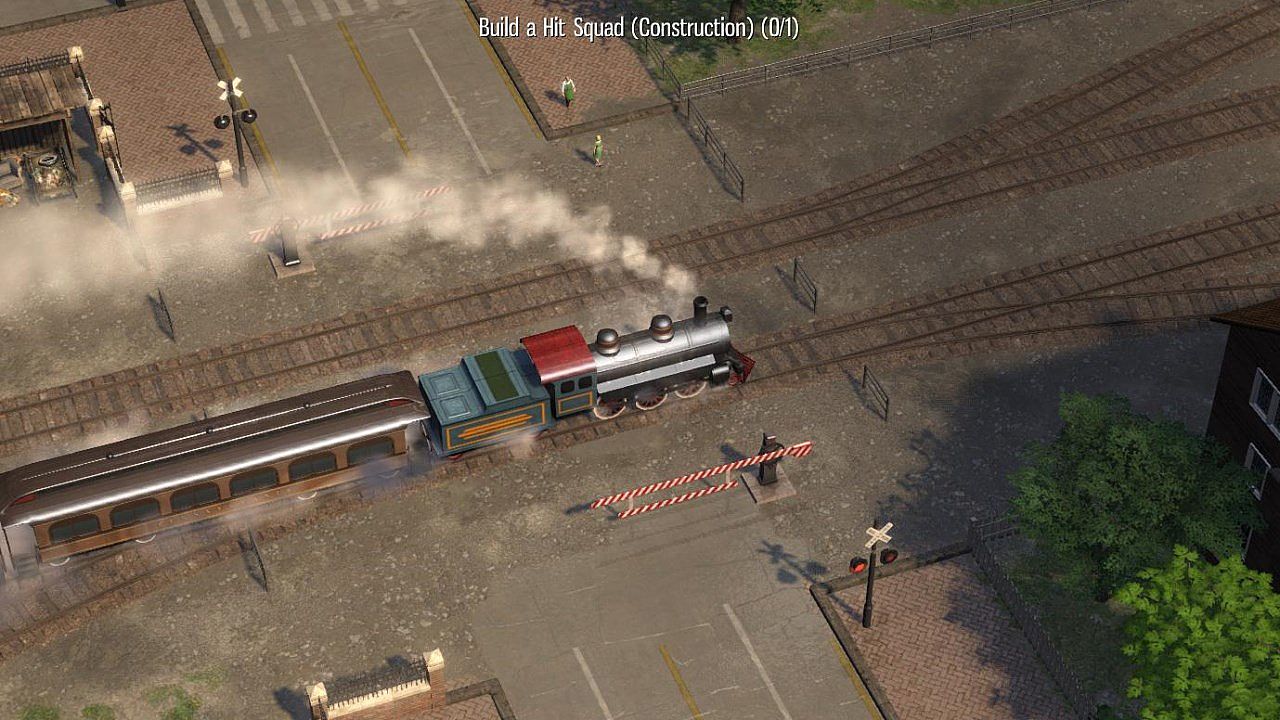
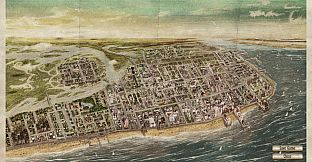
Omerta - The Japanese Incentive stands as a strategy and simulation title that expands the criminal empire building experience in a Prohibition-era setting. Players manage a gang's operations across Atlantic City while engaging in turn-based tactical encounters. The expansion delivers a complete new campaign focused on Irish mobsters, Ku Klux Klan elements, a mysterious Eastern businessman, and a central Japanese character whose presence drives the narrative forward.
Gameplay
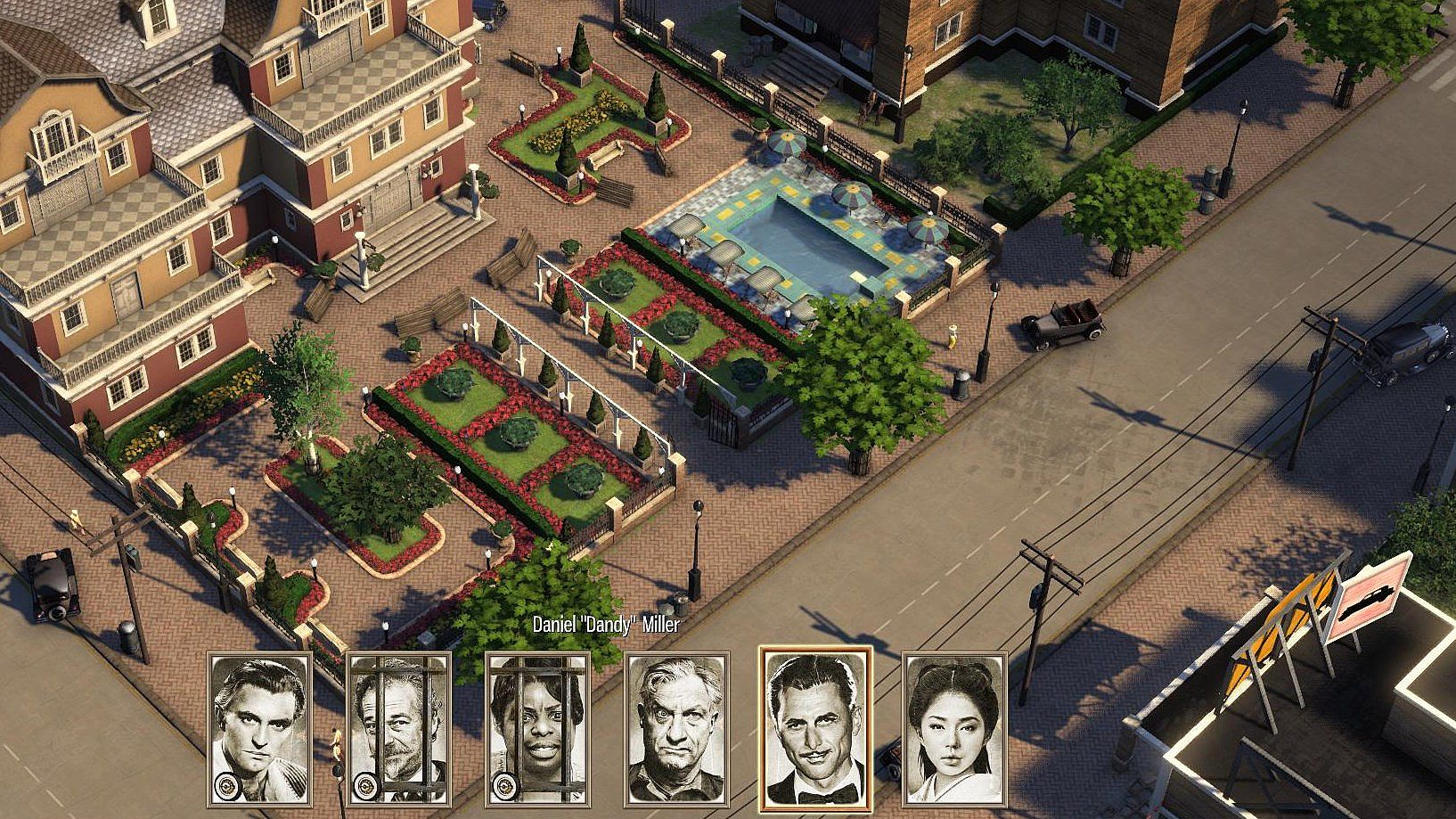
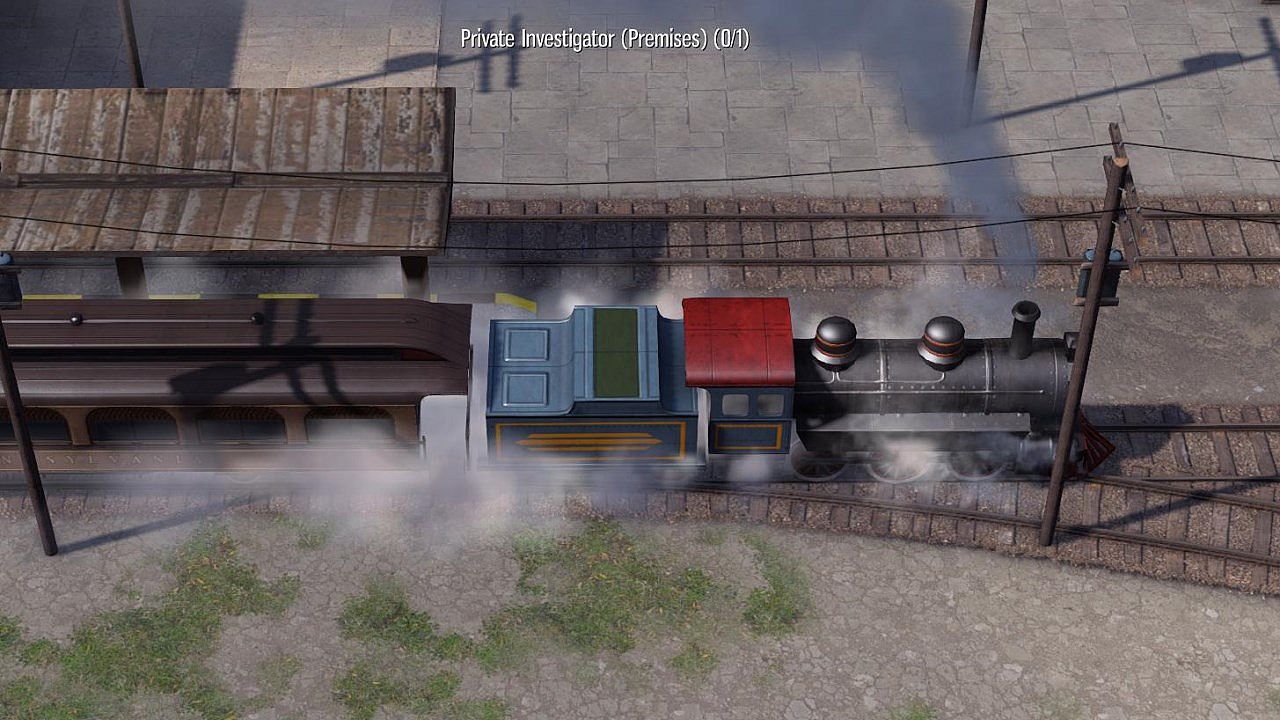
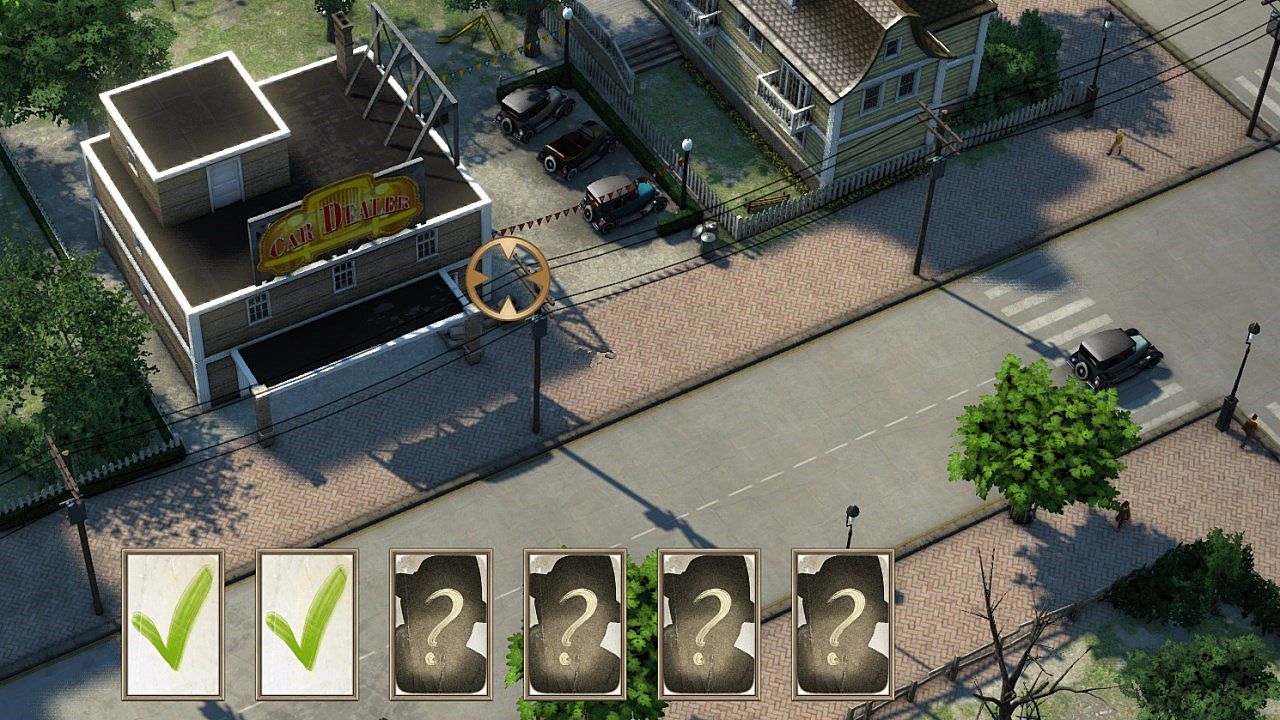
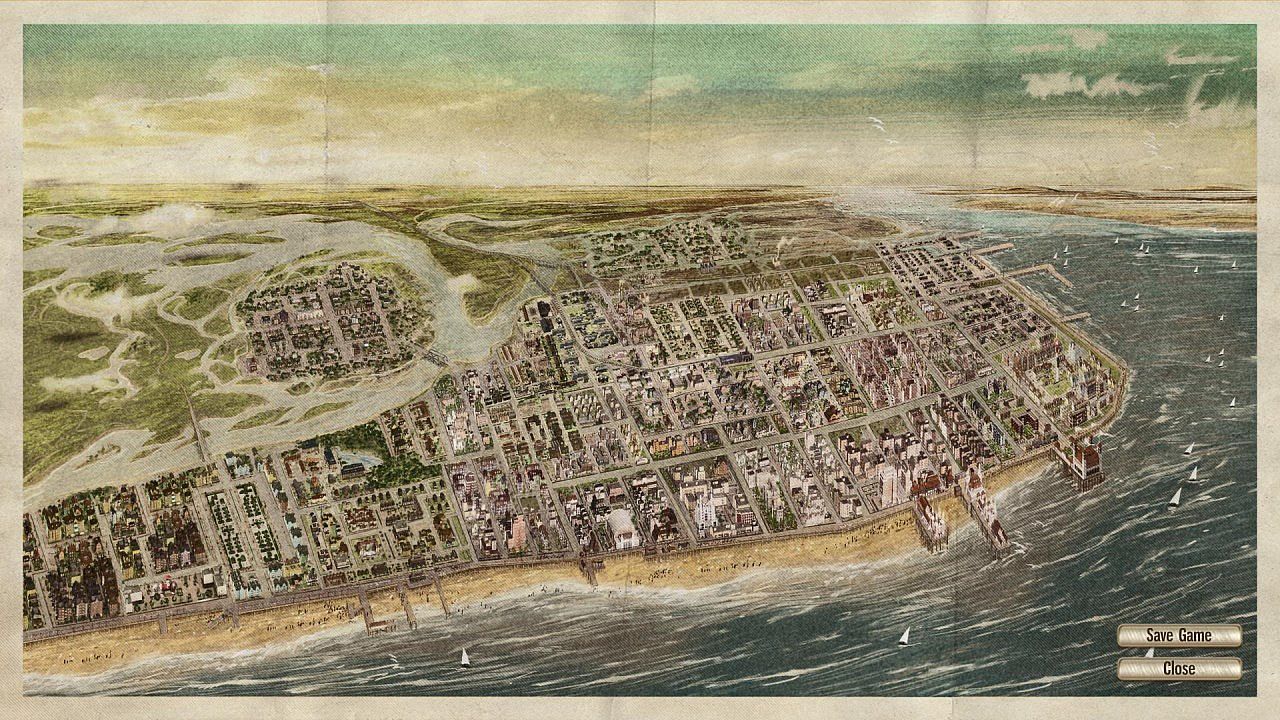
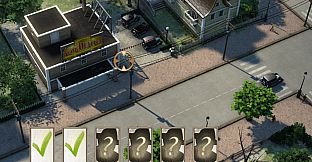
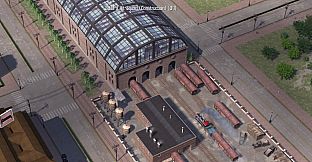
The core loop combines city district management with tactical combat on detailed maps. Expansion of influence involves acquiring and converting buildings such as security agencies and auto shops into criminal assets that generate resources and provide strategic advantages. New districts in Atlantic City and surrounding areas open up for exploration and control, each presenting distinct layouts and opportunities for expansion.
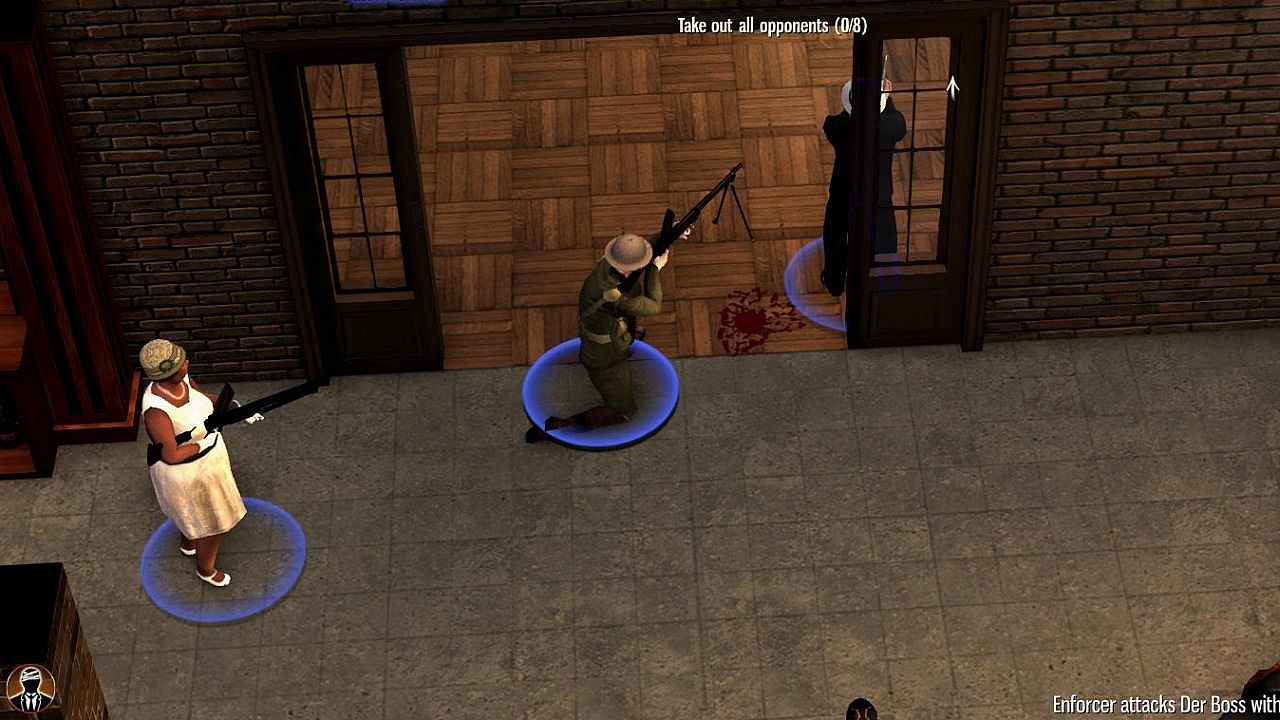
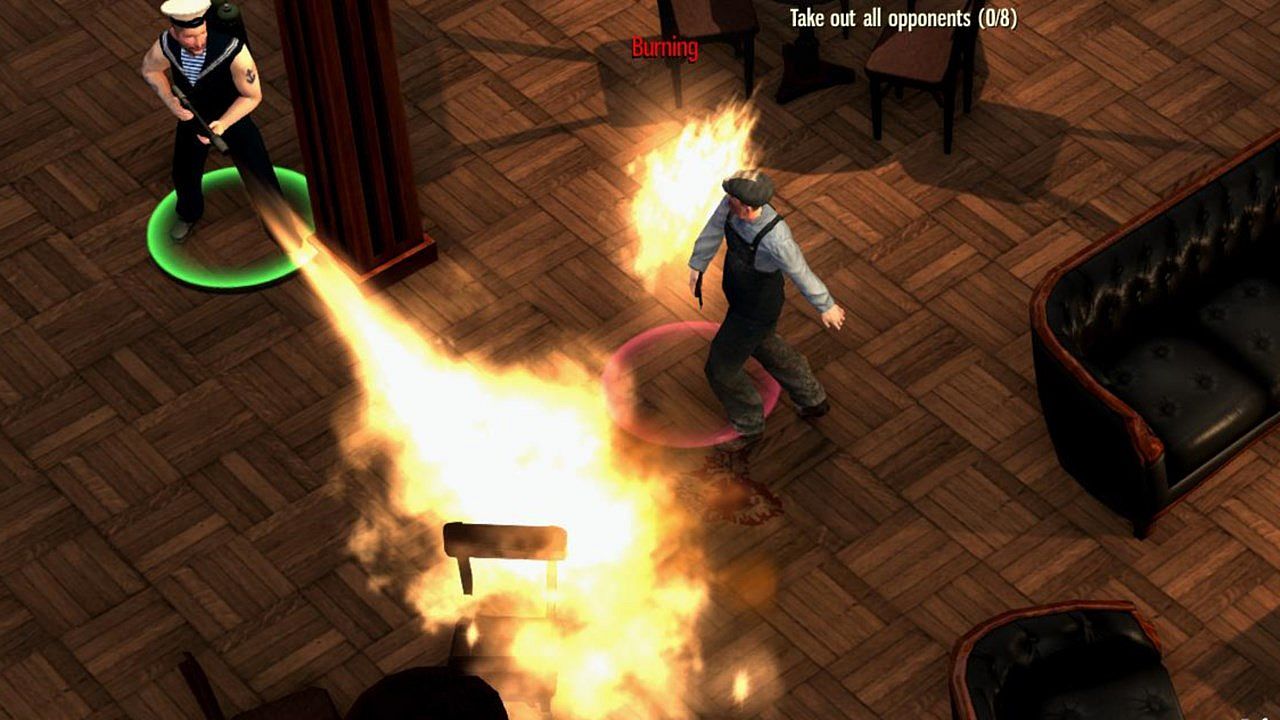
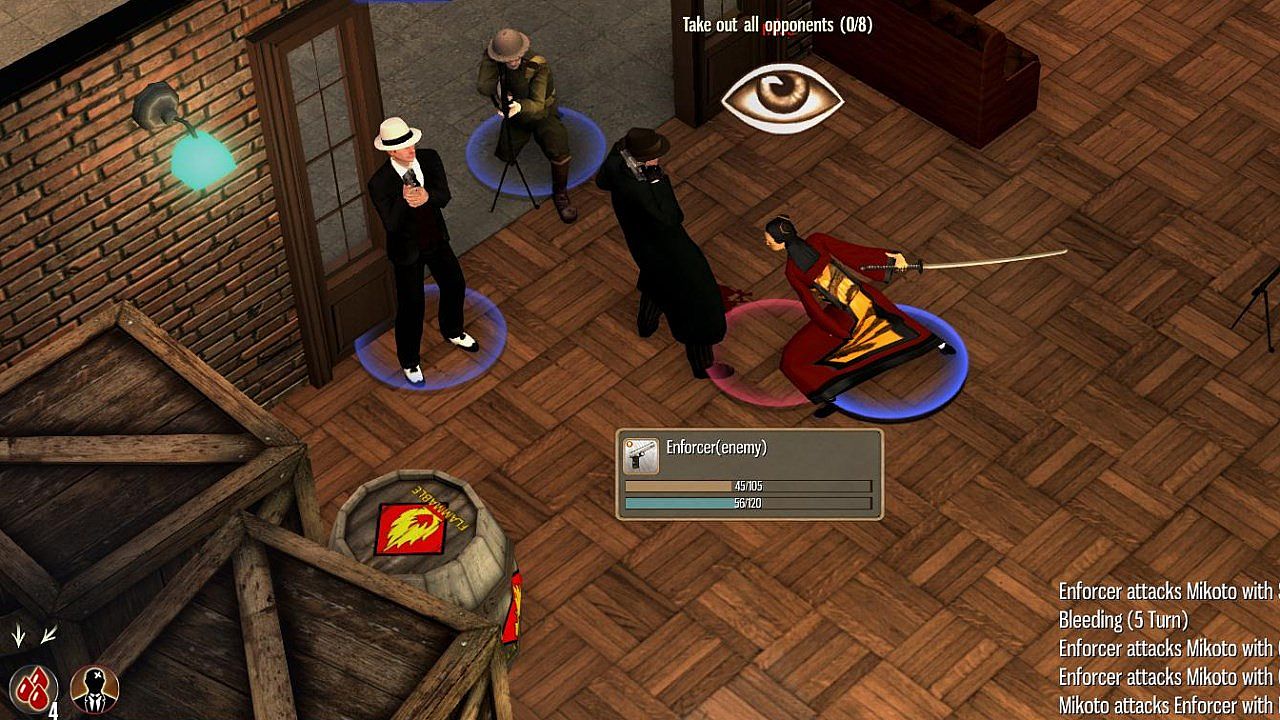
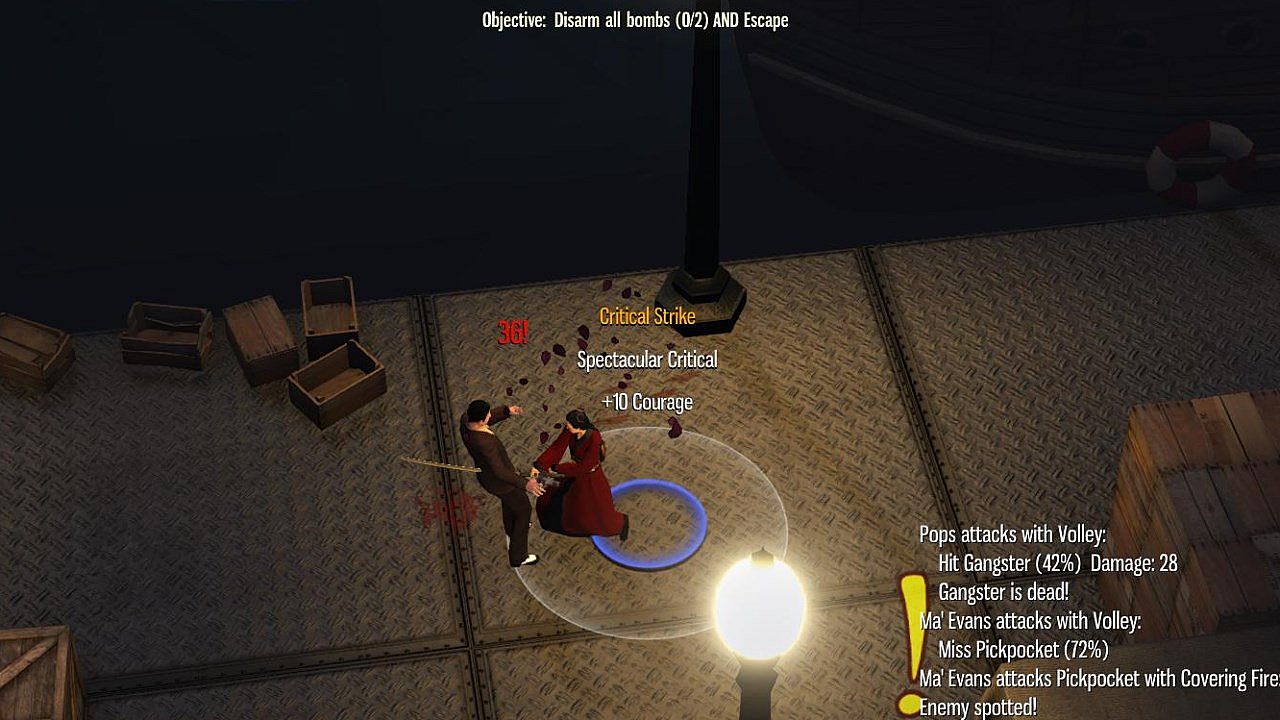
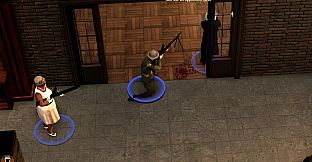
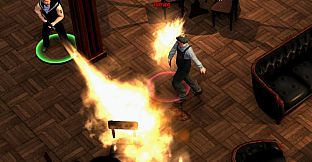
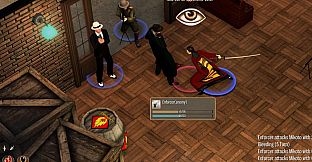
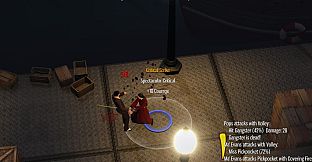
Combat unfolds in turn-based sequences where gang members execute actions with movement and attack points. The addition of a fire mechanic allows the flamethrower to set areas ablaze, altering battlefield control and forcing repositioning. New weapons expand options significantly, including the close-range power of the katana and sustained fire from the machine gun. Additional henchmen bring specialized traits that influence combat effectiveness and mission outcomes.
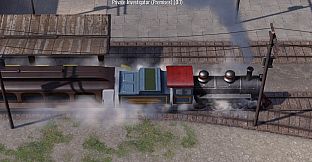
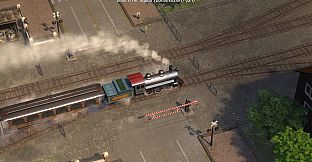
Heists require careful planning followed by high-speed escapes using sports cars or armored vehicles. A fully autonomous rival gang AI introduces ongoing opposition that operates independently, requiring constant adaptation during both management and combat phases. These systems create a loop of resource gathering, territory control, and direct confrontations that reward strategic foresight.
Game Modes
The primary focus rests on the new campaign, which unfolds across twelve missions complete with dedicated storylines, characters, and cut scenes. This structured sequence integrates the expansion's new districts, weapons, and AI behaviors into a cohesive progression.
Tactical missions form the backbone of combat encounters, supporting both solo play and cooperative sessions with another participant. Sandbox-style play allows open-ended district development without fixed objectives, emphasizing long-term gang growth and rival interactions introduced in this expansion.
Competitive scenarios pit players against one another in limited fixed maps, though the emphasis remains on the single-player campaign and its autonomous enemy gang challenges.
Key Additions and Mechanics
Several targeted improvements distinguish the expansion. The fire system interacts directly with the flamethrower to create persistent hazards that affect both sides. New buildings integrate into existing management systems to boost income and provide specialized functions during heists or defenses. Rival gang presence adds a layer of dynamic opposition that persists across maps and requires proactive responses.
- New weapons and vehicle options for varied combat and escape strategies
- Autonomous AI gang that manages its own expansion independently
- Expanded map areas with unique layouts and objectives
Is It Worth Playing?
The expansion maintains a positive reception, with 95 percent of its limited user reviews rating it favorably for the added campaign content and mechanical refinements. It appeals to those who enjoy blending economic simulation with turn-based tactics in a historical crime setting. Availability remains straightforward on PC, and the content stands alone as a self-contained experience for players interested in the genre. Those seeking a focused campaign with new tools and opposition will find the additions substantive, while the overall structure suits repeated playthroughs of the mission set.