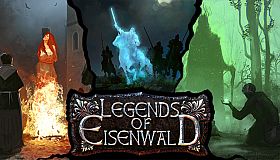

















Legends of Eisenwald: Road to Iron Forest is a single-player turn-based strategy RPG adventure game set in a medieval world. The narrative opens with the death of Gustav Platte and follows the player character who receives a sword and a small casket containing a metal oak leaf and a map. This inheritance launches a story of family division, exploration, and conflict across estates and lands.
Gameplay
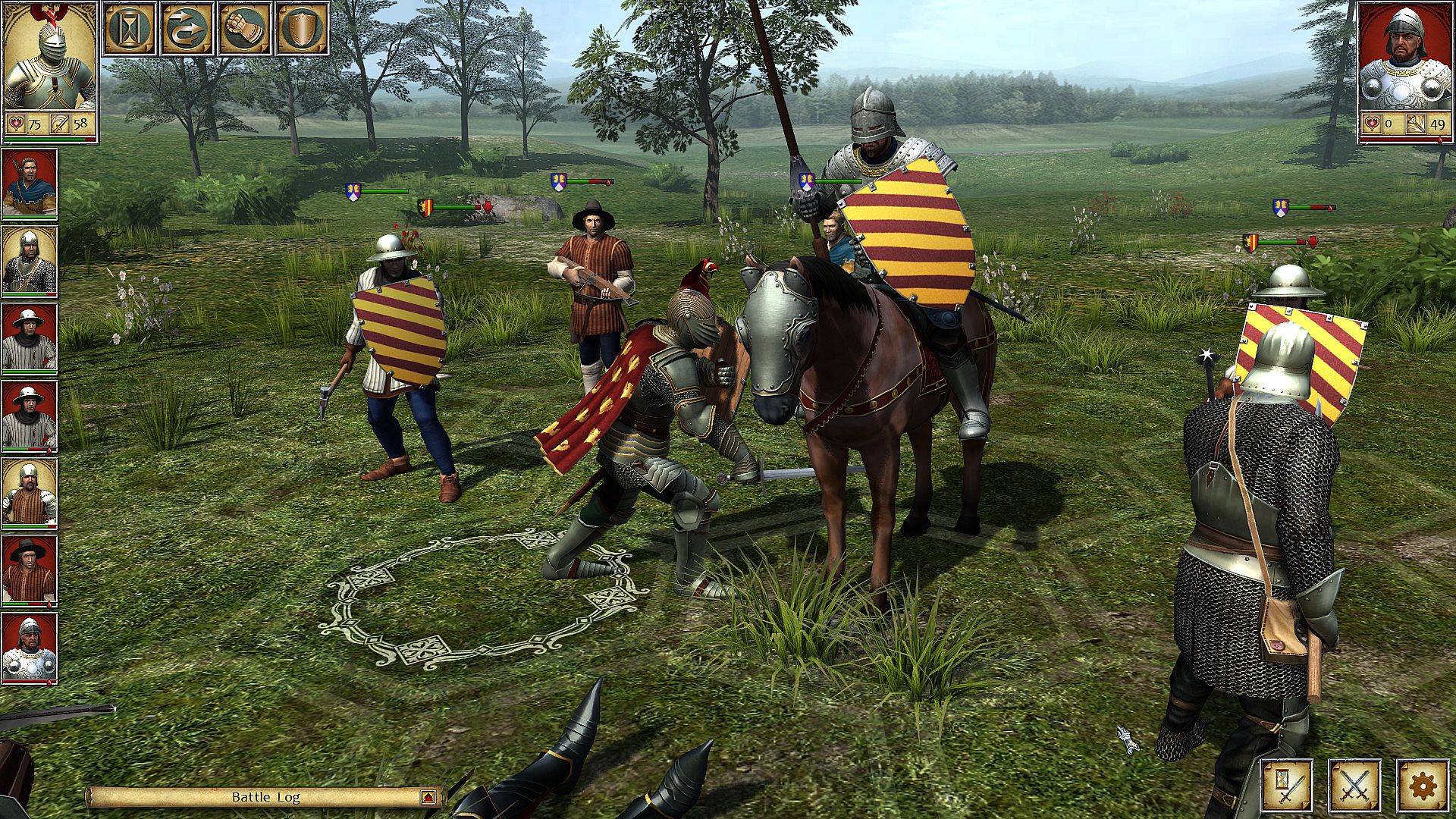
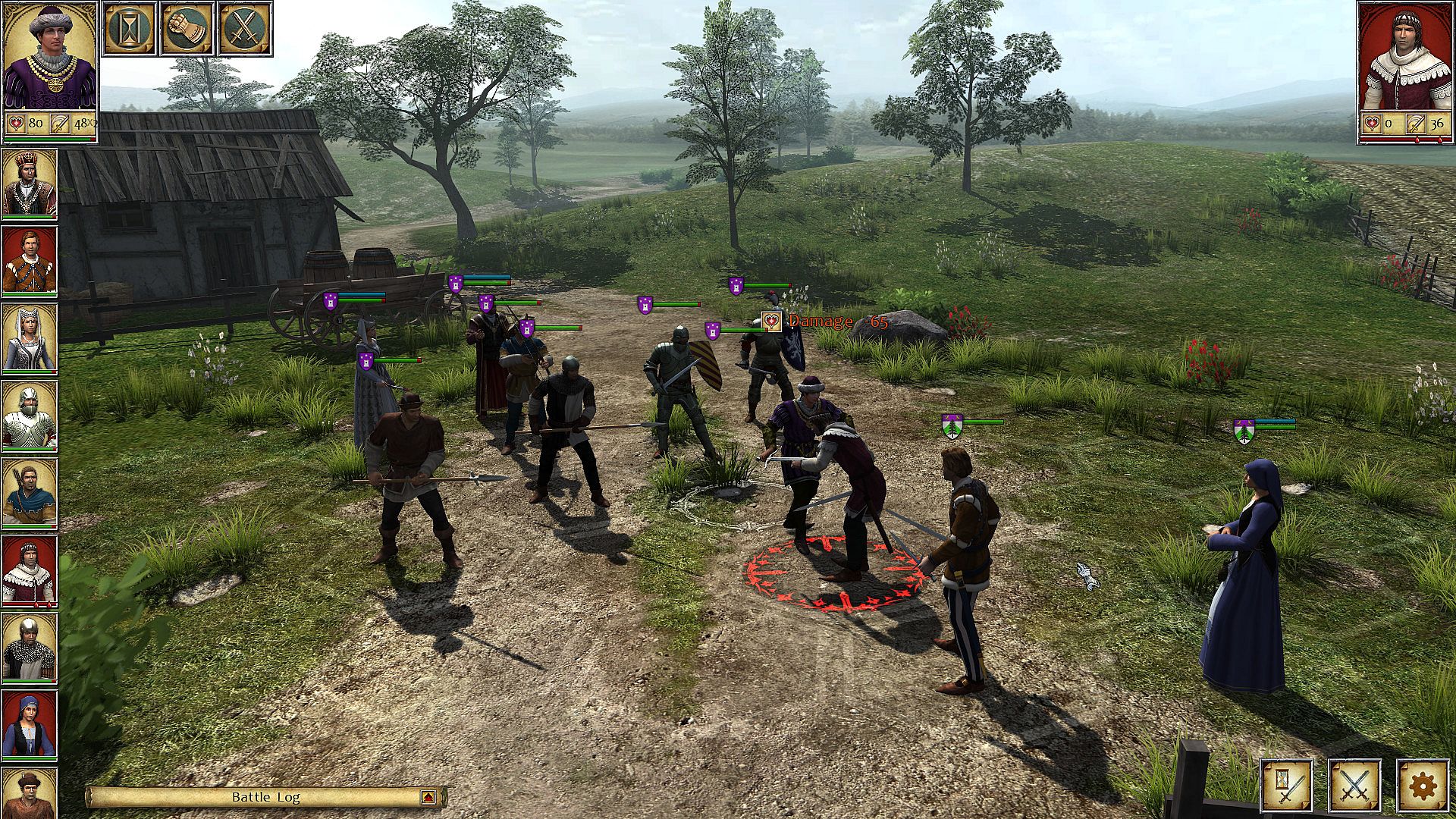
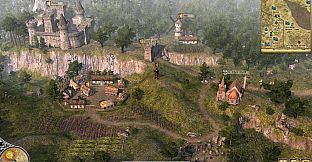
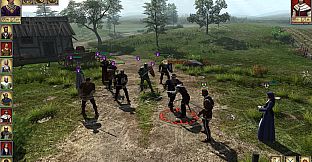
The core loop centers on exploration of the game world, acceptance of quests, management of an army, and participation in tactical battles. Players select one of three character paths at the start: Knight, Mystic, or Baroness. Each path alters both the available story branches and the approach to combat and progression. The Knight emphasizes melee combat, the Mystic focuses on support and spells, and the Baroness relies on ranged attacks. All characters participate directly in fights rather than directing from the sidelines.
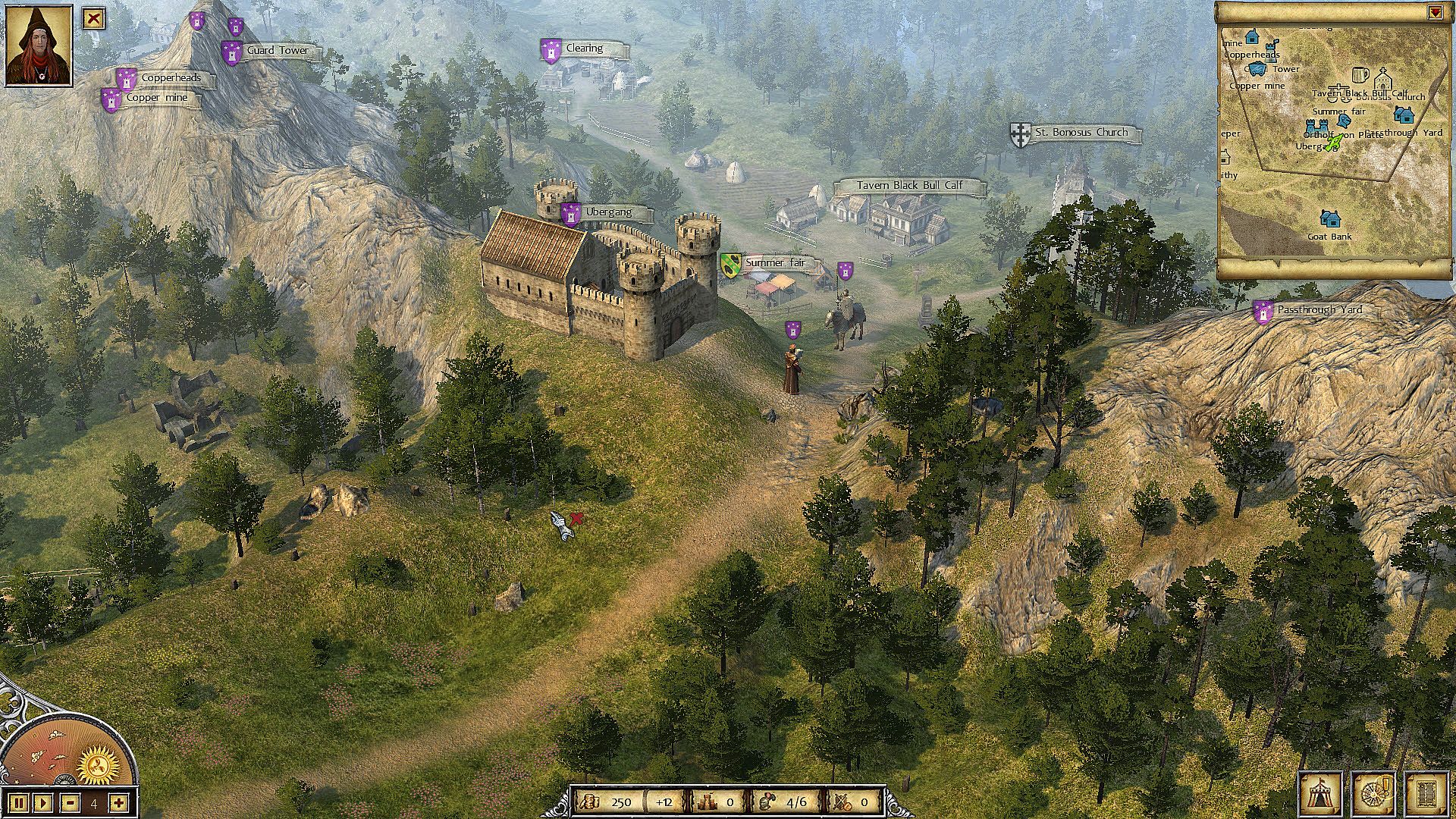
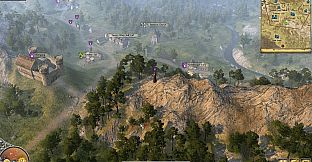
Army building involves recruiting and upgrading units that range from melee fighters and ranged attackers to spell casters. Locations such as castles and villages serve as key strategic points for securing resources and influence. Progression occurs through completing quests, improving personal skills, and strengthening military forces. Combat unfolds on a hex grid where each unit acts according to an initiative value that determines turn order. Battles require careful positioning and timing to overcome opponents.
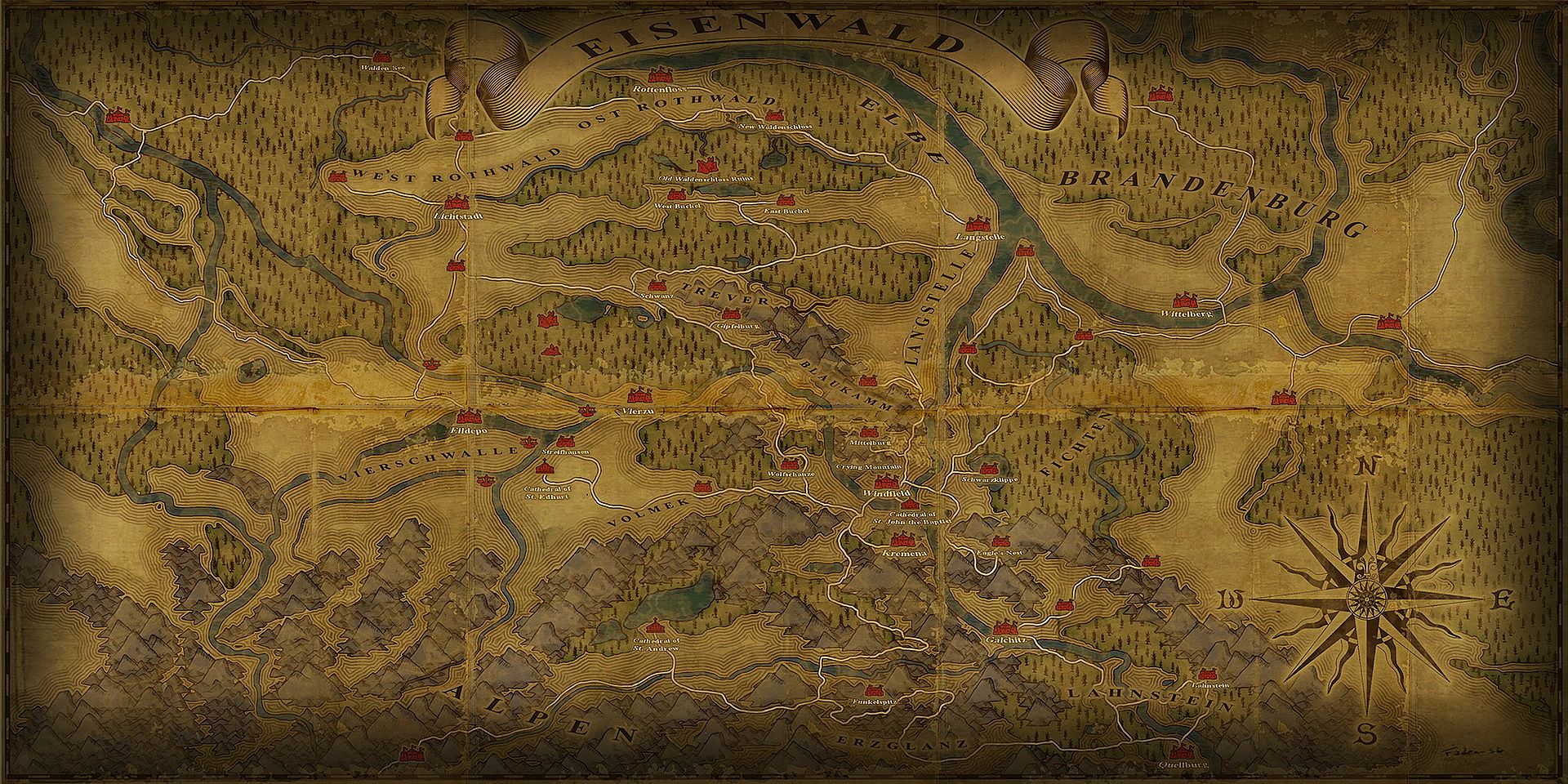
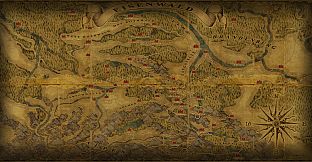
Resource management and land control add layers to the strategy elements. Players move across the map, interact with settlements, and respond to events that arise during travel. The system blends tactical decision making with light role-playing choices that influence how the story unfolds.
Game Modes
The game operates entirely in single-player mode. The primary experience is the campaign that incorporates the Road to Iron Forest storyline. Character selection determines the starting perspective and shapes subsequent events, creating three partially distinct playthroughs. No separate multiplayer or competitive modes exist. Difficulty can increase through optional challenges that alter unit strength and quest pacing.
Progression within the campaign encourages replay to experience the variations offered by each character path. Quests and encounters adapt based on the chosen role, providing different narrative outcomes and tactical demands without requiring additional game modes.
Story and Setting
The tale begins with the division of Gustav Platte's estate according to his will. The player inherits only a sword and the mysterious casket, while other relatives receive castles, villages, and substantial fortunes. The metal oak leaf inside the casket reveals itself as an object of unnatural craftsmanship, and the accompanying map points toward the Iron Forest. This setup drives a narrative focused on personal legacy, moral ambiguity, and the consequences of past actions in a low-fantasy medieval environment.
Events unfold through a series of quests and encounters that reveal more about the world and the characters involved. The story maintains a grounded tone with emphasis on family ties and the weight of decisions made during the journey.
Is It Worth Playing?
Legends of Eisenwald: Road to Iron Forest appeals to players who enjoy turn-based tactical combat combined with RPG progression and a focused single-player story. The three character paths offer meaningful differences in gameplay and narrative, encouraging multiple playthroughs for those interested in exploring variations. Reviews highlight the strength of the writing and the increased challenge level compared to the base game.
The title remains available as a downloadable addition for the original Legends of Eisenwald on PC. Its compact scope and emphasis on deliberate strategy suit players seeking a self-contained experience rather than ongoing updates or large-scale multiplayer features. Those who appreciate hex-based battles, army management, and branching stories will find the mechanics align closely with the described systems.