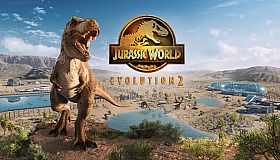

















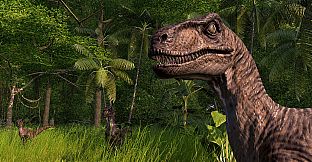
Jurassic World Evolution: Return to Jurassic Park is a strategy and simulation game that places players in charge of restoring the original Jurassic Park on Isla Nublar. Set after the events of the 1993 film, the experience centers on park construction, dinosaur management, and operational decisions in a single-player format focused on building secure habitats while handling research, guest attractions, and containment needs.
Gameplay
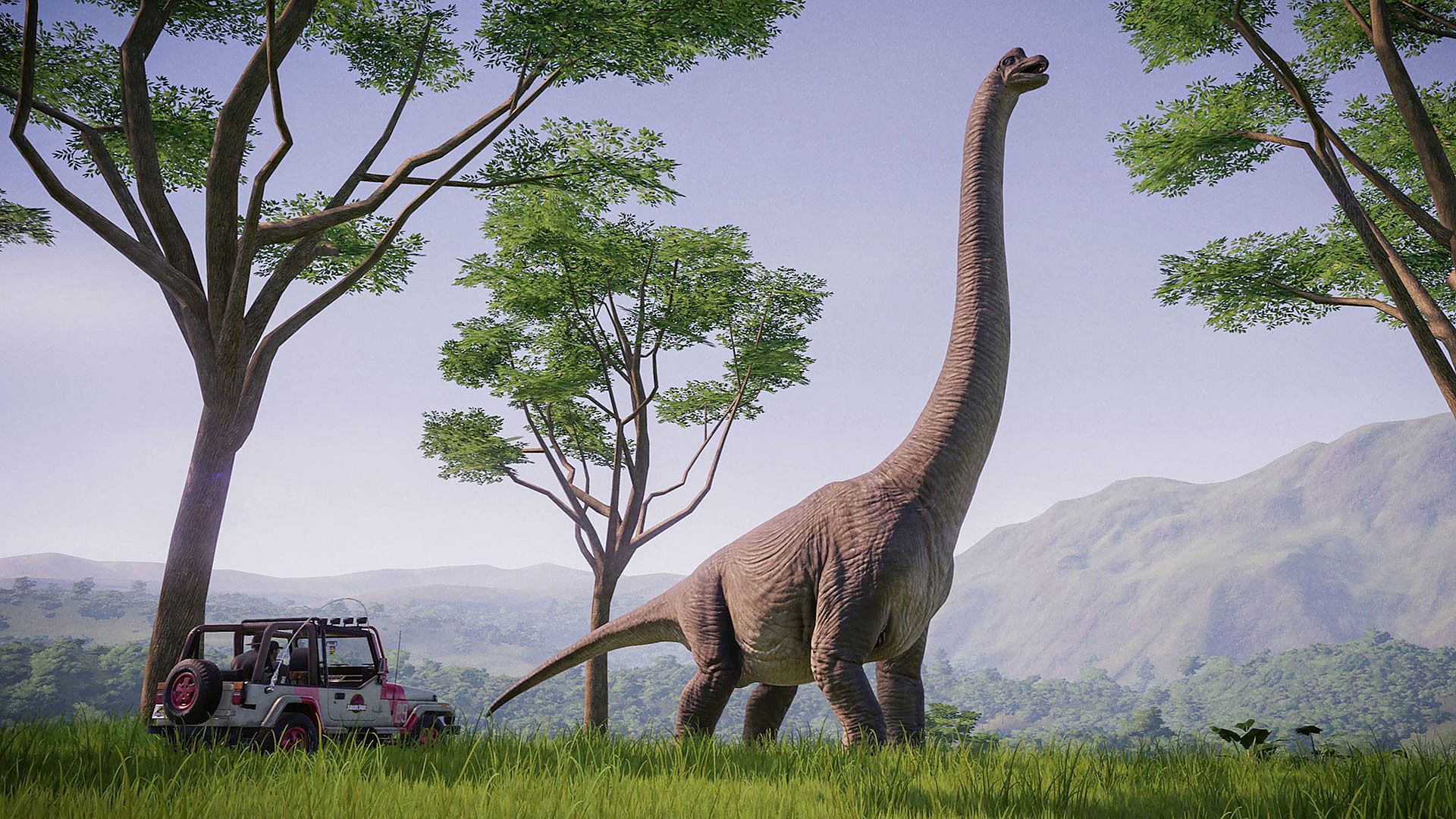
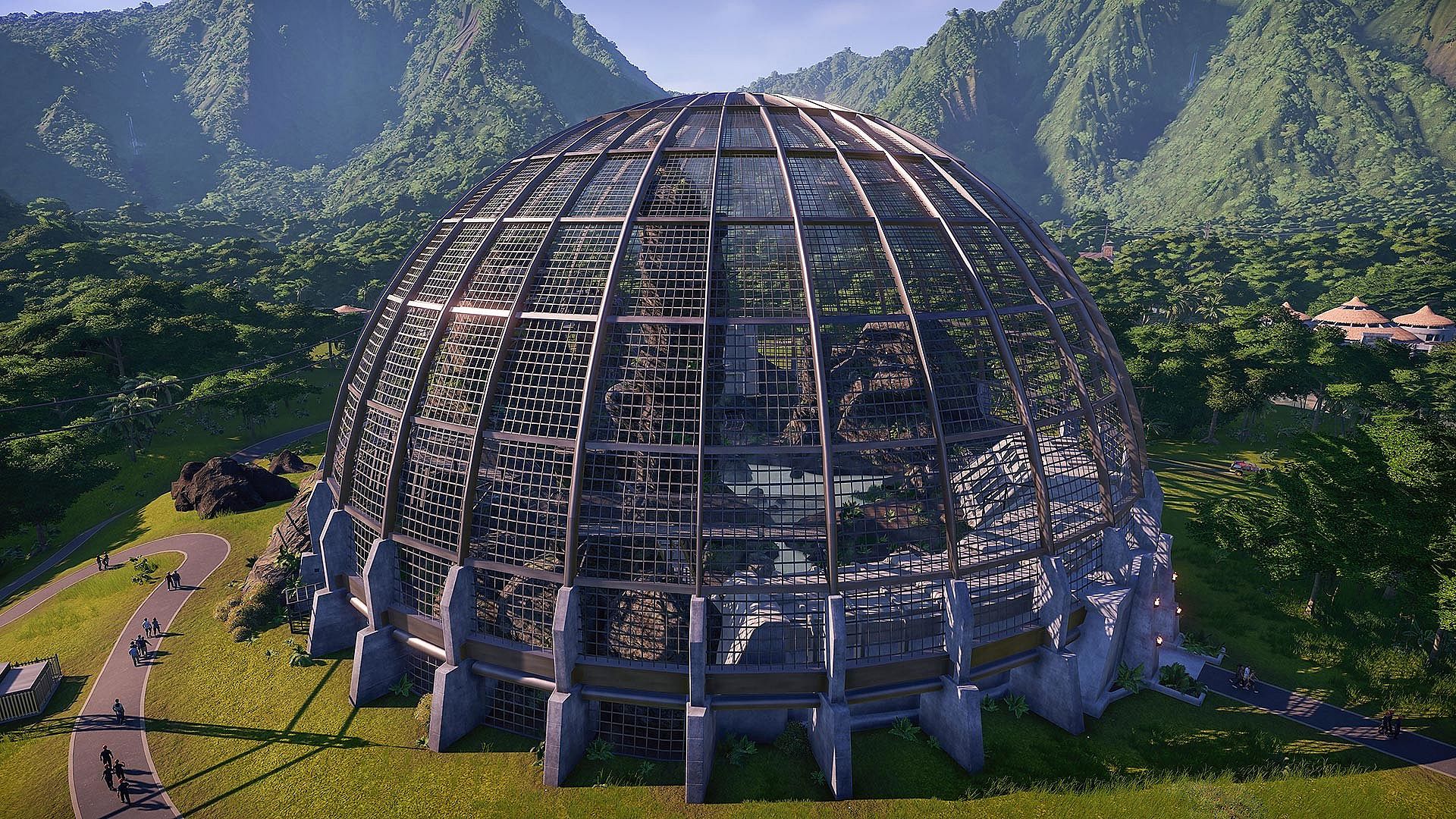
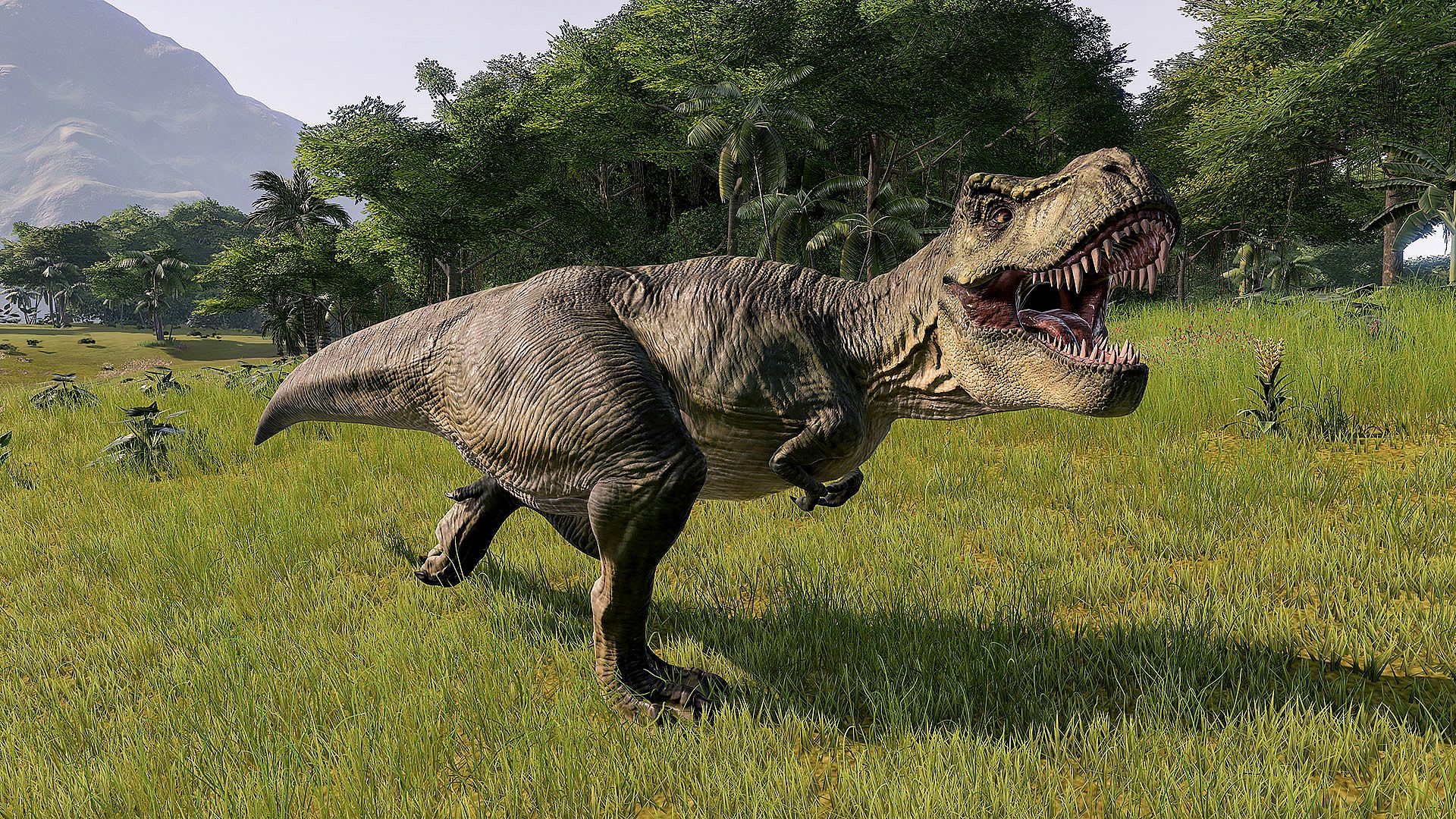
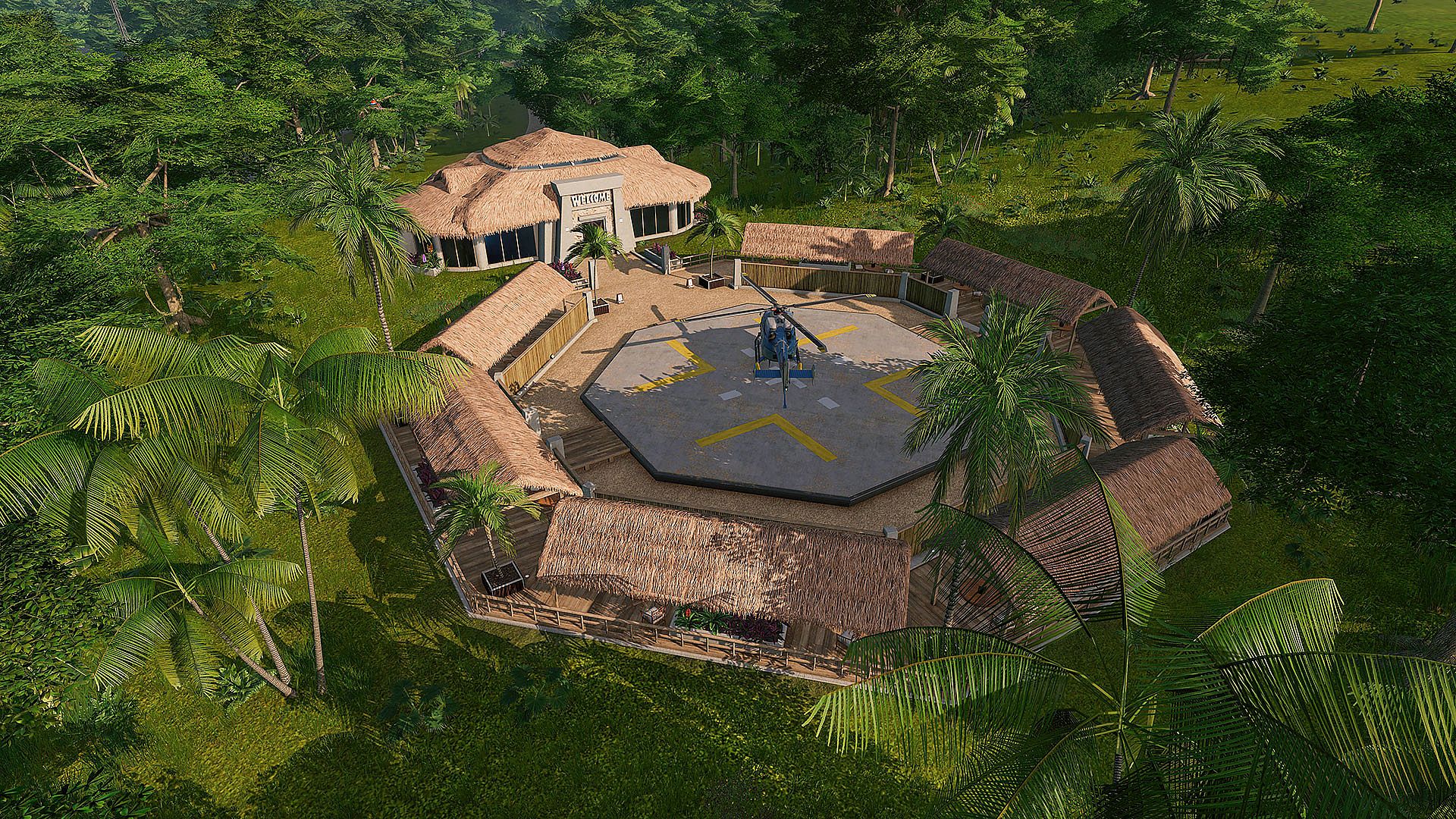
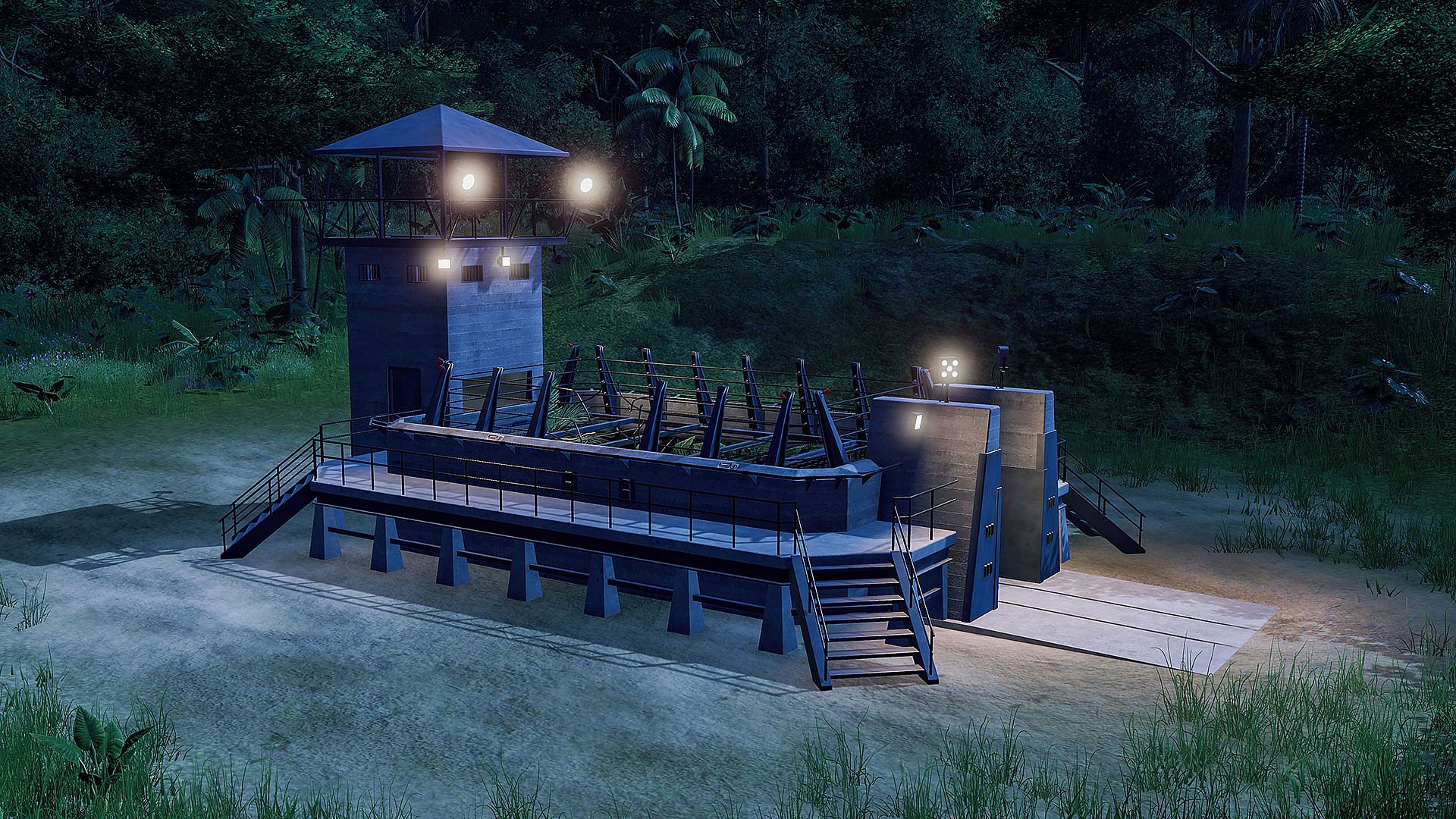
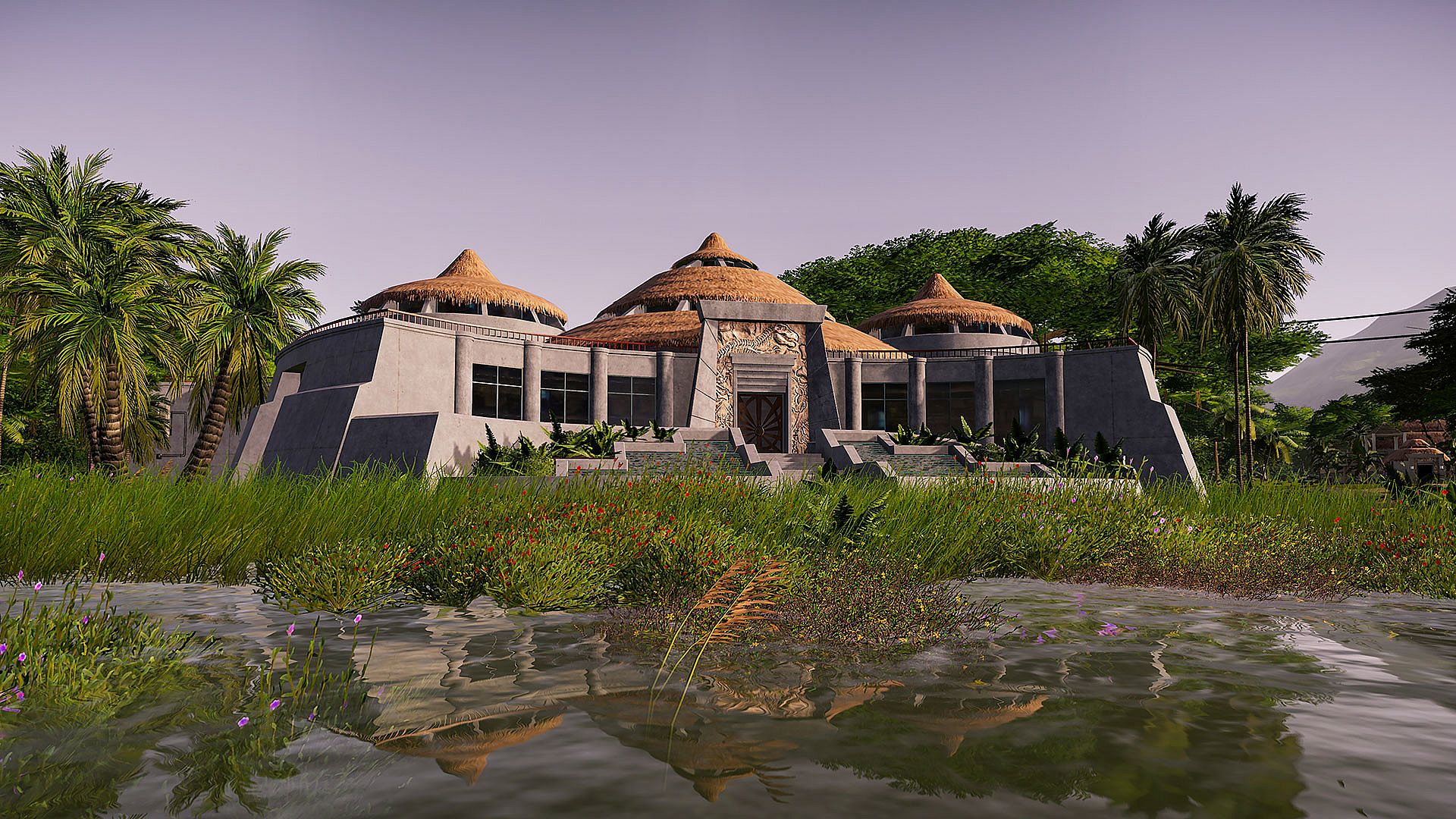
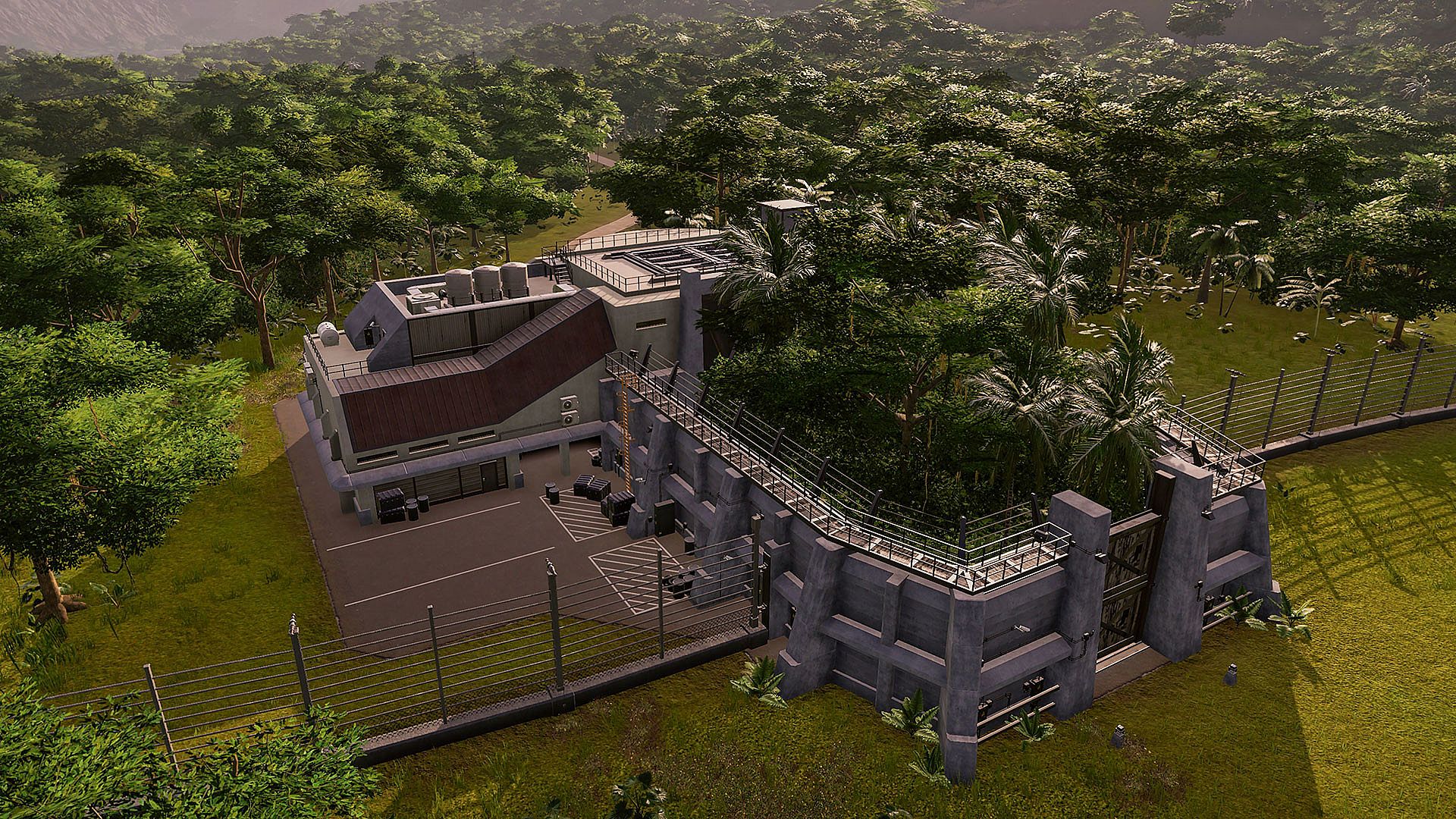
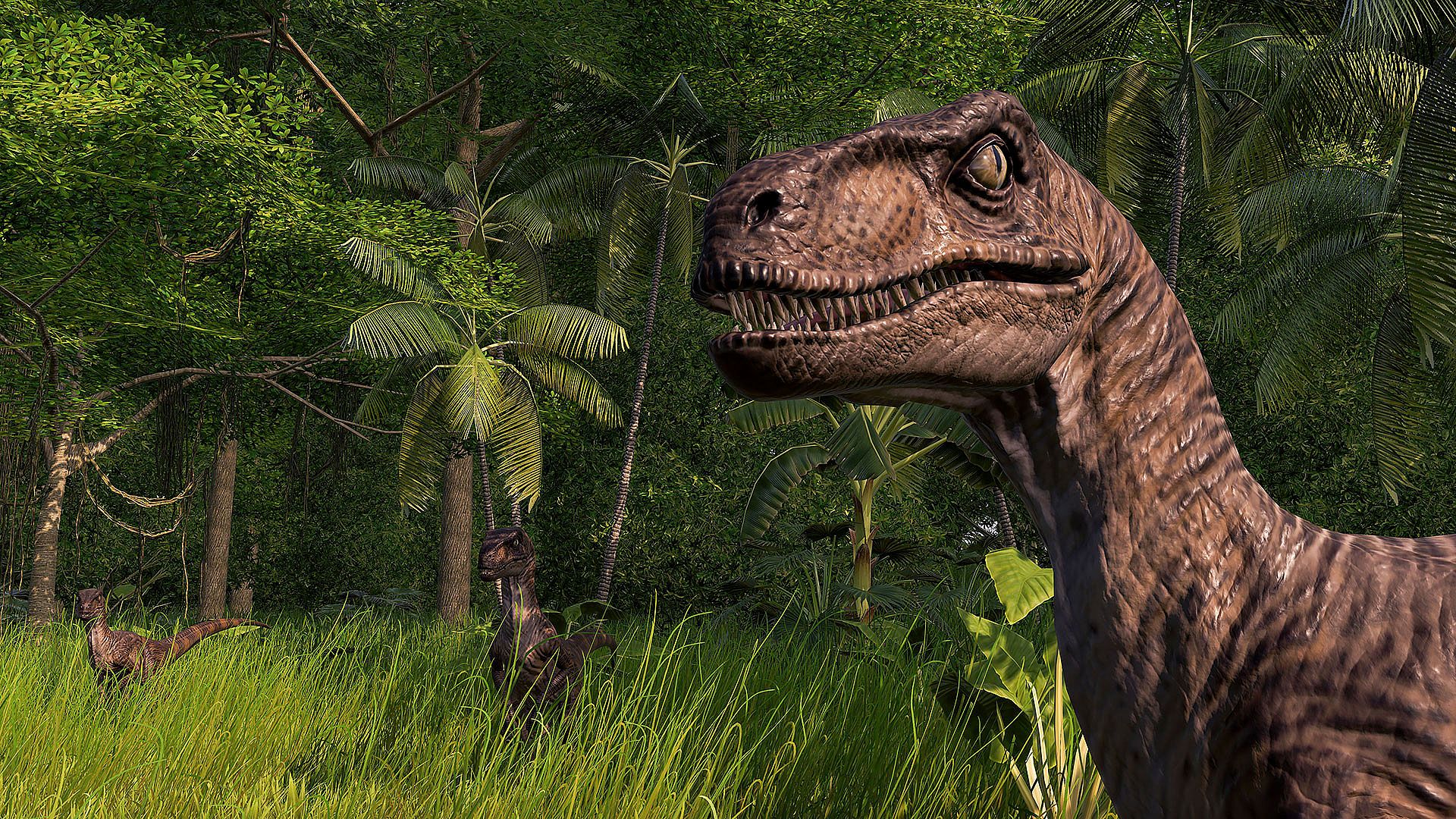
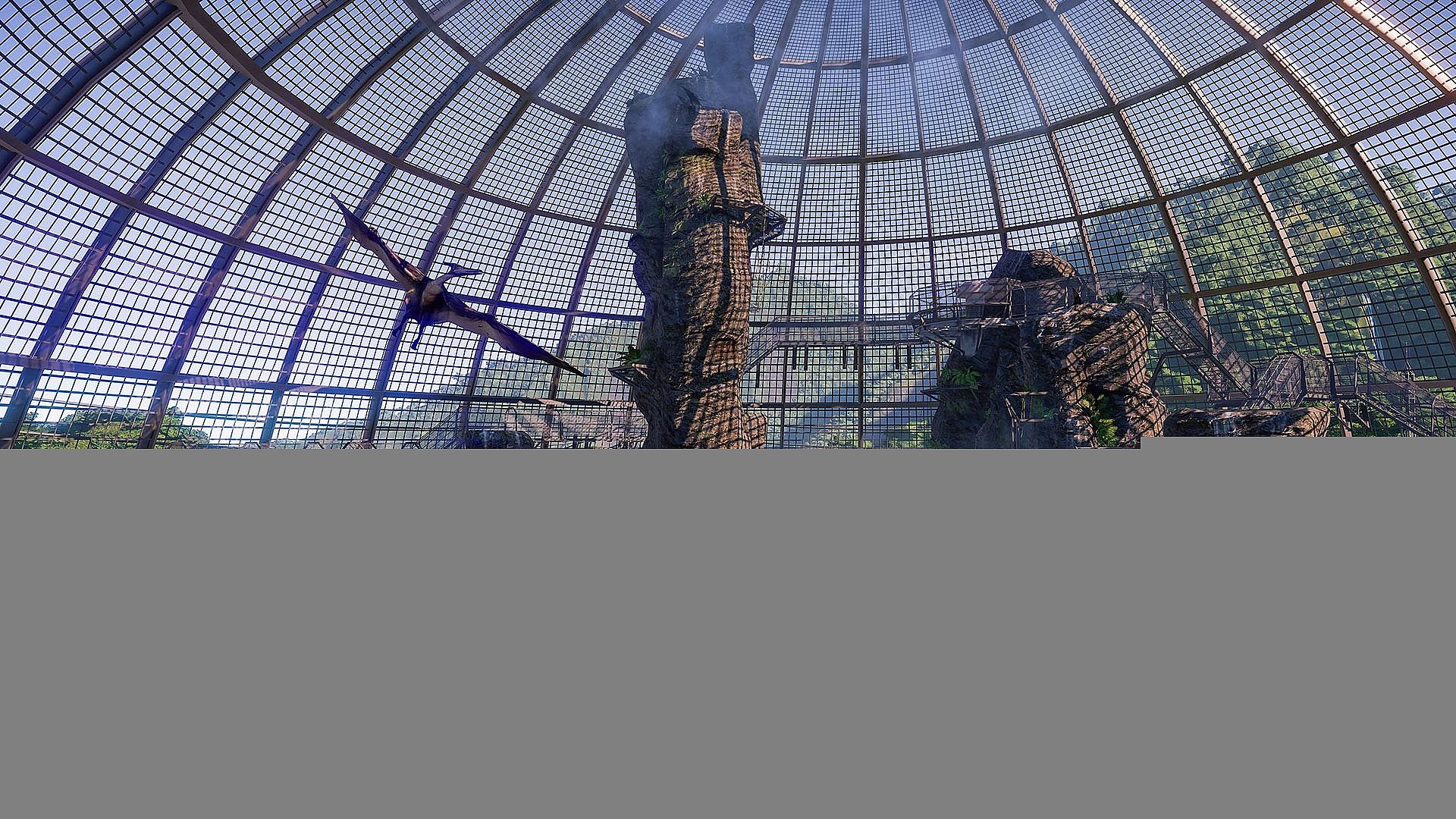
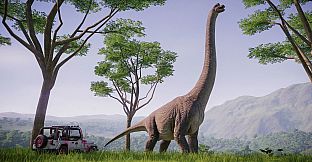
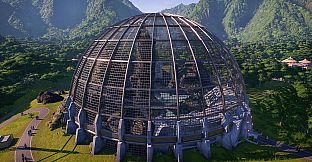
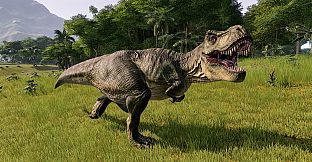
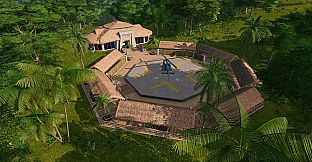
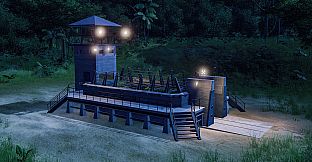
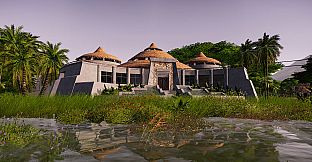
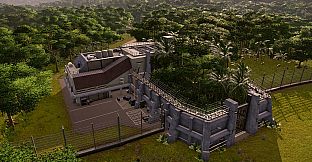
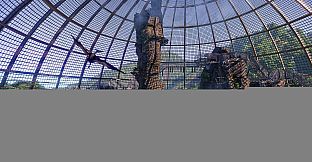
The core loop involves designing enclosures, placing facilities, and balancing dinosaur welfare with visitor safety. Players research technologies, breed and release species, and monitor park metrics such as dinosaur comfort, security ratings, and income from tours. New attractions include the iconic Main Gates and the Jurassic Park Tour, which allow guided vehicle rides through dinosaur areas. An aviary supports flying species, while the visitor center serves as a central hub for operations and guest services. Two additional dinosaurs join the roster: the small but numerous Compsognathus and the soaring Pteranodon. Legacy skin variants give several existing species appearances drawn from the original film trilogy, including updated looks for Velociraptor, Tyrannosaurus, Triceratops, Parasaurolophus, and Brachiosaurus.
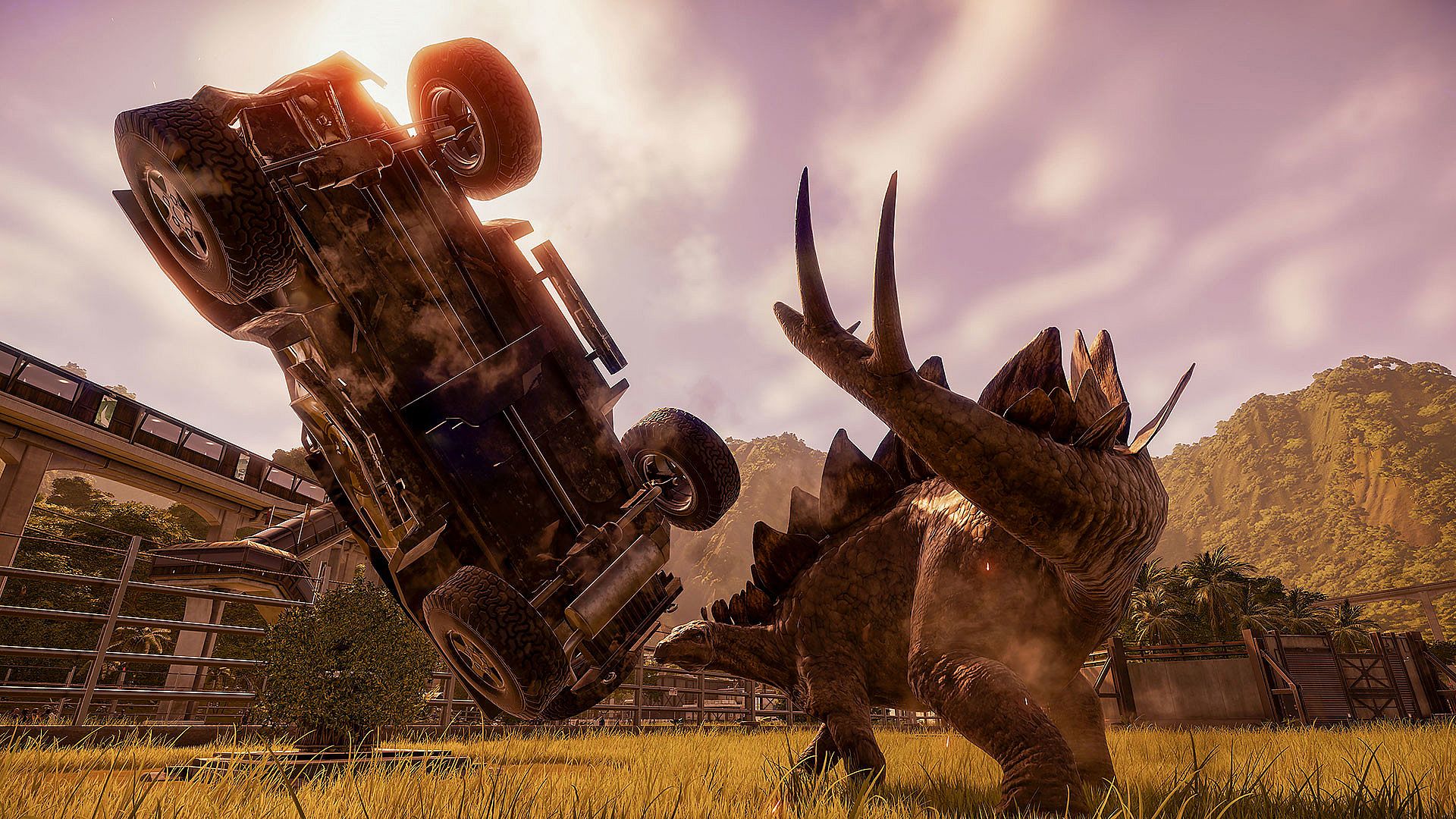
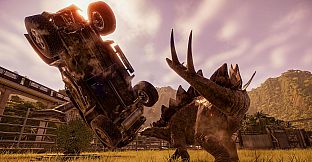
Management extends to staffing rangers for dinosaur health checks and transport teams for relocation. Challenges arise from dinosaur behaviors that can breach fences or disrupt tours, requiring timely interventions through improved security systems and habitat adjustments. The narrative unfolds through voiced interactions with Dr. Alan Grant, Dr. Ellie Sattler, and Dr. Ian Malcolm, who guide players through story-driven objectives tied to reclaiming the island.
Game Modes
Return to Jurassic Park introduces its own dedicated campaign that follows an original story set on Isla Nublar and Isla Sorna. This mode features sequential missions focused on rebuilding key locations and overcoming specific obstacles while progressing through the plot. Existing challenge and sandbox modes from the base game receive a 1993-inspired visual overlay and inventory options, allowing players to revisit those formats with period-appropriate aesthetics and resources. Challenge scenarios emphasize limited starting funds and escalating difficulty targets, while sandbox provides open-ended creative freedom without time or budget constraints.
Key Features and Content
Beyond the new dinosaurs and buildings, the pack supplies a range of legacy-themed elements that alter the visual and functional feel of established parks. Players can construct the Jurassic Park Tour route and integrate it with existing infrastructure. The aviary adds vertical dimension to habitat design, and the visitor center expands options for guest engagement. All content integrates directly into the park-building systems, with research trees updated to unlock the new species and structures progressively.
Is It Worth Playing?
Player feedback on the DLC has been mostly positive, with many highlighting the faithful recreation of Jurassic Park locations and the addition of the two new dinosaurs as standout elements. The campaign delivers a self-contained story experience that appeals to fans of the original film. Those who enjoy methodical park management and dinosaur simulation will find the new attractions and legacy skins enhance replay value in challenge and sandbox formats. The pack suits players already familiar with the base game who want themed content centered on the 1993 setting. Availability remains through standard digital storefronts, and the content has received ongoing recognition as one of the stronger expansions for the title.