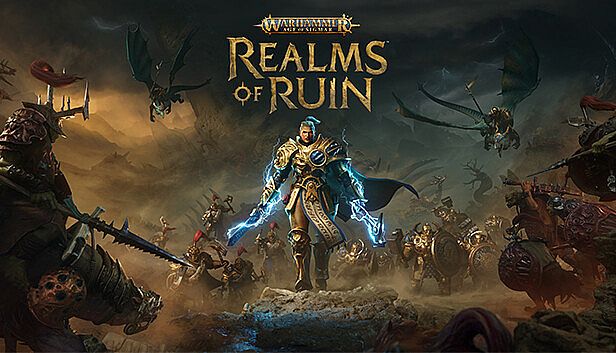




























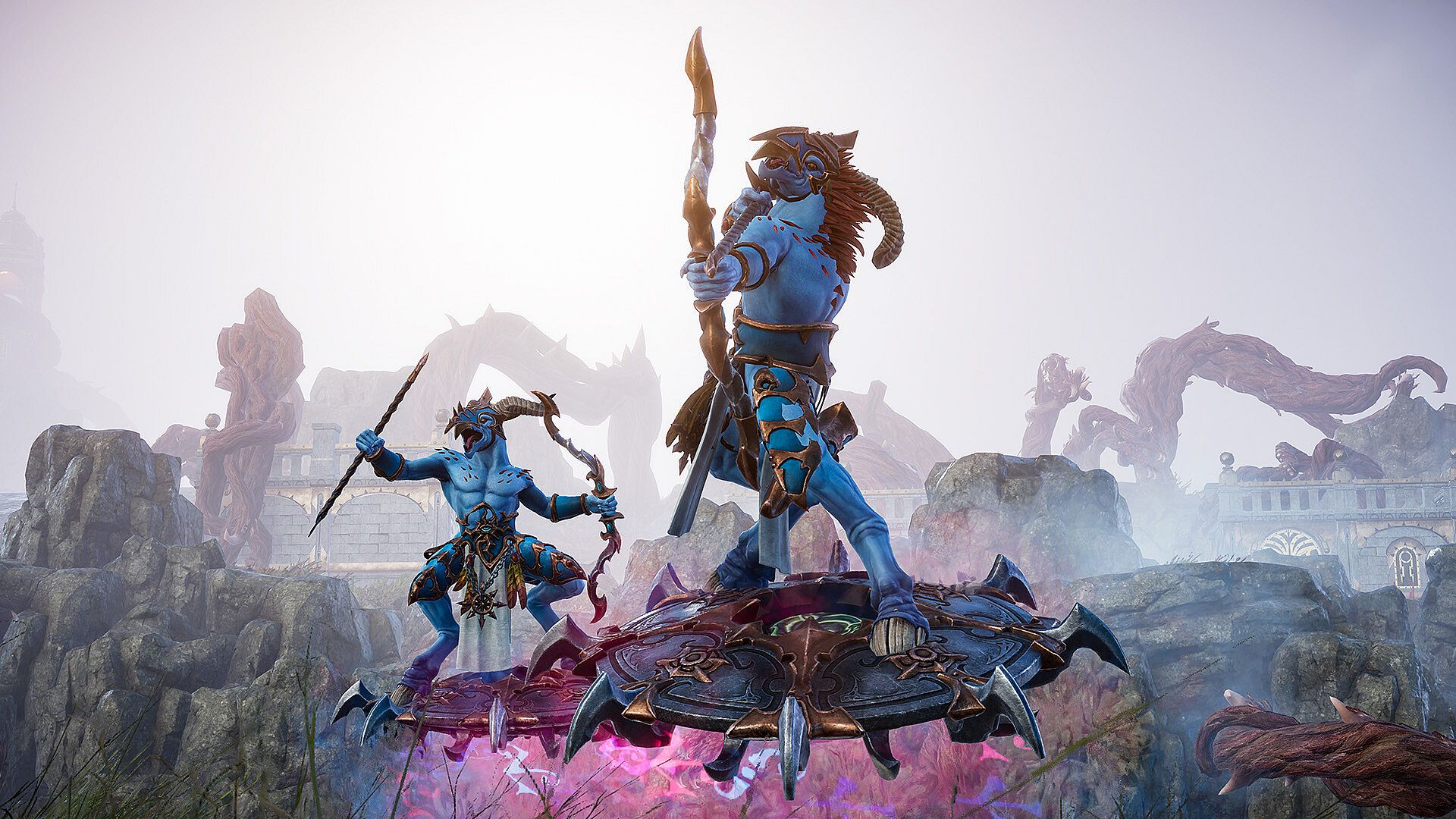
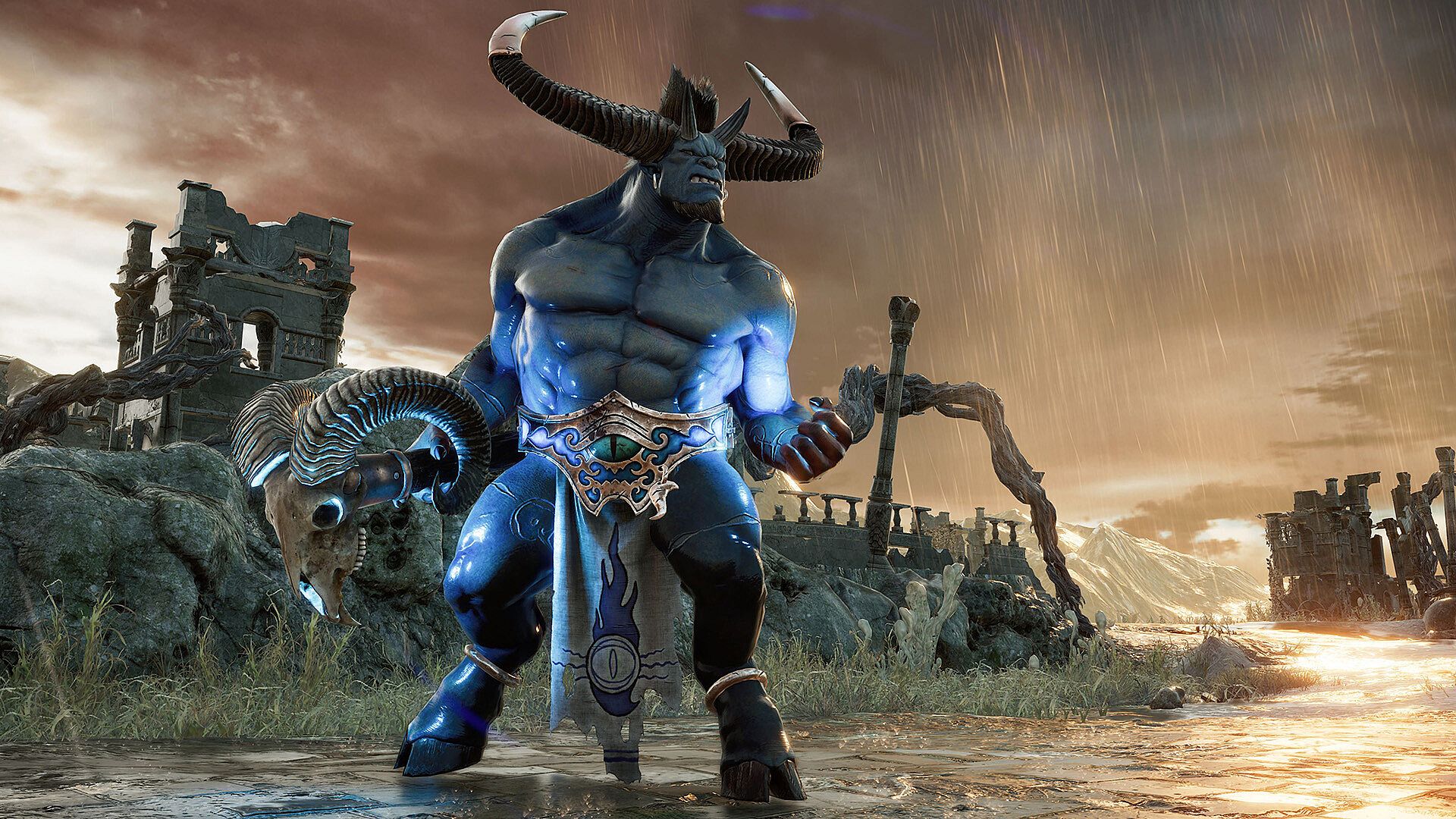
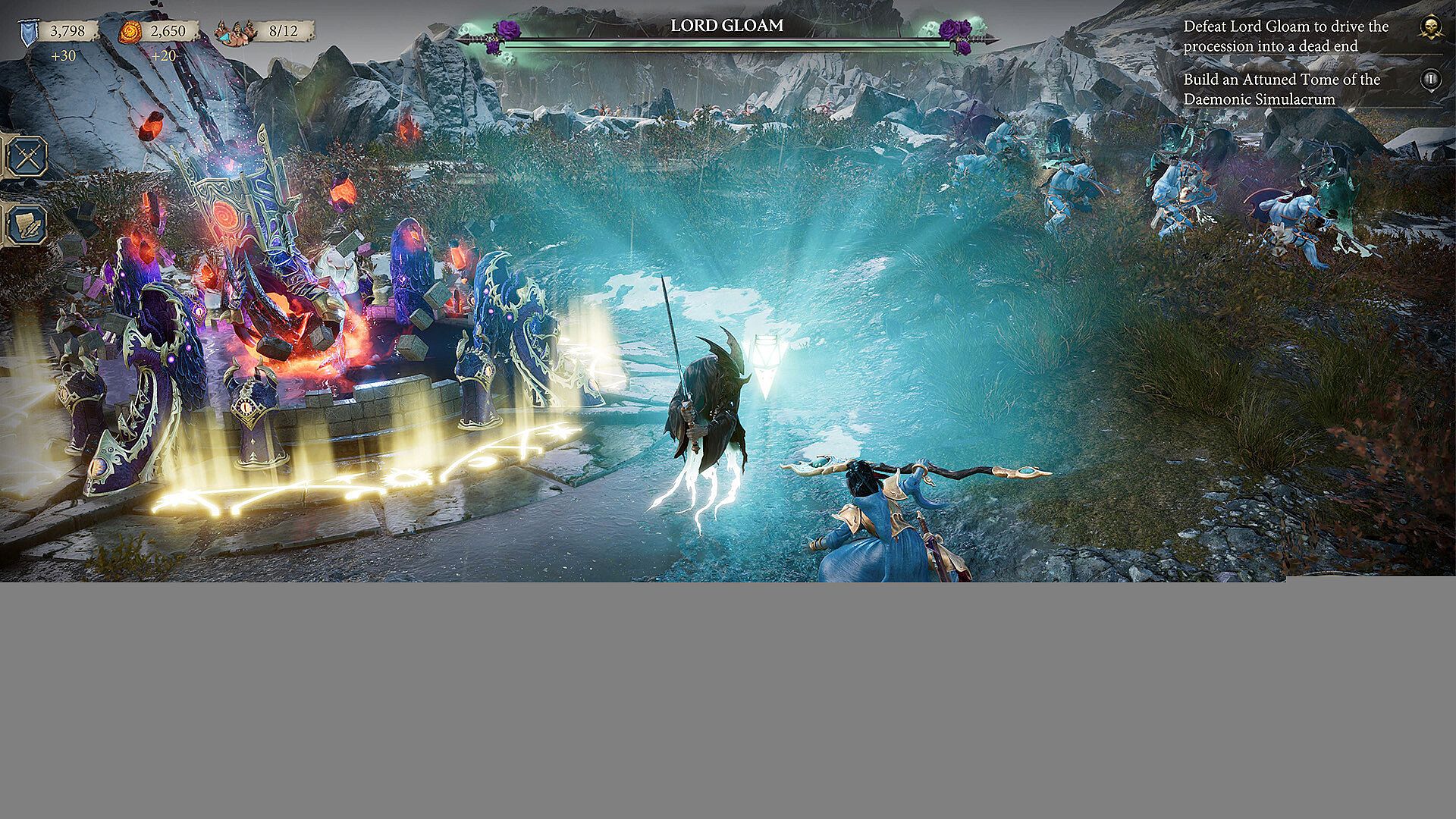
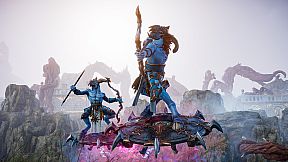
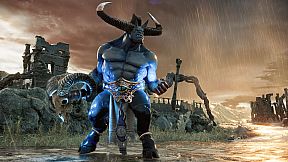
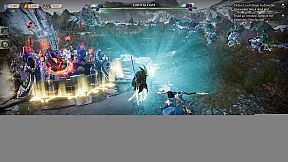
Warhammer Age of Sigmar: Realms of Ruin stands as a real-time strategy game developed by Frontier Developments and set within the Warhammer universe. Players assume the role of a warlord who directs armies across the Realm of Ghur, a wild and savage domain filled with conflict. The title focuses on commanding units in tense battles that reward careful positioning and timely responses rather than overwhelming force alone. Four factions bring distinct playstyles to the table, allowing commanders to explore different approaches to dominance and survival.
Gameplay
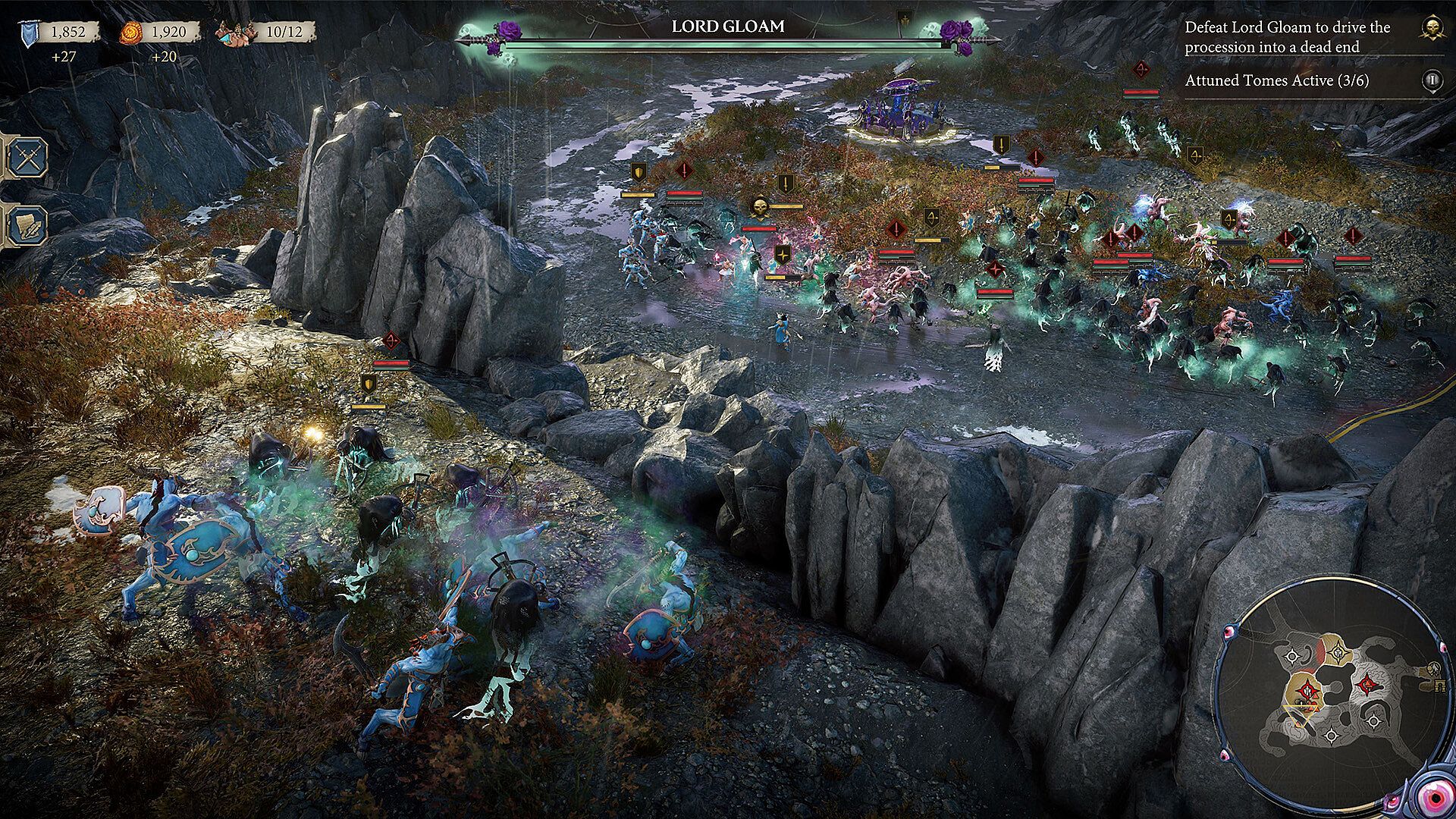
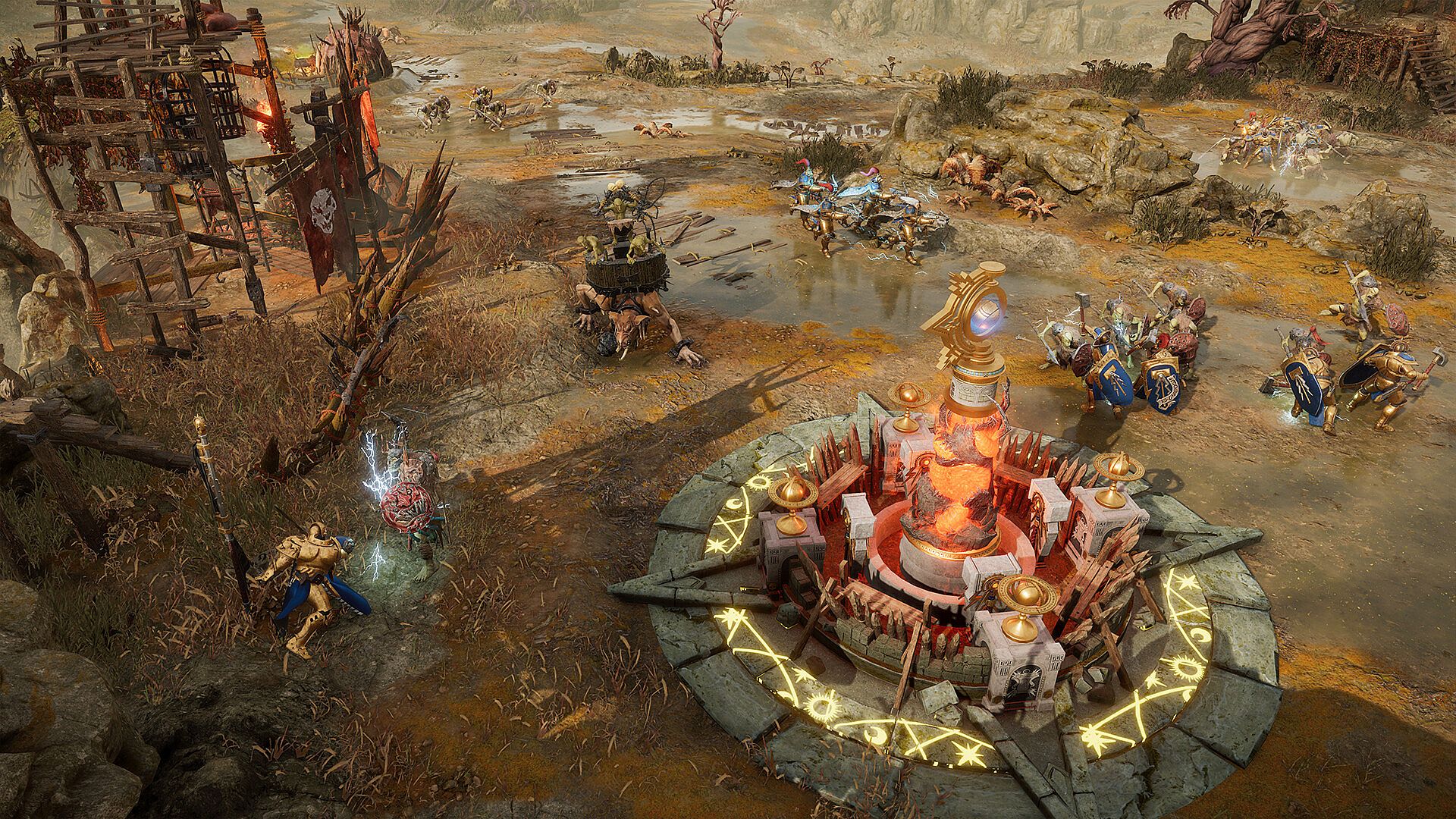
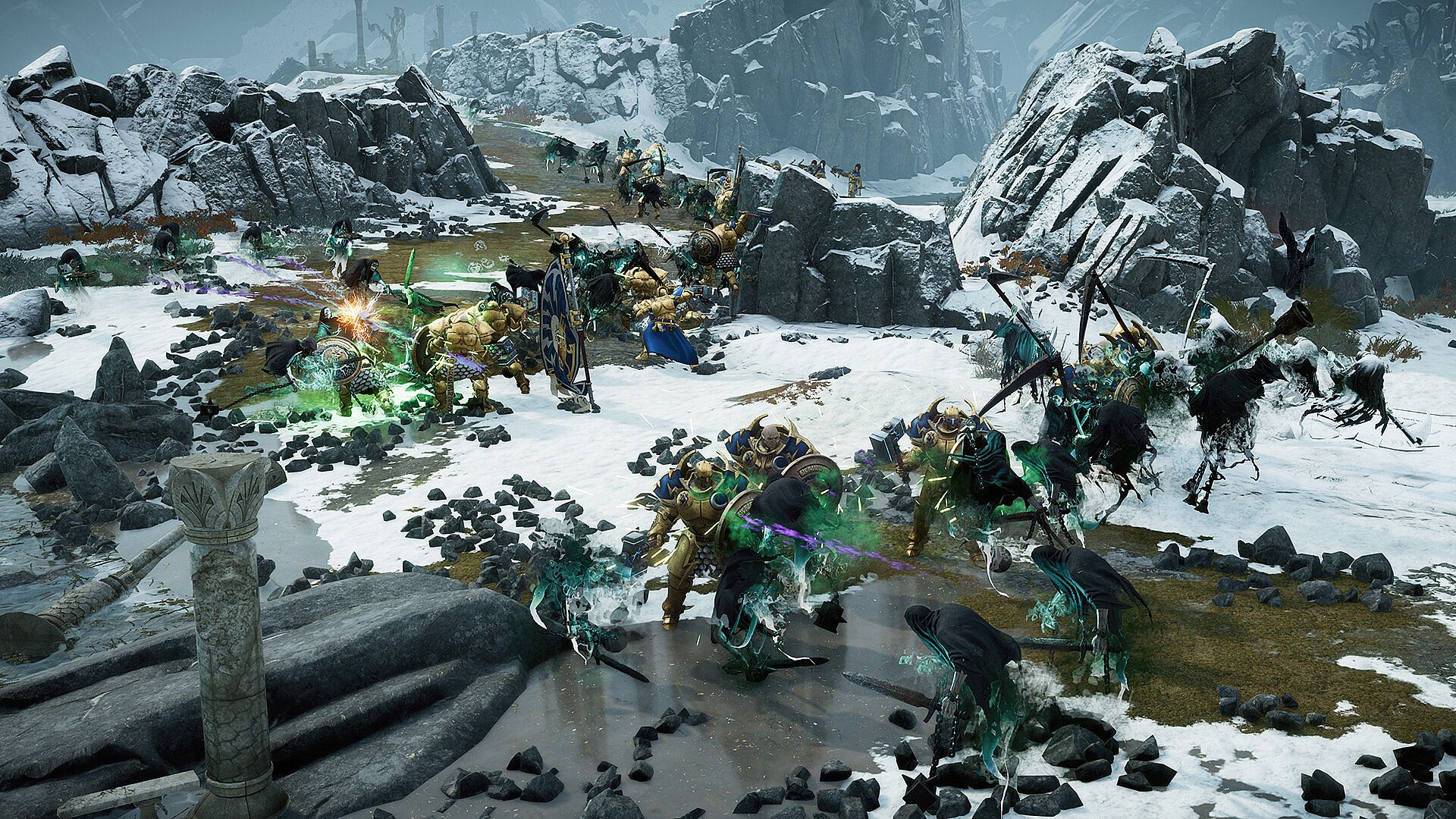
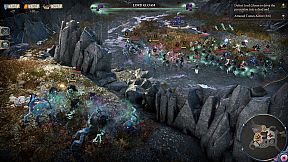
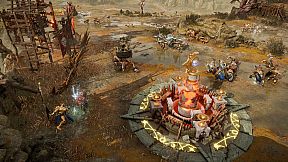
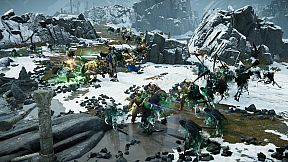
The core loop revolves around leading forces into combat where every decision carries weight. Commanders manage their armies across battlefields that demand attention to terrain and enemy movements. Battles unfold in real time, requiring players to balance offense with defense while adapting to shifting conditions on the field. The experience highlights the nature of war through the eyes of both heroic figures and ruthless leaders, creating a sense of personal investment in each engagement.
Resource allocation and unit deployment form the foundation of success. Players must decide when to push forward and when to hold ground, especially as opposing forces react dynamically. The emphasis on tactics encourages experimentation with different army compositions drawn from the available factions. This setup suits those who enjoy planning ahead while remaining flexible during live confrontations.
Game Modes
Several distinct modes provide varied ways to engage with the game. The cinematic campaign delivers a character-driven narrative of conflict in Ghur, following the struggles of the four factions through a structured story. Multiplayer supports 1v1 and 2v2 matches that accommodate human players alongside AI, with options for cross-platform play and a dedicated competitive ladder for ranked progression.
Eternal Conquest offers a single-player experience across procedurally generated maps. Participants navigate unpredictable scenarios, choosing paths that lead directly to victory or extend into additional encounters for higher scores. No two runs play out identically due to the random elements and rule variations that alter battle conditions.
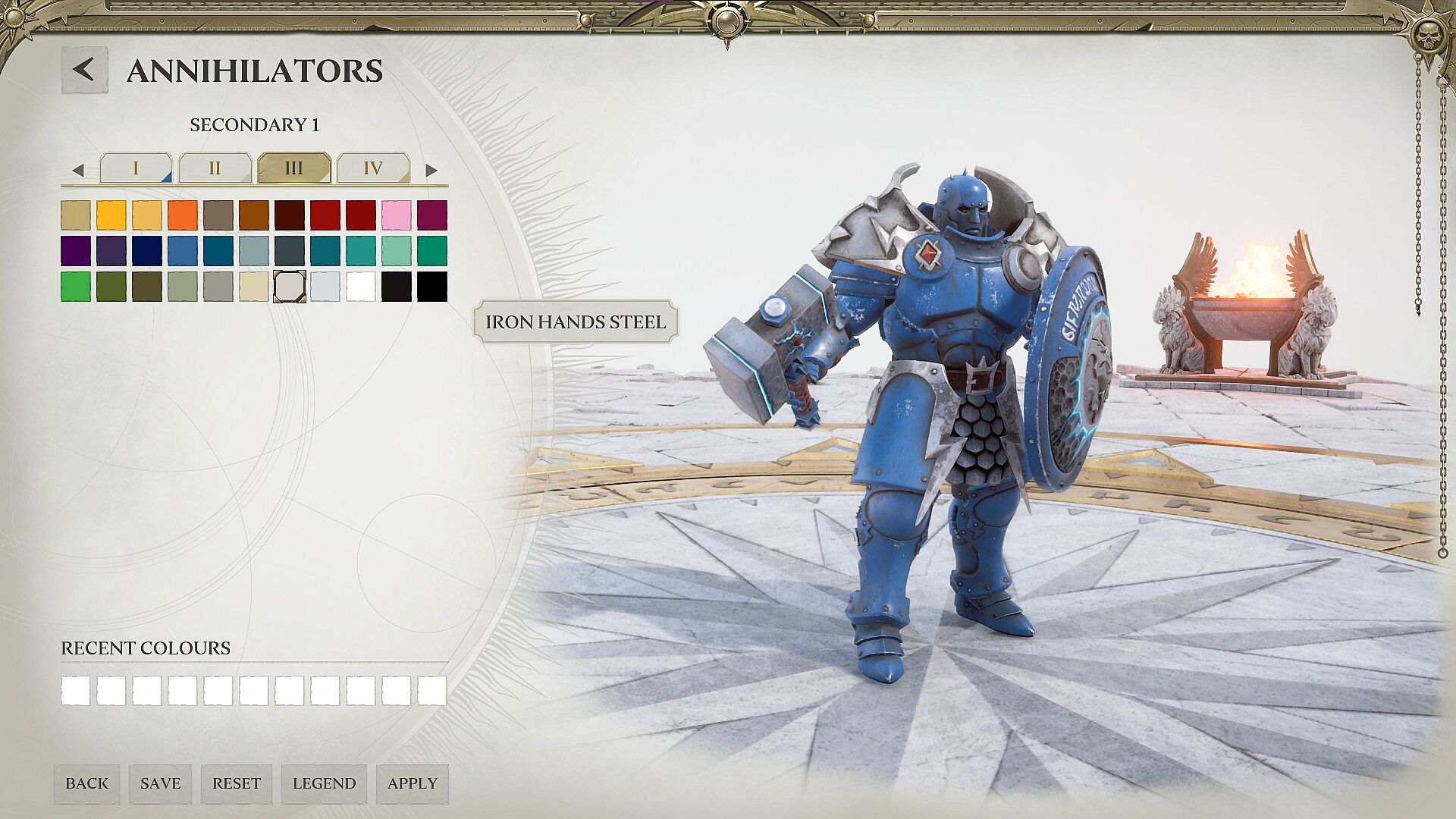
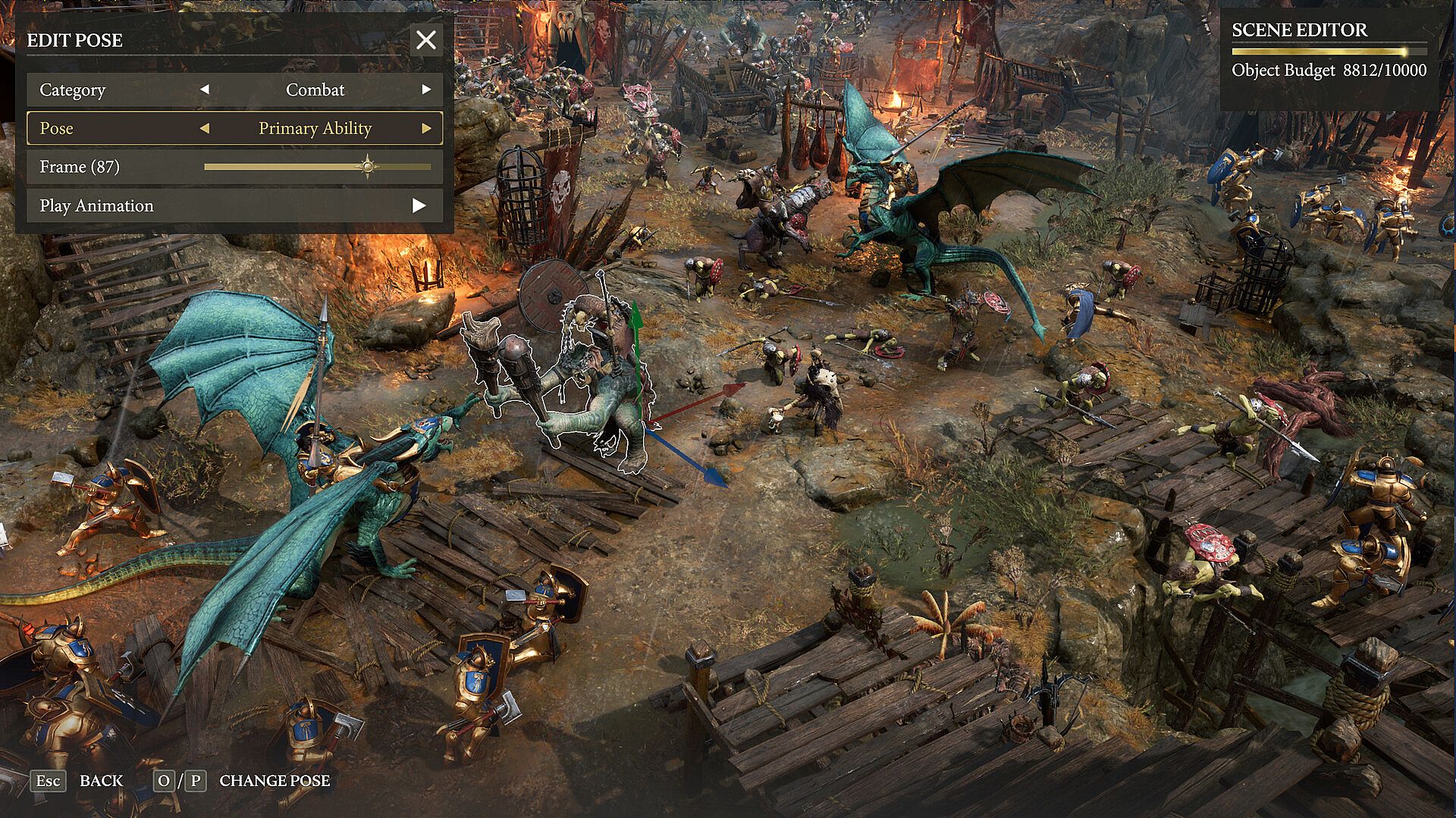
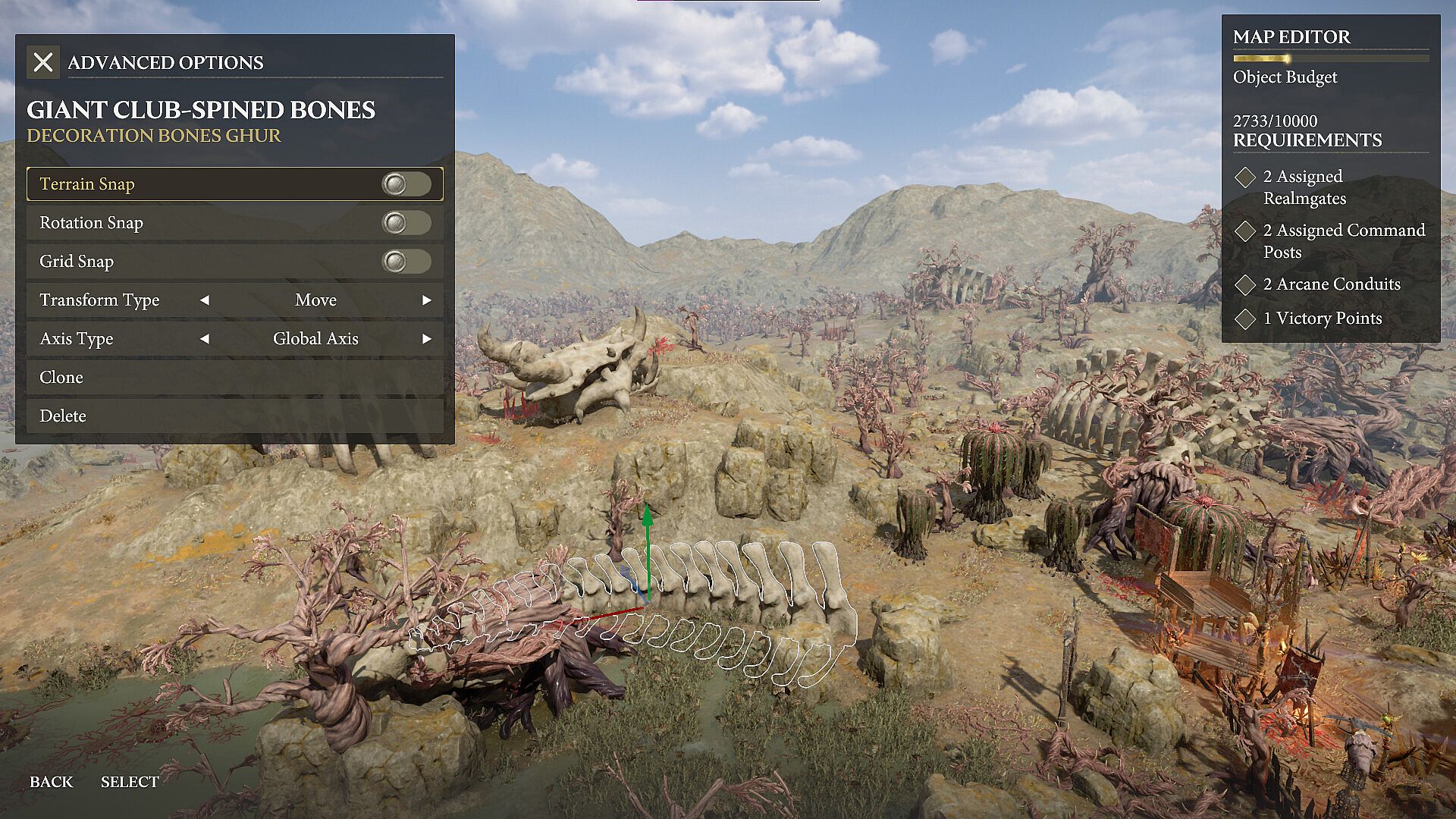
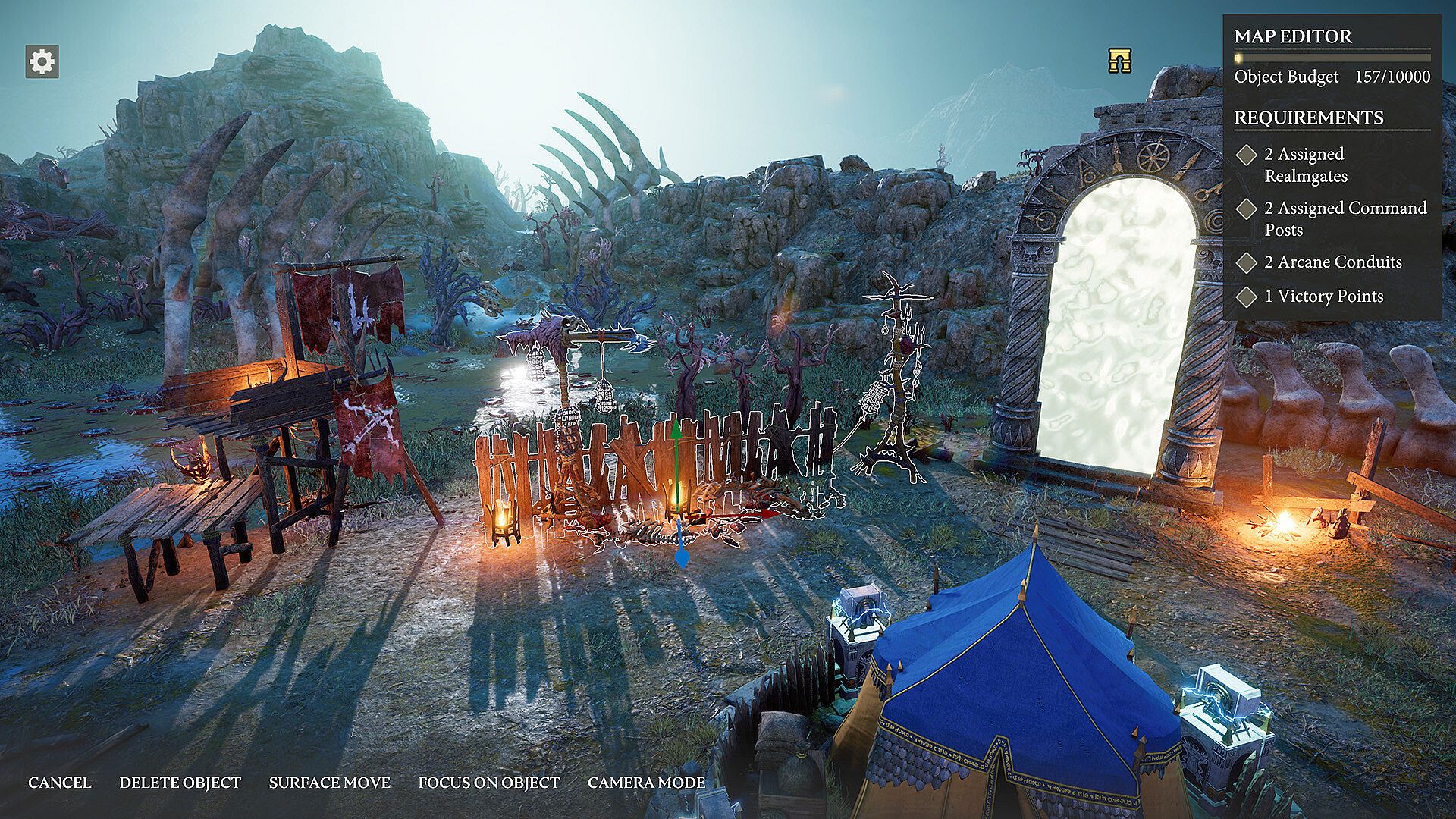
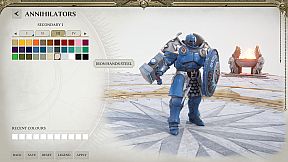
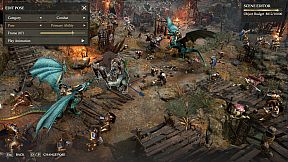
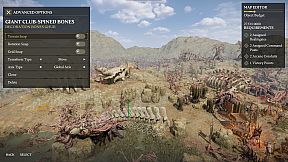
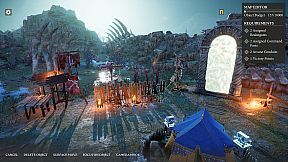
Endless Creativity opens tools for personal expression and community involvement. The map editor uses the same systems employed in official content creation, enabling players to design and share custom battlegrounds. Army Livery allows customization of forces using colors from the Citadel paint range, while the Scene Editor supports the arrangement of models and props into displayable dioramas.
Factions and Conflict
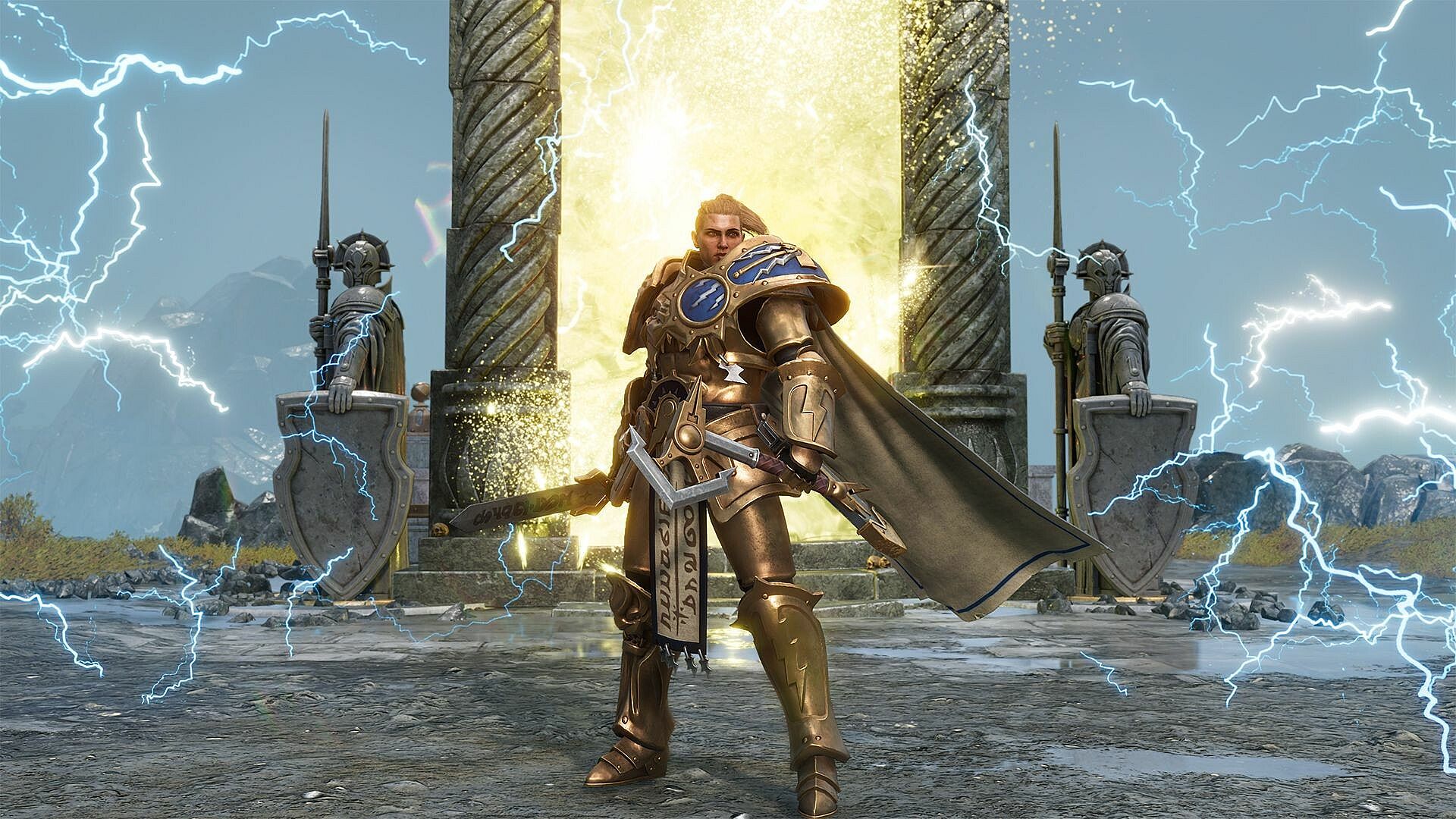
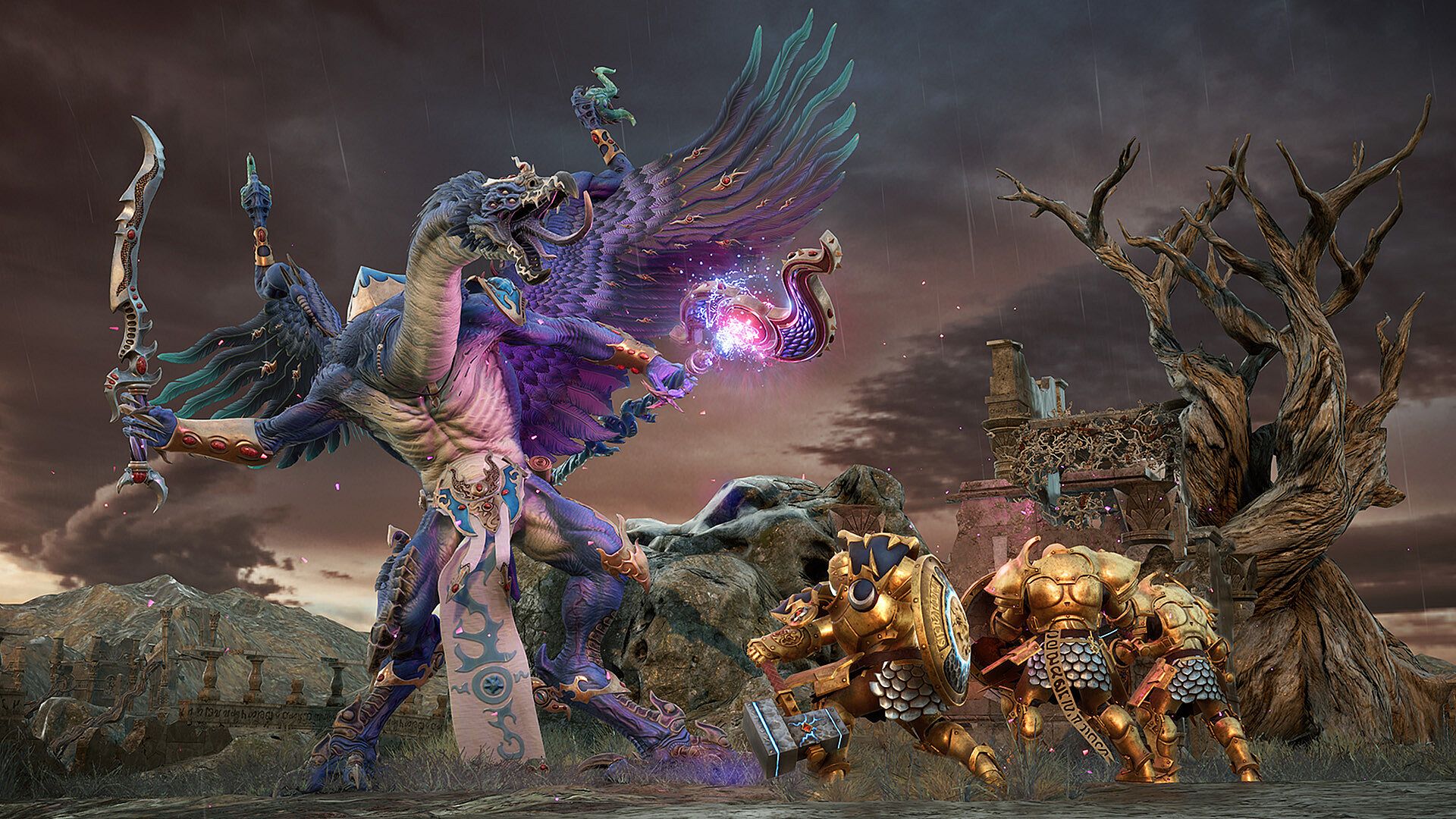
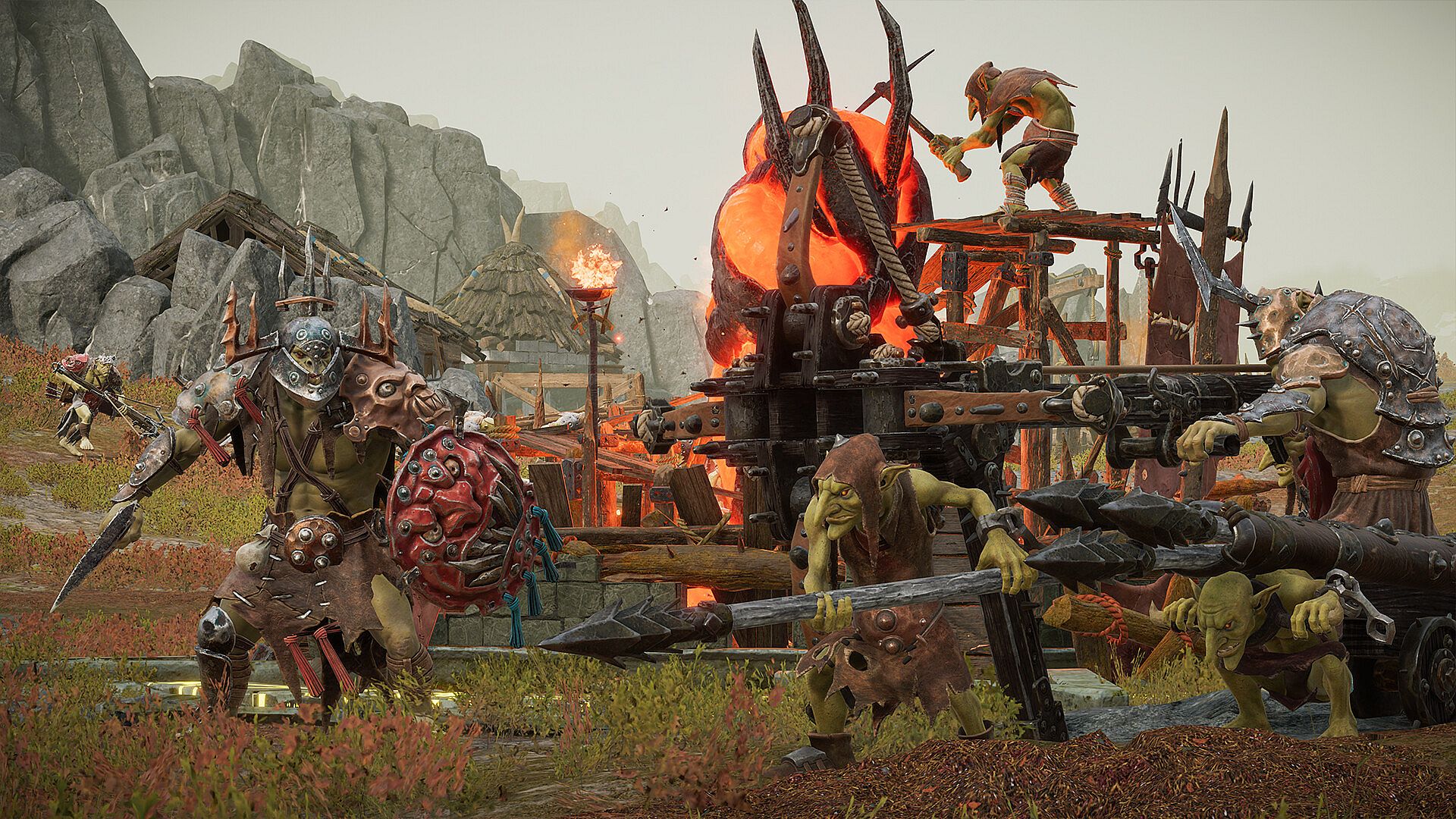
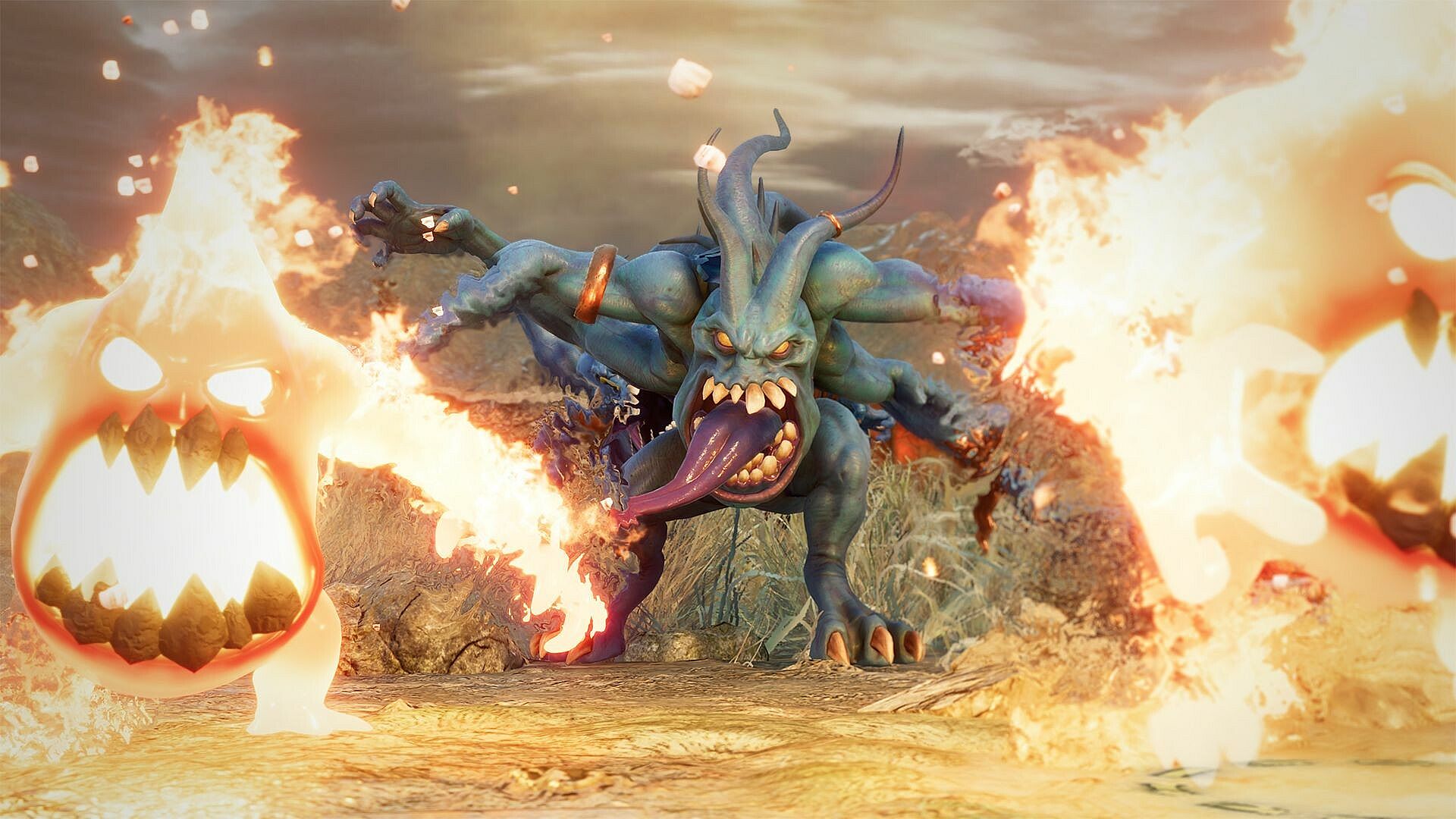
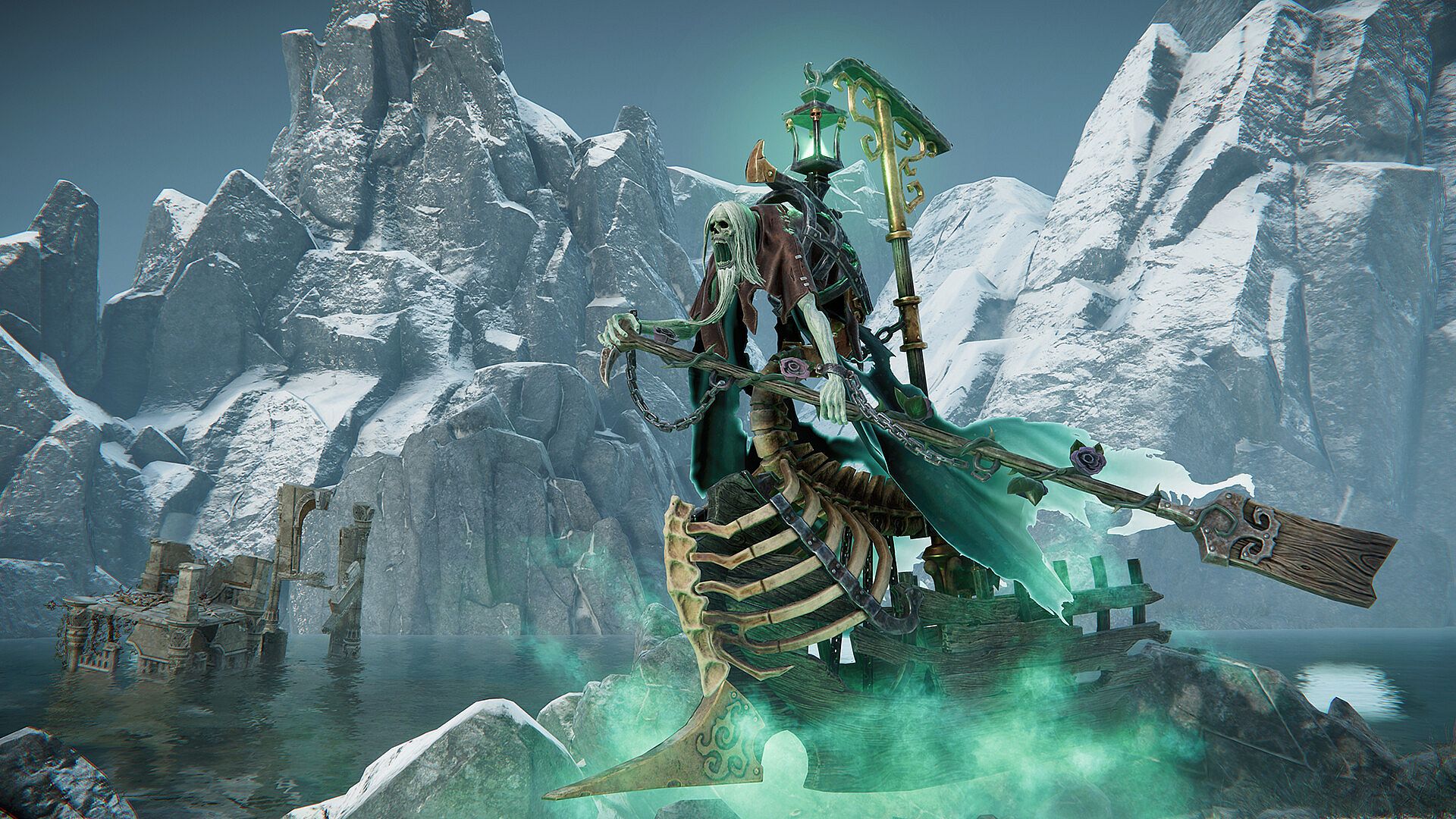
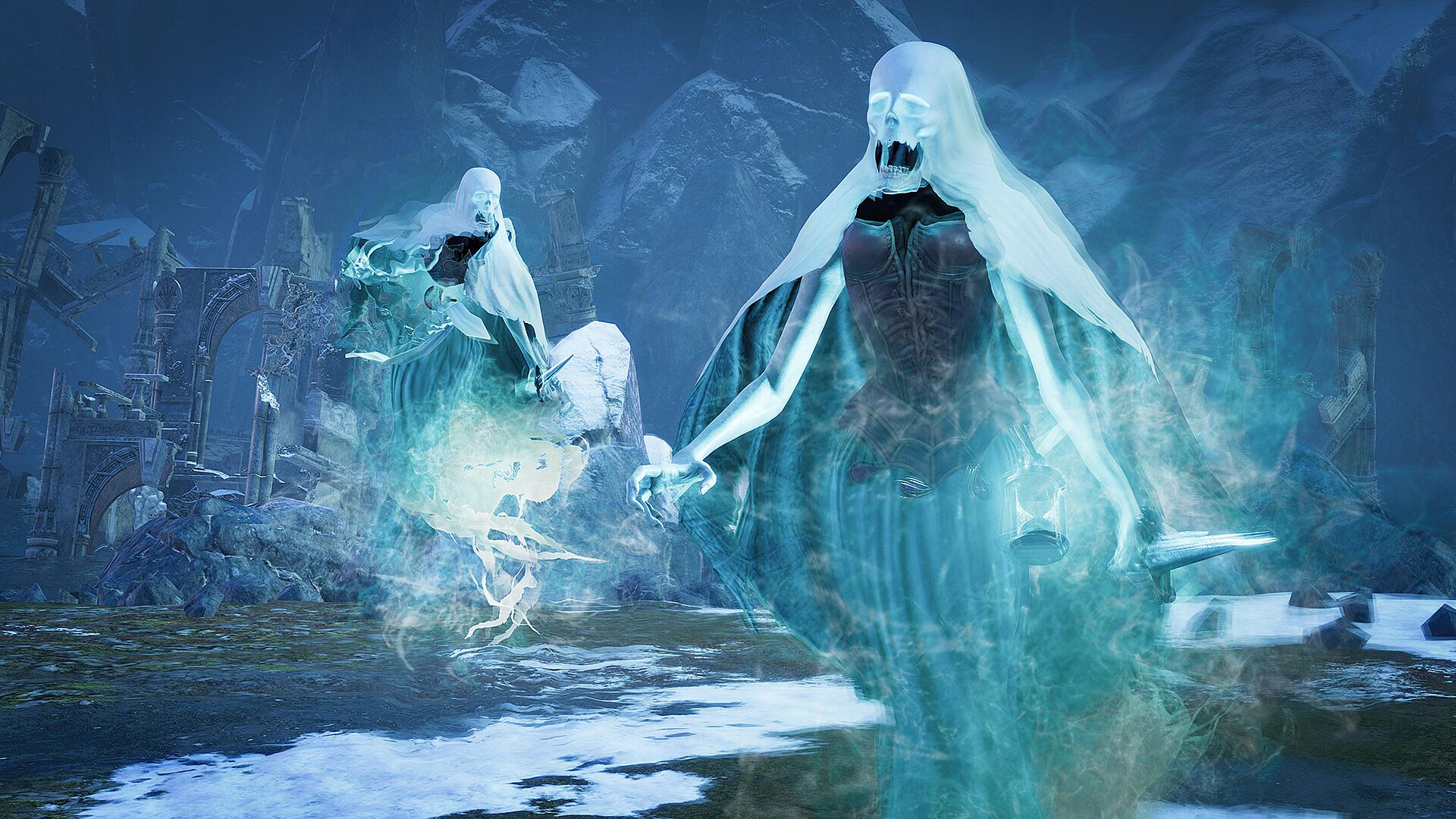
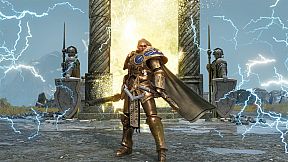
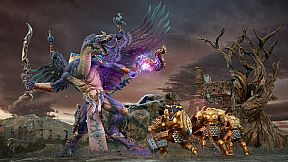
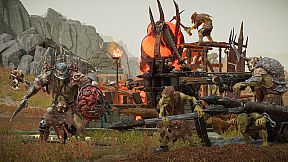
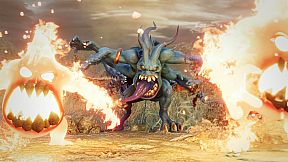
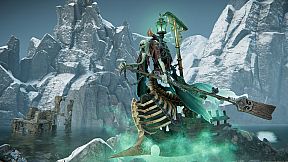
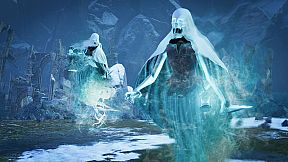
Four factions anchor the strategic depth. Stormcast Eternals bring disciplined, resilient forces suited to structured advances. Orruk Kruleboyz emphasize aggressive, brutal tactics that thrive in close-quarters clashes. Nighthaunt introduce ethereal units capable of bypassing traditional defenses. Disciples of Tzeentch rely on arcane manipulation and unpredictable maneuvers to outwit opponents.
Each faction presents unique strengths and weaknesses that influence overall strategy. Commanders learn to exploit these traits across different modes, from story-driven missions to open-ended conquest runs. The variety encourages repeated playthroughs as players test new combinations and adapt to opponent choices.
Is It Worth Playing?
Warhammer Age of Sigmar: Realms of Ruin appeals most to fans of real-time strategy who value tactical depth over fast-paced action. The combination of a narrative campaign, competitive multiplayer options, and procedural single-player challenges provides substantial content for those willing to invest time in mastering faction mechanics. Customization features further extend engagement for players interested in creating and sharing their own content.
Those drawn to the Warhammer setting will find familiar elements integrated into the gameplay systems. The title supports both solo and group play, with AI assistance available in multiplayer formats. Its focus on deliberate decision-making makes it suitable for sessions that reward planning and adaptation rather than reflex alone.