


















Jurassic World Evolution 2: Cretaceous Predator Pack serves as a strategy and simulation expansion that adds four new predatory dinosaurs to existing parks on PC. Players focus on enclosure design, dinosaur behavior management, and guest safety while integrating these creatures into ongoing operations.
Gameplay
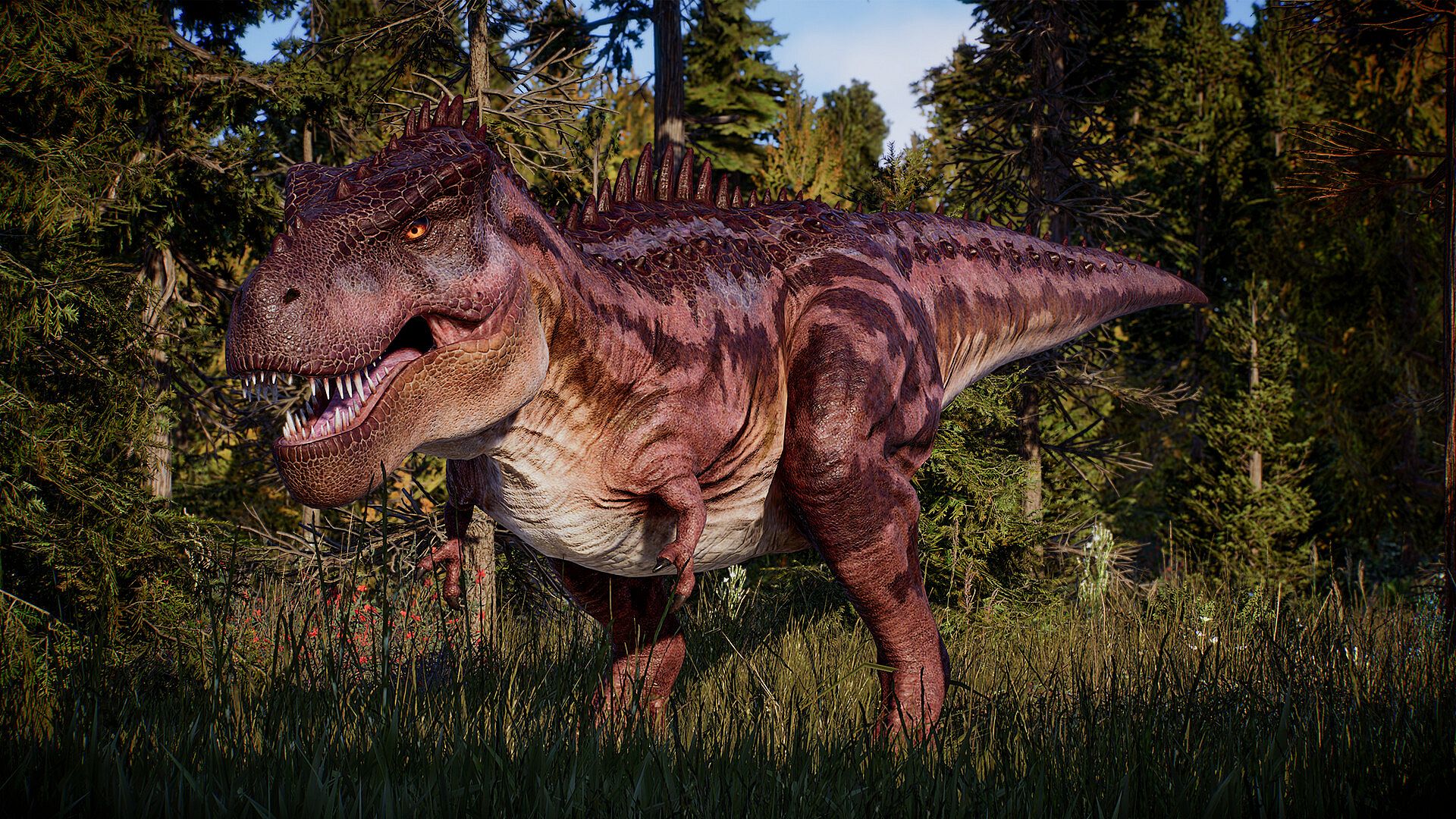
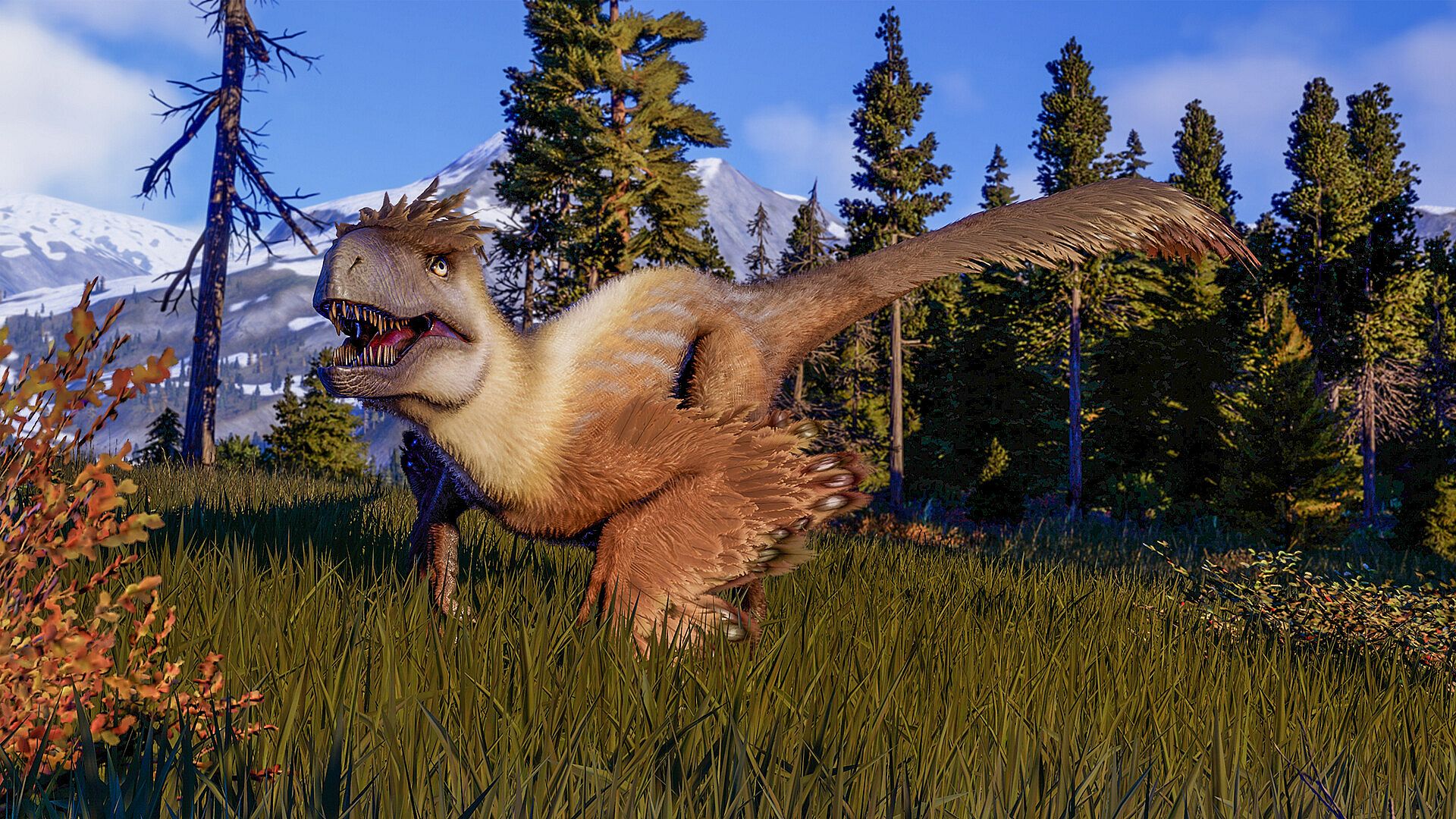
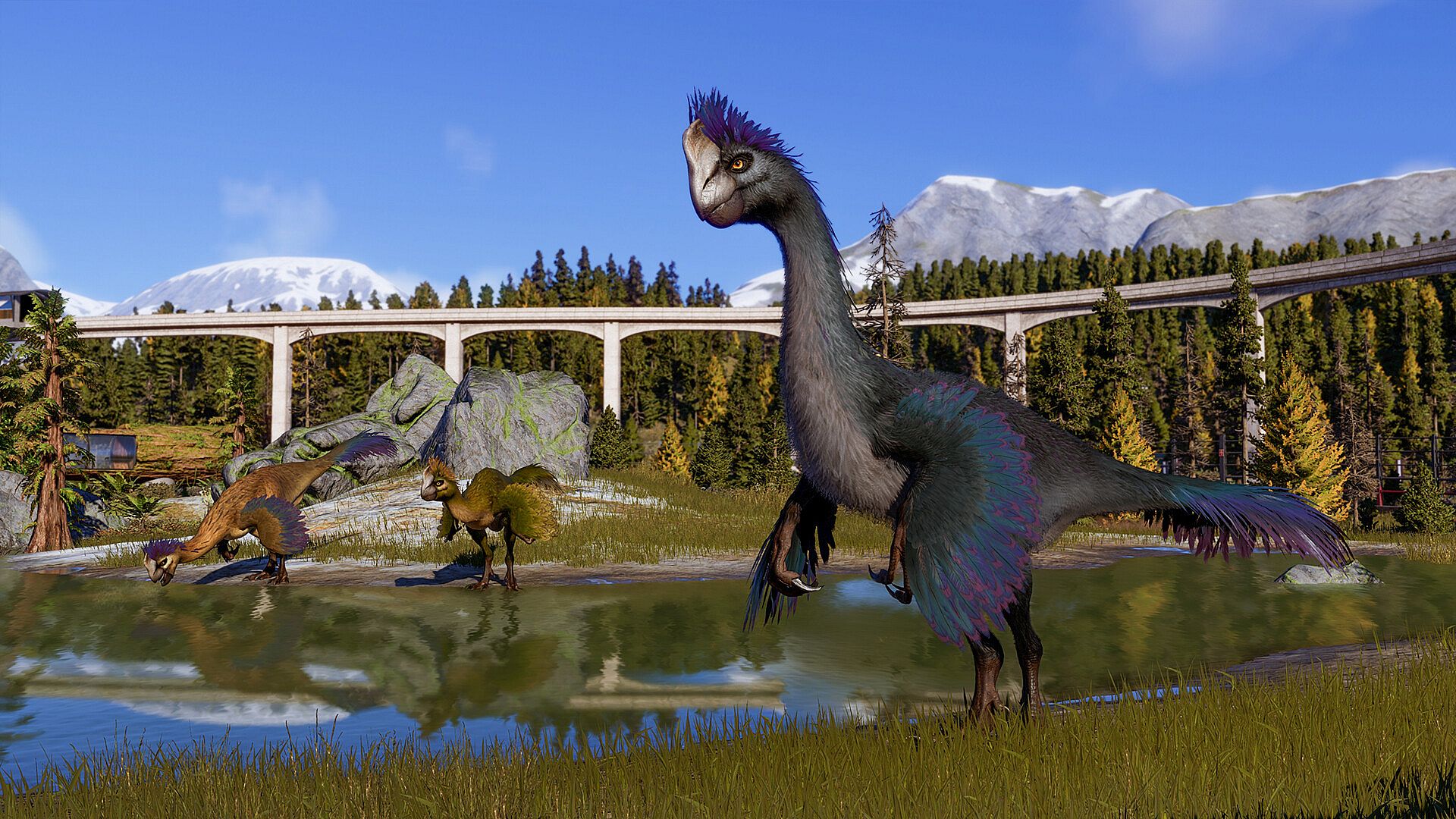
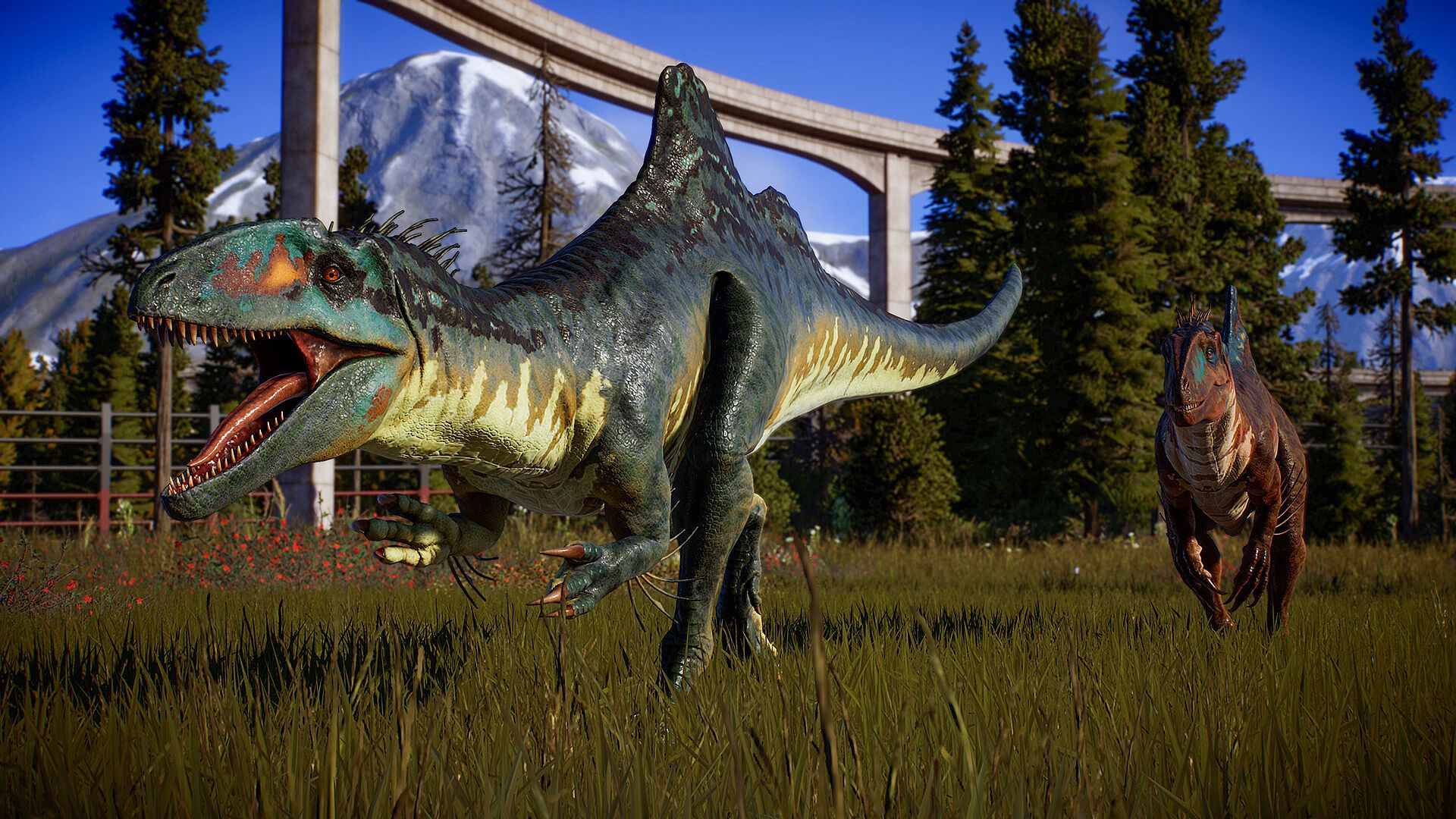
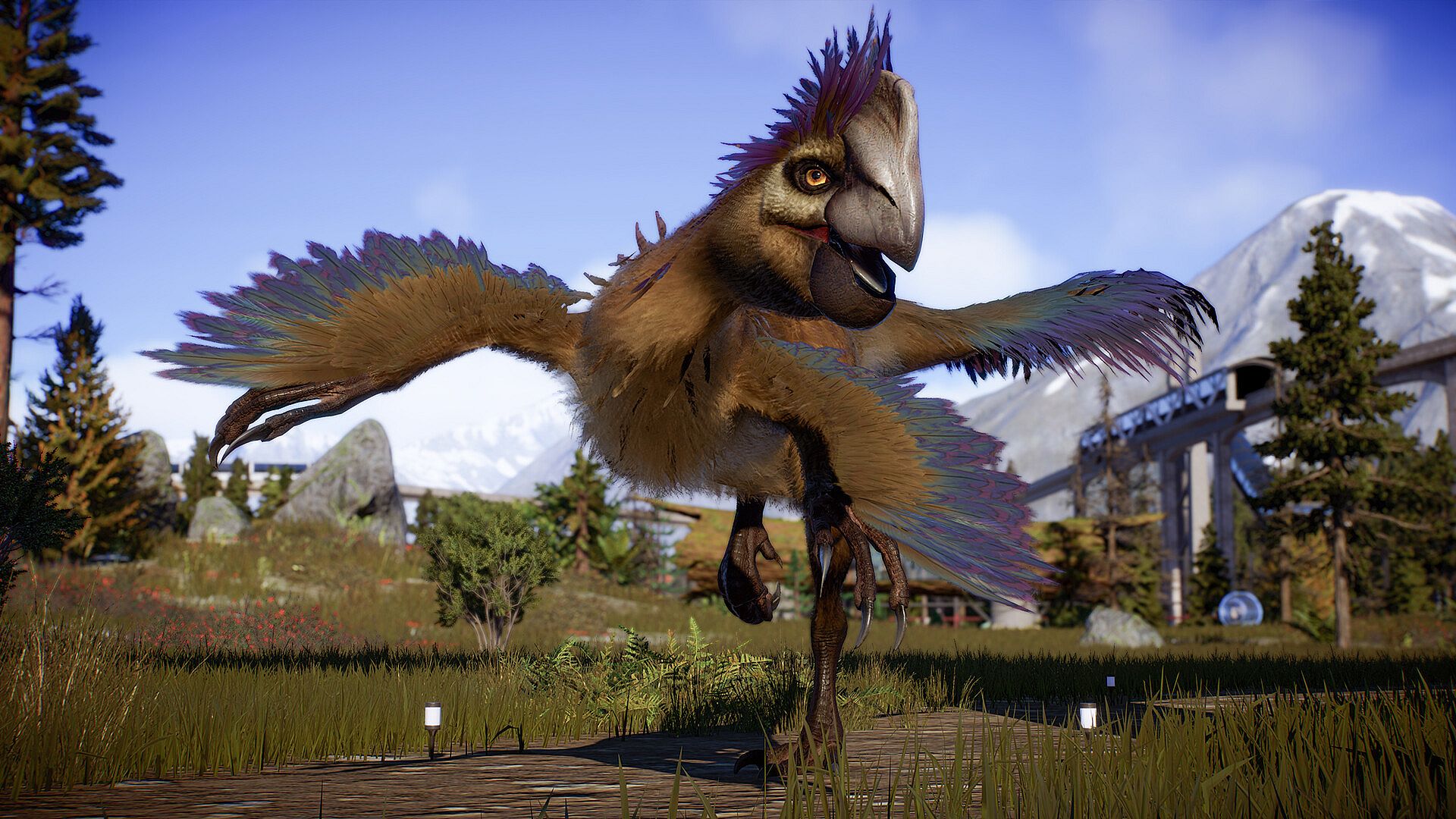
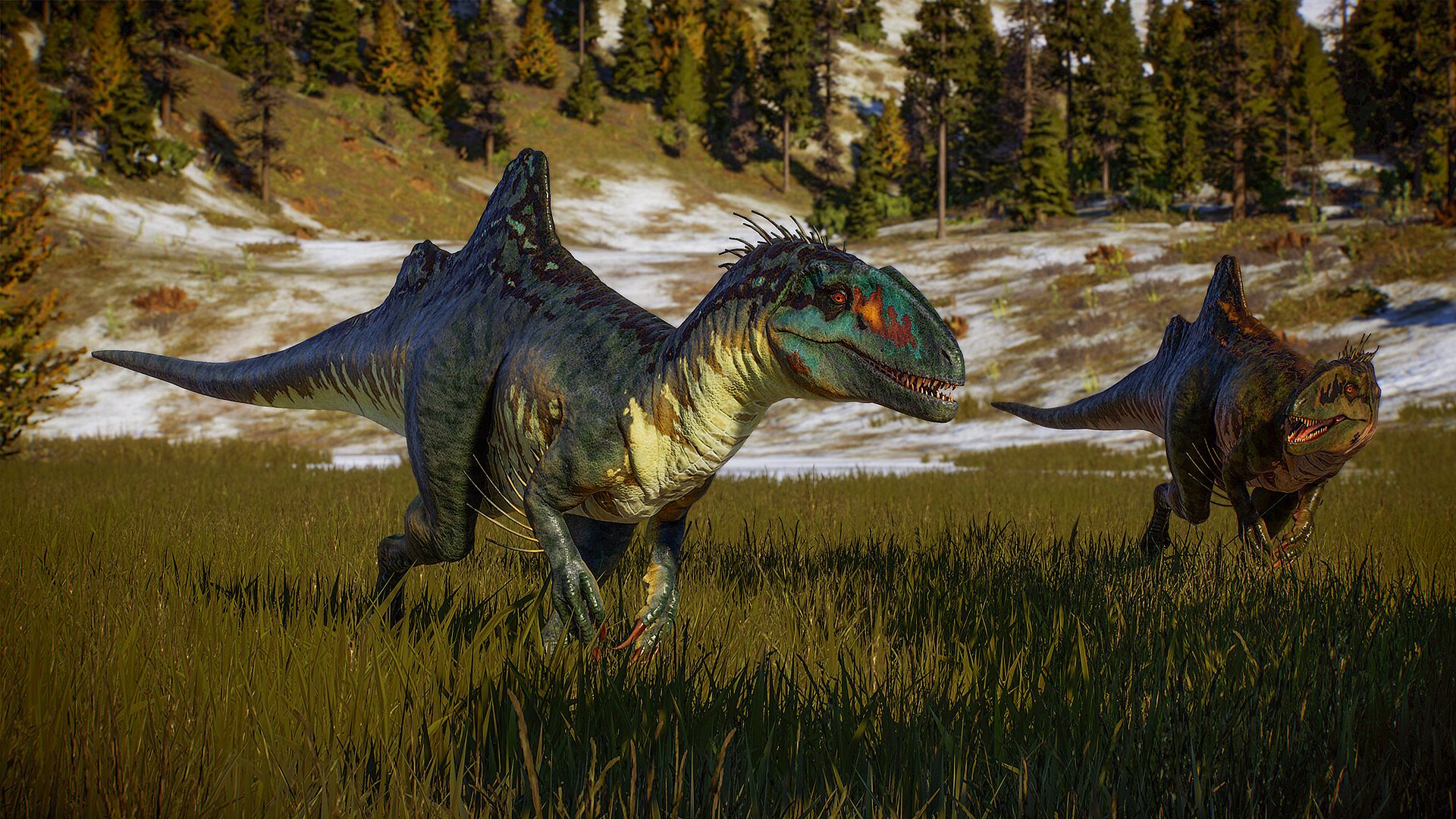
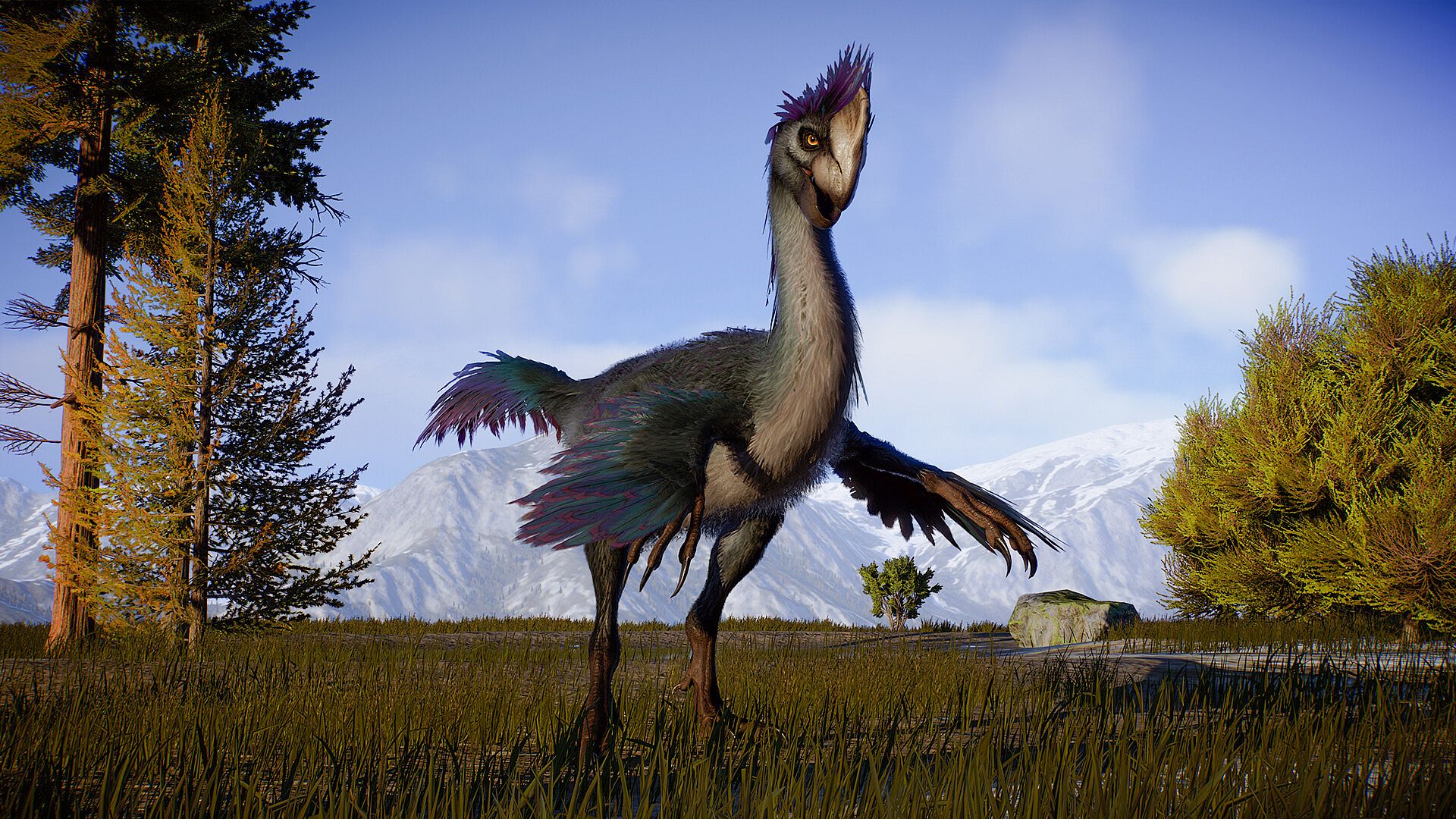
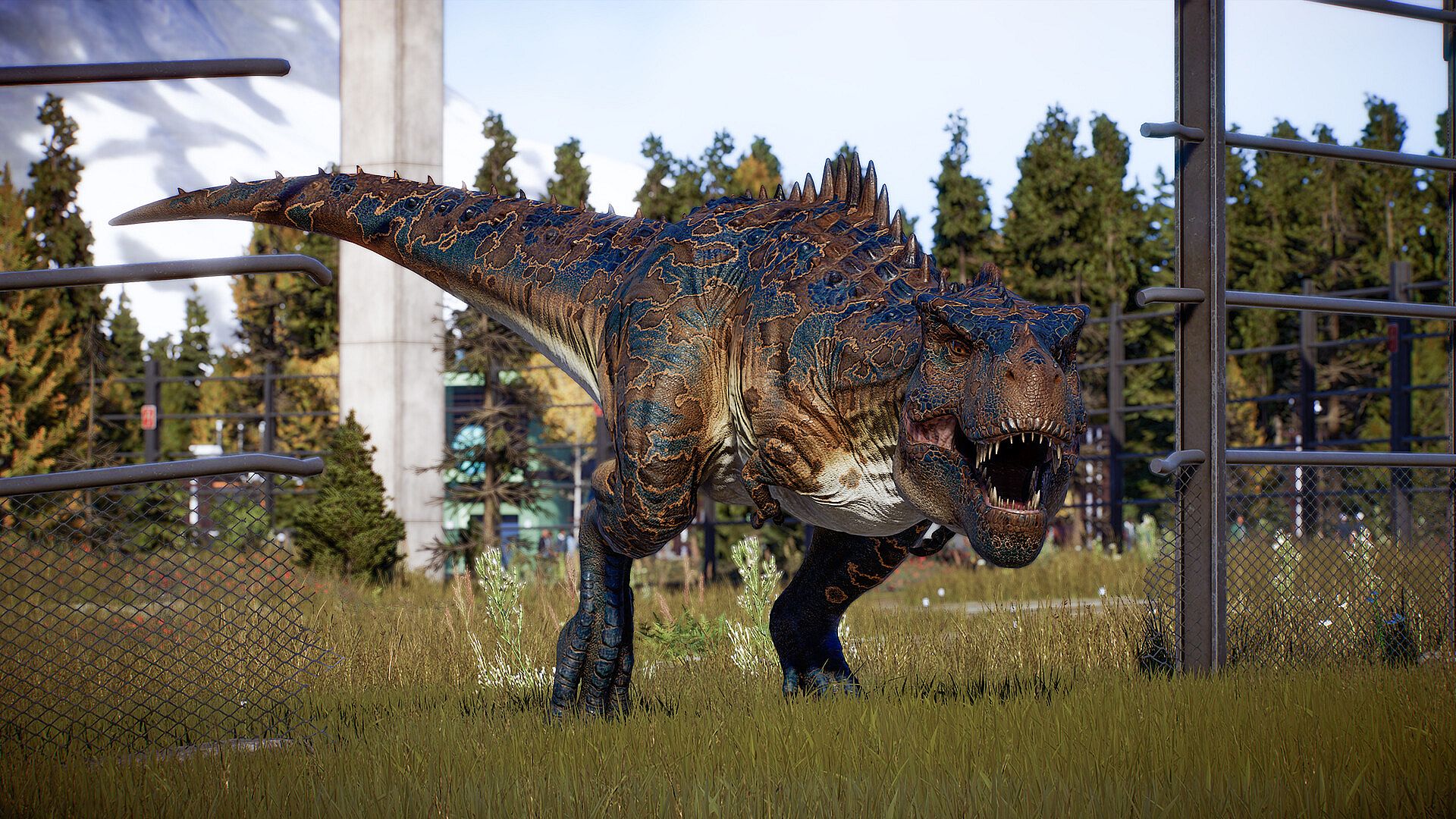
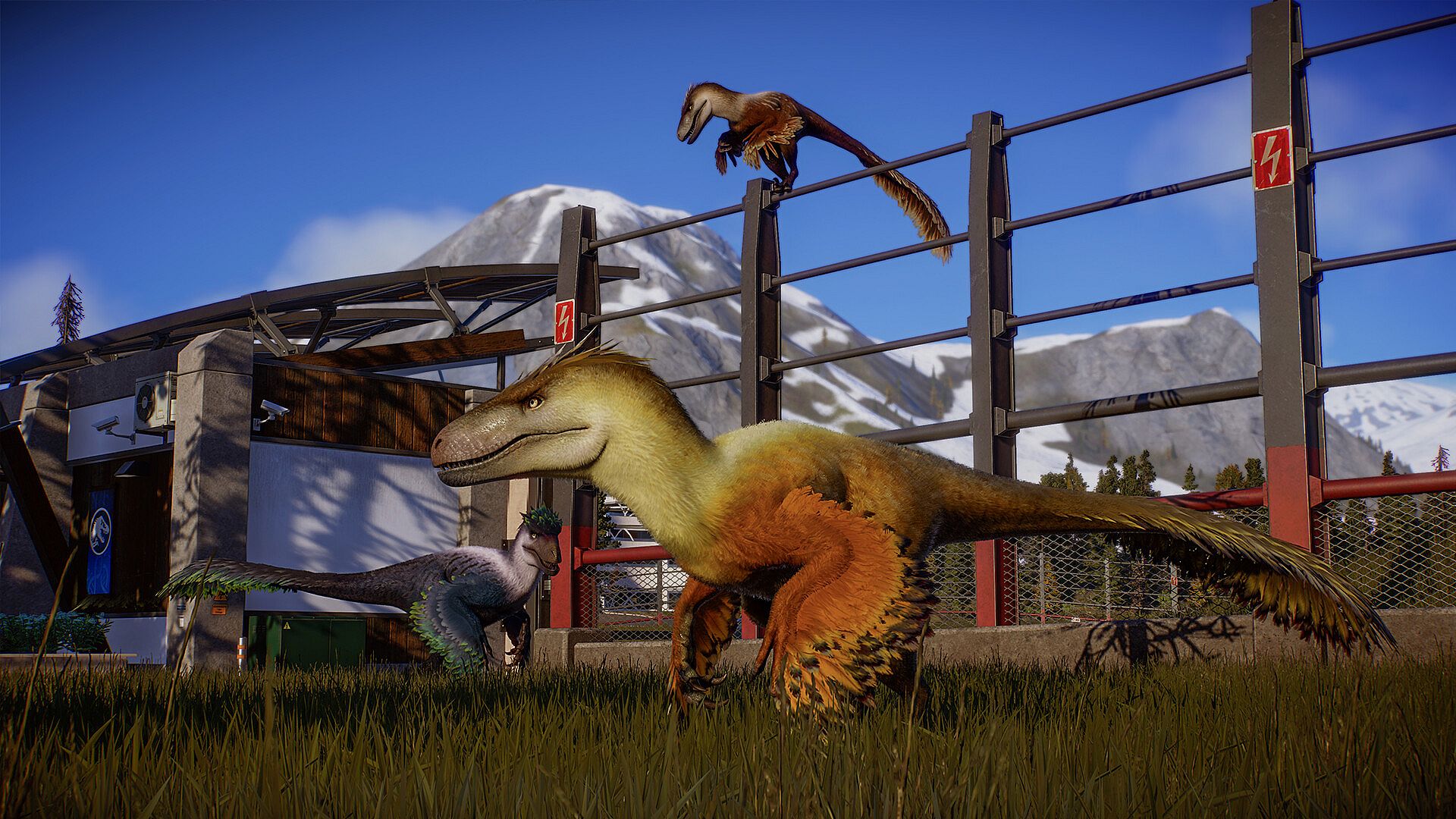
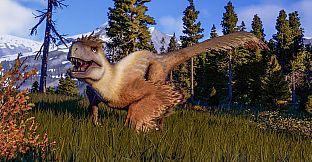
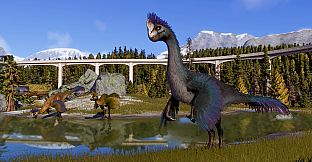
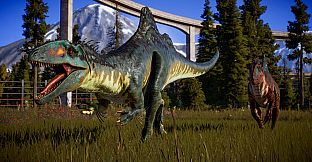
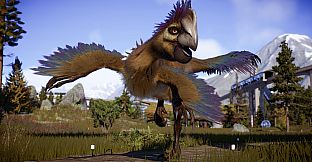
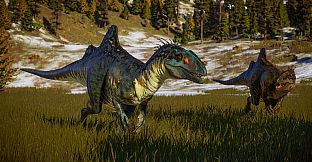
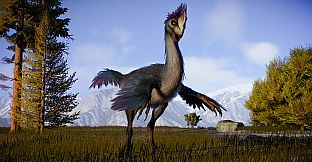
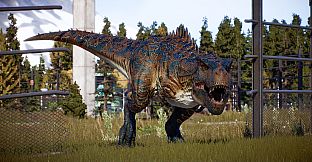
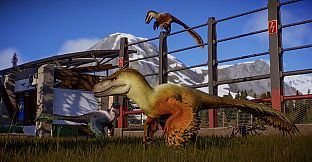
The core loop centers on constructing secure habitats, monitoring dinosaur needs, and balancing park finances through visitor attractions. Each new species brings distinct traits that influence enclosure requirements and interactions with other dinosaurs. Gigantoraptor stands out for its feathered appearance and sustained speed during pursuits, requiring larger open spaces. Concavenator features a prominent vertebral hump that affects its silhouette and hunting style in mixed groups. Utahraptor brings intelligence and scythe-like claws suited to coordinated pack tactics within enclosures. Tarbosaurus demands reinforced barriers due to its powerful jaws and size, drawing directly from its depiction in related media.
Management involves adjusting terrain, adding feeders, and observing combat or dominance displays that emerge naturally among the predators. These additions integrate into the existing dinosaur roster without altering fundamental building or research systems.
Game Modes
Challenge Mode benefits from the new predators as they help meet specific objectives tied to dinosaur variety and guest satisfaction. Sandbox Mode allows unrestricted placement of the four species across custom layouts, supporting experiments with mixed enclosures and biome adjustments. Campaign progression incorporates the dinosaurs through standard research and release sequences once the pack is installed.
Free updates to the base experience have expanded Sandbox options with additional map layouts and viewing structures, providing more flexibility when housing the new predators alongside established species.
Dinosaur Integration and Park Design
Each predator requires tailored security measures to prevent escapes while maximizing visibility for guests. Gigantoraptor and Utahraptor favor areas with room for movement, while Concavenator and Tarbosaurus suit setups that highlight their unique physical features. Players adjust fencing heights, add water sources, and monitor stress levels to maintain stable populations.
These dinosaurs encourage varied enclosure shapes and vegetation choices that reflect their Cretaceous origins, enhancing visual appeal without introducing new building mechanics.
Is It Worth Playing?
The base game maintains ongoing support through patches that refine path placement and scenery options. Reception for the overall title remains generally favorable among critics, with scores in the mid to high 70s on aggregate sites. Players interested in dinosaur management simulations find value in the expanded roster for creative park building. Those seeking deeper narrative campaigns or frequent new modes may prefer waiting for major base game expansions instead. The pack suits owners who already enjoy the simulation loop and want additional predatory options for Challenge and Sandbox sessions.