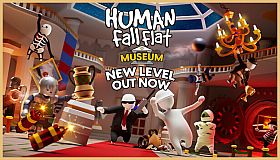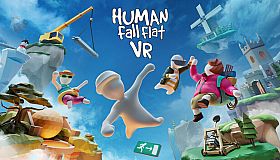


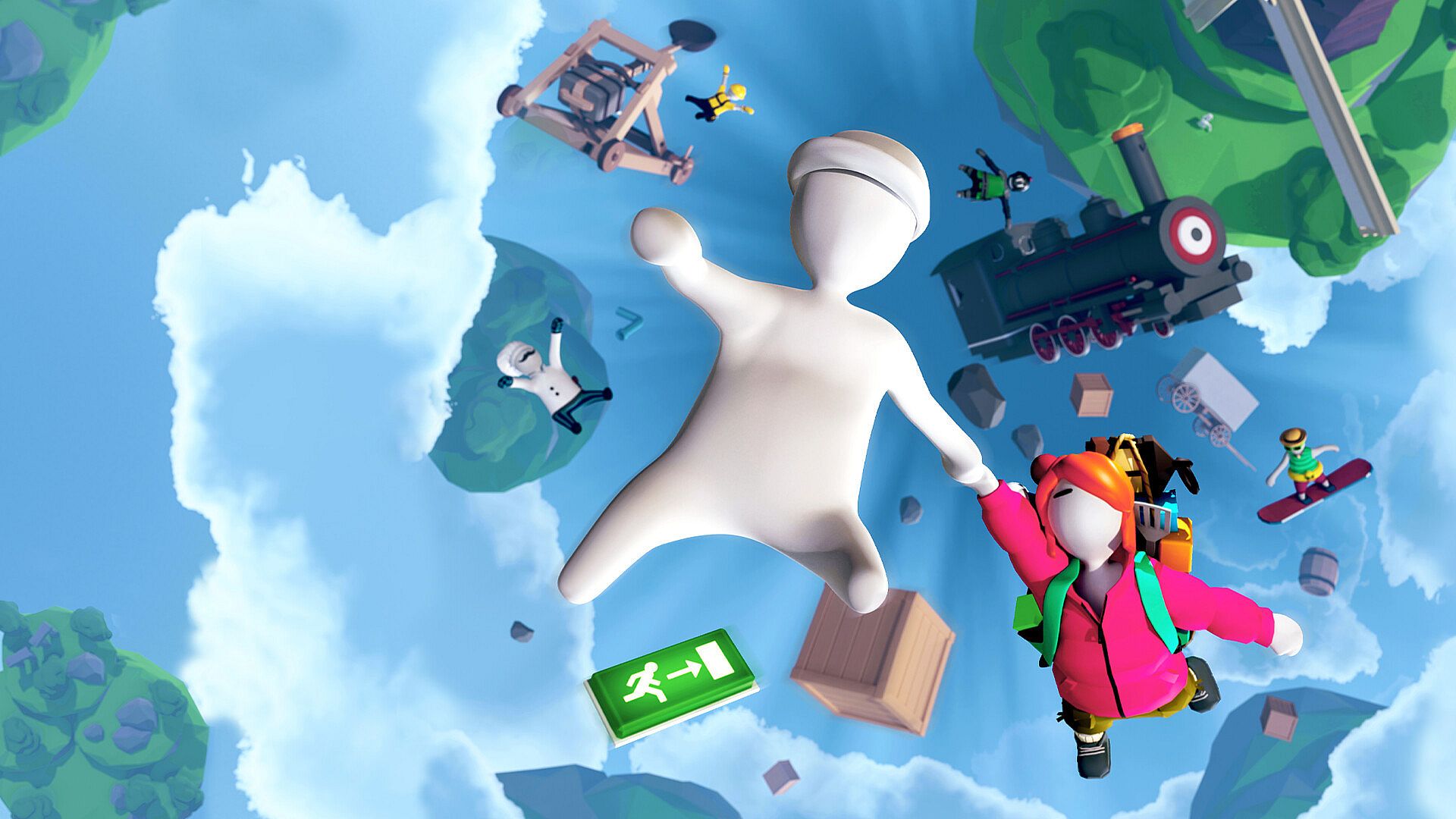
Human Fall Flat stands as an indie adventure title centered on physics-driven platforming. Players control a floppy, ragdoll-style character through surreal dream worlds filled with interactive objects and environmental challenges. The core loop revolves around experimenting with momentum, balance, and object manipulation to progress across levels that emphasize creative problem solving over precise timing.
Gameplay
The experience centers on a wobbly protagonist whose movements respond realistically to physics. Actions include grabbing, pulling, pushing, and swinging items such as planks, ropes, and machinery to bridge gaps or activate mechanisms. Levels unfold in floating dreamscapes where gravity and momentum dictate outcomes, often leading to humorous failures before successful navigation. Exploration encourages trial and error, with each stage presenting multiple paths and solutions that reward observation of how objects interact under force.
Progression involves completing a series of distinct stages, each introducing new environmental elements like water, machinery, or vertical structures. The character lacks traditional health or combat systems, shifting focus entirely to navigation and interaction. Multiplayer sessions amplify the chaos as additional characters collide and cooperate on the same tasks, altering how puzzles resolve compared to solo attempts.
Game Modes
Single-player mode allows independent traversal of all available levels at a personal pace. Online multiplayer supports up to eight participants in shared sessions, where coordination or competition emerges naturally from the physics interactions. Local co-op options exist on supported platforms, enabling split-screen or shared-screen play for smaller groups. No separate competitive or battle formats appear; all activity ties back to level completion through collaborative or independent puzzle resolution.
Soundtrack
The official soundtrack features original compositions by Tomas Sakalauskas, with contributions from Tess Tyler and Sara Lopez Productions. Additional arrangements come from Marius Narbutis, while mixing and mastering were handled by Robertas Lengvenis and Andrius Kauklys. The music blends ambient and melodic tracks that underscore the dreamlike settings without overpowering the focus on physical interactions and environmental sounds.
Is It Worth Playing?
Reception highlights the replay value of its physics puzzles and comedic character animations, with many noting strong suitability for casual sessions or group play. The game maintains ongoing level additions and platform support years after launch, including recent enhancements for newer hardware. It suits players who enjoy open-ended experimentation in puzzle platformers rather than linear narratives or high-stakes action. Those seeking light-hearted co-op experiences with friends or family often find repeated play sessions engaging due to the unpredictable outcomes of group physics interactions. Availability on PC and other platforms makes it accessible for both solo exploration and shared sessions.