













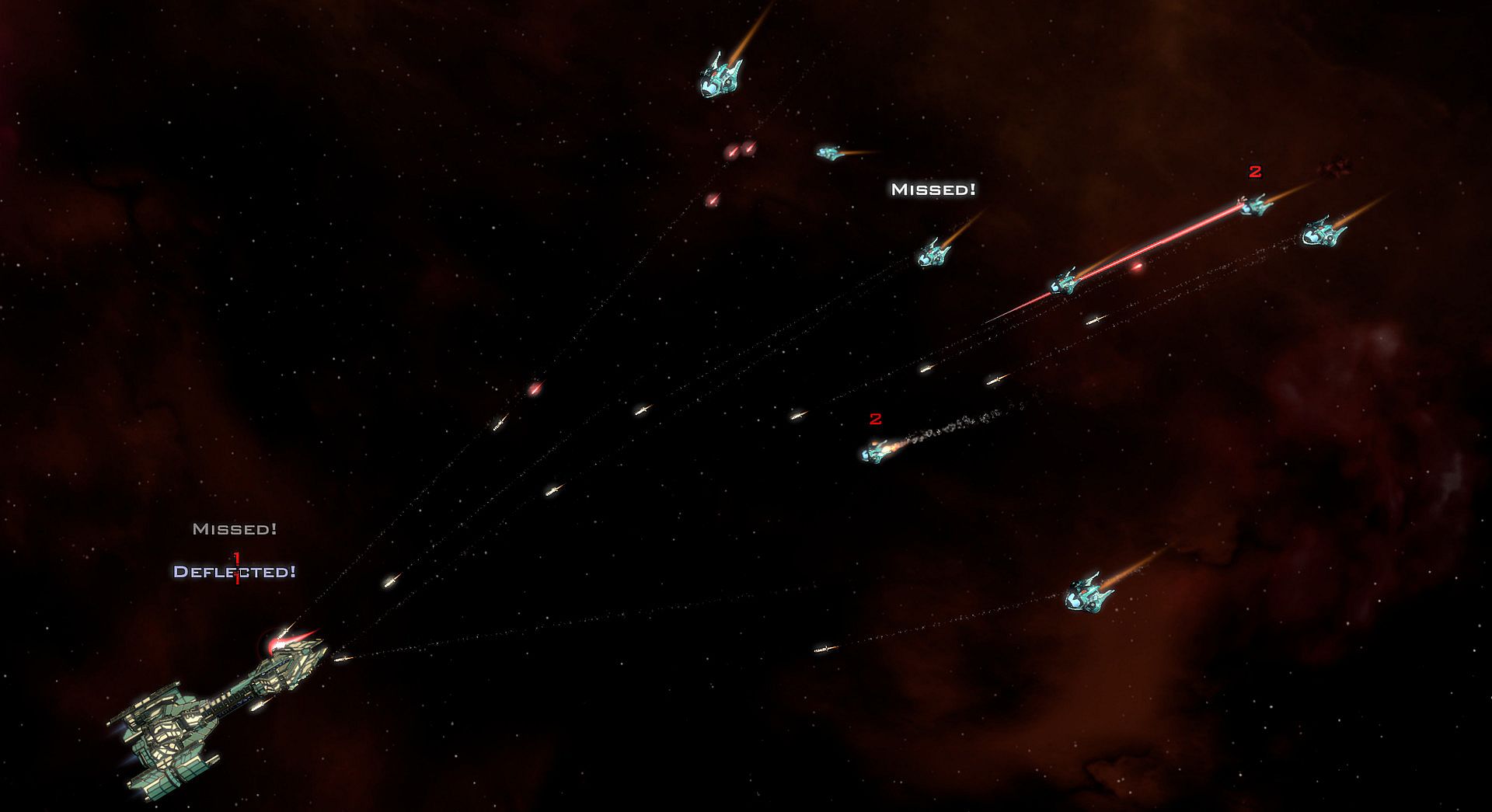
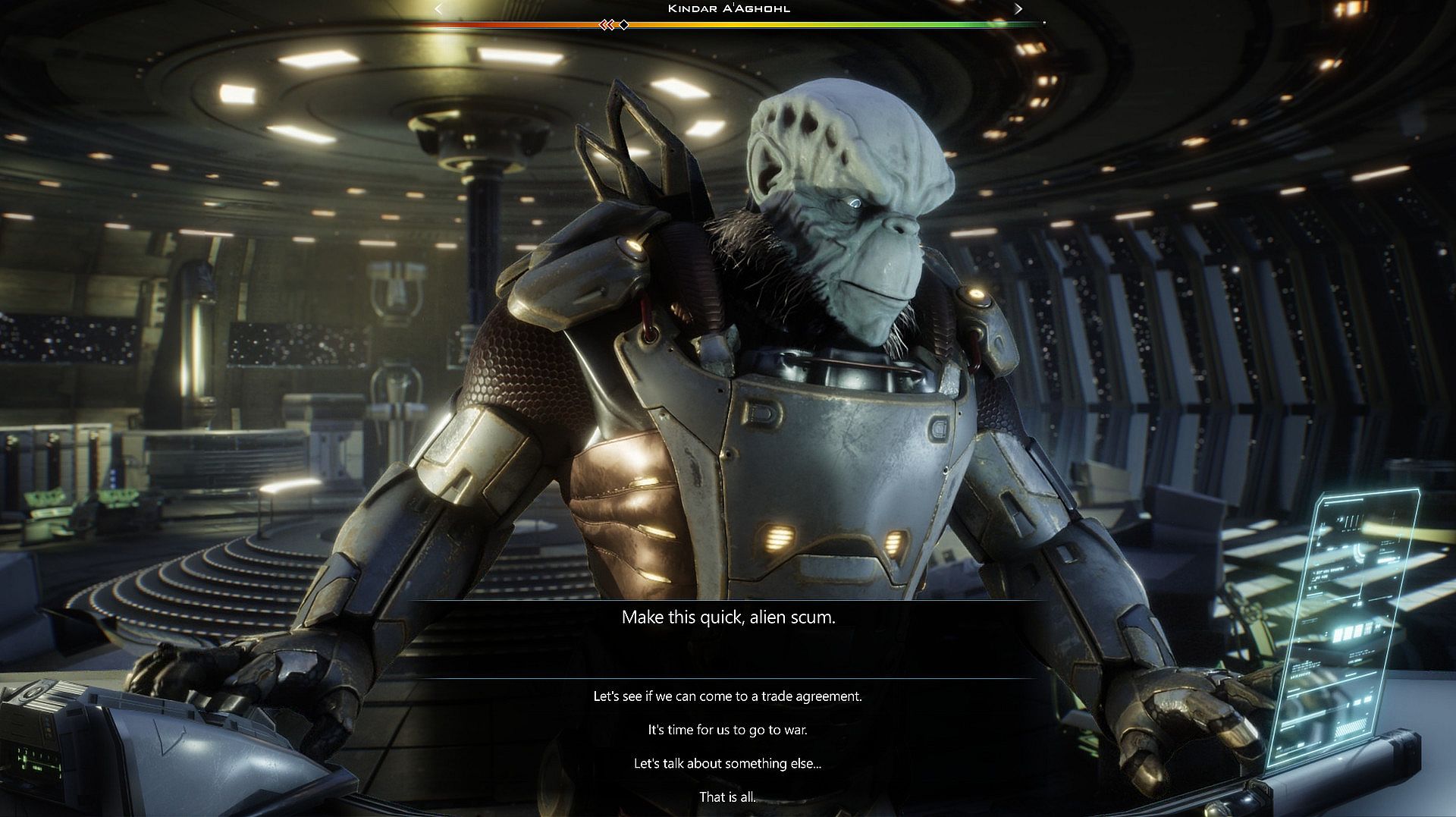

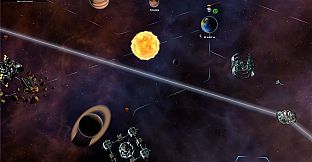
Galactic Civilizations III: Retribution Expansion delivers a focused addition to the core space 4X strategy experience on PC. Players manage civilizations across a procedurally generated galaxy, balancing expansion, research, diplomacy, and conflict while incorporating new systems that alter resource flow and movement. The expansion introduces artifacts scattered on planets, hypergates for enhanced travel, supply ships for interplanetary support, a revised technology tree, and two returning civilizations with distinct playstyles. It also concludes the overarching narrative through a dedicated campaign centered on the Drengin Empire and human forces from Sol III.
Gameplay
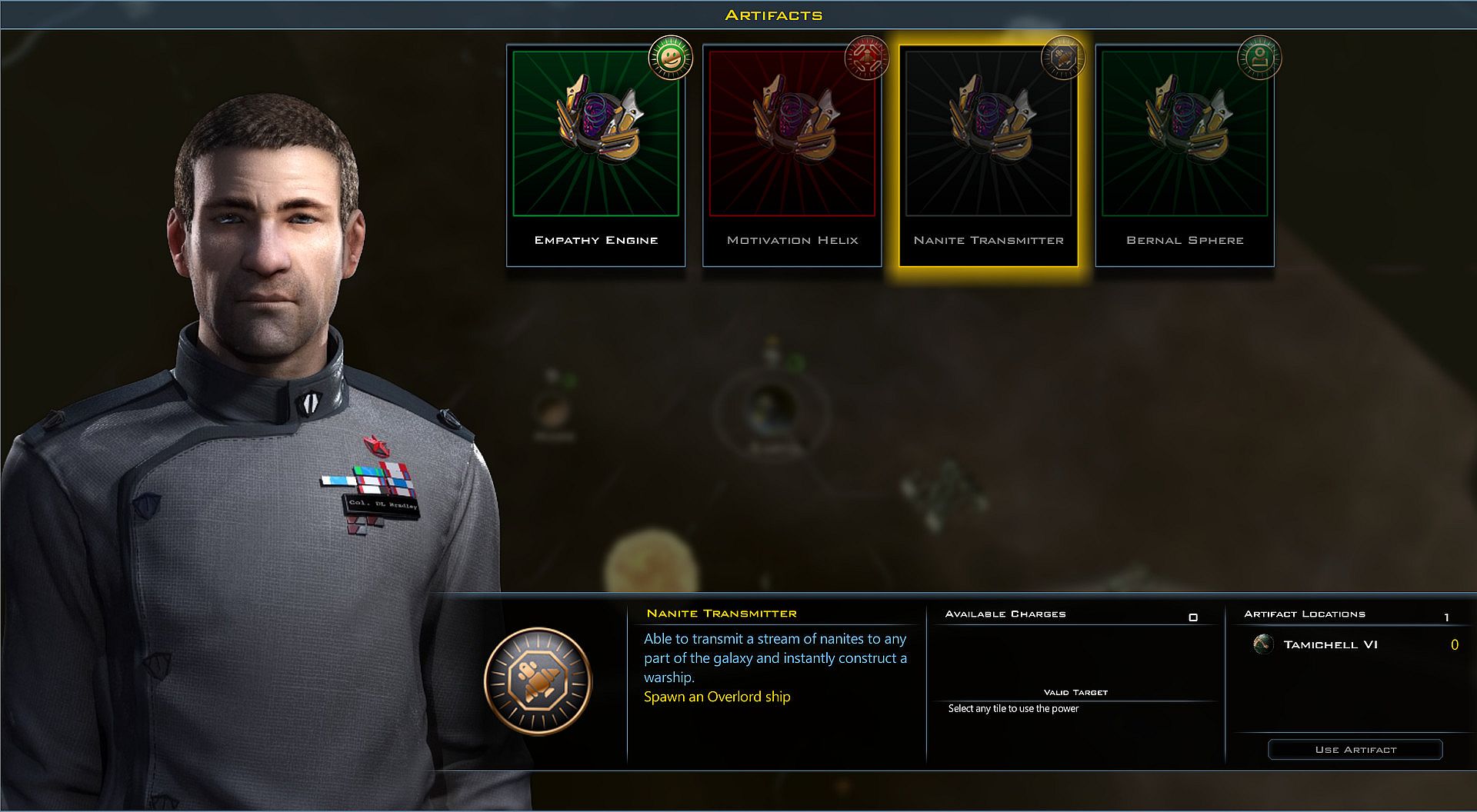
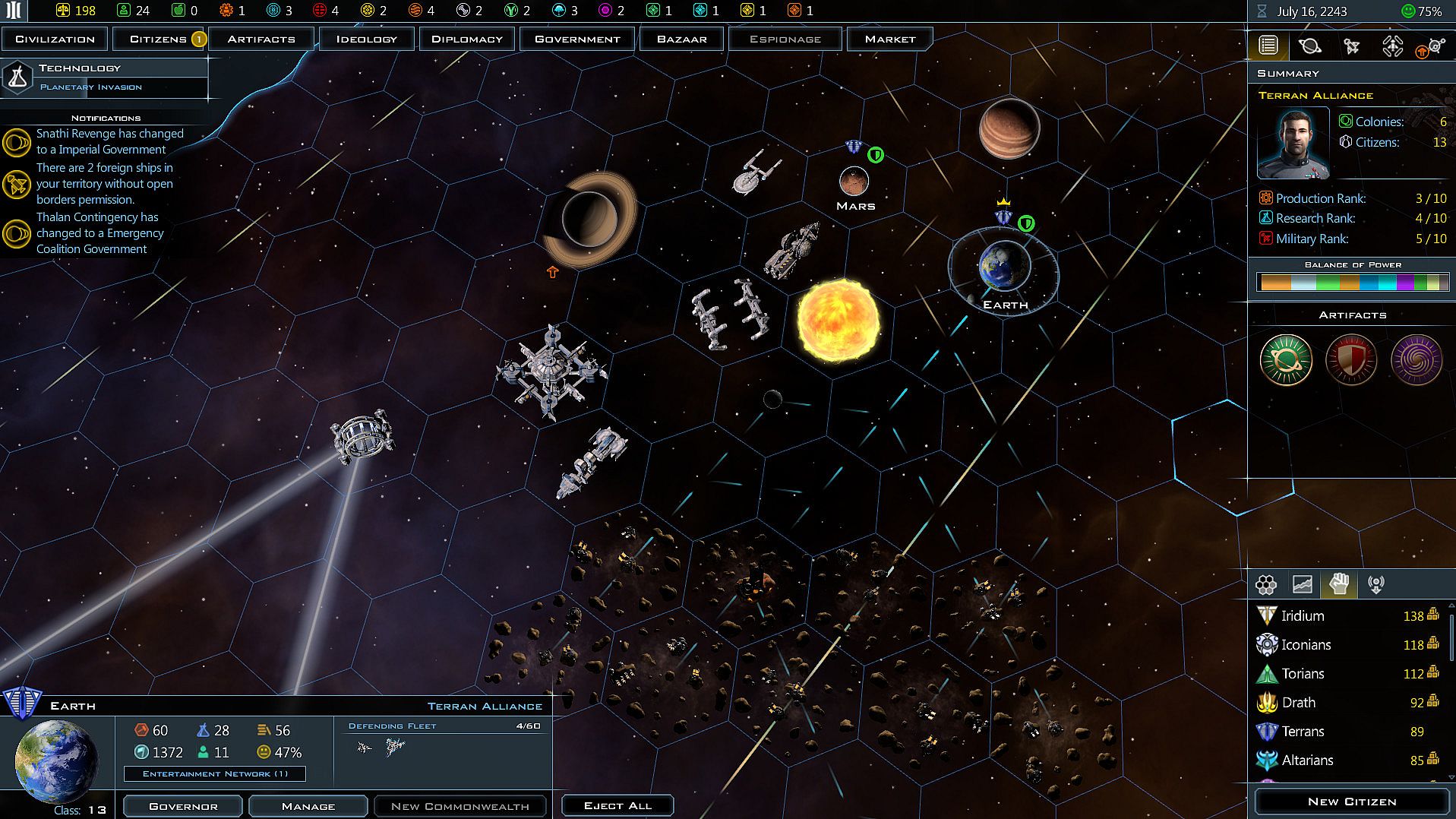
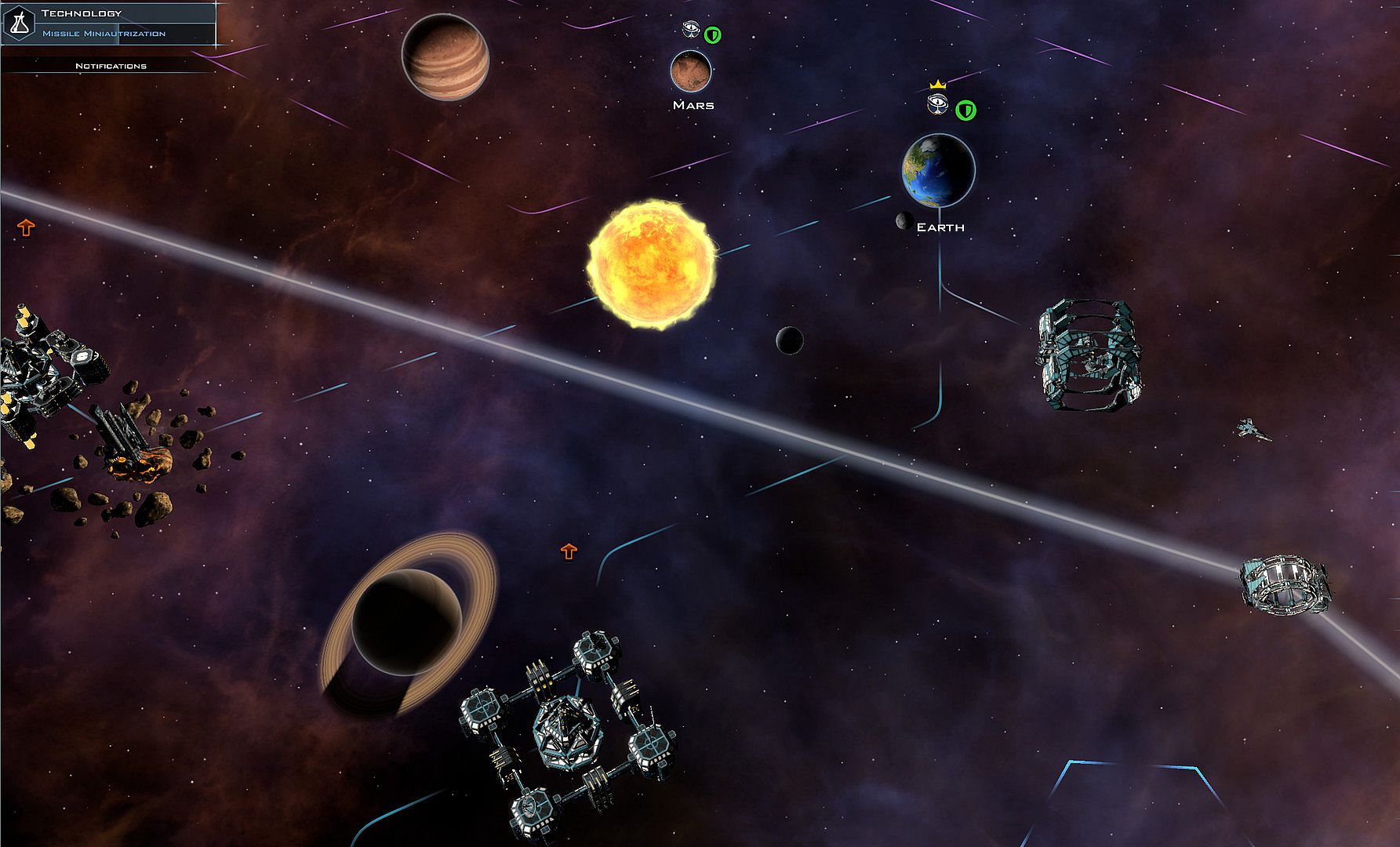
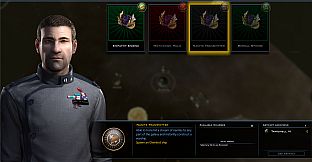
The core loop revolves around exploring star systems, claiming habitable planets, and developing infrastructure while researching technologies that unlock ship components, improvements, and abilities. Artifacts function as discoverable items that, once researched, provide charges for powerful one-time or limited effects such as completing ongoing research projects or altering planetary habitability. These items create strategic incentives for exploration and occasional conflict over key locations.
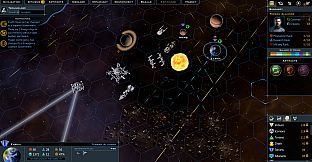
Hypergates allow construction of linked networks that accelerate fleet movement through hyperspace lanes, shifting emphasis toward infrastructure investment for faster response times across large maps. Supply ships enable direct transfer of production and resources between colonies, reducing the isolation of distant outposts and supporting more flexible empire management. The overhauled technology tree presents sharper branching choices, with research paths that reward specialization in areas like economy, military, or diplomacy.
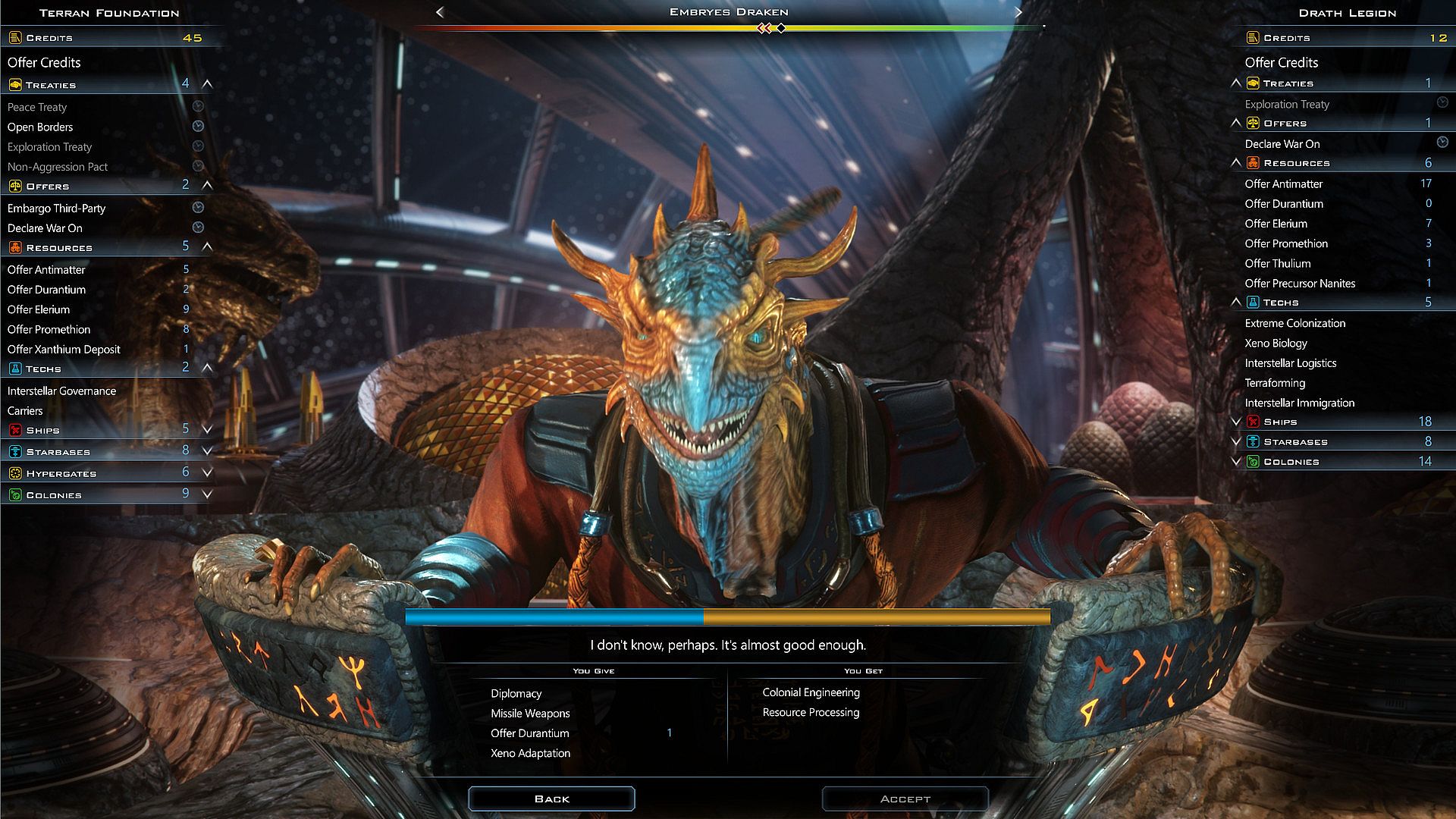
Two new major civilizations join the roster. The Drath emphasize manipulation and indirect influence through unique bonuses and ship parts, while the Korath focus on aggressive expansion and extermination tactics with their own specialized abilities. Both integrate into existing gameplay without requiring separate rulesets.
Game Modes
Retribution supports standard single-player 4X sessions with extensive customization options for map size, planet density, opponent selection, and difficulty levels. Players can adjust starting conditions and victory conditions to suit preferred pacing. The expansion adds a dedicated story-driven campaign that serves as the narrative conclusion to the Galactic Civilizations III storyline, featuring scripted events and objectives tied to the Drengin-human conflict.
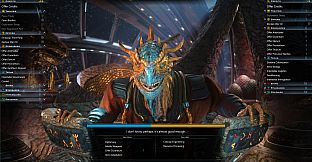
Campaign play incorporates voice acting for key sequences and follows a linear progression through escalating confrontations. Sandbox-style games remain the primary format outside the campaign, allowing free-form empire building with the new mechanics active from the start.
New Civilizations and Mechanics
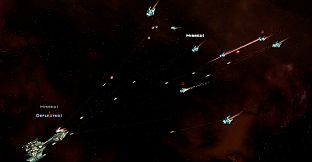
The Drath and Korath bring fresh strategic layers through specialized ship components and empire-wide bonuses that encourage different approaches to warfare and diplomacy. Drath abilities lean toward subterfuge and long-term positioning, whereas Korath options reward direct confrontation and rapid territorial gains. These factions appear in both campaign and custom games.
Supply ships integrate into the economy by moving goods between planets, making multi-world empires more viable even when colonies are separated by distance. Combined with hypergates, this system encourages investment in logistics infrastructure alongside traditional military and research priorities.
Is It Worth Playing?
Retribution suits players who enjoy detailed space 4X strategy with emphasis on research pacing, logistics, and narrative closure. The mixed reception on user review platforms reflects varied opinions on the balance changes and campaign length, with some appreciating the added depth from artifacts and the technology overhaul while others note limited long-term support after the 2019 release. No ongoing seasons or major post-launch content updates have been confirmed for the expansion itself.
Those seeking the concluding story arc and the specific new systems will find the most value, particularly if they already own the base game. The campaign provides a structured experience distinct from open sandbox sessions, and the new civilizations offer replayability through different starting advantages. Availability remains limited to the original purchase on PC platforms.