

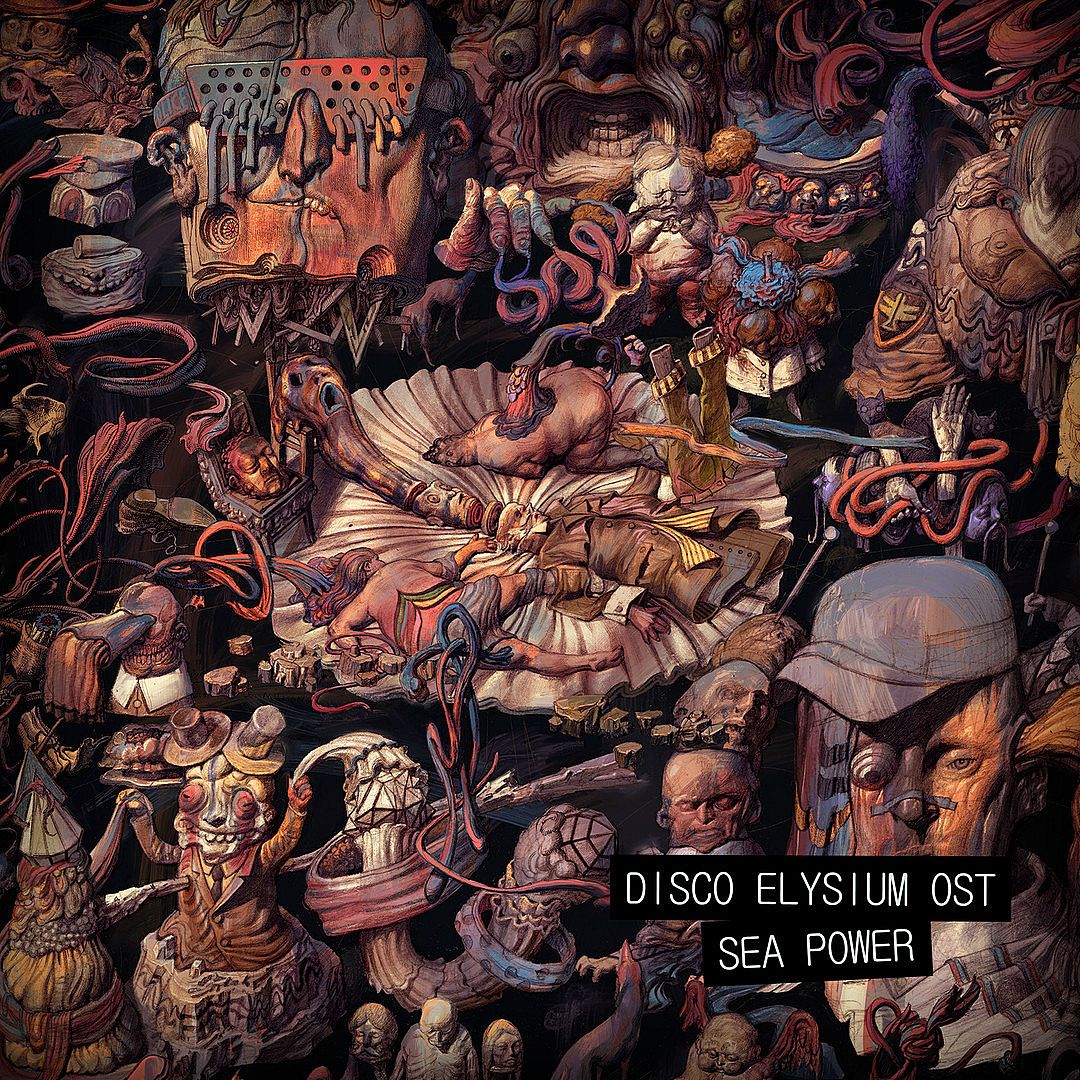
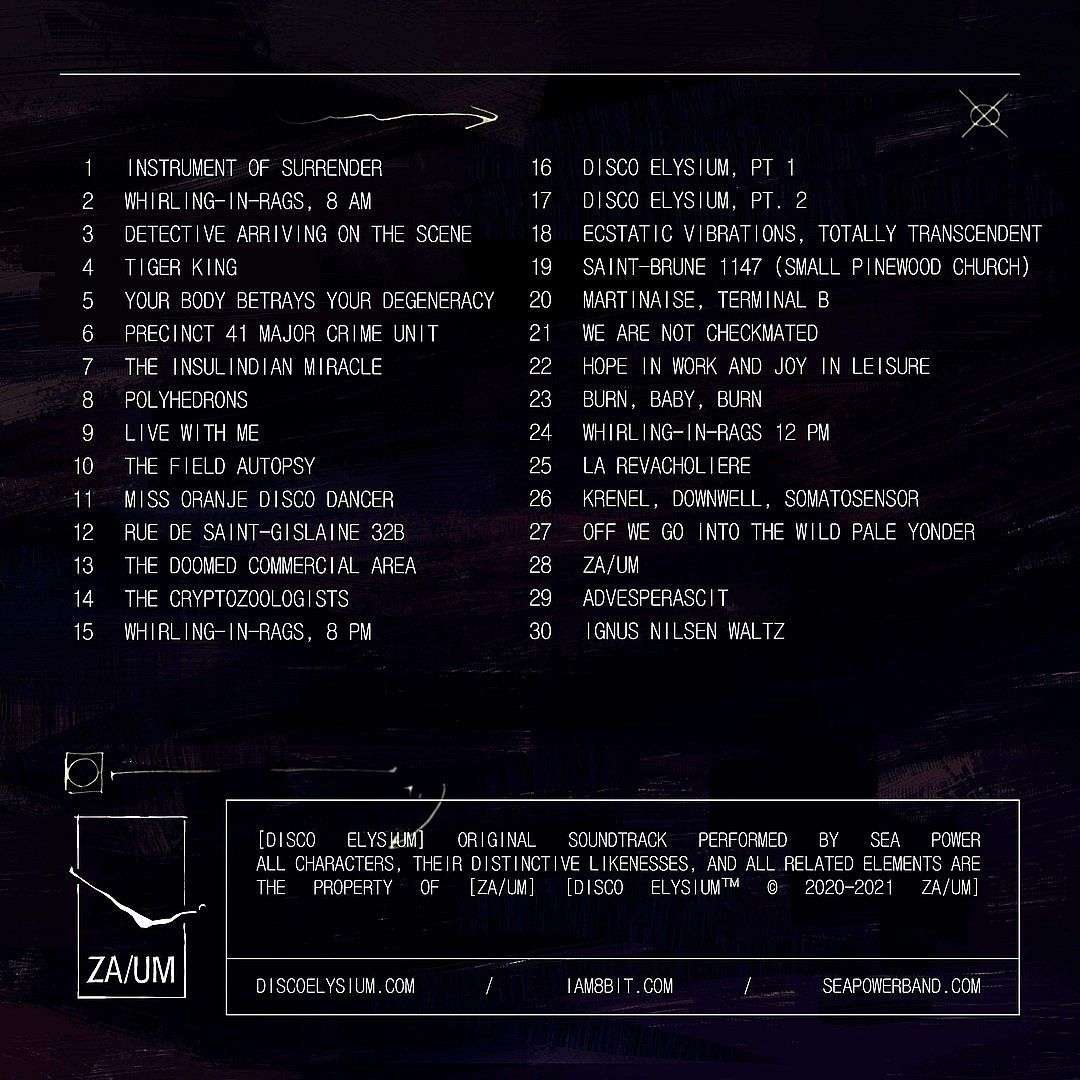
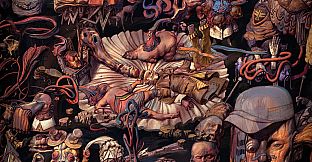
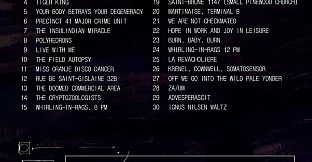
Disco Elysium is an RPG set in the fictional city of Revachol, where players take on the role of a detective solving a murder case amid political tension and personal turmoil. The experience centers on conversation, internal reflection, and exploration rather than action sequences. Music plays a central part in establishing the mood, with thirty original tracks composed by the rock band Sea Power that capture the weary yet hopeful atmosphere of the district known as Martinaise.
Gameplay
The core systems revolve around four attributes that shape how the protagonist interacts with the world and other characters. Intellect governs logical reasoning and knowledge, Psyche handles emotions and intuition, Physique covers physical presence and endurance, and Motorics manages coordination and reflexes. Each attribute ties into six skills, creating a total of twenty-four abilities that influence dialogue options and outcomes.
Skill checks occur both actively during conversations and passively as the game progresses. Active checks require rolling virtual dice against a difficulty threshold, while passive checks trigger automatically based on skill levels and provide commentary or new paths without player input. Leveling up grants points to improve attributes and skills, allowing different builds to unlock unique reactions and branches. The game unfolds in an open area where players move between locations, gather clues, and manage resources like money and time, all while the protagonist's fractured mind offers competing advice through skill voices.
Progression feels tied to discovery and role-playing choices rather than traditional leveling loops. Political alignments and personal history elements emerge through repeated interactions, altering how characters respond and what information becomes available.
Game Modes
Disco Elysium functions as a single-player narrative experience with no separate multiplayer components or competitive modes. The entire game flows through one continuous investigation that branches based on skill builds and dialogue selections. Players can start with preset archetypes such as Thinker, Sensitive, or Physical, or customize their own distribution of points across the four attributes before adding a signature skill for further specialization.
Hardcore mode exists as an optional challenge that removes certain safety nets, increasing the stakes for failed checks. The structure encourages multiple playthroughs to explore different skill emphases and political visions, though each run follows the same overarching case in the same locations. No distinct seasonal content or rotating modes appear in the current version.
The Music of Revachol
Sea Power created the soundtrack specifically for the game, delivering atmospheric pieces that blend rock elements with ambient textures. The thirty tracks span three album lengths in total and remain available in high-quality formats. These compositions sit at the heart of the setting, evoking a sense of familiarity mixed with longing that matches the district's rundown streets and resilient inhabitants. The music underscores quiet moments of reflection and tense confrontations alike without overpowering the dialogue-driven pace.
Is It Worth Playing?
Players who value deep writing, intricate character work, and systems that reward careful reading will find the game rewarding. The absence of combat shifts focus entirely to investigation and personal growth, which suits those comfortable with long conversations and internal monologues. The Final Cut edition polished earlier issues and added full voice acting, making the experience more accessible for newcomers.
Reception remains strong among those drawn to narrative RPGs, with praise for the soundtrack's integration and the way skills shape every interaction. Those seeking fast-paced action or multiplayer elements may find the deliberate pace less engaging. The game stands as a complete, self-contained title with no ongoing seasons or live-service updates required to enjoy its full content.