


















Darkest Dungeon II: Inhuman Bondage expands the core strategy RPG experience of Darkest Dungeon II with new content focused on exploration and character transformation. Released as a paid DLC on PC, it introduces The Abomination as a playable hero and opens access to the Catacombs mini-region filled with corrosive threats. Players manage a party of heroes through perilous journeys, balancing combat effectiveness against accumulating stress in a singleplayer roguelike format.
Gameplay
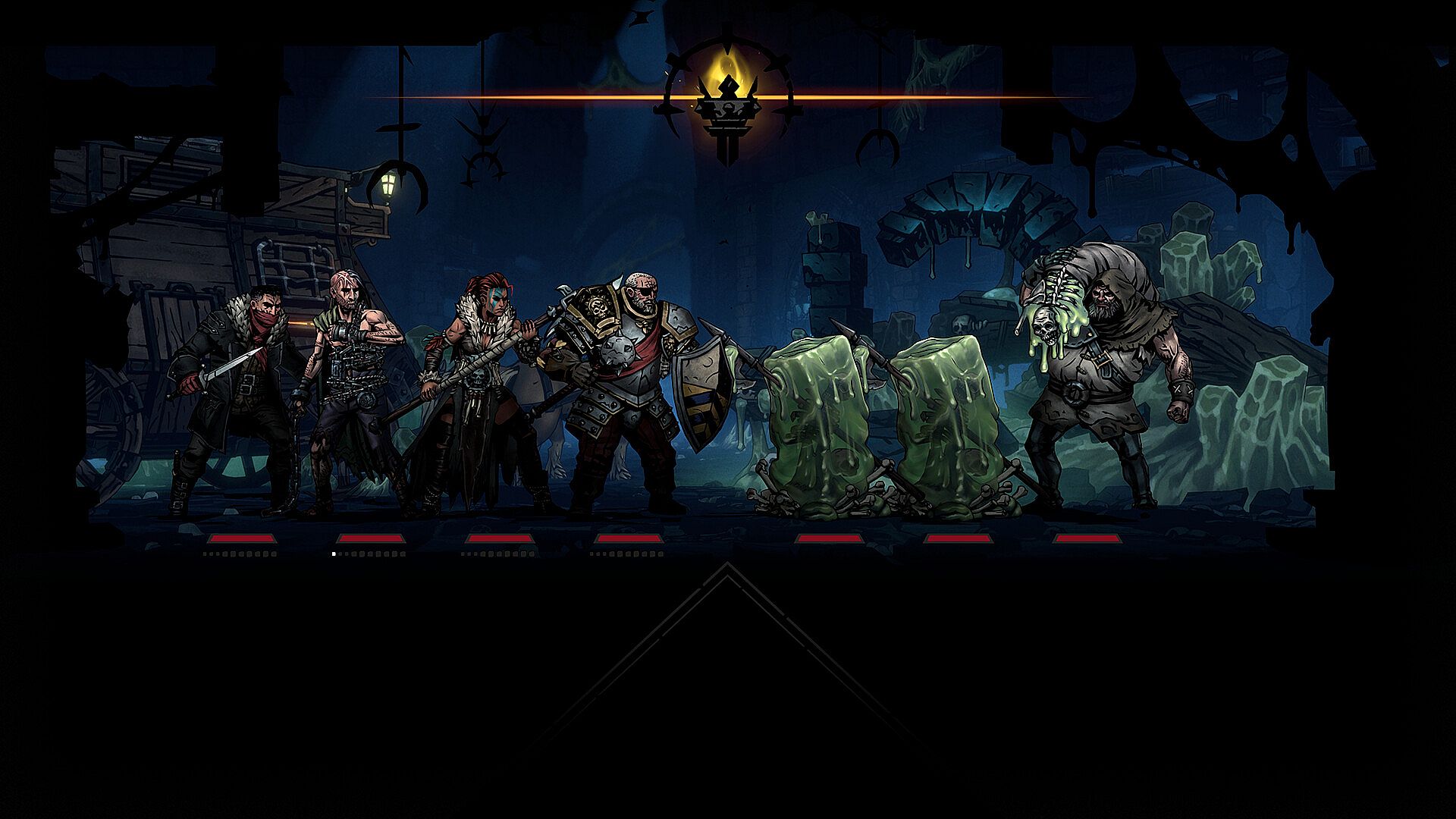
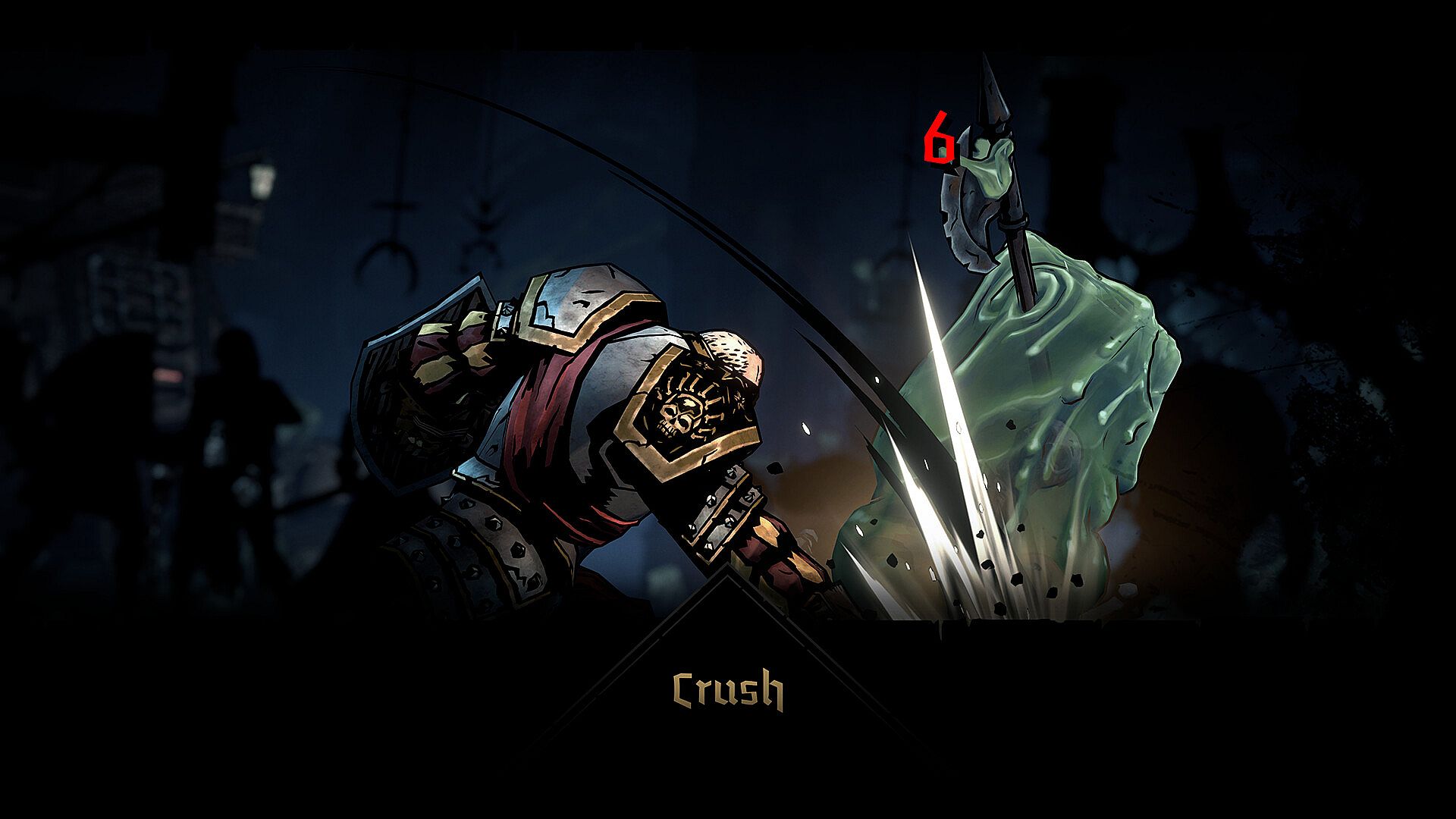
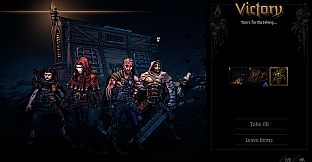
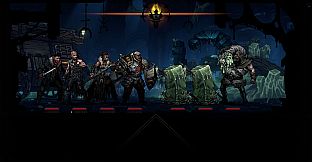
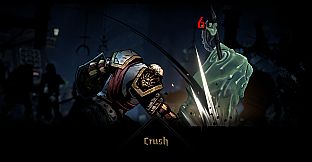
The central loop revolves around guiding a stagecoach through dangerous areas while preparing for turn-based encounters. Heroes advance along paths, encounter enemies, and engage in tactical battles where positioning and ability selection determine outcomes. Stress builds during fights and travels, influencing performance and requiring careful management through rest or specific skills.
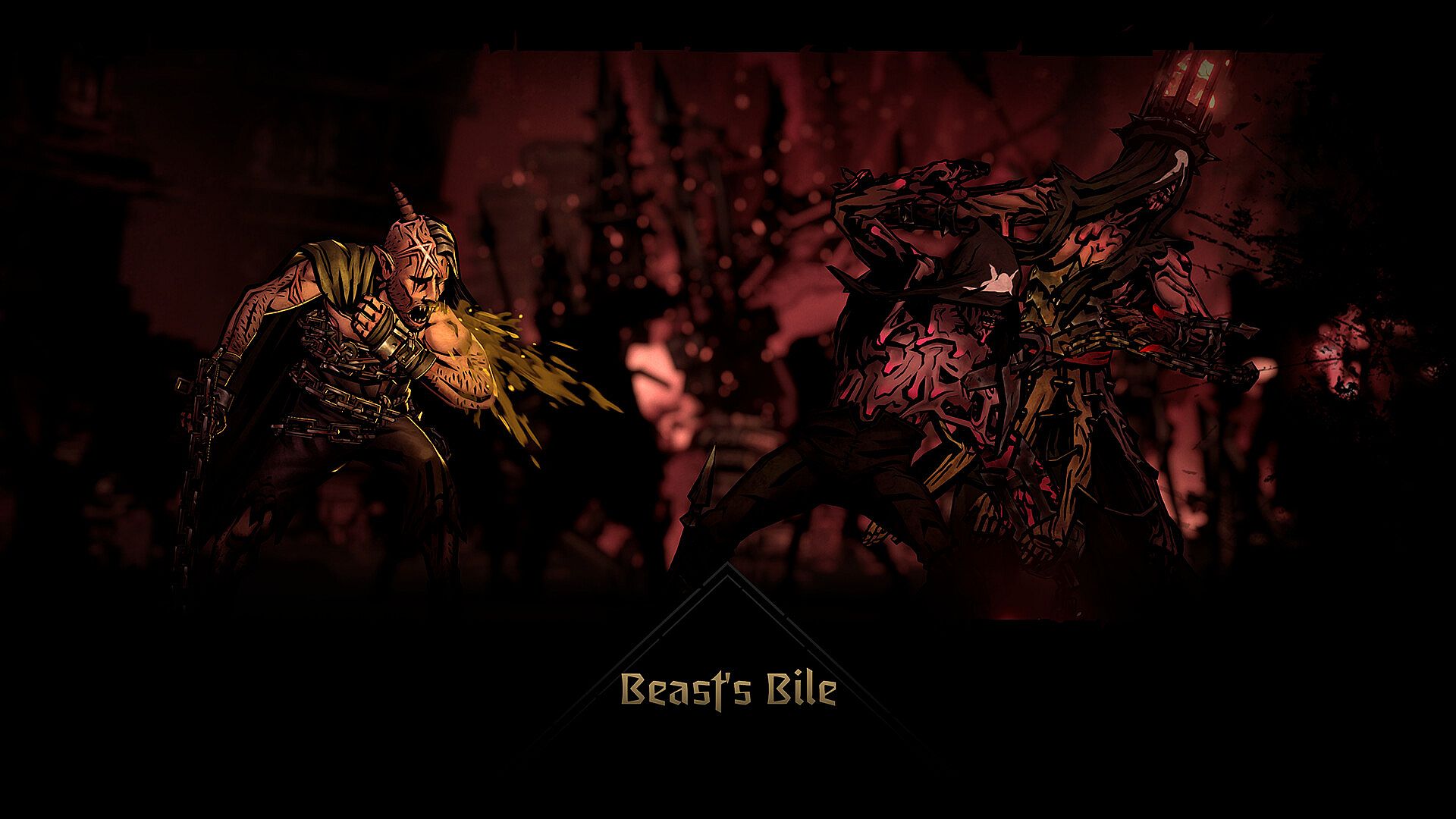
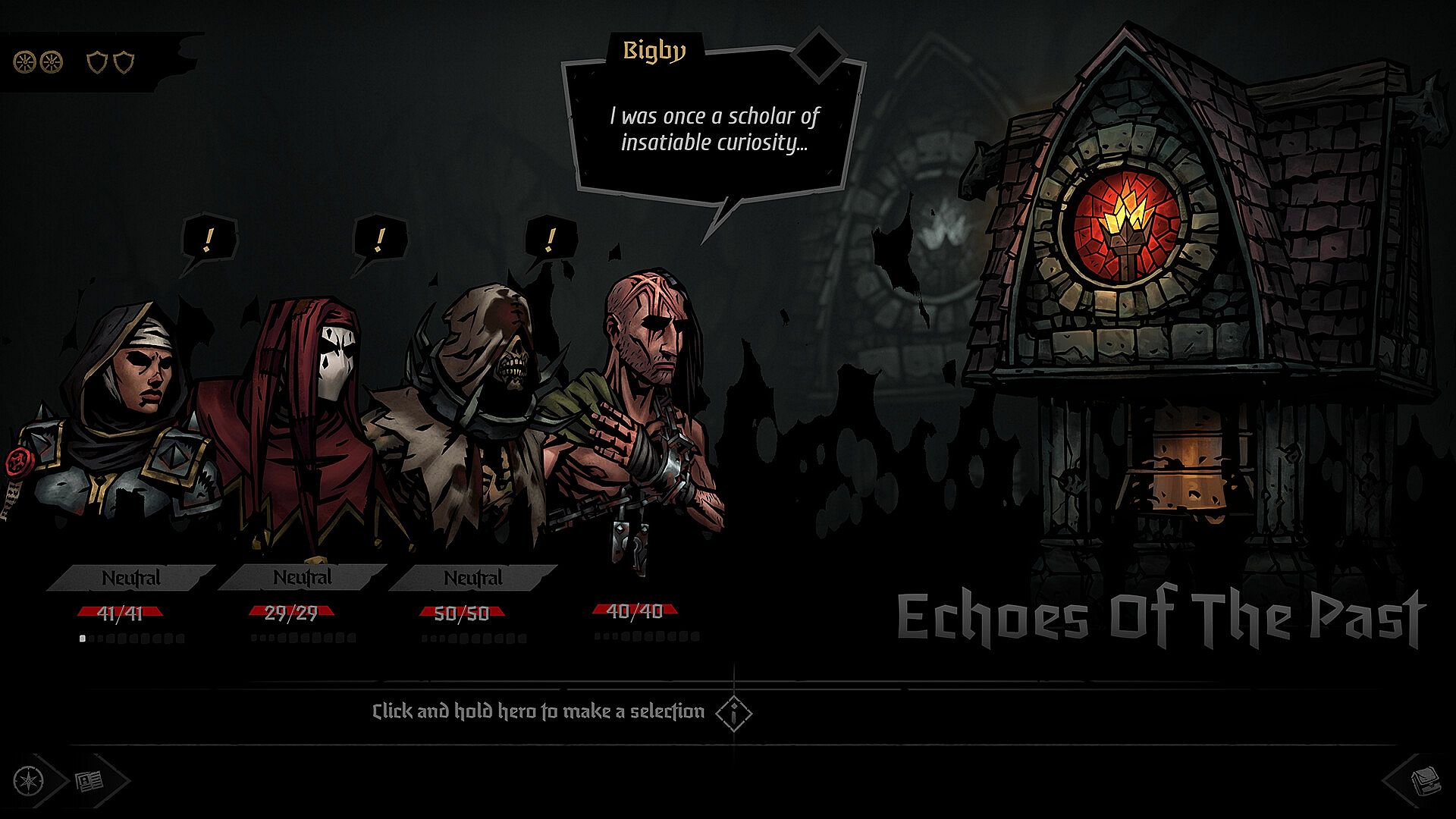
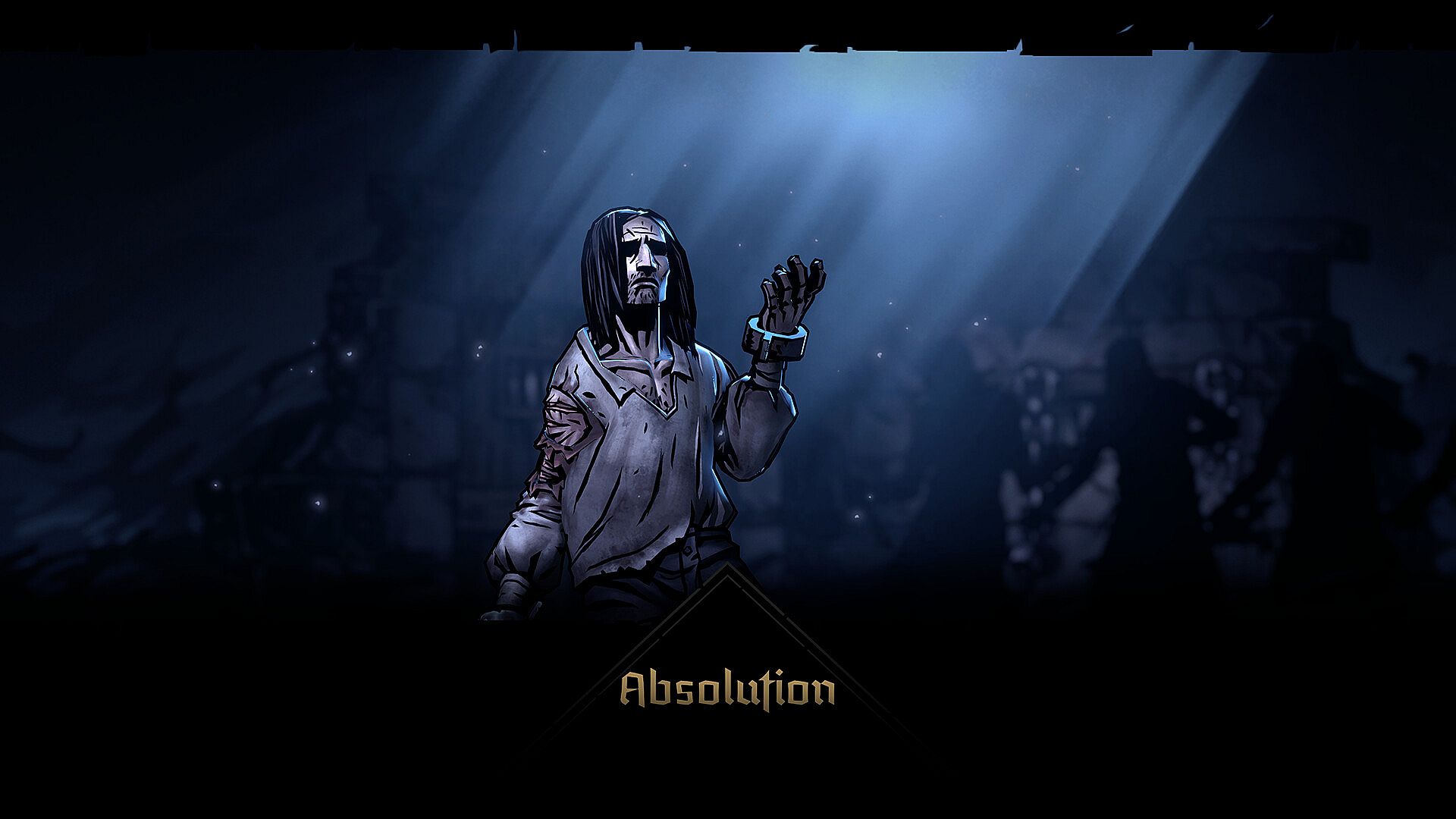
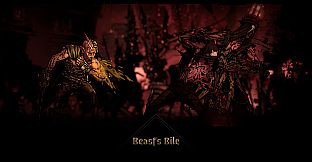
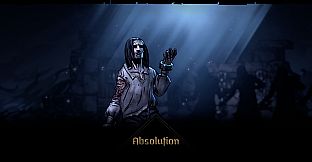
The Abomination stands out with a dual-form system. In human form, this reclusive alchemist focuses on support through stuns, movement disruption, blight effects, and self-healing options. Switching to beast form unleashes aggressive attacks but accelerates stress buildup, creating high-stakes decisions mid-combat. The hero includes dedicated trinkets and signature items that enhance both forms, along with a backstory revealed through voiced flashback sequences.
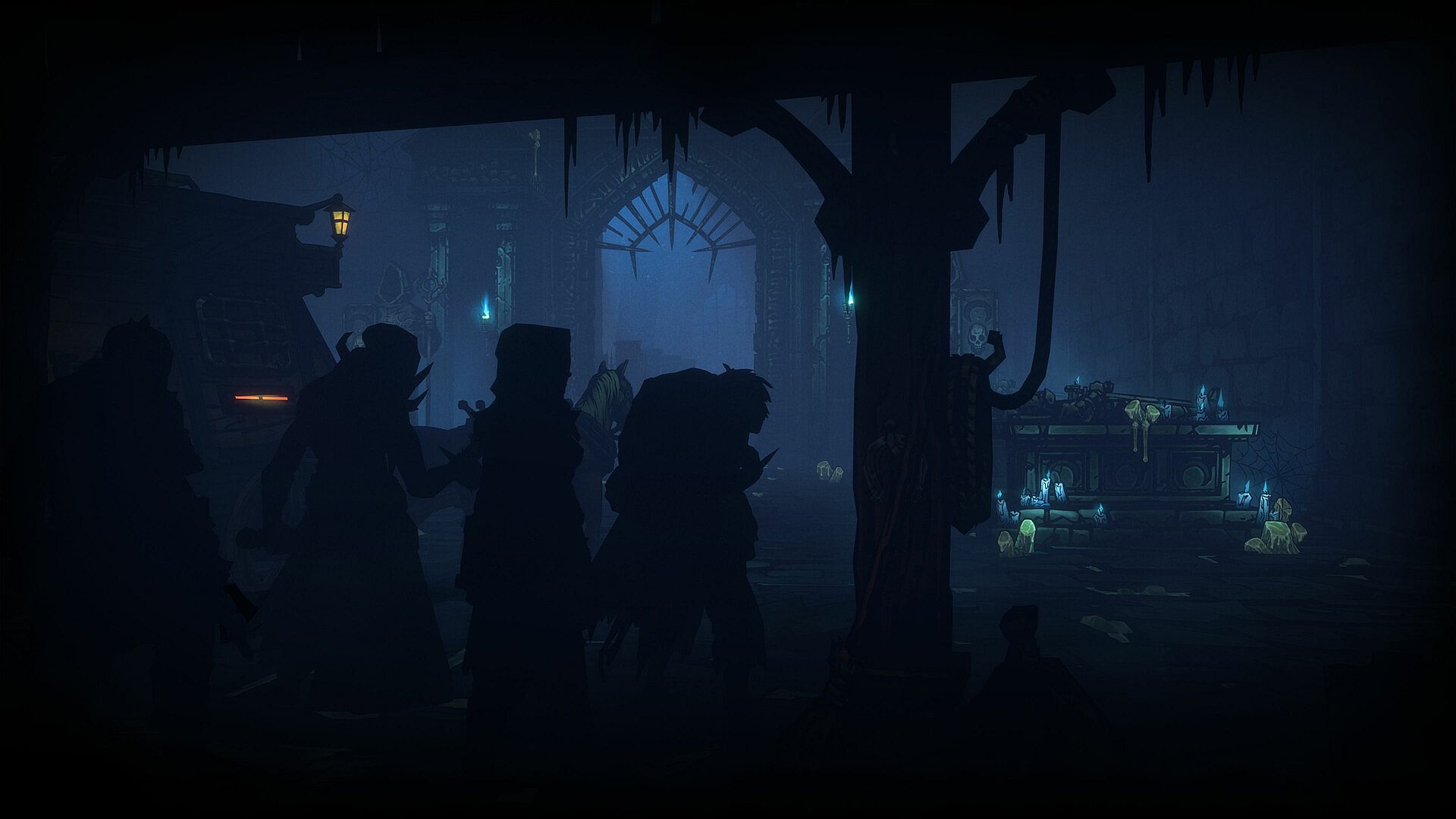
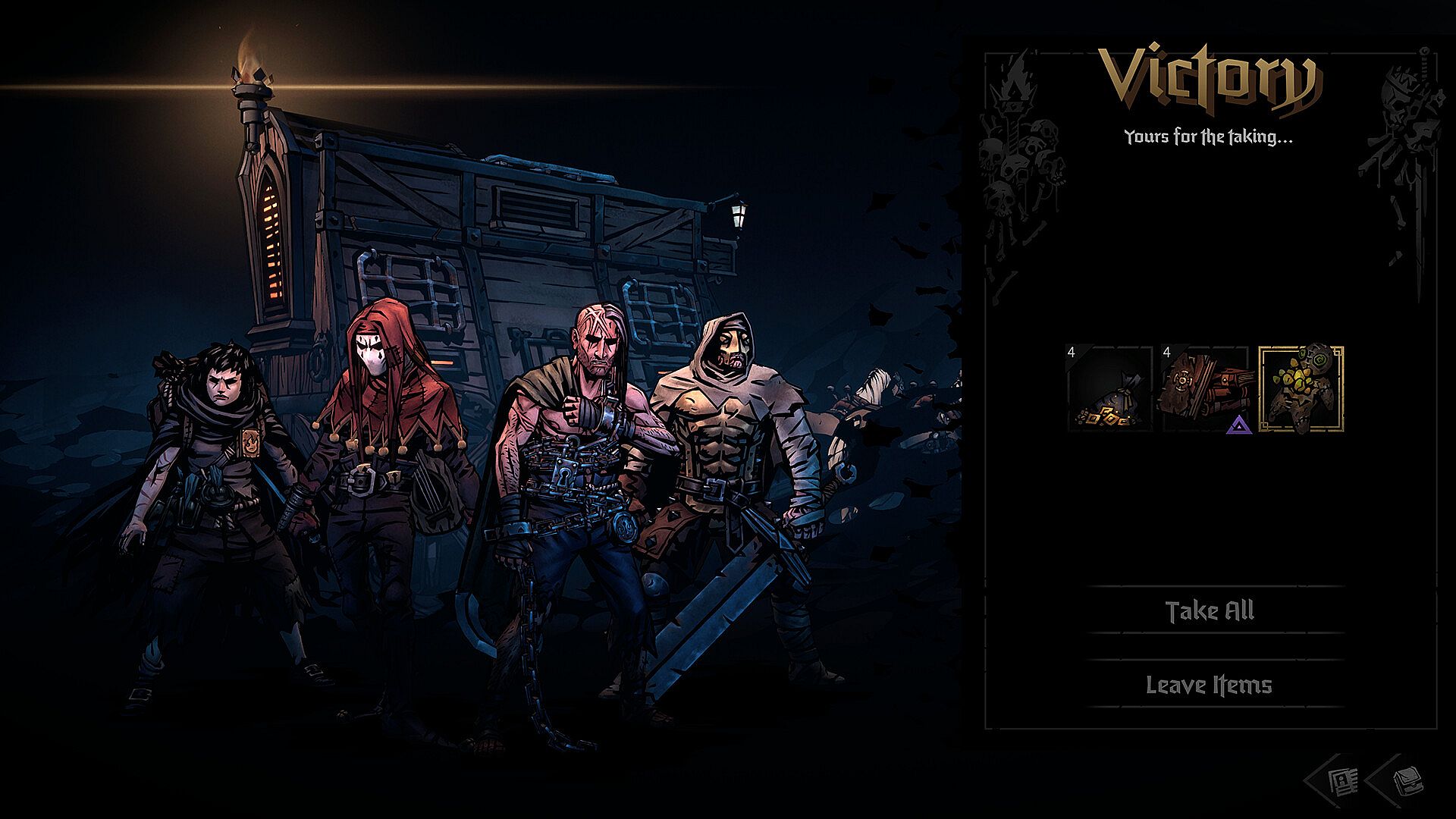
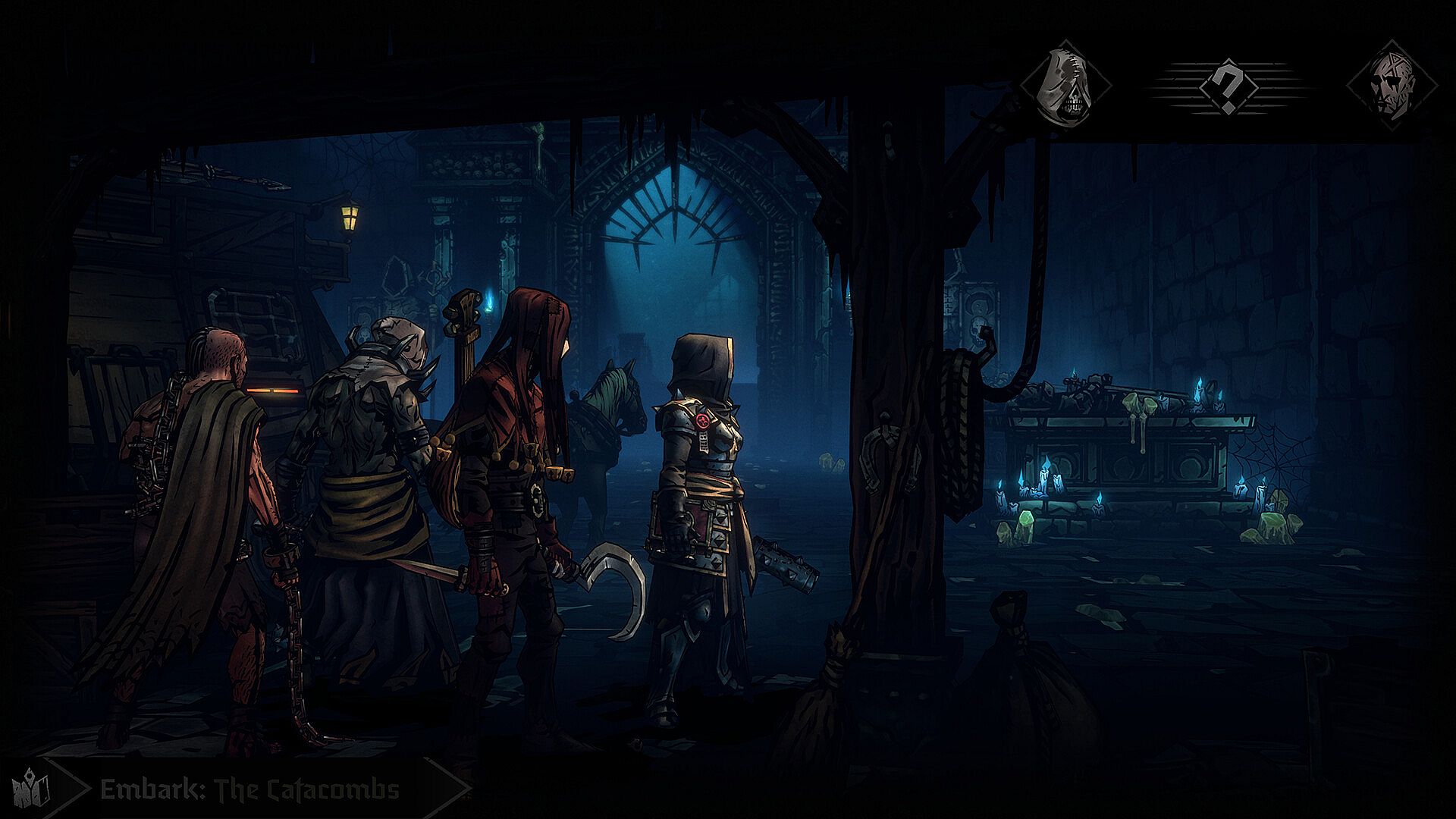
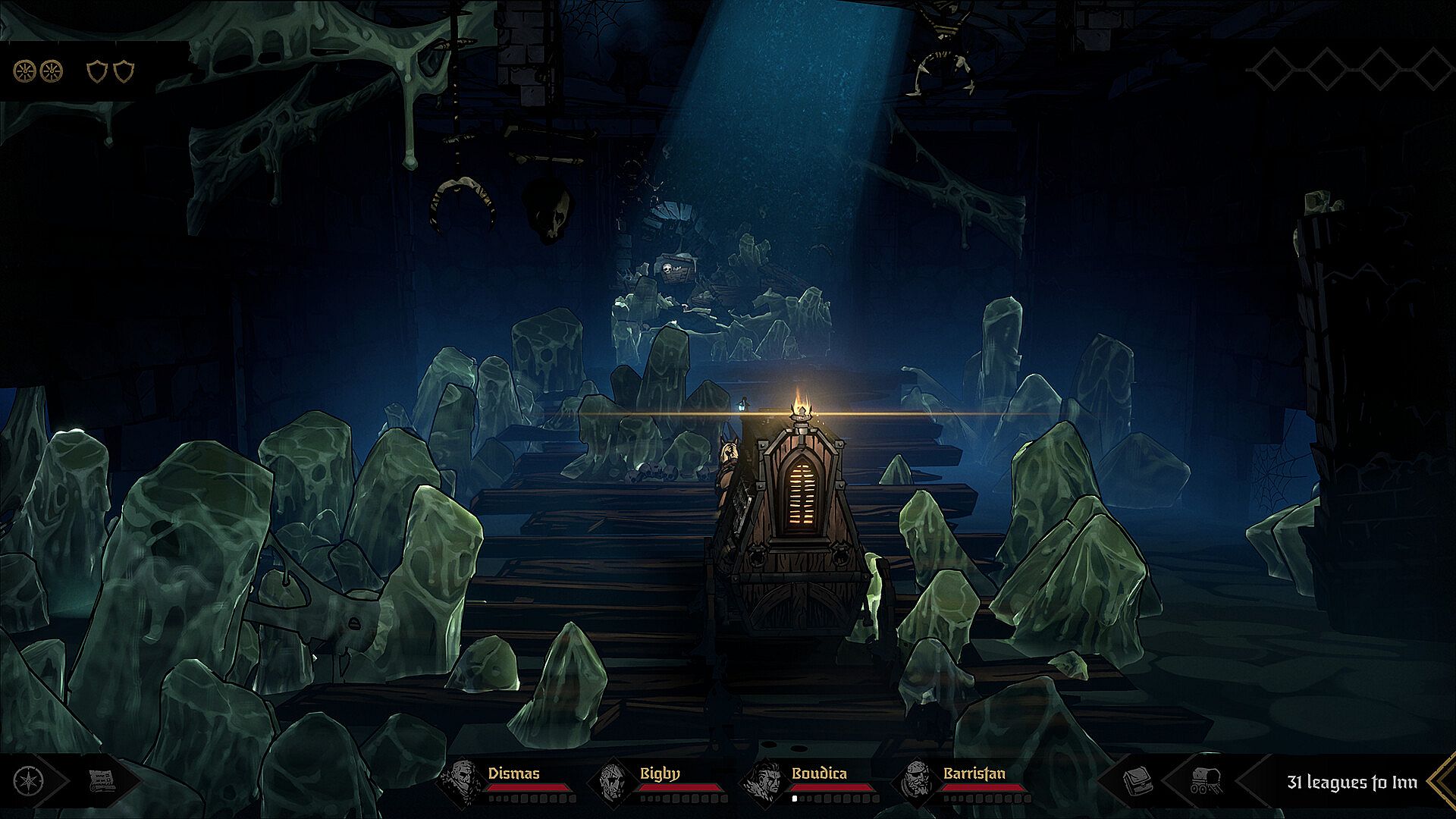
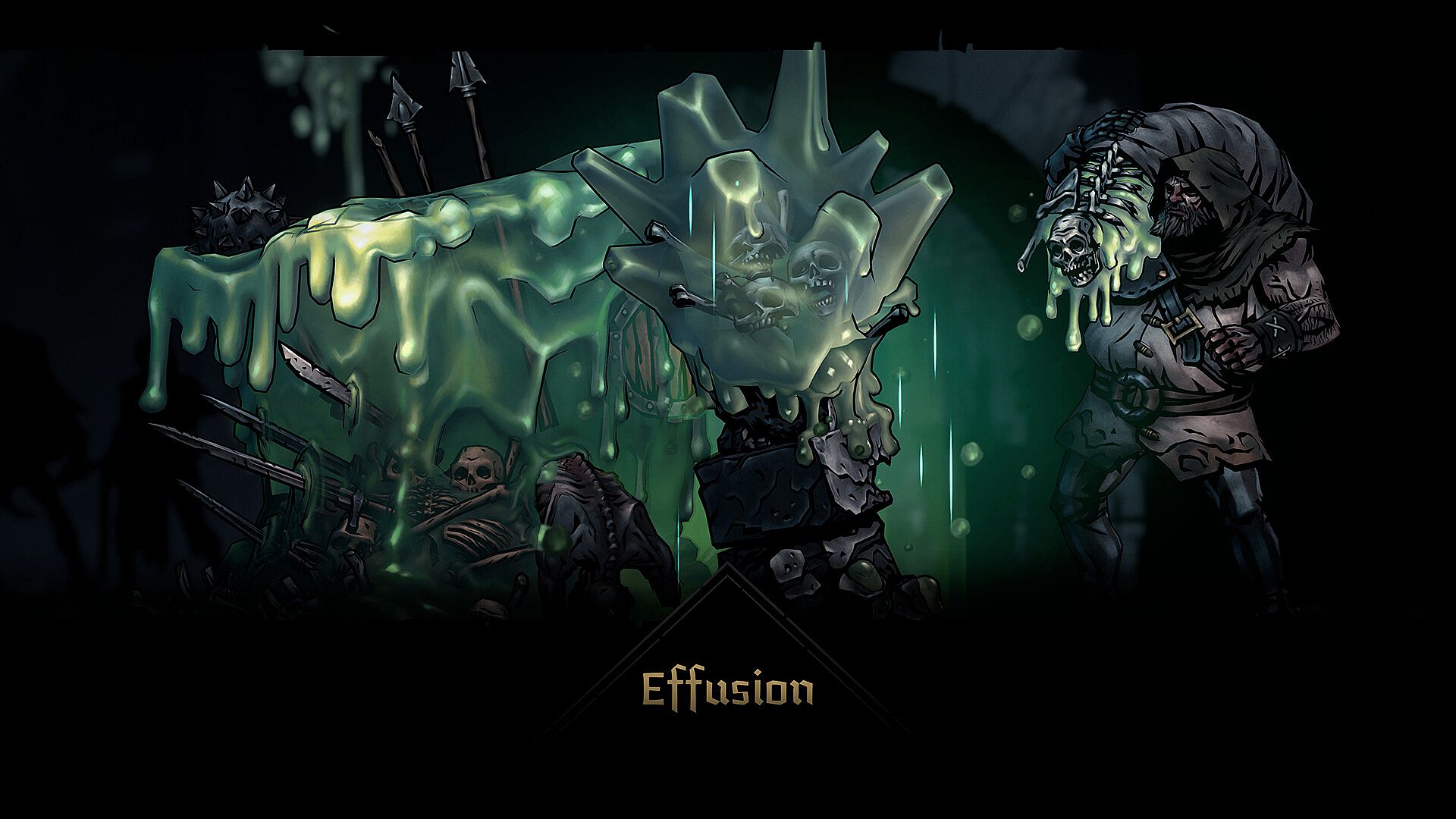
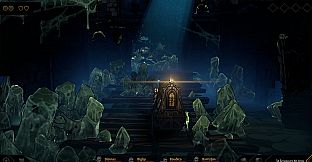
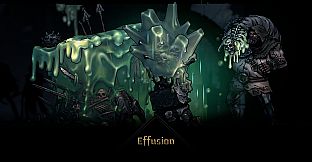
Exploration in the Catacombs emphasizes risk versus reward. This slime-filled area features a dedicated enemy faction that applies corrosive damage and status effects. Successful runs yield exclusive combat items and trinkets unavailable elsewhere, allowing players to customize party builds for greater survivability and damage output.
Game Modes
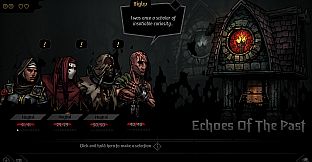
Confessions serves as the primary campaign structure where players undertake structured runs with escalating challenges and narrative elements. The Catacombs integrates directly into this mode as an optional high-risk path that can alter party composition and resource gains.
Kingdoms operates as a separate free mode added alongside the DLC. It shifts focus toward realm defense, requiring players to complete quests across regions, upgrade equipment, and repel organized threats before confronting a major boss. The Catacombs remains accessible here, providing additional opportunities for unique rewards within the larger defensive framework. Three distinct adventure variants exist within Kingdoms, each with tailored enemy groups and objectives.
Key Features and Mechanics
Unique to the Catacombs is a new pet companion that supports party efforts during runs. Combat items found in the region offer temporary advantages like enhanced blight resistance or area control, encouraging repeated visits for optimization. The Abomination's transformation mechanic ties directly into stress systems, rewarding aggressive play while punishing overextension.
Overall progression rewards experimentation with hero synergies. Trinkets modify base abilities across the roster, and the new faction introduces mechanics that counter common strategies, pushing players toward adaptive team compositions.
Is It Worth Playing?
Steam user reviews rate the DLC as Mostly Positive, with 73 percent approval from hundreds of submissions. The addition of The Abomination and the Catacombs provides meaningful variety for those already invested in the game's stress-driven combat and roguelike structure. Kingdoms mode expands replayability without extra cost, appealing to players who enjoy defensive campaign elements alongside traditional runs.
This content suits fans of deliberate strategy RPGs that emphasize preparation, risk assessment, and character-specific mechanics over fast-paced action. Those seeking fresh challenges within the established Darkest Dungeon II framework will find the new hero and region extend the experience without requiring a full restart. Availability on PC supports straightforward access for existing owners of the base game.