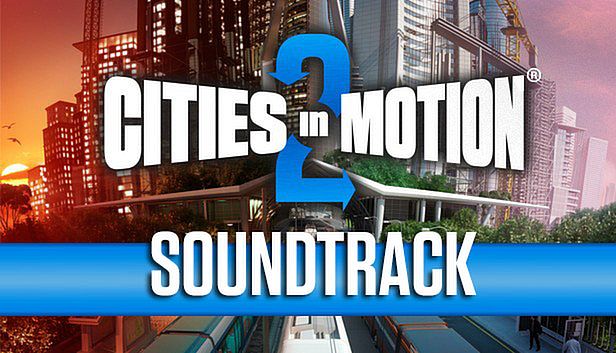














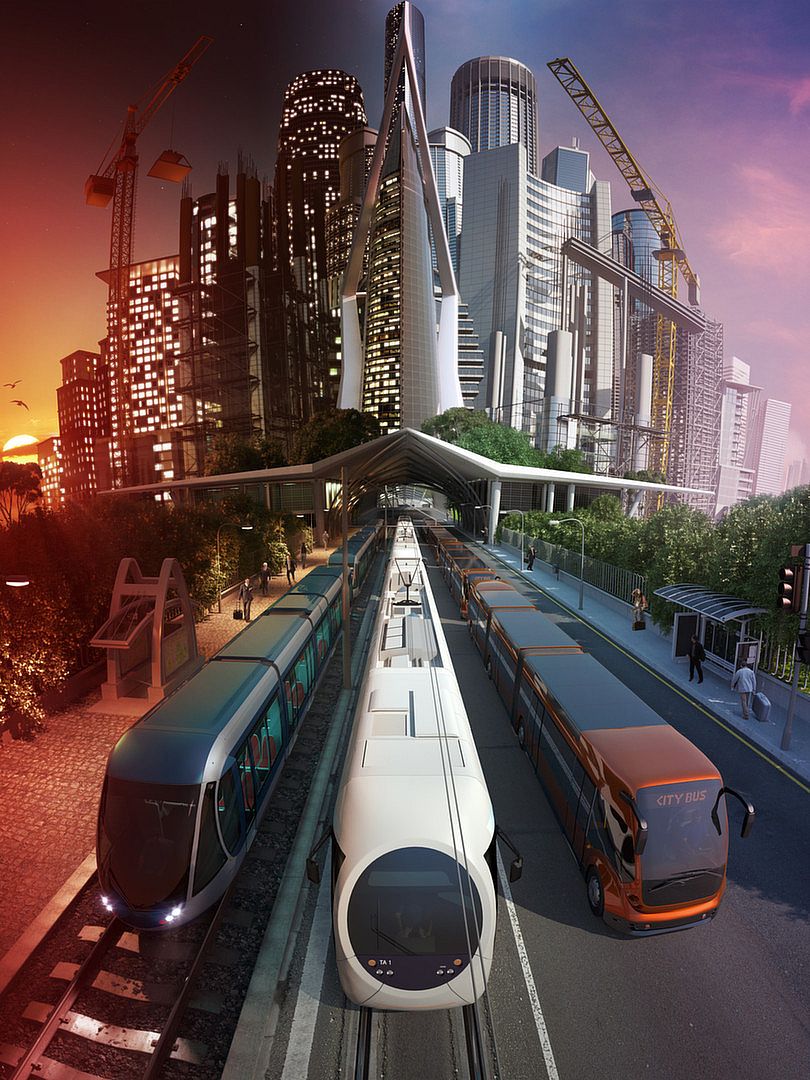
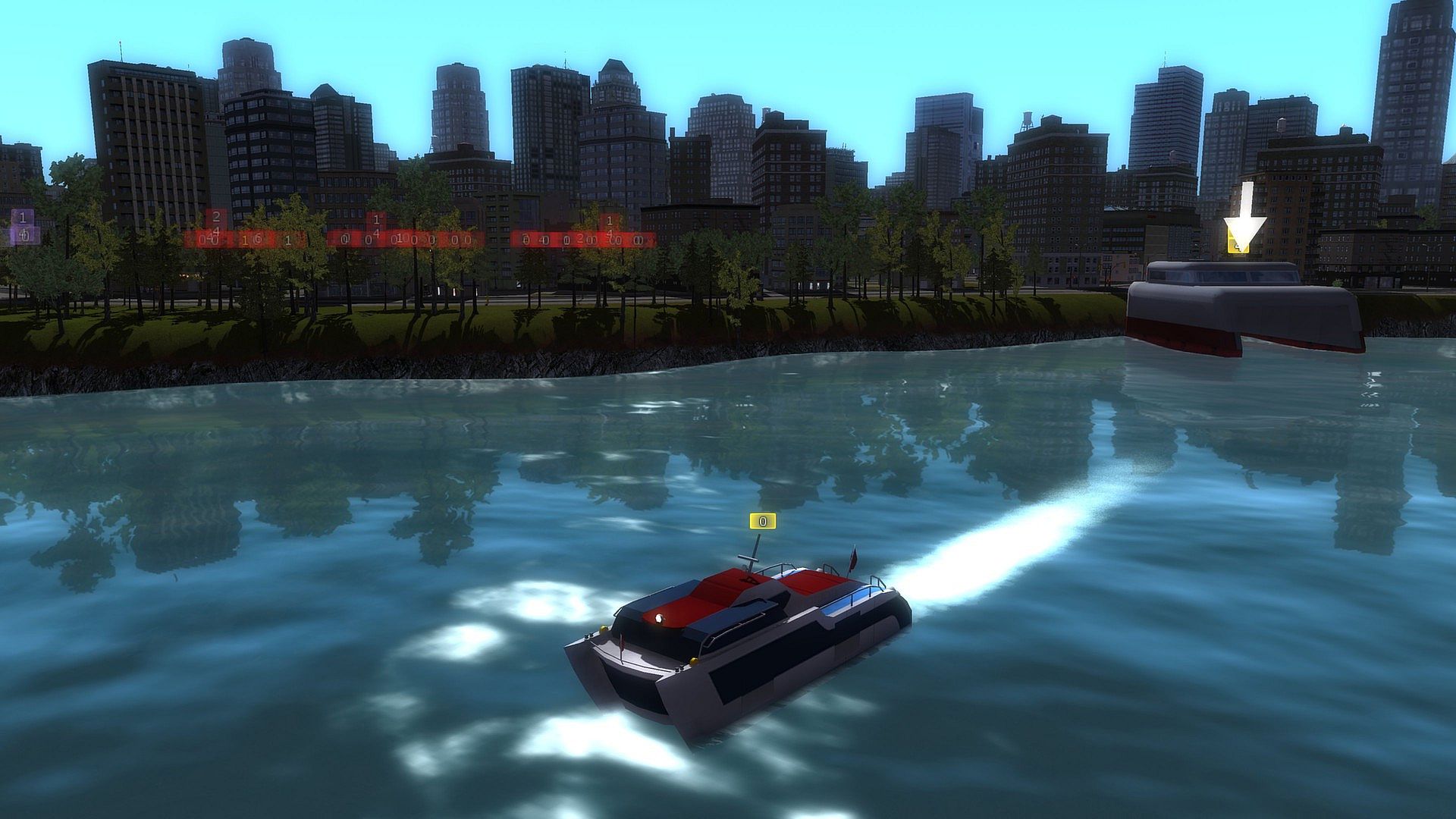
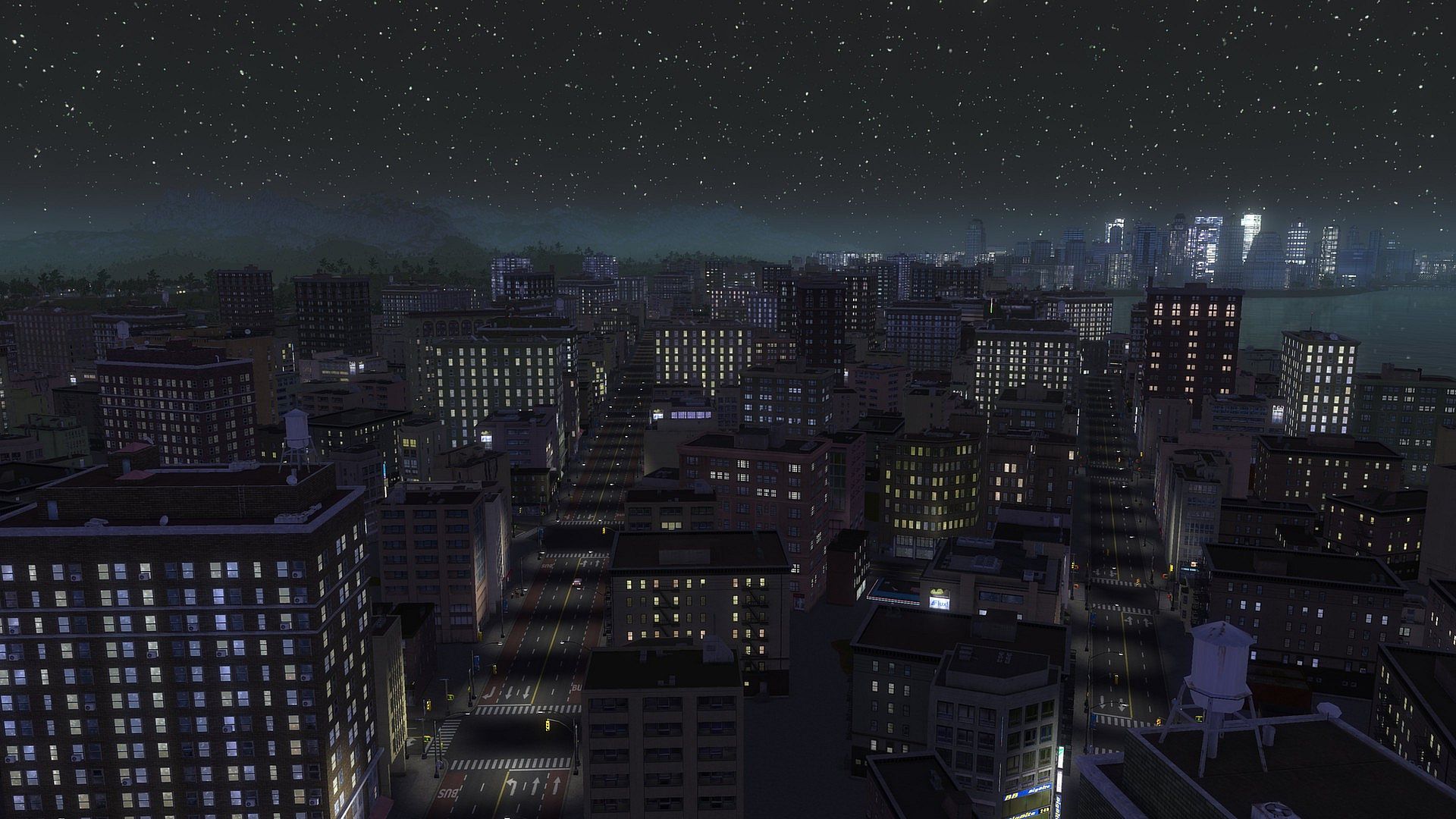
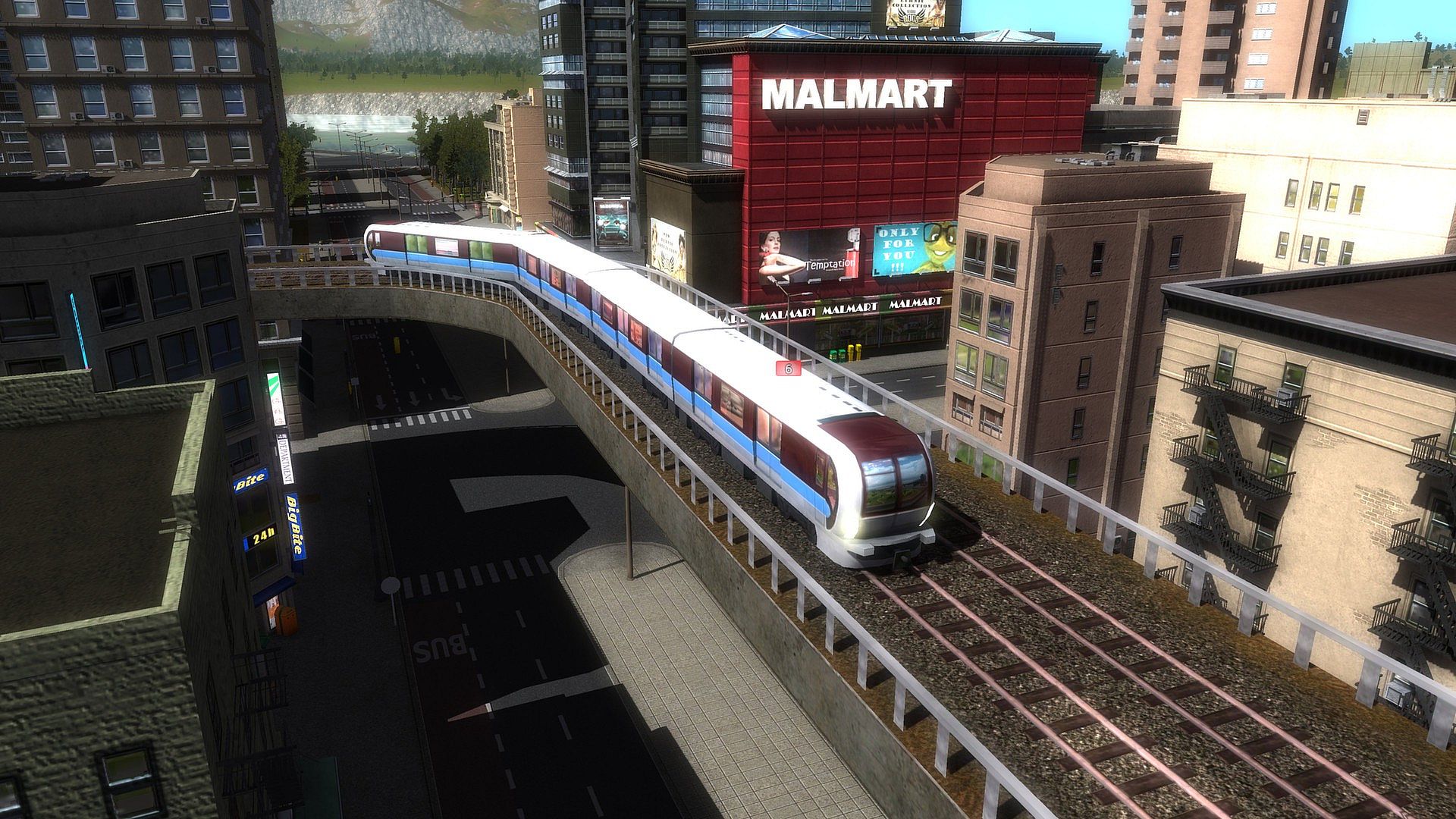
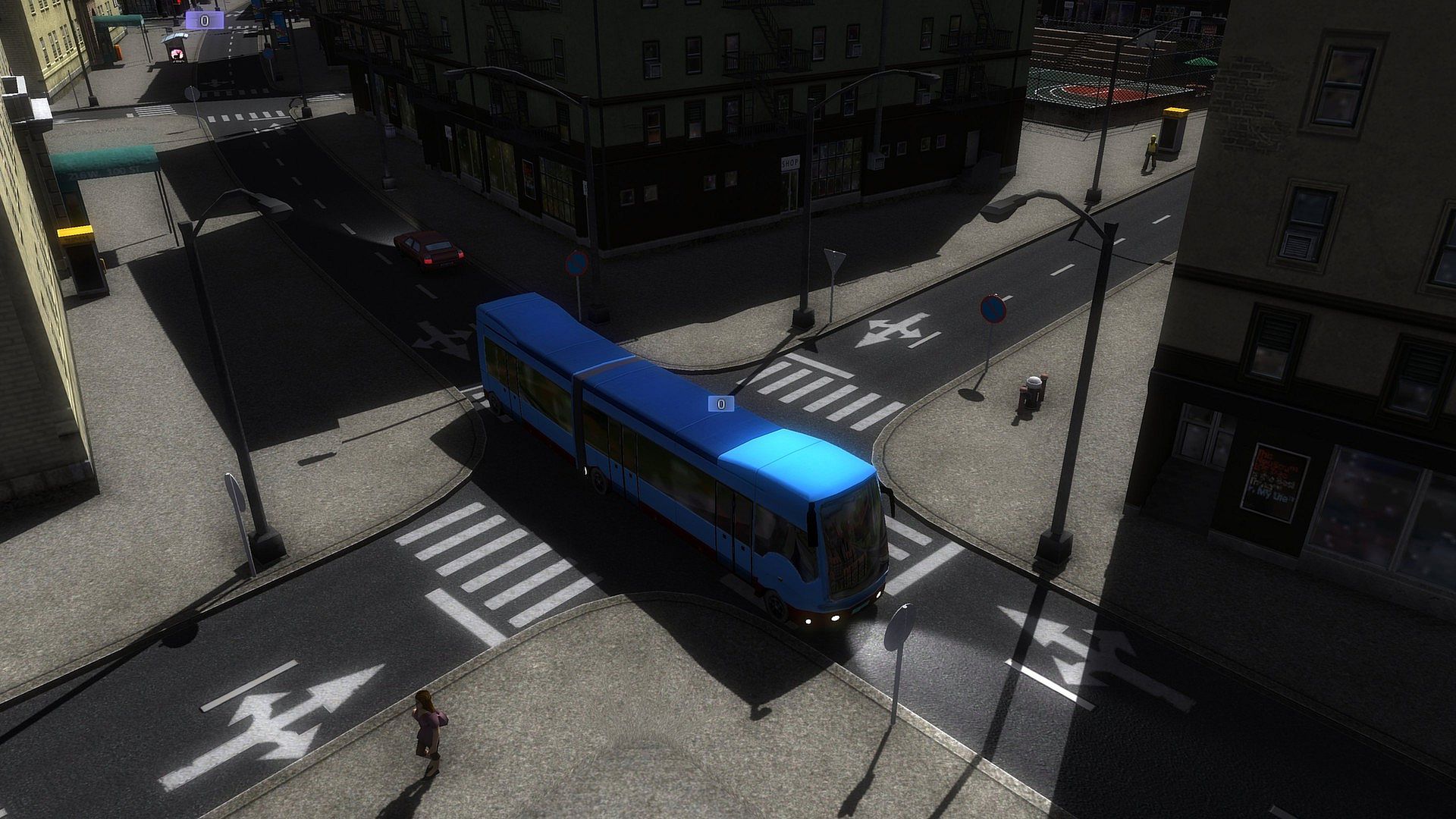
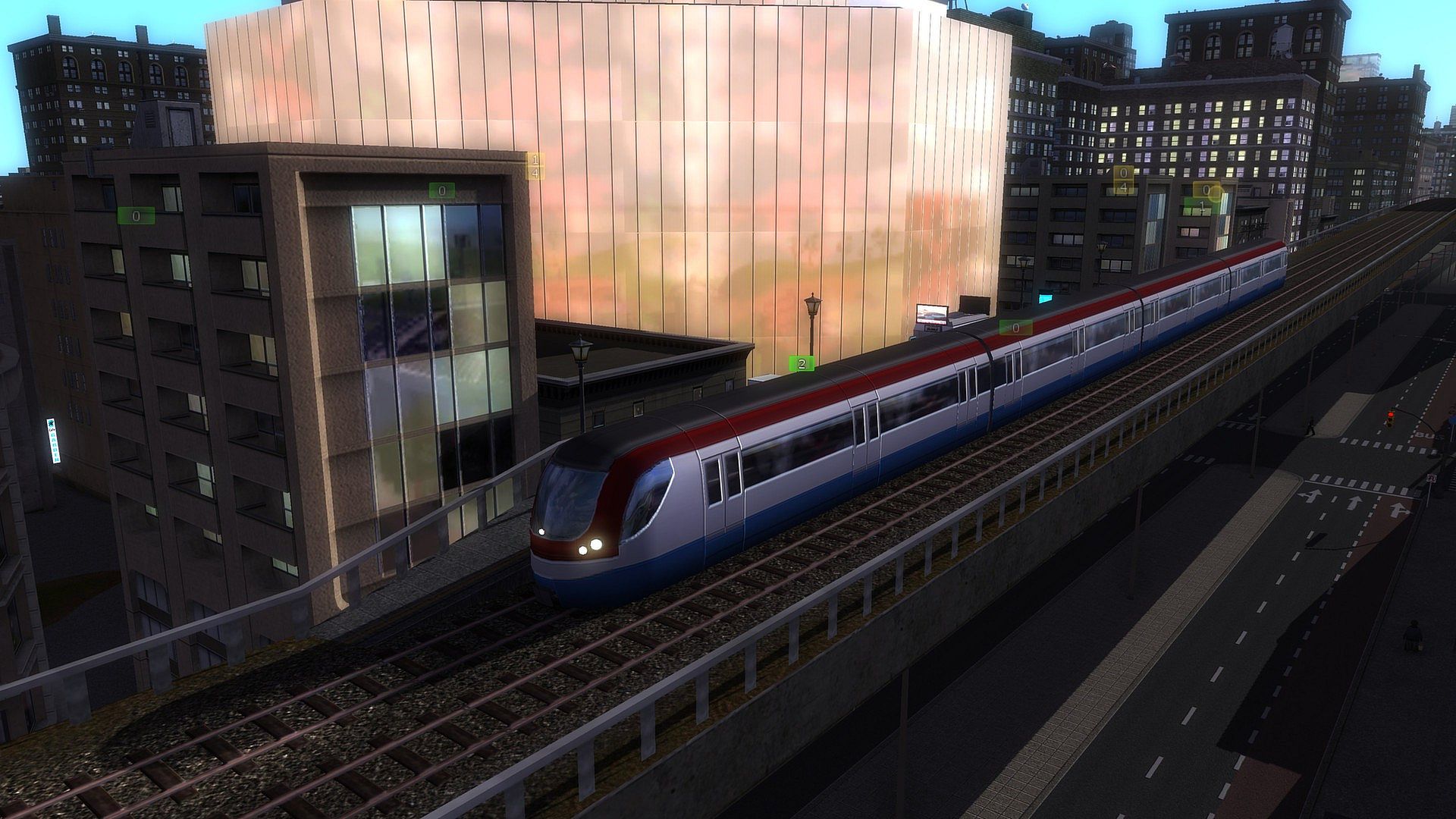
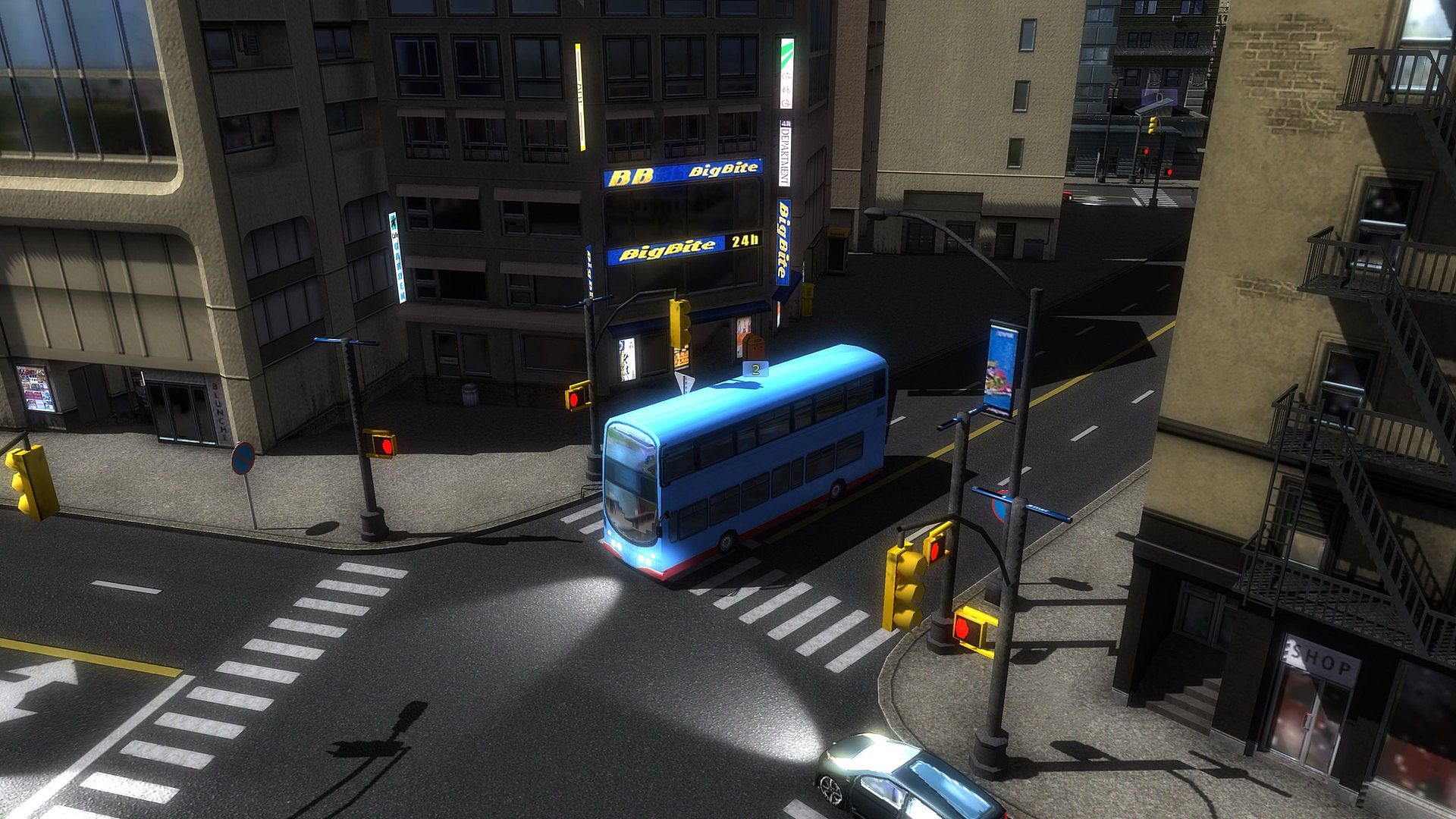
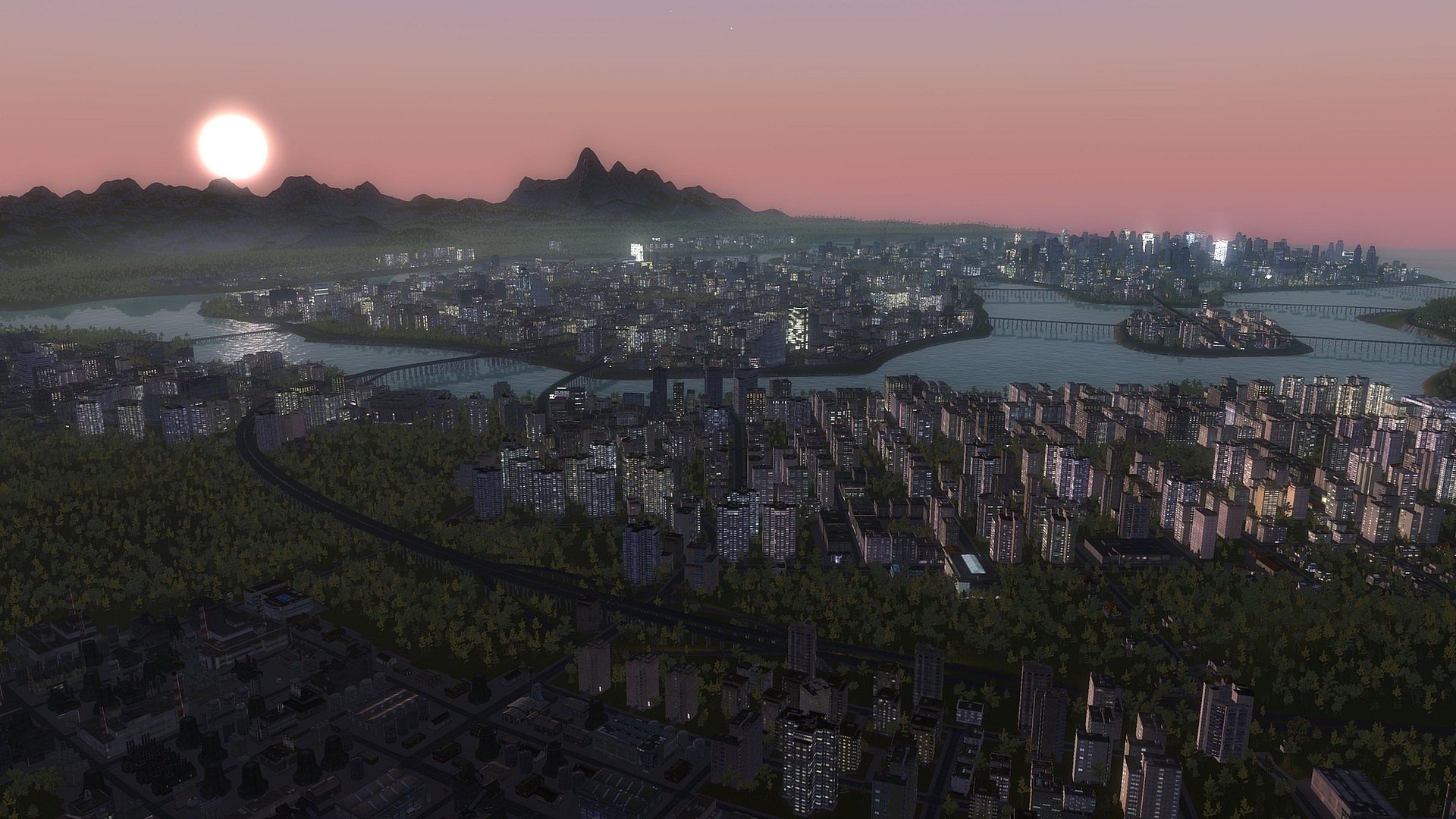
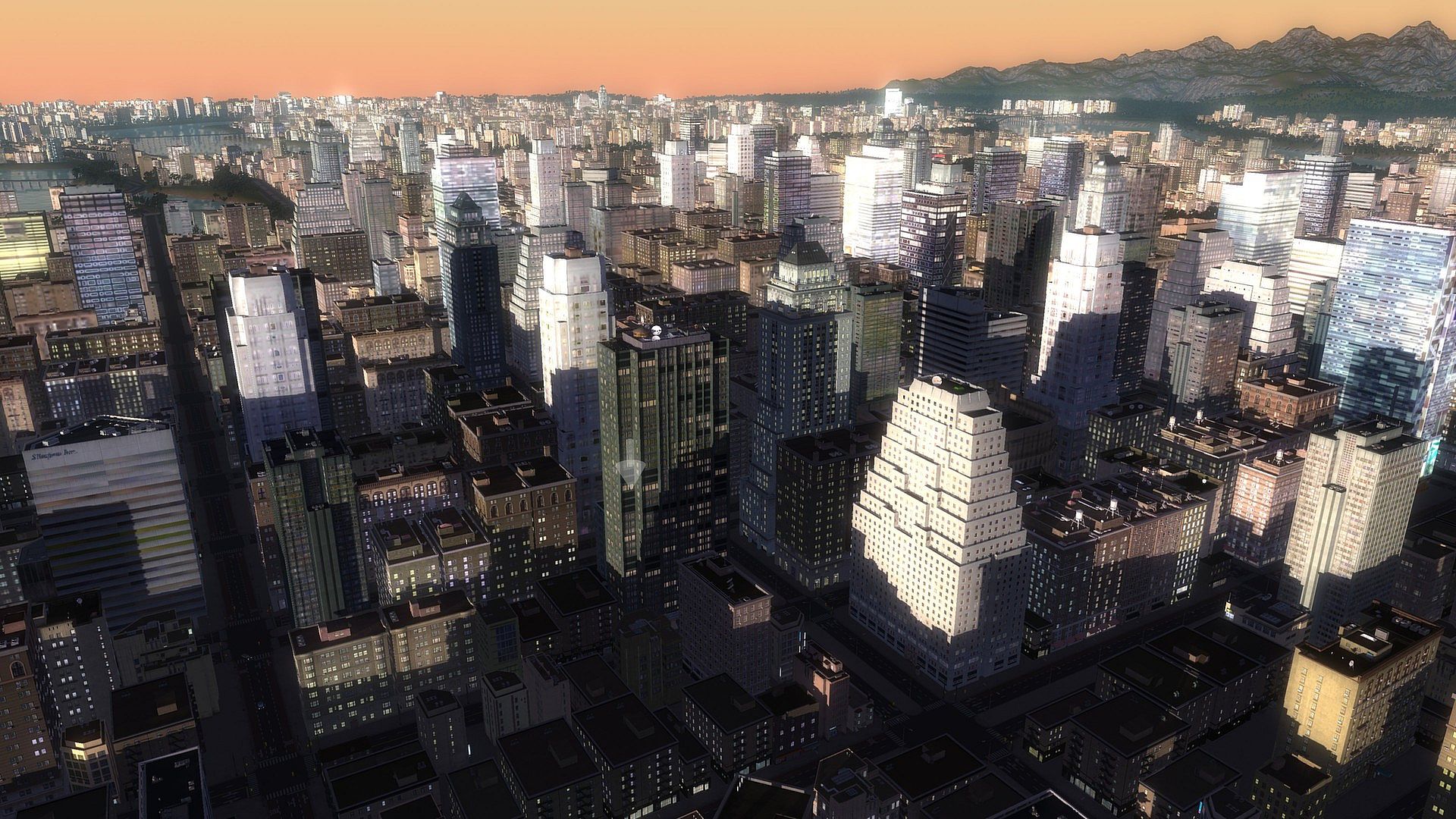
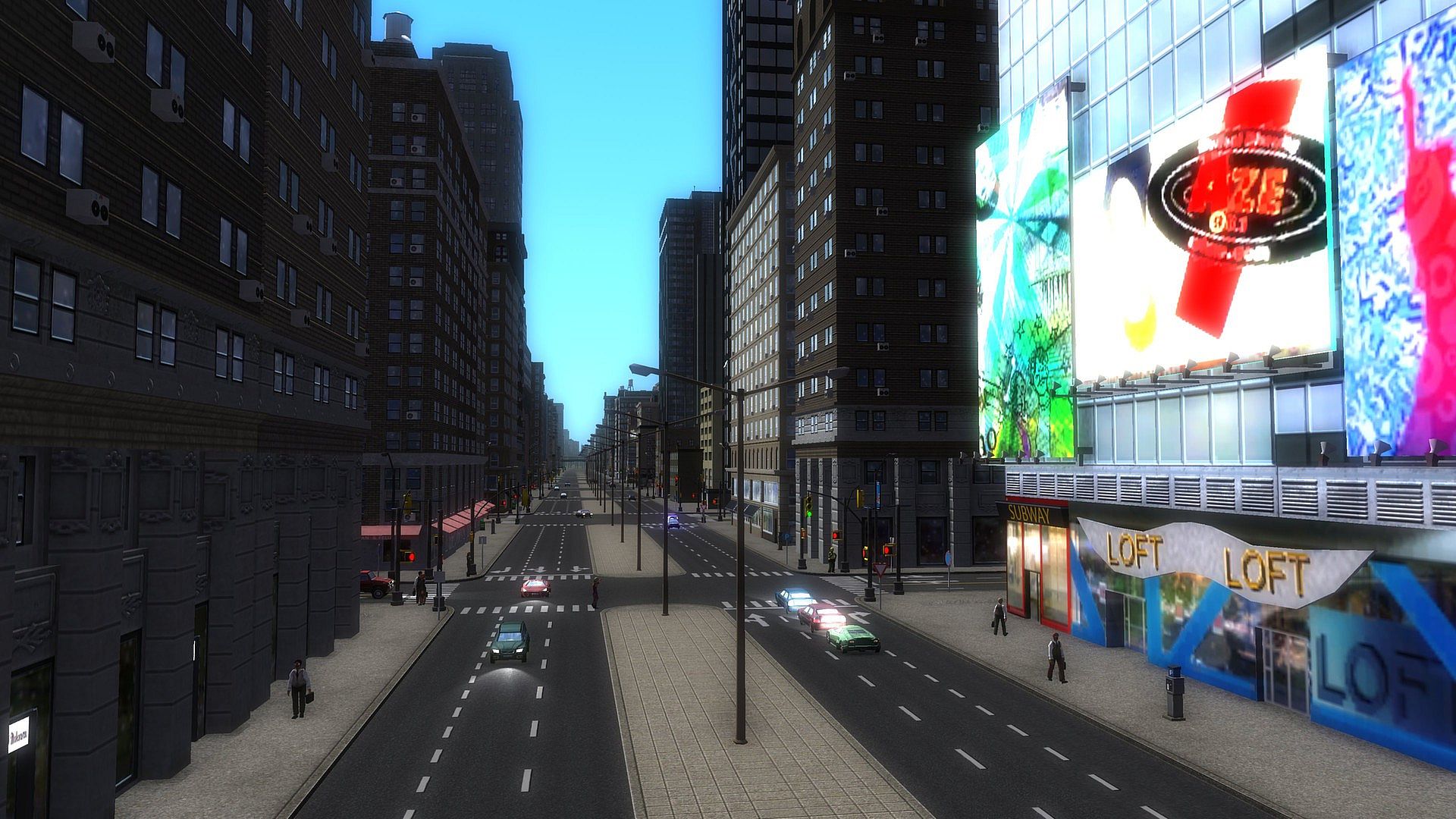
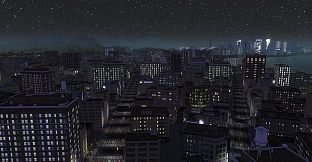
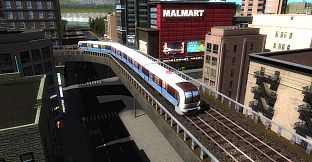
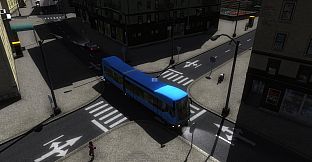
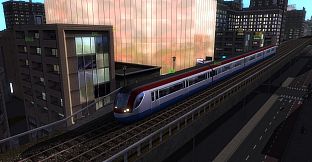
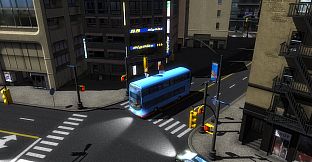
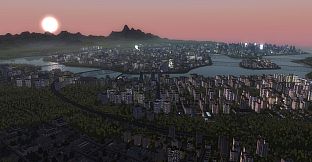
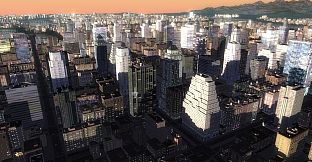
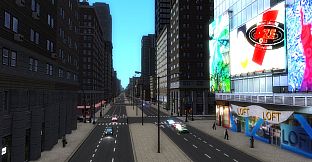
Cities in Motion 2 is a strategy and simulation game focused on designing and managing public transportation networks in evolving urban environments. Players build routes using buses, trolleys, trams, waterbuses, metros, and monorails to connect city districts efficiently while responding to changing demand and traffic patterns.
Gameplay
The core loop centers on route planning and network optimization. Players select transport types, plot paths that can run in loops or point-to-point, and adjust schedules to match peak hours and off-peak periods. Day and night cycles influence passenger flows, requiring adjustments to timetables for realistic operations. Cities grow and shift dynamically, so networks must adapt over time to maintain profitability and service quality. The included soundtrack enhances the experience with thirteen original tracks composed by Olli Perttula that play during sessions. These pieces include In Transit, Coordination is Key, Morning Commute, Almost There, Now We're Moving, It's Rush Hour, On the Bus, Please be Patient, All Aboard!, The City Lights, As the Sun Sets, Night in the Metropolis, and Night Time Drive.
Game Modes
Single-player options include structured scenarios that guide players through specific challenges and open-ended sandbox play for freeform network building. Multiplayer modes allow shared management of transportation systems, where participants coordinate routes and resources across the same city map. A map editor supports creation of custom layouts and rulesets for varied play sessions.
Soundtrack Integration
The thirteen tracks run continuously during gameplay, providing ambient accompaniment that matches the rhythm of daily commutes and urban activity. Each composition reflects different times of day and operational moods, from morning rushes to evening wind-downs, without interrupting the focus on route management and city oversight.
Is It Worth Playing?
Player reception remains mixed, with critics noting strengths in detailed planning alongside limitations in variety and interface clarity. The game suits those who enjoy methodical simulation of transport systems and appreciate the atmospheric soundtrack during extended sessions. It continues to appeal to fans of precise network design in a single-player or cooperative setting, though expectations should align with its focus on management depth rather than broad action or frequent content additions.