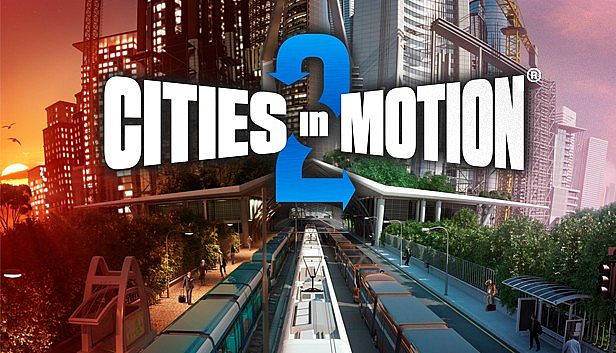





















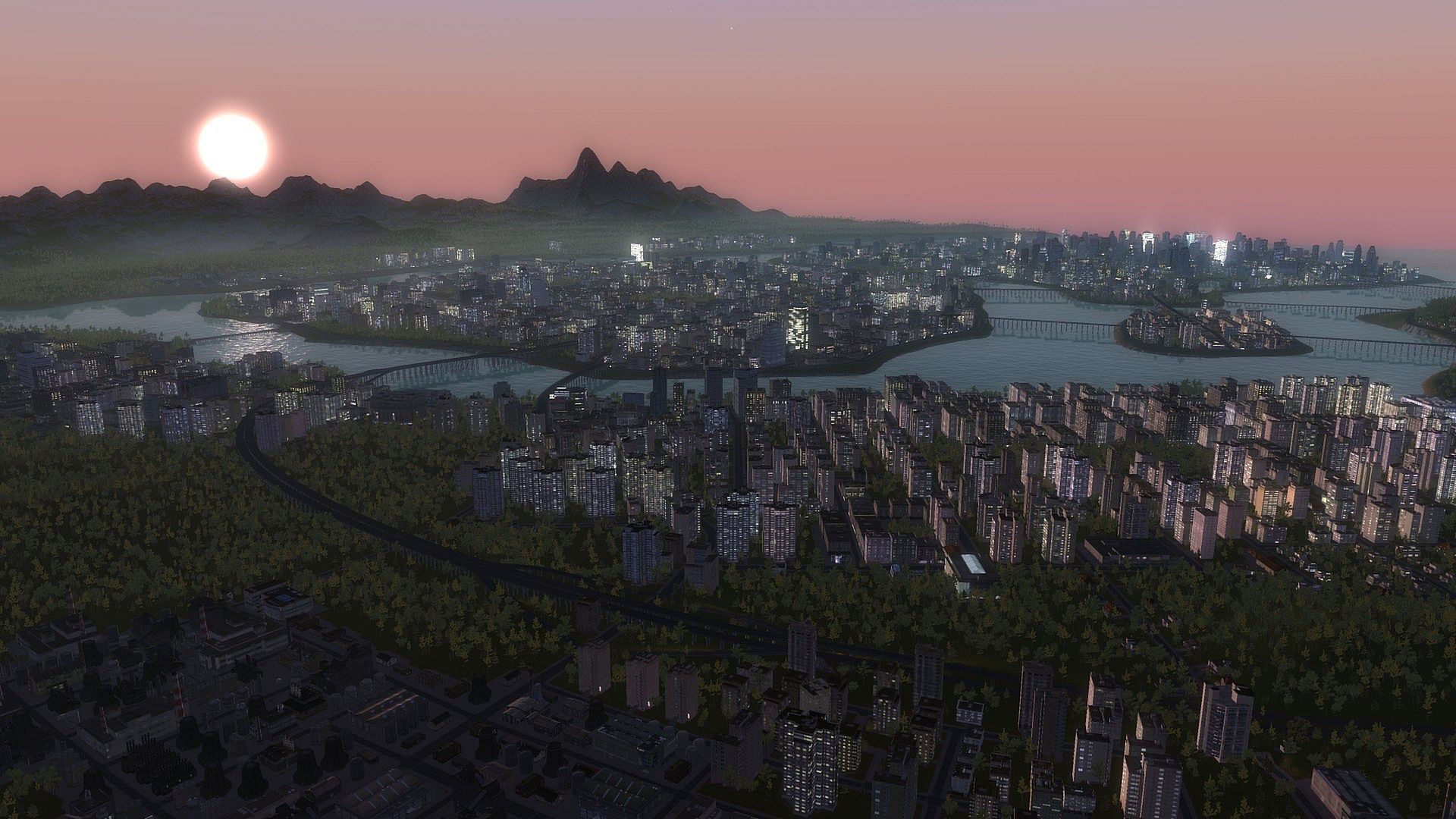
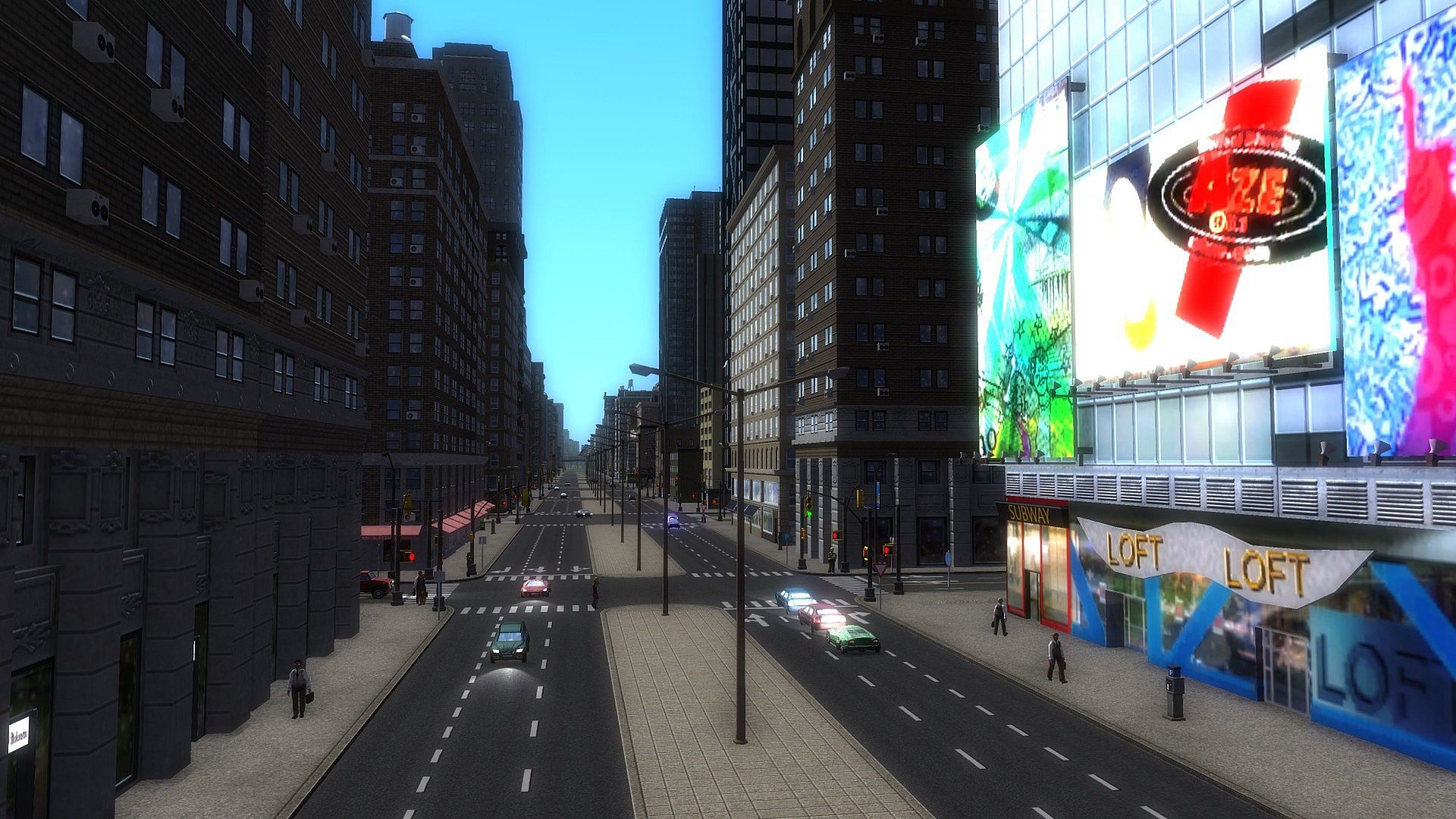
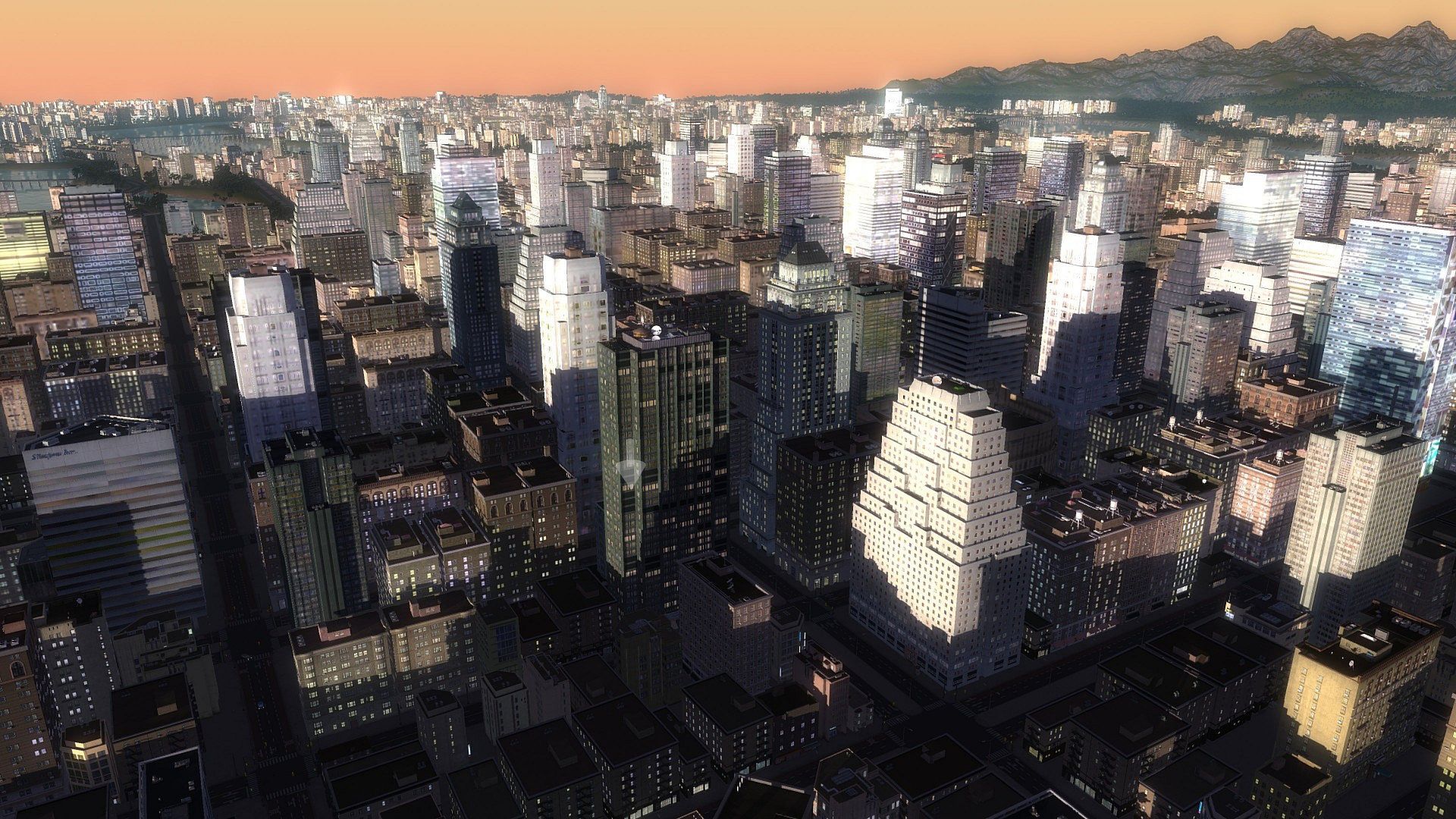

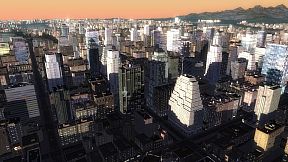
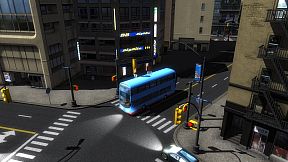
Cities in Motion 2 is a strategy and simulation game focused on building and managing mass transit networks in growing urban environments. Players design routes, select vehicles, and adjust schedules to meet the demands of residents and businesses across multiple city maps.
Gameplay
The core loop centers on planning efficient transportation lines that connect residential zones with commercial and industrial areas. Players place stops, lay tracks or roads for different vehicle types, and assign fleets to routes while monitoring passenger flow and revenue. Choices in infrastructure directly influence how neighborhoods develop, with accessible options encouraging broader housing and employment growth and premium lines attracting specialized businesses.
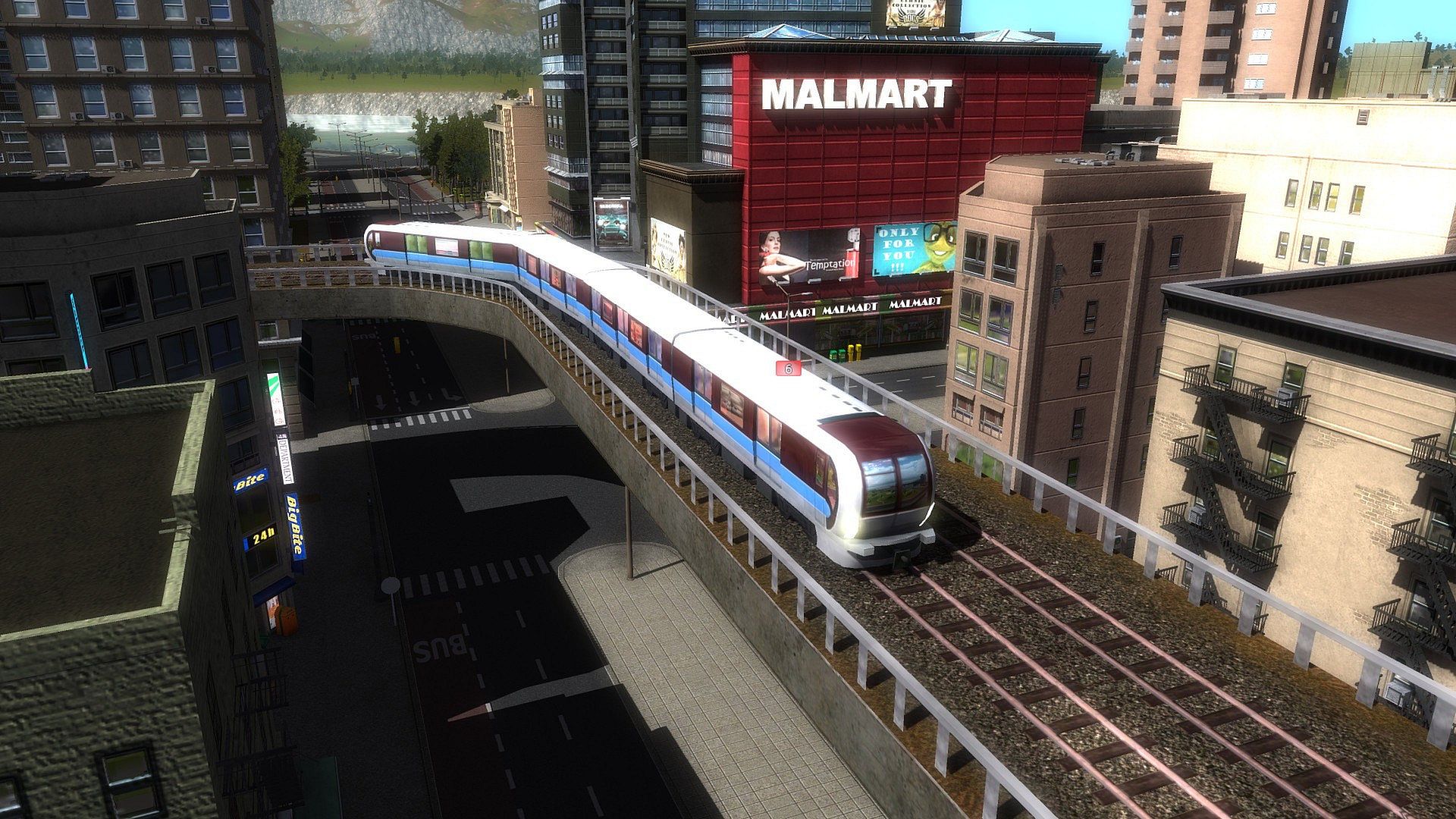
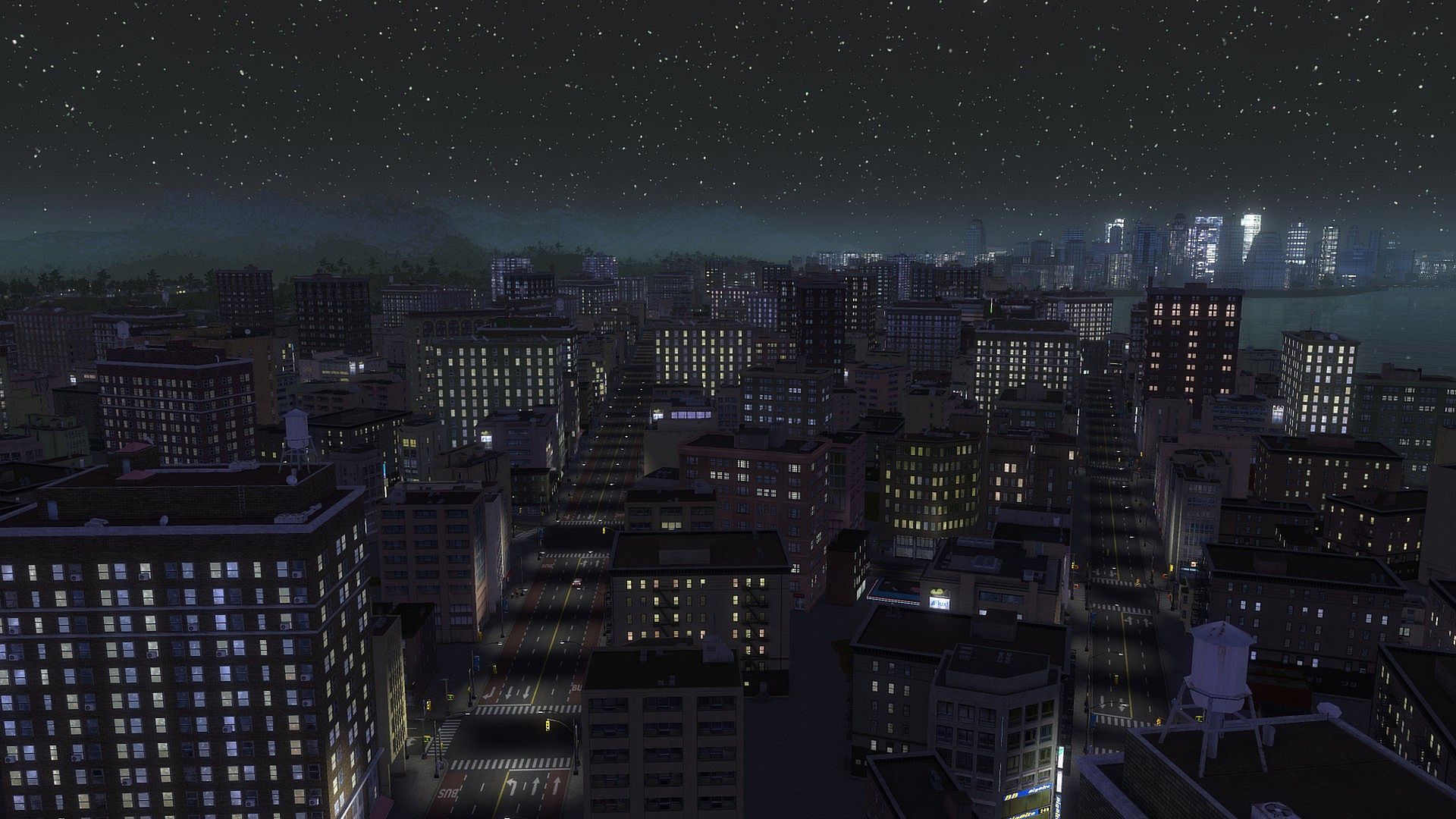
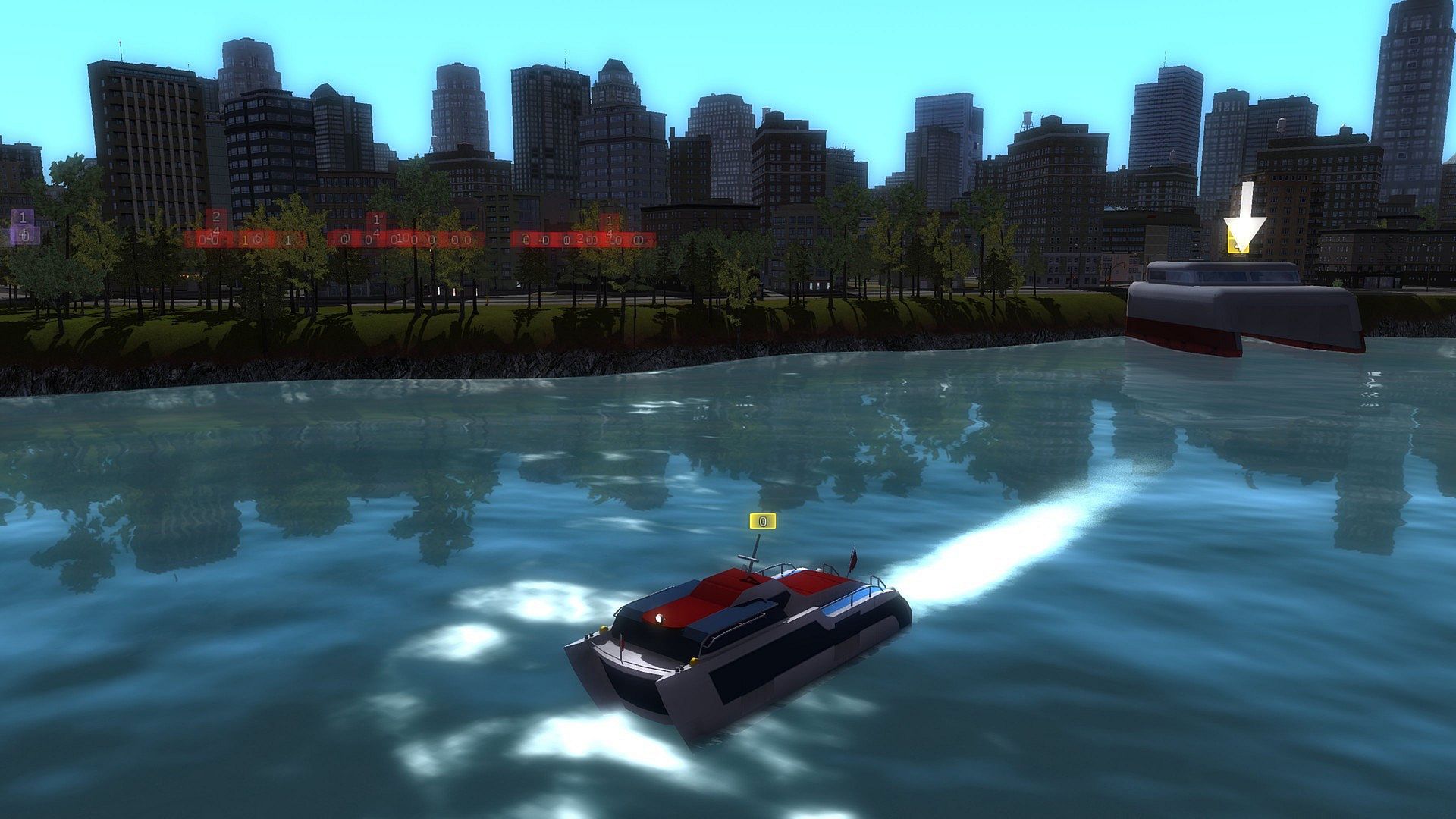
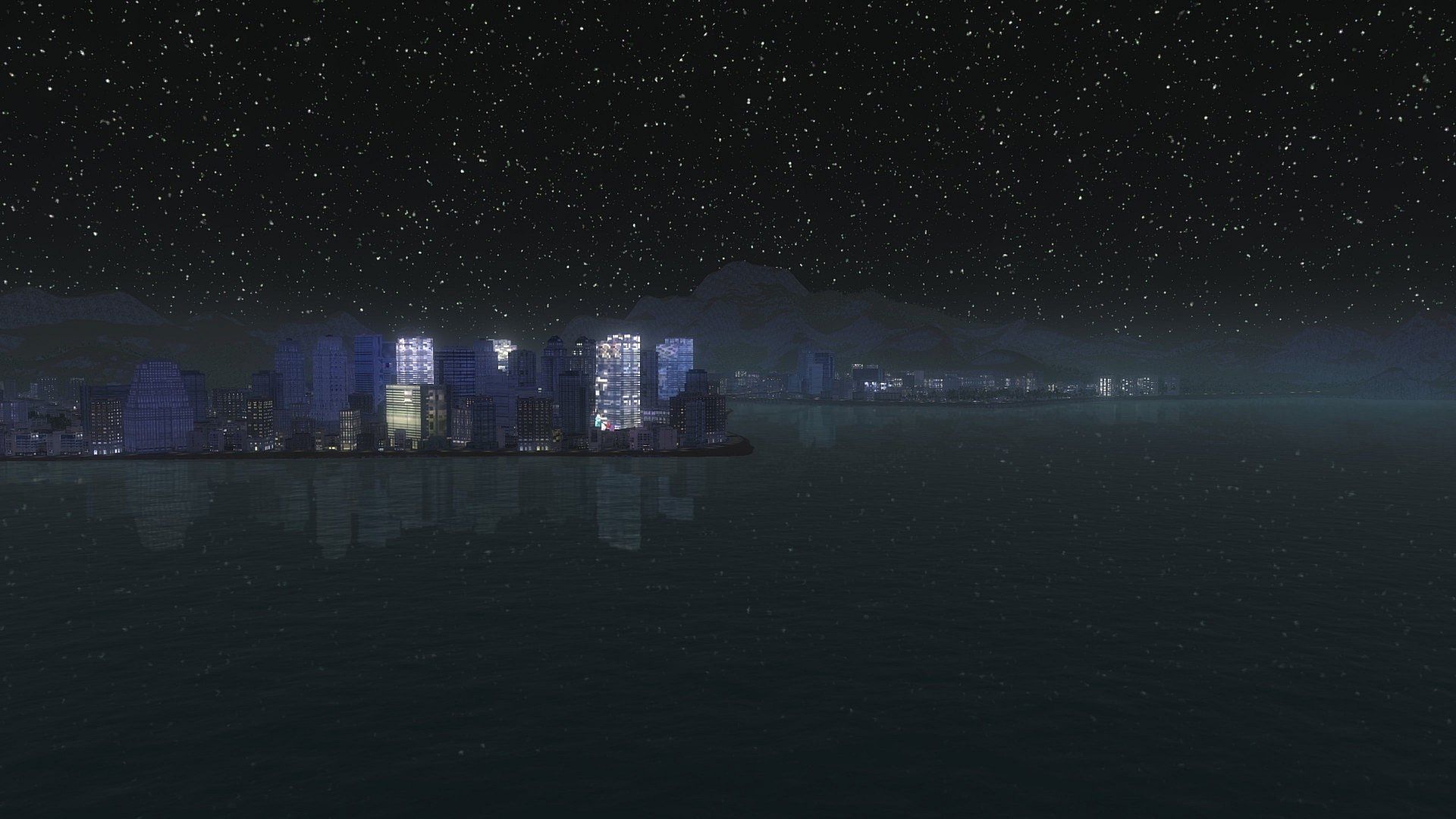
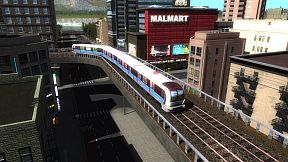
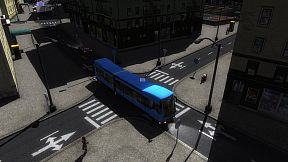
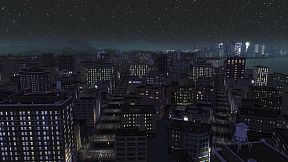
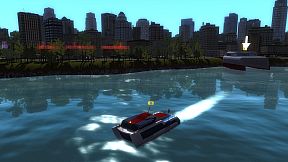
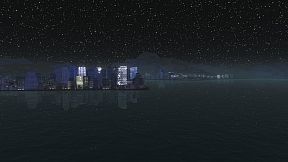
Day and night cycles add timing considerations, as demand shifts between peak commuting hours and quieter periods. Timetables allow precise control over departures and arrivals to reduce waiting times and improve overall network performance. Vehicles range from standard buses and trams to ferries and underground metros, each with distinct speed, capacity, and infrastructure requirements that affect route viability in different parts of the city.
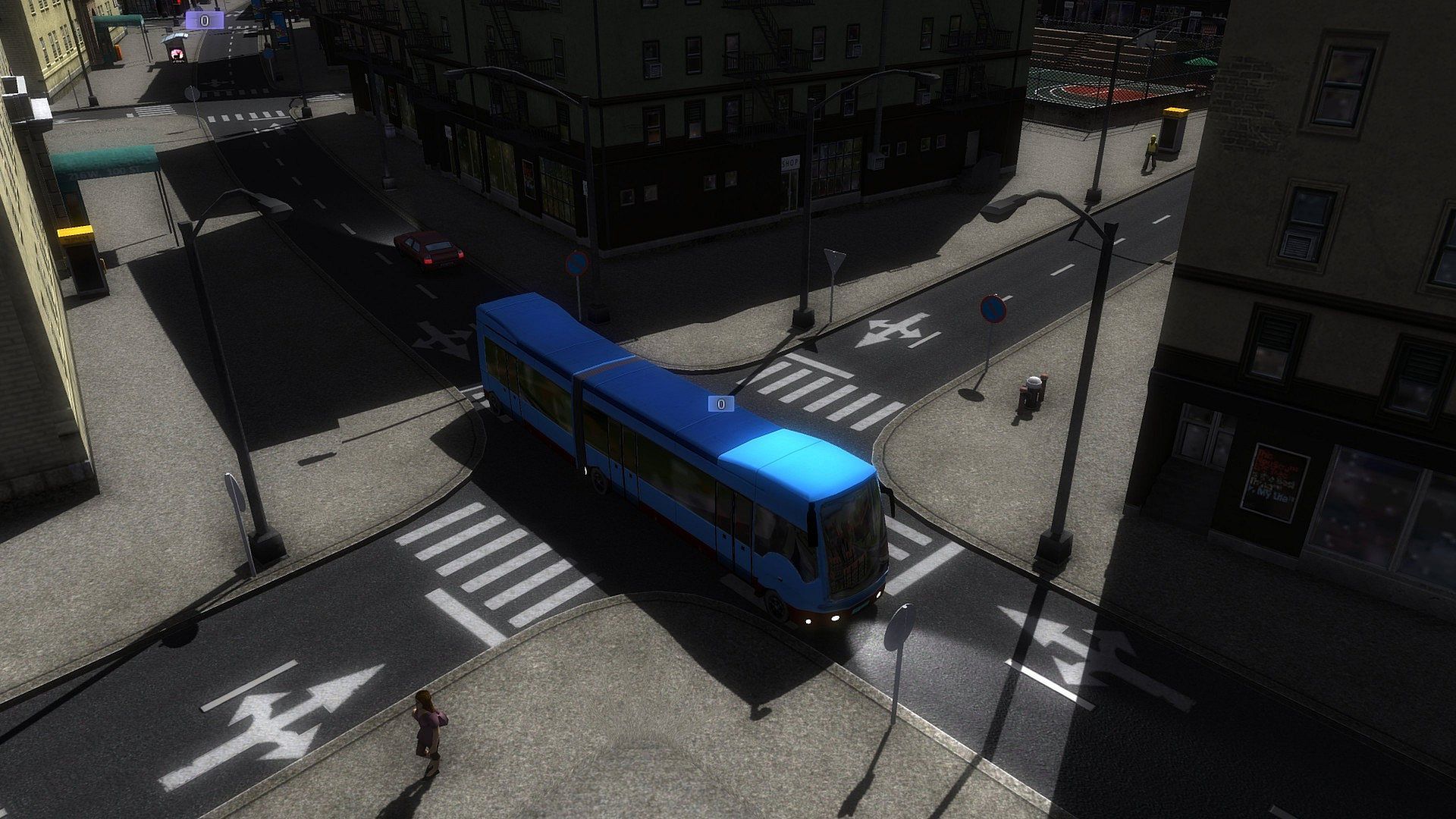
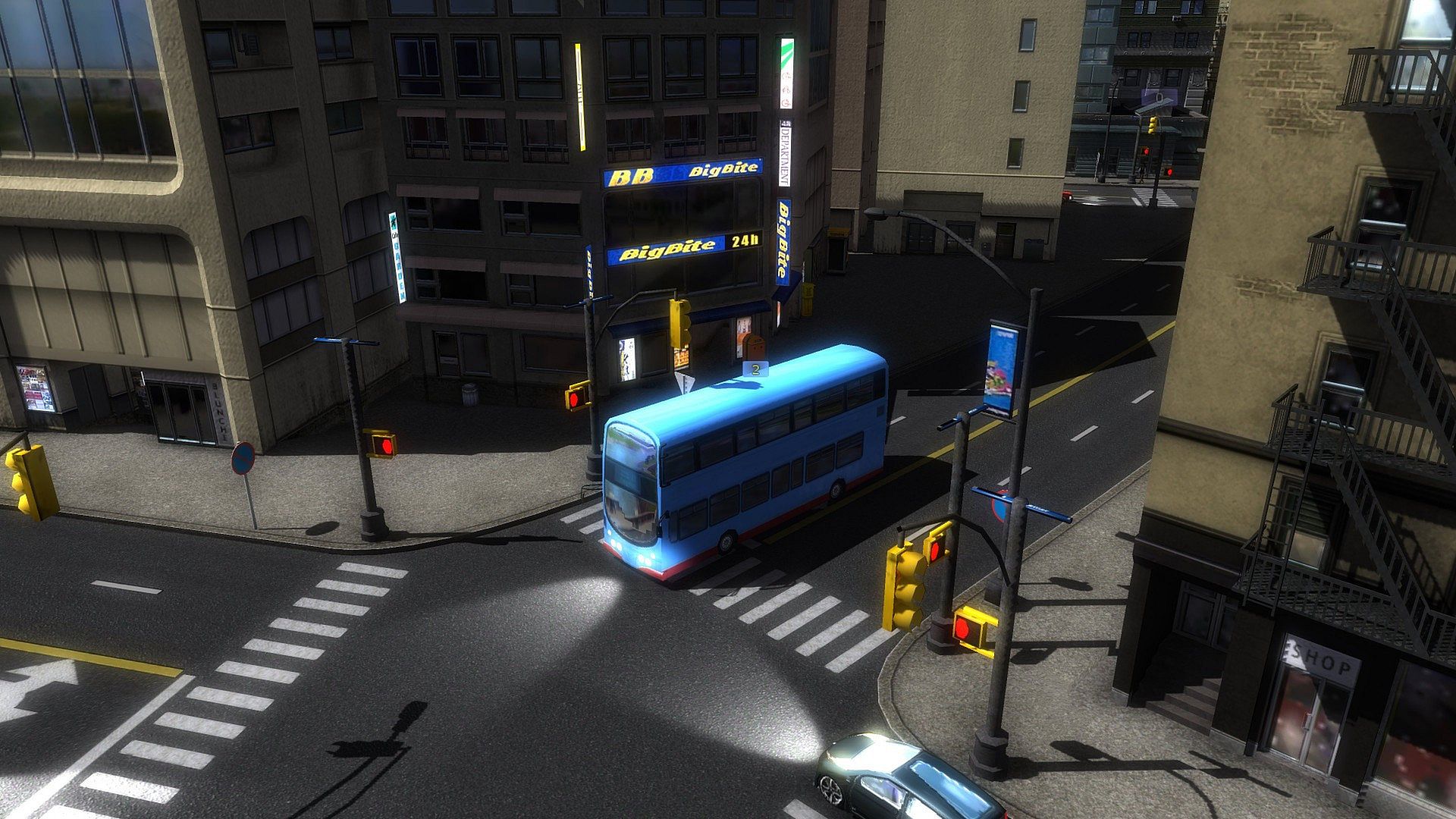
Traffic management features include dedicated bus lanes that help maintain flow during congested periods. The simulation responds to player decisions in real time, requiring ongoing adjustments to keep lines profitable and cities functioning smoothly.
Game Modes
Campaign mode presents a series of structured scenarios that introduce new maps, objectives, and challenges progressively. These missions guide players through the fundamentals of network building while scaling in complexity across different city layouts.
Sandbox mode removes campaign restrictions, allowing free-form construction on available maps with full access to tools and vehicle options. Players can experiment with large-scale designs or focus on specific districts without time limits or predefined goals.
Multiplayer supports both cooperative and competitive play for up to six participants. Teams can collaborate on shared networks or compete to dominate routes and passenger numbers on the same map.
Transportation Options and City Dynamics
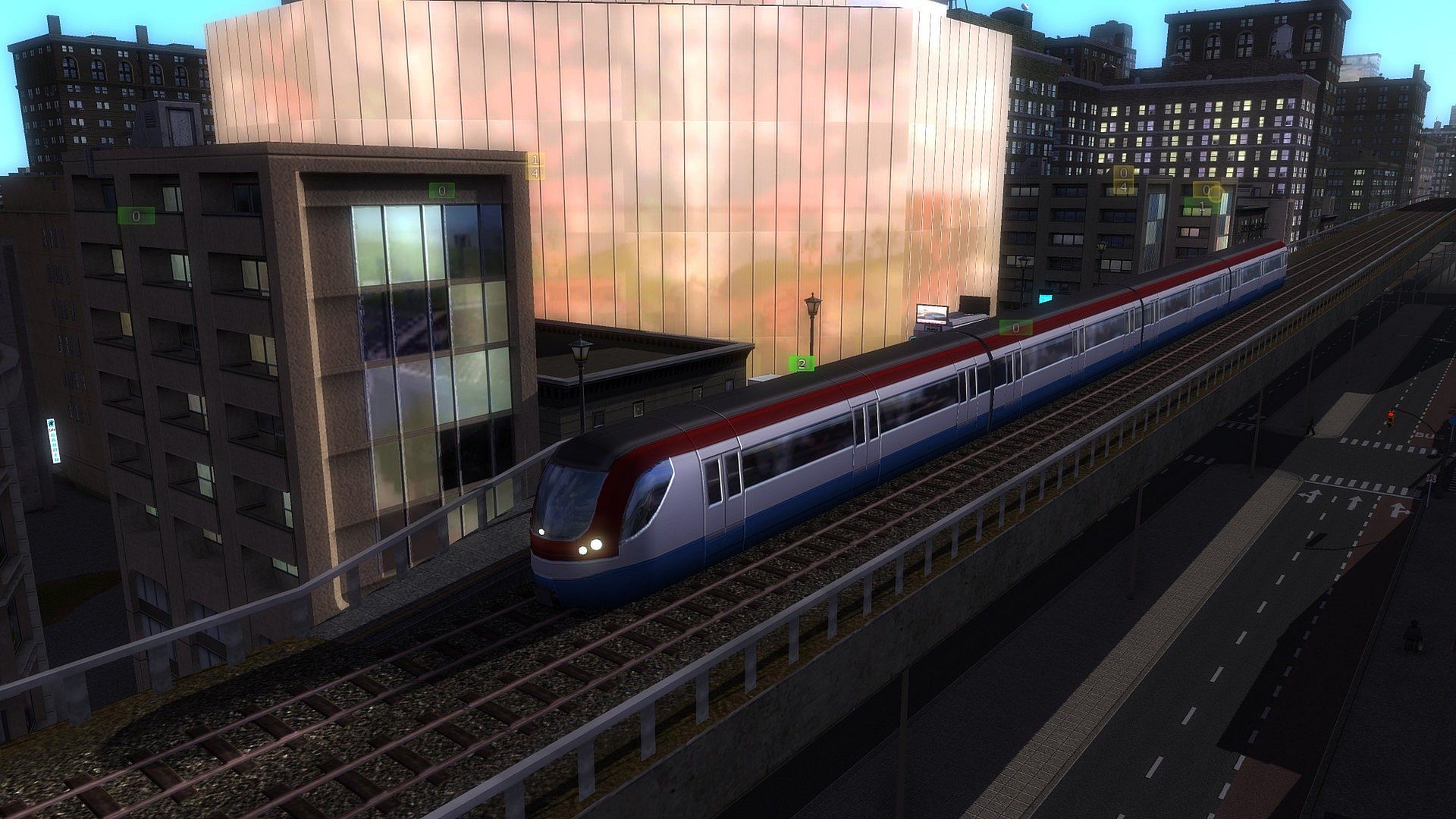
Each transport type carries trade-offs that shape long-term strategy. Buses offer quick setup at lower cost but suffer from traffic delays. Trams require dedicated tracks yet provide higher capacity and reliability. Ferries serve waterfront connections where bridges or tunnels prove impractical. Metros demand significant investment in underground infrastructure but deliver high-speed service unaffected by surface congestion.
City growth reacts to the quality and pricing of the network. Effective coverage expands middle-class districts and workplaces, while exclusive or high-cost lines draw luxury developments. This feedback loop encourages balanced planning rather than isolated high-profit routes.
Is It Worth Playing?
Cities in Motion 2 suits players who enjoy detailed management simulations and strategic route optimization. The combination of singleplayer campaign and sandbox options with multiplayer support provides varied ways to engage with the transit-building systems. As a title released in 2013, it remains available on PC with its original feature set intact, including the day and night cycle, timetables, and dynamic city responses. Those interested in the genre will find a focused experience centered on public transport planning without additional layers from later series entries.