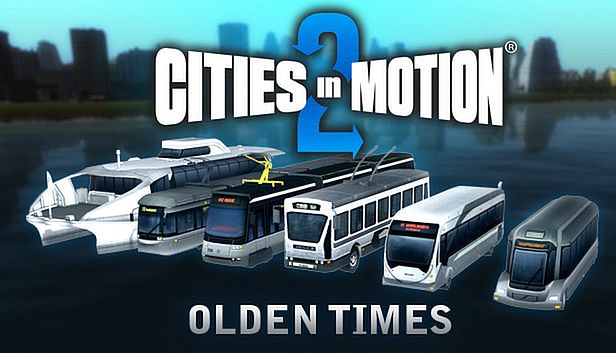















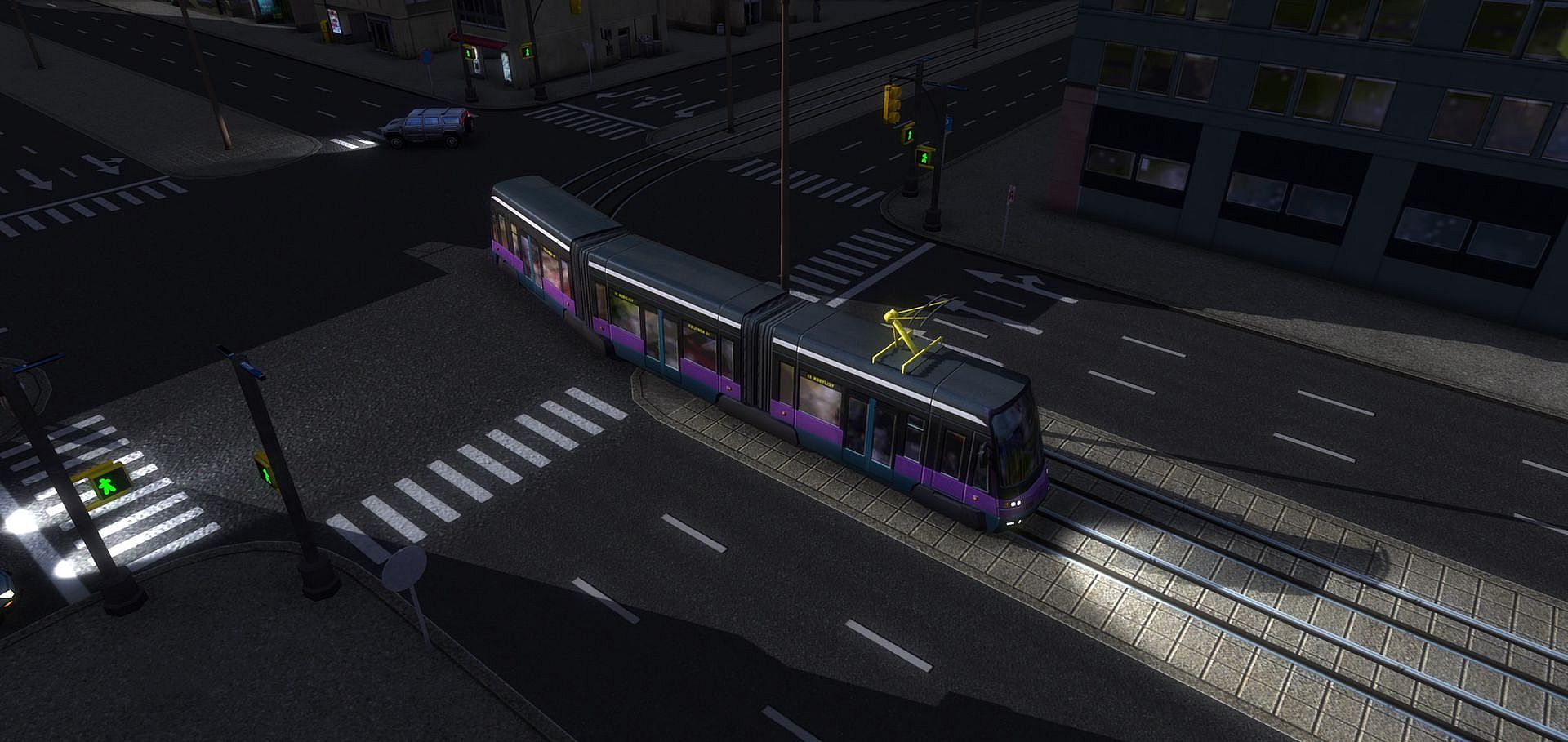
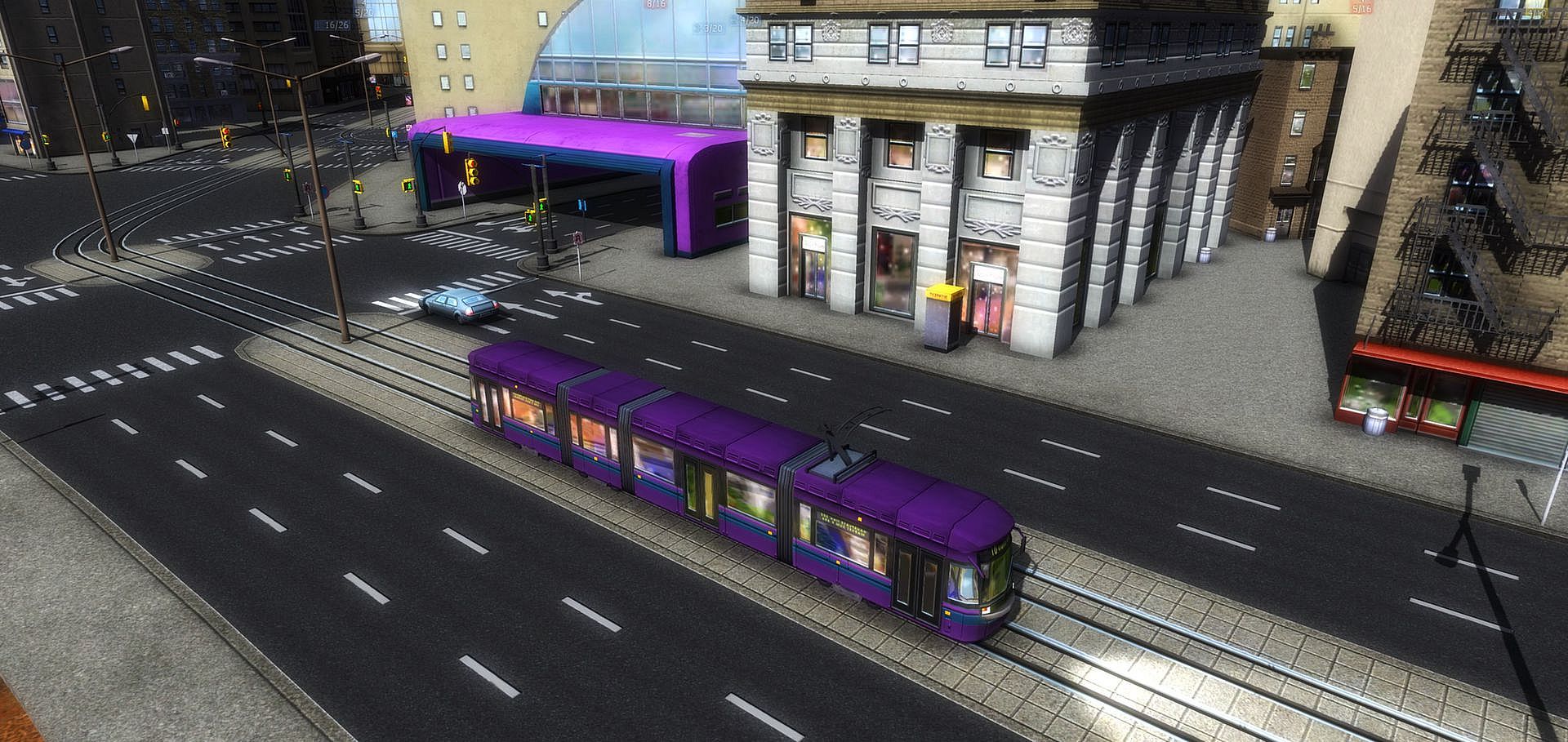
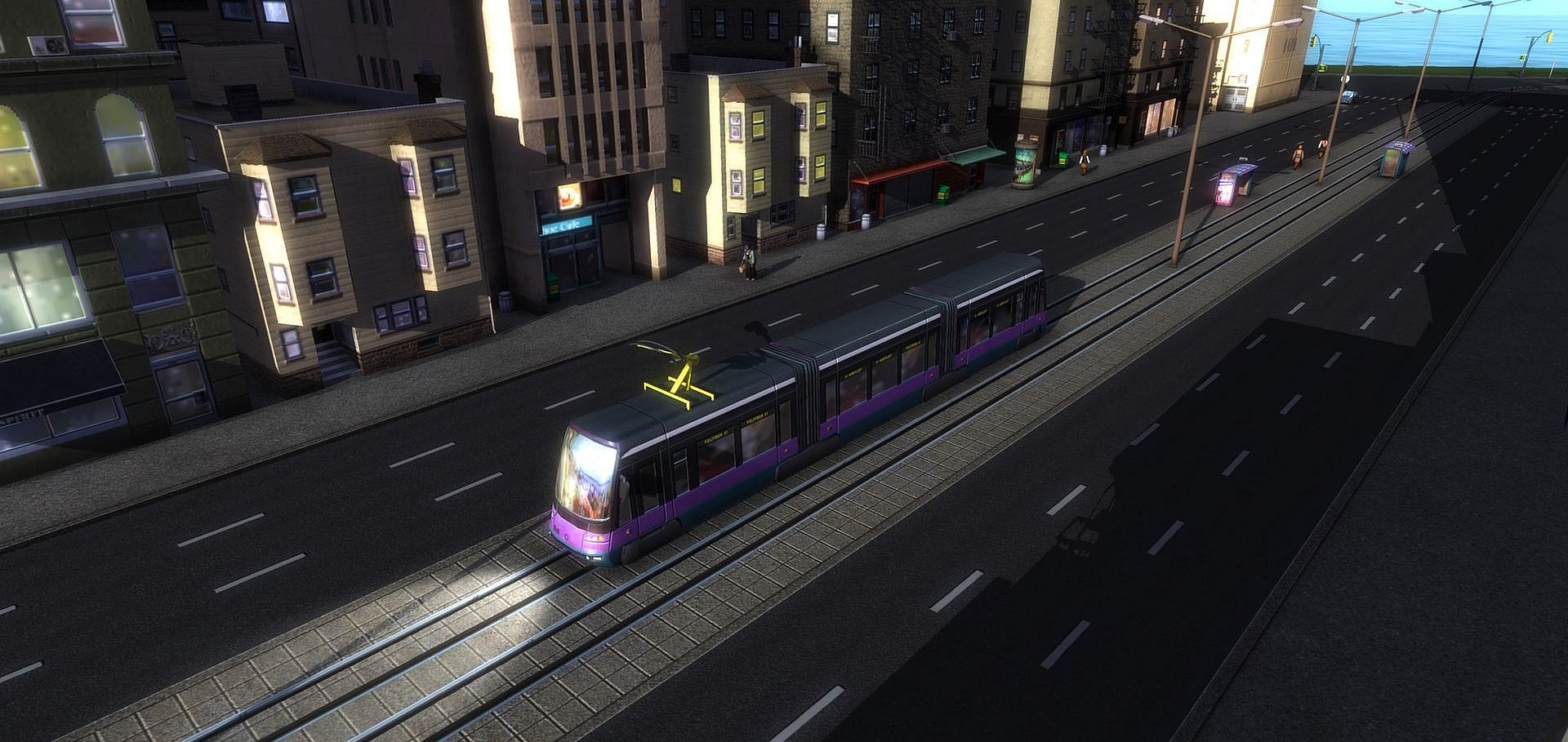
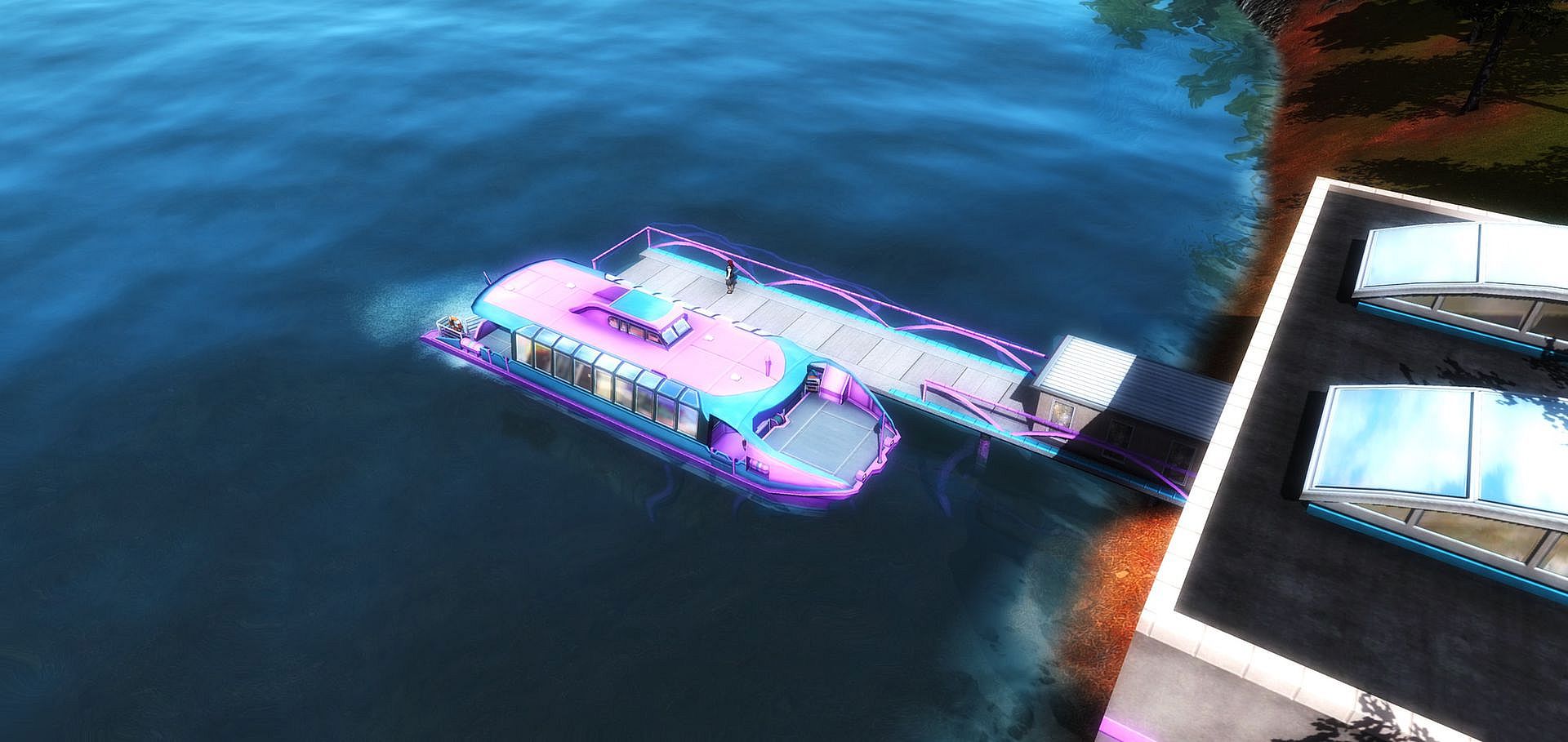
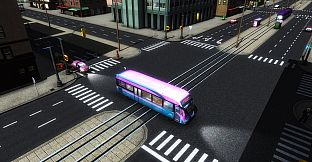
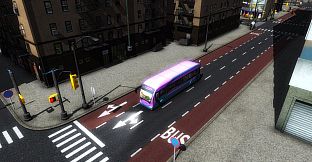
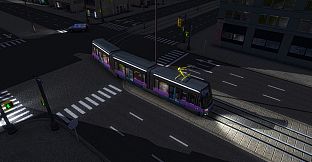
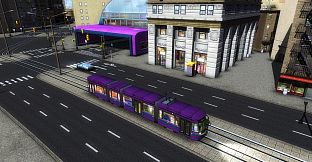
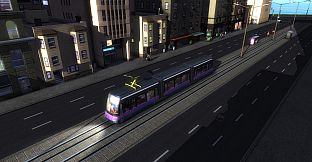
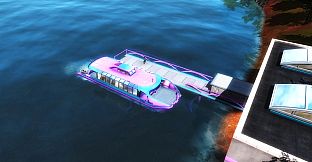
Cities in Motion 2: Olden Times serves as a vehicle-focused addition to the public transport simulation genre on PC. It equips players with a curated set of classic vehicles drawn from the original Cities in Motion title, allowing them to incorporate vintage designs into ongoing city transit networks.
Gameplay
The core loop centers on planning and operating efficient public transport systems across expanding urban maps. Players select routes, assign vehicles, adjust schedules, and balance factors such as passenger capacity, travel speed, fuel efficiency, and vehicle appeal to maintain rider satisfaction. Each vehicle brings distinct performance traits that influence route viability in different city zones. Buses handle shorter or denser segments with good maneuverability, while trams suit higher-volume corridors and ferries connect waterfront areas. The addition of these older models introduces trade-offs in maintenance needs, energy use, and passenger draw compared to modern options already available in the base experience.
Route optimization requires attention to stop spacing, vehicle durability, and overall network flow. A light, fuel-efficient bus might excel on frequent inner-city loops, whereas a high-capacity tram supports longer hauls with fewer units. Ferry operations add another layer by linking districts separated by water, where speed and comfort affect usage rates. These elements encourage experimentation with mixed fleets to cover varied terrain and demand patterns.
Game Modes
Players progress through scenario-based challenges that task them with developing complete transit solutions for specific city layouts and growth targets. These scenarios emphasize building profitable networks while meeting service standards over time. Freeform sandbox sessions allow unrestricted expansion of lines and depots without preset objectives. Certain setups incorporate day and night cycles that alter passenger volumes and shift scheduling demands. Multiplayer sessions support cooperative or competitive network building in supported configurations.
Vehicle Highlights
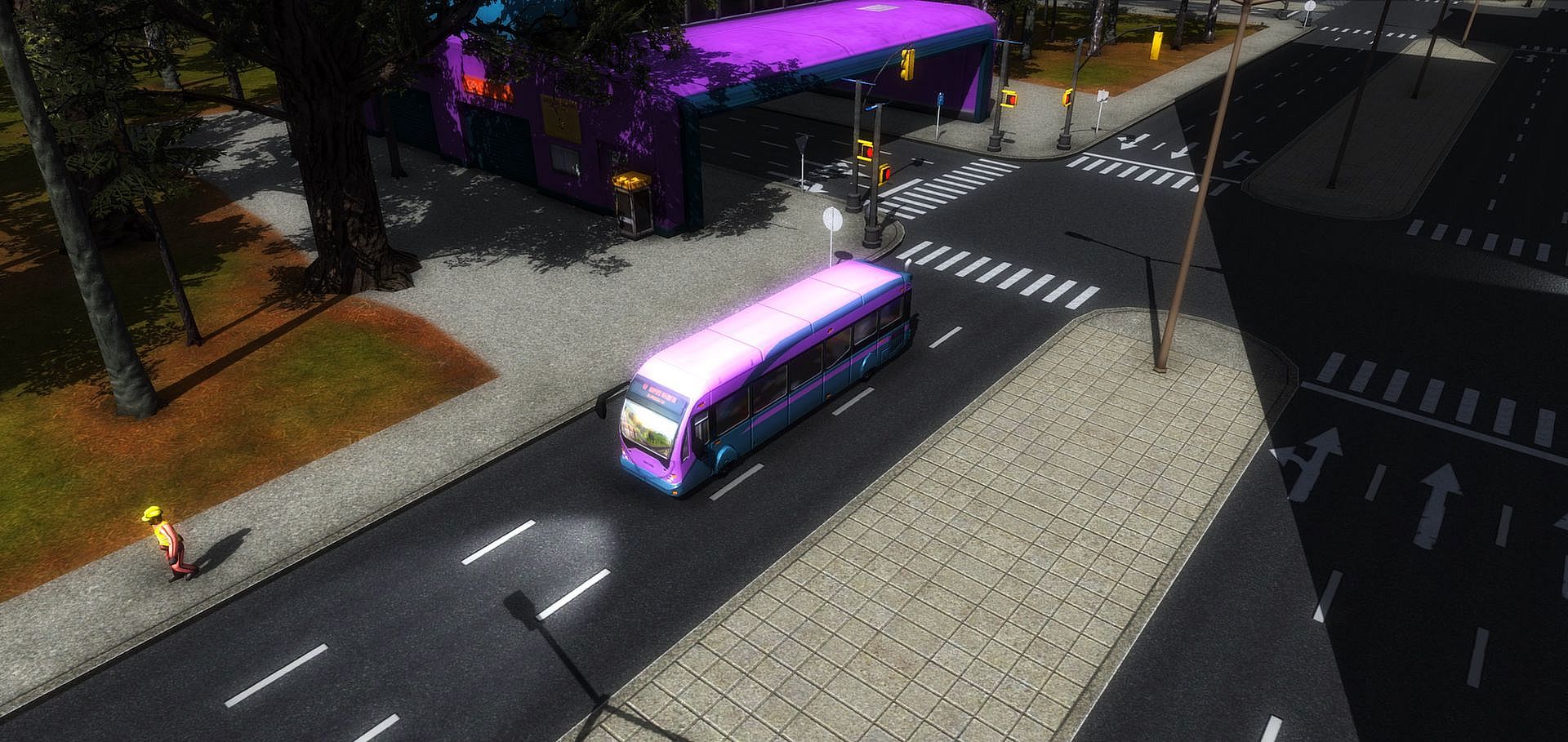
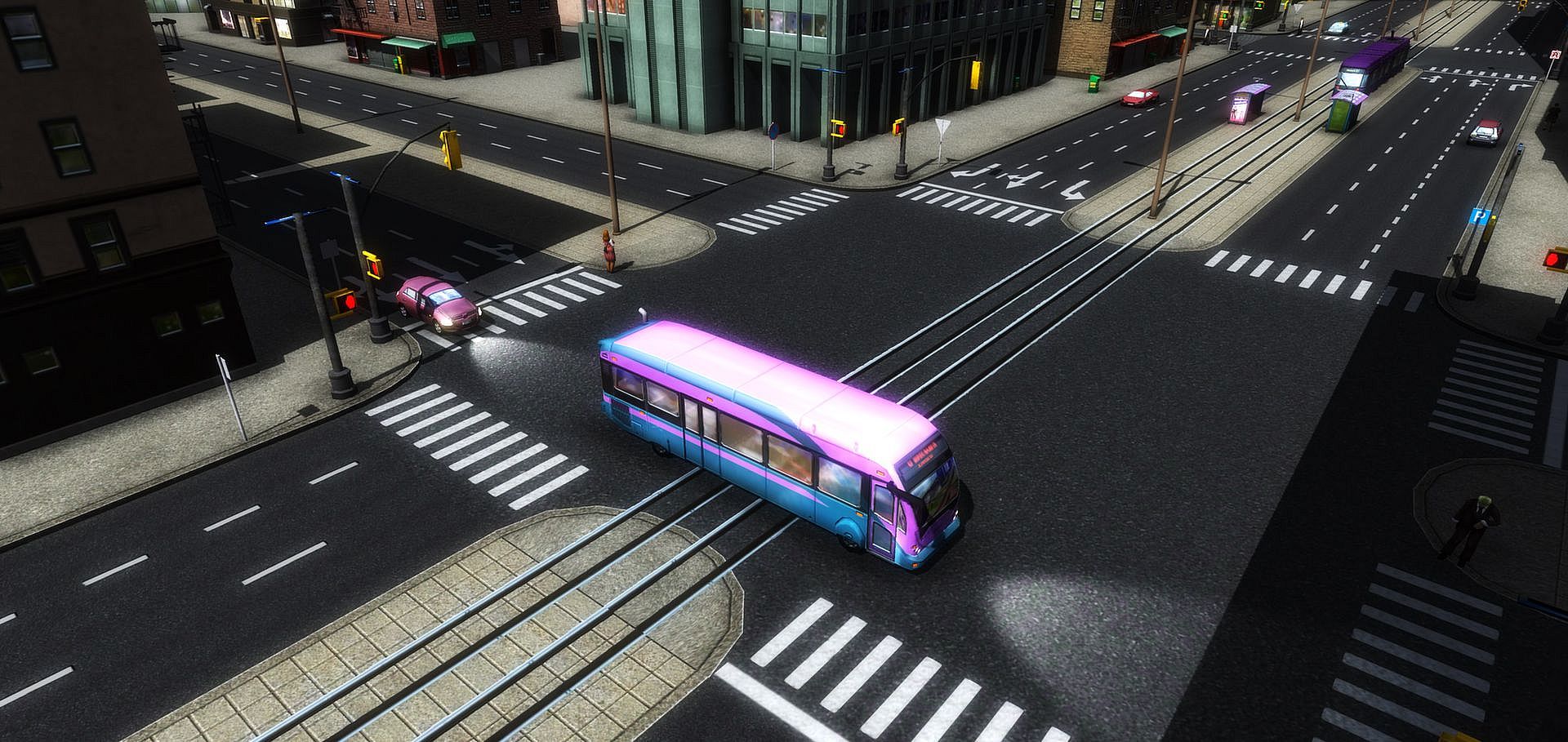
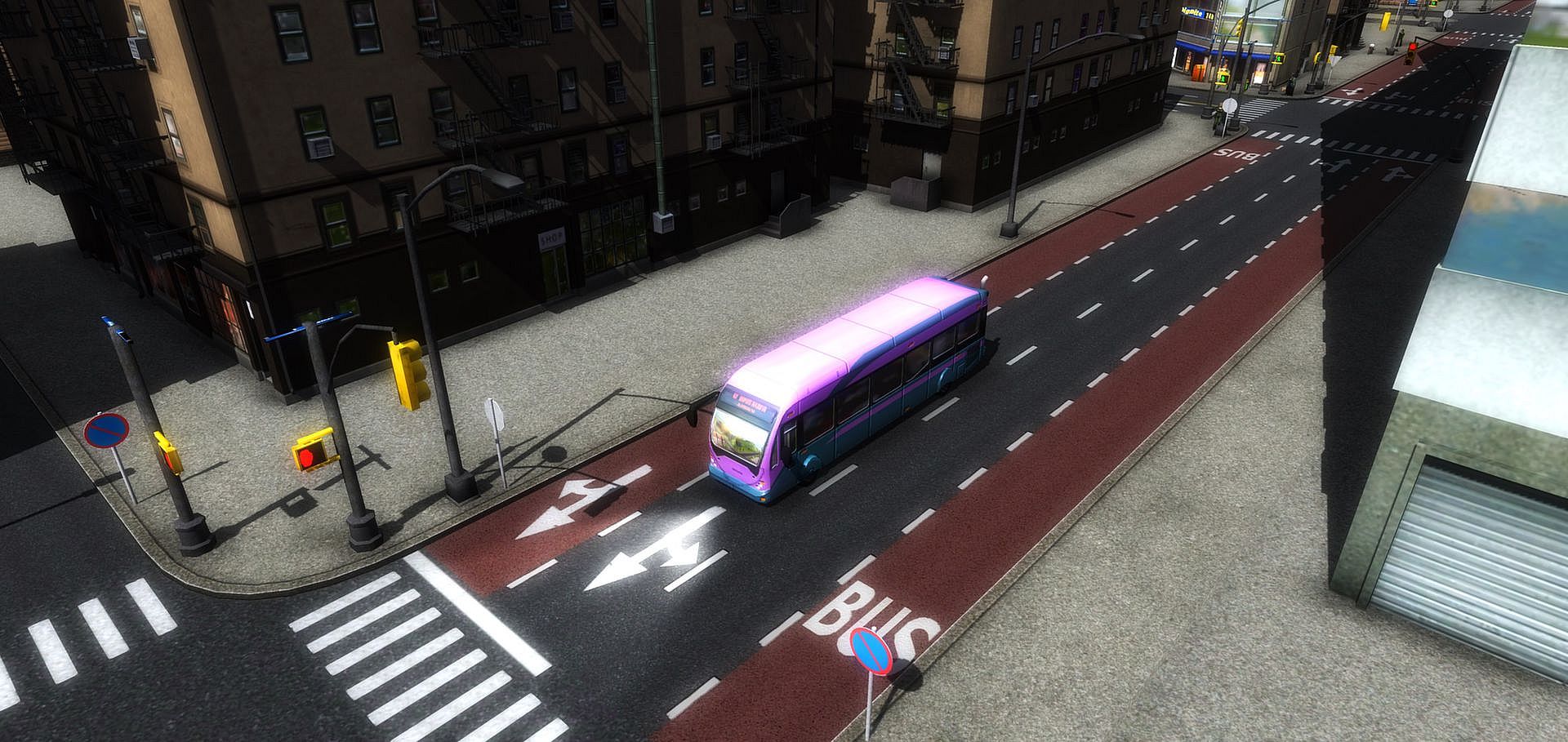
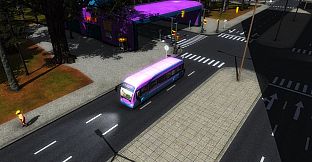
- Maurice Futura bus offers balanced capacity and speed with strong passenger appeal and low fuel consumption through its lightweight yet sturdy construction.
- Stern-Berger Midi bus prioritizes easy handling in crowded streets thanks to its compact size and low floor design.
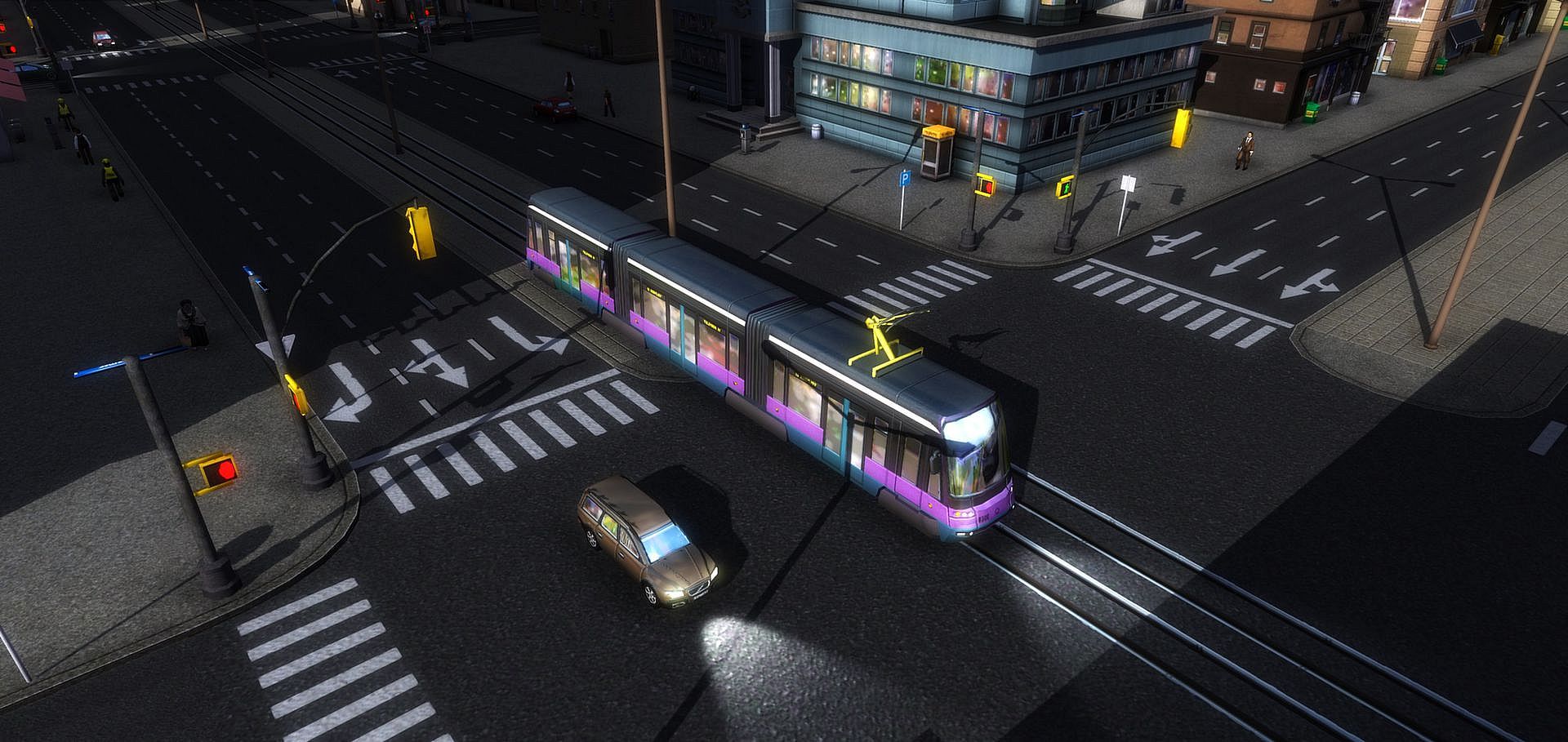
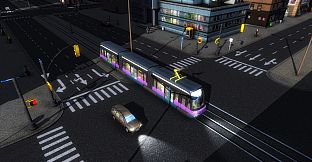
- City T13 tram delivers solid capacity and speed suited to busy lines while maintaining high rider satisfaction.
- Railcad Volatio tram provides exceptional passenger volume and durability with minimal maintenance requirements despite higher upfront cost.
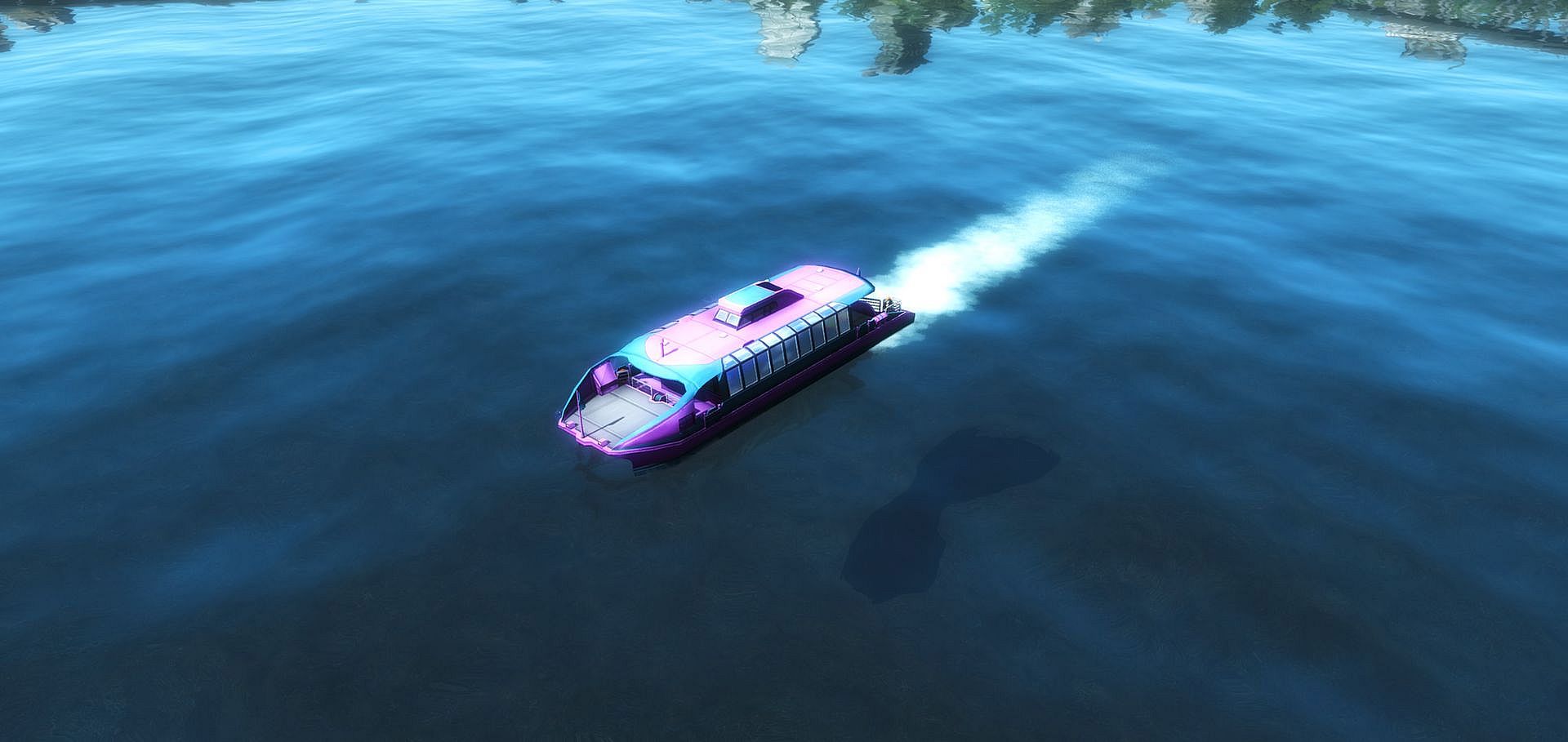
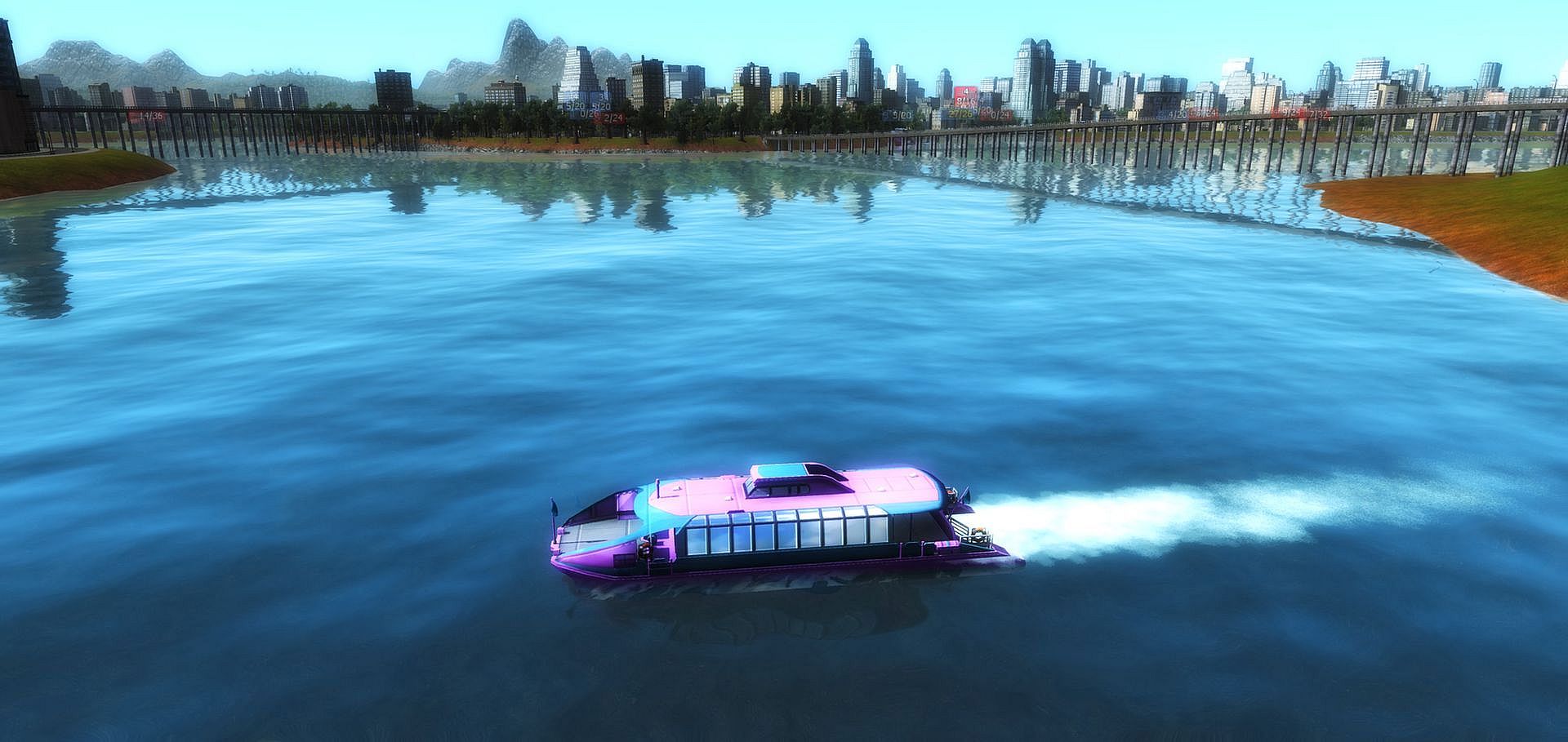
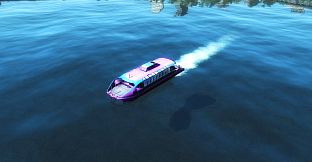
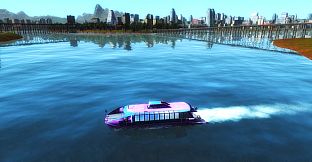
- Donay Caravel ferry combines sleek performance and interior comfort for water routes, though it consumes more energy.
- ZiA-11E tram fits short-distance inner-city stops with reliable classic performance.
Is It Worth Playing?
This content appeals most to players already invested in detailed transport management simulations who seek additional variety in their vehicle choices. The vintage models integrate directly into existing campaigns and scenarios, extending replay value through new route possibilities and aesthetic options. Reviews of the base game highlight its depth in micromanagement and network planning as strengths, with the added vehicles praised for faithful recreation of earlier designs. No ongoing seasonal updates or major patches apply to this older release, so it functions as a static expansion. Those who enjoy methodical planning of schedules and fleet composition will find the extra options enhance long-term engagement without altering core systems.