


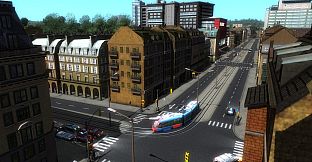


Cities in Motion 2: European Cities is a strategy simulation expansion that adds European themed content to the core public transport management experience. Players take on the role of a transit planner tasked with designing efficient networks across detailed city maps while balancing budgets and passenger needs.
Gameplay
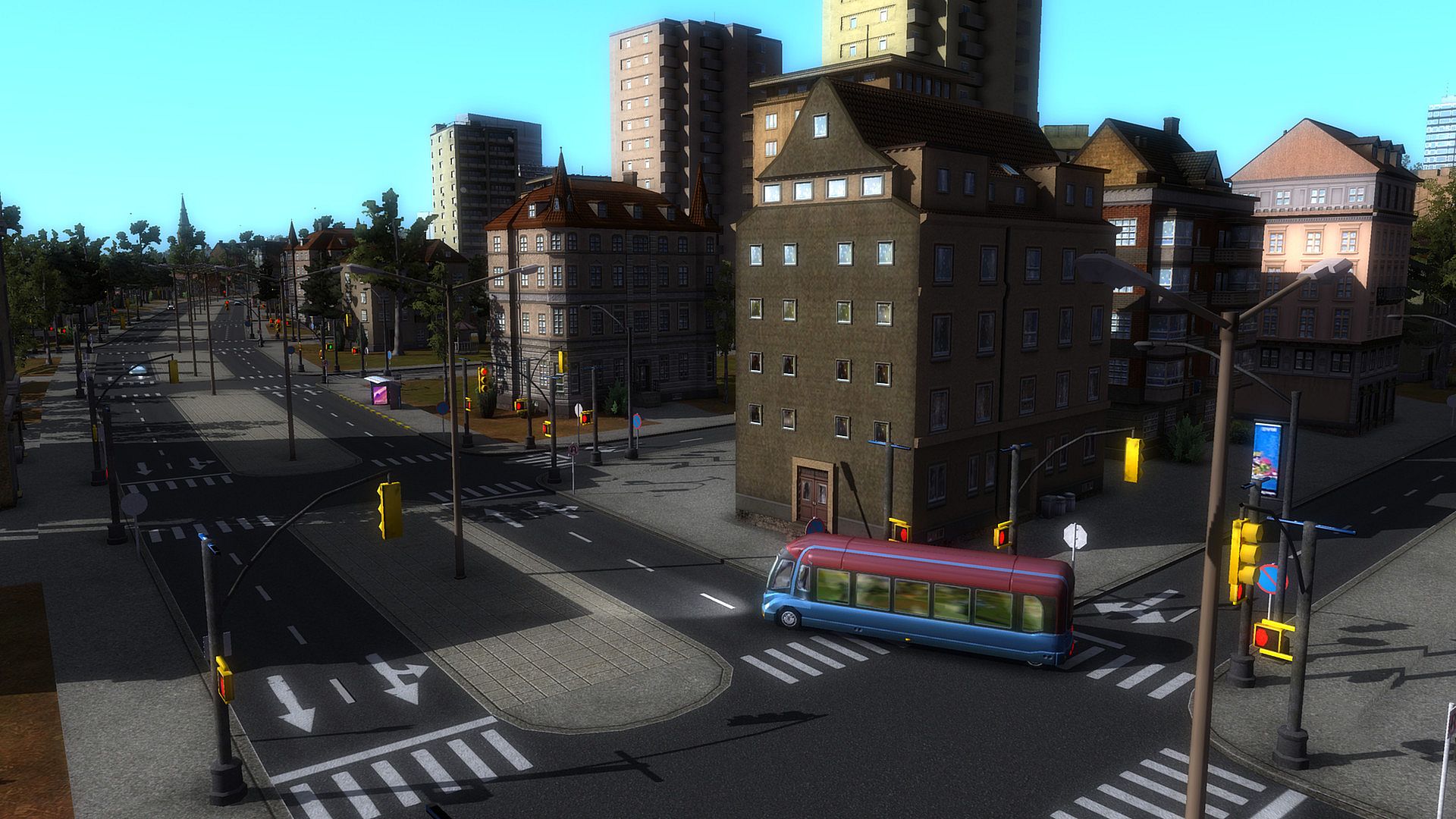
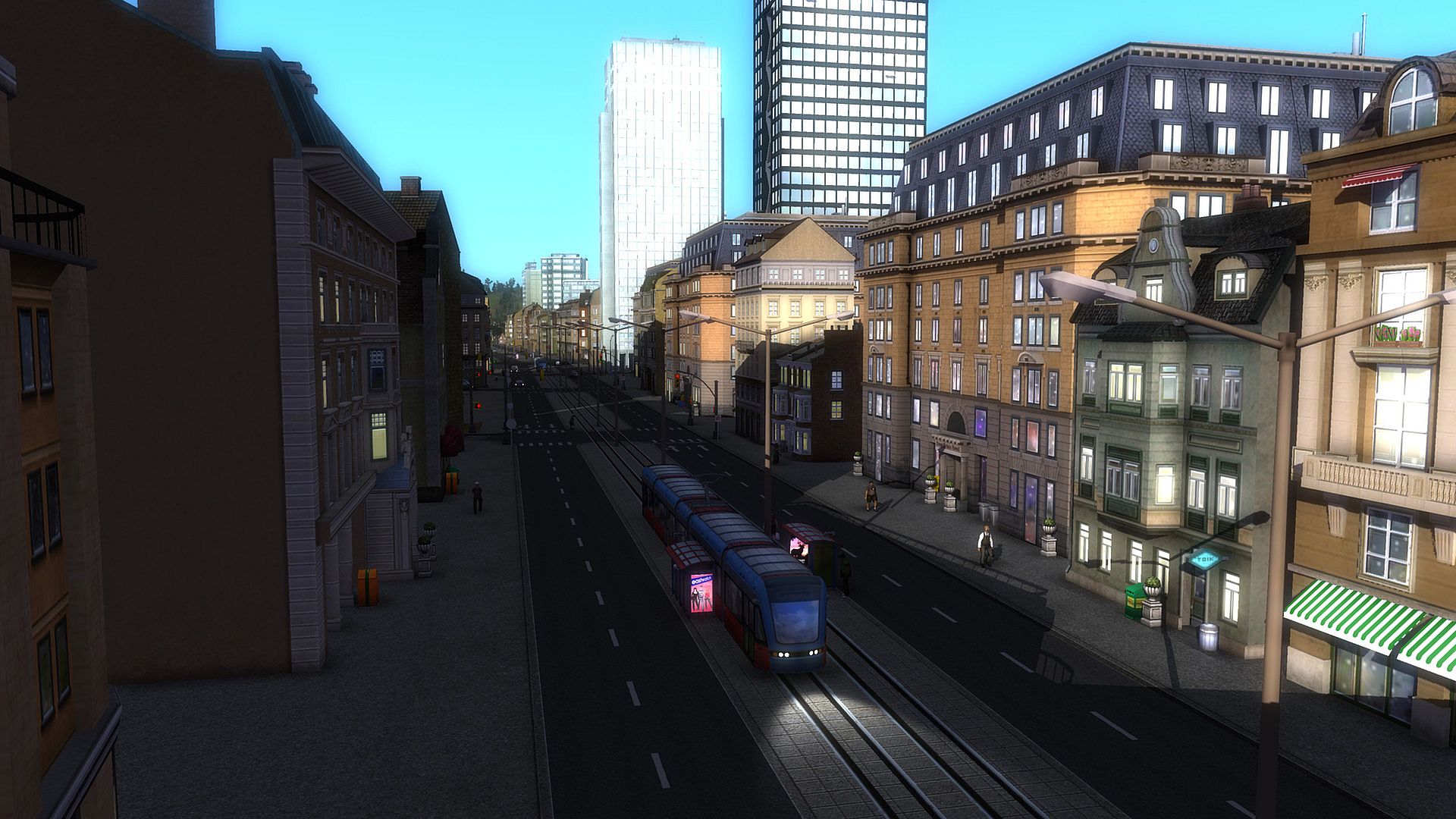
The core loop centers on constructing and optimizing routes for various vehicle types including buses, trams, and water transport options. Planners lay out lines that connect residential areas to workplaces and key destinations, adjusting frequencies and vehicle capacities to match demand patterns that evolve over time. Financial management plays a central role as revenue from fares must cover operational costs and infrastructure investments, with loans available for larger projects. The expansion introduces 34 new structures that reflect authentic European architectural styles, allowing for more integrated cityscapes on the new maps. These elements enhance the visual and functional layout without altering the fundamental route building and monitoring systems.
Water features receive particular attention on the Liverpool inspired map, where riverside and coastal zones open opportunities for ferry lines alongside traditional road and rail options. Business districts on the Düsseldorf inspired map emphasize connections to office towers and financial hubs, requiring planners to account for peak commuter flows. The Prague inspired map stands out for its scale and historical density, supporting extensive networks that mirror high public transit usage rates in the real counterpart.
Game Modes
Two primary modes structure the experience. Campaign mode presents a series of goal oriented scenarios where players must meet specific coverage, profitability, or satisfaction targets set by in game authorities. The European Cities expansion extends this with six new scenarios that together add six to ten hours of directed play across the three themed maps. Sandbox mode removes these objectives, granting full freedom to select starting conditions such as city layout, initial funds, and time period before building an unrestricted transit system.
Both modes operate on the same underlying simulation of passenger movement and economic feedback. No additional modes appear in the expansion, keeping focus on single player planning sessions that reward iterative adjustments to lines and schedules.
European City Maps and Structures
Three distinct maps form the heart of the expansion. The Liverpool inspired setting highlights waterfront development and transport innovation along rivers and coastlines. Düsseldorf inspired areas feature prominent office buildings and riverfront headquarters suited to high volume commuter routes. Prague inspired terrain delivers the largest map with dense historic districts that test large scale network efficiency. All three incorporate the 34 new structures to create cohesive European atmospheres while supporting the same vehicle and route mechanics as the base game.
Is It Worth Playing?
This expansion suits players who already enjoy detailed public transport planning and want fresh maps with a consistent European aesthetic. The added campaign scenarios provide structured challenges that build on existing route optimization skills, while sandbox sessions allow unrestricted experimentation on the new layouts. Reception for the DLC itself has been limited, with a small number of reviews leaning negative due to its narrow scope as map and structure content rather than major mechanical changes. Those seeking extended single player strategy sessions focused on European inspired cities may find value in the additional scenarios and visual variety, particularly if the base game mechanics already appeal. Availability remains through standard digital storefronts for PC, with no ongoing seasonal updates or live service elements attached to the title.