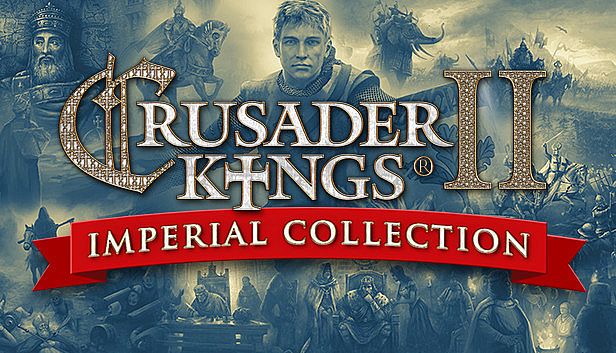














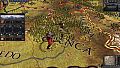




Crusader Kings II: Imperial Collection is a grand strategy game that combines elements of simulation, role-playing, and historical management. Players take control of medieval dynasties across Europe and beyond, guiding successive rulers through centuries of political intrigue, territorial expansion, and personal ambition. The experience centers on feudal systems where every decision affects the long-term survival and prestige of a family line.
Gameplay
The core loop revolves around dynasty management in a detailed medieval setting. Players begin by selecting a ruler and then navigate succession across generations, balancing personal traits, relationships, and external threats. Key systems include expanding feudal domains through conquest or diplomacy, maintaining vassal loyalty, and countering plots from courtiers who pursue their own agendas. Prestige accumulates with each successful generation, while piety influences religious standing and interactions with institutions like the Papacy.
Combat and warfare form another layer, allowing rulers to launch campaigns such as the Crusades against opposing faiths or defend against invasions. Marriage alliances, assassinations, and law reforms provide additional tools for shaping the realm. The simulation tracks opinions, ambitions, and cultural factors that influence stability, creating emergent stories from the interactions of characters and events. Time spans from the Norman Conquest era through the late Middle Ages, with flexible start dates that let players explore different historical contexts.
Game Modes
Single-player sessions form the primary way to engage with the title, offering open-ended campaigns where success depends on dynasty longevity rather than fixed objectives. Multiplayer supports competitive play with others, enabling shared worlds where participants manage their own dynasties alongside or against each other. These modes emphasize strategic depth over direct confrontation, with rules governing realm interactions and succession.
Mechanics and Systems
Feudal hierarchy drives much of the strategy, requiring careful appointment of vassals and management of domain integrity to prevent fragmentation. Religious mechanics allow participation in holy wars and struggles for ecclesiastical control. Character development through traits and education adds role-playing layers, as rulers inherit or develop qualities that affect governance and personal decisions. The game tracks global events and invasions that can alter the balance of power across regions.
Is It Worth Playing?
The base version of the game is available at no cost, providing access to the core simulation systems for those interested in grand strategy. It suits players who enjoy long-term planning, political maneuvering, and historical role-playing over fast-paced action. Those seeking extensive content beyond the base experience will find value in additional expansions that expand the map, cultures, and mechanics. Reception among strategy enthusiasts highlights the depth of the dynasty simulation and the replayability offered by different starting positions and ruler choices. The title continues to receive support through its established player community, making it a solid option for anyone drawn to medieval feudal management and emergent storytelling in a single-player or multiplayer context.