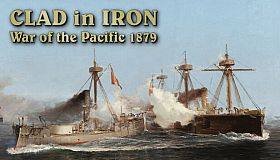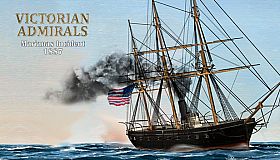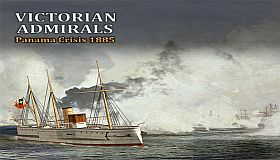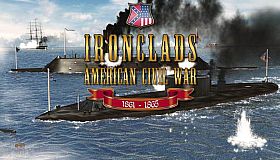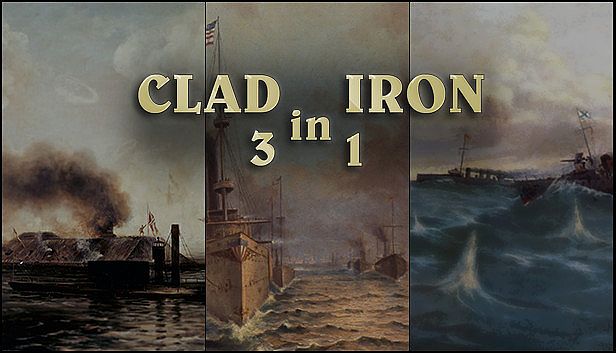





CLAD in IRON: 3 in 1 is a strategy simulation game set in the era of ironclad warships. It combines turn-based planning with real-time naval combat across multiple historical conflicts from the mid-19th century through the early 20th century.
Gameplay
The core loop revolves around fleet and army management on a strategic map. Players direct squadrons across seas, position forces to intercept opponents, and secure key locations while balancing resources and reinforcements. In the turn-based phase, decisions involve route planning, port usage for protection, and preparation for larger operations such as blockades or landings.
Transitioning to battles shifts the experience into a real-time simulation. Here, ship selection draws from realistic models with detailed characteristics. Formations are arranged, crews gain experience through engagements, and combat resolves through ballistics and weapon systems that reflect period technology. The simulation emphasizes tactical positioning and command of battle groups under iron and steam power.
Game Modes
The bundle structures play around two primary systems. The turn-based maritime strategy mode handles campaign-level decisions across historical theaters. Players execute fleet movements, conduct searches for enemy units, establish blockades on trade routes, and organize amphibious assaults or harbor sieges.
The real-time tactical battle mode serves as the resolution layer for direct confrontations. Squadrons engage with formation controls, ship-specific attributes, and crew progression. This mode supports setup of custom battle groups drawn from available vessels.
Historical Context and Features
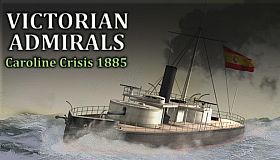
Scenarios draw from documented naval developments, beginning with early ironclad testing and progressing to more advanced steel steam vessels. Specific entries cover conflicts including operations in the Gulf of Mexico, the Philippines, Sakhalin, the Carolines, and Manila Bay. Each presents distinct geographic and strategic challenges tied to the period's industrial and political dynamics.
Supporting elements include single-player campaigns, Steam achievements, and a textual manual in place of interactive tutorials. The games run on PC with requirements suited to older hardware configurations alongside modern compatibility notes.
Is It Worth Playing?
This collection appeals to players interested in deliberate strategy paired with simulation depth in naval settings. One title in the series holds a 93 percent positive rating from available user reviews, indicating solid reception among those who engage with its mechanics.
Support continues through availability on PC platforms with family sharing and downloadable content options. The experience suits enthusiasts of historical wargaming who value combined turn-based oversight and real-time execution over fast-paced action. Those seeking precise control over fleet operations and period-accurate naval modeling will find the systems align closely with that preference.