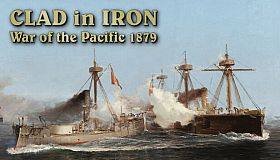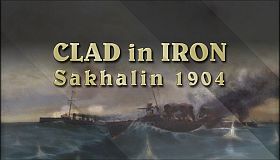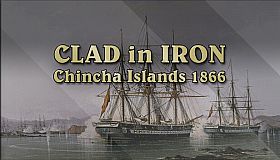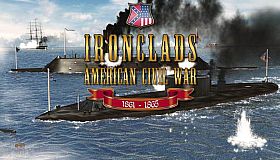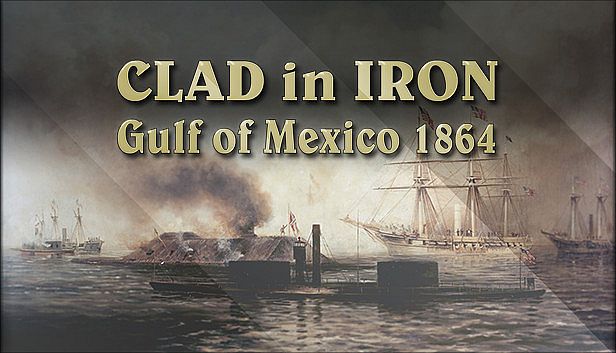













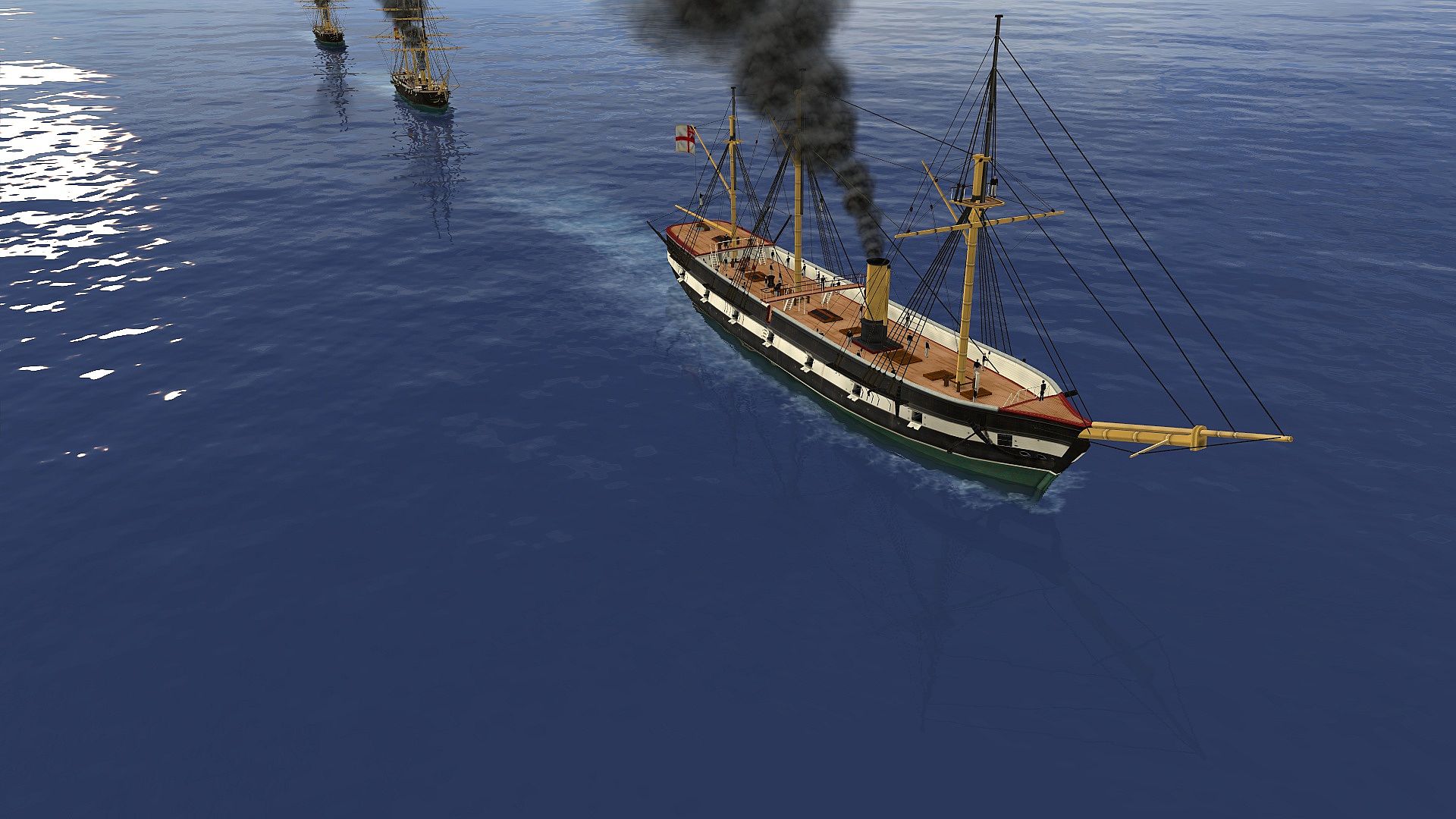
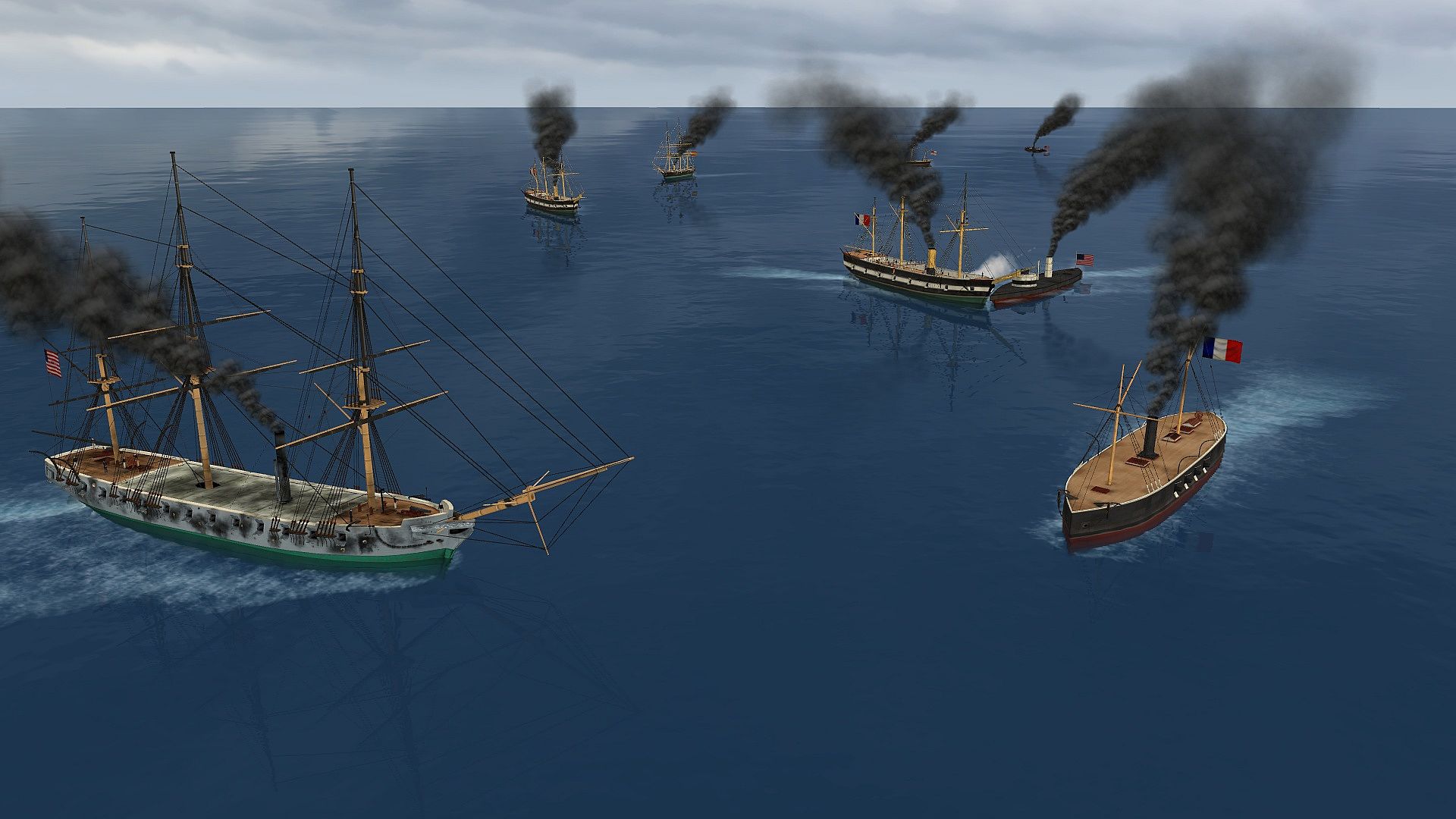
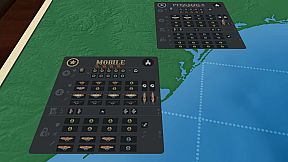
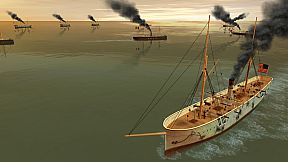
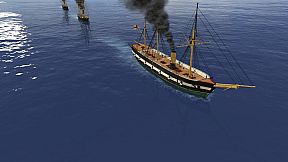
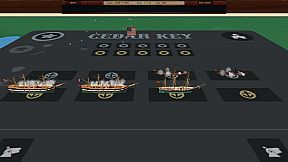
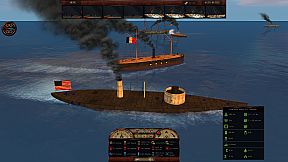
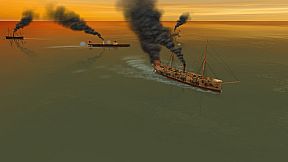
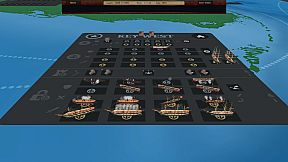
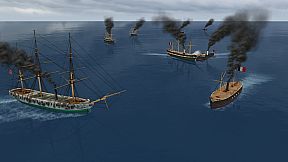
Clad in Iron: Gulf of Mexico 1864 is a strategy and simulation title set in an alternate history version of the American Civil War. Players command naval forces in a conflict where European powers intervene to support the Confederacy against the Union in the Gulf of Mexico region during 1864.
Gameplay
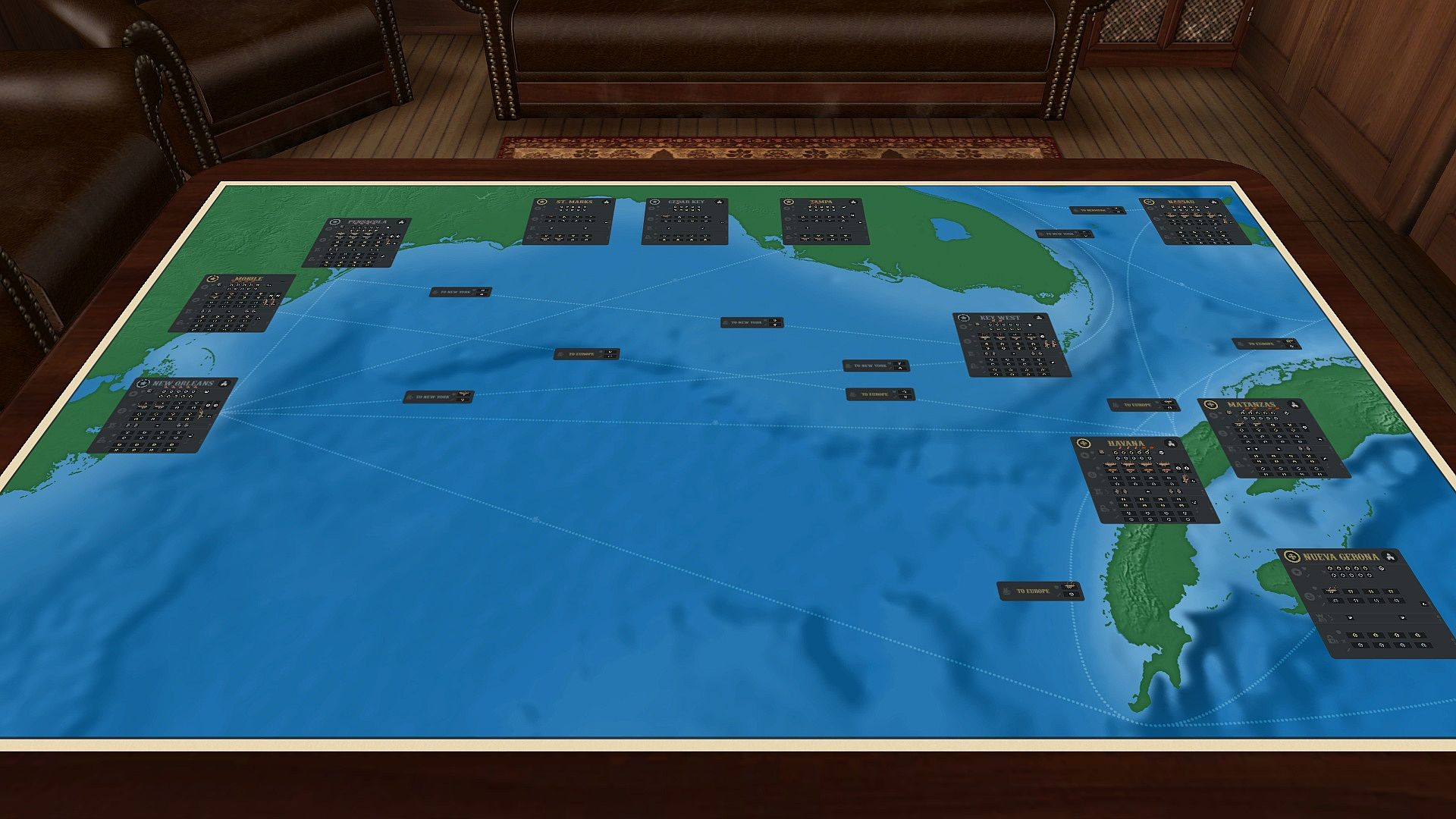
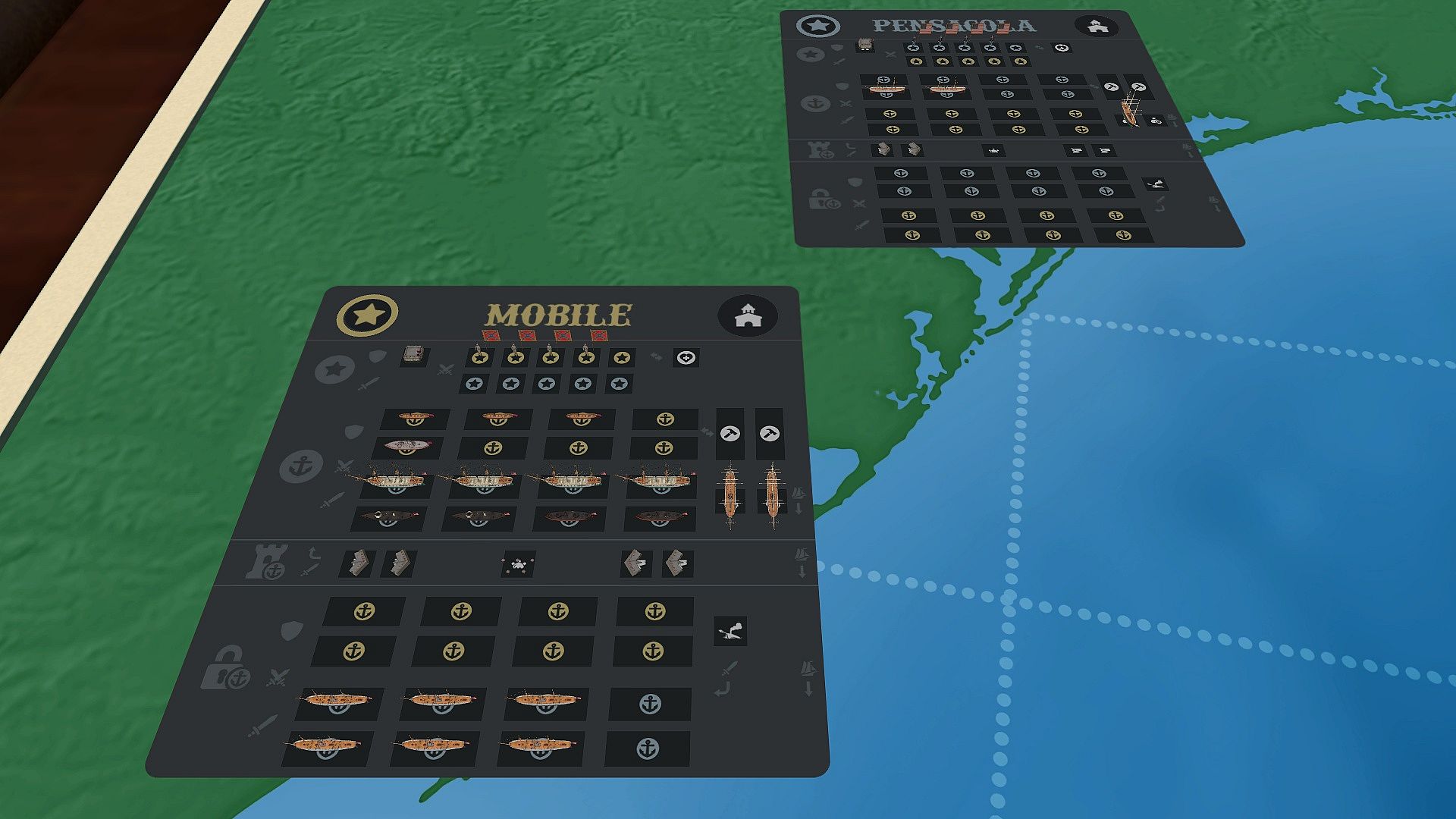
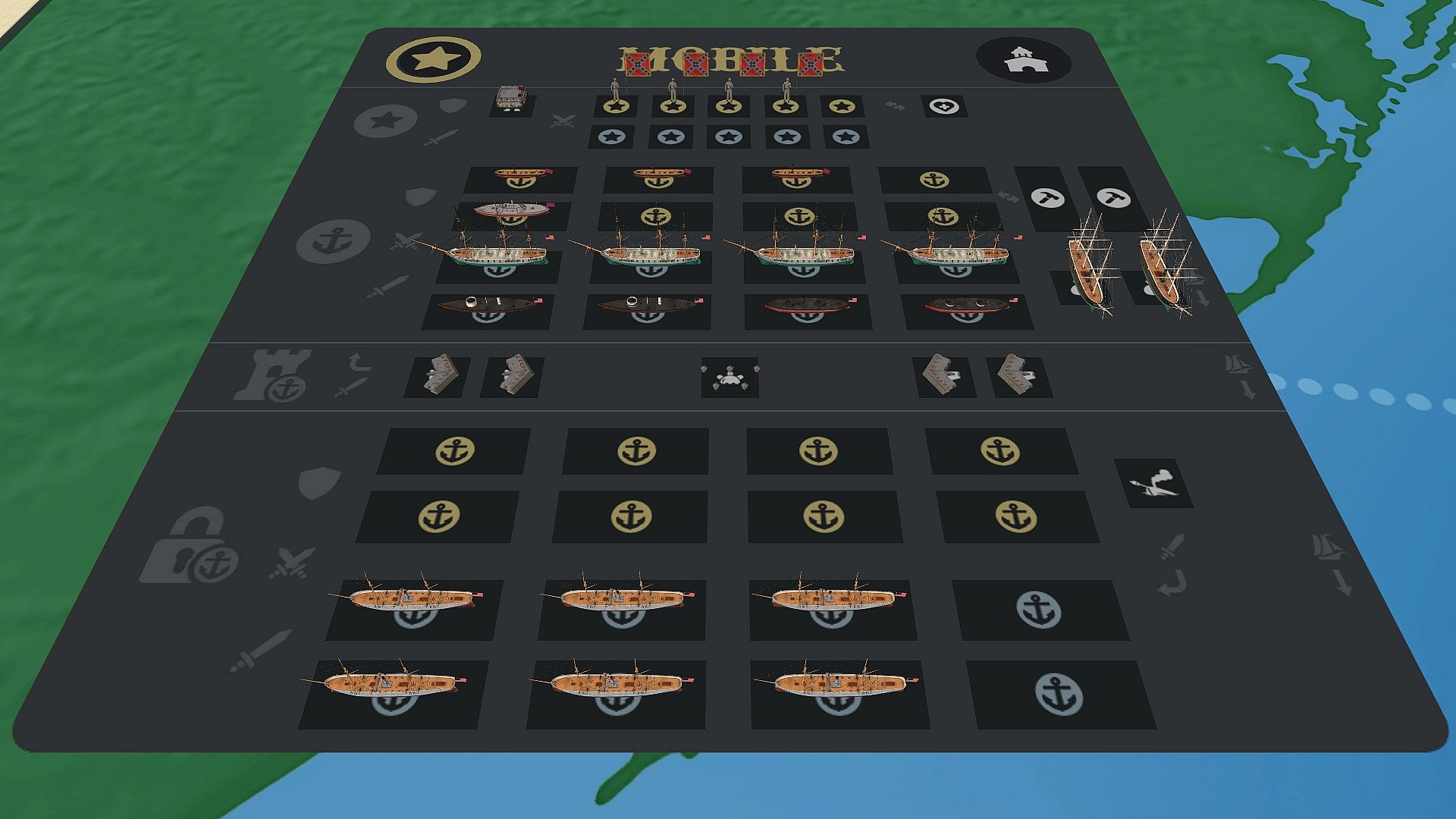
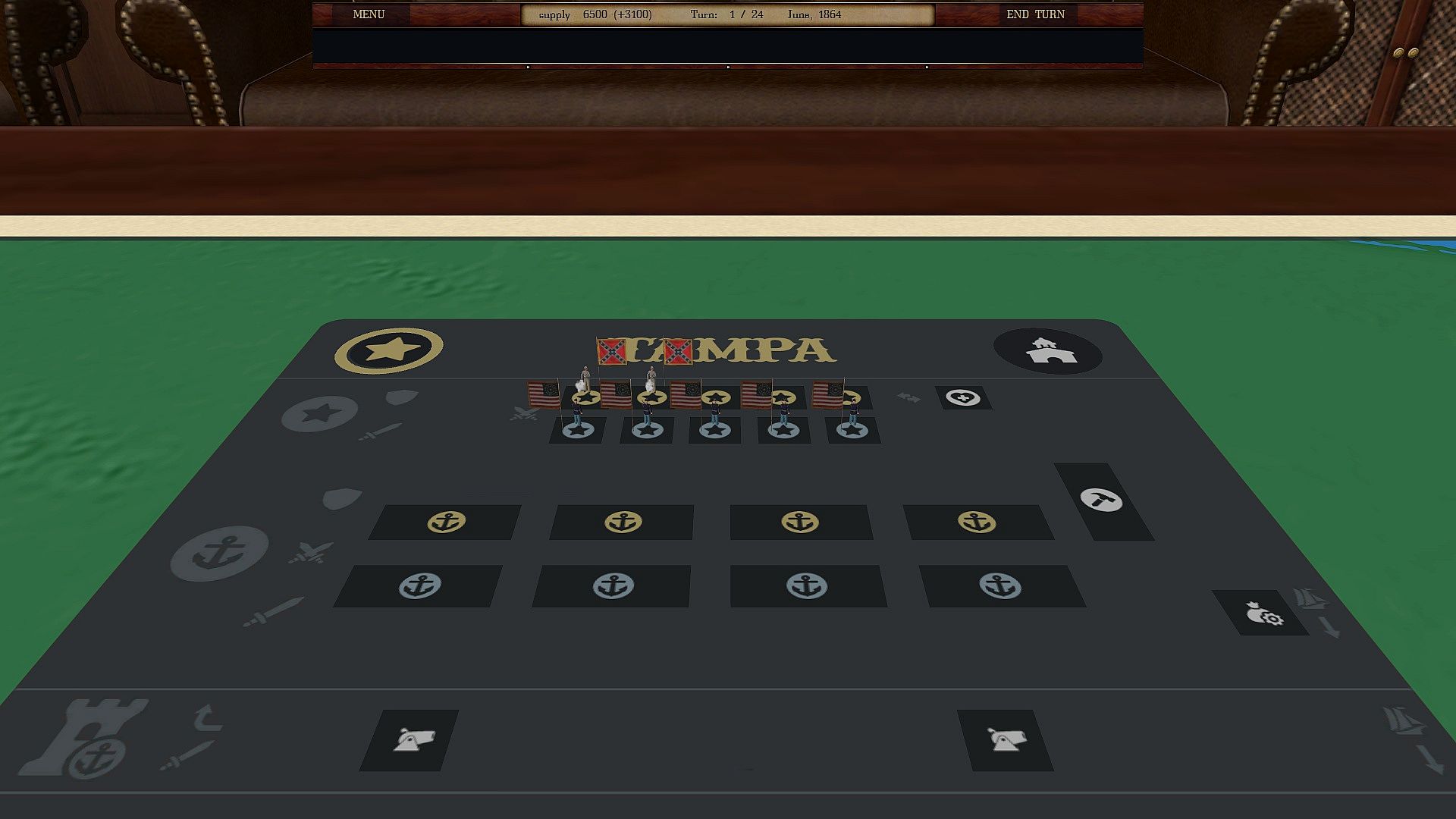
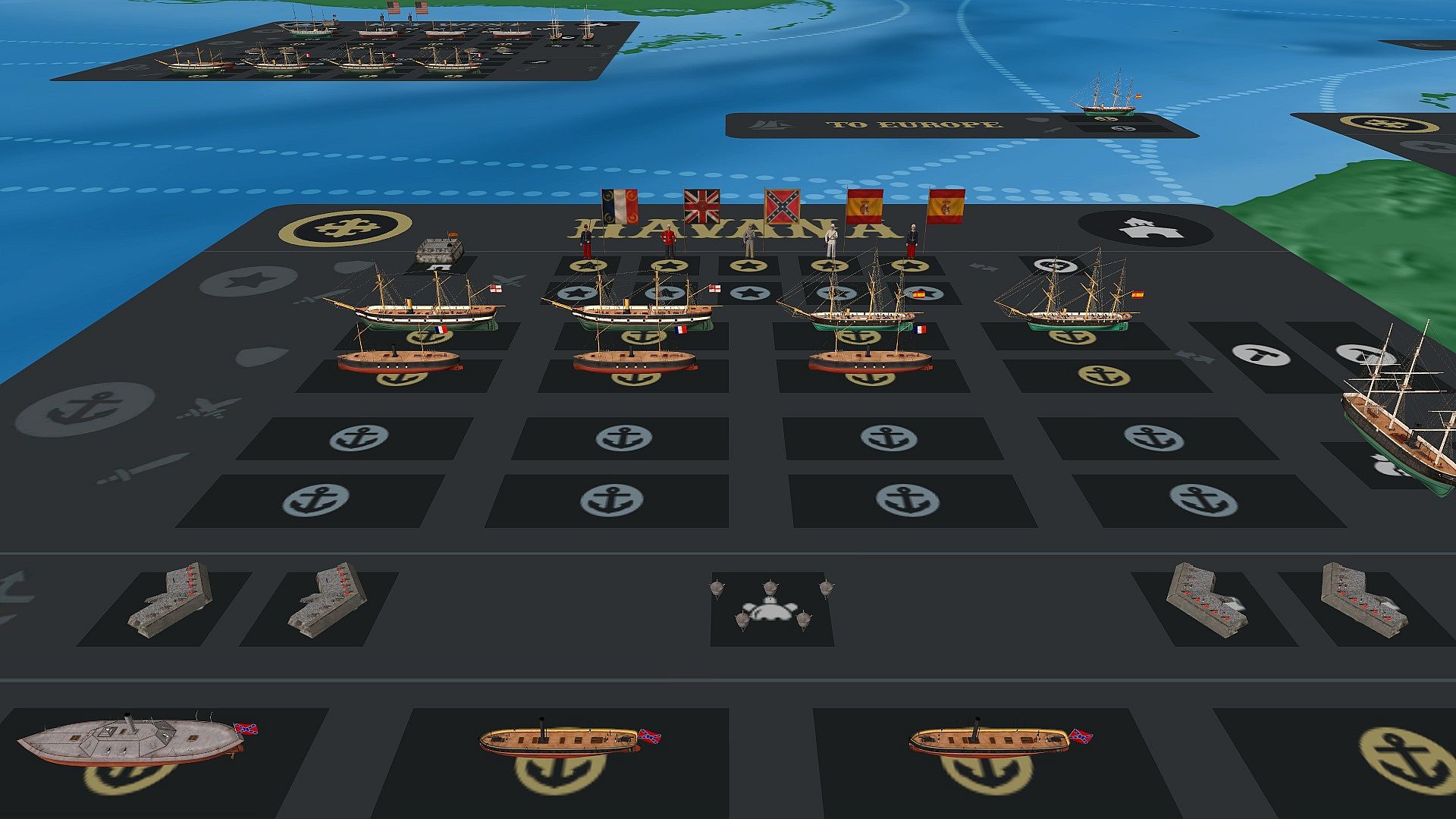
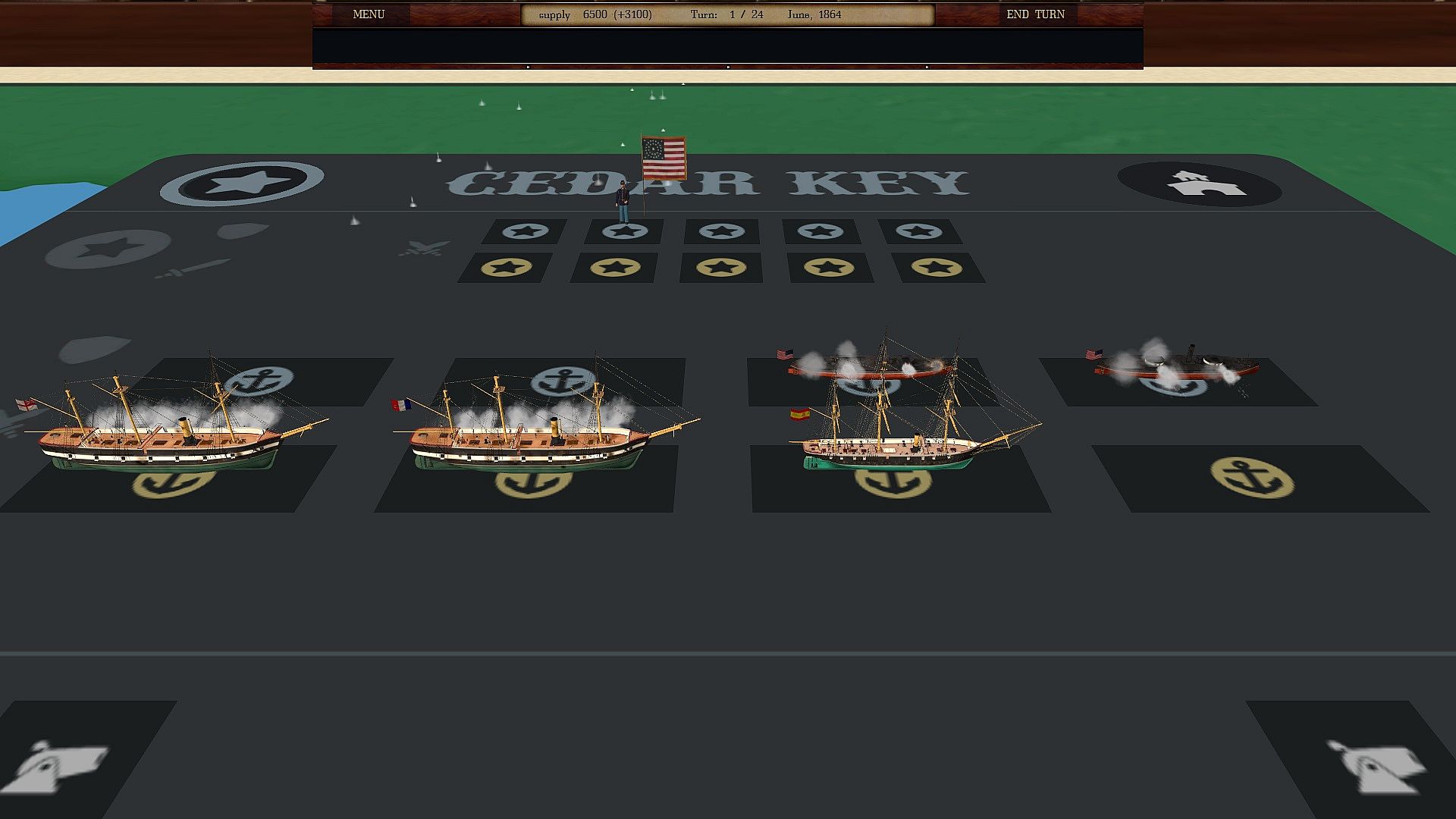
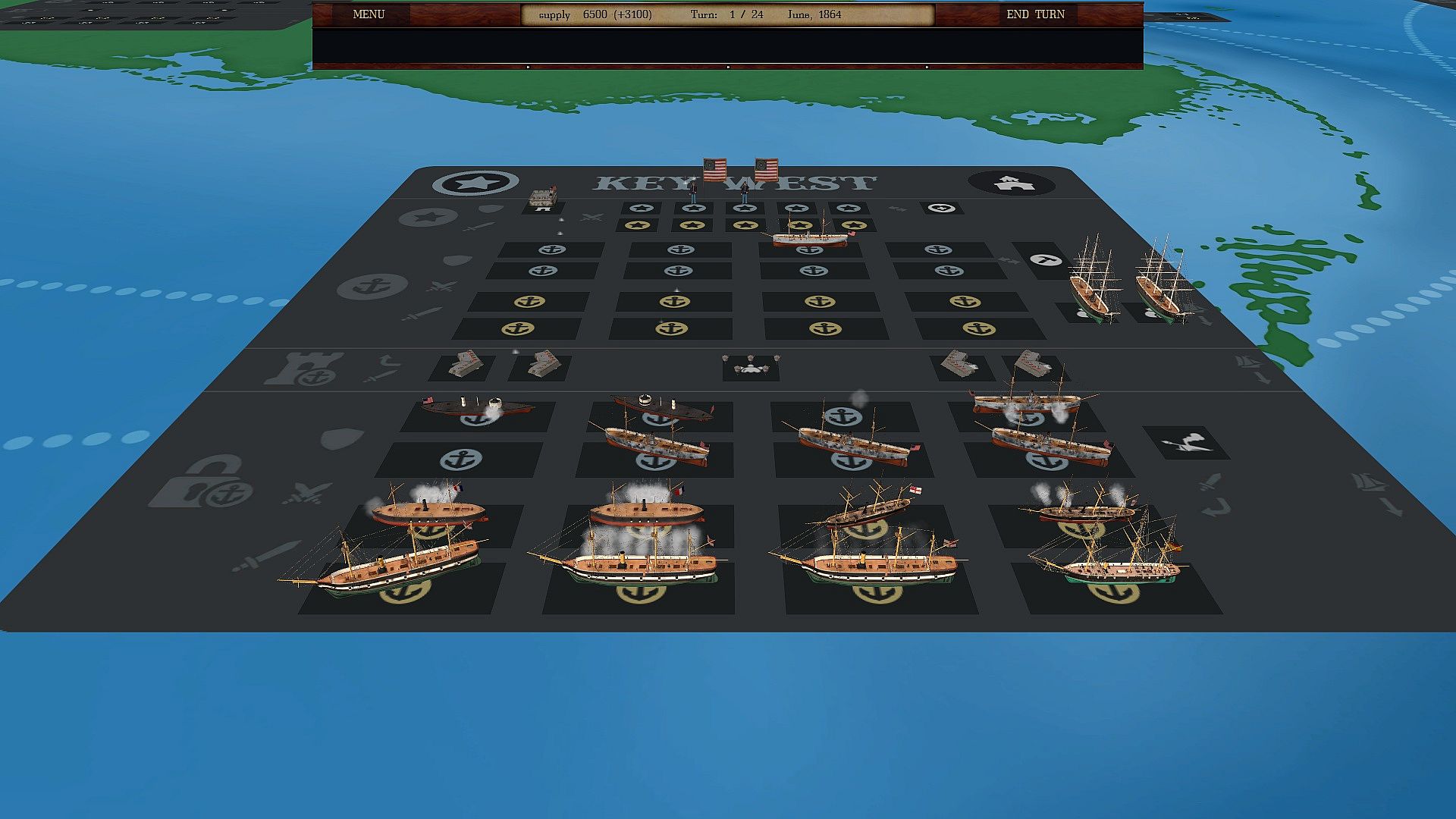
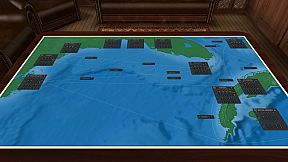
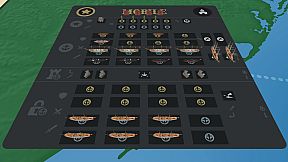
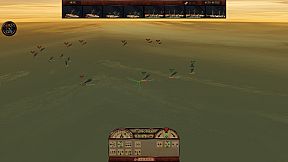
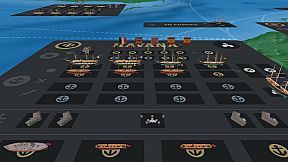
The core loop centers on fleet management across a strategic layer and direct control during engagements. On the strategic map, players direct squadrons to hunt opposing fleets, protect trade routes through blockades, conduct amphibious landings, and lay siege to harbors. Weak units can be withdrawn to safe ports while awaiting reinforcements. Ship selection draws from realistic models with distinct characteristics, and crews gain experience over time to improve performance in subsequent actions.
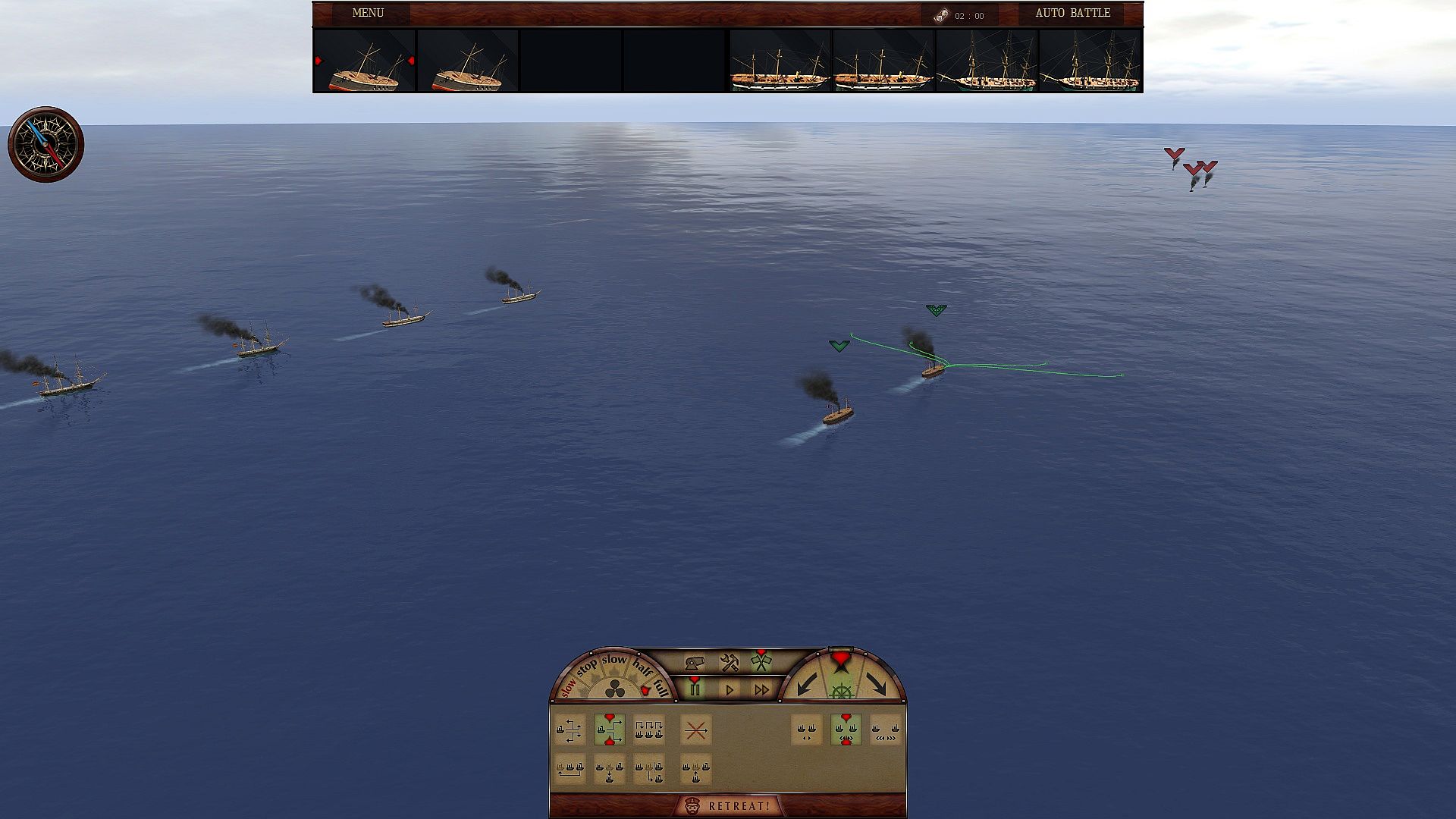
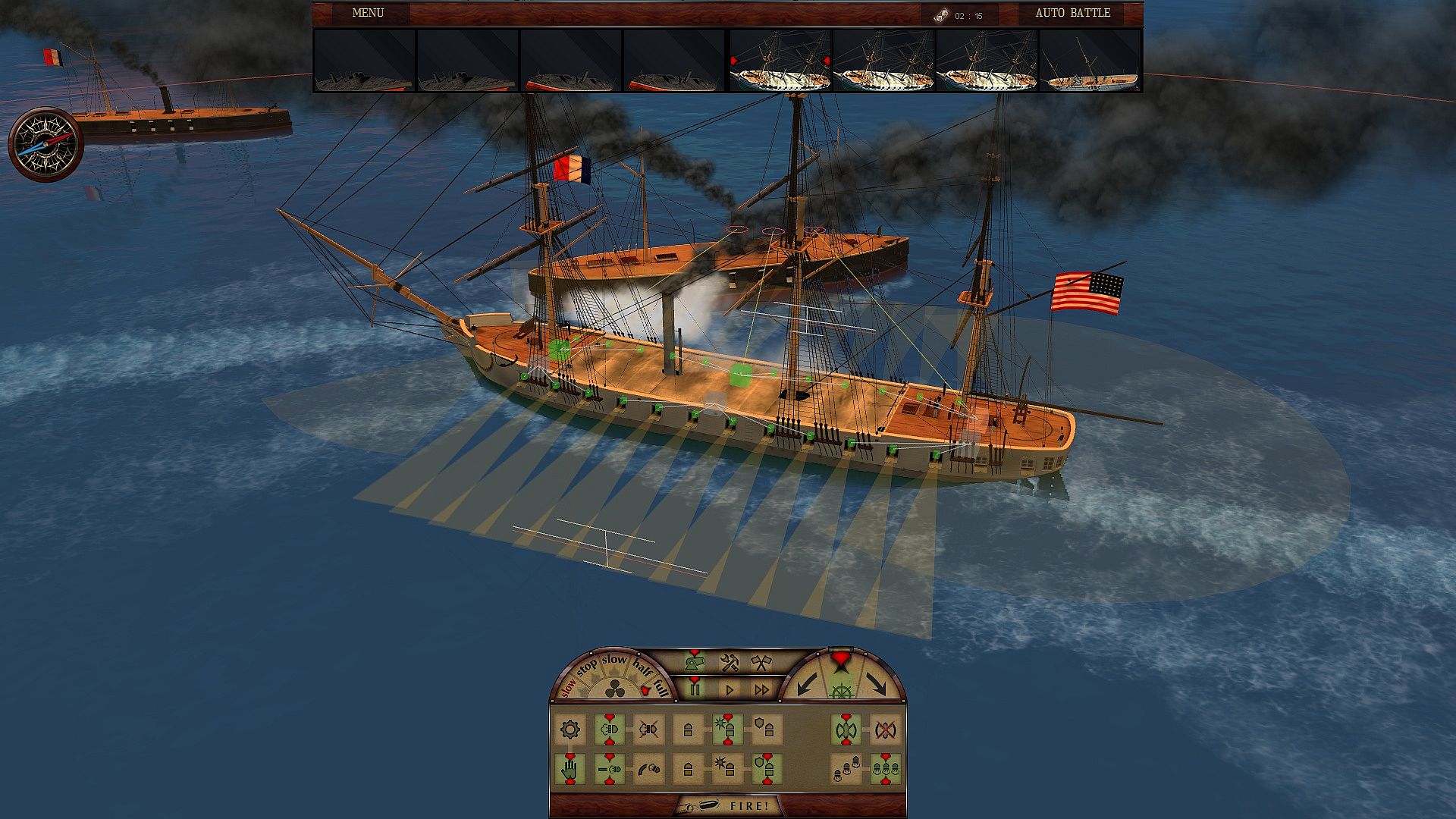
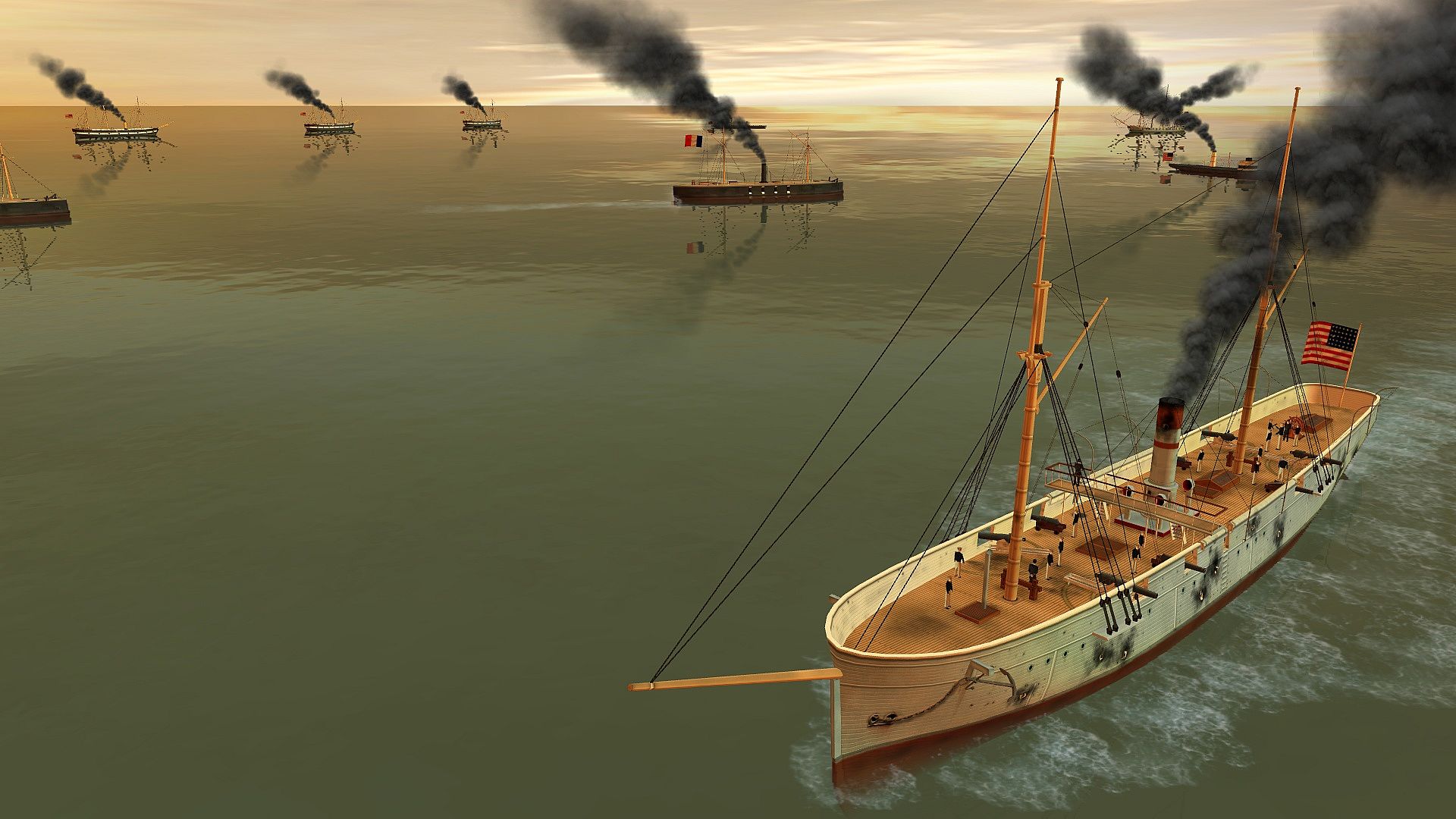
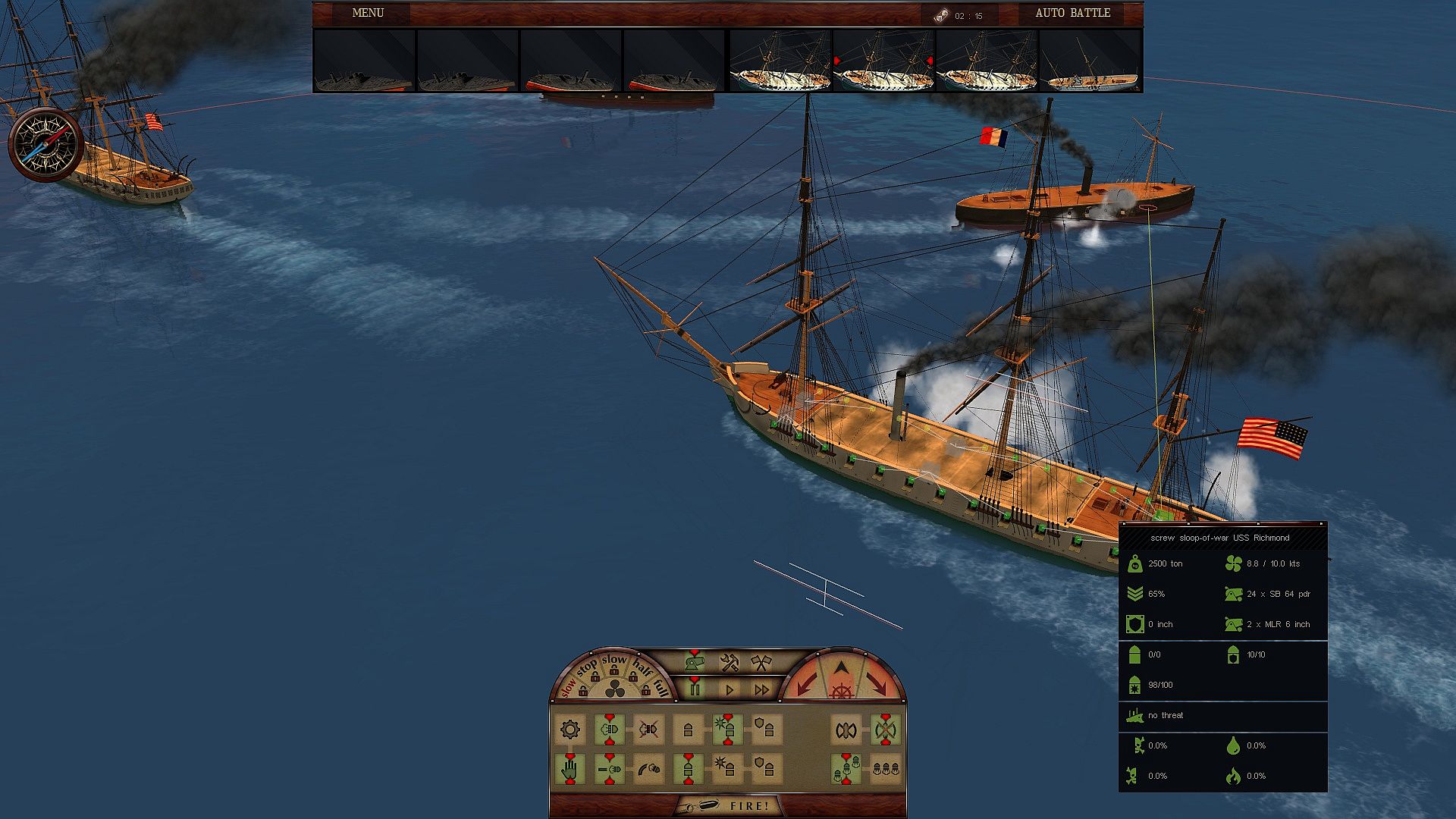
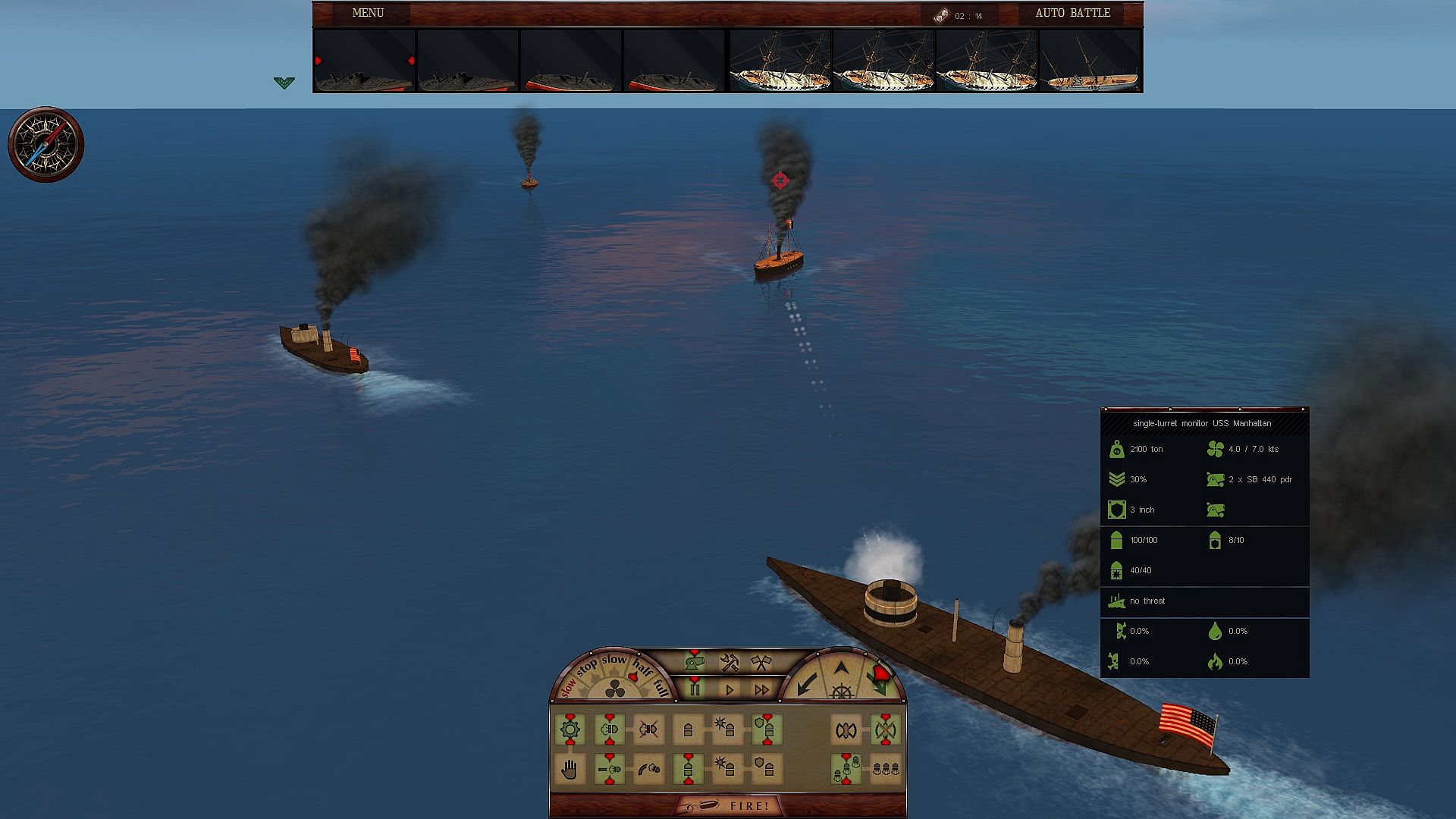
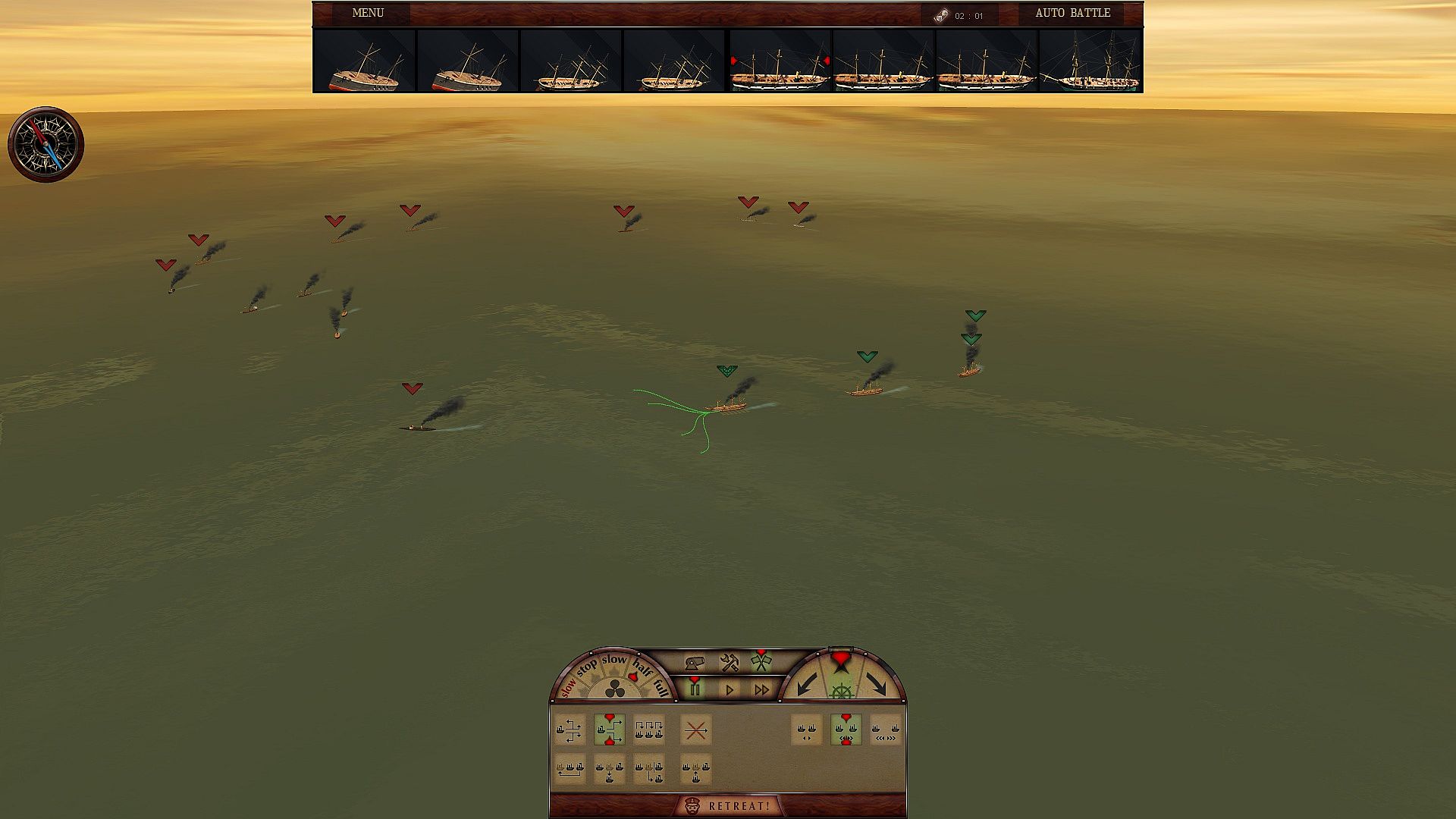
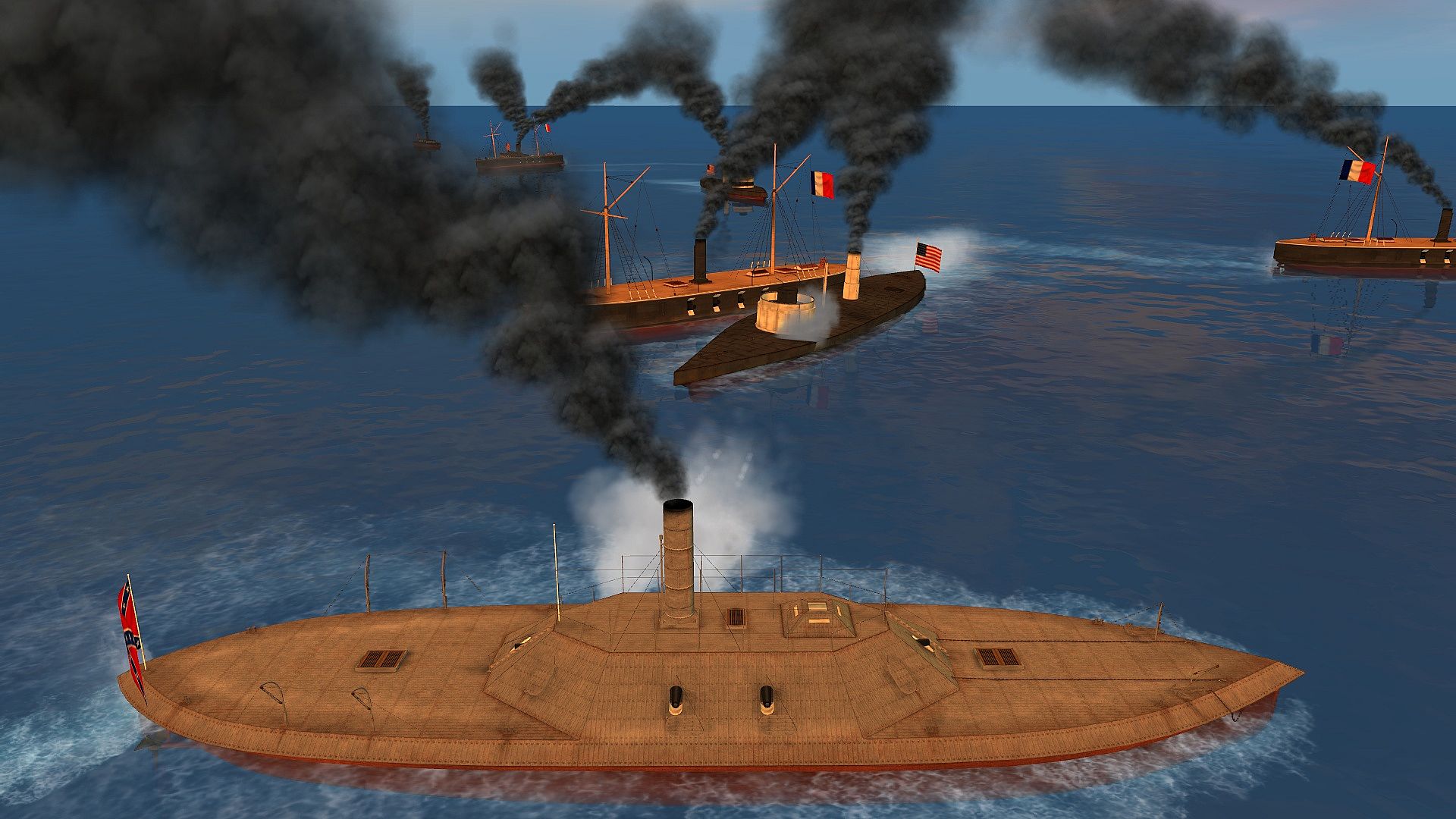
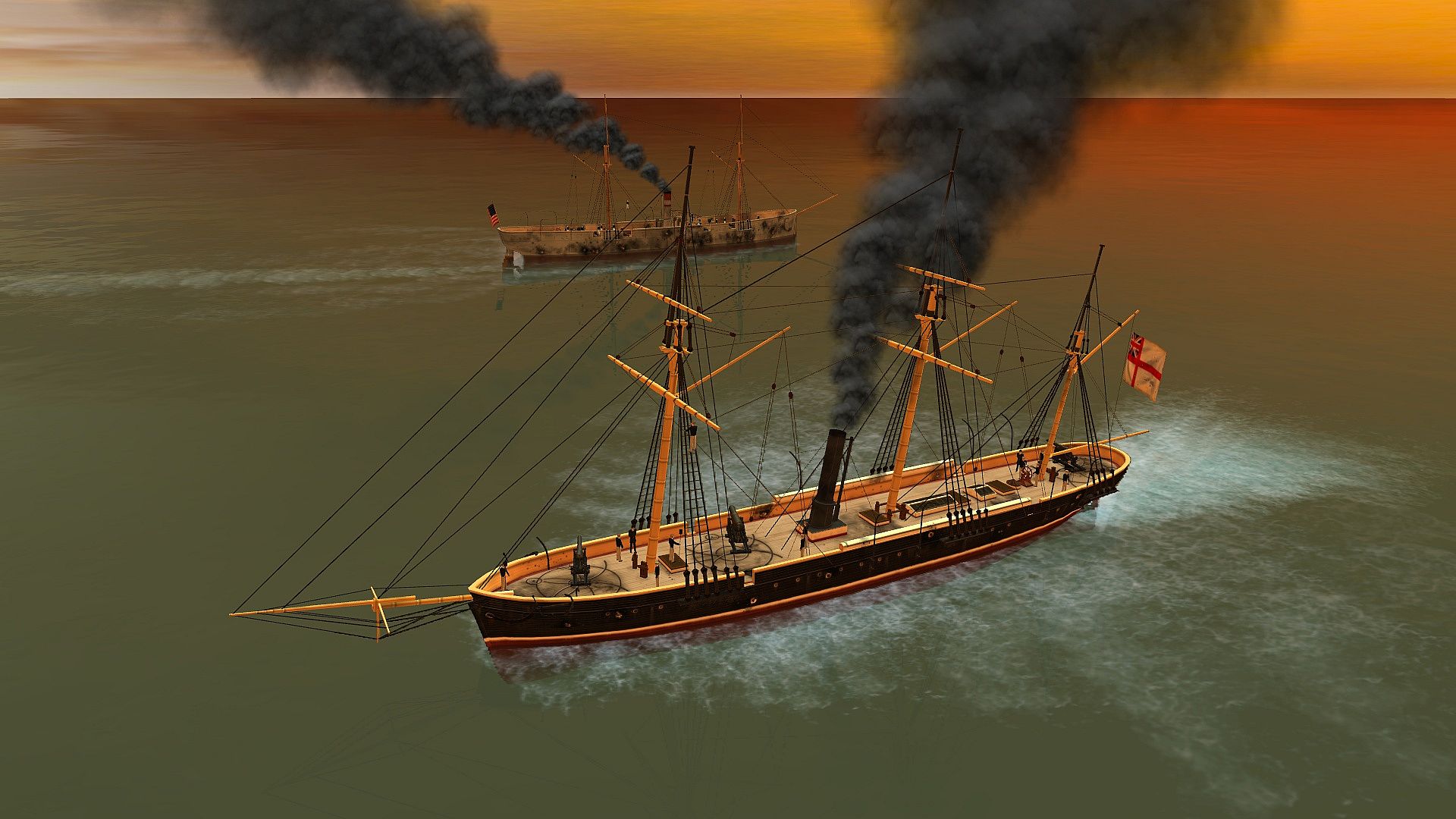
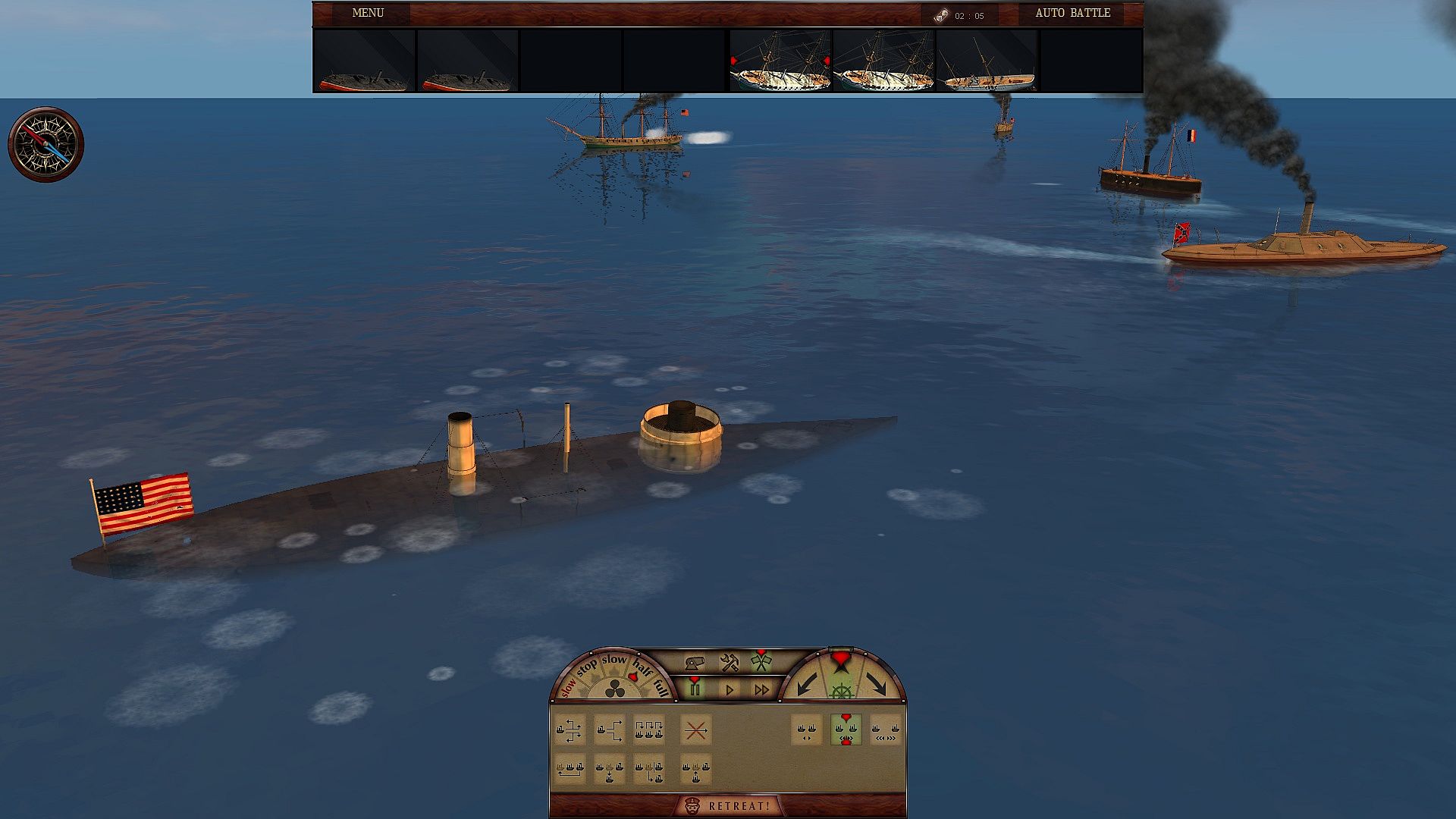
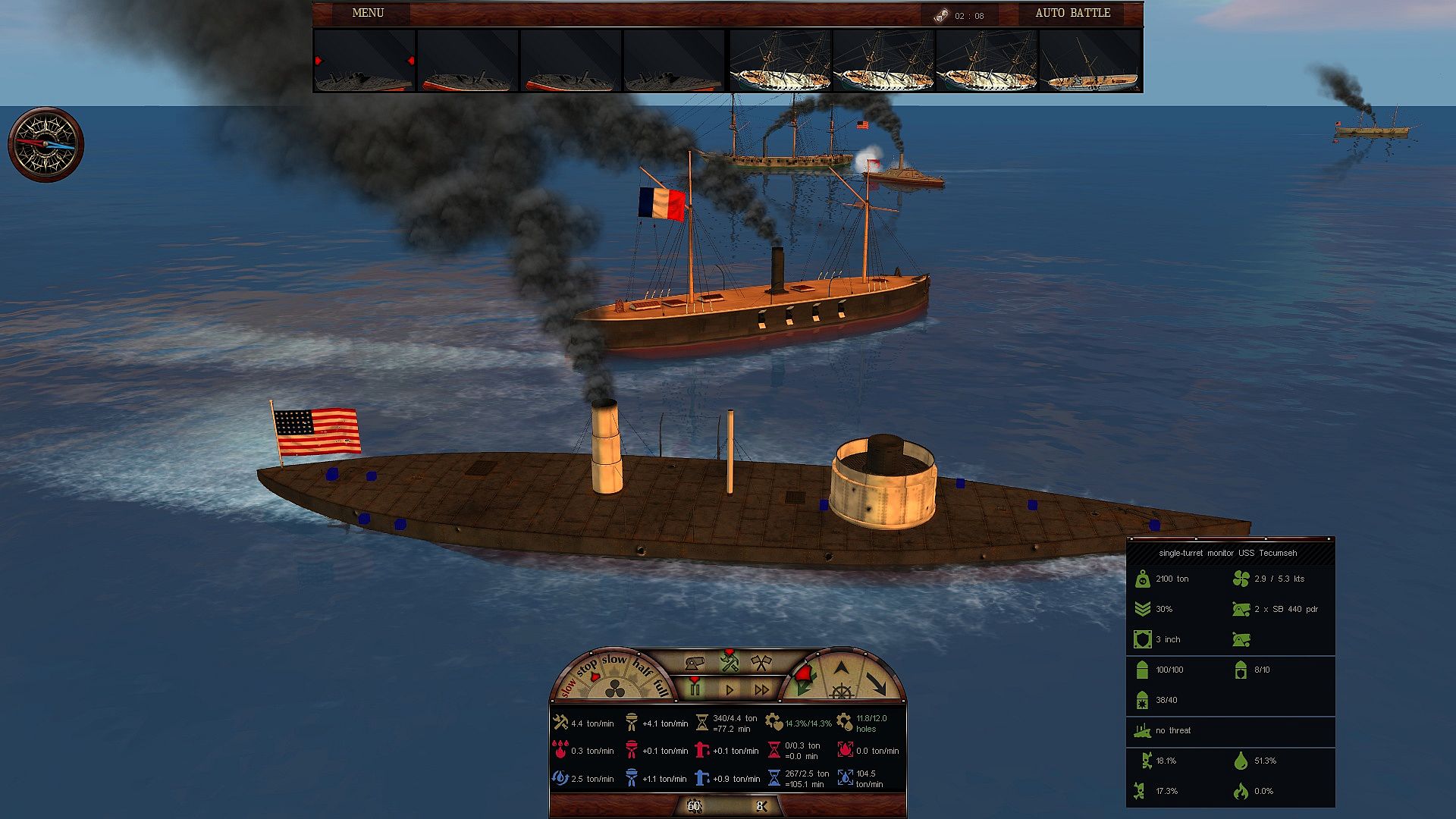
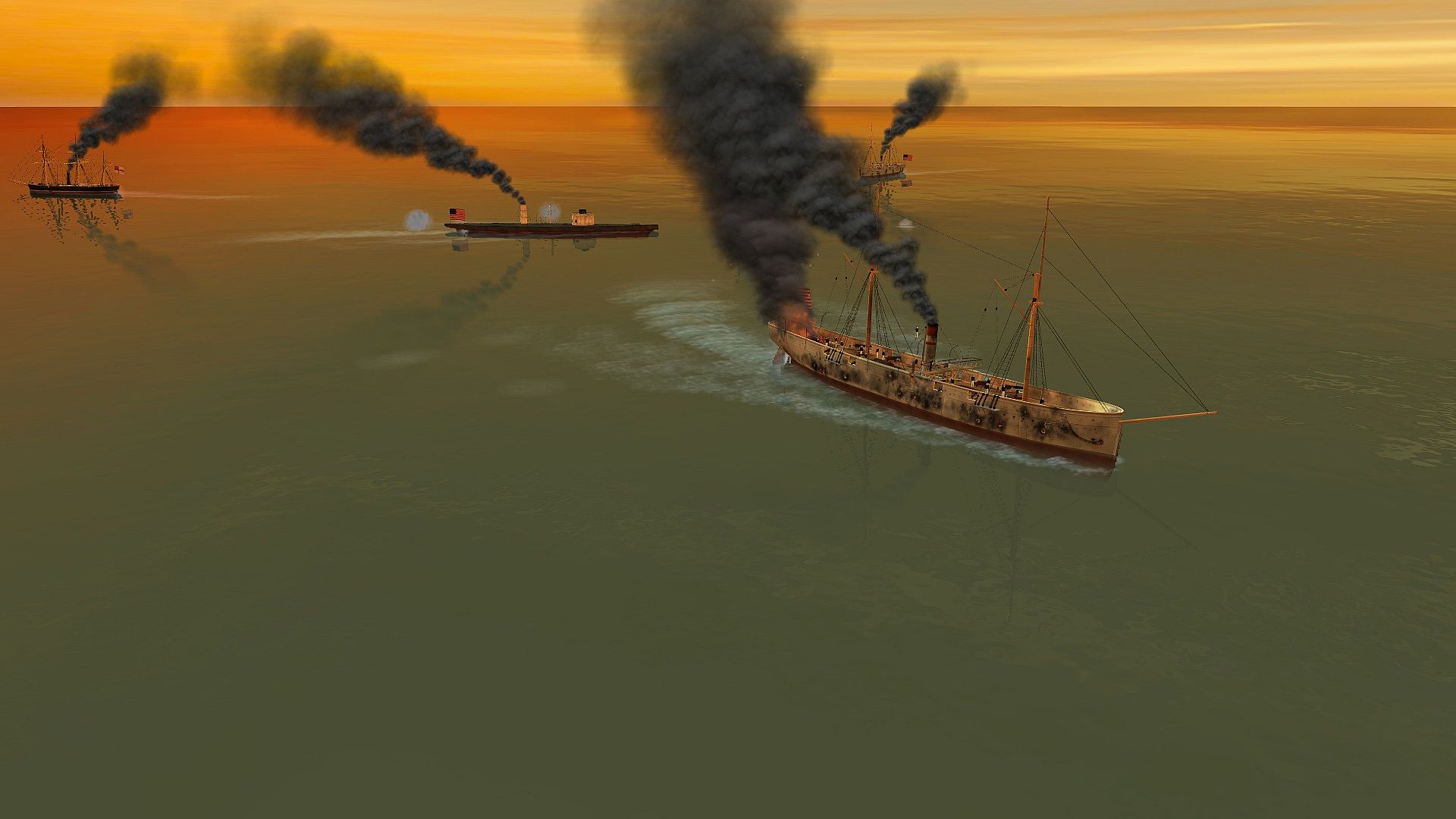
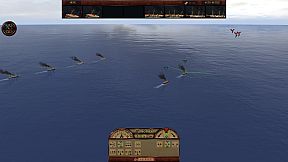
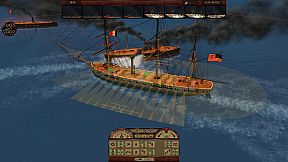
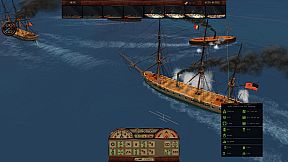
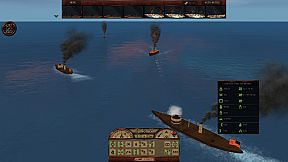
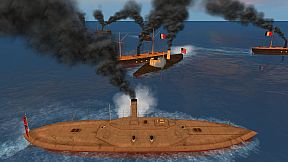
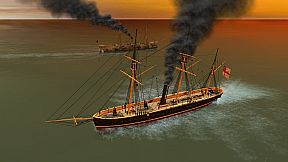
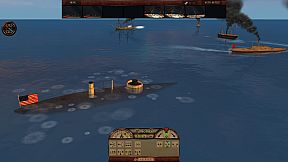
Combat shifts to a real-time tactical mode where squadrons are arranged in formations. Ballistics and weapon systems follow modeled physics, requiring attention to positioning, range, and armor angles. Ironclad vessels emphasize steam power and heavy plating, altering how engagements unfold compared to wooden ships. The absence of an interactive tutorial means players rely on a textual manual to learn these systems.
Game Modes
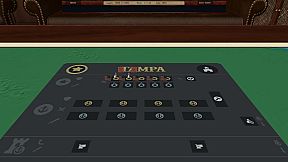
Two primary modes define the experience. The turn-based strategic mode handles the broader campaign, covering fleet movements, resource considerations, and territorial control across the Gulf theater. Decisions here determine when and where battles occur.
The real-time tactical battle mode resolves individual fights. Players organize groups, issue formation orders, and manage ships under fire with emphasis on accurate gunnery and damage allocation. These modes alternate to create a complete loop of planning and execution without additional named variants.
Alternate History Setting
The scenario begins with historical context around Mobile as the Confederacy's final major Gulf seaport in summer 1864. Union forces under David Farragut receive ironclad reinforcements following earlier campaigns. The divergence occurs when France, Britain, and Spain launch a preemptive intervention to shield the Confederacy from northern advances, motivated by their own regional interests in Mexico, Cuba, and Central America. This setup places players in command of either side amid expanded naval confrontations involving ironclads and European squadrons.
Is It Worth Playing?
The game appeals to players who seek detailed naval strategy that blends map-level planning with tactical ship handling. Its 2017 release maintains a small but consistently positive reception, holding a 100 percent approval rating across its 17 user reviews. Those reviews highlight the depth of the strategic systems once players adapt to the mechanics, though some note that real-time battles can extend in length.
Availability on PC supports single-player focus without multiplayer elements. The title suits enthusiasts of historical naval wargames who value realistic ship modeling and alternate-history campaigns over fast-paced action or extensive tutorials. At its current price point, it offers a specialized challenge for those prepared to study the manual and experiment with fleet compositions and battle formations.