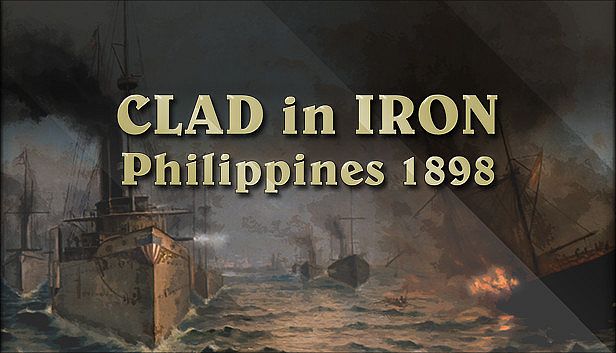












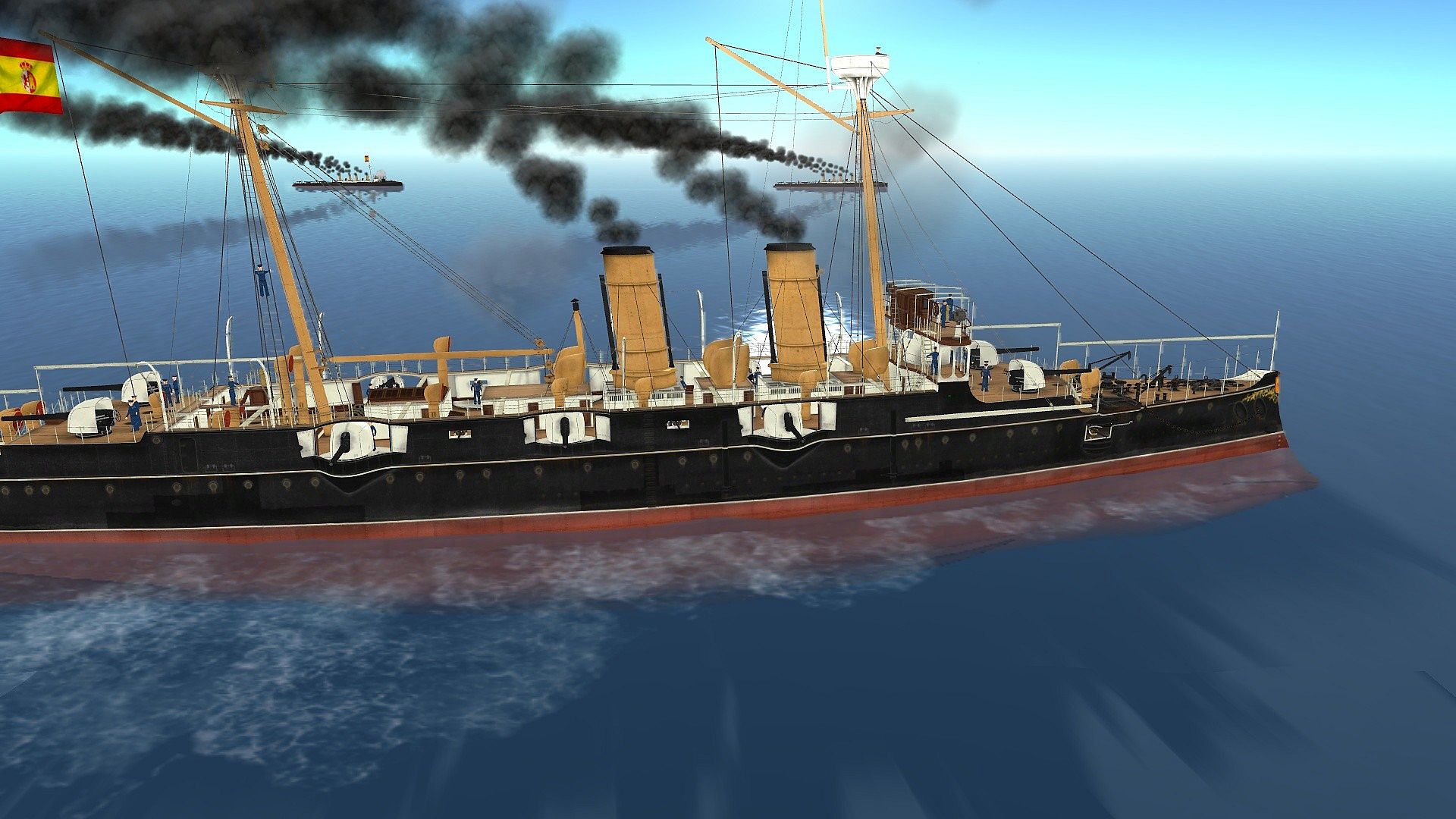
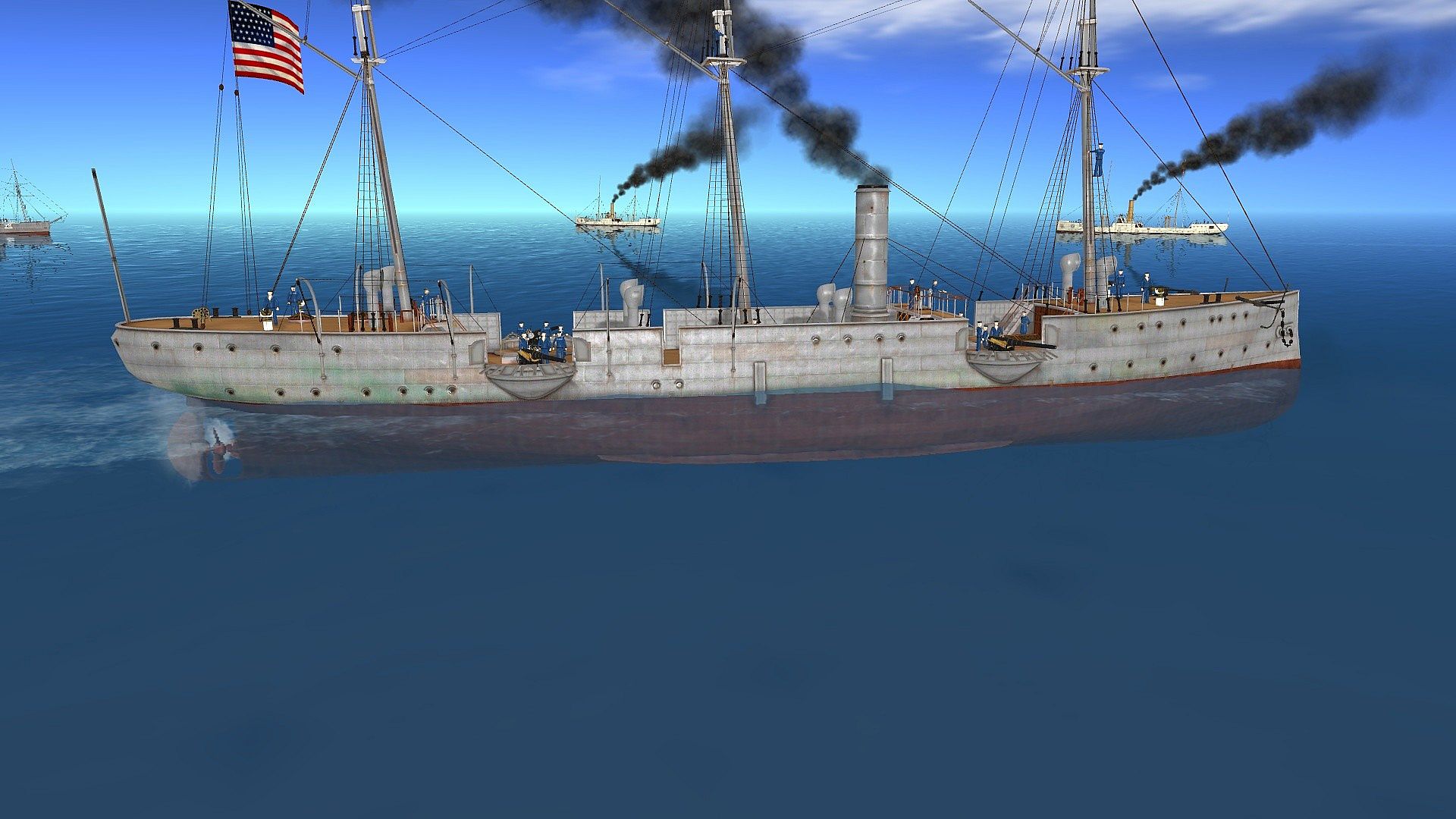
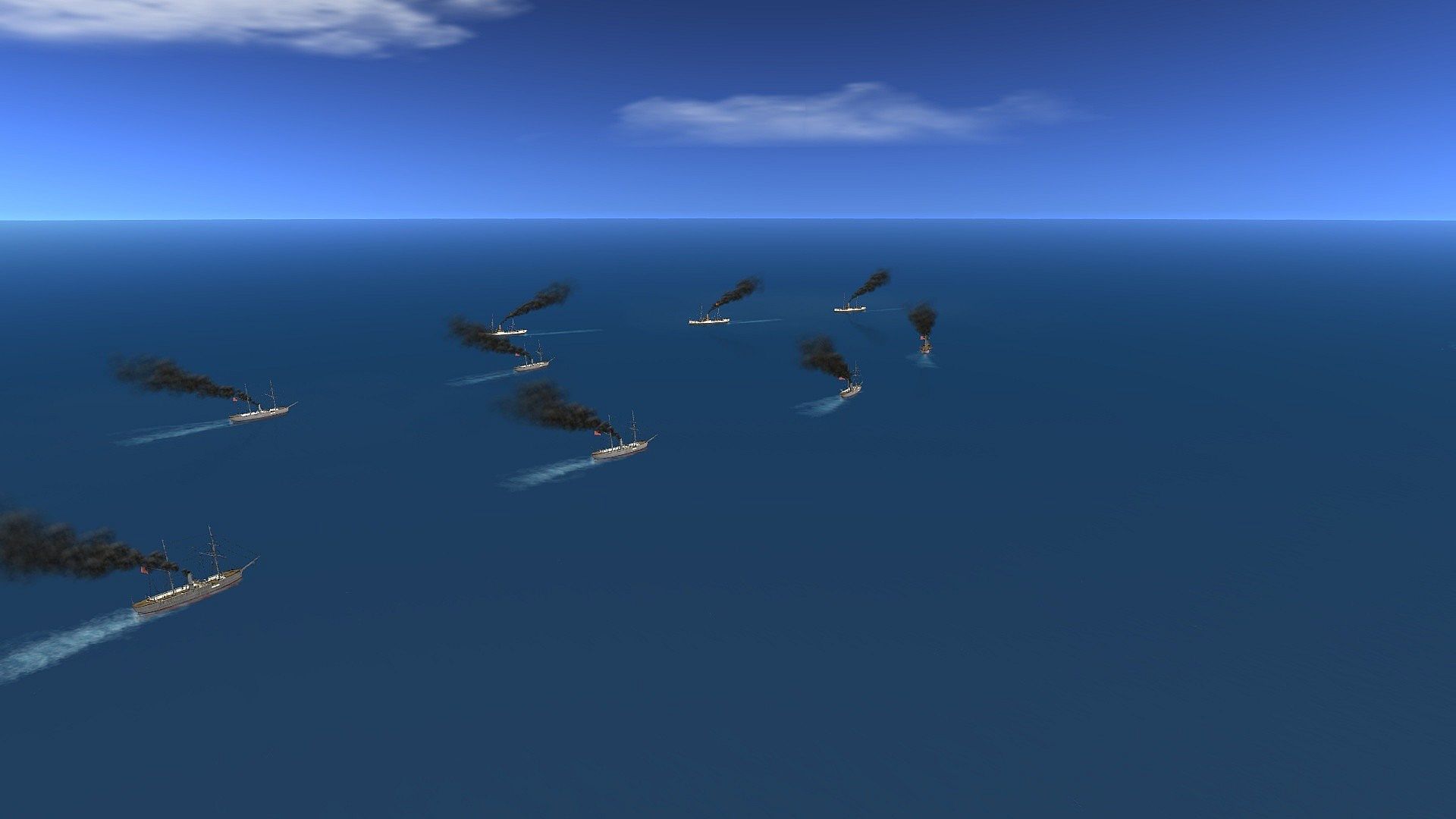
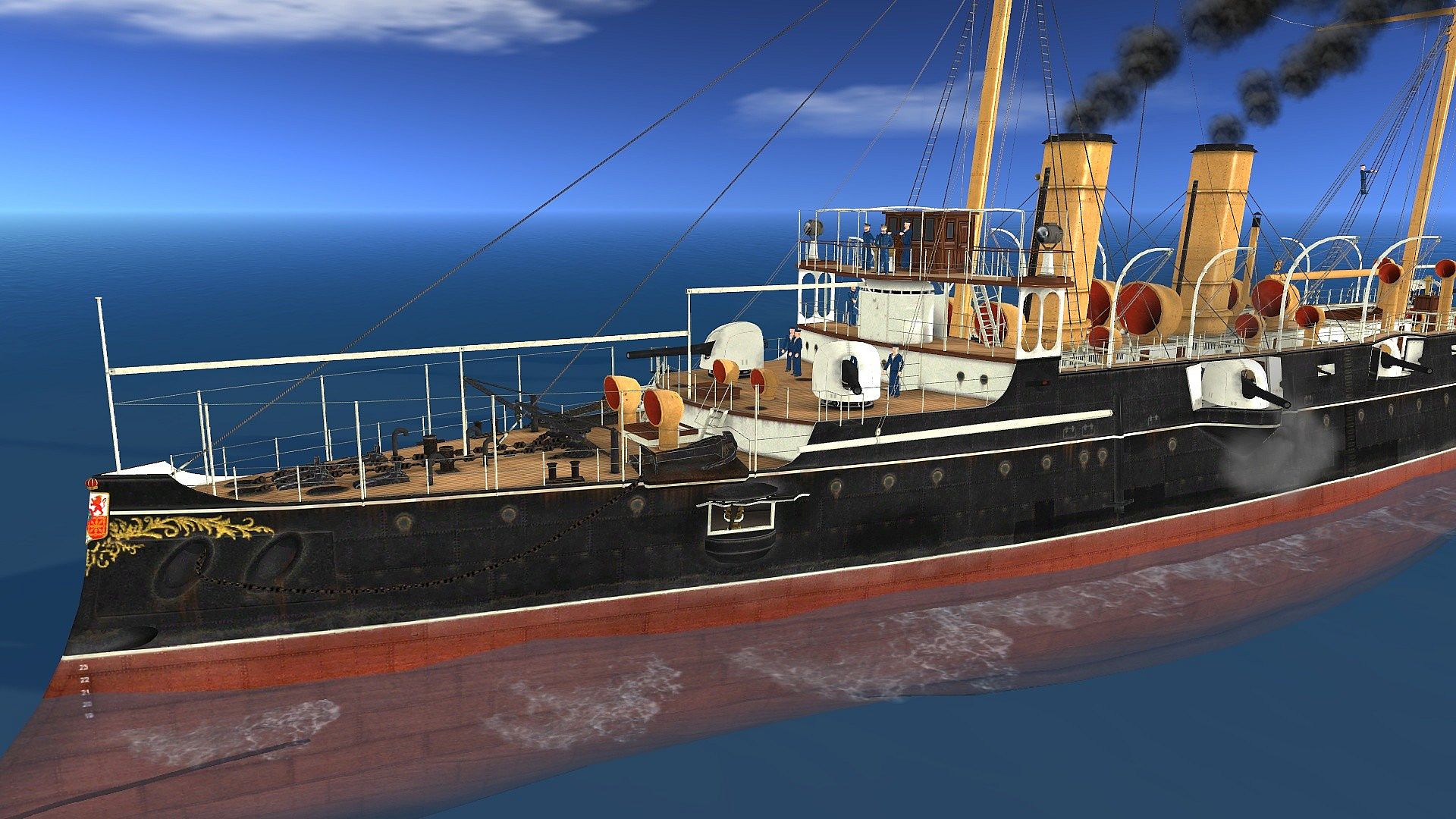
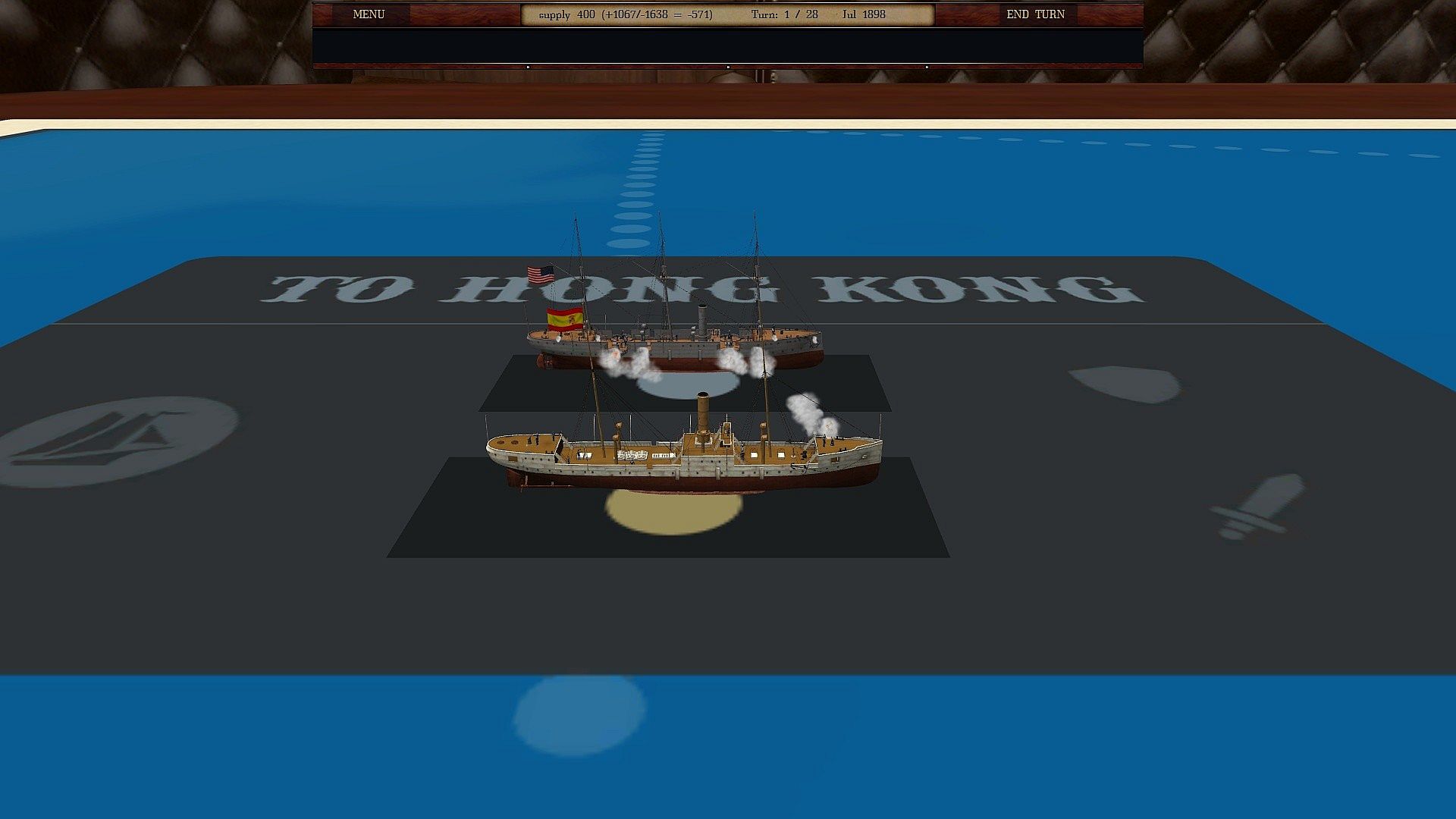
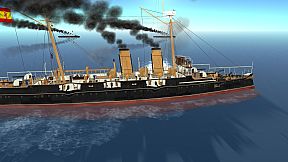
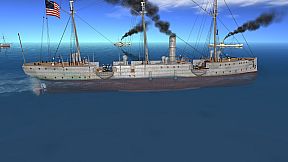

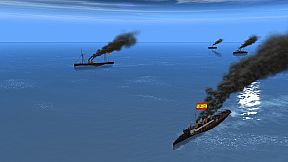
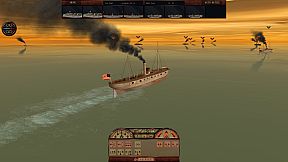
Clad in Iron: Philippines 1898 is a strategy and simulation title for PC that places players in command of naval forces during an alternate history version of the Spanish-American War. The game focuses on fleet management and maritime operations around the Philippines in 1898, where historical events diverge after the Battle of Manila Bay. Players handle both broad strategic decisions and detailed ship-to-ship combat in a setting that incorporates Spanish, American, and German naval elements.
Gameplay
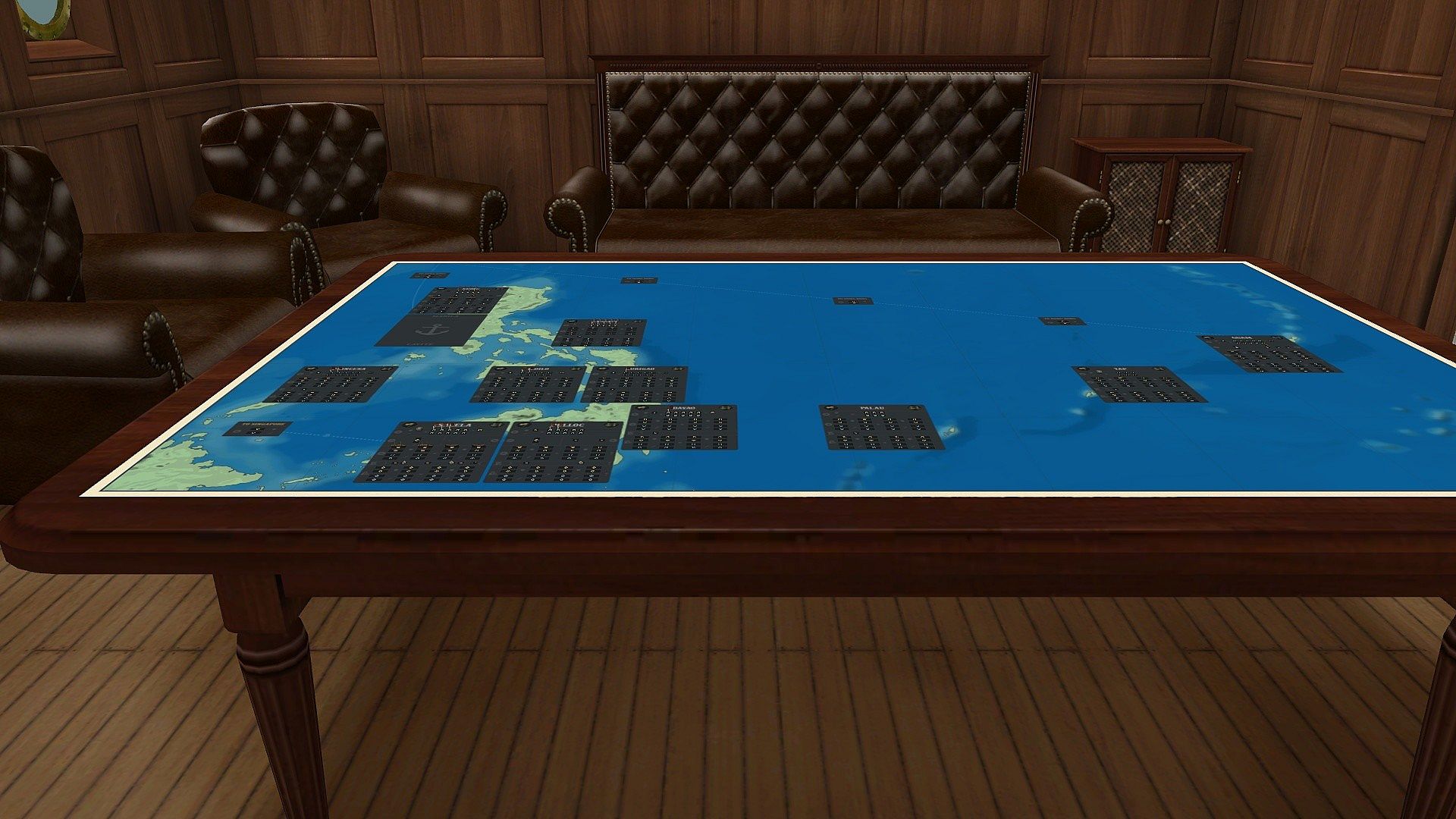
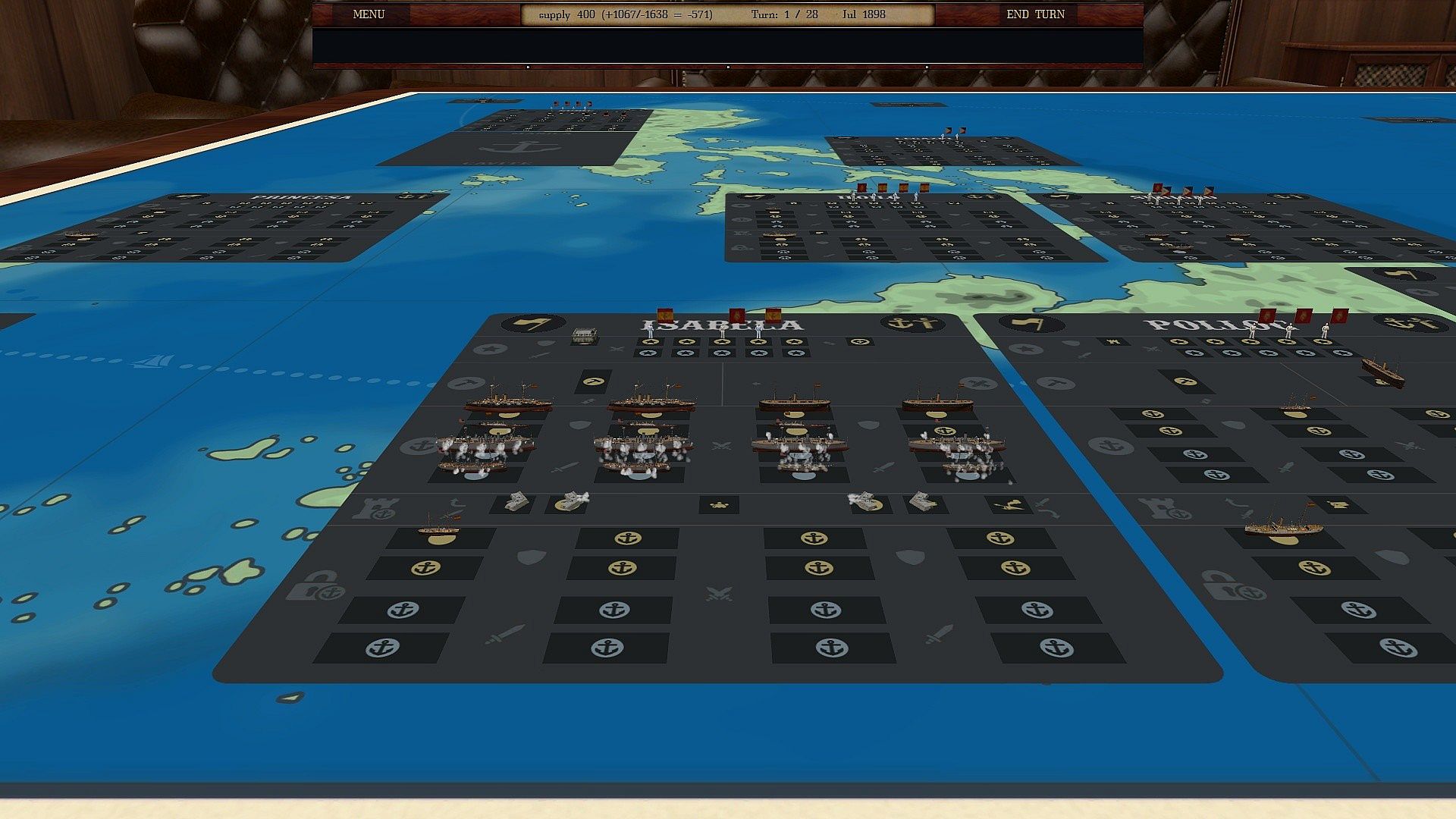
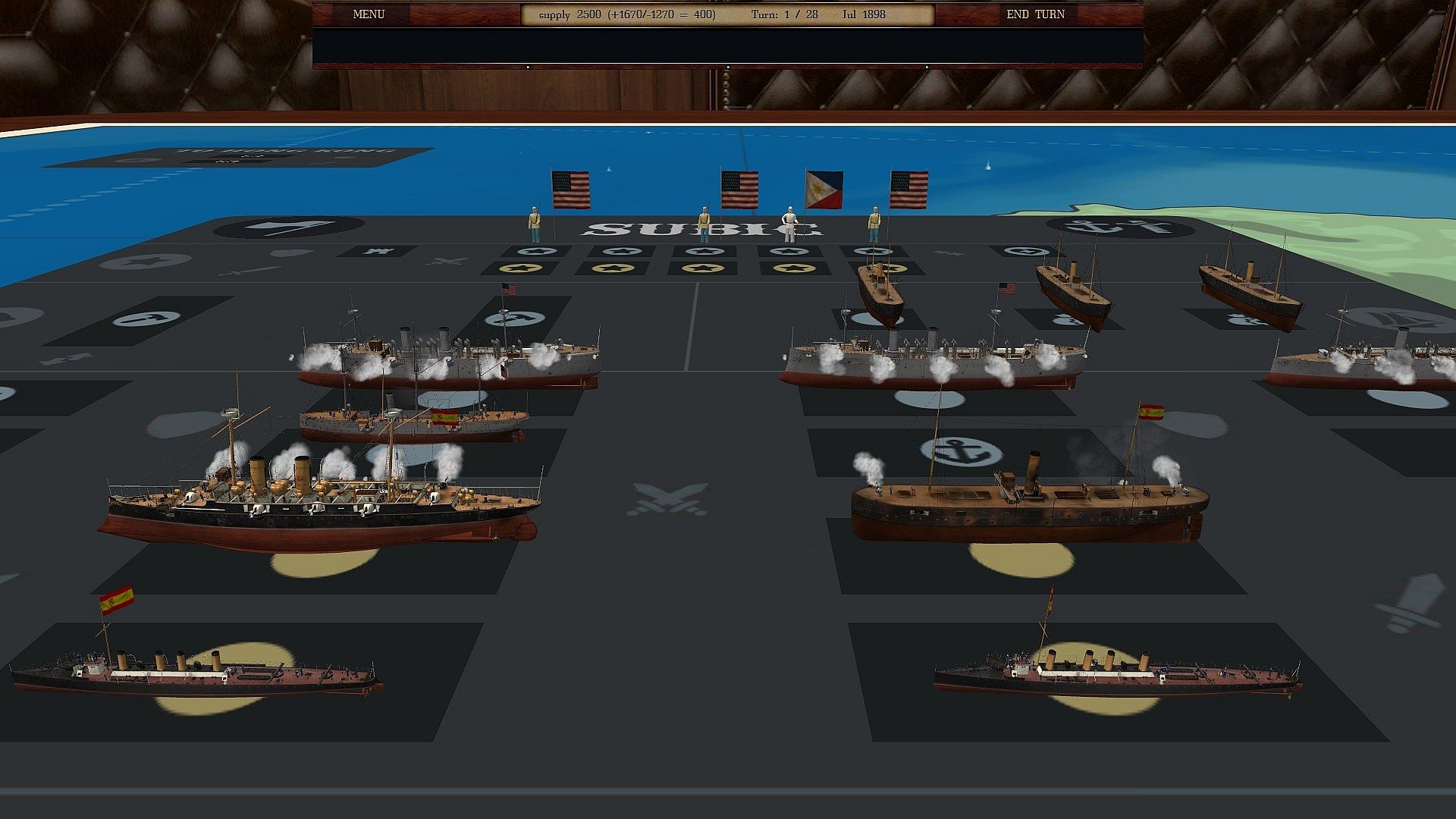
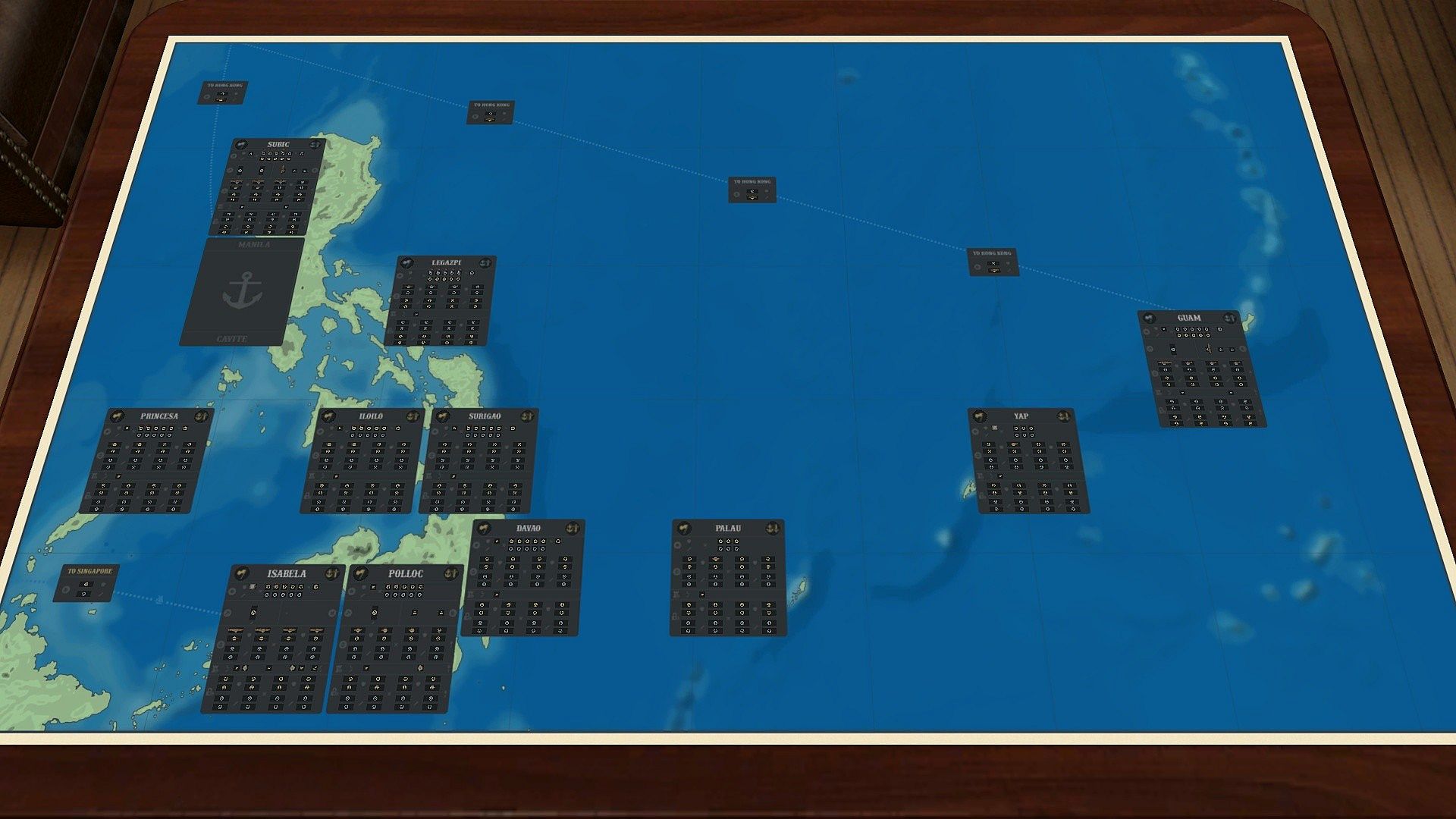
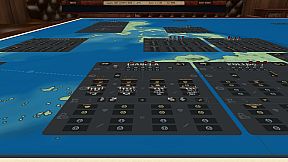
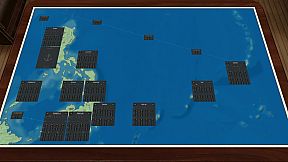
The core loop centers on overseeing a fleet and supporting army units across a map of the Philippine islands and surrounding waters. Players direct squadrons to locate and engage enemy vessels, position weaker forces in safe harbors for protection, and disrupt opposing supply lines through blockades. Amphibious landings and attacks on fortified ports form key objectives, requiring careful coordination of naval assets with ground forces.
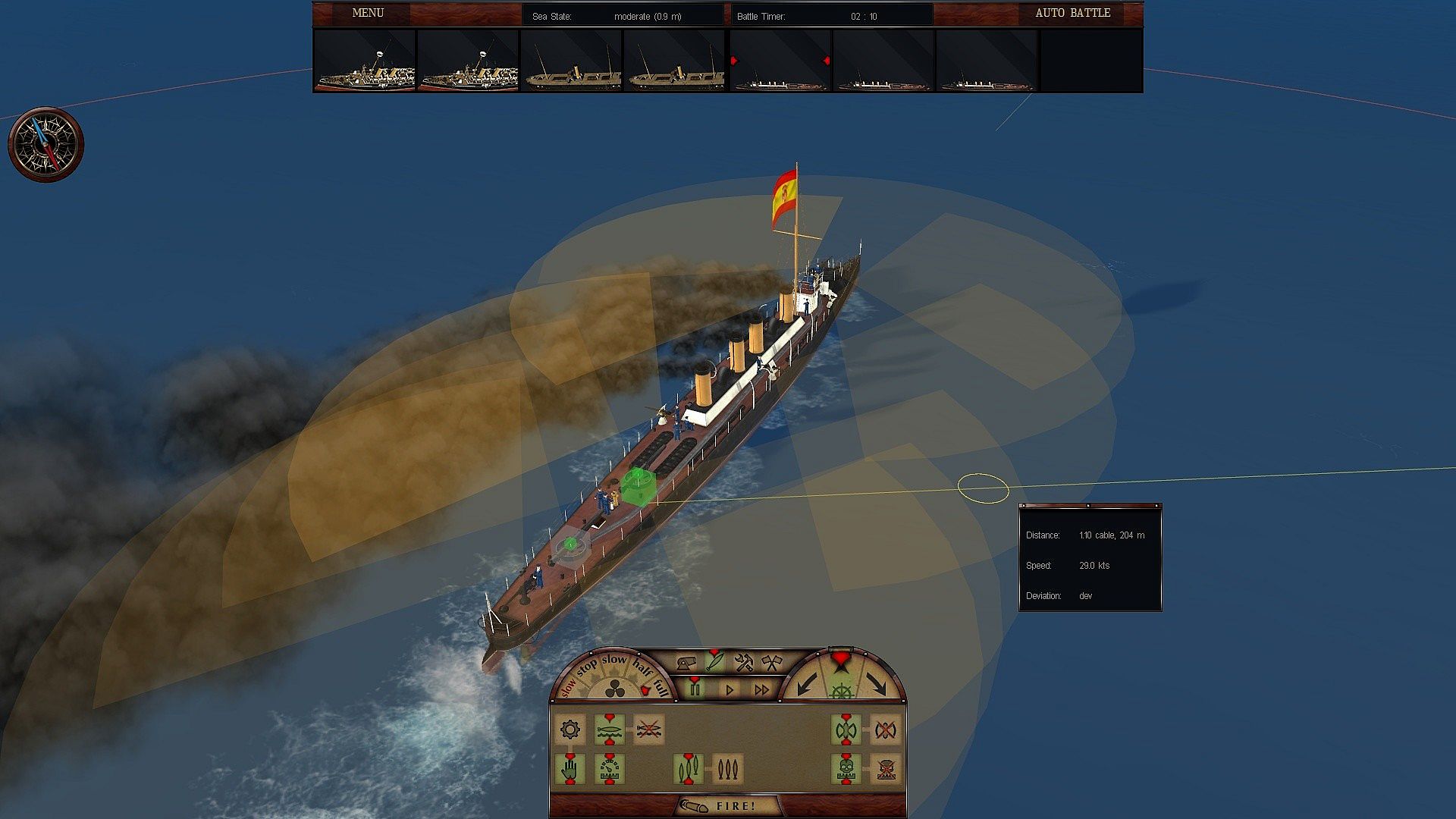
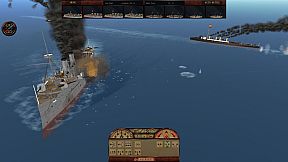
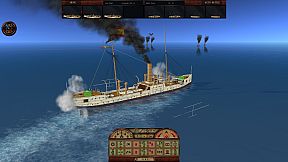
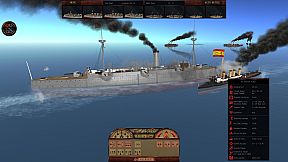
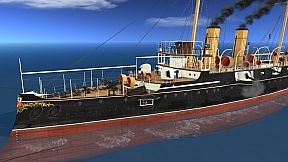
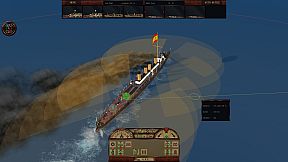
Realistic ship characteristics influence every action, from speed and armor to weapon effectiveness. Ballistics modeling accounts for factors such as range, shell trajectory, and damage types during engagements. Crew experience grows over time, improving performance in sustained operations. The alternate history premise allows the Spanish relief force to arrive and contest control of key locations like Iloilo City, shifting the balance from the historical record.
Strategic choices include deciding when to commit forces to open-sea confrontations or conserve strength for later reinforcements. Trade route interdiction adds economic pressure on the opponent, while harbor sieges demand precise timing to avoid counterattacks. These elements combine into a campaign that rewards planning and adaptation to changing conditions on the map.
Game Modes
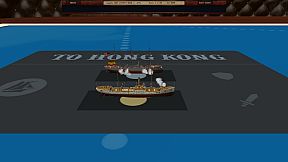
Two primary modes structure the experience. The turn-based strategic mode handles the campaign layer, where players issue orders to fleets and armies on a larger scale. This mode supports long-term maneuvers such as squadron repositioning, port captures, and resource allocation across multiple turns.
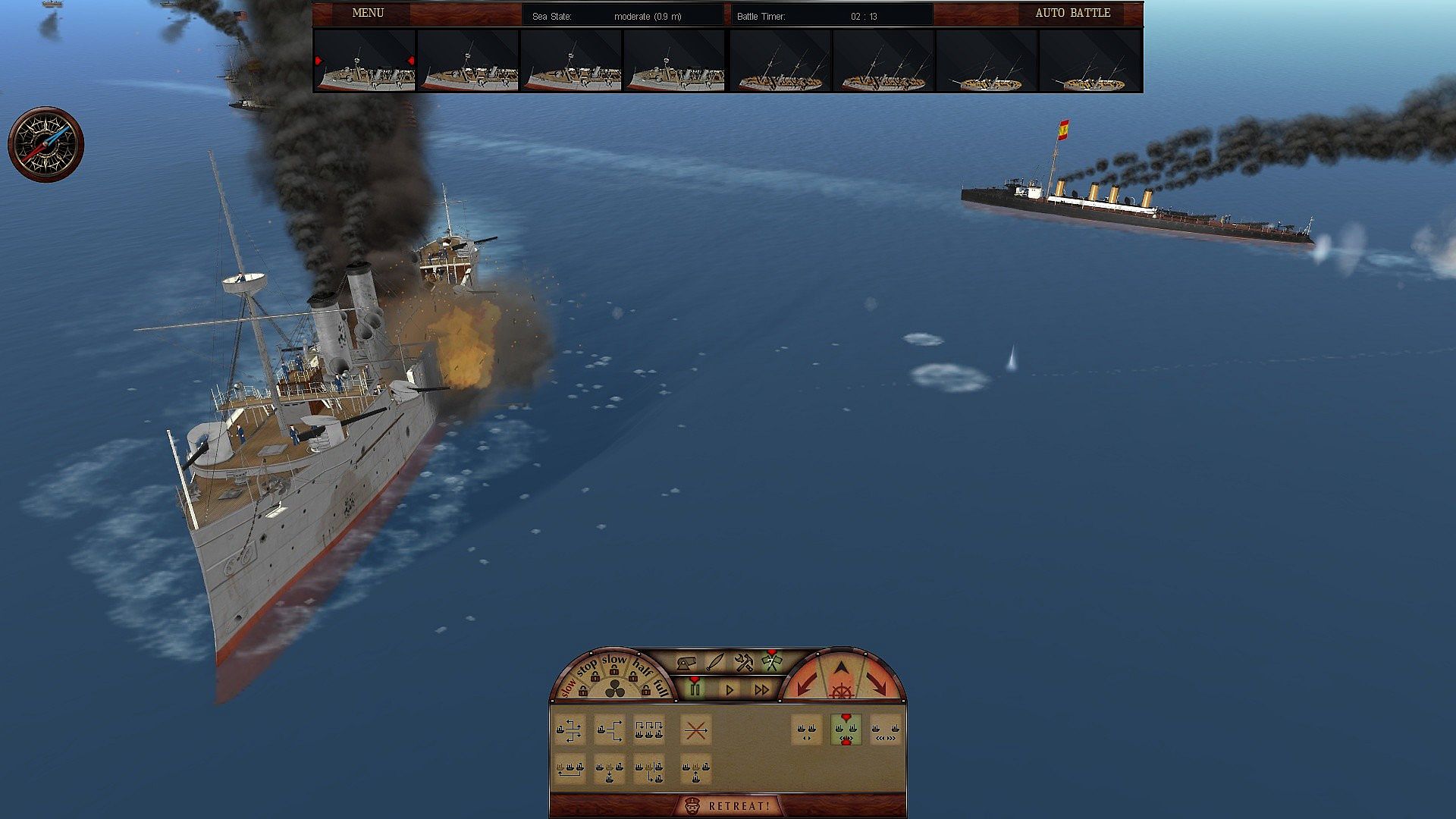
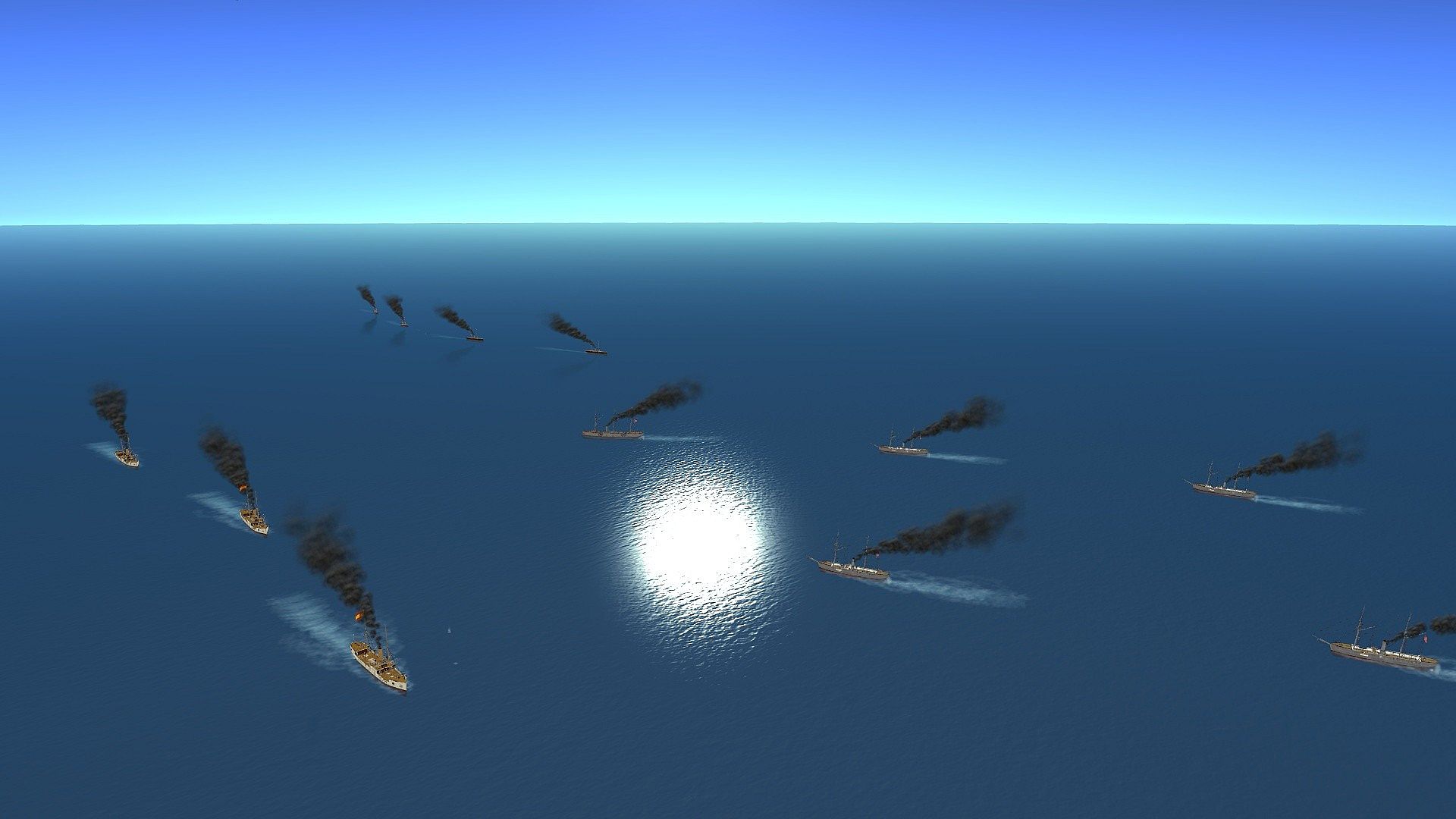
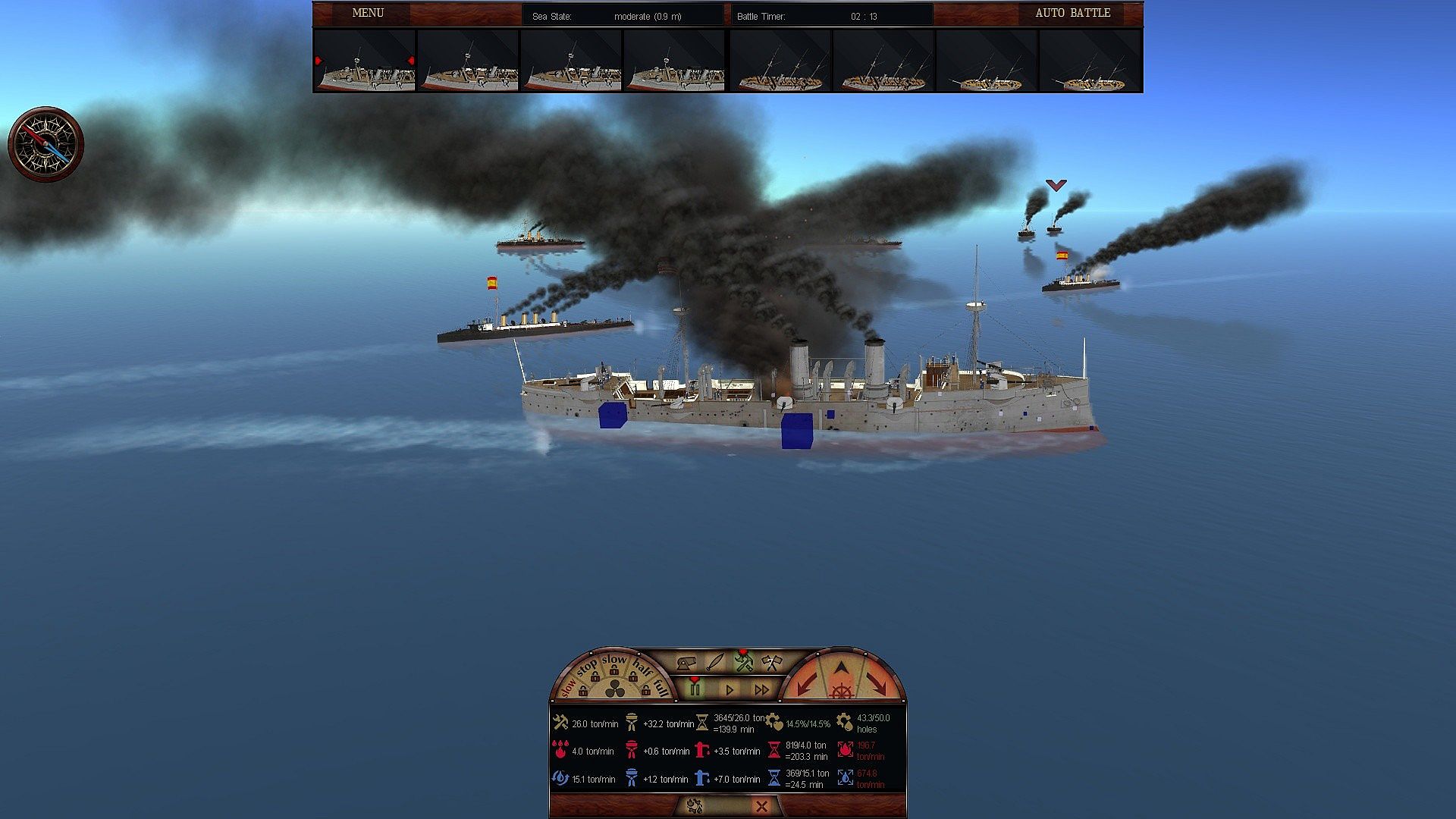
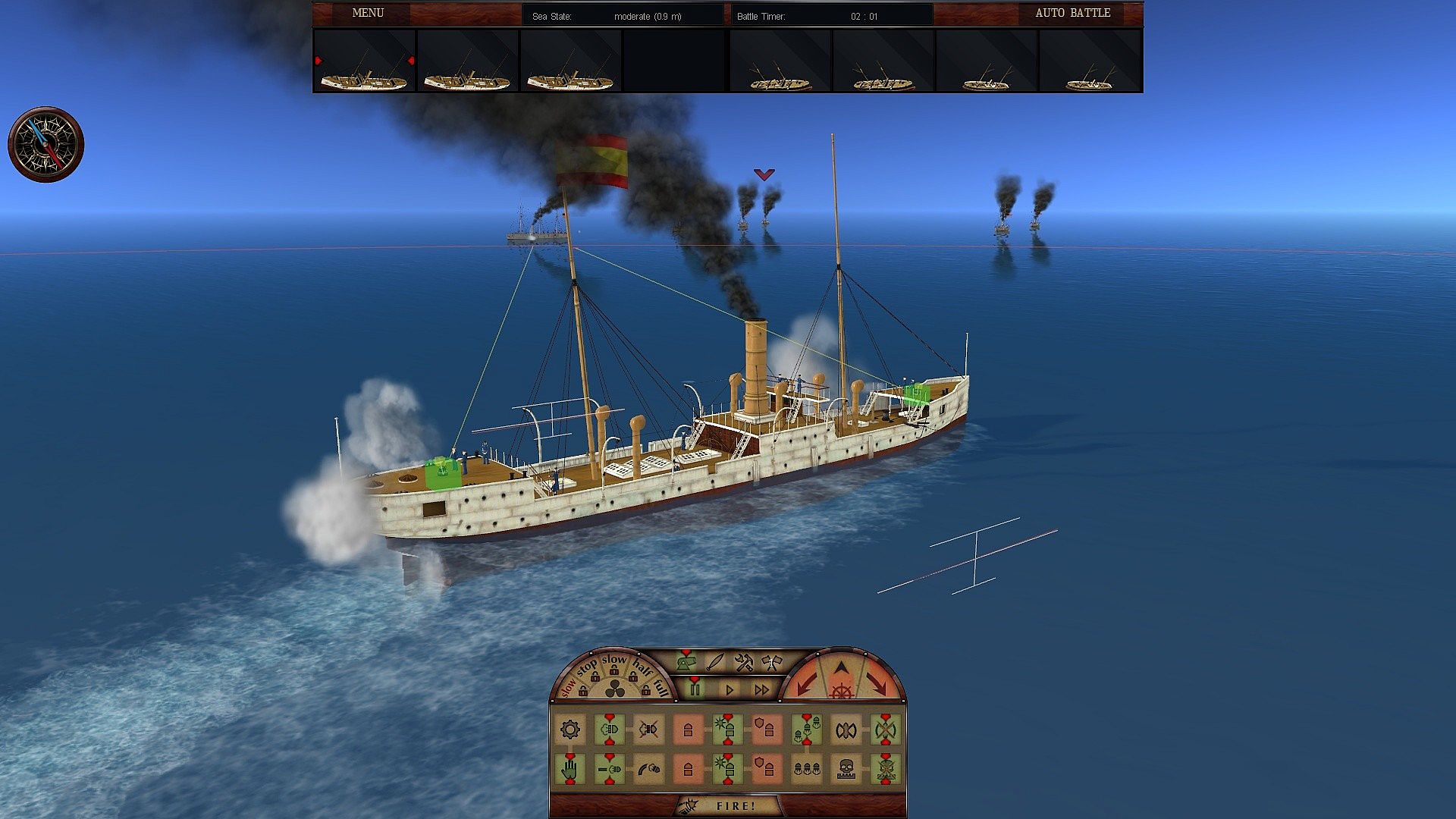
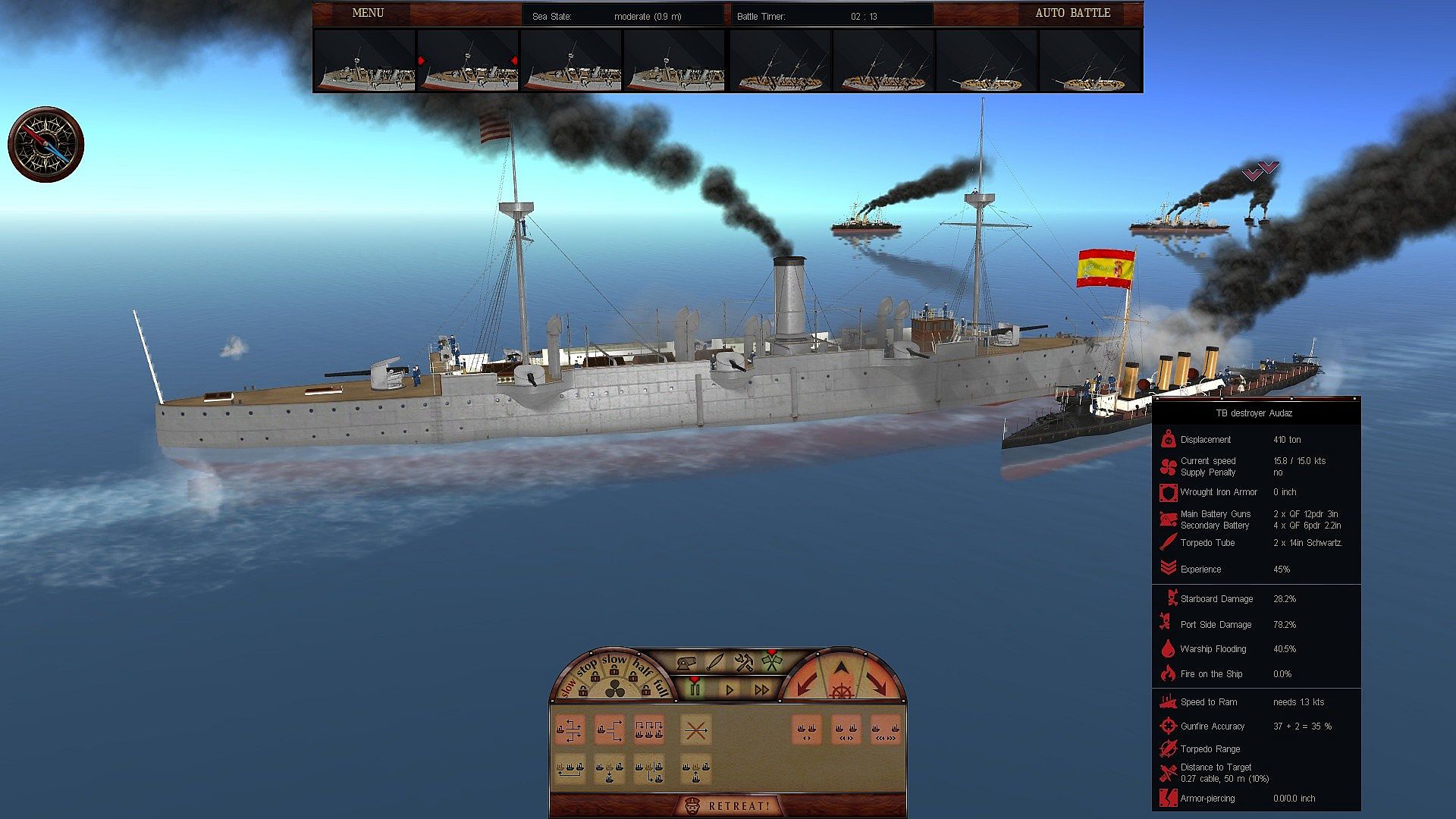
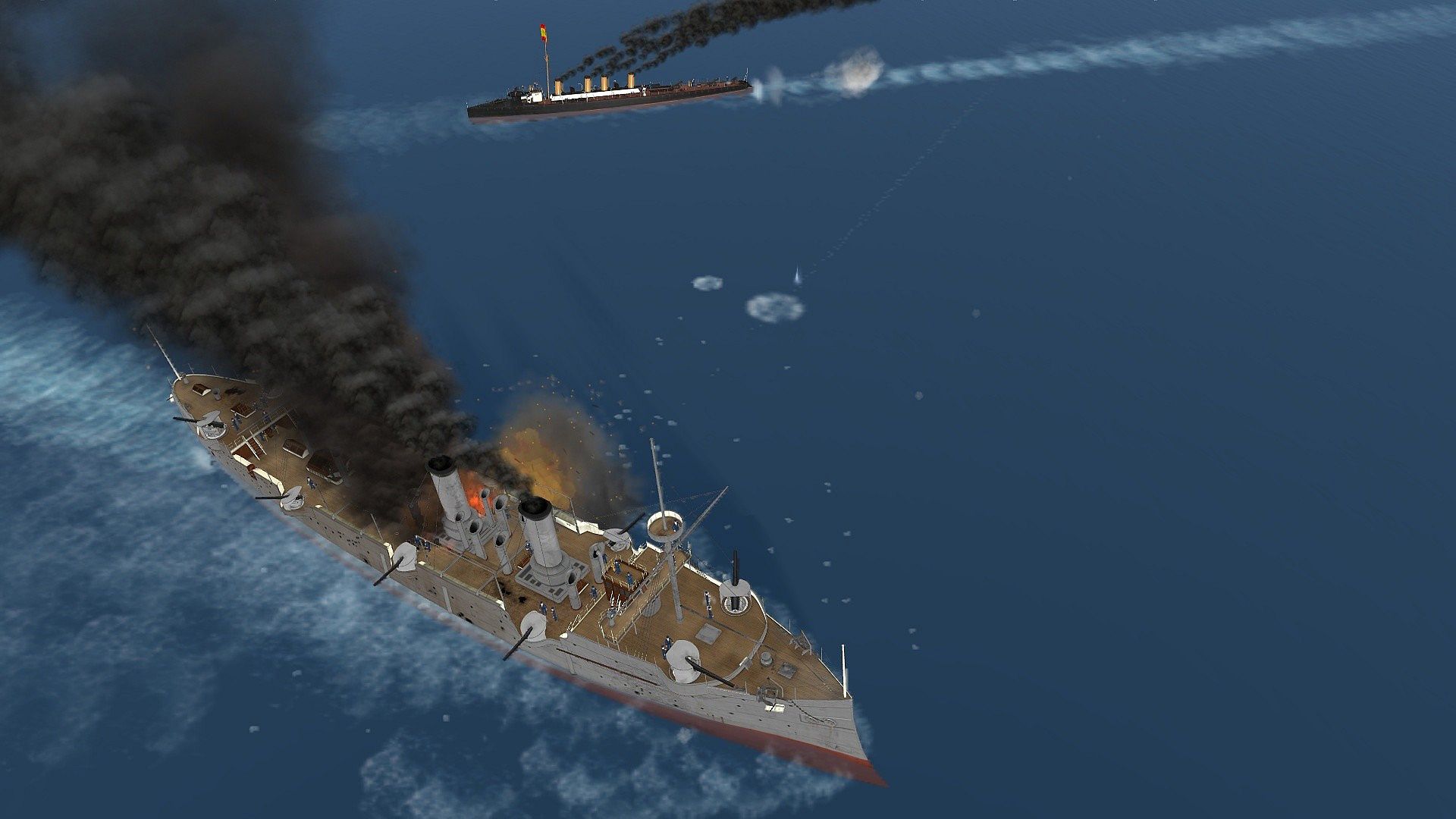
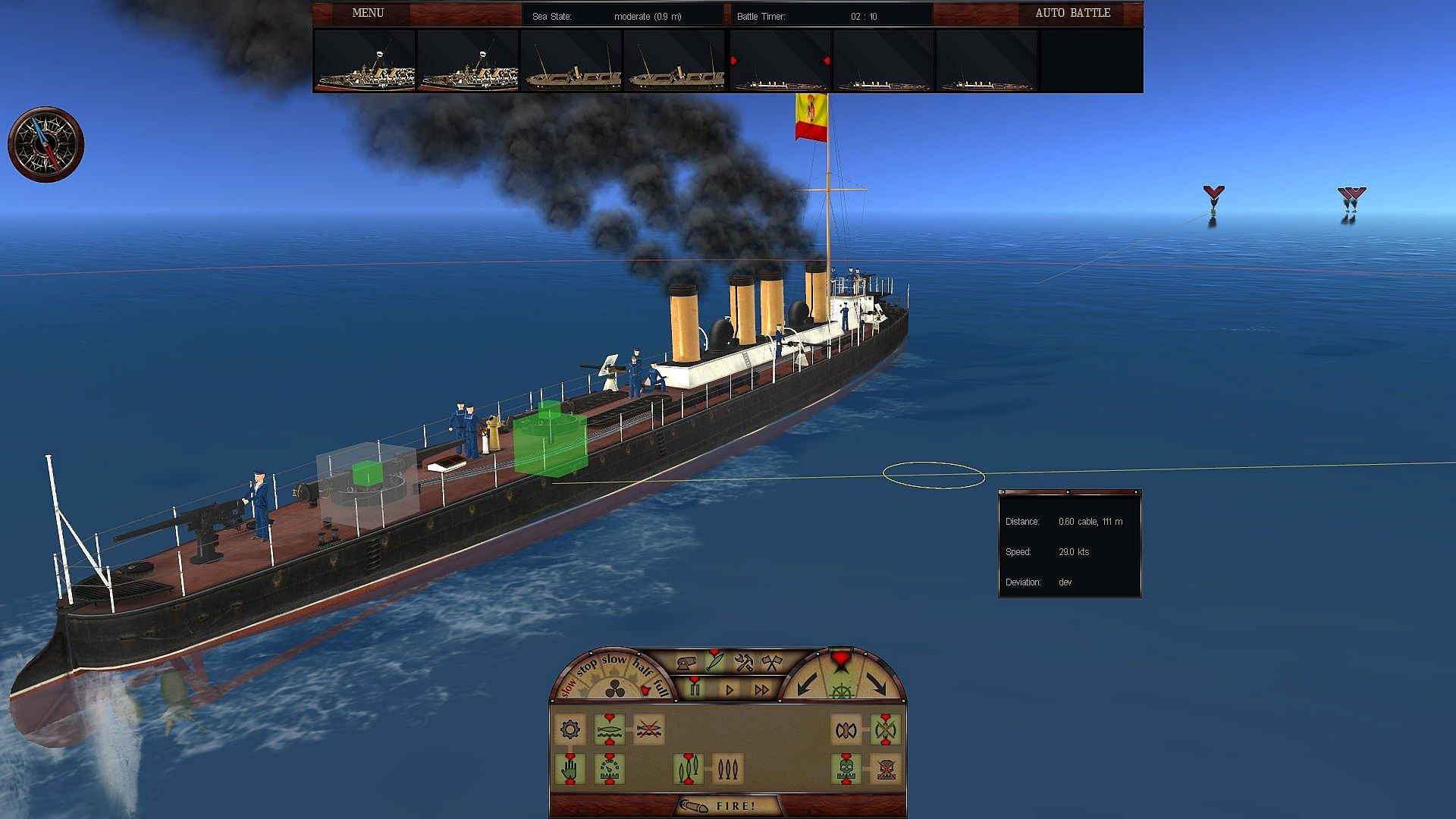
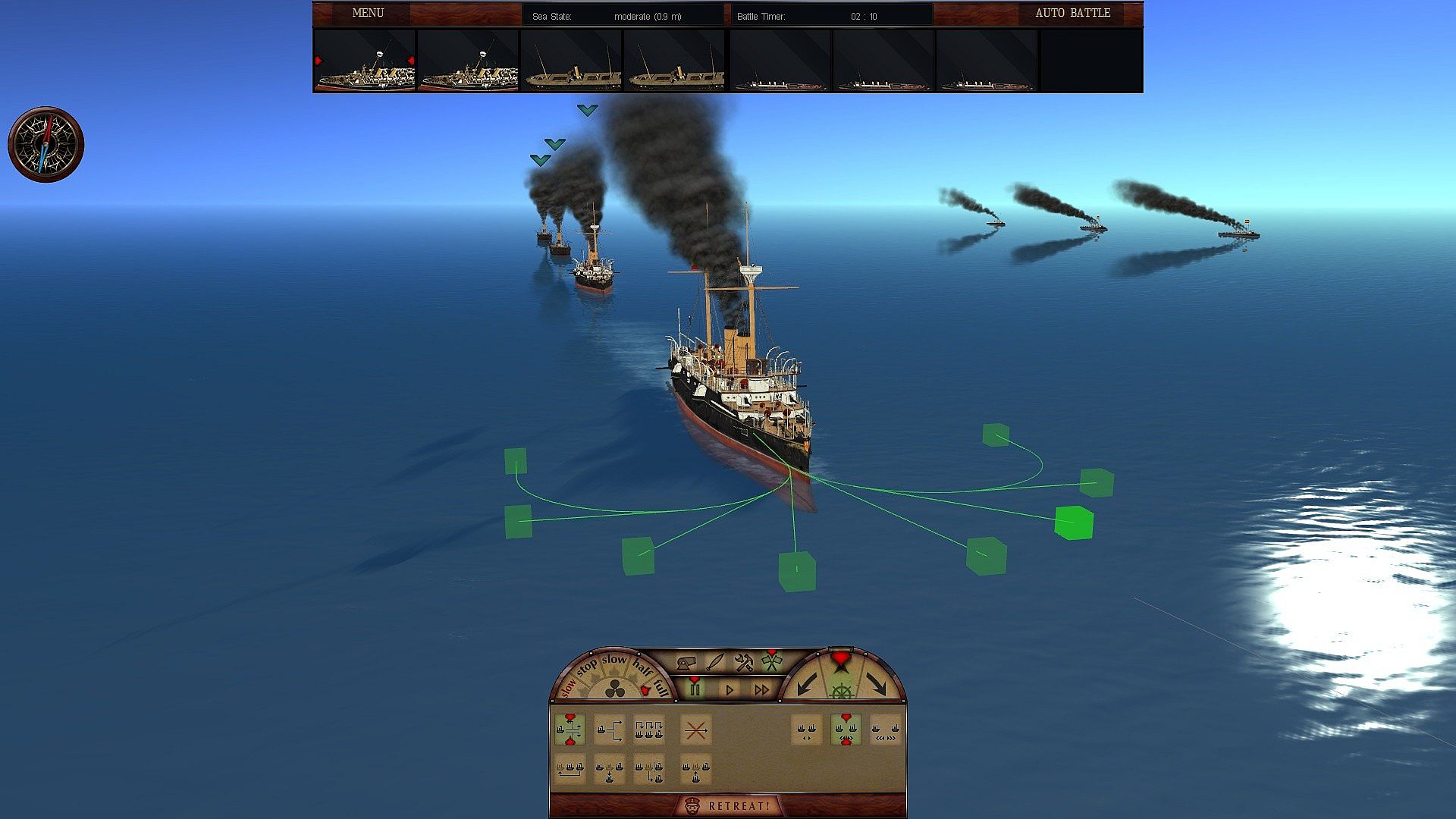
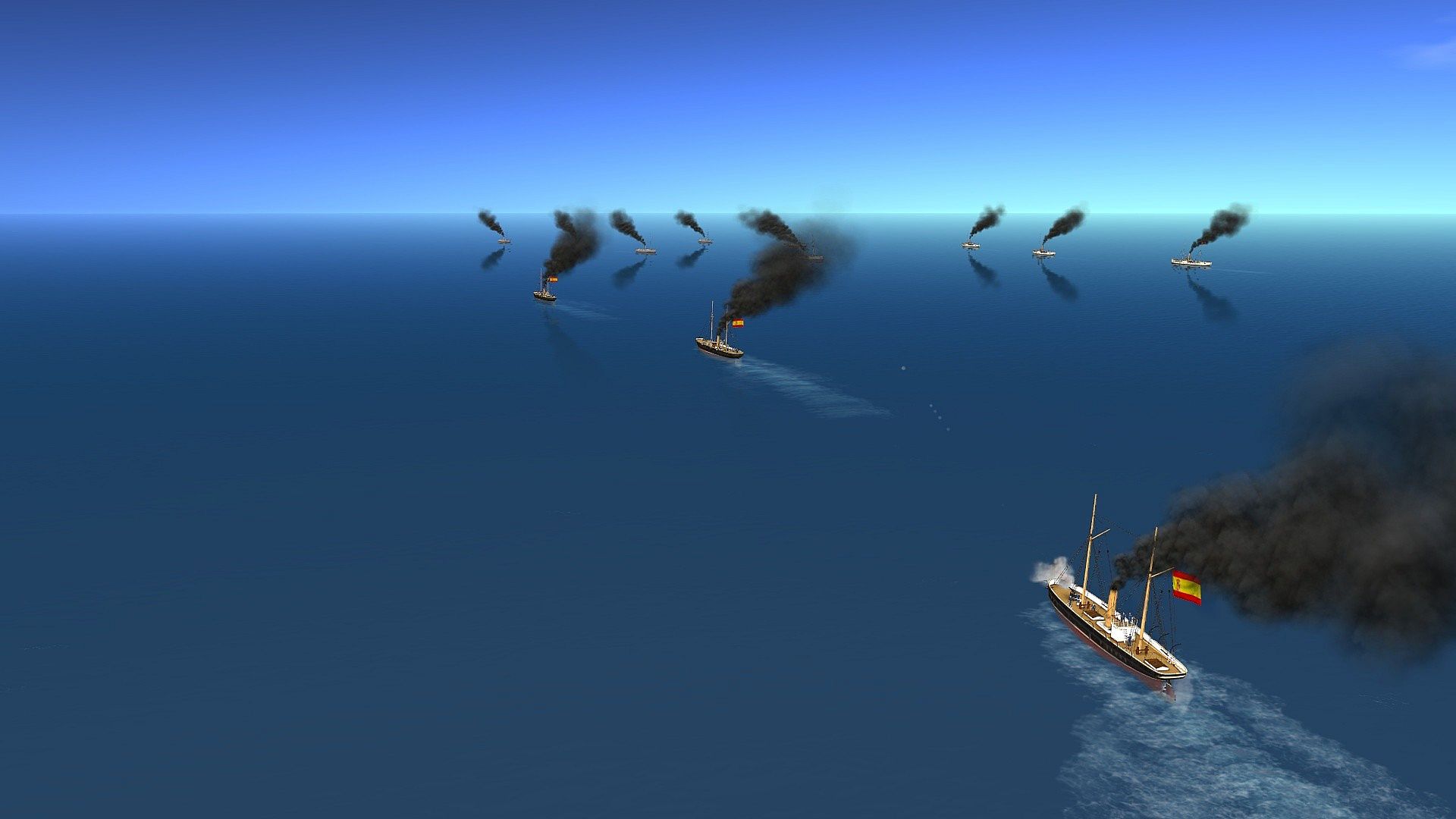
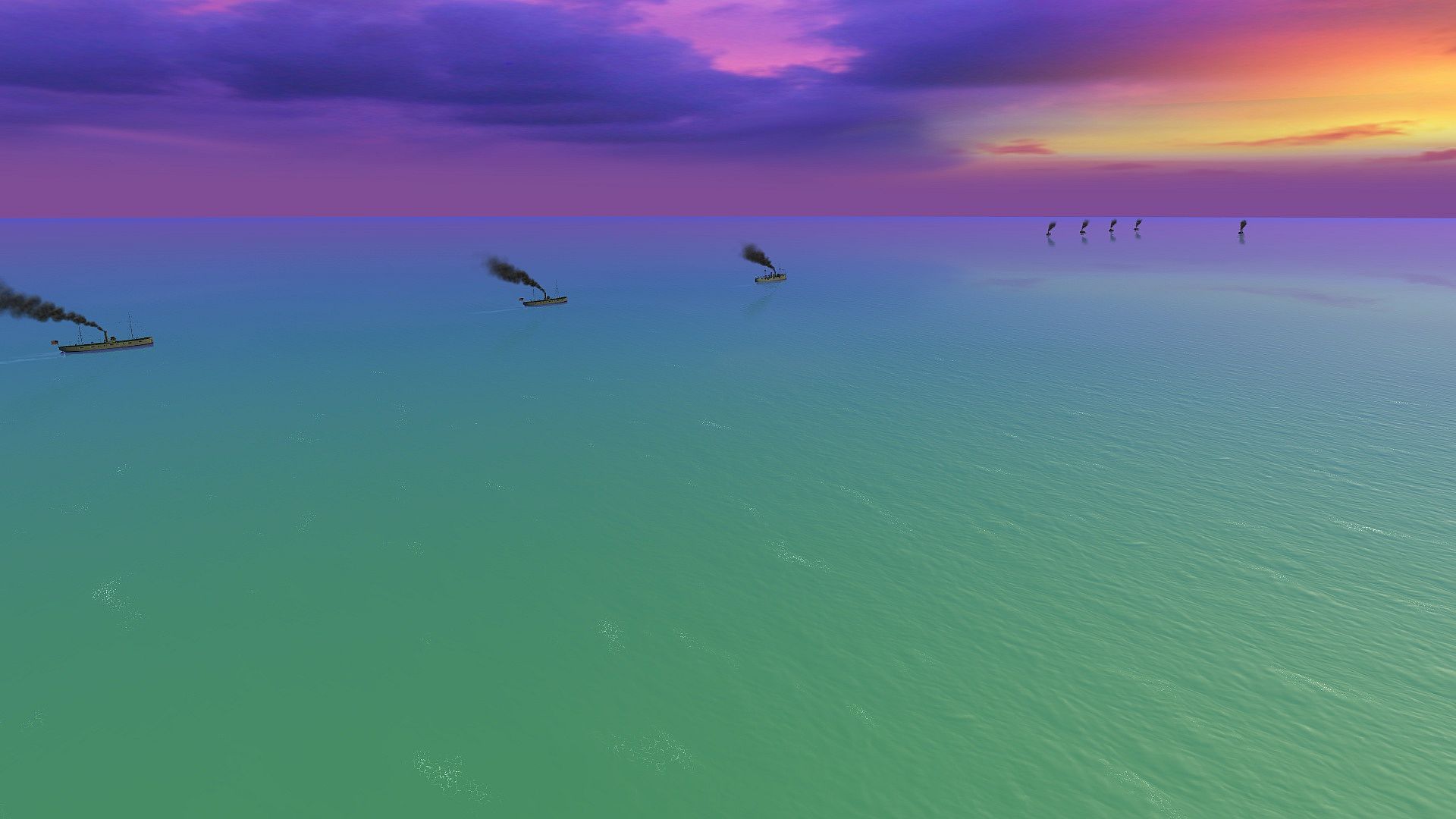
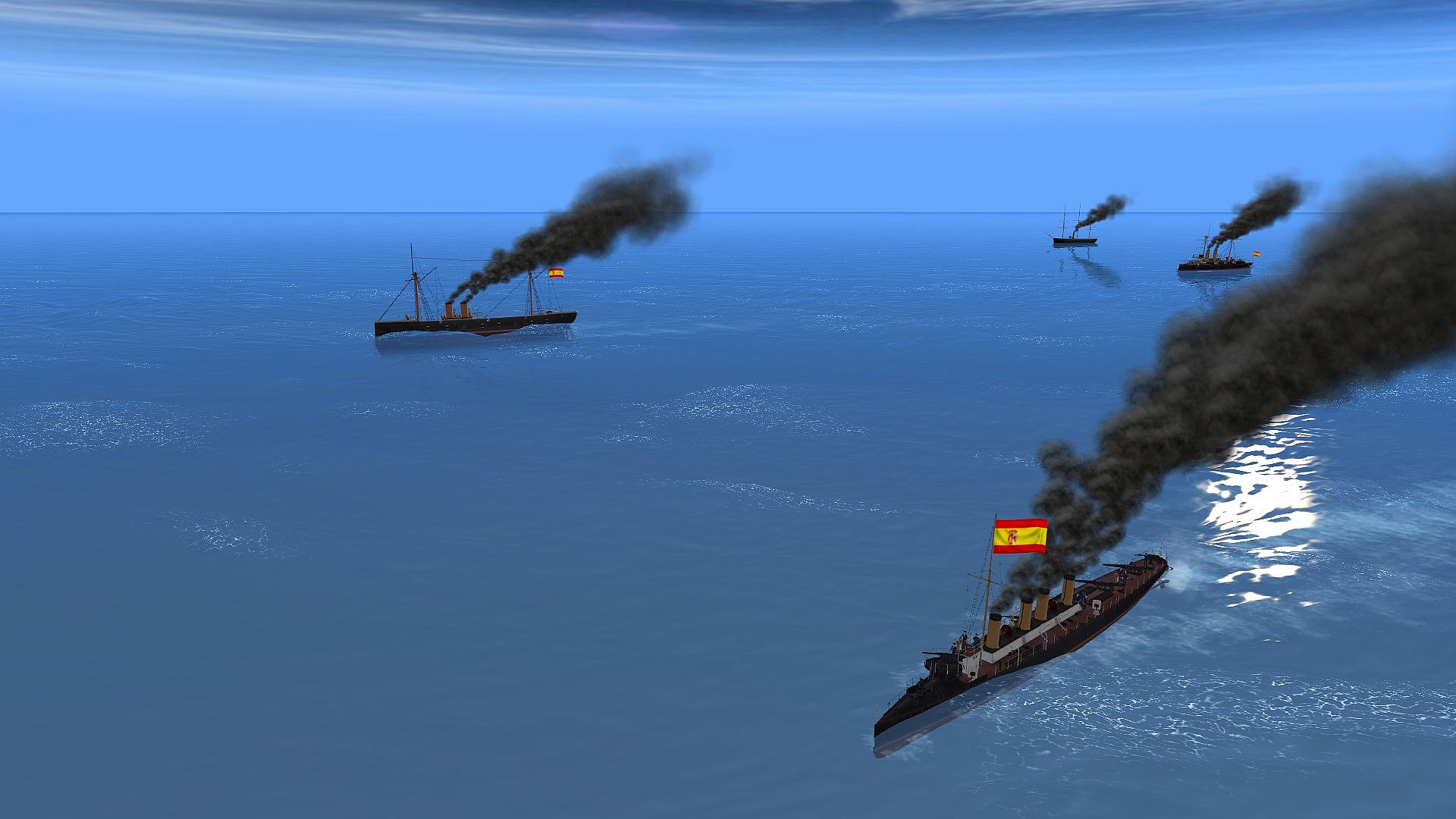
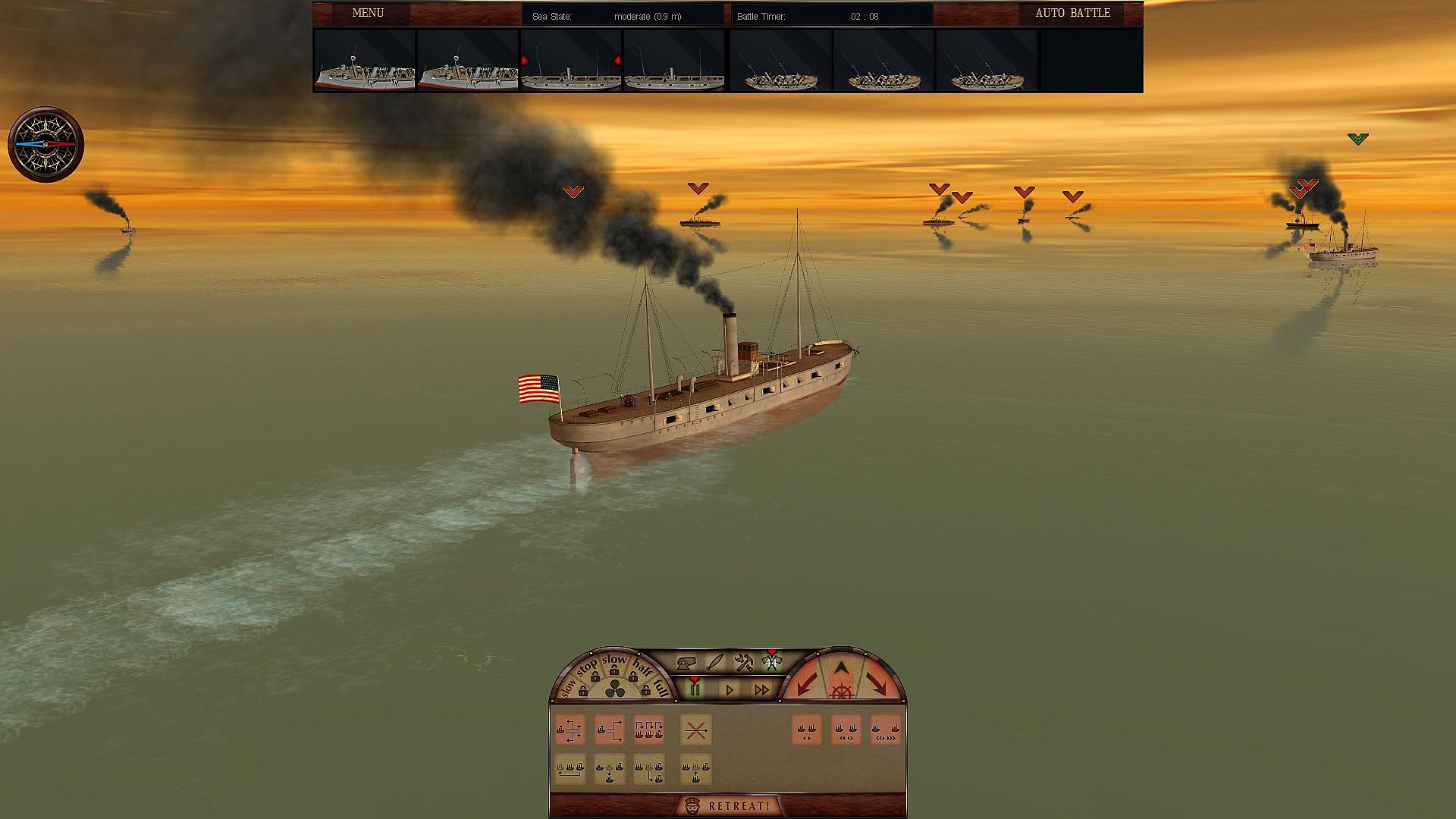
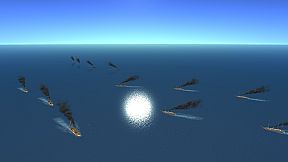
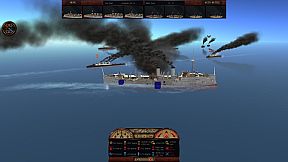
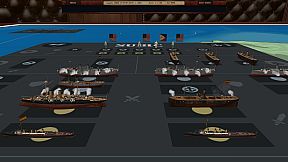
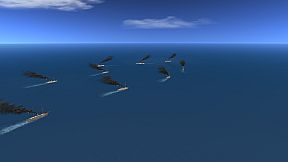
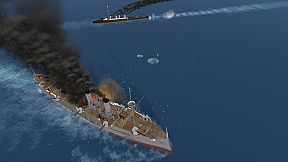
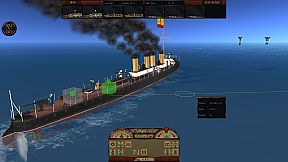
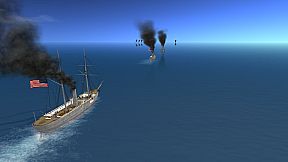
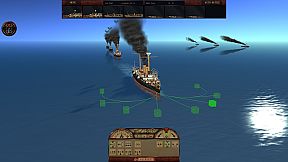
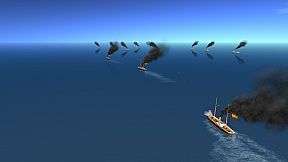
Real-time tactical battles resolve individual clashes. Here, players organize ships into formations, issue movement and targeting commands, and observe outcomes governed by detailed weapon and physics systems. Formations can be adjusted mid-battle, and squadron management tools allow grouping vessels for coordinated attacks or defensive screens. The transition between modes keeps the overall pace deliberate, emphasizing preparation in the strategic layer before committing to direct combat.
Historical Setting and Alternate History
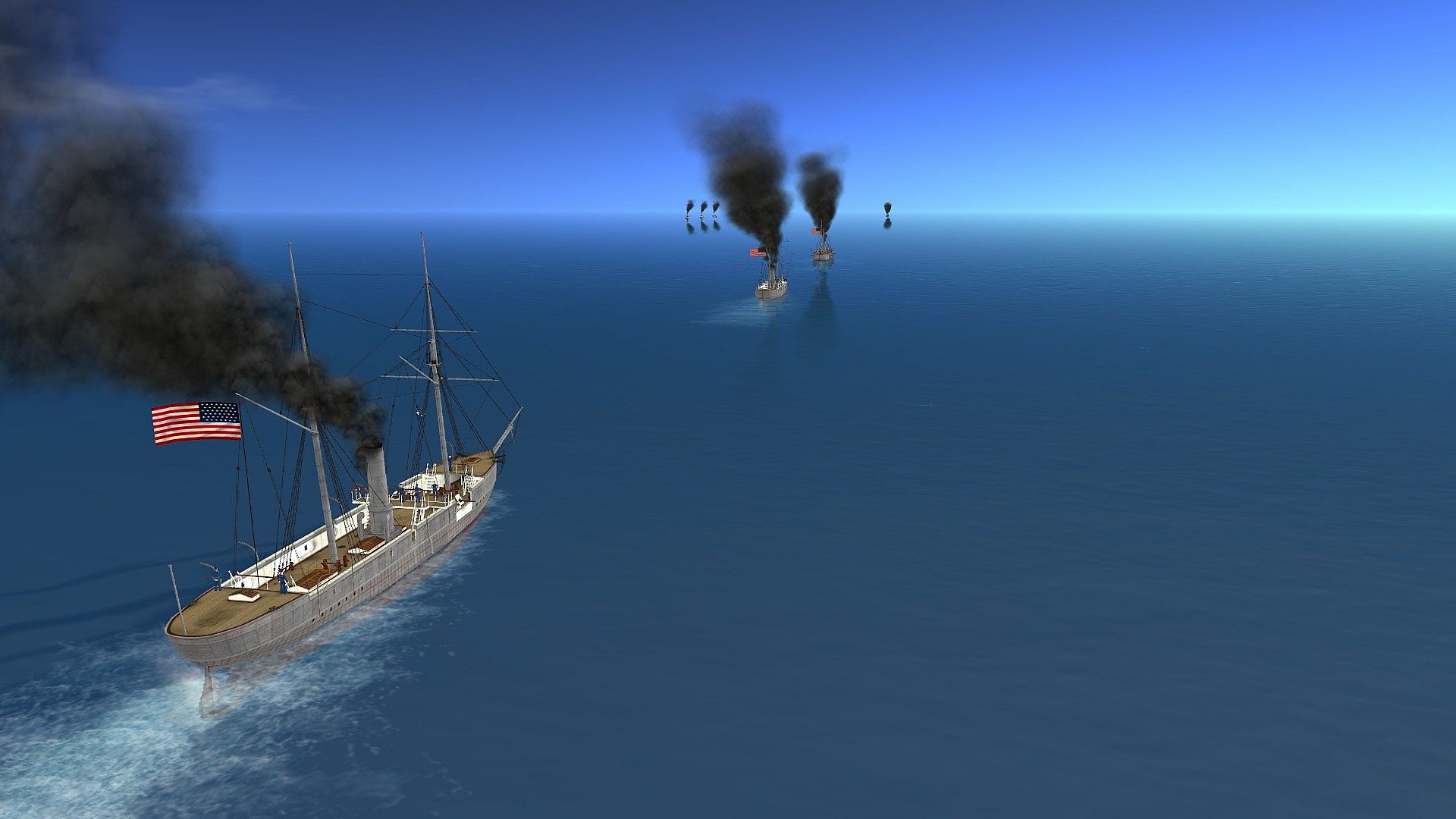
The scenario begins with the known victory of the U.S. Asiatic Squadron at Manila Bay but quickly branches into a what-if situation. German warships appear in the bay expecting an American setback, prompting the Spanish government to dispatch a relief expedition of warships, troop transports, and supply vessels. This arrival creates new fronts around Iloilo City and forces the main American squadron, including vessels like the USS Olympia, into a defensive posture guarding the bay.
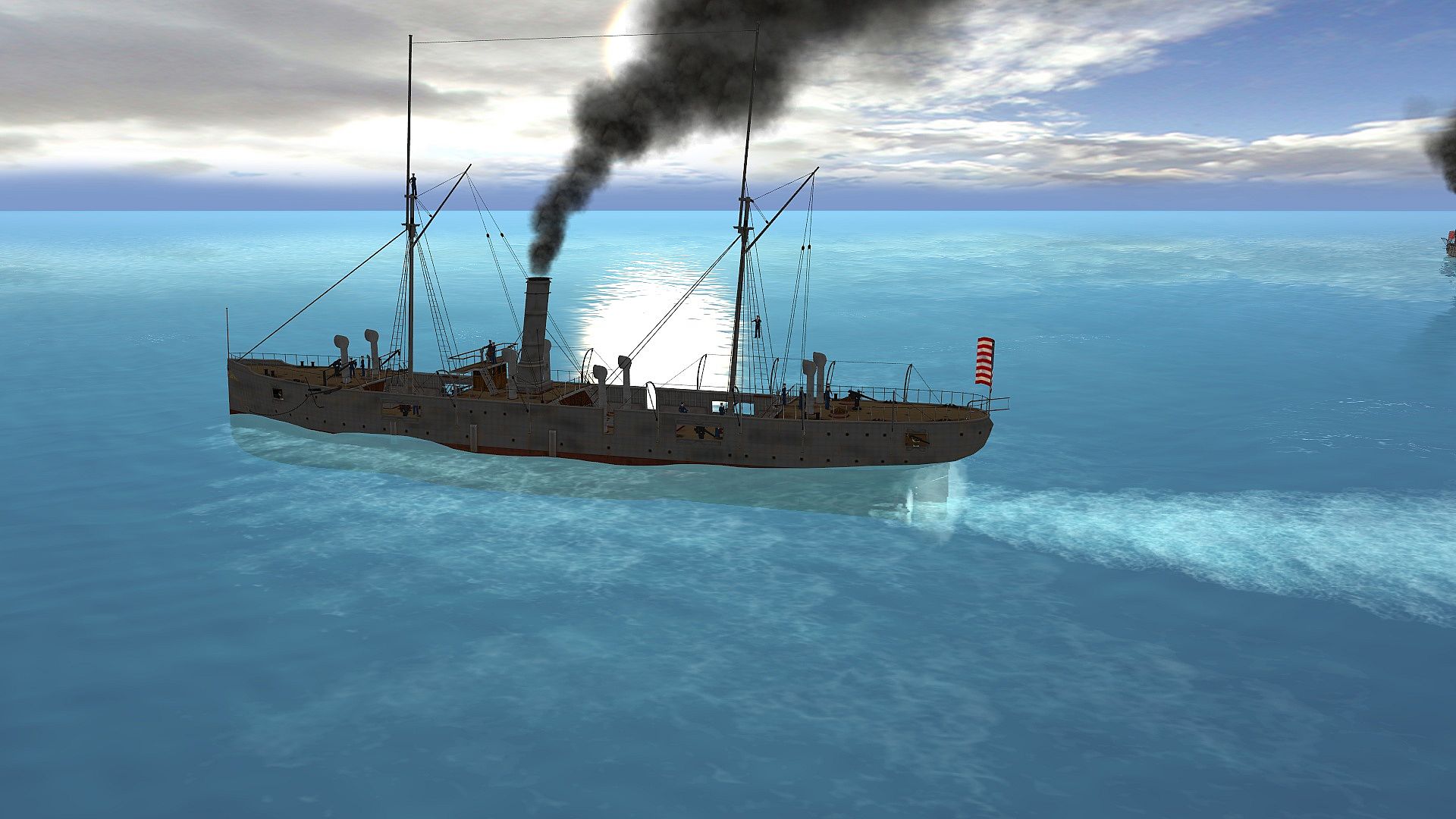
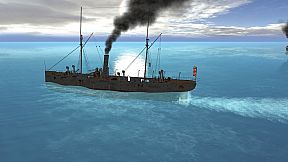
Players navigate these tensions by choosing how aggressively to pursue German or Spanish targets while protecting their own interests. The setting highlights the naval arms race of the era, with ironclad and early steam-powered designs determining combat outcomes. No interactive tutorial exists, so players rely on the included textual manual to learn systems before starting a campaign.
Is It Worth Playing?
This title suits players who enjoy deliberate naval strategy games with a mix of campaign oversight and tactical execution. The combination of turn-based planning and real-time battles provides depth for those interested in fleet command and alternate history scenarios. Small-scale engagements reward attention to ship positioning and weapon characteristics, while the broader map encourages long-term thinking about reinforcements and blockades.
Player feedback has been largely positive, with the majority of reviews highlighting the simulation aspects and historical flavor. The game remains available as a complete single-player experience without ongoing seasonal content or major expansions. Those seeking fast-paced action may find the pace slower than modern real-time strategy titles, but fans of wargame-style mechanics will find substantial content in managing squadrons and resolving naval clashes. Overall, it delivers a focused experience for the right audience.