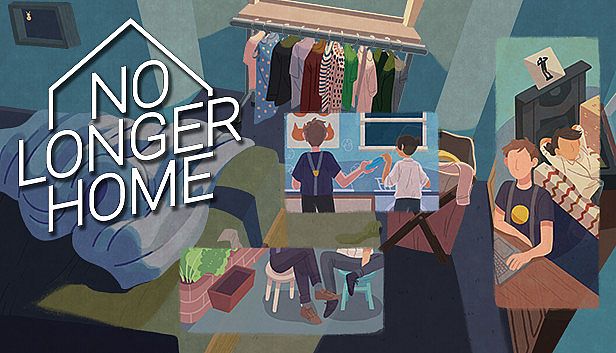












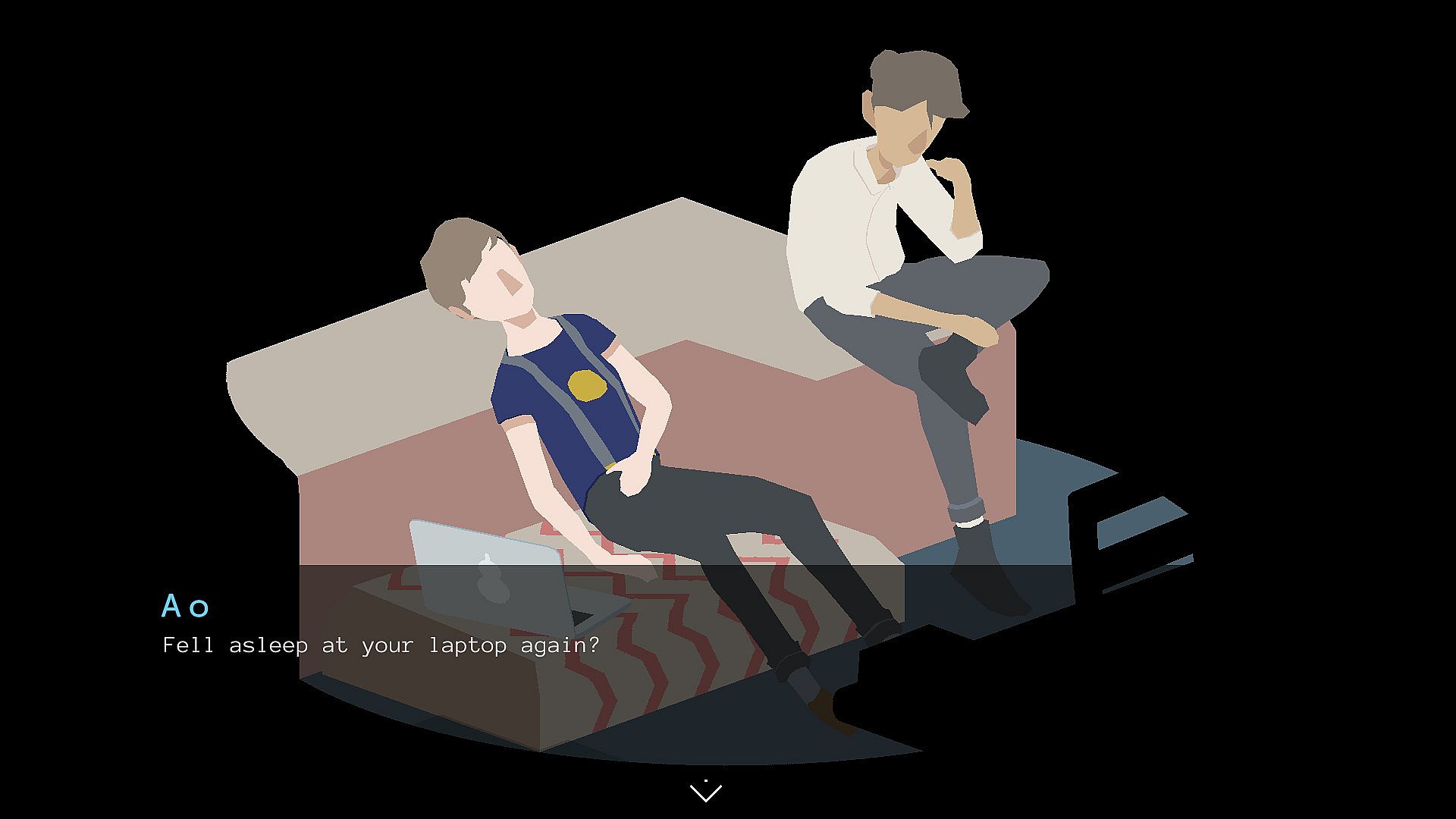
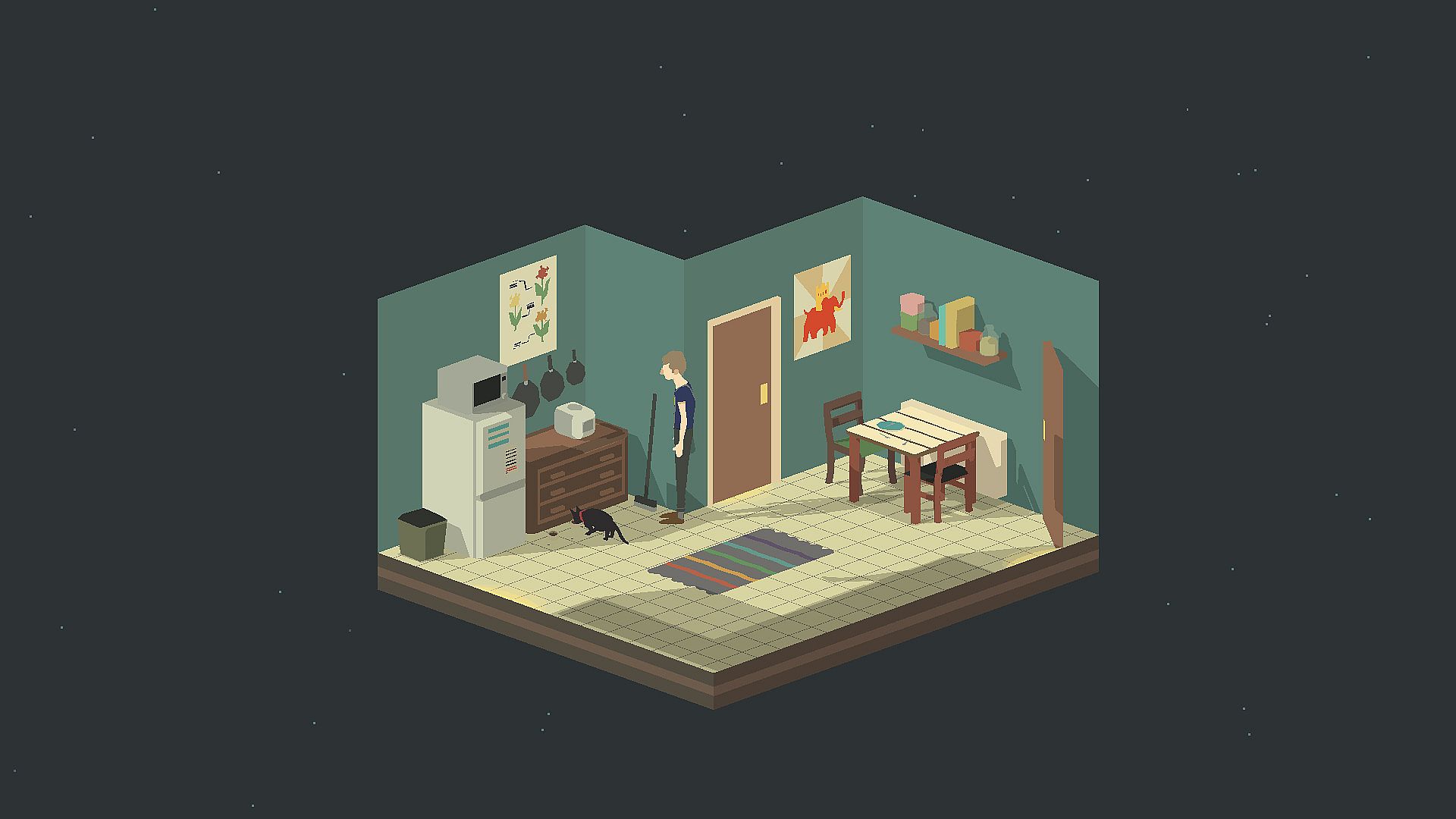
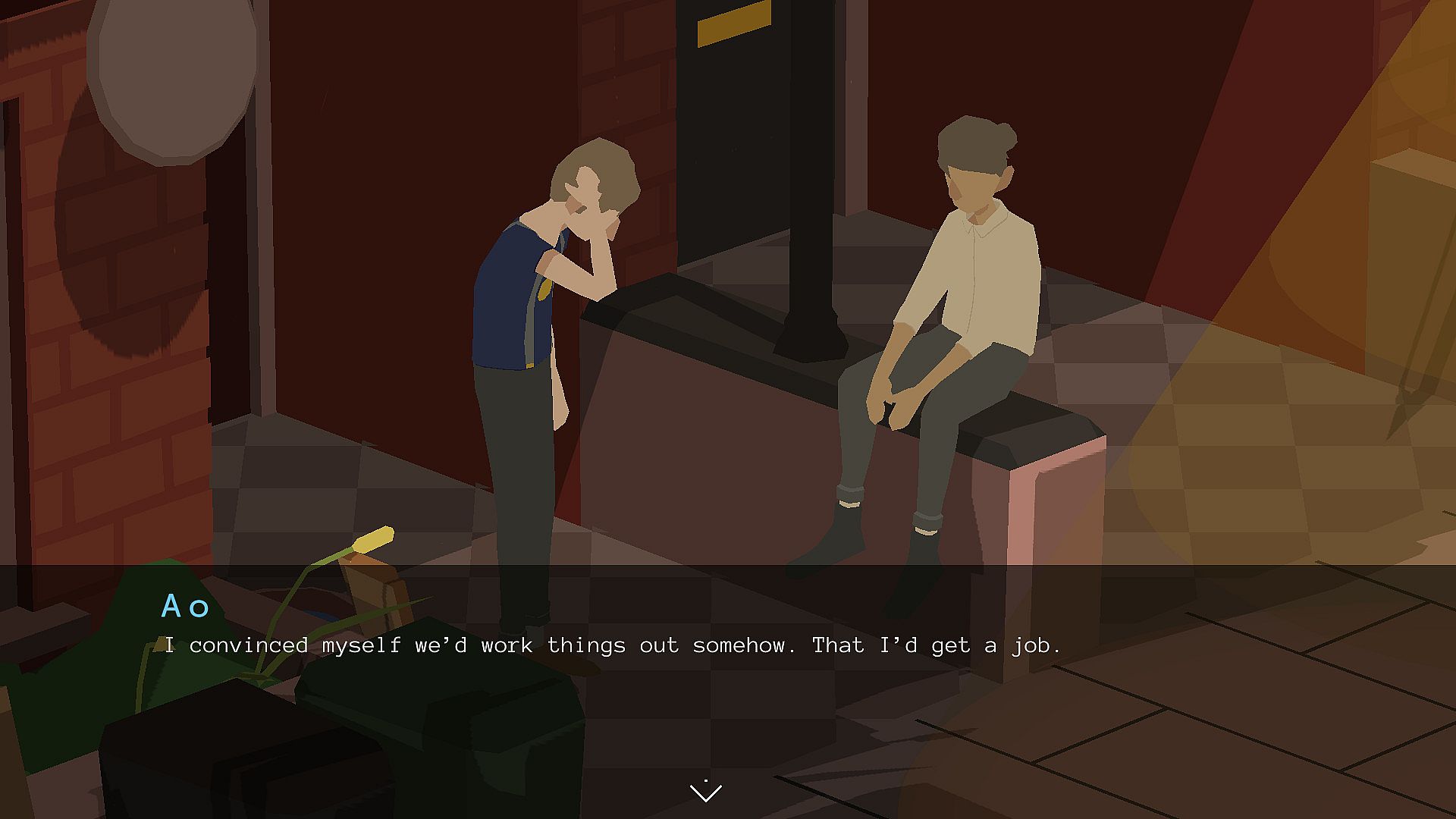
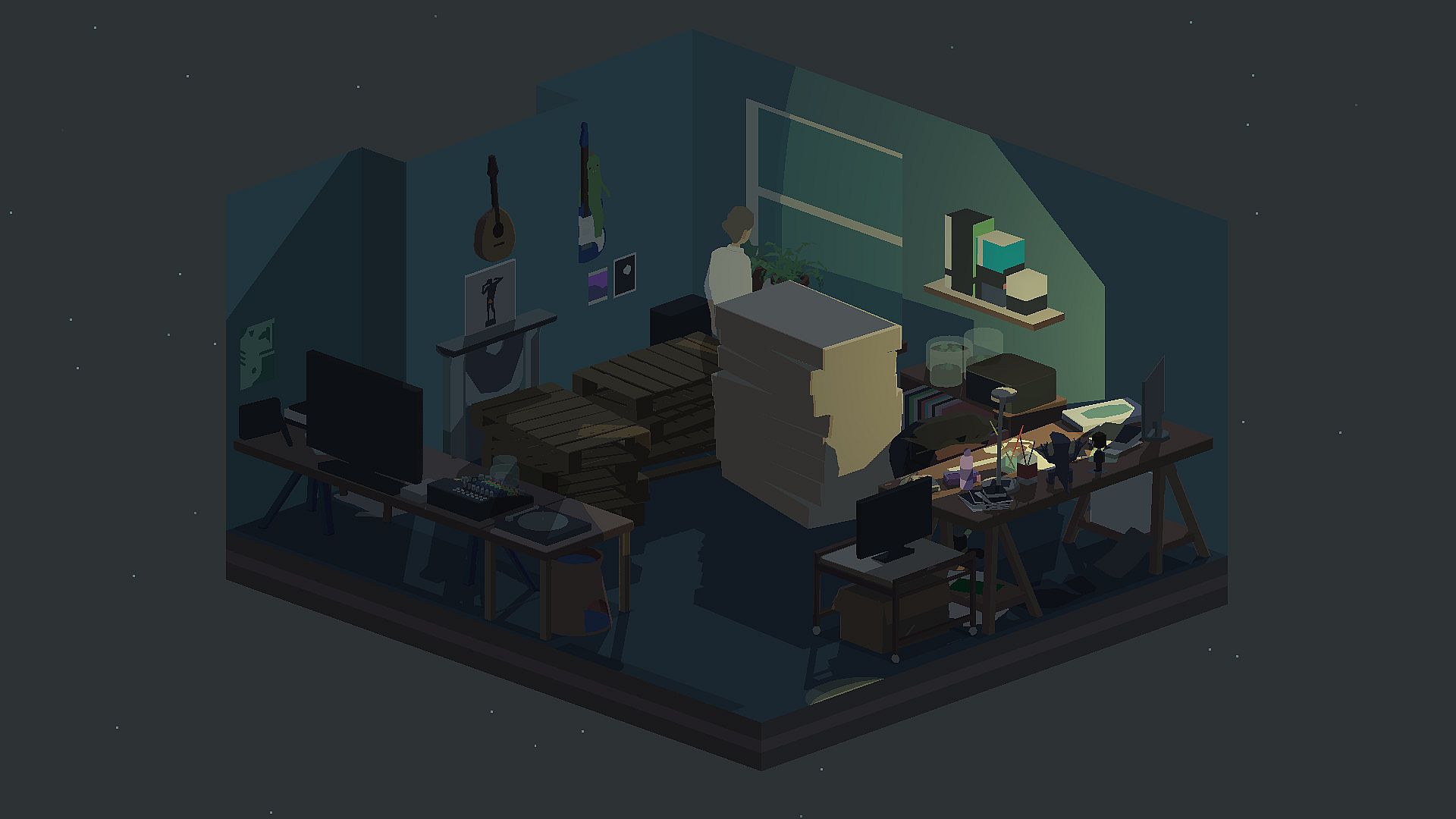

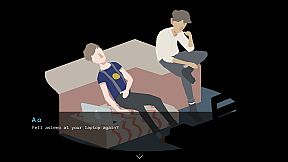
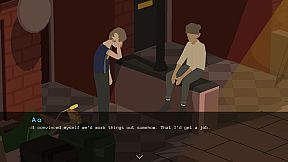
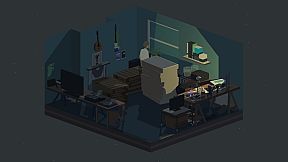
No Longer Home is an indie narrative adventure game centered on two queer non-binary university graduates navigating the end of their shared life in a South London flat. The experience blends everyday routines with quiet reflections on uncertain futures, visa restrictions, and the pull of personal connections as one character prepares to return to Japan.
Gameplay
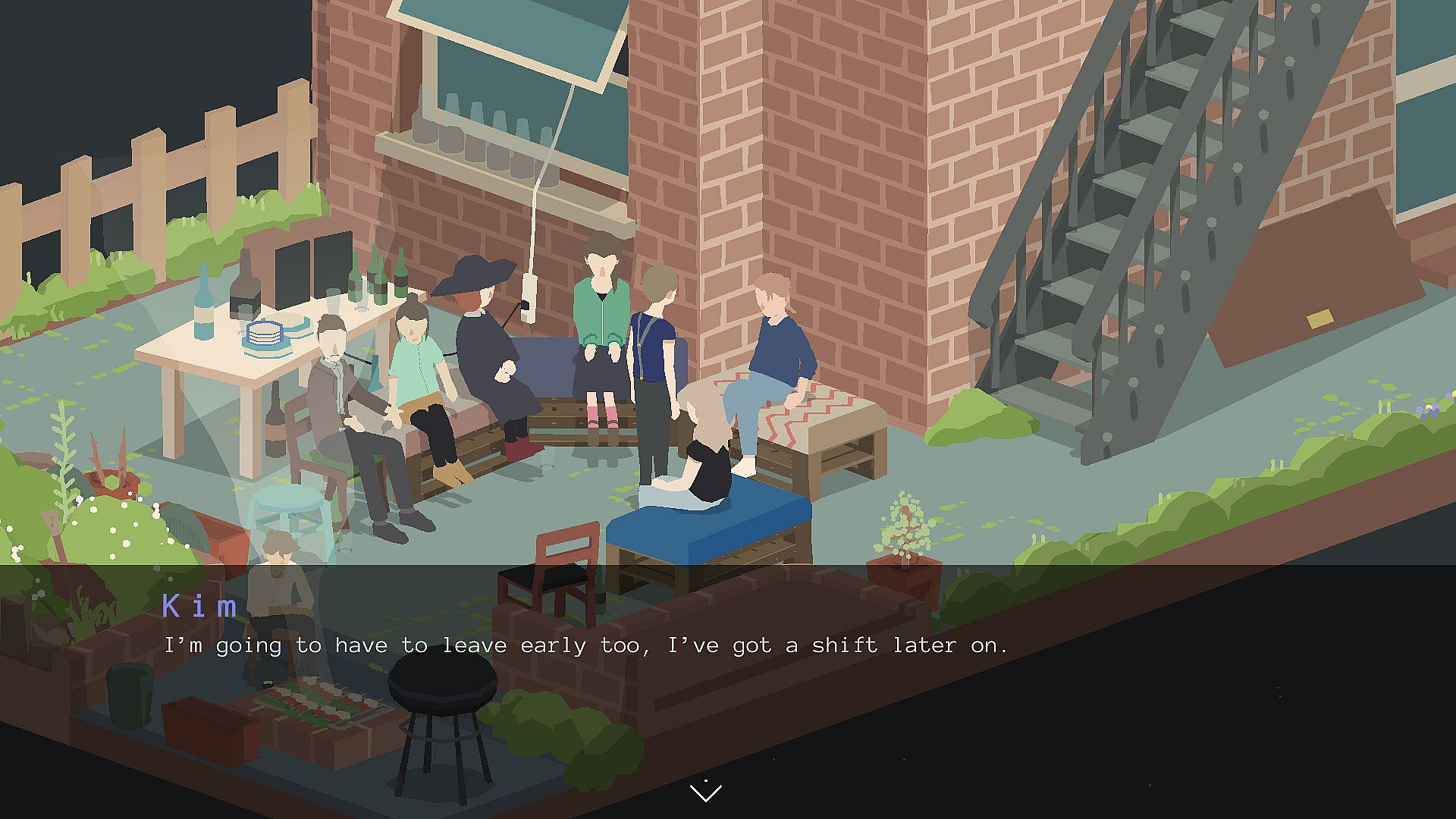
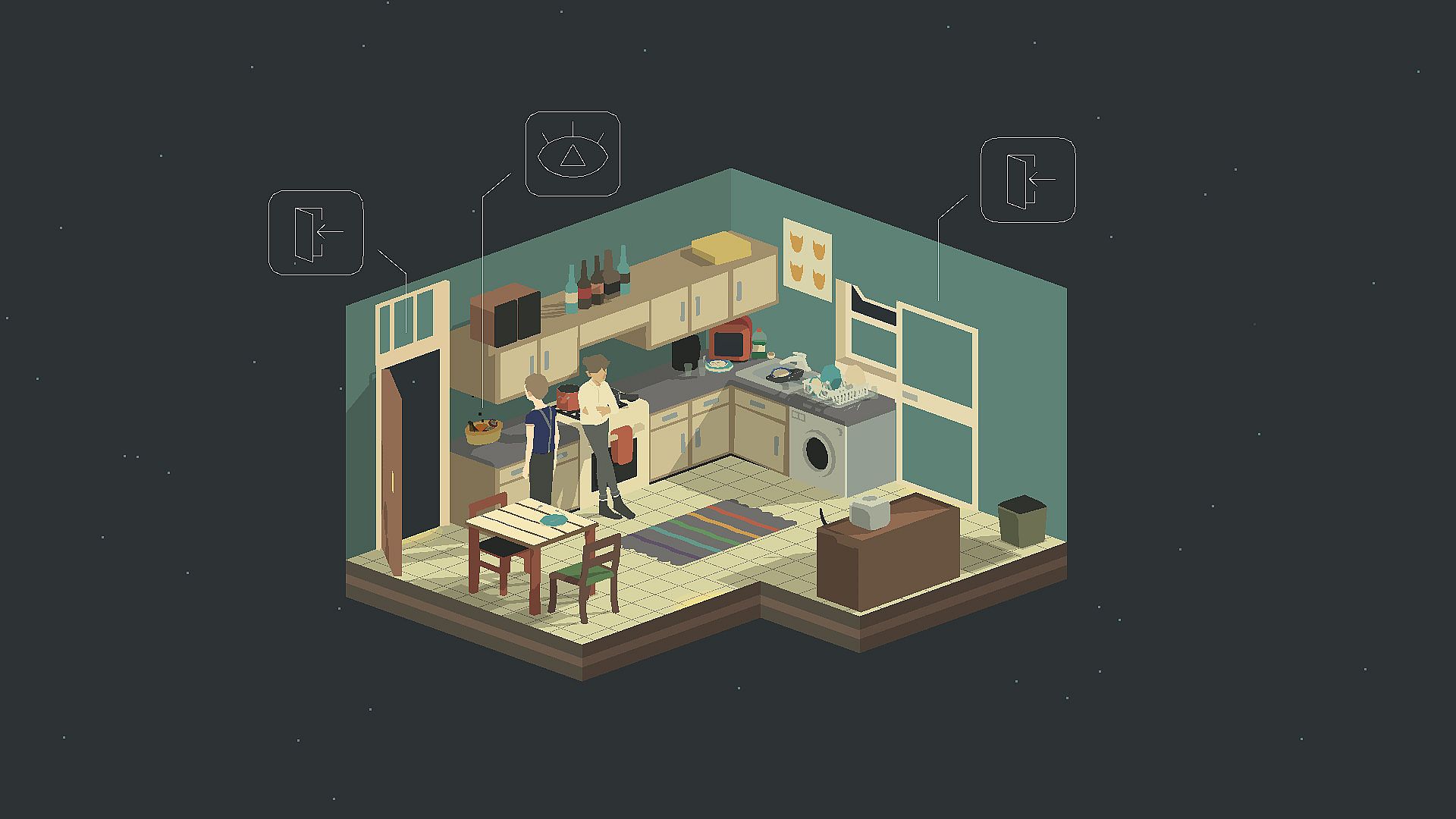
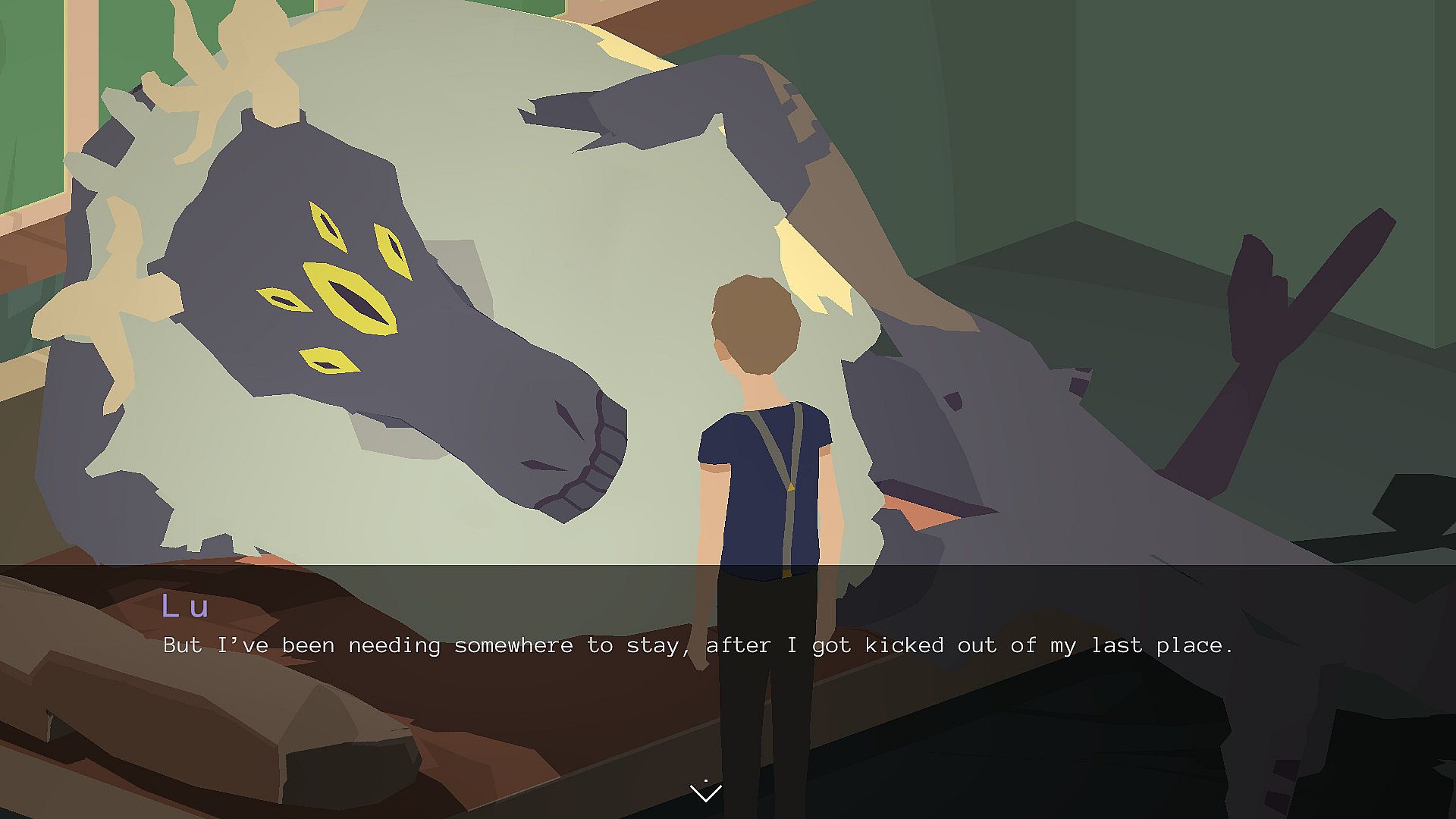
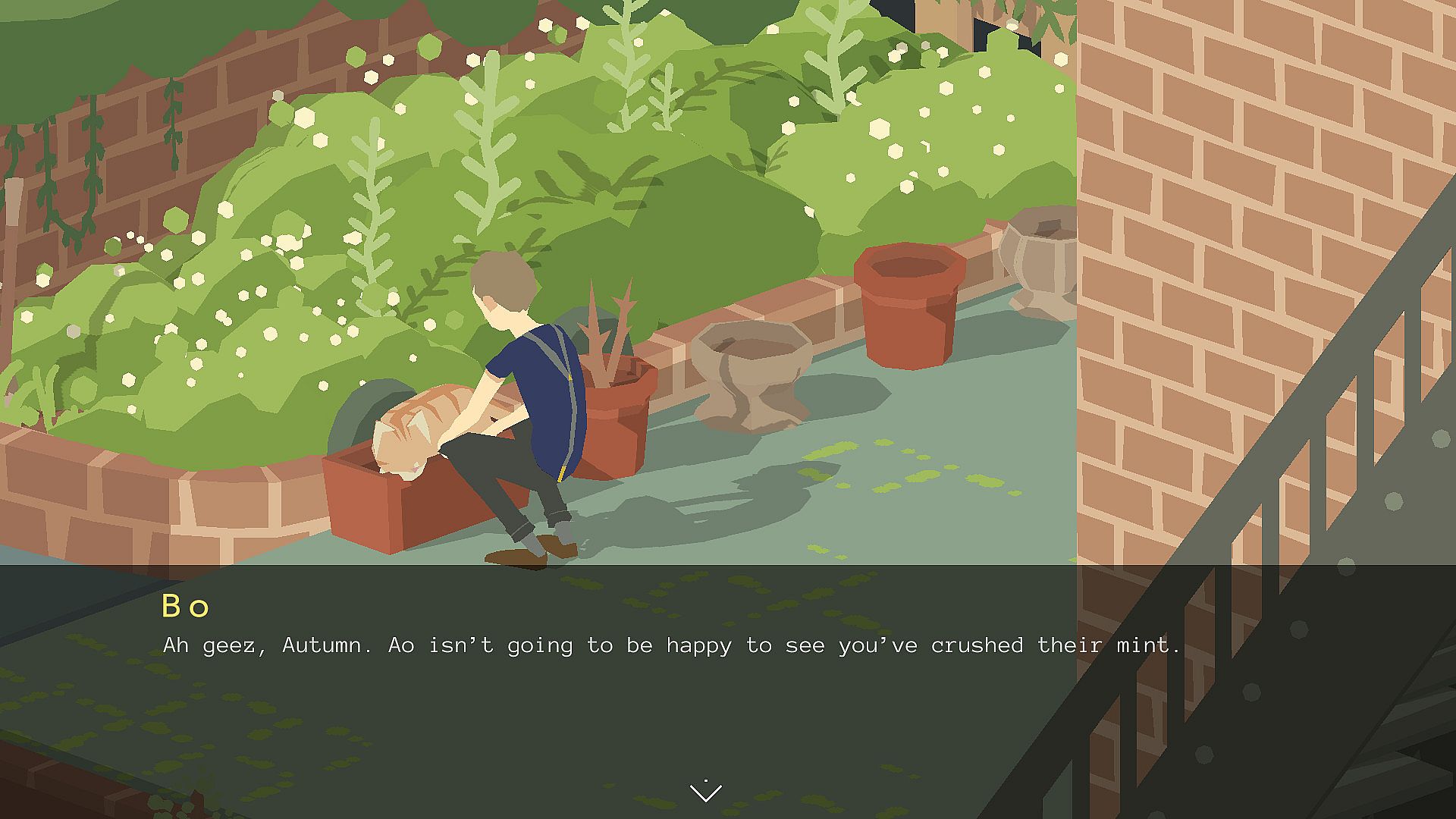
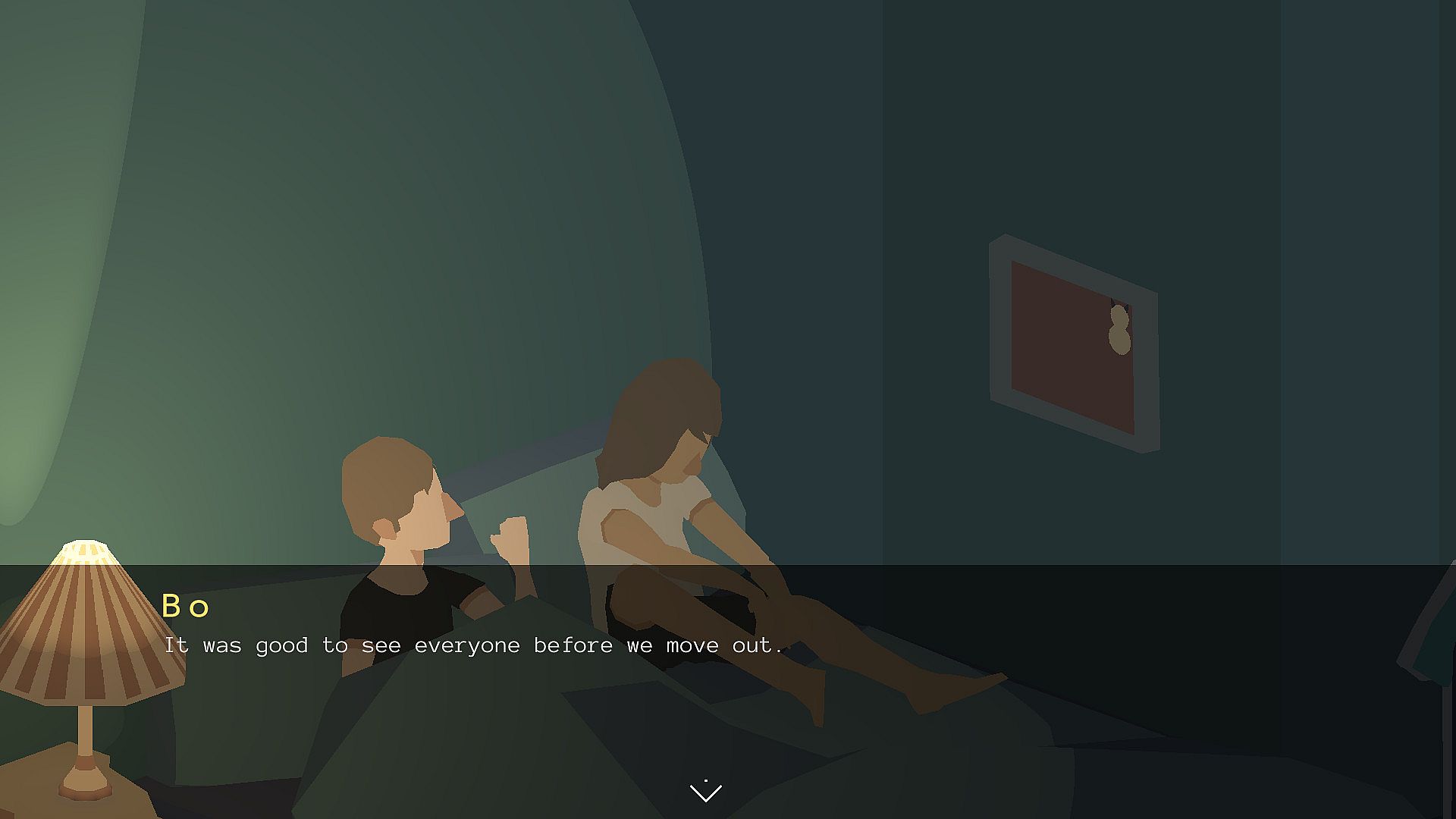
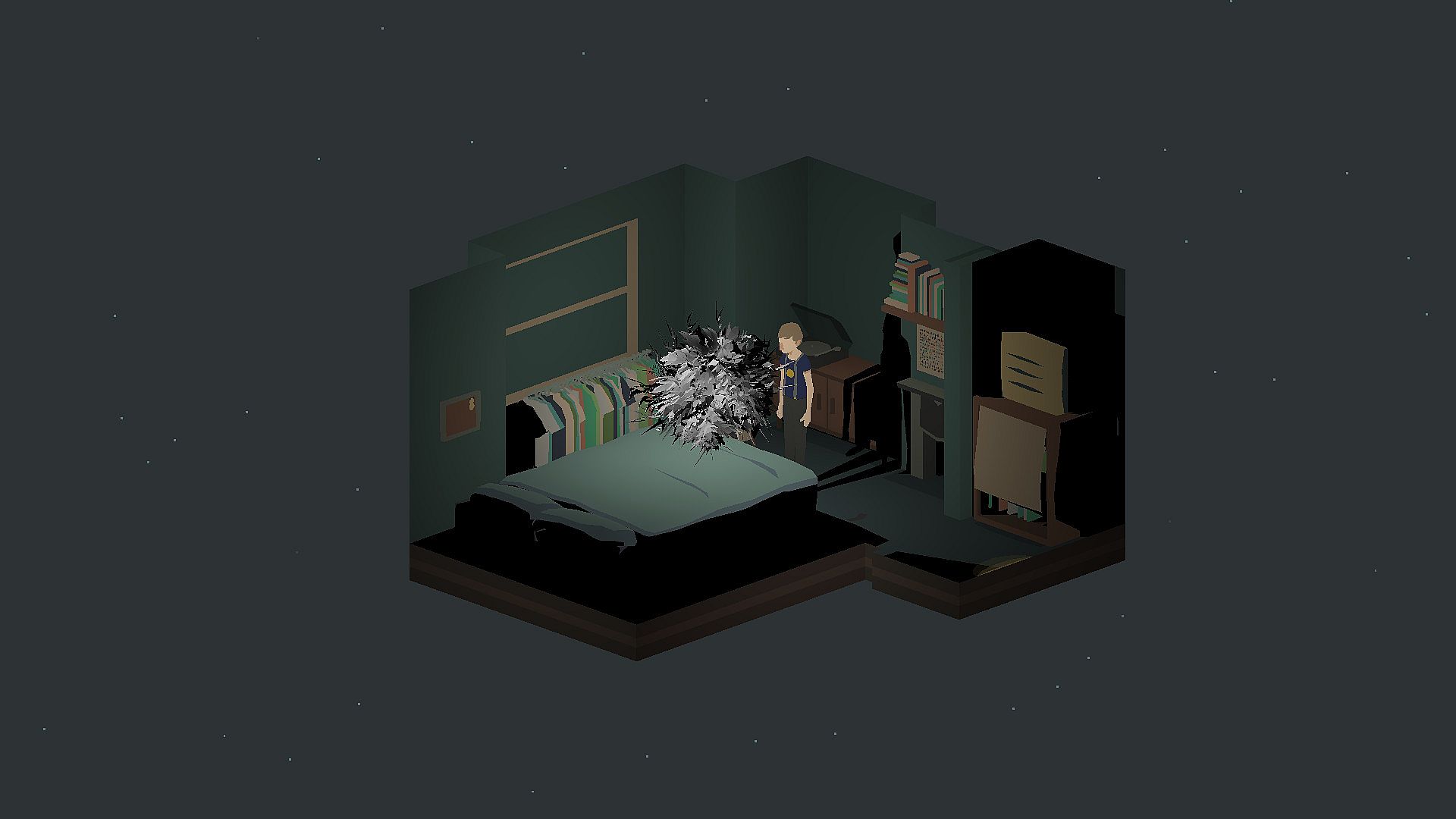
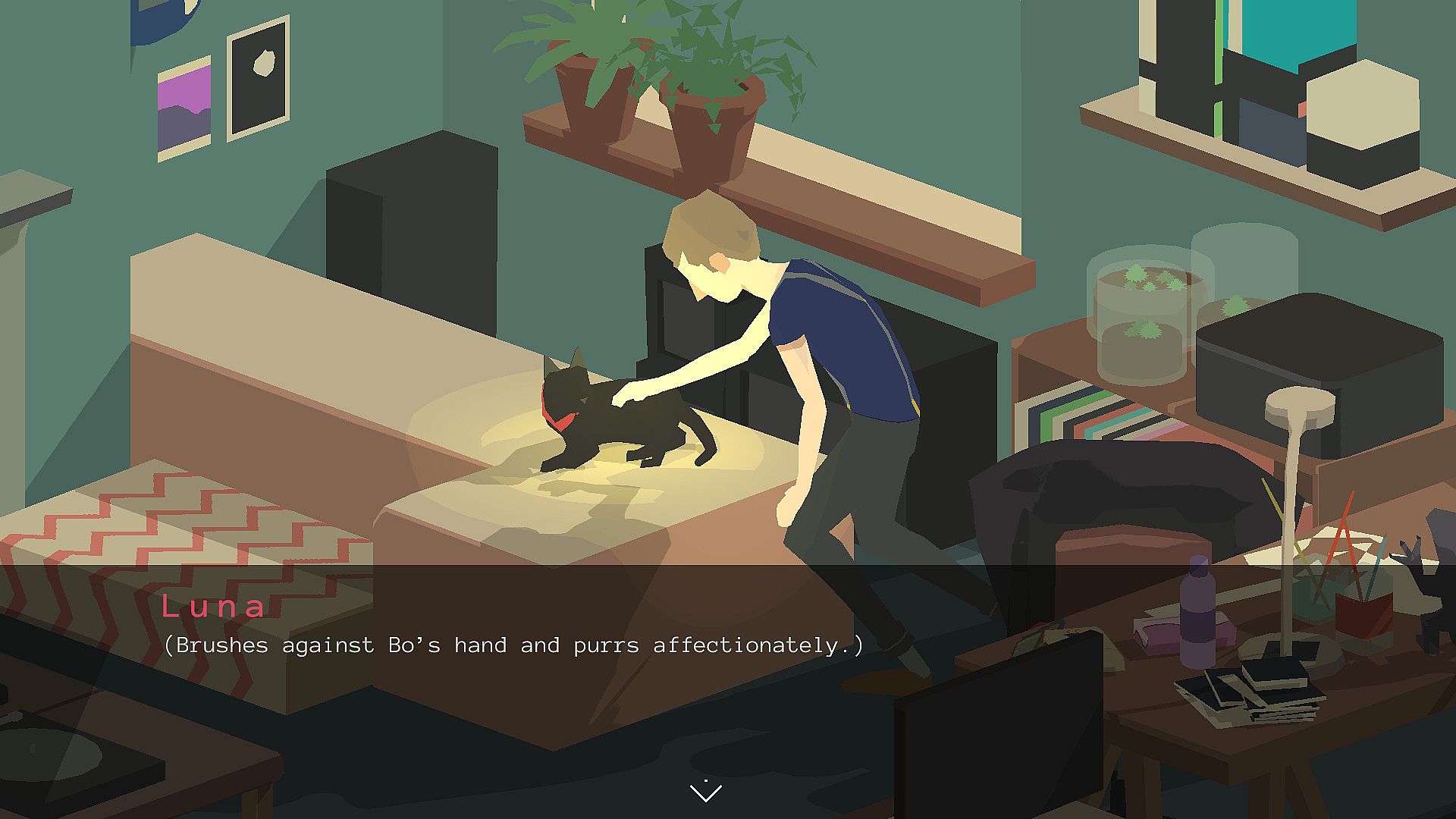
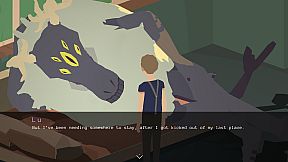
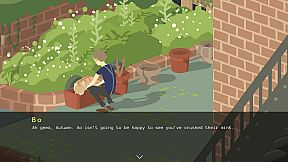
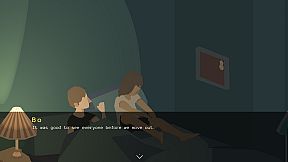
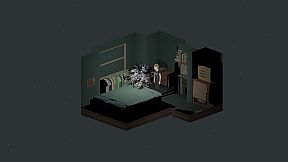
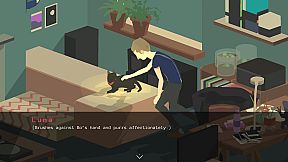
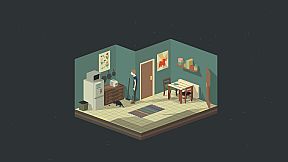
Players explore a single intimate flat through a point-and-click interface, examining personal belongings and participating in ordinary activities. The perspective shifts between the two protagonists, Bo and Ao, allowing each to interact with the same spaces in distinct ways that reveal individual memories and perspectives. Activities include preparing barbecues, playing video games together, and extended late-night conversations while in bed. A multi-eyed, animal-like flatmate named Lu adds another layer to the household dynamics. The narrative unfolds at a deliberate pace without puzzles or timers, emphasizing observation and dialogue over traditional challenges. An underlying atmospheric element hints at something growing beneath the flat, contributing to the overall mood without dominating the focus on personal stories.
Game Modes
The game operates as a single-player narrative experience with no separate modes or multiplayer options. Progression follows a linear story structure that players advance by moving through rooms and engaging with interactive elements at their own speed. There are no branching paths, competitive elements, or additional gameplay variants beyond the core exploration and conversation system.
Story and Themes
The central narrative follows the final days in the shared flat as the characters confront post-graduation realities and impending separation. Themes of identity, belonging, and emotional transition emerge through conversations with friends and each other. The developers drew from their own experiences of being forced apart after university, shaping a semi-autobiographical tone that prioritizes relatable emotional beats over dramatic plot twists. The setting remains confined mostly to the flat, creating an enclosed, introspective atmosphere that mirrors the characters' internal states.
Is It Worth Playing?
Reception has been mixed, with praise for the relatable characters, atmospheric presentation, and soundtrack balanced against notes on its short length of roughly two hours and slower pacing. The game suits players interested in slice-of-life stories, queer narratives, and gentle point-and-click adventures rather than action or complex systems. It remains available as a complete title with no ongoing seasonal content or major updates. Those seeking a brief, focused exploration of friendship and transition may find it rewarding, while players preferring longer campaigns or varied mechanics might look elsewhere. The experience stands as a personal, contained story best approached with patience for its understated style.