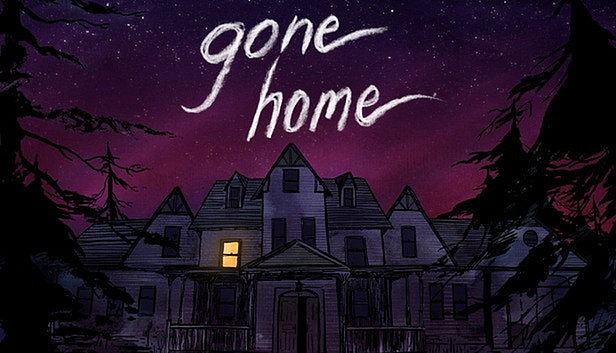














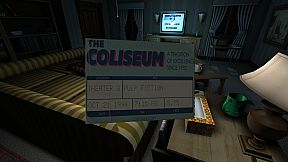
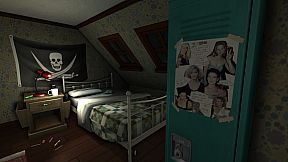
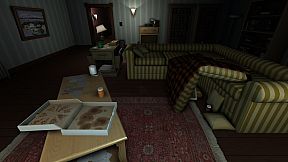

Gone Home is an indie adventure game centered on narrative discovery through environmental exploration in a single-player format. Set in a suburban house on June 7th, 1995, the experience places players in the role of a young woman returning home after time abroad to find the space empty and filled with unanswered questions about her family's whereabouts and recent events.
Gameplay
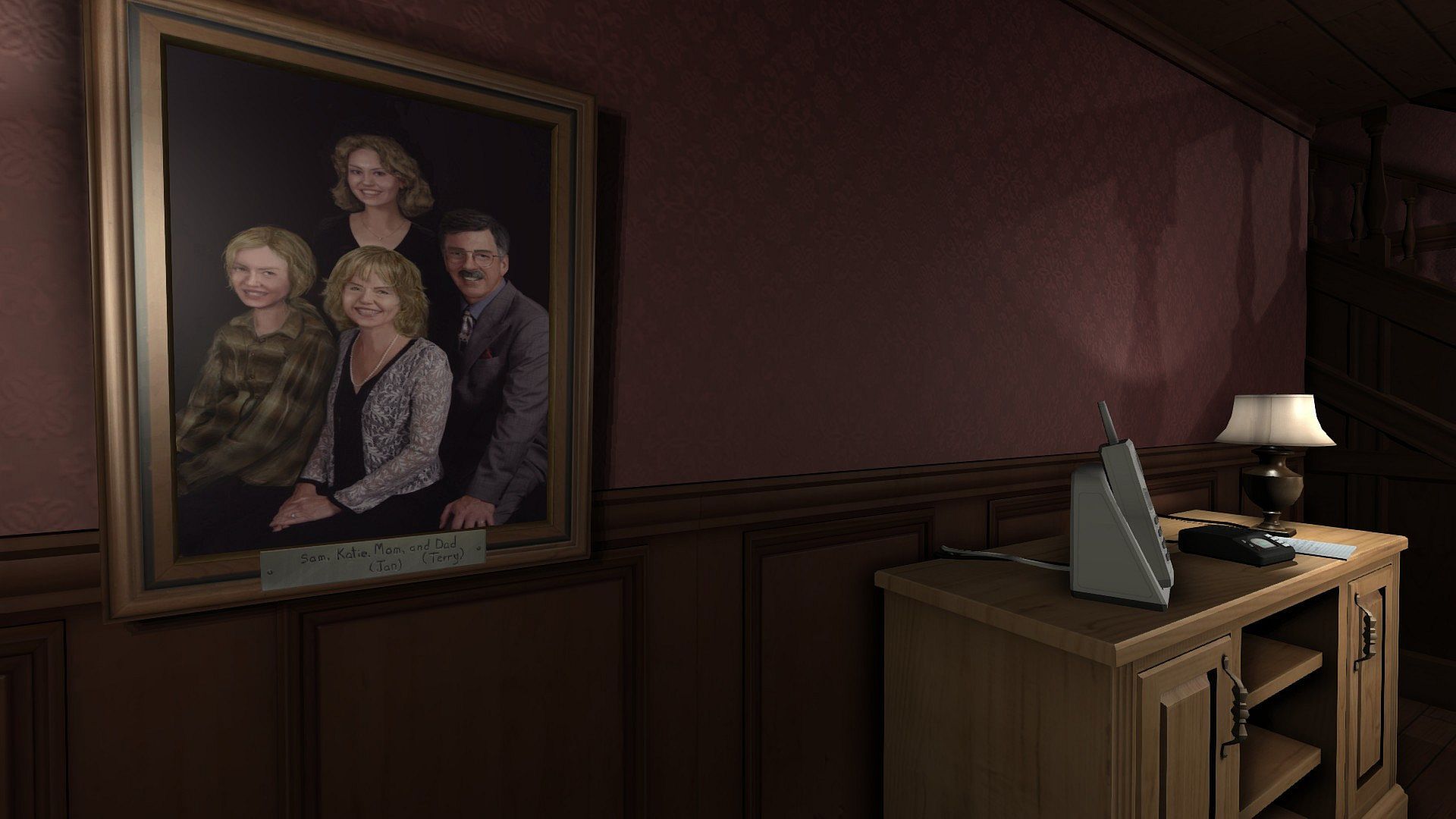
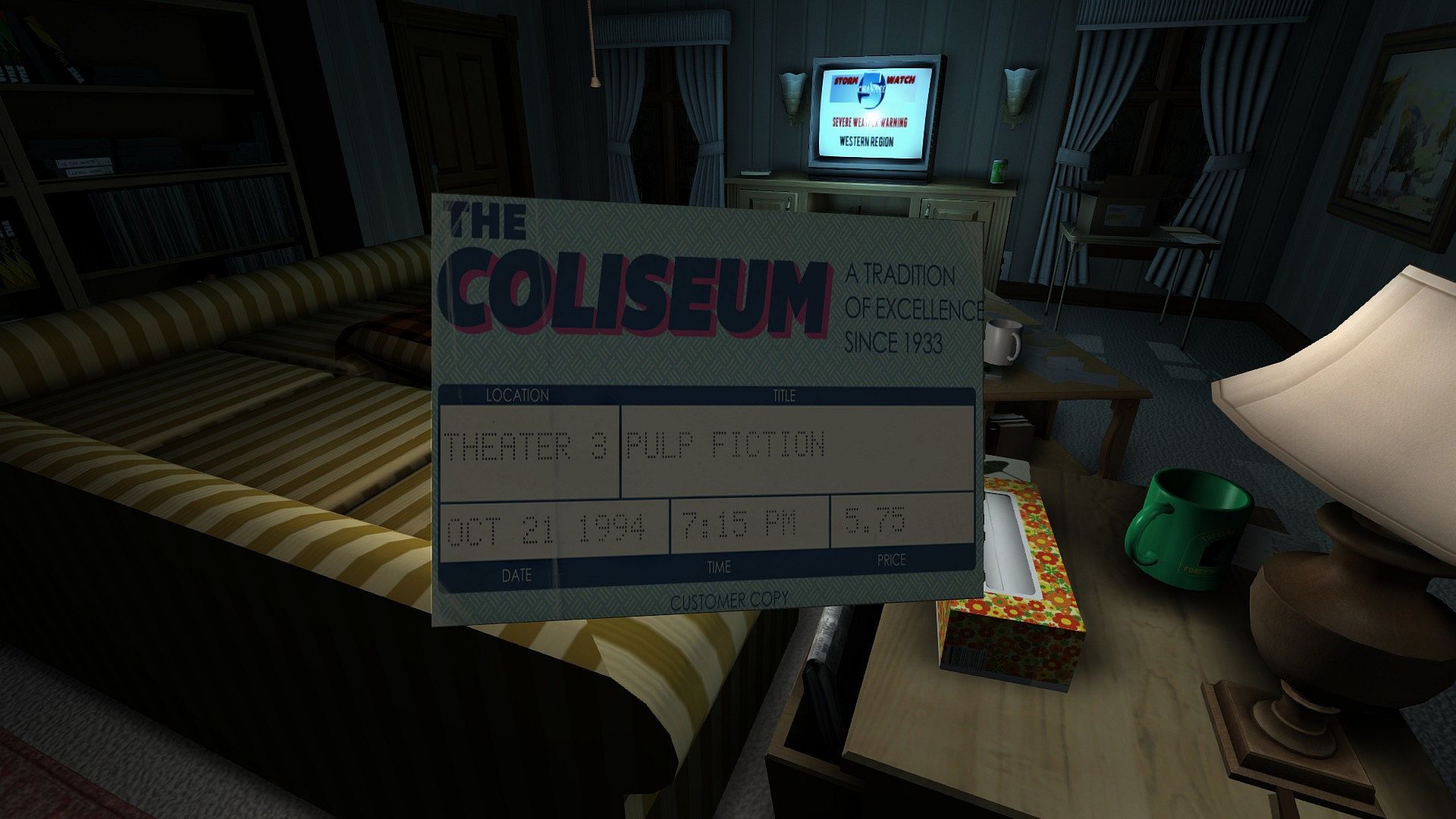
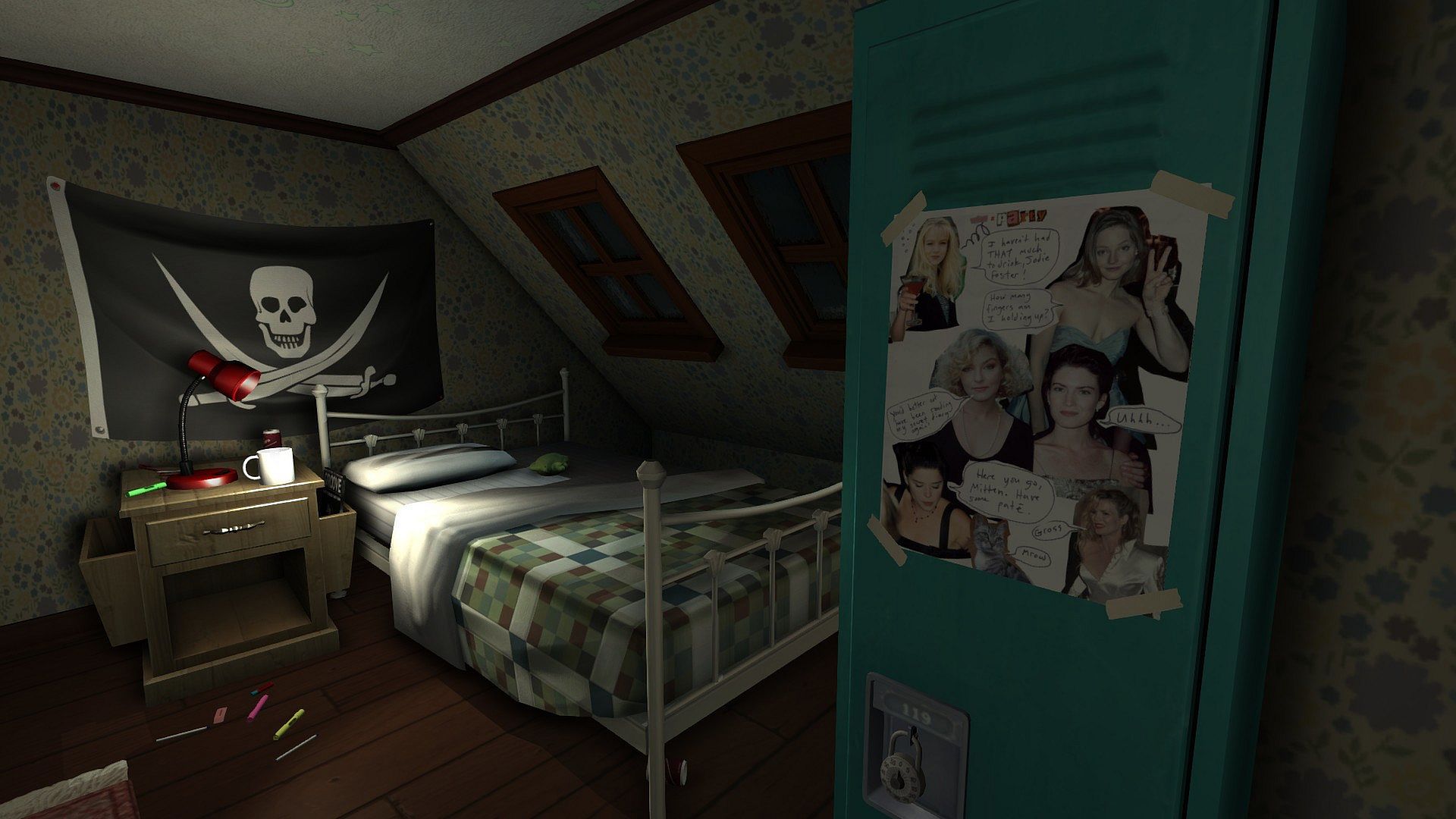
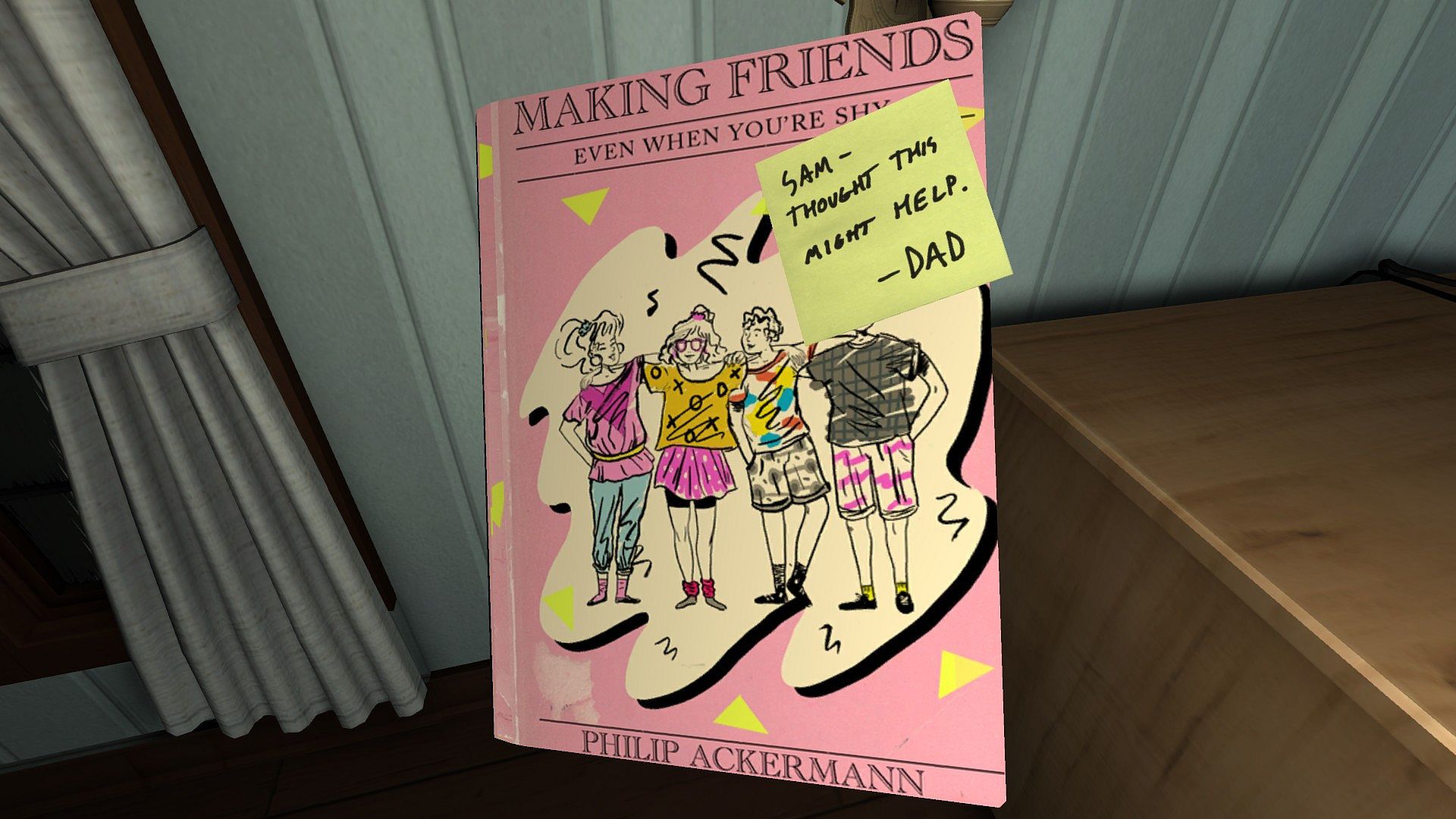
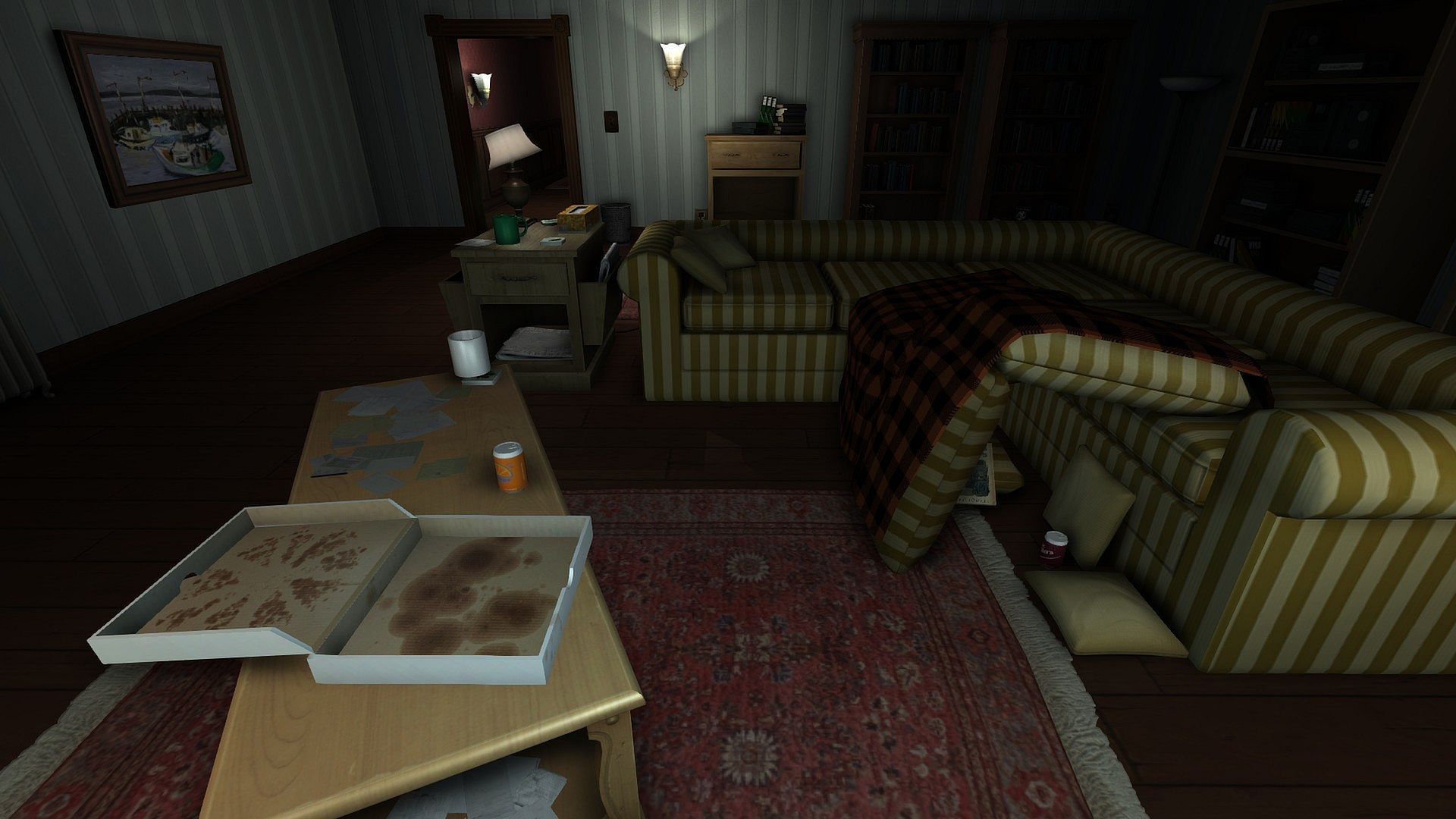
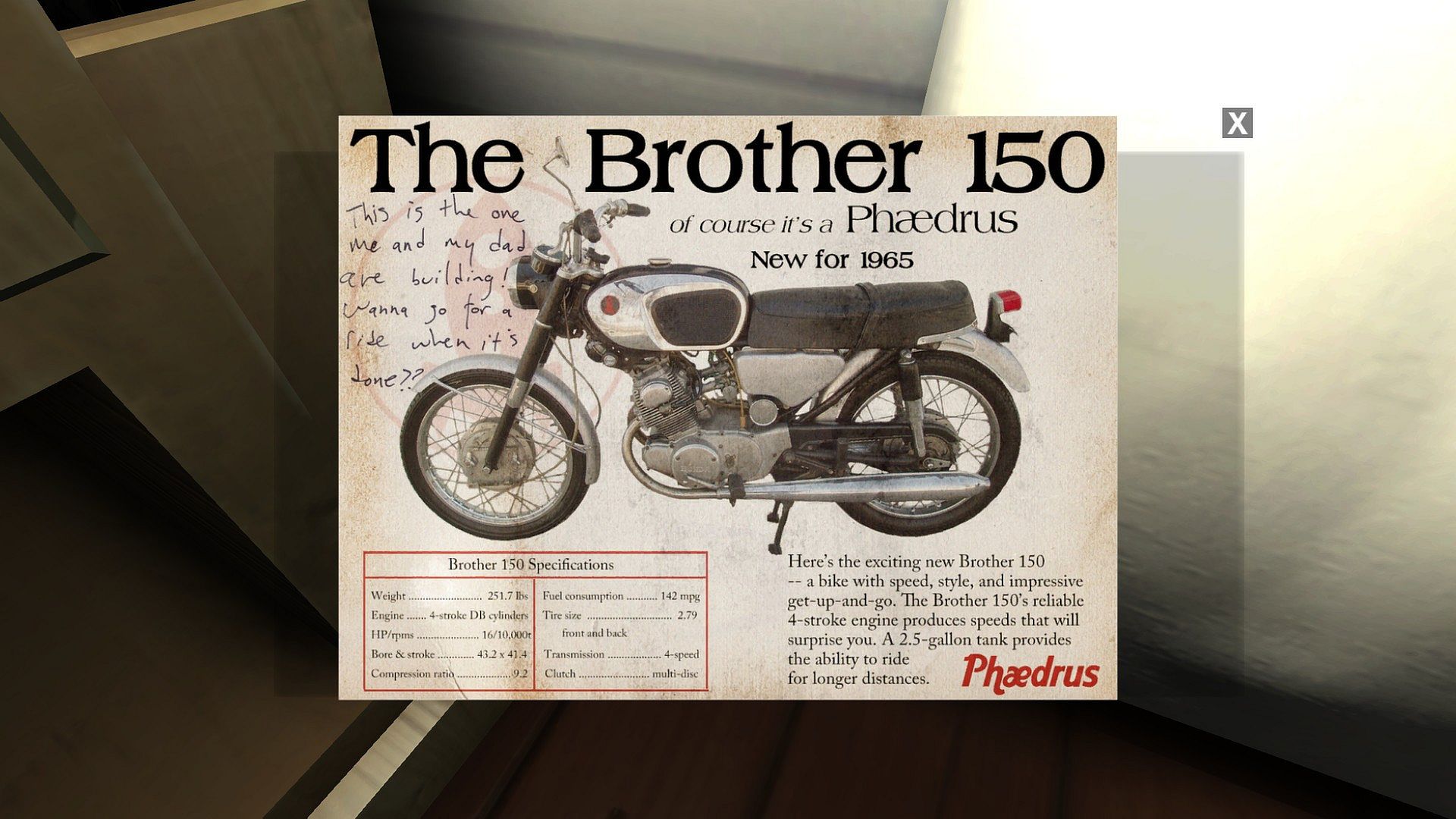
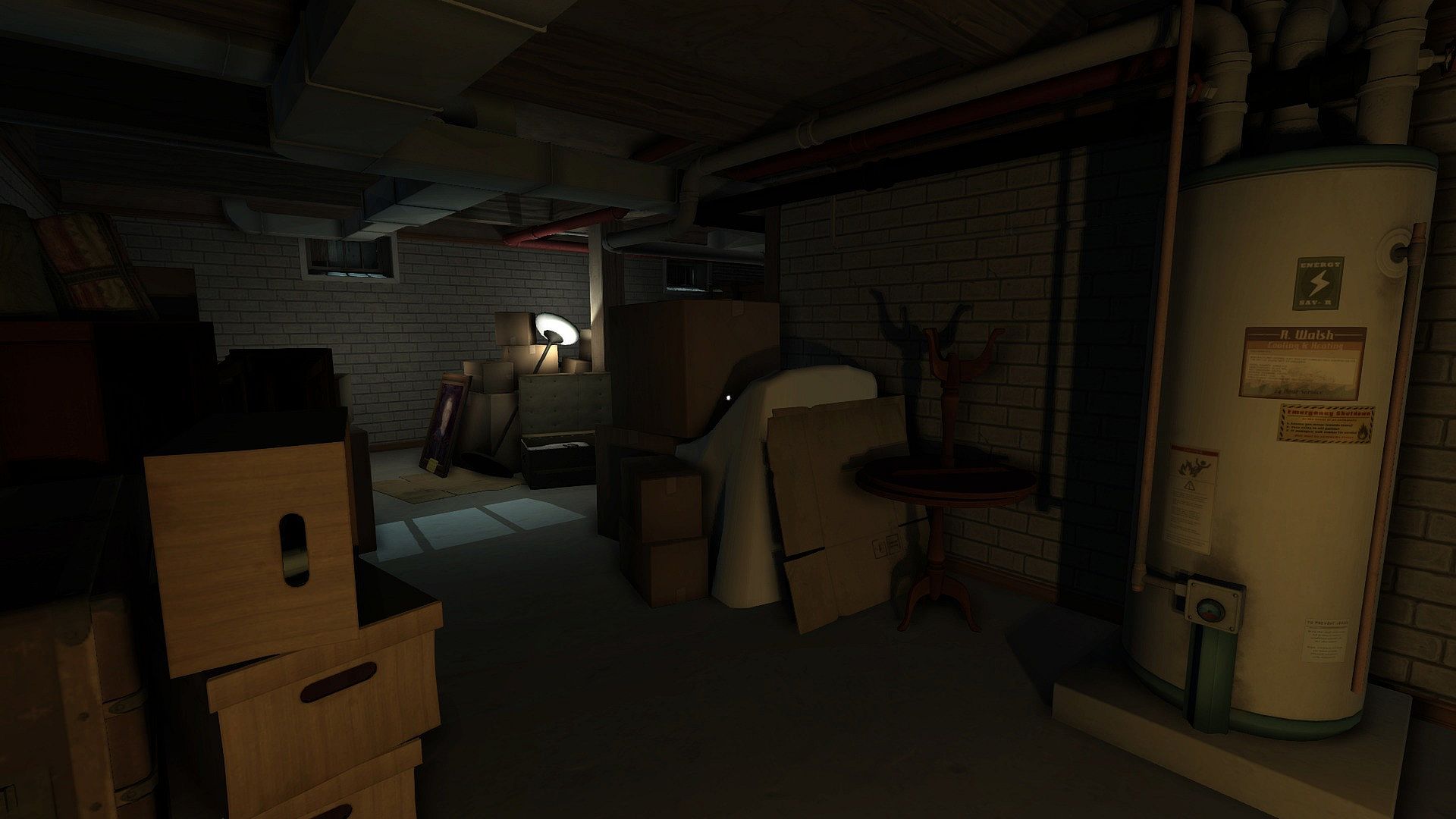
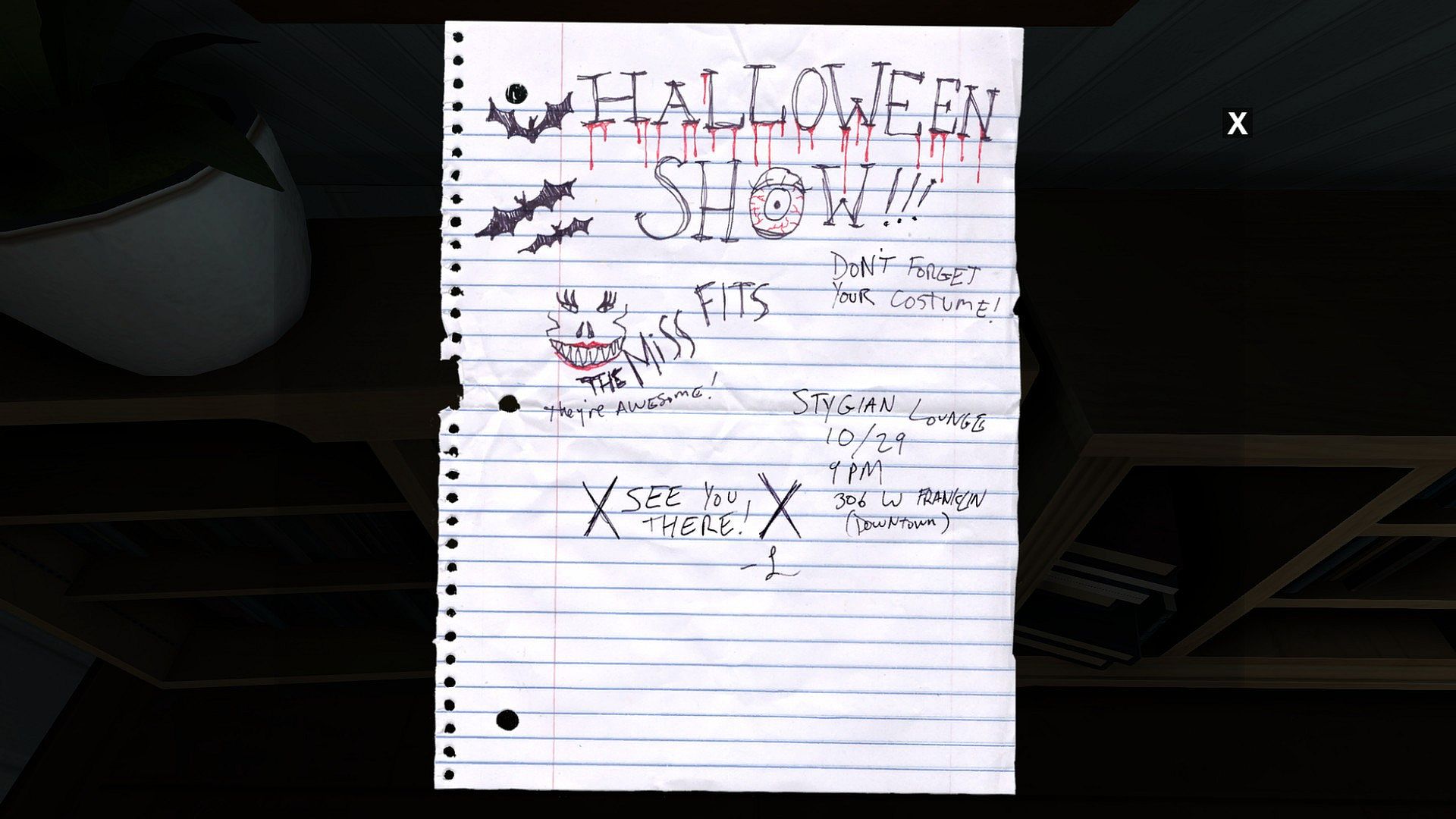
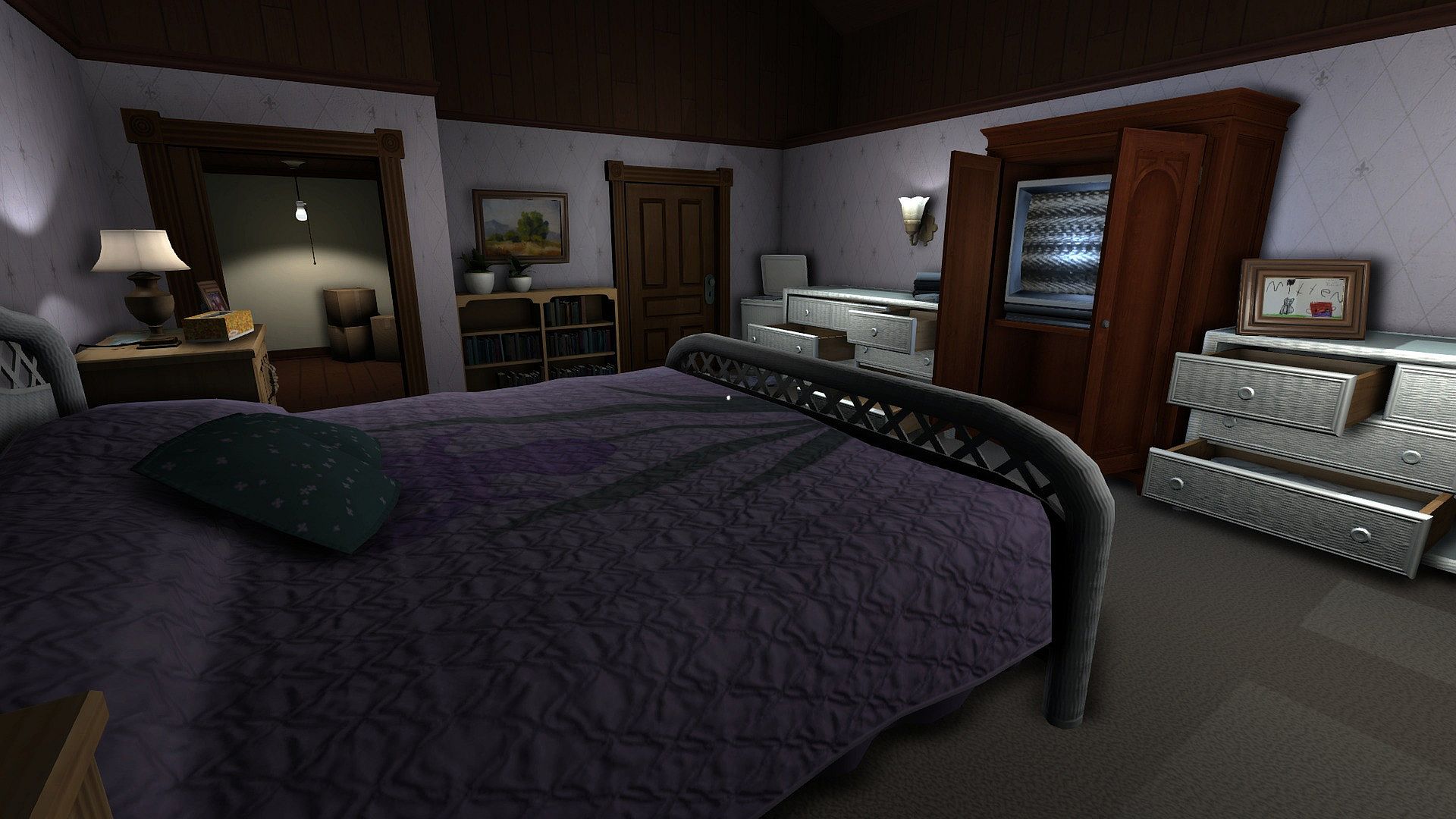
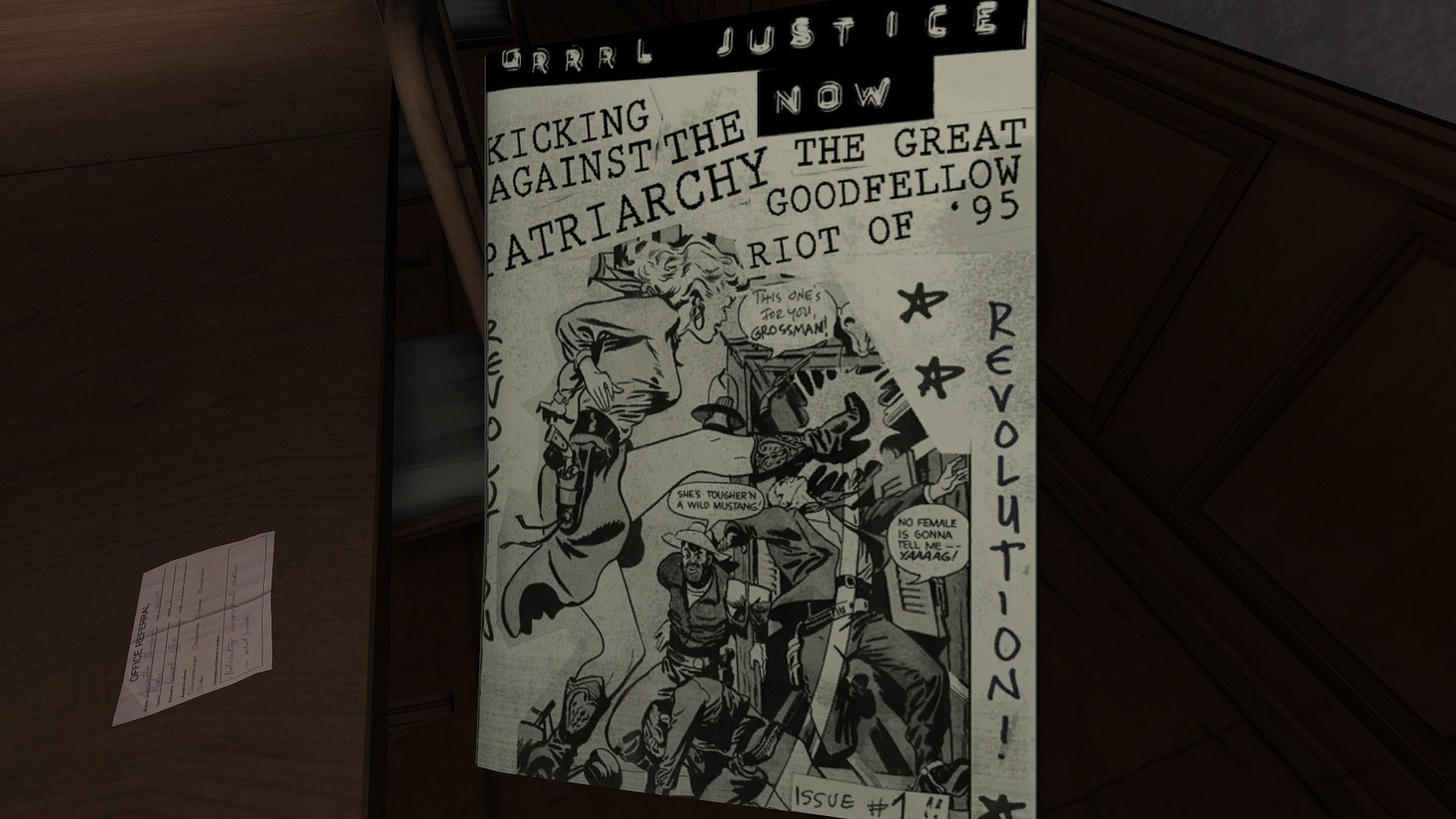
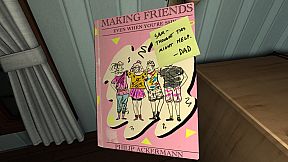
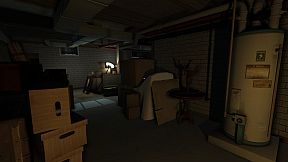
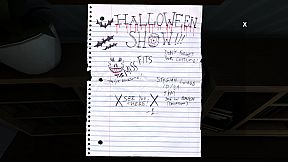
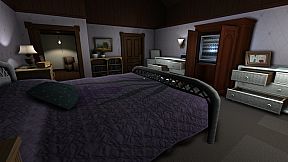
The core loop revolves around moving through the rooms of a detailed 1990s home while examining personal items left behind by the residents. Players open drawers, doors, and cabinets to inspect objects such as notes, letters, photographs, and everyday belongings that reveal fragments of the family's history. Movement occurs in first-person perspective with full freedom to investigate any accessible area at an individual pace, relying on observation rather than directed objectives or timers.
Sound design incorporates ambient elements like rainfall to reinforce the atmosphere of the empty house. Every surface and item serves as a potential clue, encouraging thorough searches without any requirement for combat encounters or traditional puzzle solutions. The design emphasizes voluntary progression through curiosity, allowing the story to unfold naturally as more areas and details come into view.
Game Modes
The primary mode consists of the standard single-player story exploration where the focus remains entirely on uncovering events through interaction with the environment. A separate commentary mode provides access to over ninety minutes of developer, musician, and voice talent discussions, activated via a modifiers option at the start of a new session to layer insights alongside the main experience.
No additional competitive or cooperative modes exist, keeping the emphasis on solitary investigation of the house and its contents. The structure supports replay through different exploration orders or by engaging the commentary track for repeated visits.
Story and Setting
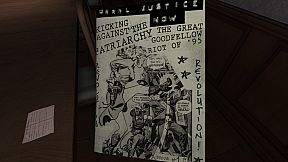
The narrative centers on one family's experiences with change, uncertainty, and personal challenges during the mid-1990s. Details emerge gradually from scattered documents and possessions that document relationships, daily life, and pivotal moments without direct character appearances or voiced dialogue during exploration. The recreated home captures period-specific details in furniture, decor, and technology to ground the events in their historical context.
Players piece together the sequence of occurrences by connecting clues across multiple rooms, building a complete picture of the Greenbriar household through accumulated evidence rather than linear cutscenes or exposition dumps.
Is It Worth Playing?
Gone Home suits players interested in short, focused narrative experiences that prioritize environmental storytelling over action or mechanical challenges. Its puzzle-free and nonviolent approach removes common barriers, making it accessible for those who prefer to explore at leisure and interpret events independently. The game maintains availability on PC with the original single-player structure and optional commentary intact since its initial release.
Reception highlights its strength in delivering a cohesive personal tale through subtle details, though individual enjoyment depends on appreciation for slow-paced investigation without external goals or conflict. Those seeking traditional gameplay systems may find the emphasis on observation limiting, while fans of story-driven adventures often value the concise format and attention to domestic realism.