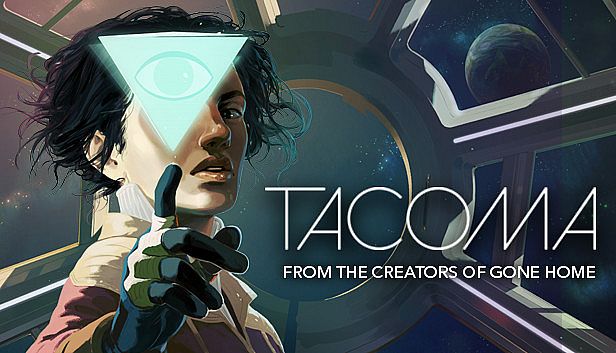












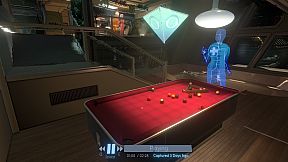
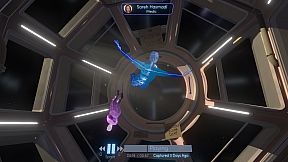
Tacoma is a narrative adventure game developed by Fullbright and released for PC. Set in the year 2088 aboard an orbital space station, the experience centers on exploration and story reconstruction through interactive digital recordings rather than action or traditional challenges.
Gameplay
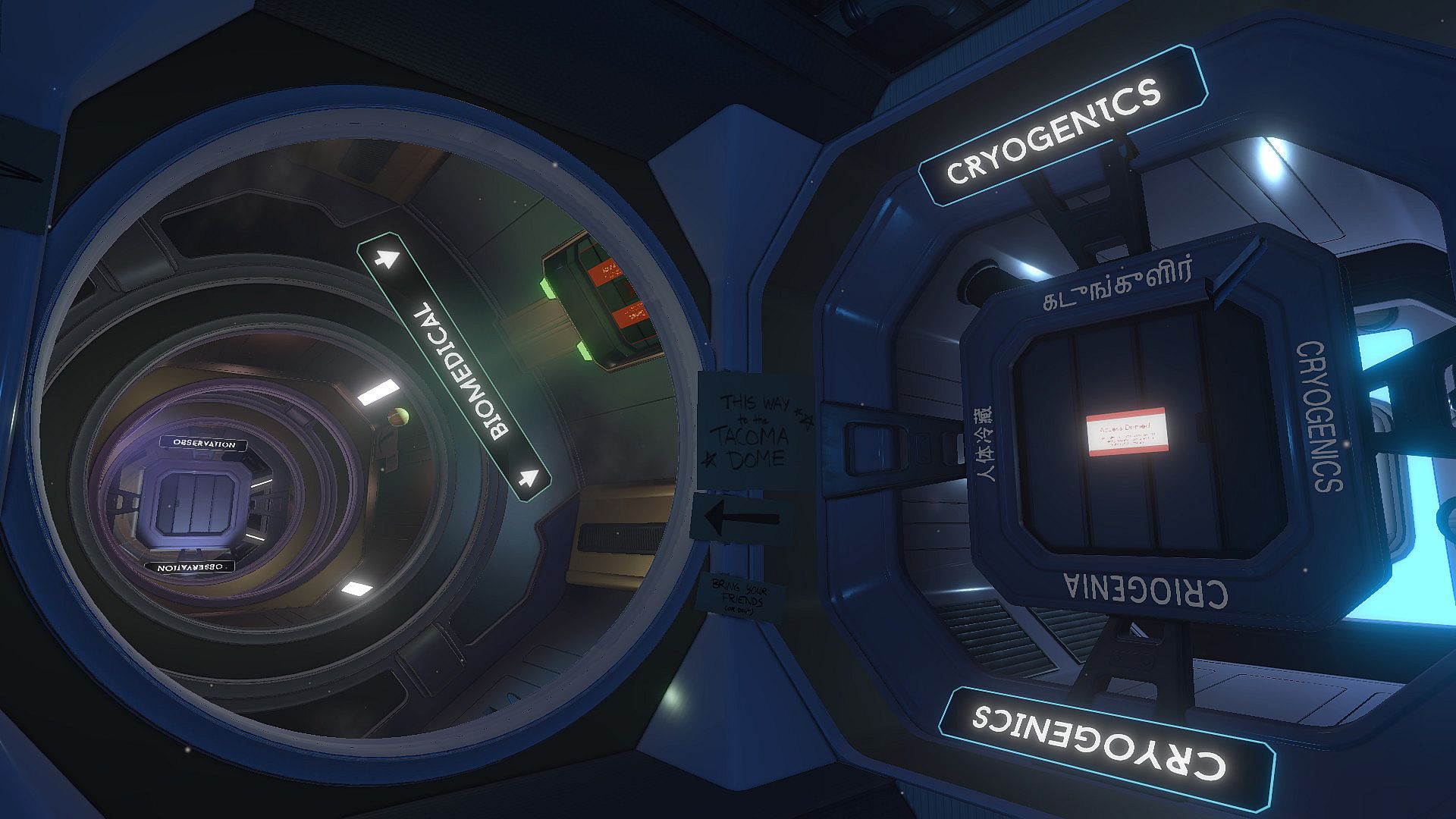
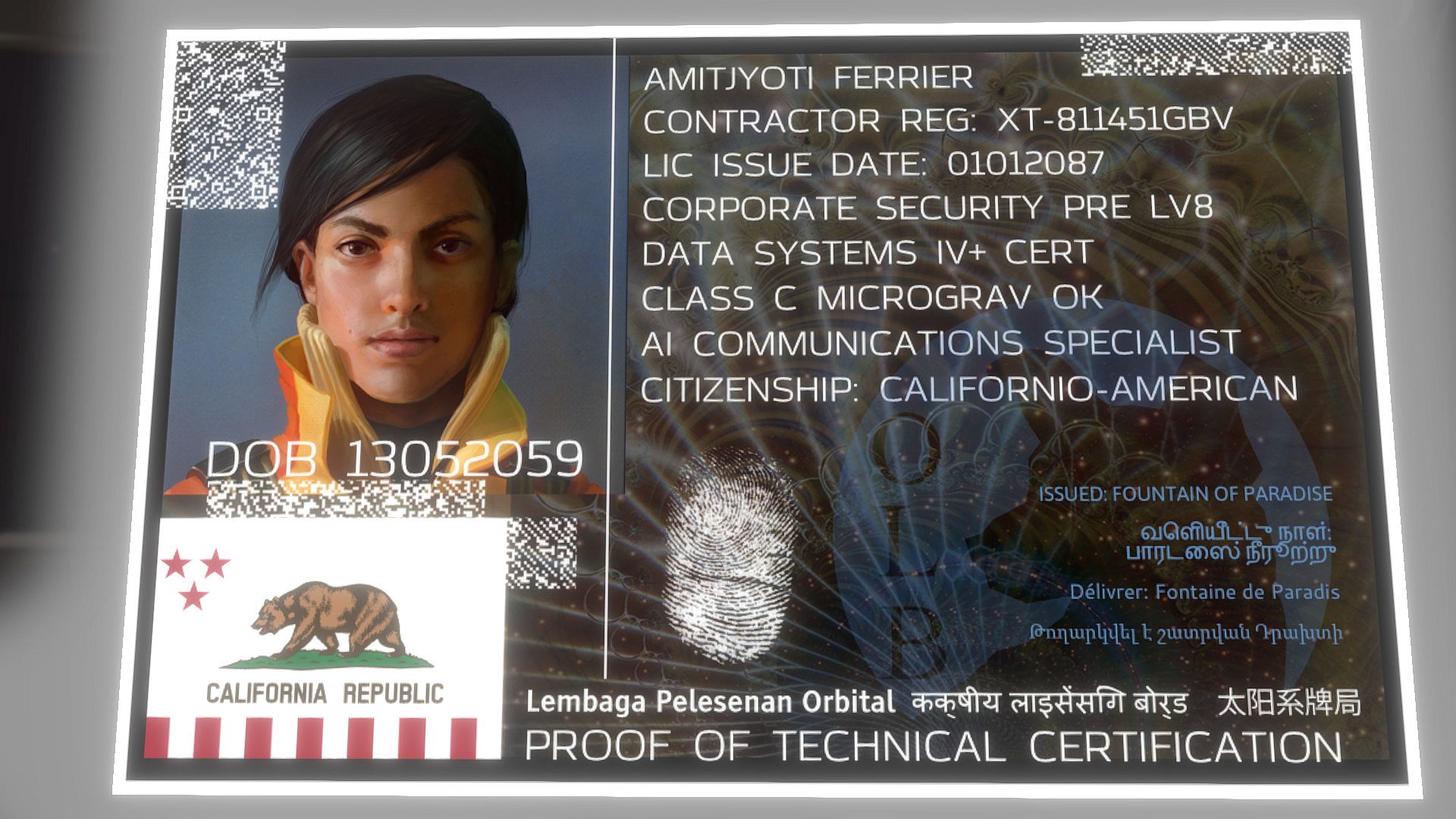
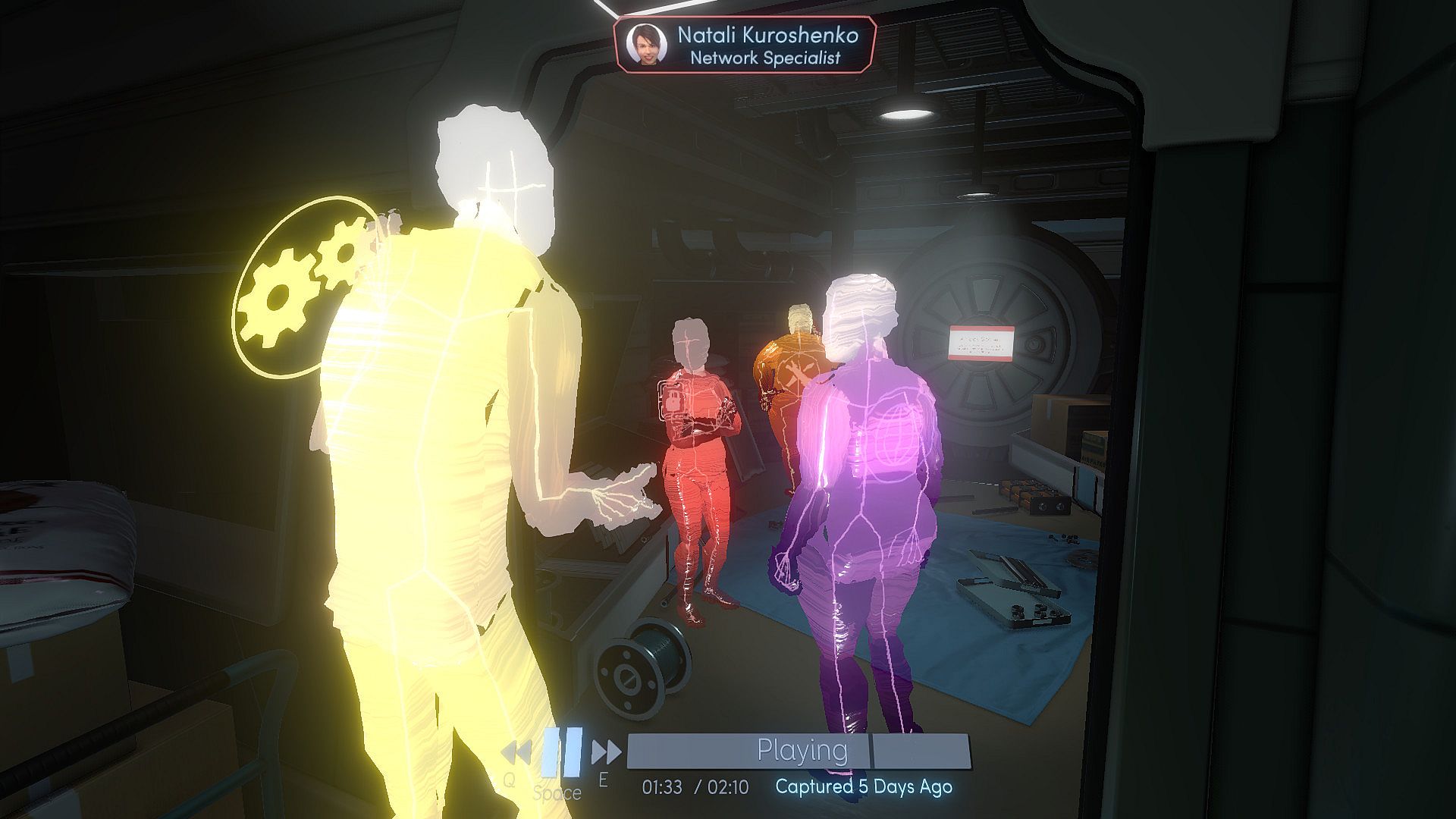
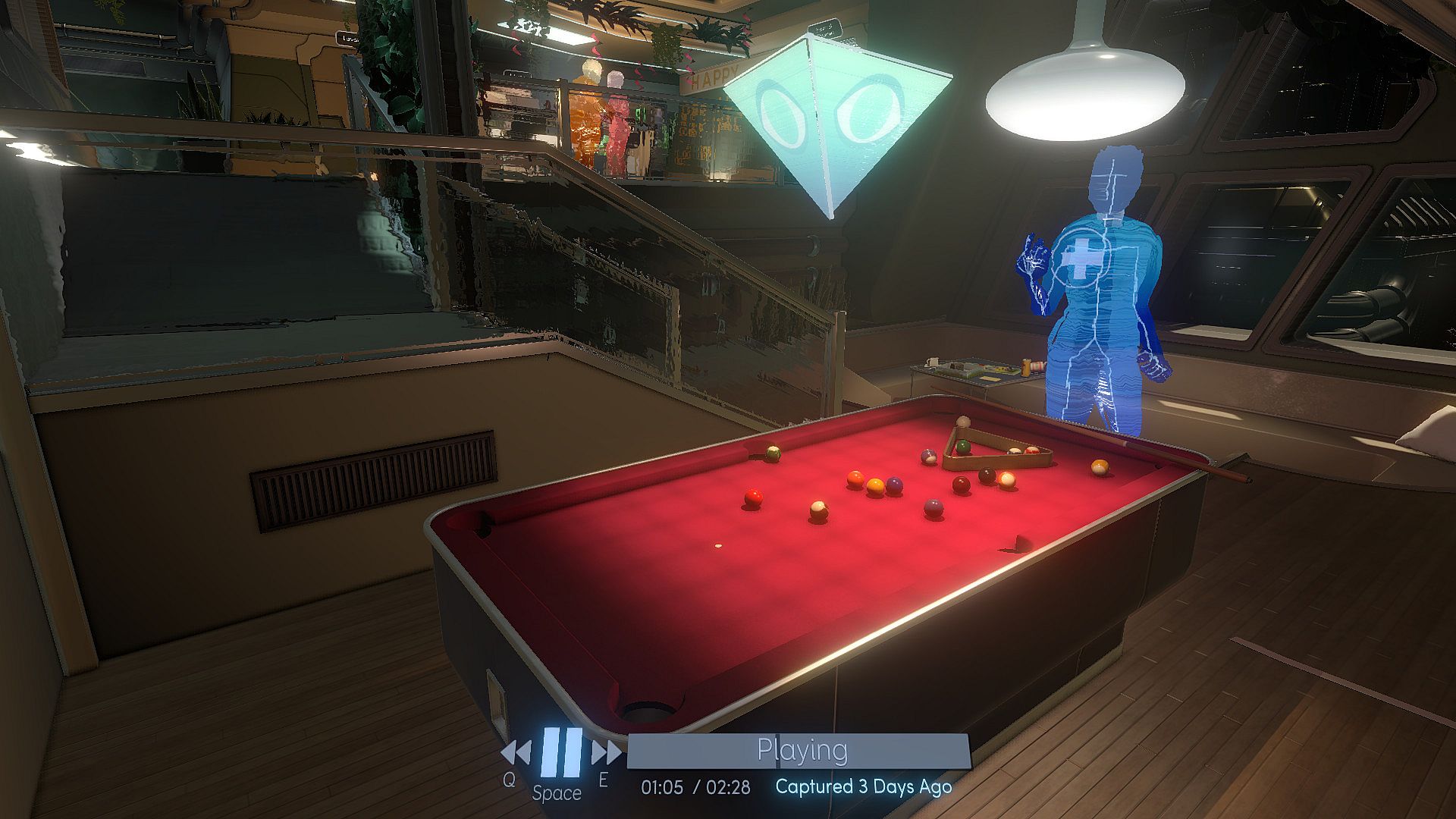
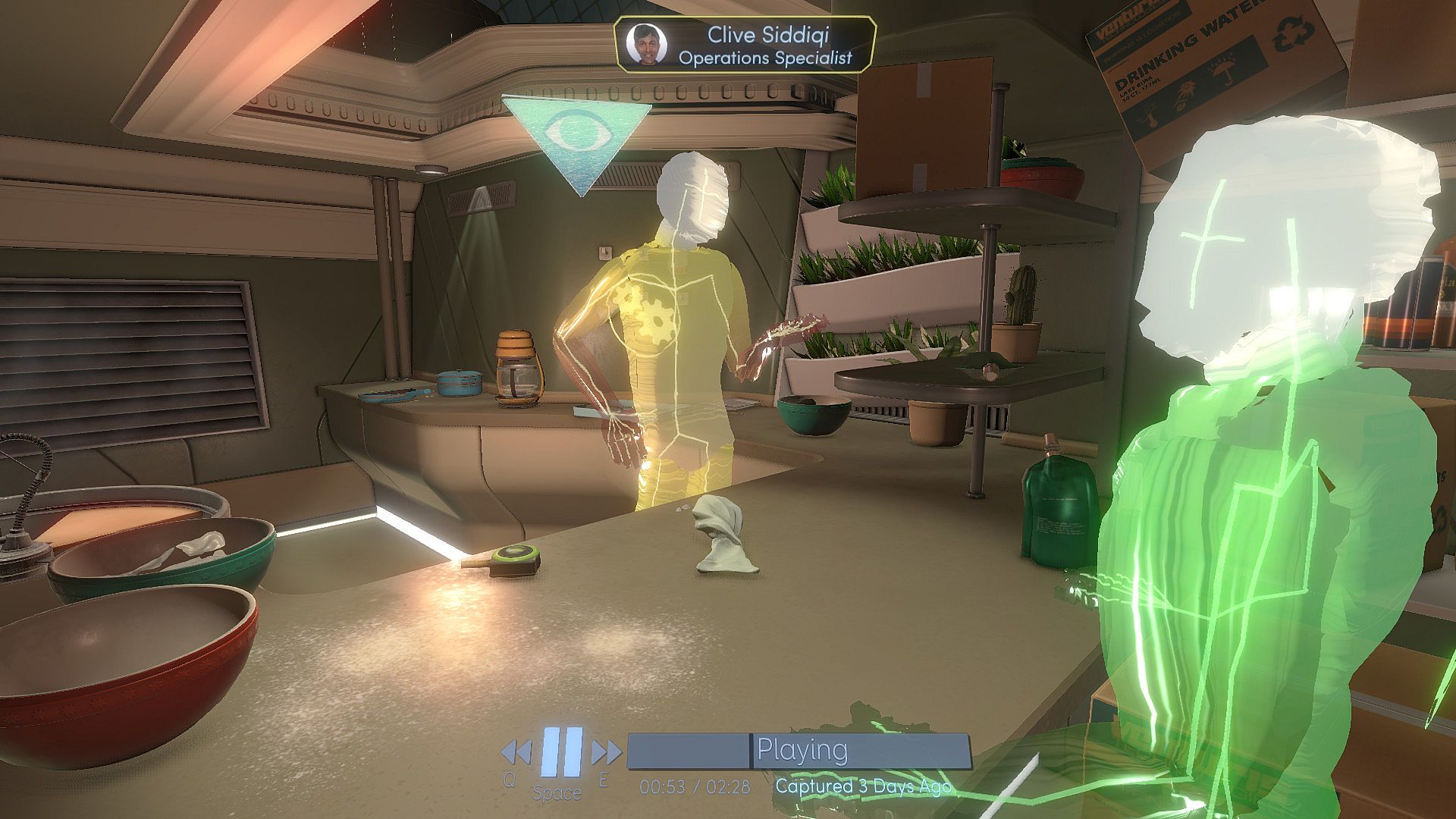
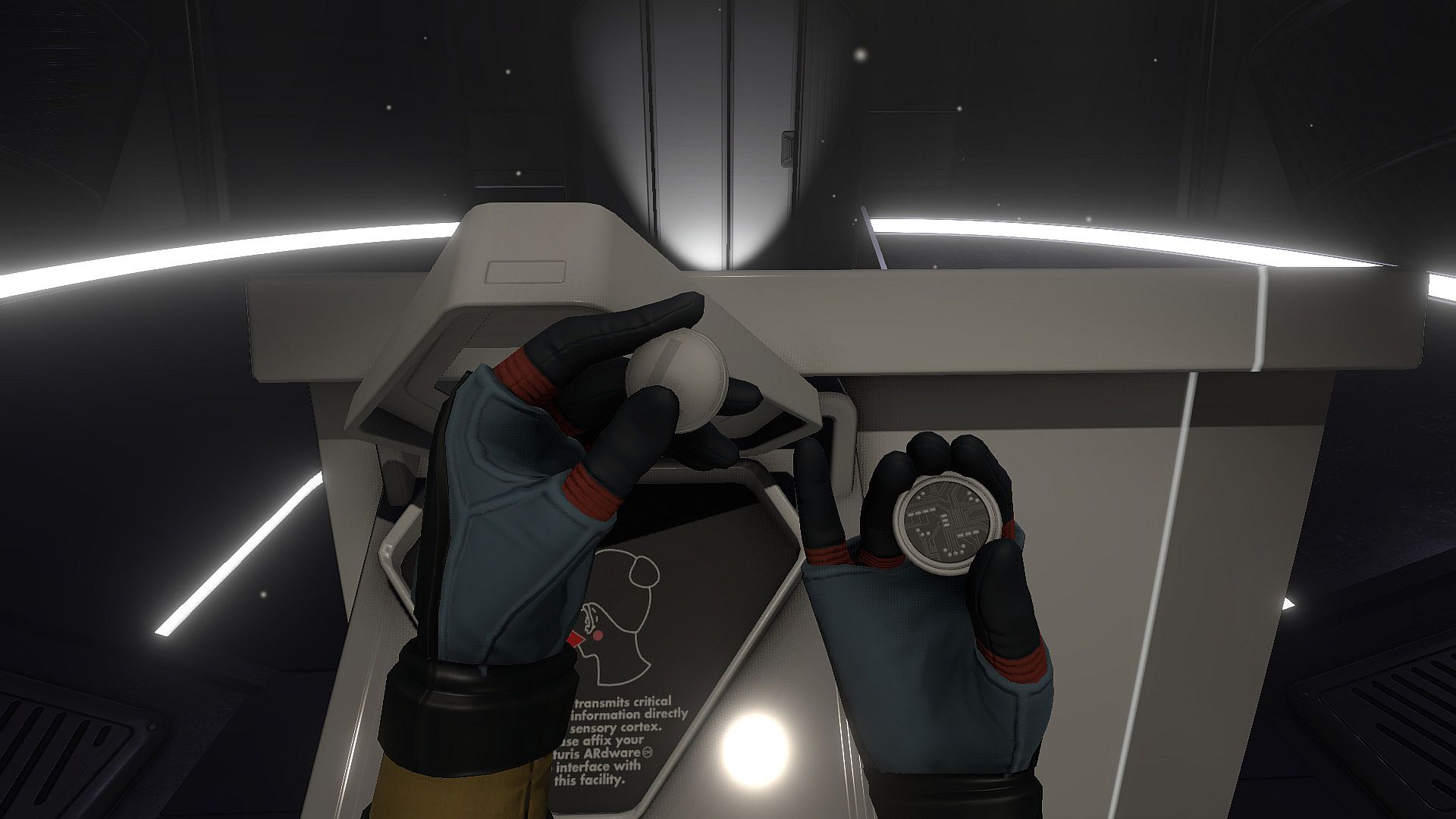
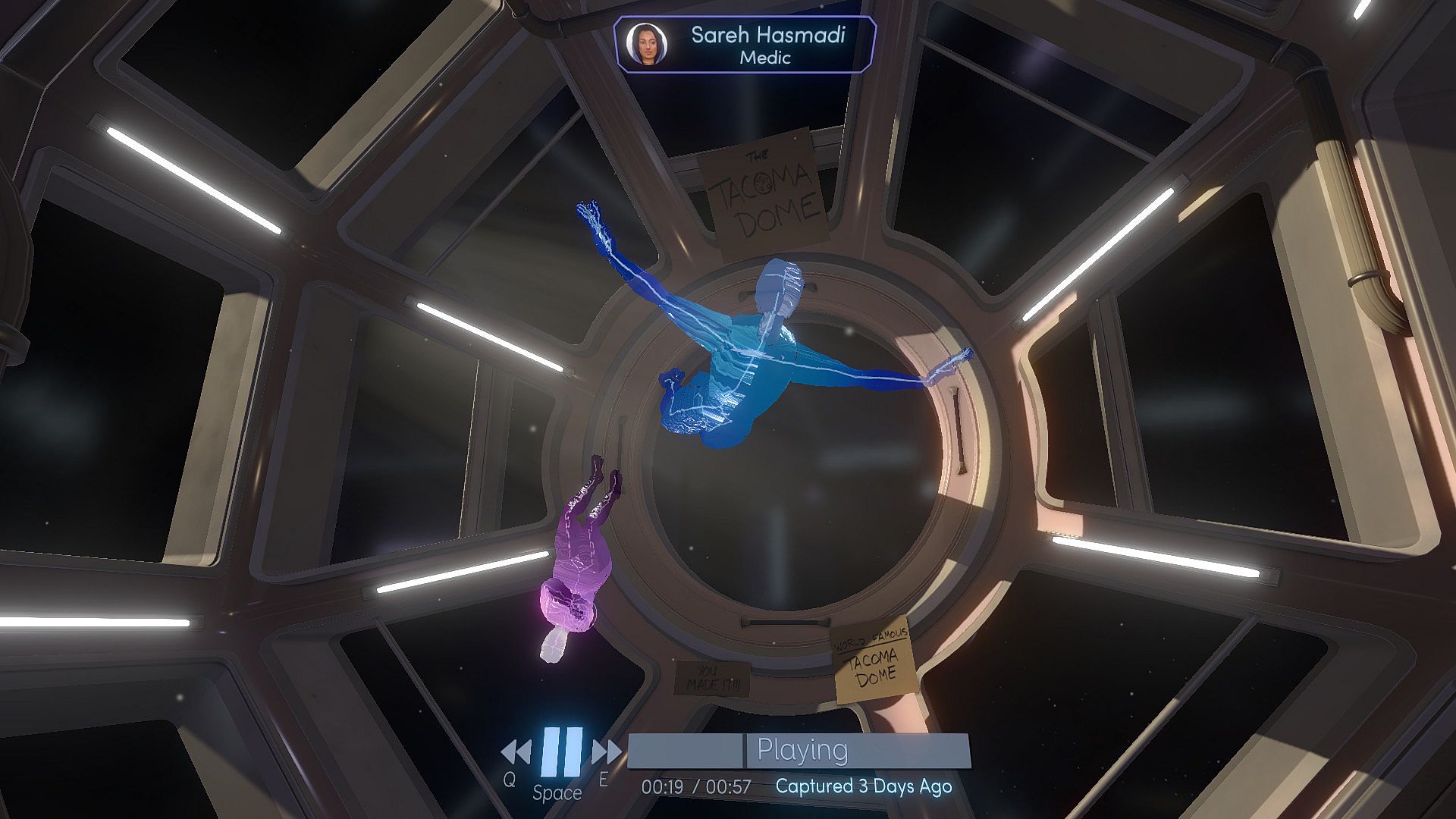
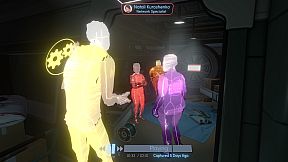
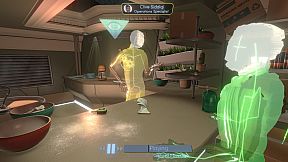
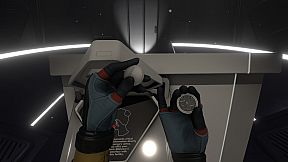
The core loop involves moving through the empty Tacoma station while interacting with an augmented reality system that replays captured moments from the crew's daily lives. These scenes appear as three-dimensional holographic figures that players can observe from multiple angles. Controls allow rewinding, fast-forwarding, and pausing the recordings to follow individual crew members across different rooms and timelines. Physical exploration complements this system, as players open lockers, examine personal items, and access digital logs to uncover additional context about relationships and events.
Progression relies on piecing together conversations and actions from six crew members whose parallel threads intersect and diverge. The station itself serves as both setting and puzzle-free environment, with doors and compartments revealing notes or artifacts that deepen understanding of the fictional future. No combat or timed challenges interrupt the pace, allowing players to linger on details at their own speed.
Game Modes
Tacoma offers a single-player narrative mode focused entirely on story discovery. A separate developer commentary option can be enabled at the start of a new playthrough or toggled in the options menu. This mode layers over two hours of recorded insights from the team on world-building, character development, and production decisions directly onto the existing experience without altering core mechanics.
No competitive, cooperative, or alternate gameplay variants exist. The structure remains consistent across play sessions, emphasizing repeated viewings of the same scenes from fresh perspectives to reveal layered details.
Story and Setting
The narrative unfolds through fully voiced and animated scenes that capture pivotal moments among the station's crew. Themes of trust, professional pressures, and personal connections emerge as players reconstruct events leading to the crew's departure. The year 2088 setting depicts routine operations in low-Earth orbit, including work routines, interpersonal dynamics, and responses to an unfolding crisis.
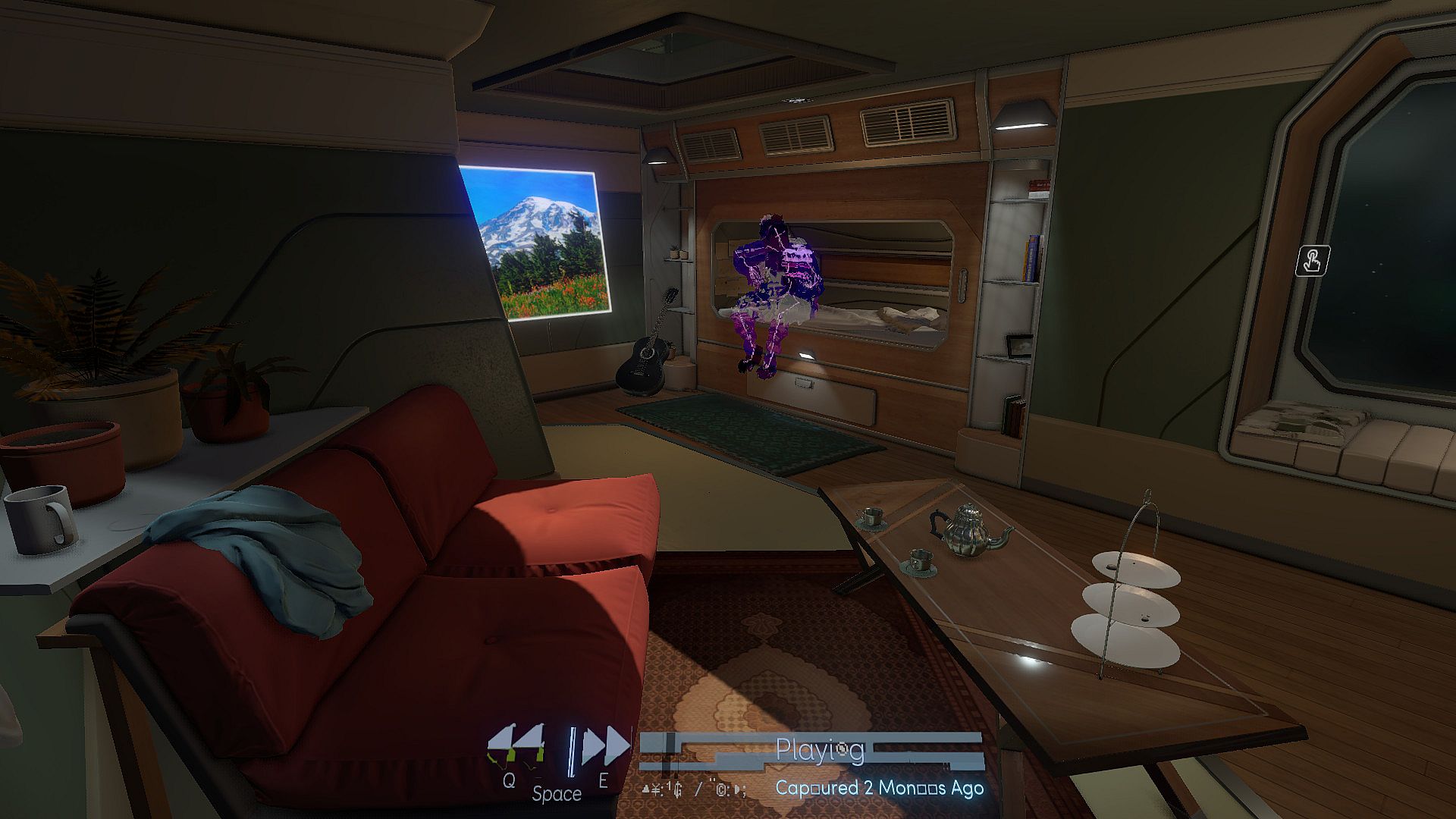
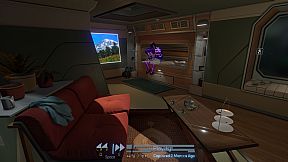
Environmental storytelling extends beyond the recordings. Scattered physical objects and archived communications provide background on daily life aboard the facility, creating a cohesive picture of the crew's experiences without requiring external references.
Is It Worth Playing?
Tacoma suits players who enjoy short, focused narrative adventures centered on character-driven stories and environmental details. The estimated completion time ranges from two to five hours depending on thoroughness, making it accessible for those seeking a compact experience without ongoing commitments or updates.
The game appeals to fans of exploration-based titles that prioritize observation and interpretation over mechanical complexity. Its non-linear scene viewing encourages multiple passes through sections to fully assemble the crew's interconnected stories. Those preferring action, puzzles, or longer campaigns may find the deliberate pace less engaging, while the addition of developer commentary provides extra value for anyone interested in the creative process behind the title.