

























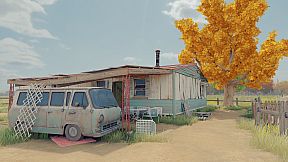
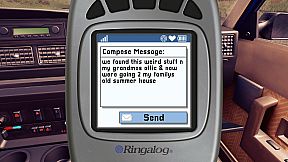

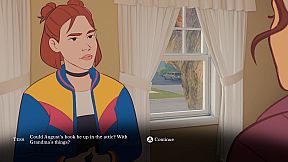
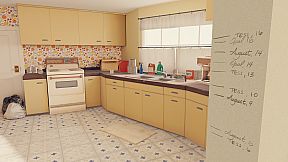
Open Roads is an indie adventure game centered on a mother and daughter uncovering long-buried family history during a road trip across abandoned properties. Players take on the role of 16-year-old Tess Devine as she travels with her mother Opal, examining forgotten locations that hold clues to decades-old events including burglaries and hidden valuables near the Canadian border. The experience blends environmental storytelling with personal conversations that reveal character motivations and tensions between the two leads.
Gameplay
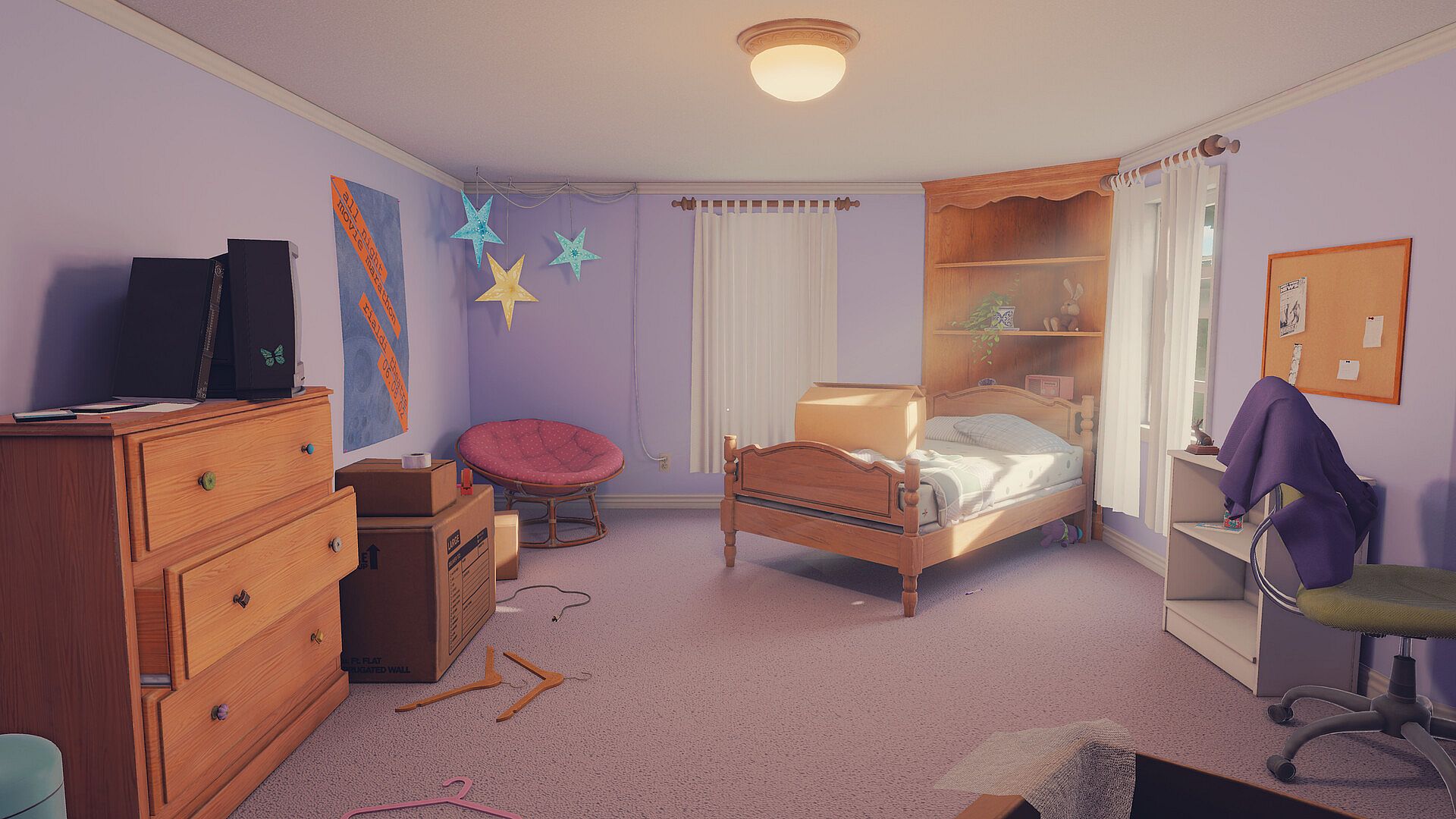
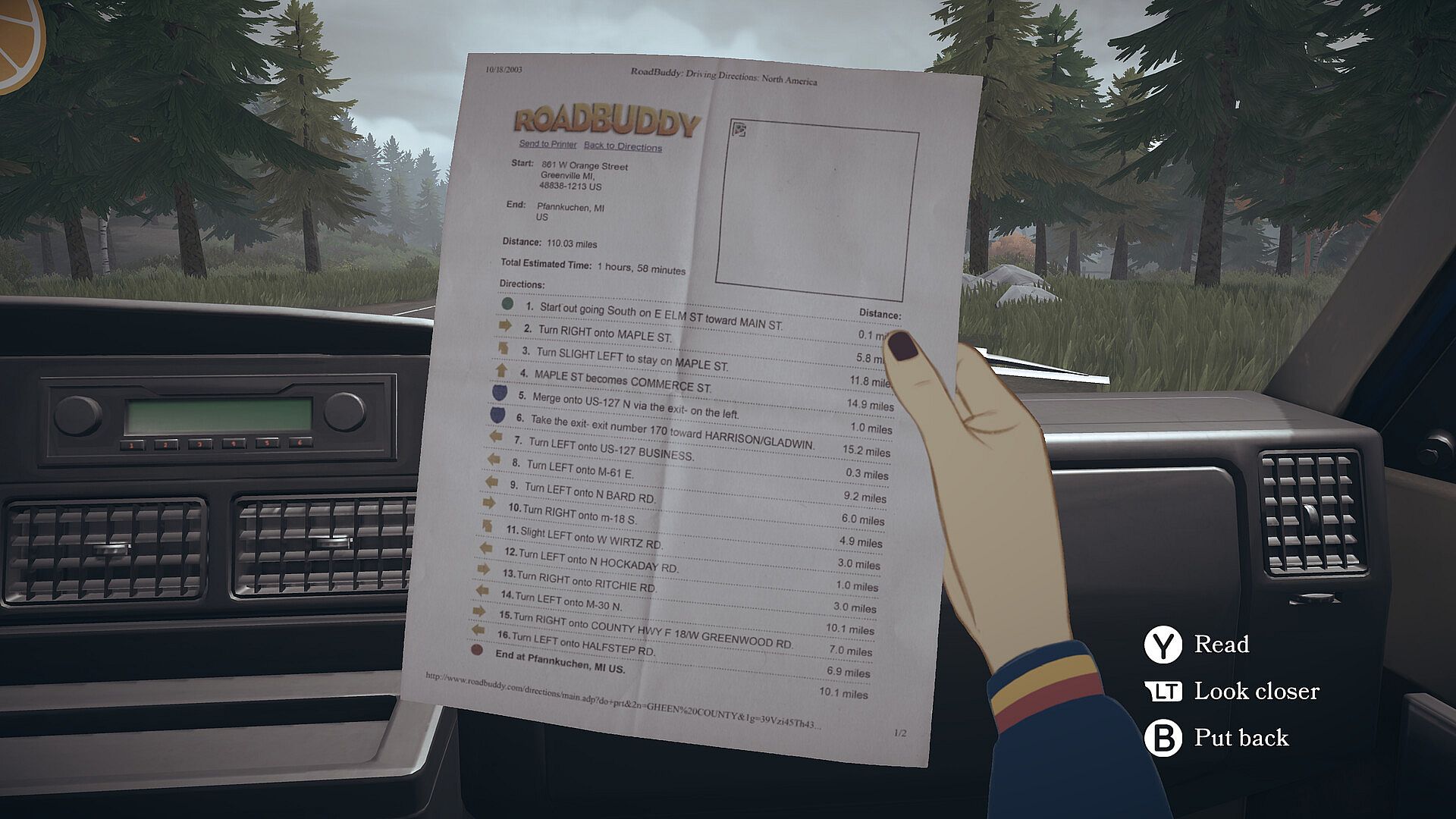
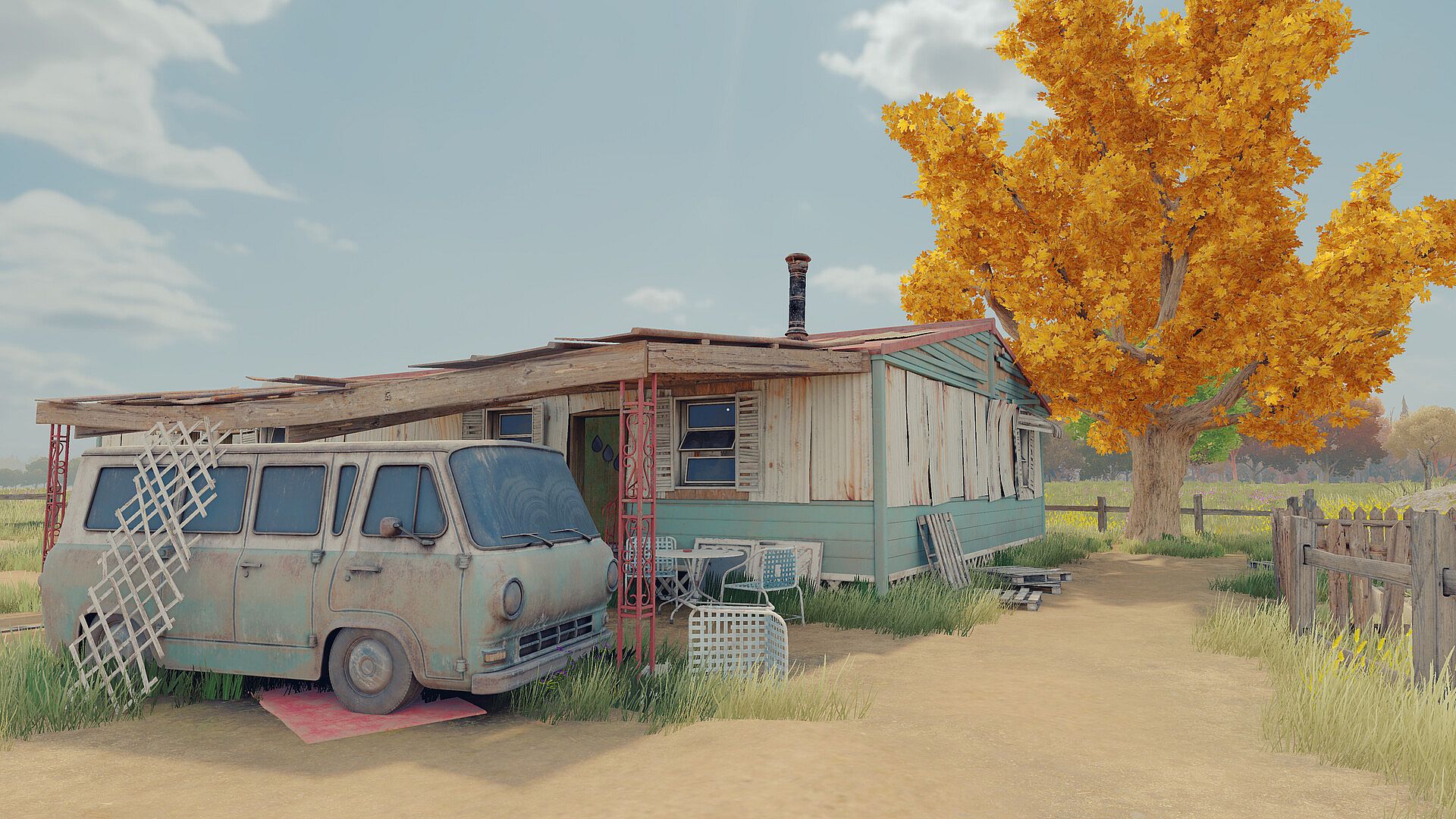
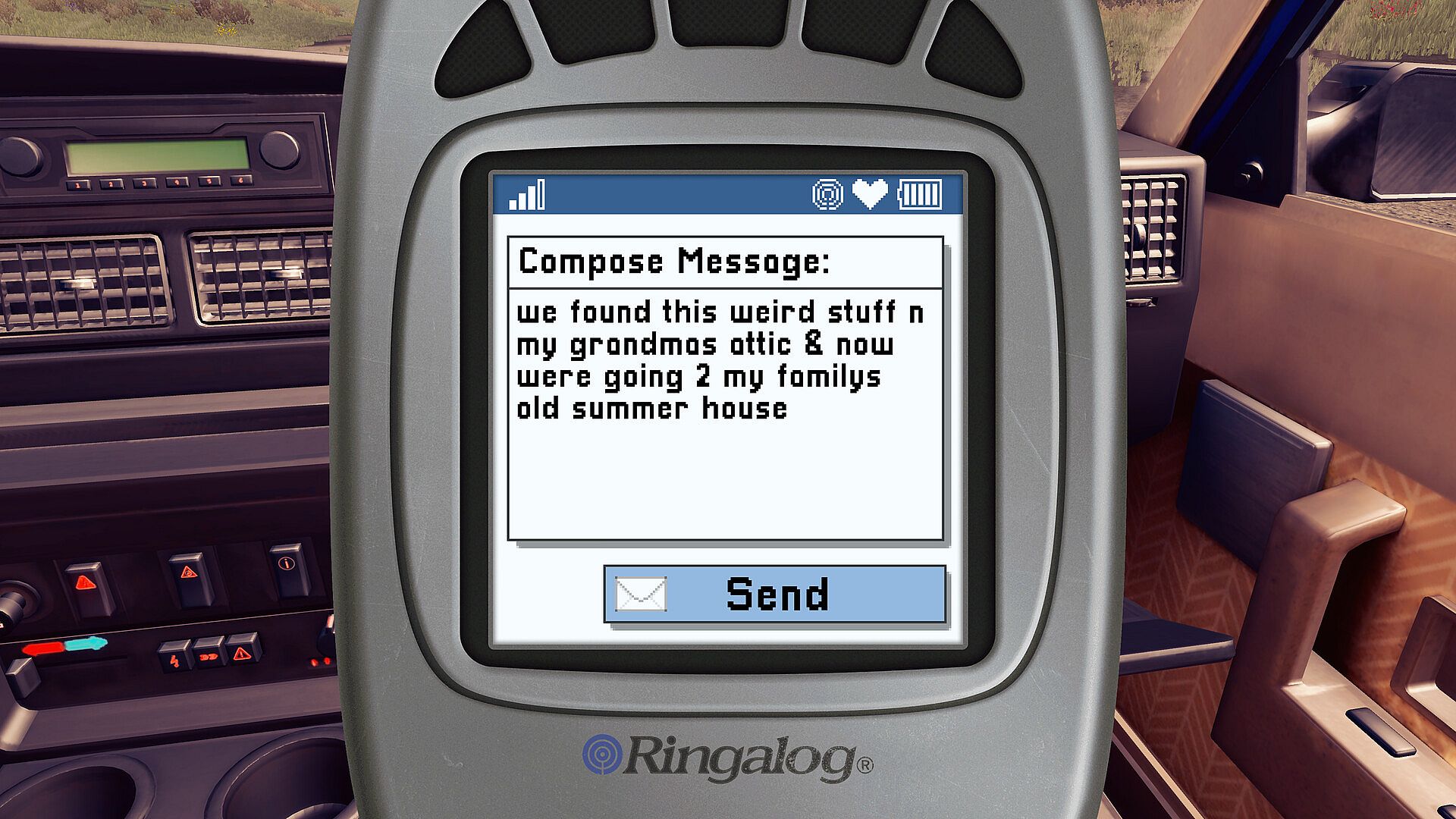
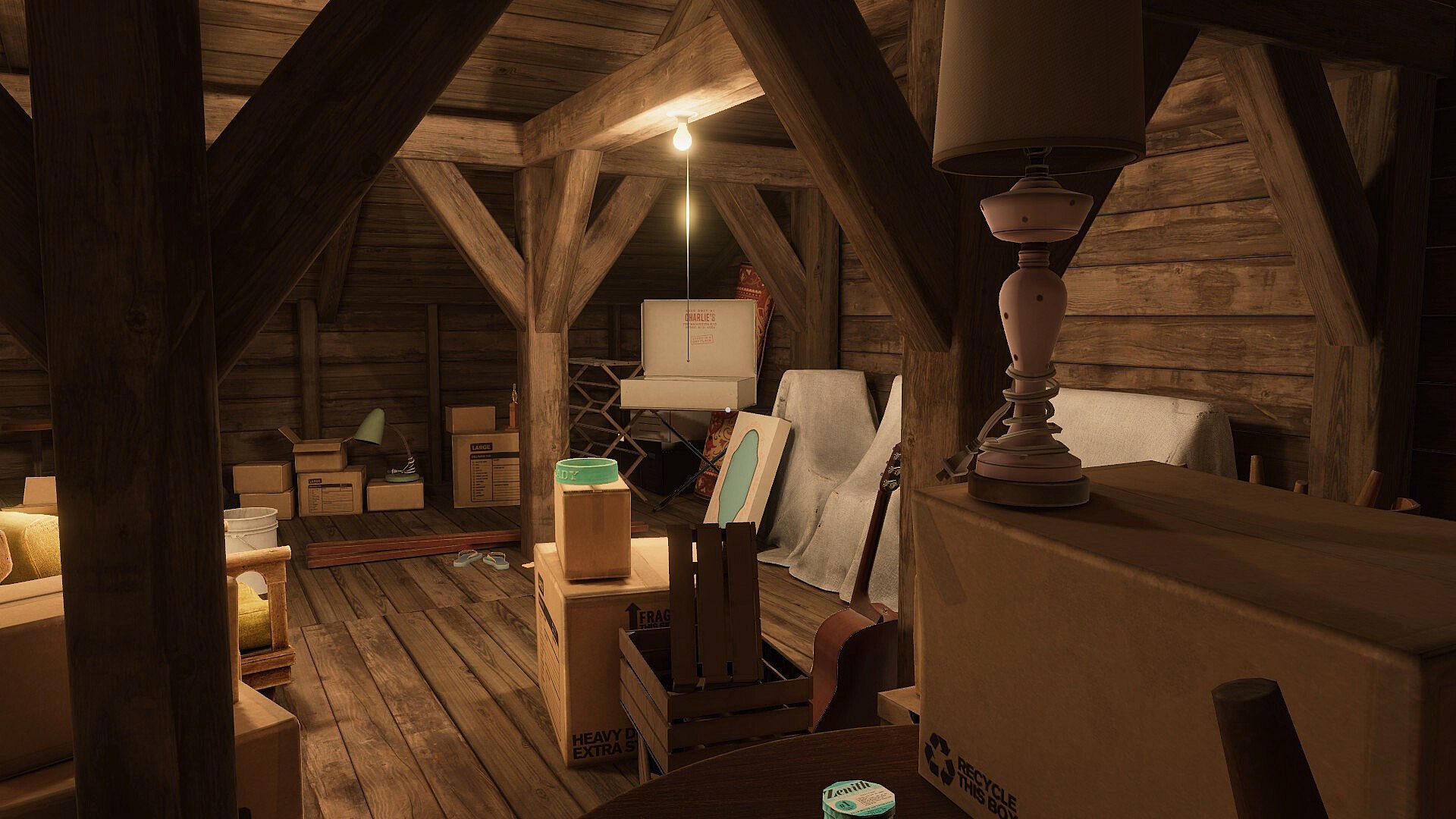
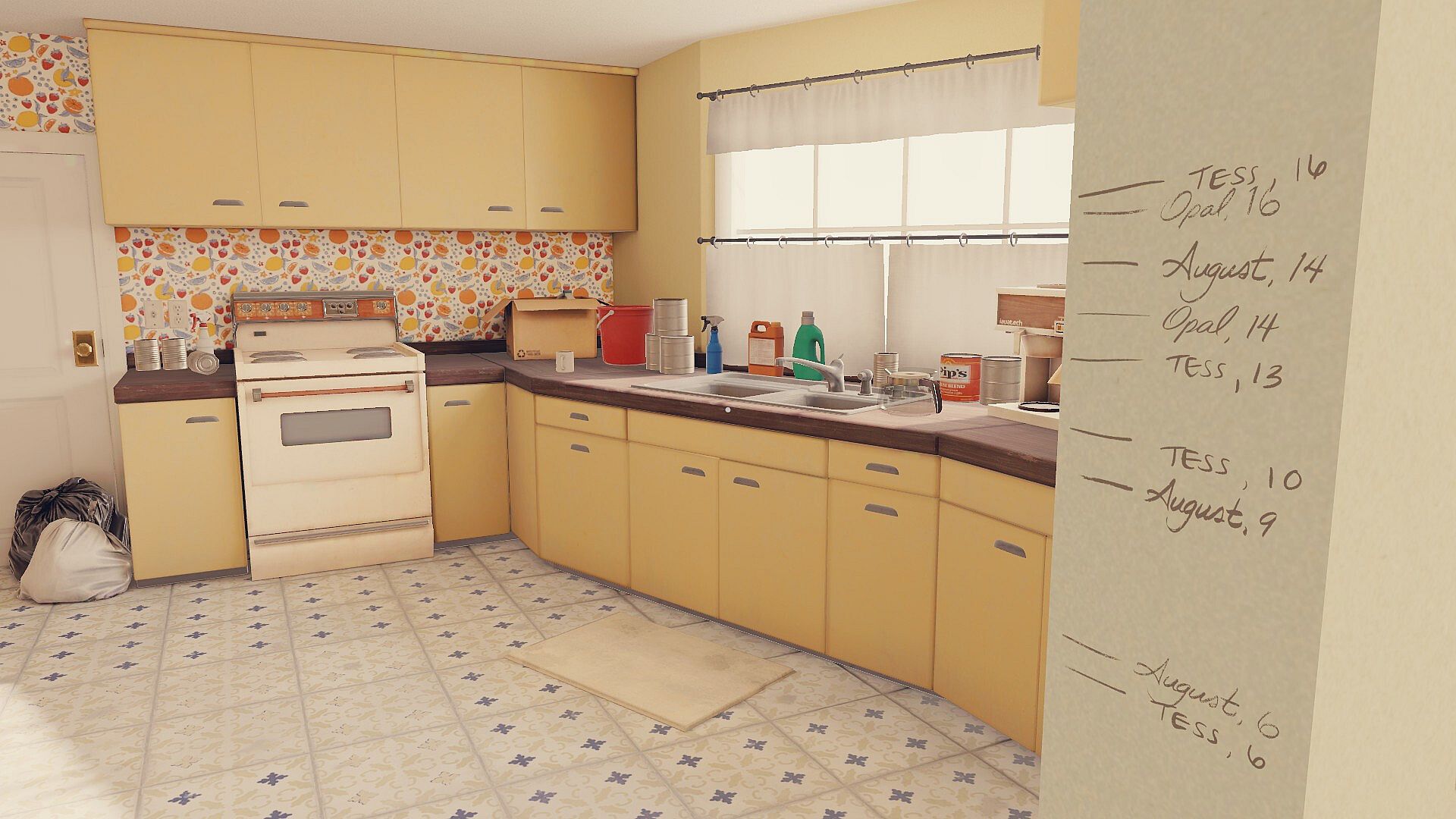
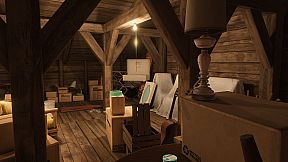
The core loop involves first-person exploration of compact, detailed settings such as old houses, motels, and rural sites. Players move through these spaces, inspect objects from various eras, and trigger interactions that advance the narrative. Certain items prompt discussions with Opal, where choices in dialogue influence the tone of future exchanges without altering the overall plot progression. Time spent in the car between destinations allows for additional back-and-forth conversation while adjusting the radio or simply observing the passing scenery. The system emphasizes curiosity-driven discovery rather than complex mechanics or timed challenges.
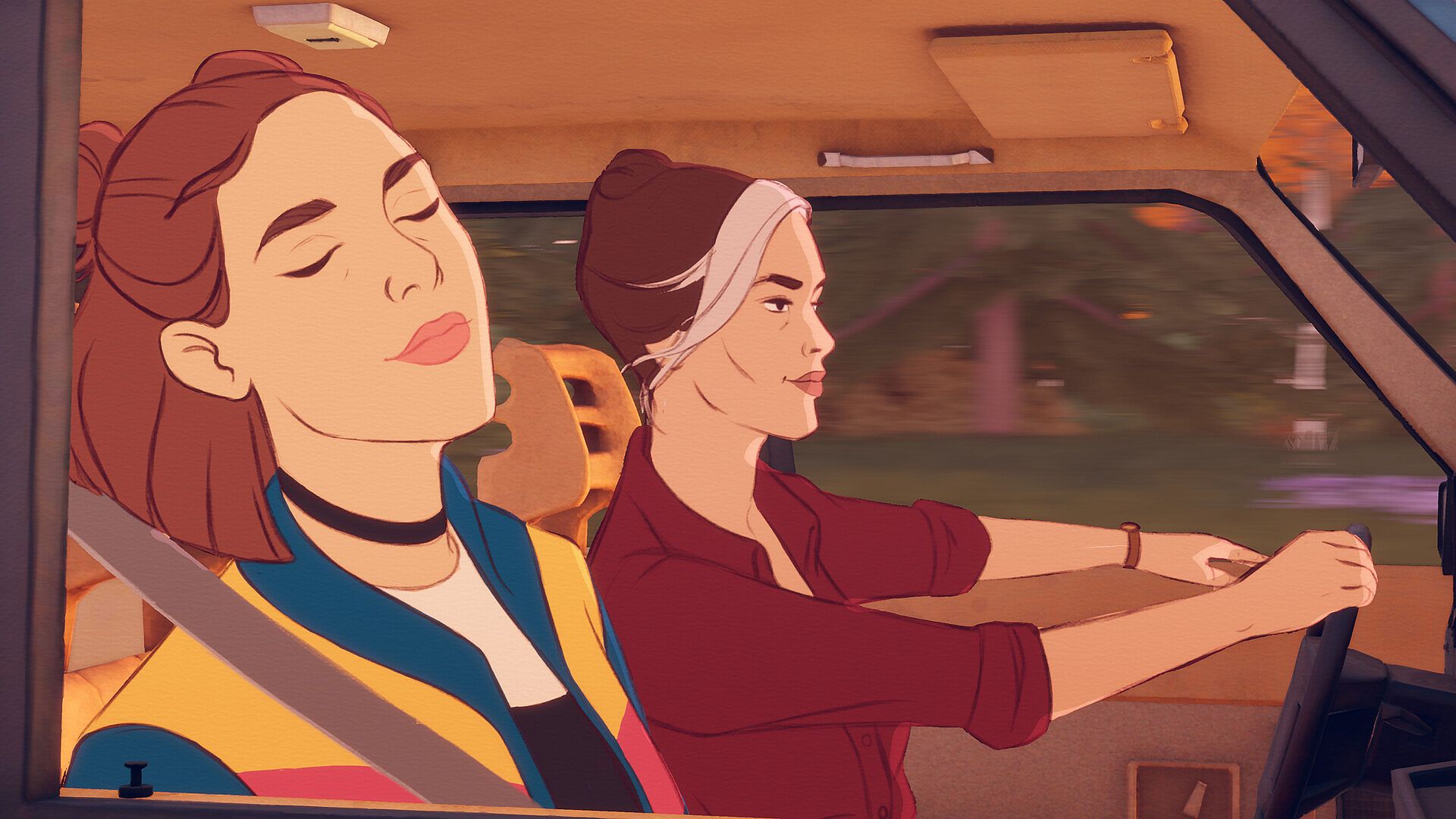
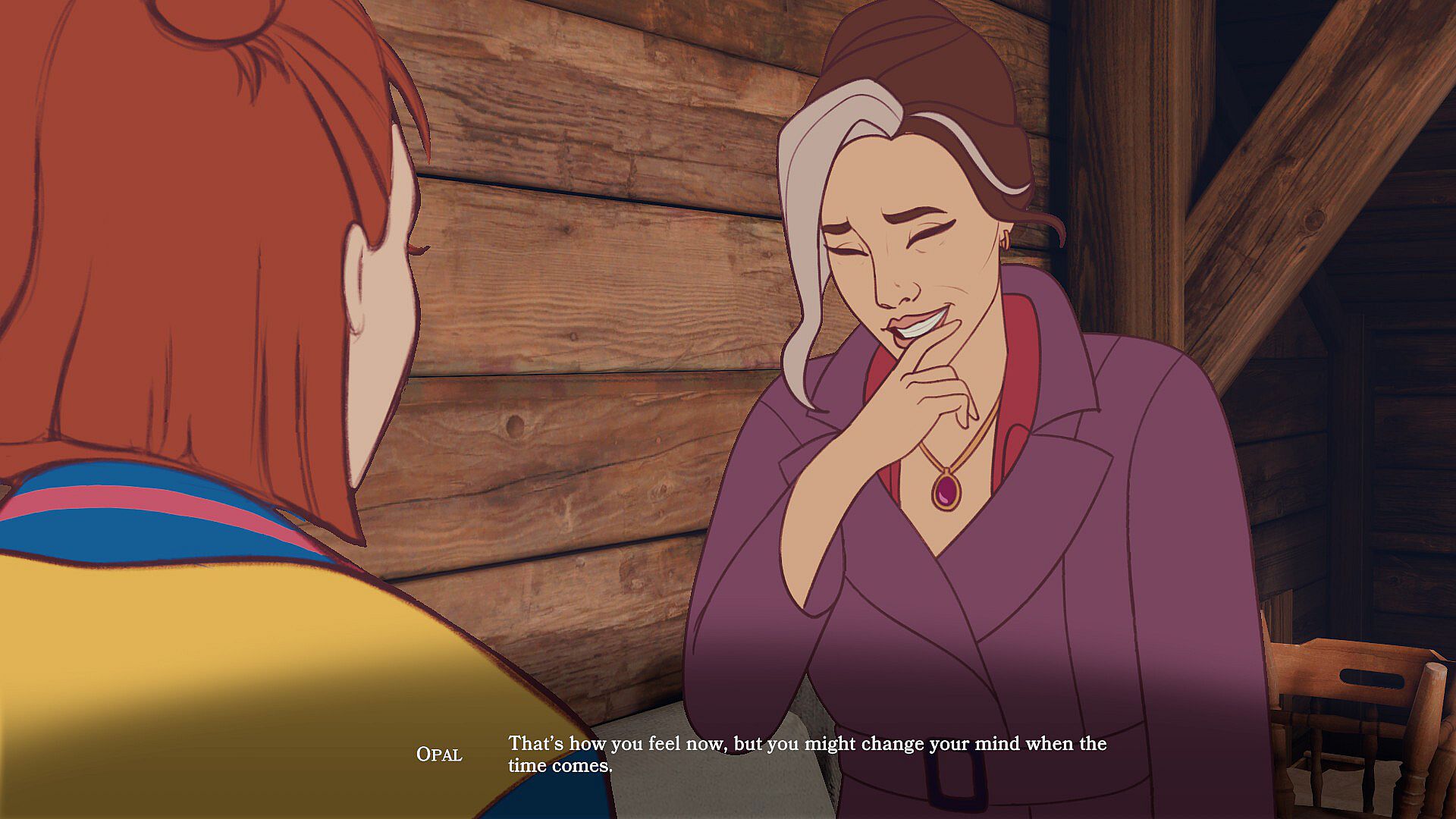
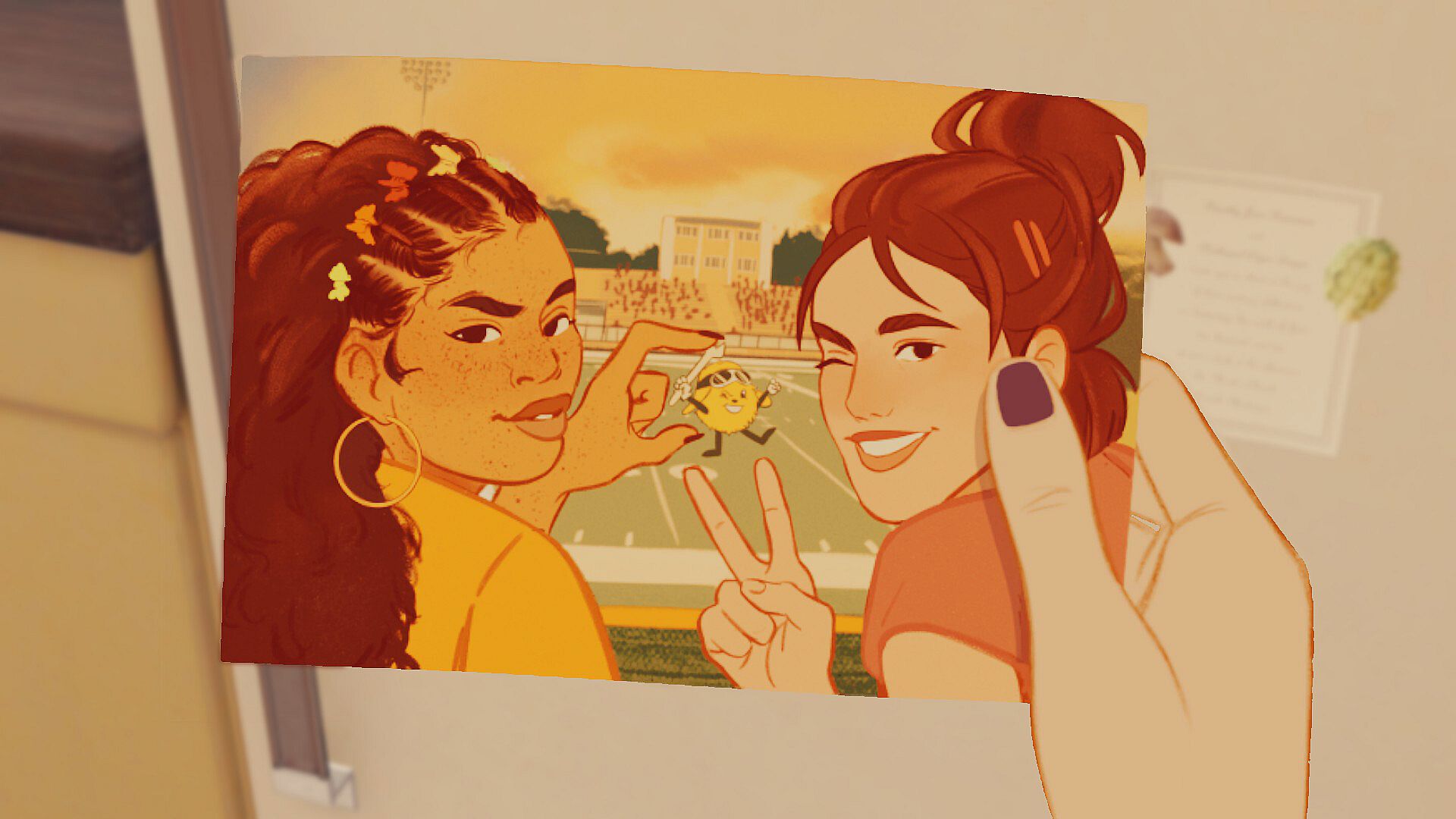
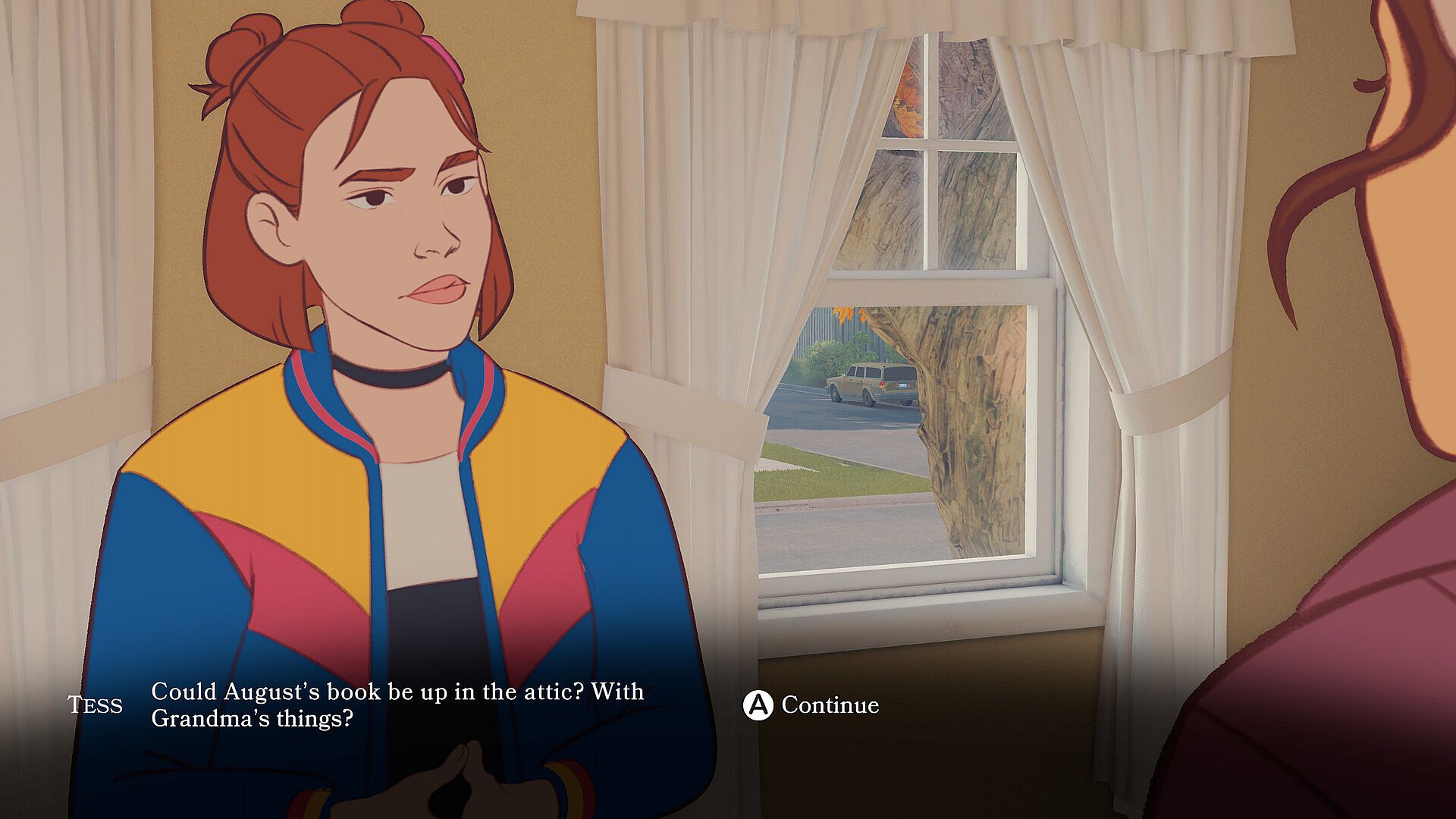
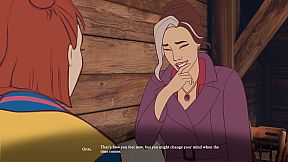
Hand-animated characters appear alongside realistic environments, creating a distinct visual approach that highlights emotional moments through expressive gestures and facial details. Voice performances by Kaitlyn Dever as Tess and Keri Russell as Opal carry much of the weight, delivering natural banter that shifts between lighthearted and strained as secrets surface. The interactive dialogue system surfaces flaws, hidden truths, and evolving relationship dynamics based on what players choose to examine or discuss.
Game Modes
Open Roads operates as a single-player narrative experience with no separate multiplayer options or alternate modes. The entire journey follows one continuous story path focused on the road trip and property explorations. All content unfolds through the same sequence of locations and conversations, with minor dialogue variations arising from player selections during key interactions. This structure keeps the focus squarely on the mother-daughter relationship and the gradual reveal of family mysteries.
Narrative and Presentation
The story unfolds across a handful of abandoned family properties that players visit in sequence. Each site contains layers of objects and notes that piece together events from the past, including references to lost treasures and earlier crimes. Conversations between Tess and Opal serve as the primary vehicle for emotional development, touching on themes of memory, forgiveness, and generational patterns. The game maintains a relaxed pace that mirrors the road trip premise, with car segments providing breathing room between active exploration segments.
Visual design combines photorealistic first-person views of interiors and exteriors with stylized character animations. This hybrid approach draws attention to both the tangible details of each location and the personal reactions of the protagonists. Audio elements reinforce the atmosphere through ambient sounds of the road, radio snippets, and the performances that ground the dialogue in believable family dynamics.
Is It Worth Playing?
Open Roads suits players who prefer character-focused narrative adventures over action or intricate puzzle solving. Its short length makes it accessible for a single sitting or weekend playthrough, delivering a complete story driven by strong voice work and relatable interpersonal conflicts. Those drawn to exploration of everyday environments and dialogue that reveals personal histories will find the mechanics align closely with that interest. The mixed critical response highlights appreciation for the performances and atmosphere alongside notes on its brevity and straightforward progression. If the premise of a grounded mother-daughter journey through family secrets appeals, the game provides a focused experience without unnecessary complexity.