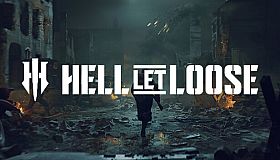





Hell Let Loose is a multiplayer first-person shooter that places players in large-scale World War II battles. The game emphasizes tactical coordination across 50 versus 50 matches on expansive maps drawn from historical fronts. Squads operate under a clear command structure, with roles ranging from infantry specialists to vehicle crews and reconnaissance units. Supply lines, artillery placement, and objective control shape each engagement, turning individual actions into part of a broader strategic effort.
Gameplay
Matches unfold across wide environments where terrain, cover, and line-of-sight matter as much as marksmanship. Players select from specialized roles that dictate available equipment and responsibilities. Infantry roles handle direct combat and support tasks, while recon elements provide spotting and long-range fire. Armour crews manage tanks that dominate open ground, and commanders direct resources and call in strikes. The system rewards communication and positioning over lone-wolf play, as squads must maintain spawn points and manage limited resources to sustain pushes or defenses.
Weapon handling reflects period accuracy, with recoil, reload times, and effective ranges influencing engagements at different distances. Movement feels deliberate, encouraging players to use cover and coordinate advances rather than sprinting into the open. Artillery and supply mechanics add layers of planning, requiring teams to secure nodes that fuel further operations. The result is a loop where small decisions at the squad level accumulate into larger battlefield outcomes.
Game Modes
Warfare serves as the core symmetrical experience. Both teams contest a series of sectors in a tug-of-war format, pushing the front line forward while managing resources and reinforcements. Success depends on capturing and holding ground long enough to shift momentum across the map.
Offensive introduces asymmetry. One side attacks a sequence of fortified positions while the other defends. Captured sectors remain under the attacker's control, forcing defenders to adapt their lines and attackers to press advantages without easy reversal. These two modes form the primary structure for matches, each lasting up to an hour or more depending on team performance.
The Pea Dot DLC
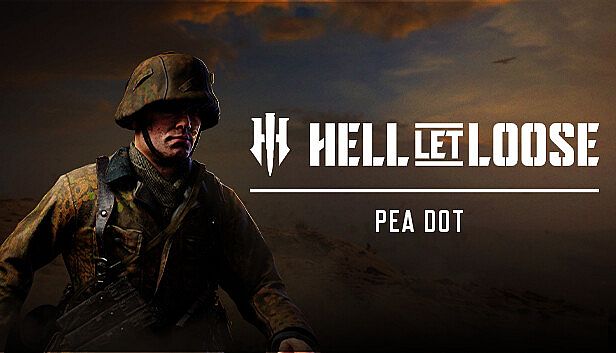
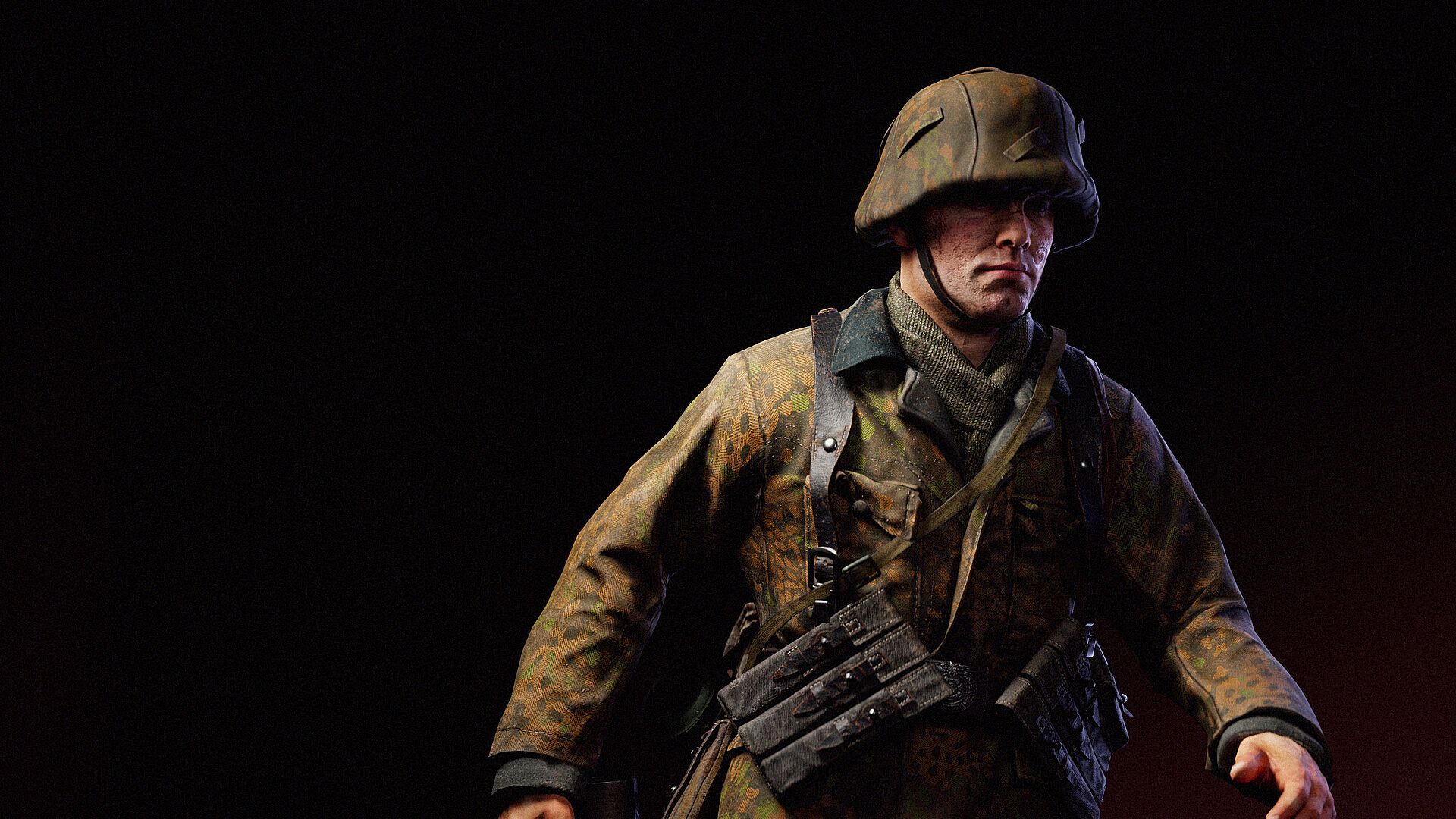
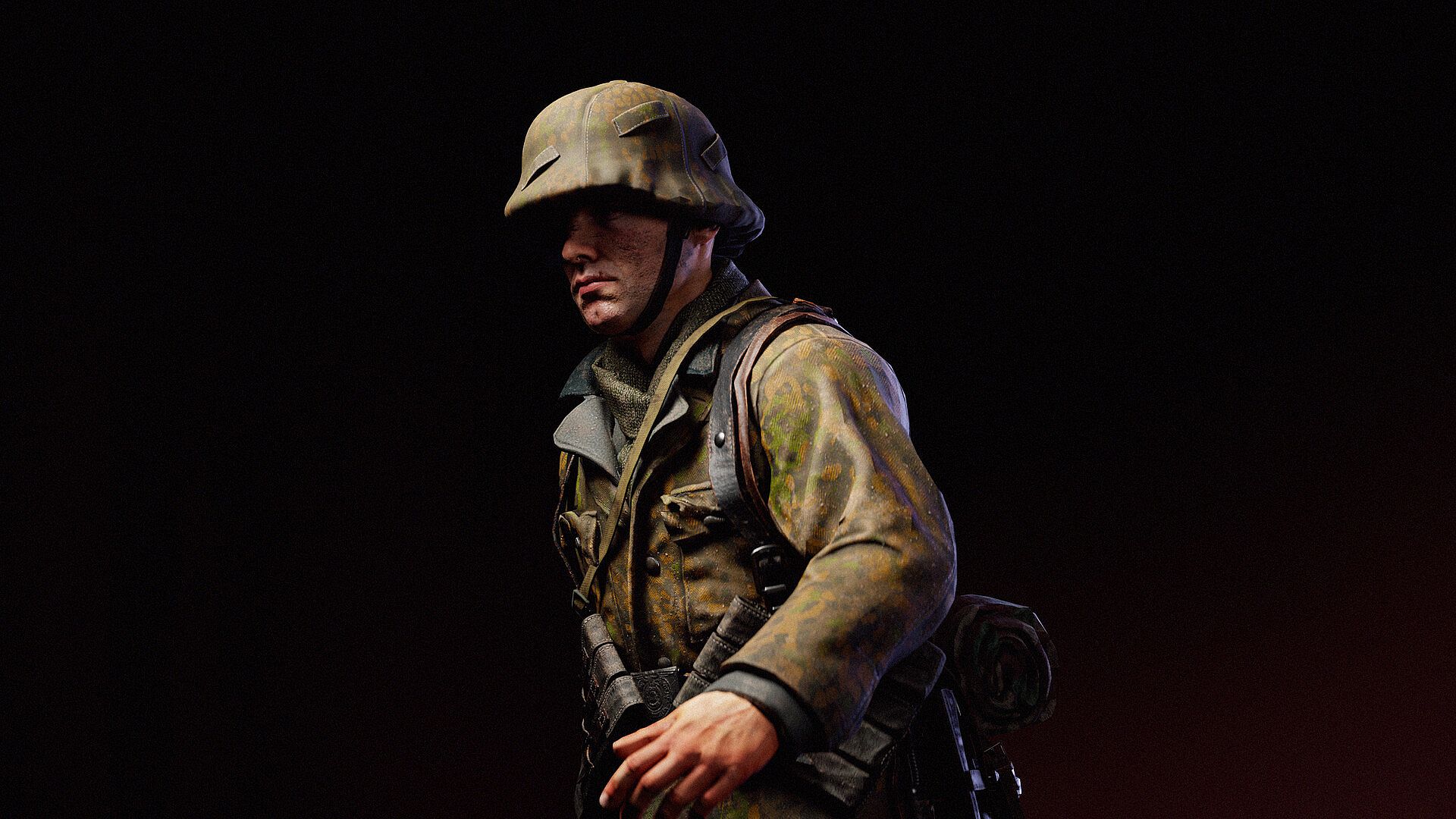
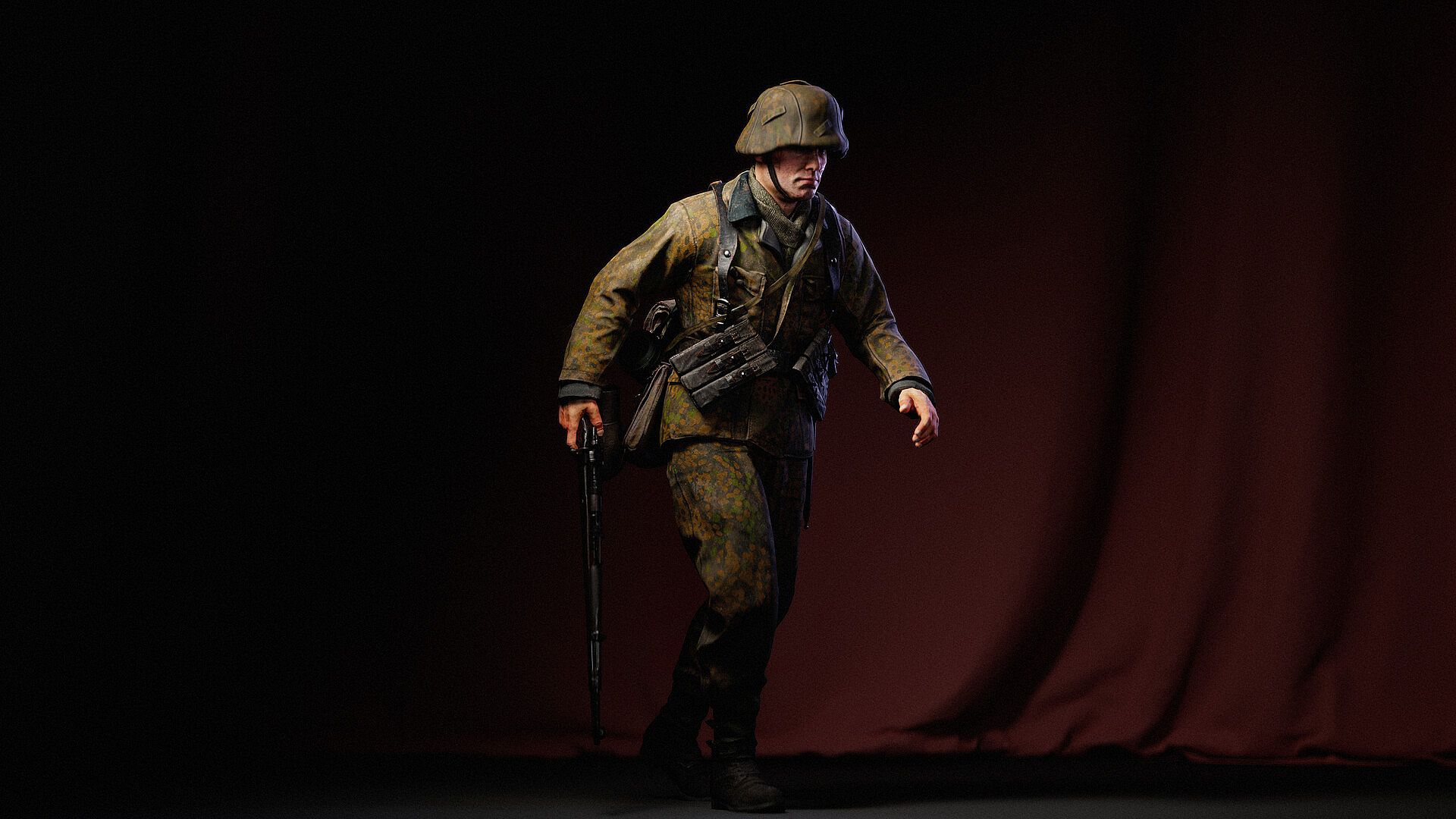
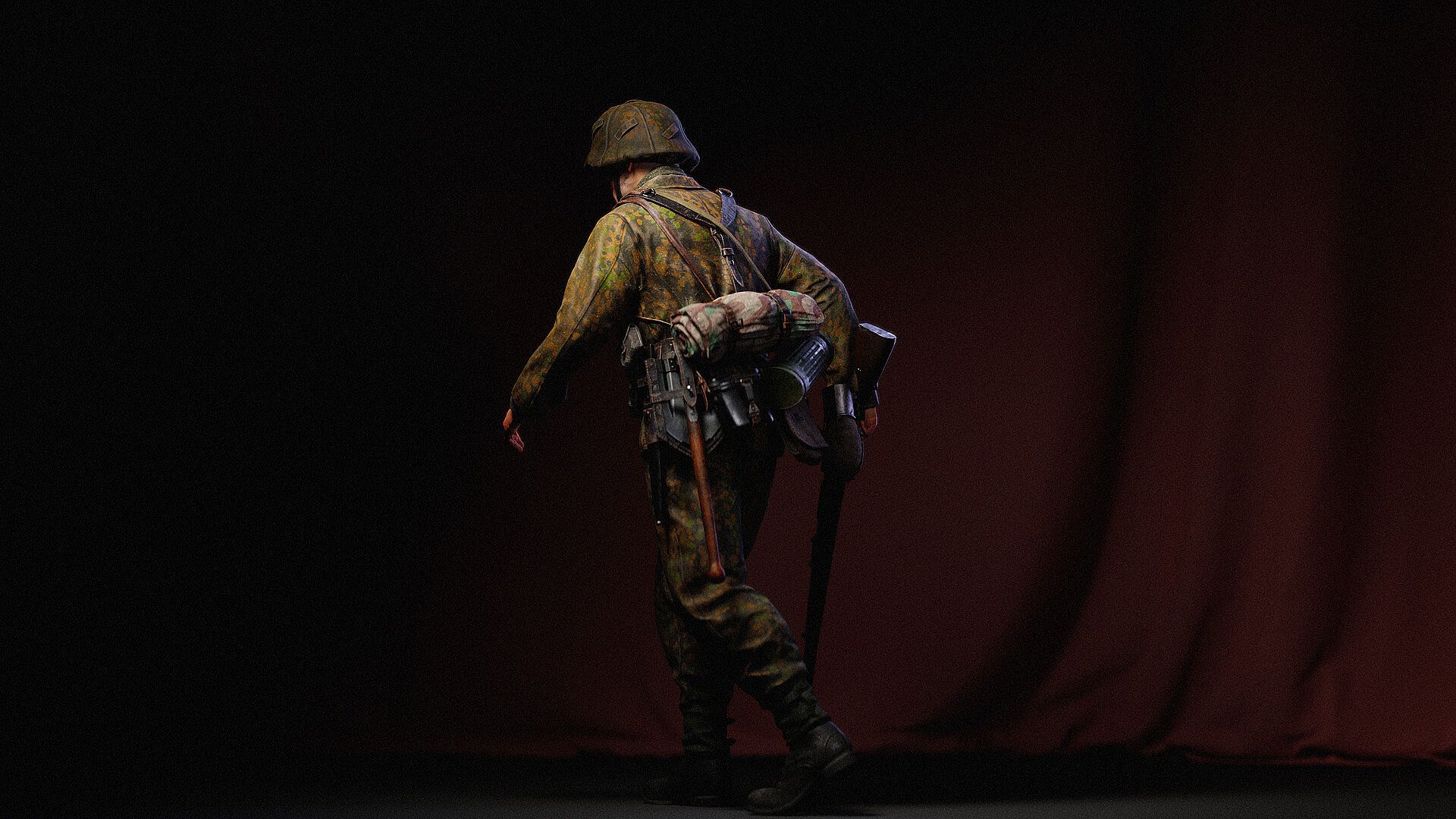
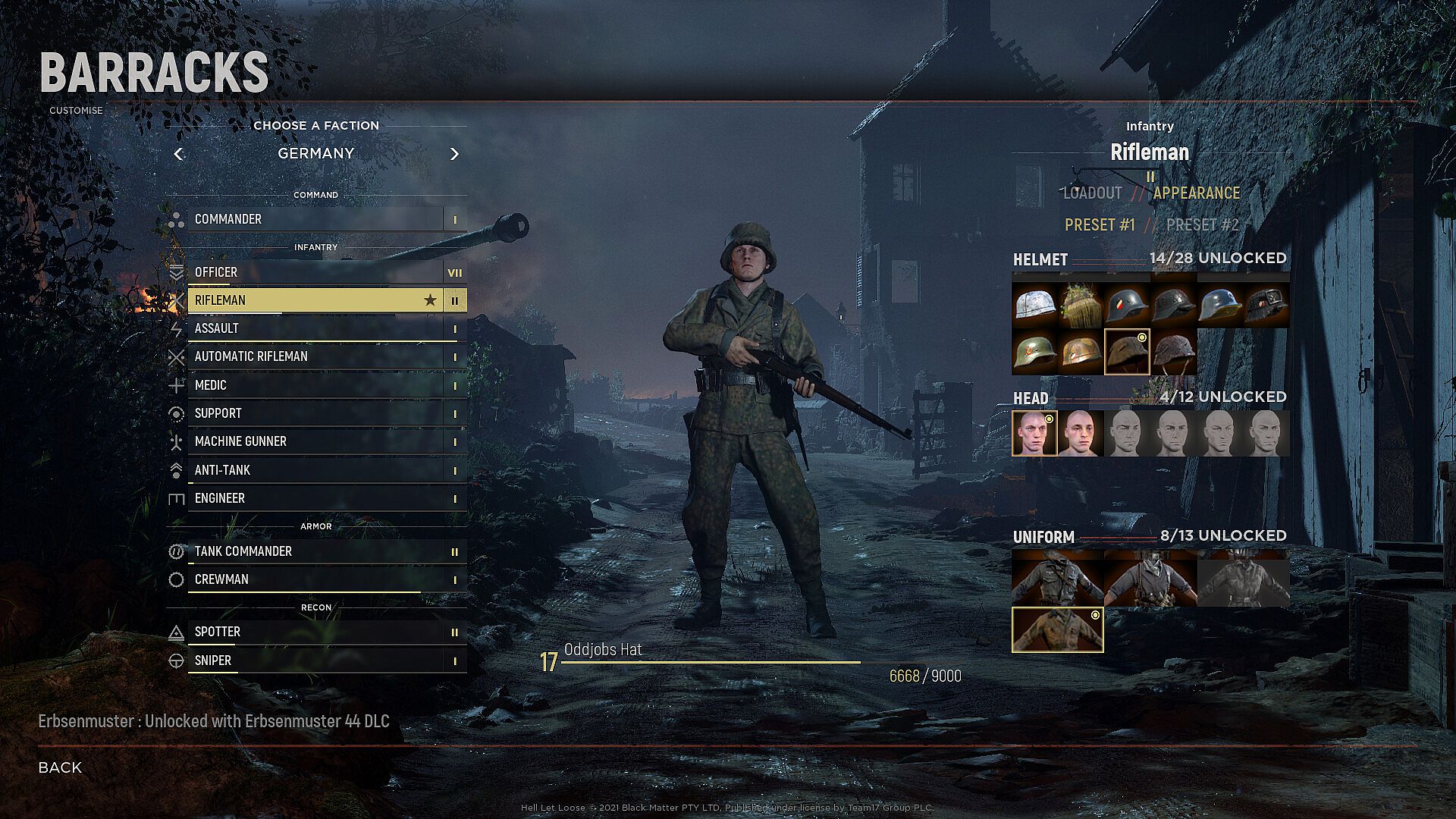
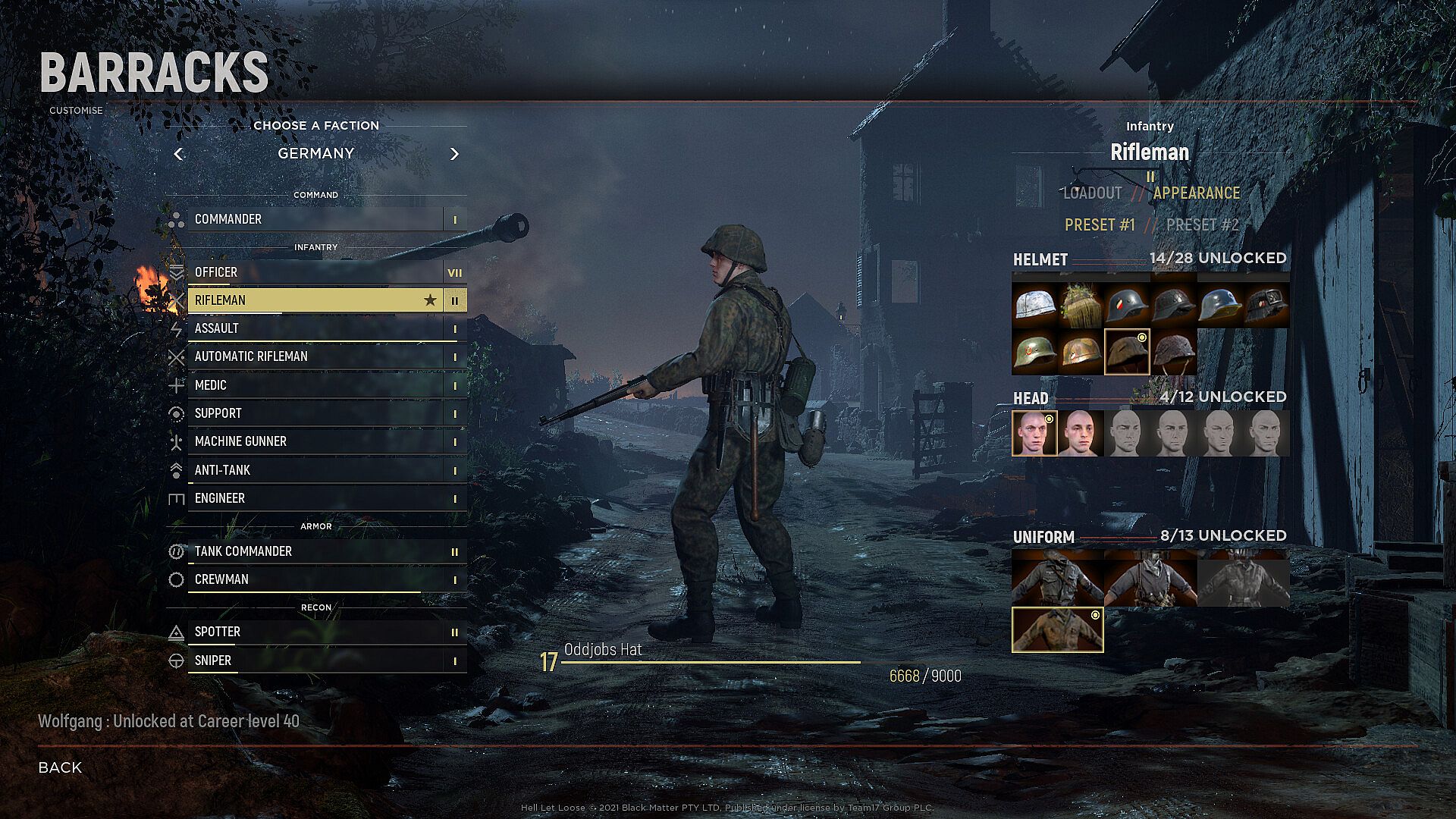
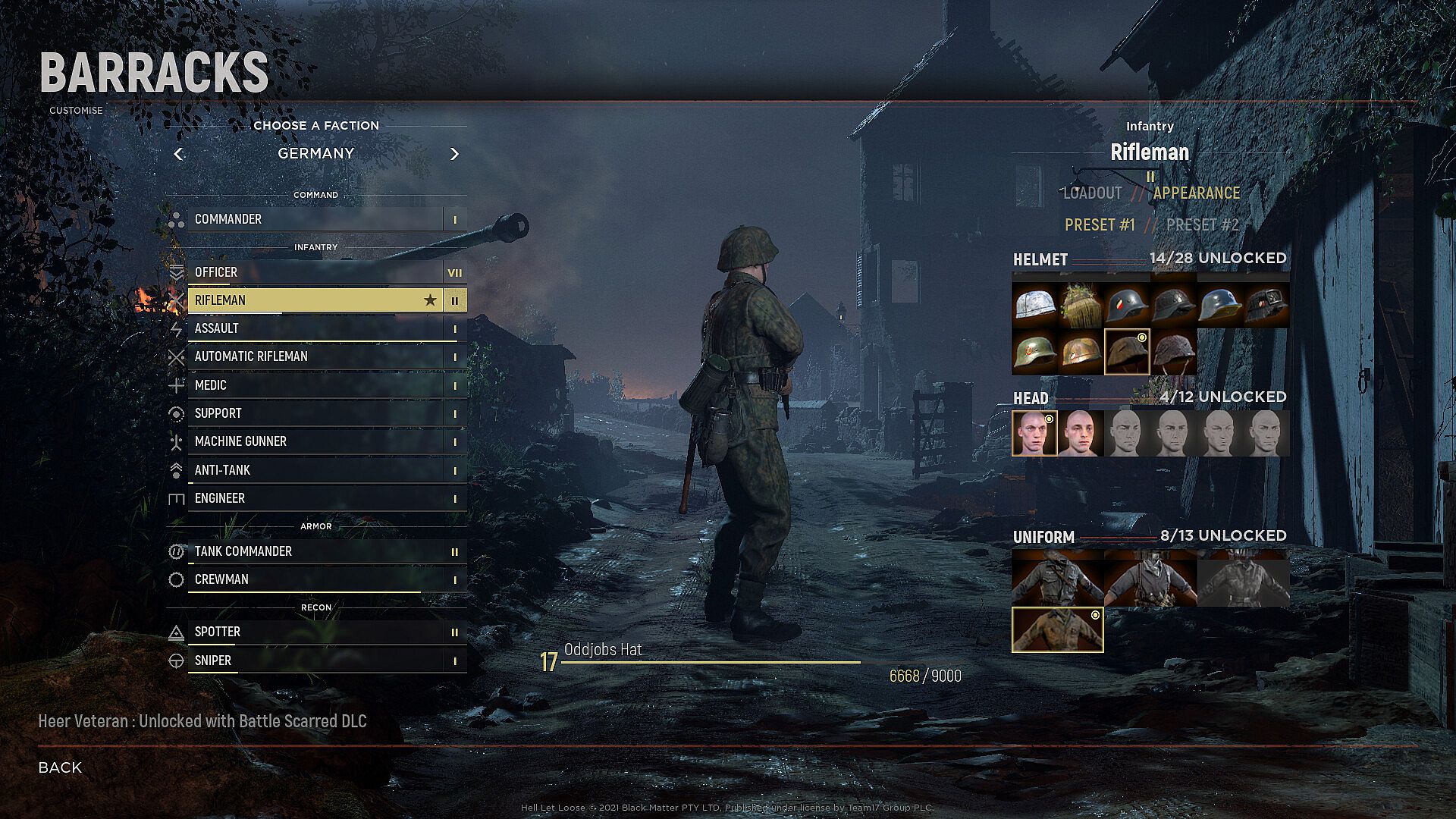
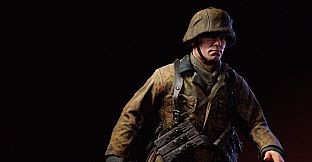
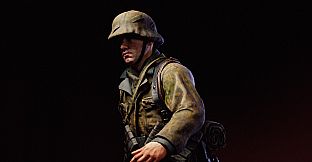
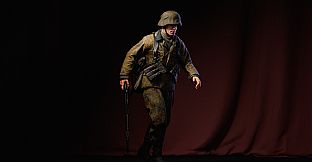
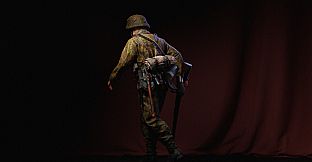
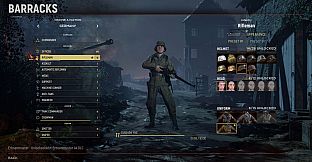
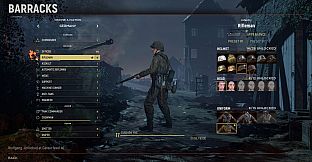
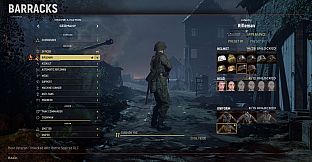
The Pea Dot DLC adds historically accurate late-war German camouflage to the existing roster. The Erbsenmuster pattern, used from late 1944 onward, appears on uniforms available to German Officer, Rifleman, Anti-Tank, Engineer, Machine Gunner, Automatic Rifleman, Assault, Medic, Support, Sniper, and Spotter roles. A matching Erbsenmuster-covered M42 helmet completes the set for the same roles. The pattern improves blending in varied terrain compared with earlier uniforms, offering a visual distinction for players who favor German forces in prolonged campaigns.
This content integrates directly into the role selection screen without altering core mechanics. Players equipped with the new uniforms retain the same loadouts and abilities as before, allowing seamless use across Warfare and Offensive matches. The addition provides a period-appropriate option for those building authentic German squads during the final stages of the European theater.
Is It Worth Playing?
Hell Let Loose maintains a Very Positive rating on Steam from well over 140,000 reviews, reflecting consistent appreciation for its scale and emphasis on teamwork. Regular updates continue to refine balance, add maps, and introduce quality-of-life changes years after launch. The experience suits players who enjoy deliberate pacing, role specialization, and the satisfaction of coordinated victories in a 50-versus-50 setting.
Those seeking fast-paced arcade shooters may find the resource management and communication requirements demanding, while players drawn to tactical multiplayer will discover depth in the command hierarchy and combined-arms systems. The Pea Dot DLC further refines the German faction's visual identity for historical enthusiasts without changing gameplay fundamentals. Overall, the title delivers a focused simulation of large-scale World War II combat that rewards investment in its systems.