









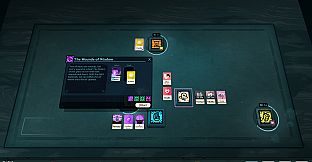
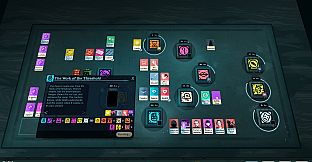

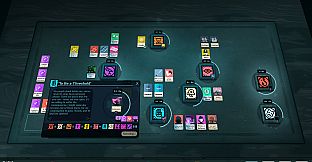
Cultist Simulator: The Priest is an indie RPG simulation that expands the core experience of the original Cultist Simulator with a new legacy focused on occult faith and the principle of Knock. Players take on the role of a priest in a quiet suburban parish, guiding a congregation toward hidden truths while managing the delicate balance of belief, sacrifice, and personal transformation in a single-player card-driven system.
Gameplay
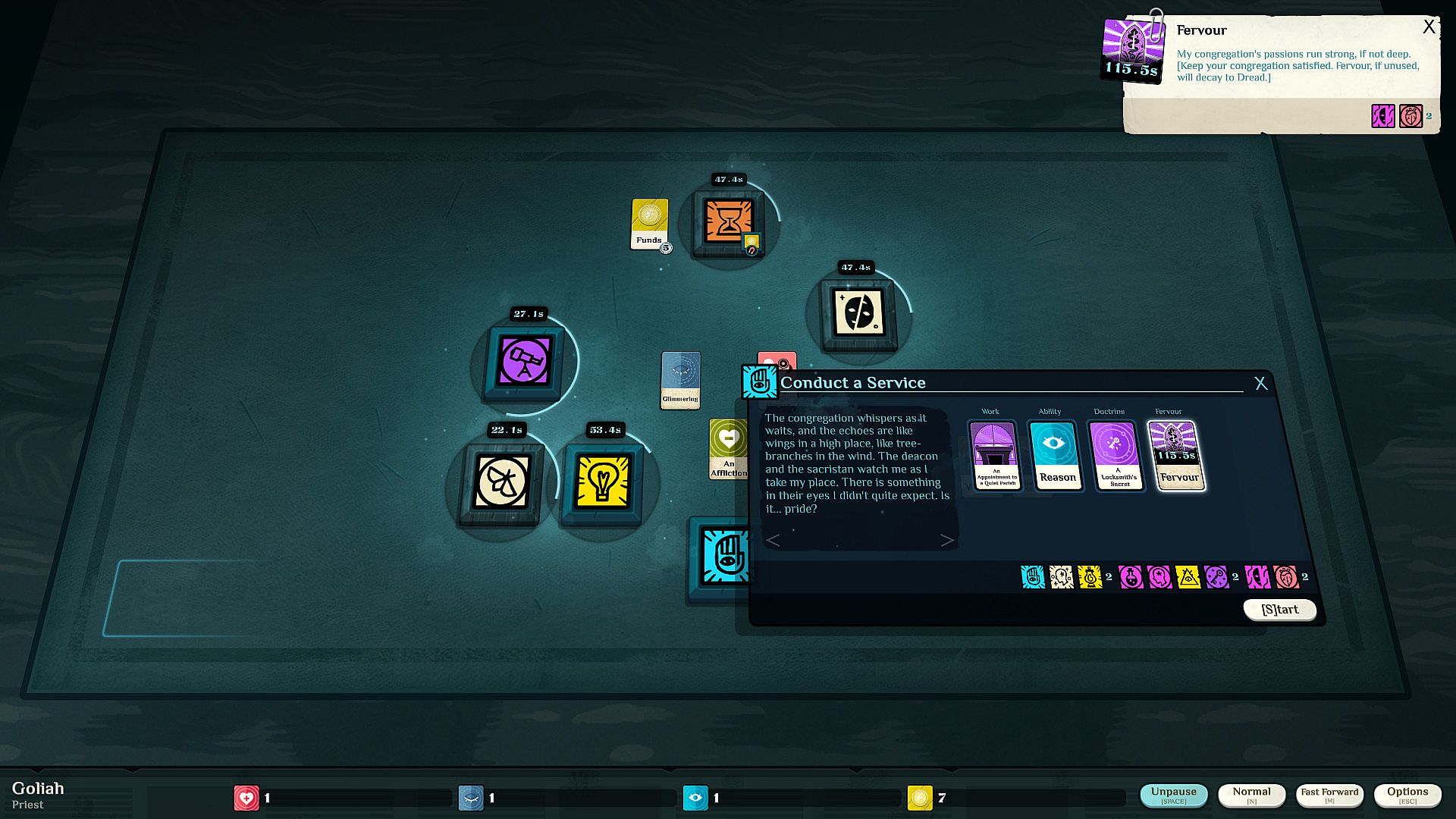
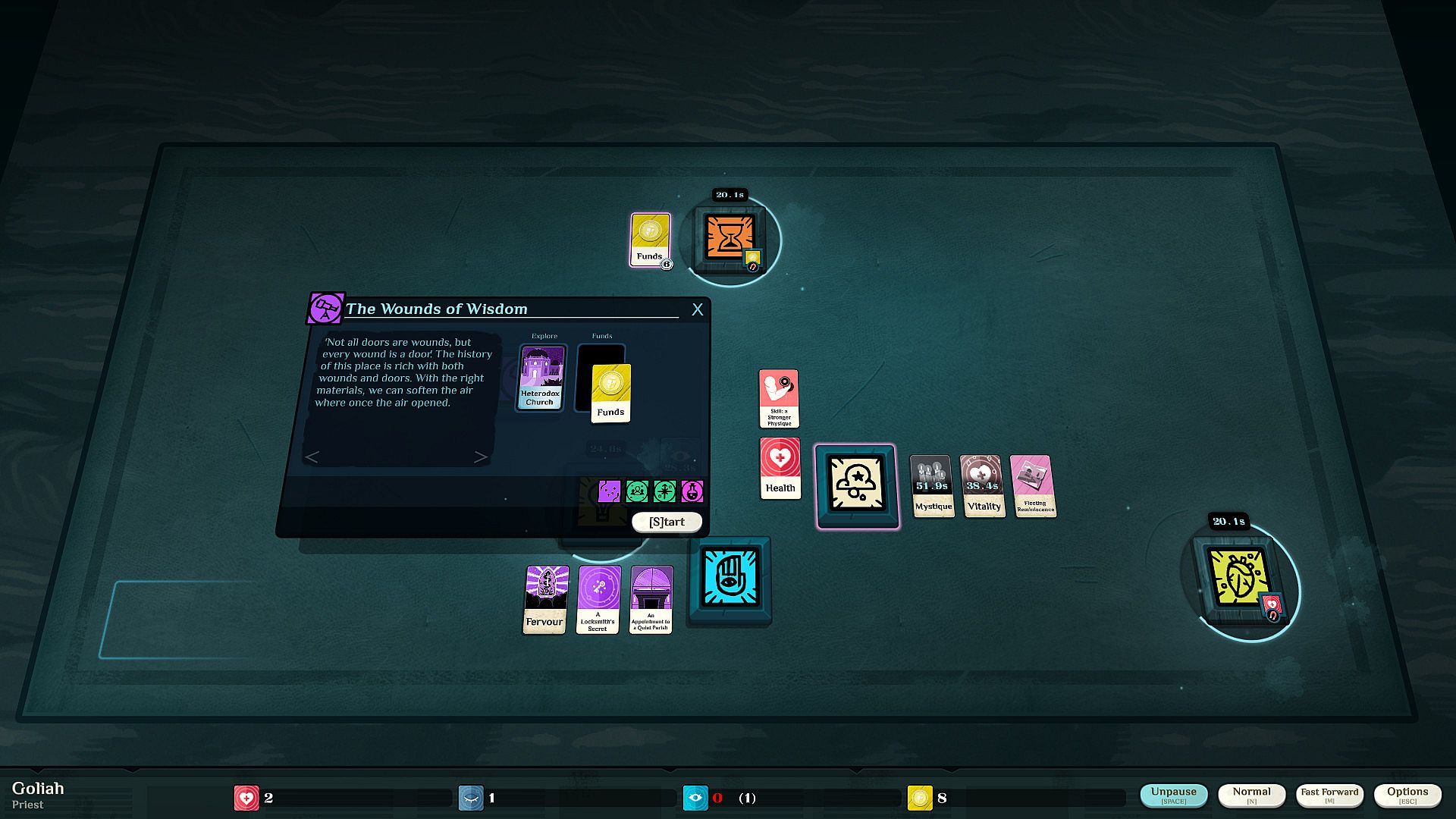
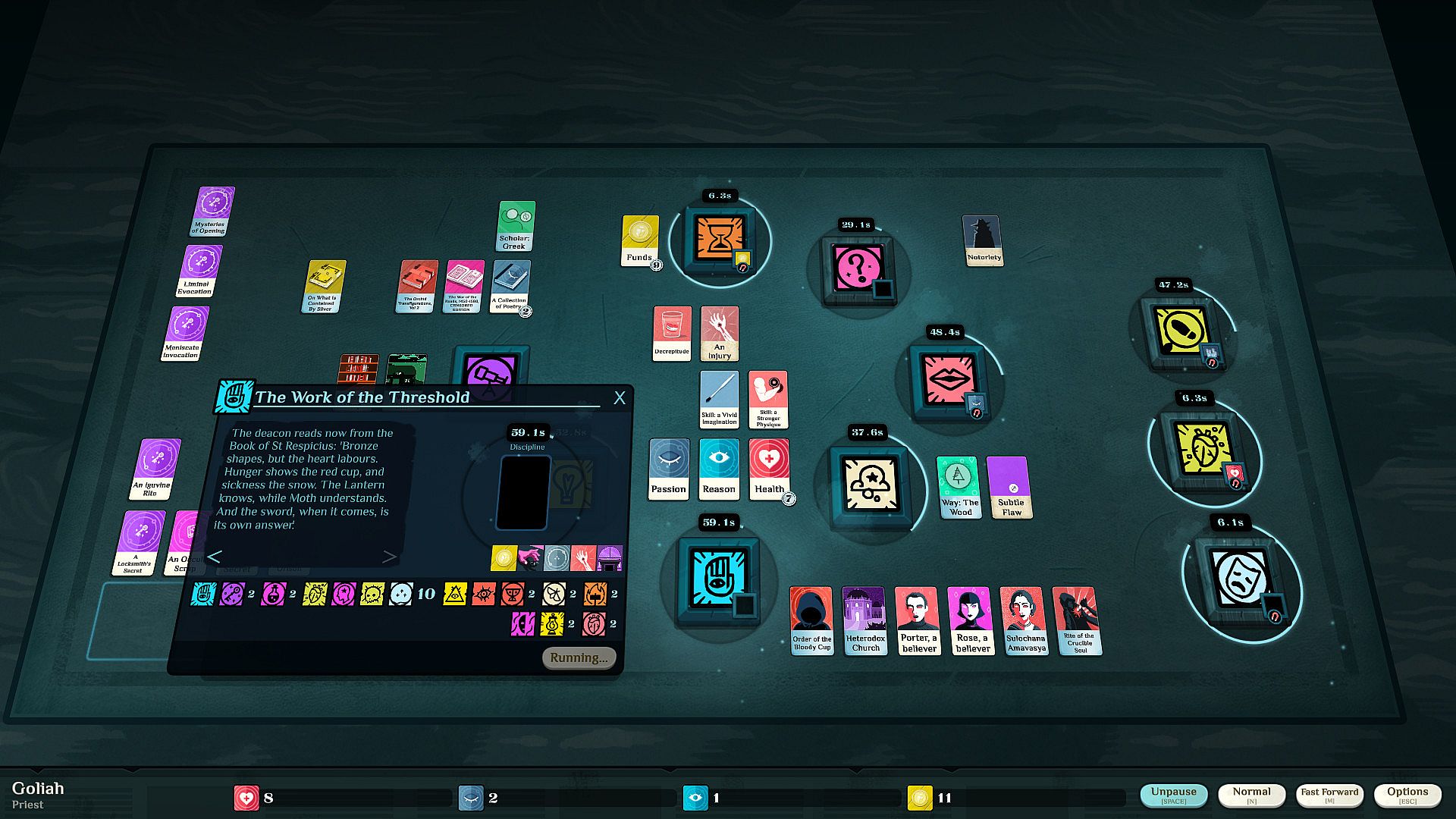
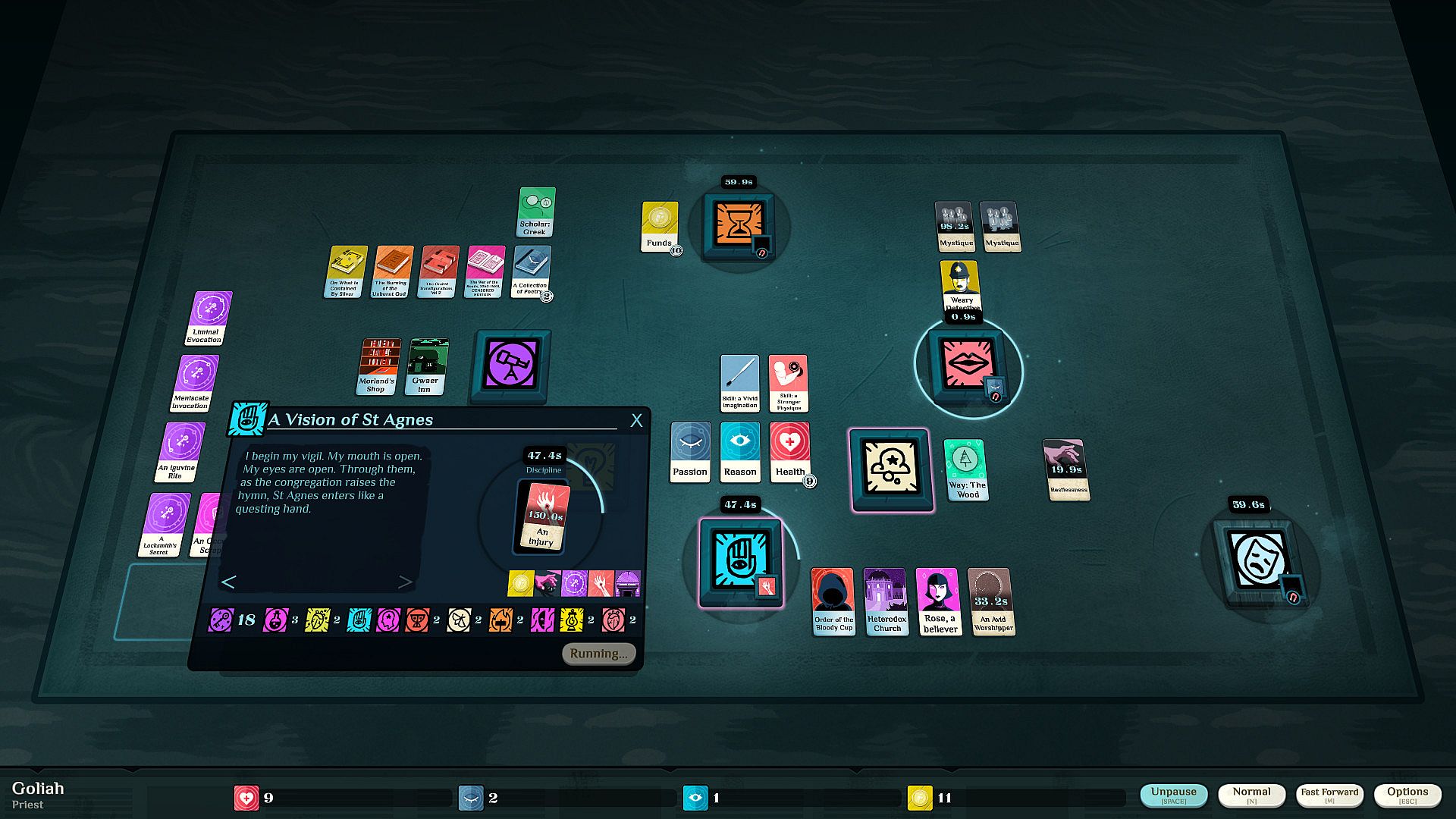
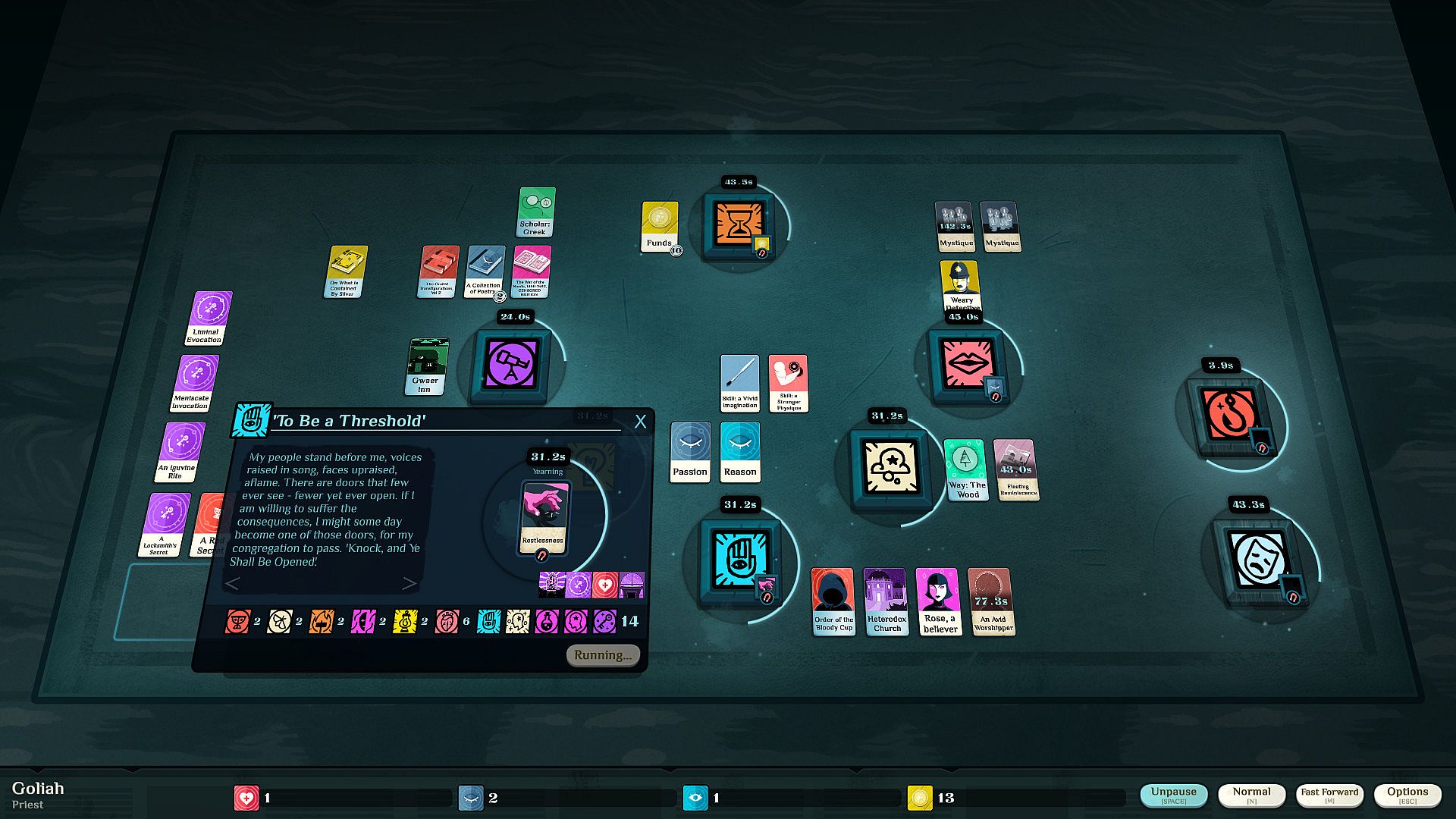
The core loop revolves around managing a collection of cards that represent resources such as Health, Reason, Passion, Funds, and various forms of Lore. These cards are slotted into verbs like Work, Dream, Study, and Talk to advance the story, recruit followers, craft tools, or uncover mysteries. Time passes in discrete turns, and each action risks drawing unwanted attention from authorities or internal cult conflicts.
In the Priest legacy, players begin with a church card that serves as a steady source of employment and early access to Knock lore. This principle emphasizes openings, wounds, and keys, allowing unique interactions such as preaching to the congregation to inspire recruits or rededicate the cult. One distinctive feature permits a single change of cult focus during a playthrough by using the Talk verb on the cult card. The legacy also provides starting bonuses in Passion and Funds, along with a dedicated job slot setup that accepts Discipline, Lore, and Fervour elements to channel faith-driven progress toward immortality as a Martyr of the Keys.
Progression involves balancing the needs of disciples who both master and are mastered by the player, exploring visions tied to figures like St Agnes, and weighing the pain of the physical world against eternal service. Failure states include succumbing to Fascination, which can unlock the Priest legacy in subsequent runs.
Game Modes
Play occurs through distinct legacies that alter starting conditions, available ascensions, and victory paths. The Priest legacy stands as one such path, emphasizing Knock-focused mechanics and a faith-oriented narrative that can intersect with broader cult activities or lead to specialized endings unavailable in other legacies. It integrates into the standard single-player structure but introduces dedicated elements like the zealous sea cucumber and congregation management that shift the emphasis toward inspirational recruitment and doctrinal peculiarity.
Each legacy run functions as an independent session with its own rules for ascension, encouraging experimentation across multiple attempts. The Priest path supports both dedicated Knock ascensions and occasional detours into core game victories, providing flexibility within its faith-based framework.
Key Mechanics and Systems
Card interactions form the backbone, where combining aspects like Knock fragments with Health or Passion unlocks new opportunities for mortification of the flesh or visionary experiences. Followers recruited through preaching gain roles that support or challenge the player's path, requiring careful management to avoid detection or internal dissent. The system rewards patient planning and acceptance of setbacks, as actions can lead to self-destruction or profound revelations in equal measure.
Atmosphere builds through narrative text tied to each card and action, evoking a 1920s occult setting filled with secret histories and hidden gods. The Priest DLC layers additional flavor around parish life and doctrinal fervor without altering the fundamental card-based simulation.
Is It Worth Playing?
This title suits players drawn to intricate, experimental single-player simulations that blend resource management with narrative depth and risk. Its focus on the Priest legacy offers a distinct entry point for those interested in themes of faith, sacrifice, and the occult, particularly if they appreciate the base game's emphasis on mystery and self-directed exploration. The DLC integrates seamlessly for existing players seeking new starting conditions and ascensions, while newcomers can access it as part of broader editions that bundle the content.
Reception highlights the writing and unique atmosphere as strengths, though some note the grind inherent to legacy experimentation. It remains a niche experience best approached by those comfortable with failure-driven learning and card-driven occult management rather than straightforward progression.