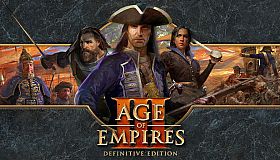





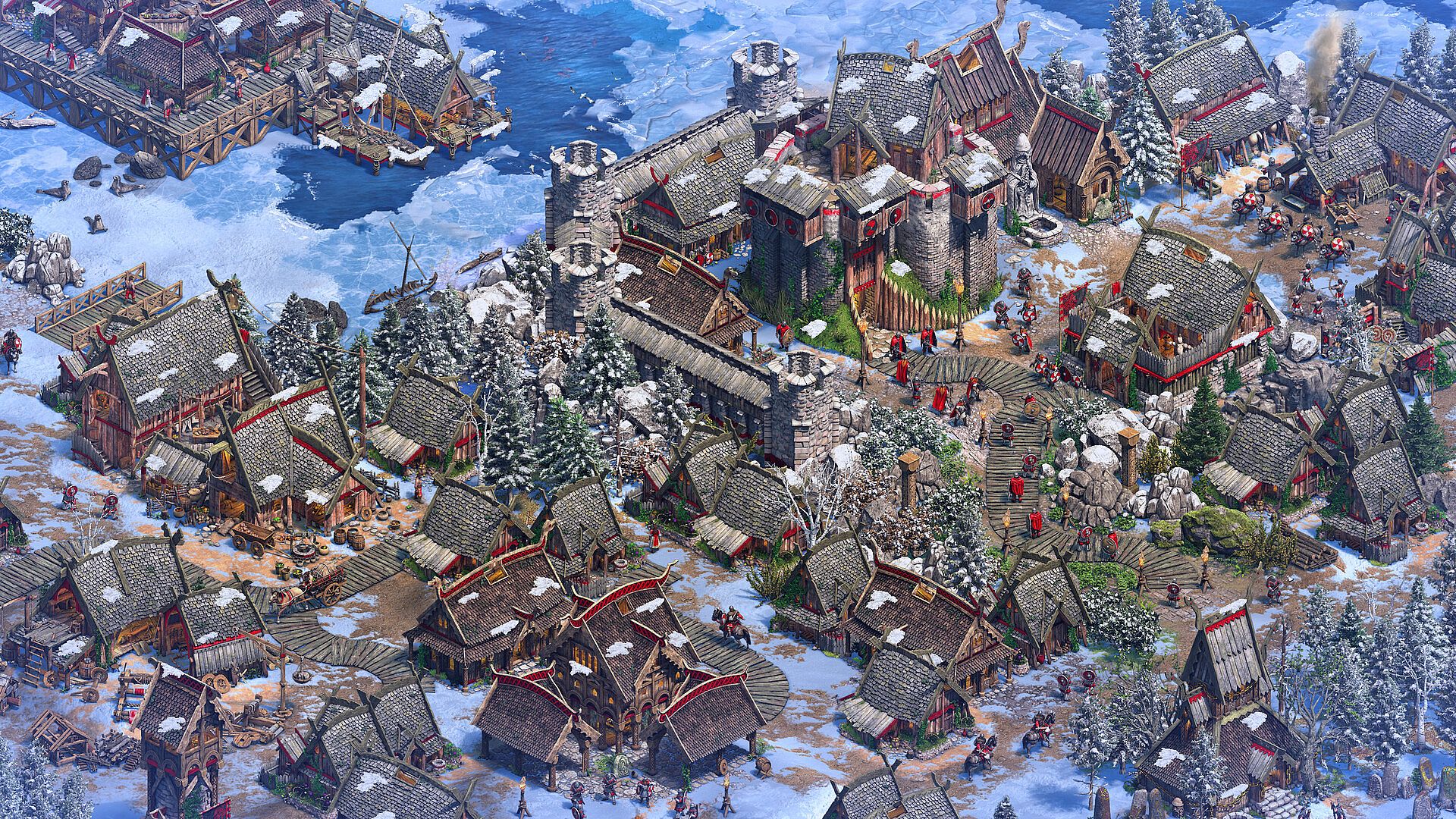
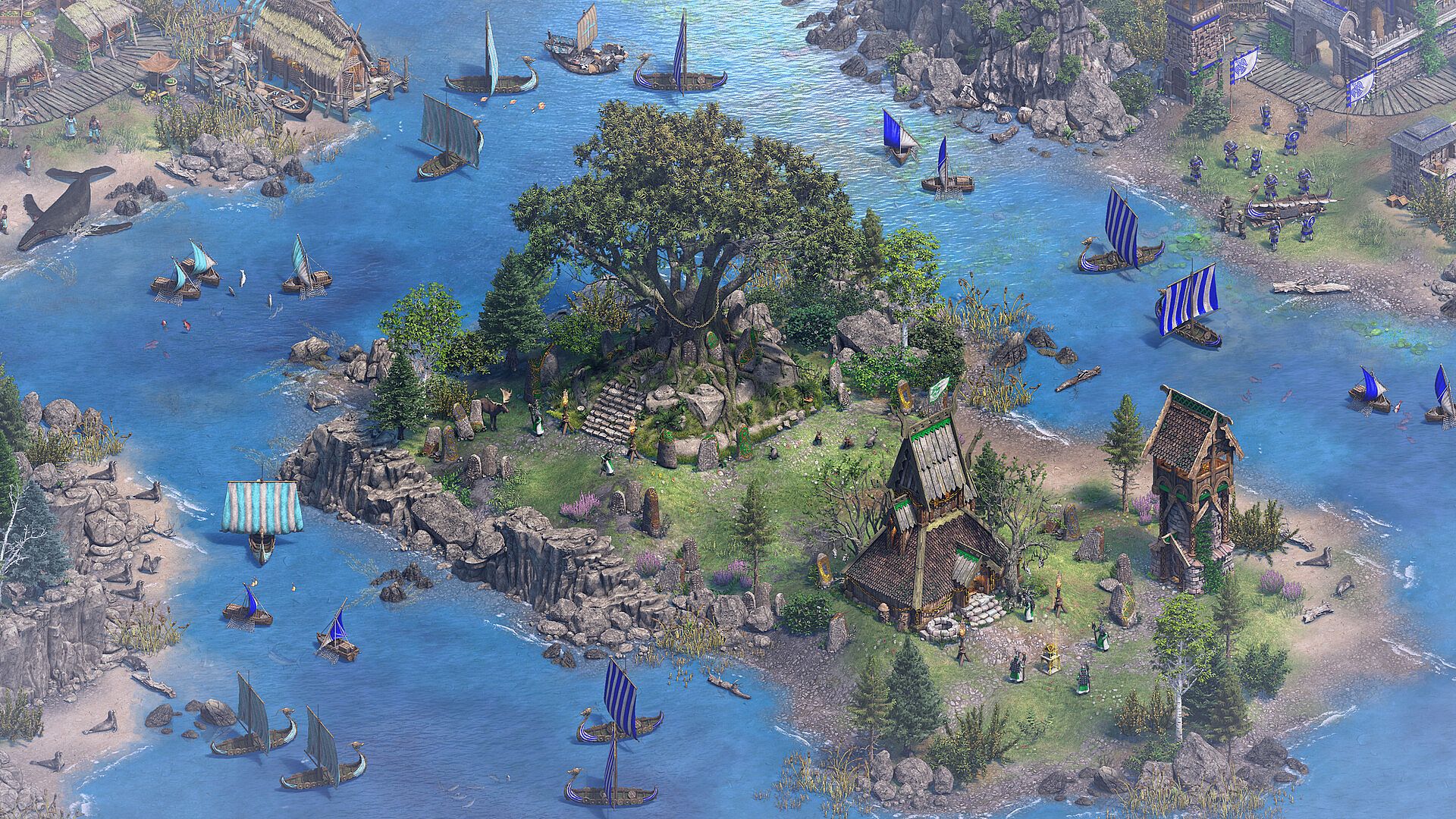
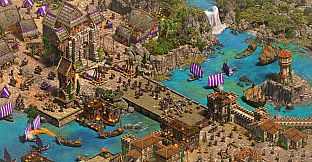
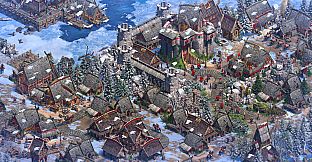
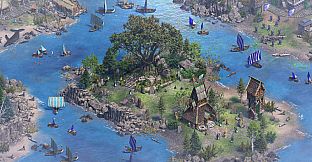
Age of Empires II: Definitive Edition expands with The Viking Sagas, a strategy title for PC that introduces three new civilizations and a three-part campaign centered on the historical figure Harald Hardrada. Players command forces across varied terrains, balancing resource management, unit production, and tactical engagements in both single-player and competitive settings.
Gameplay
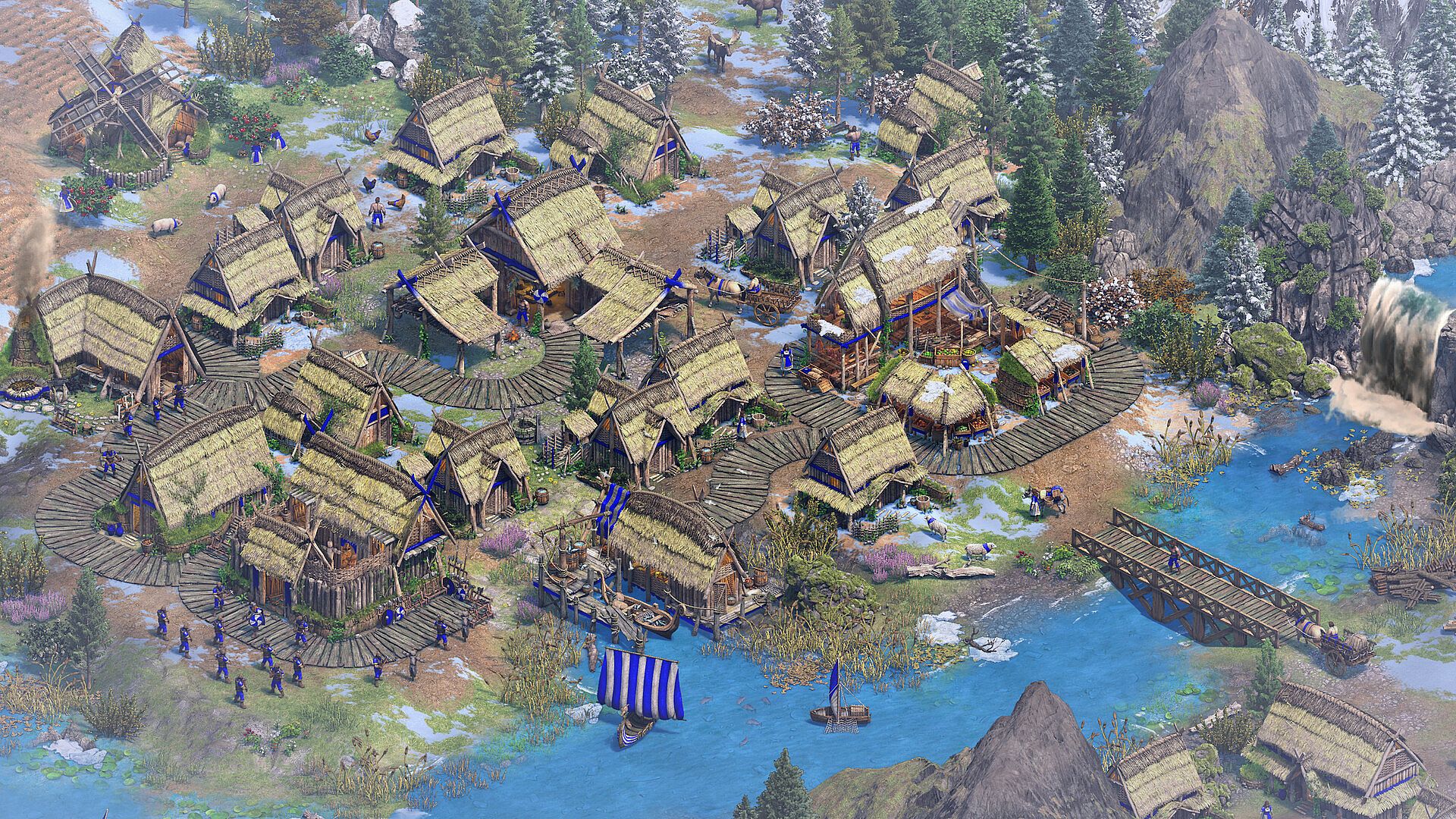
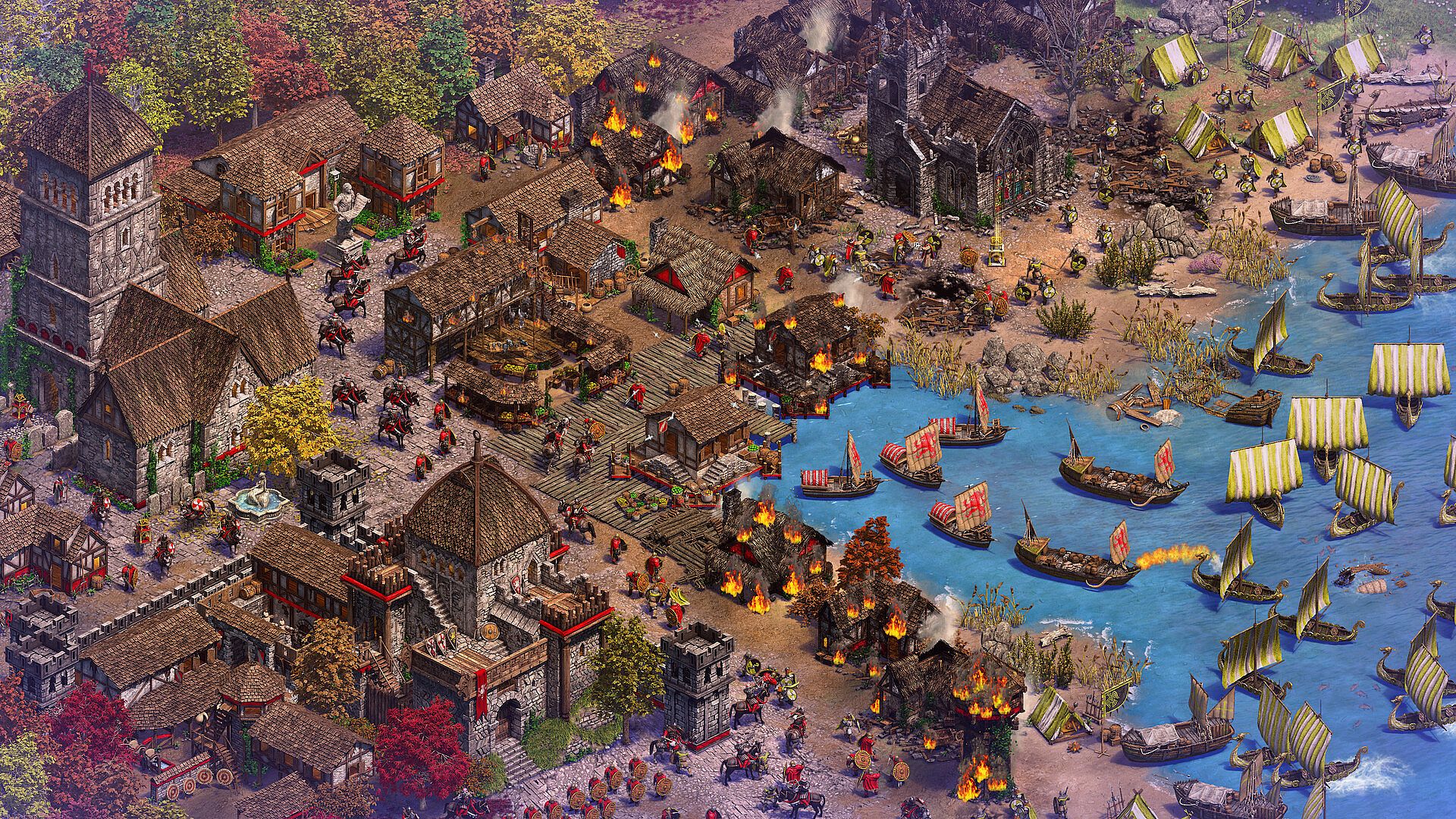
The core loop revolves around gathering resources, advancing through ages, and deploying armies with distinct strengths tied to the new factions. Danes emphasize early aggression through fast naval units that enable surprise strikes on coastal positions. Saxons focus on defensive structures and resilient ground forces capable of holding key areas against waves of attackers. Varangians combine mobility on water and land with adaptable mercenary tactics that reward flexible army compositions.
Six new units support these approaches. Jomsvikings serve as agile infantry for Danes, hurling projectiles to damage structures and vessels from range. Hearth Troops provide Saxons with heavy infantry that initiates combat at distance before engaging in close quarters. Jarls act as Varangian cavalry that throws axes to weaken enemy lines. Shared additions include Varangian Guards as durable shock troops that earn gold during fights, Mounted Crossbowmen as cavalry archers with powerful but deliberate shots, and Longships as versatile fast warships.
Technologies and bonuses unique to each civilization alter standard strategies, encouraging experimentation in how players expand territory, defend holdings, or launch offensives. The interconnected campaigns follow Harald Hardrada from exile through conquests in multiple regions, with objectives that test these mechanics across different environments.
Game Modes
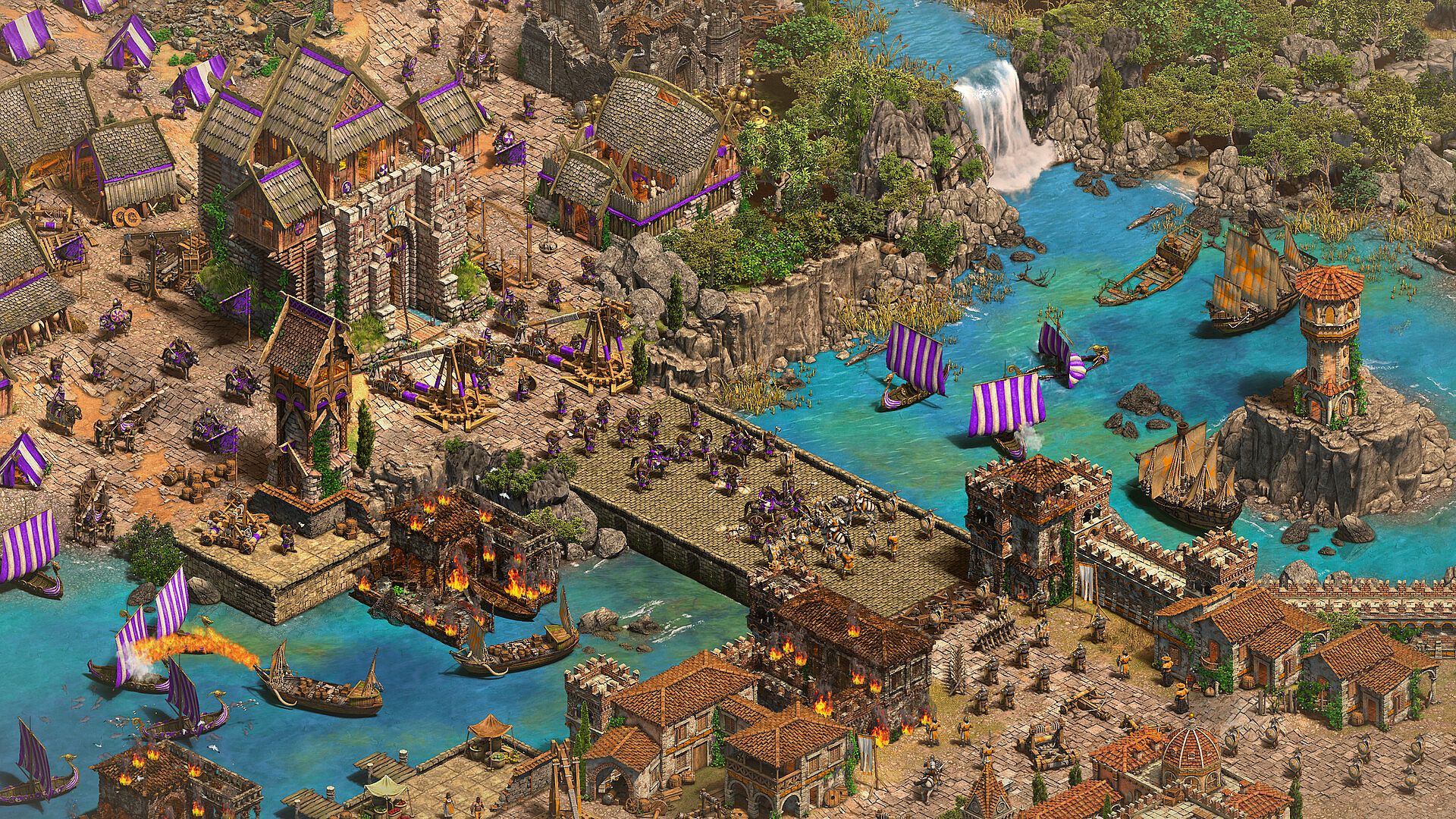
Single-player content centers on the three linked campaigns that trace one warlord's path from the Mediterranean through Scandinavia and into England. Each segment highlights specific civilizations and presents scenarios built around raids, territorial control, and large-scale invasions.
Multiplayer options allow the new civilizations in matches against other players, where their units and bonuses integrate into existing match formats. Cooperative play supports joint campaigns or custom scenarios, while competitive modes emphasize direct confrontation using the expanded roster.
Additional modes include skirmish against AI opponents and map editor tools for creating custom experiences with the new content.
New Civilizations and Units
Danes, Saxons, and Varangians each bring specialized playstyles that expand options in both campaign progression and open matches. Their unique units integrate with shared additions to create varied army builds focused on speed, fortification, or combined arms tactics.
Longships enhance naval presence across factions, while Varangian Guards and Mounted Crossbowmen add depth to land-based raiding and ranged support. These elements allow players to adapt strategies based on map layout and opponent composition.
Is It Worth Playing?
The expansion suits players who enjoy detailed civilization management and historical campaign narratives within a strategy framework. It adds fresh units, technologies, and scenarios that integrate directly into established systems without requiring prior mastery of unrelated content.
Those seeking new single-player stories or additional variety in multiplayer will find value in the three campaigns and the distinct faction mechanics. Availability on PC with support for both solo and group play makes it accessible for different preferences.
With no user reviews available at launch, the recommendation rests on the described features: new civilizations with targeted strengths, interconnected campaigns, and expanded unit options that broaden tactical choices in strategy matches.