




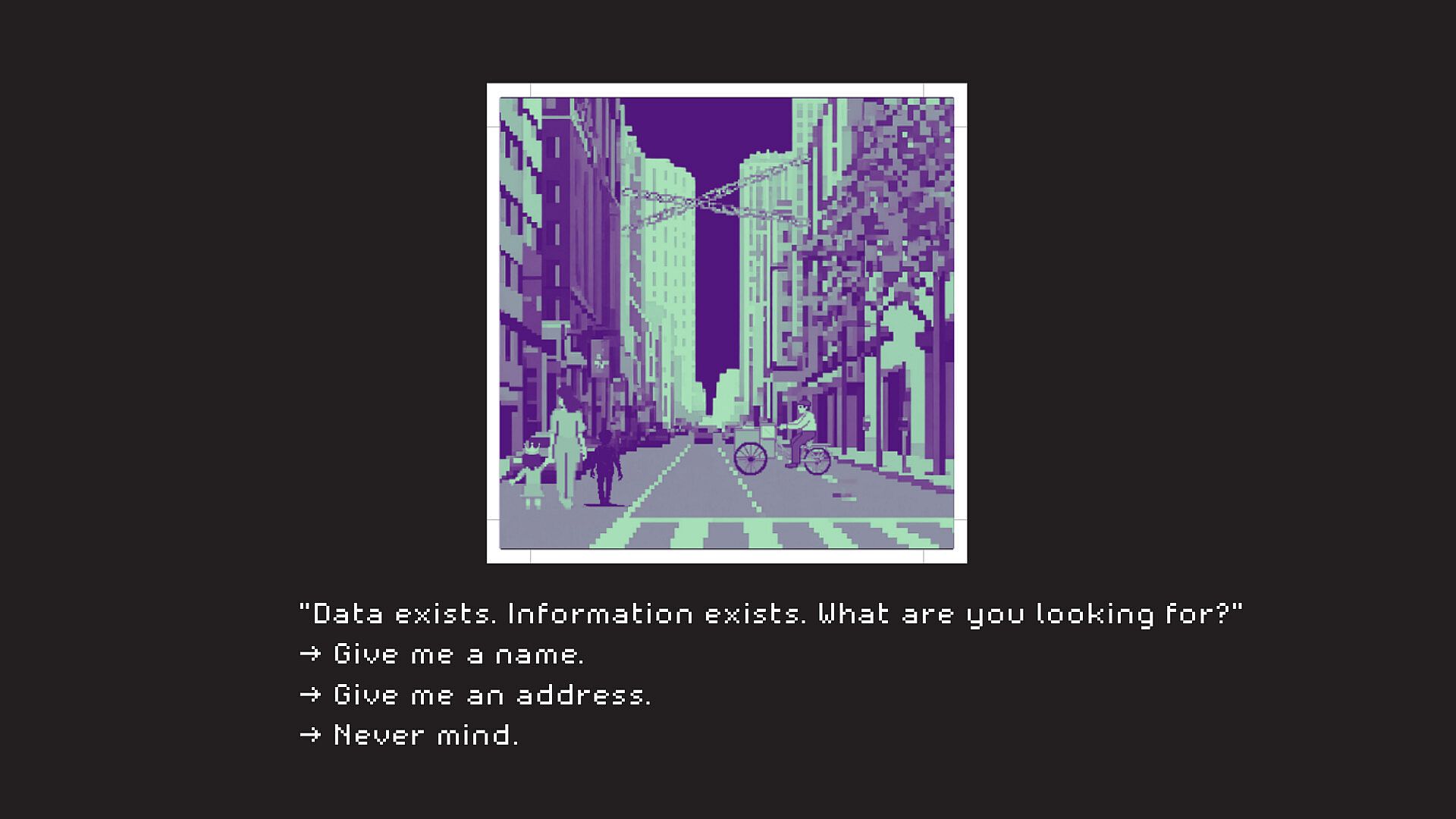


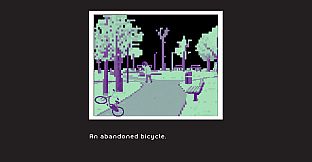
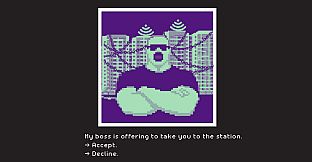
Yang is an indie casual point-and-click adventure game developed for PC. Players step into the shoes of an unnamed protagonist who receives a cryptic message directing them to arrive at a train station by 11:00 PM. The message gives no details about the sender or the reason for the meeting. With hours to spare before the deadline, the character begins walking through the city streets, setting the stage for a reflective journey shaped by encounters with people and places along the way.
Gameplay
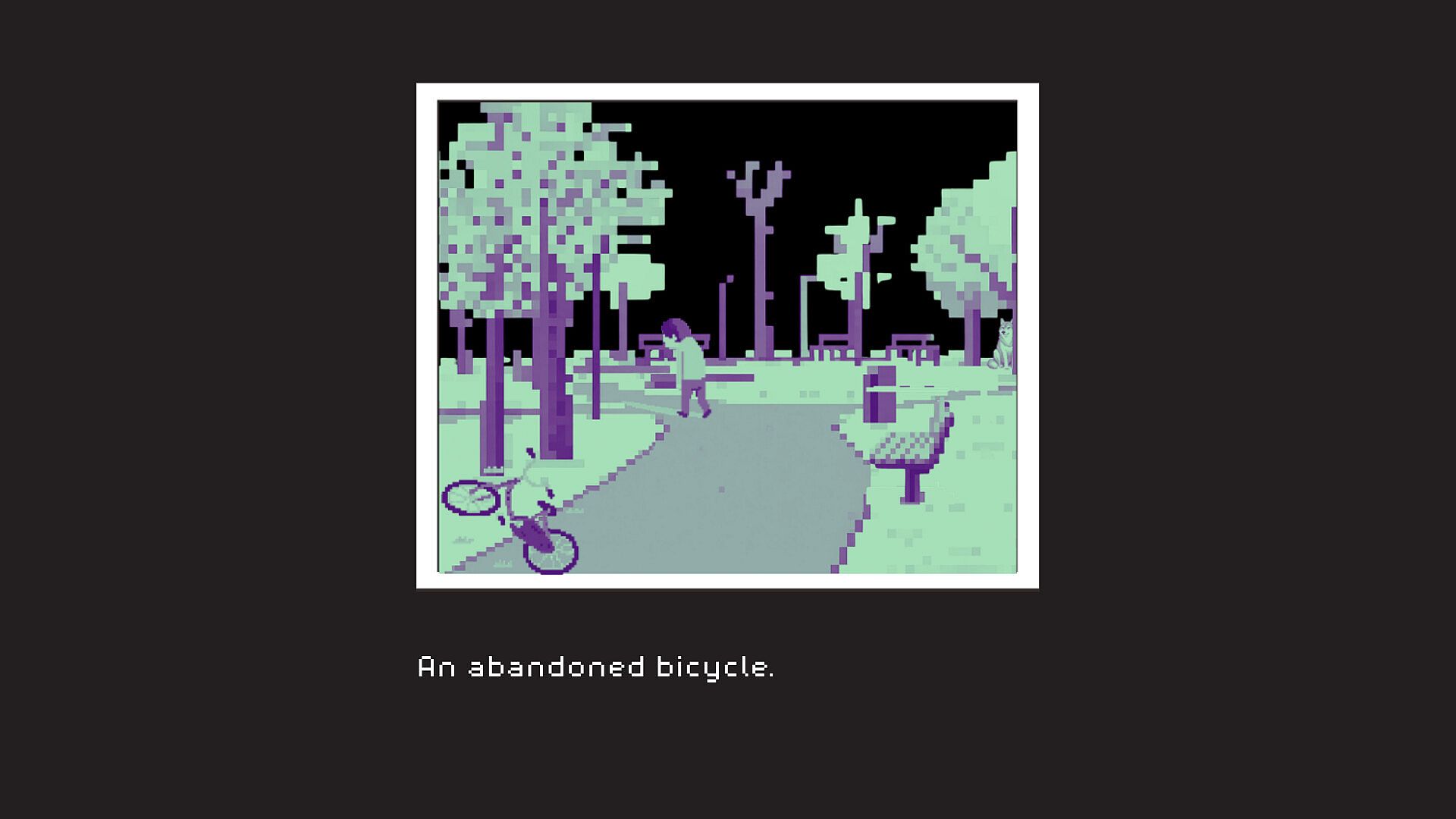
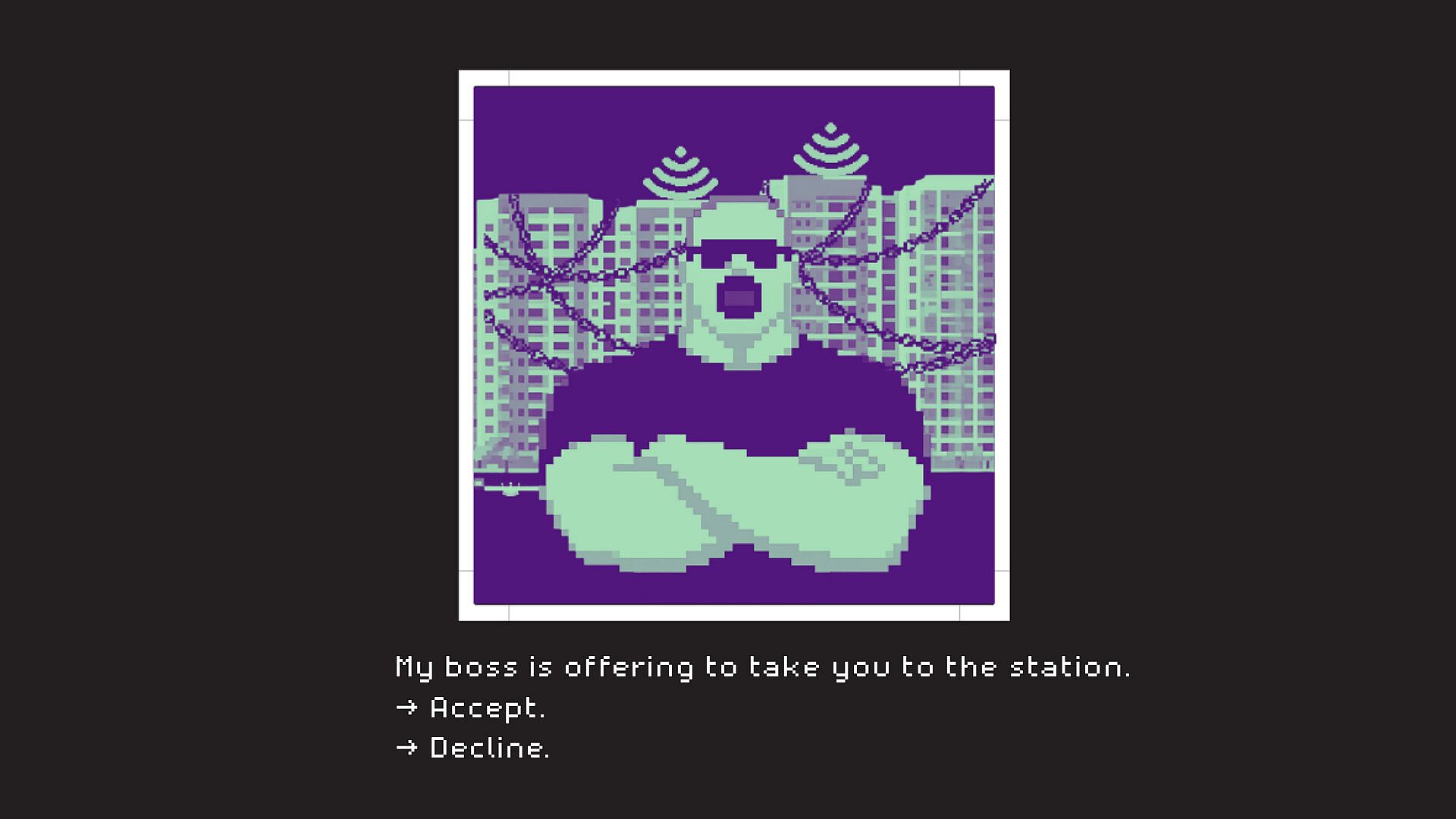
The core loop centers on exploration and observation in a compact urban setting. Movement happens through simple point-and-click interactions that let players examine doors, streets, and everyday objects. Conversations with passersby reveal fragments of dialogue, while many moments involve simply watching events unfold without direct intervention. Time advances steadily toward the evening appointment, creating a sense of gentle pressure that influences how long players linger in each area. Choices appear in some interactions and can alter small details in the narrative path, though many situations offer no options at all. Progress relies on noticing subtle environmental cues and deciding when to engage or remain an observer. The experience stays grounded in everyday city life rather than fantastical elements, with each decision or inaction contributing to the overall sense of a personal journey.
Game Modes
Yang presents a single continuous narrative experience without separate game modes or branching campaigns. The structure remains consistent from start to finish, focused entirely on the walk through the city and the eventual arrival at the station. There are no competitive elements, cooperative features, or alternative play styles to unlock. All progress occurs within the same linear timeframe leading up to 11:00 PM, allowing players to revisit scenes or make different choices on subsequent playthroughs if they wish to explore variations in the encounters.
Story and Atmosphere
The narrative unfolds through brief meetings with city residents and quiet moments of reflection on the surroundings. Questions about meaning and coincidence arise naturally as the protagonist moves forward, but the game avoids heavy exposition or dramatic twists. Instead, the atmosphere builds from the ordinary details of urban life: passing conversations, visible routines, and the steady march of the clock. The mystery of the station meeting serves as the anchor, while the hours beforehand provide space for players to consider the significance of each small event. The tone stays introspective and understated, emphasizing presence and observation over action or conflict.
Is It Worth Playing?
Yang suits players who enjoy short, thoughtful point-and-click adventures that prioritize atmosphere and personal interpretation over complex systems or long campaigns. The game delivers a focused walk through a city filled with minor interactions and quiet observations, all leading to a single appointment. Those seeking quick sessions with room for replay through different choices will find the structure rewarding. The experience remains accessible on PC and aligns with the indie casual genre through its emphasis on simple controls and reflective pacing. If the premise of piecing together meaning from everyday encounters appeals, the game offers a concise way to engage with that idea without requiring extended commitment.