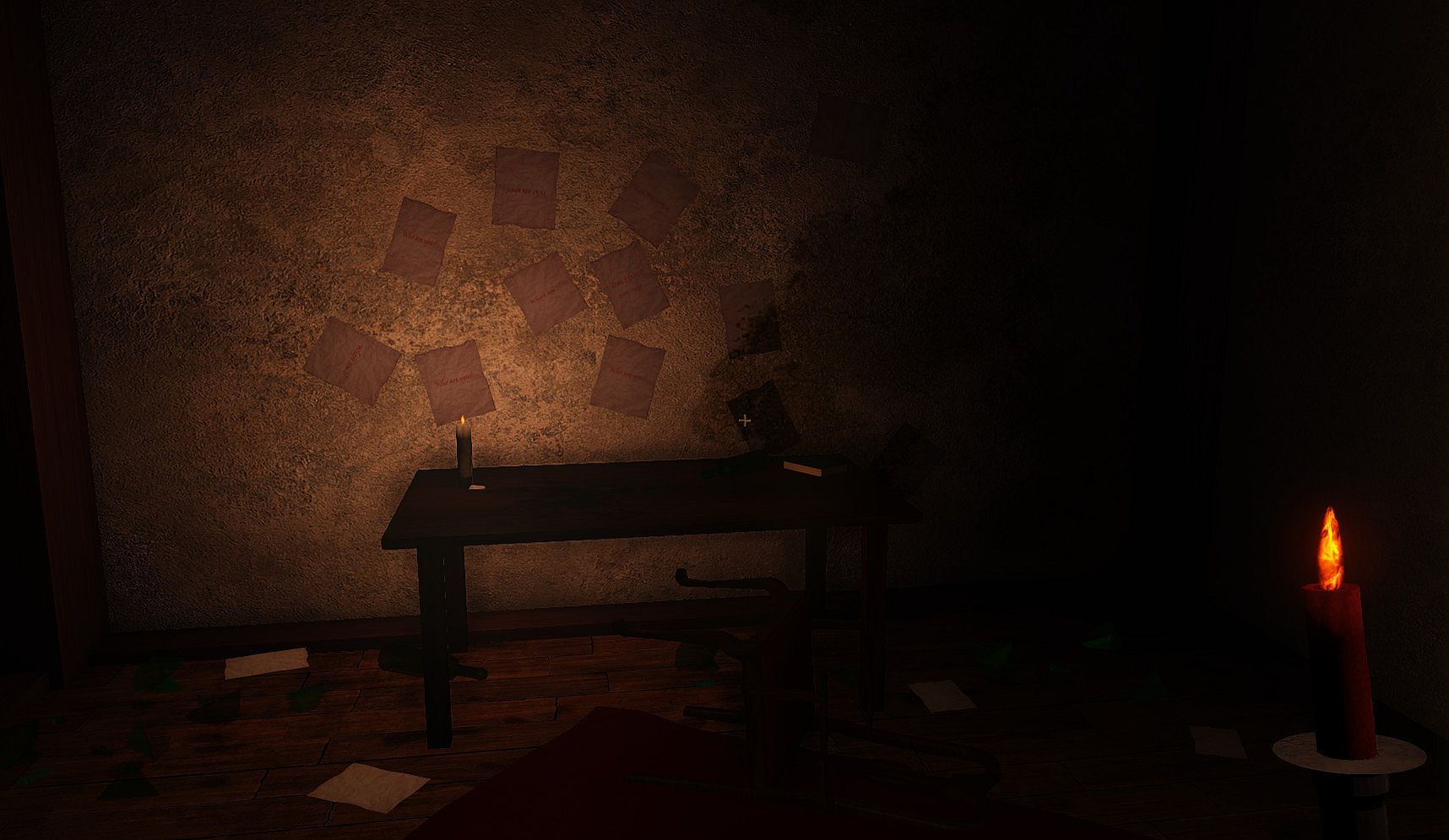


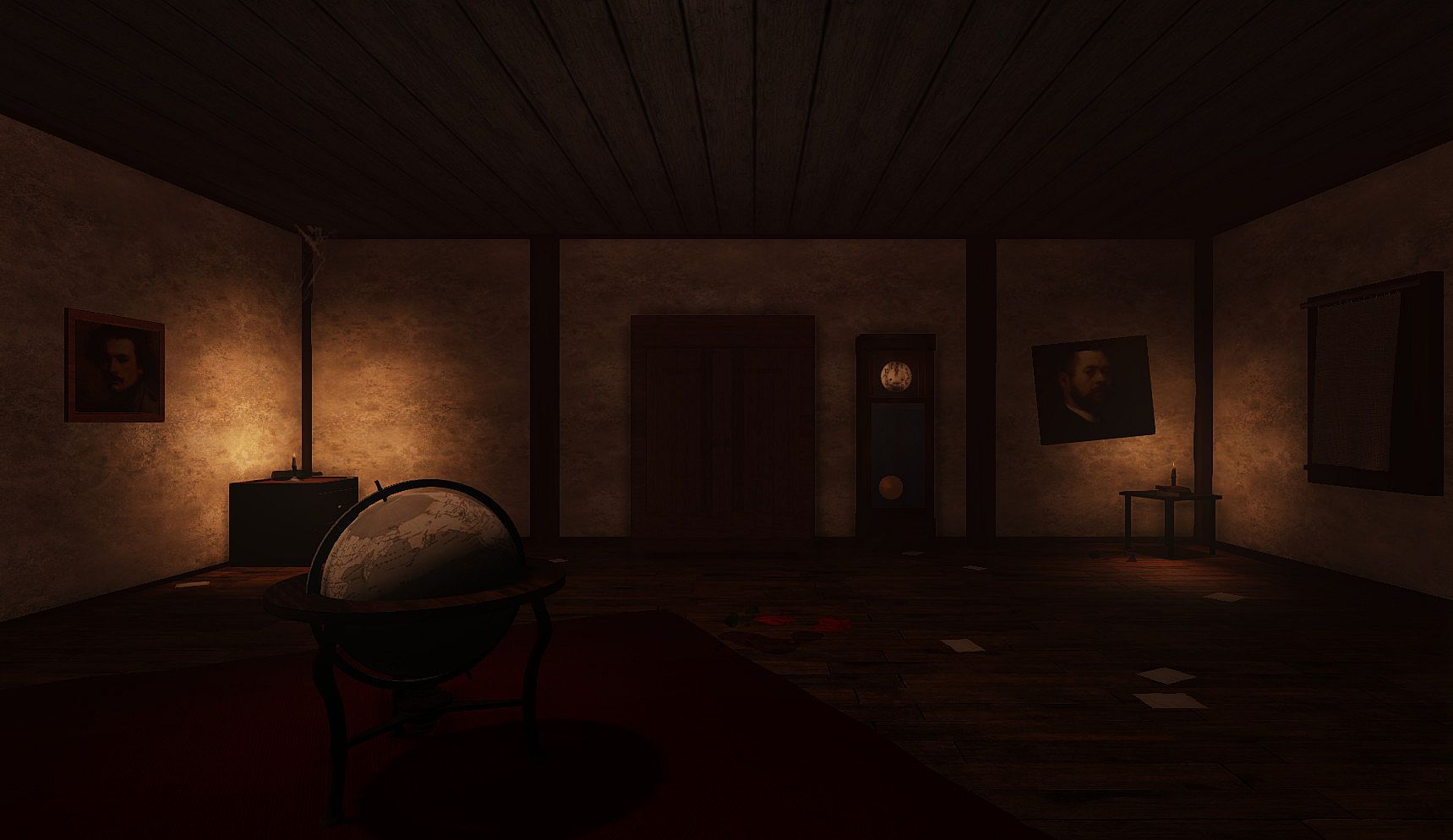


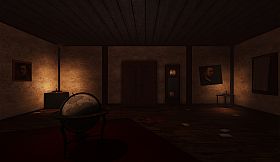
Wooden Floor is a first-person adventure horror game built for PC. Players wake up inside an ordinary-looking old house and must navigate its shifting layout to escape what feels like a bad dream. The environment transforms as progress continues, with rooms altering when doors close and new corridors materializing without warning. This core loop relies on exploration, observation, and careful movement through an expanding, unpredictable space.
Gameplay
The central mechanic involves level streaming that makes rooms, corridors, and objects change, appear, disappear, or rotate. Players cannot rely on fixed paths or mental maps because the house rearranges itself behind them. Movement stays grounded in first-person perspective, with the wooden floor serving as the only consistent element underfoot. Exploration drives the experience forward as new areas open or shift based on player actions.
Puzzle elements appear through key collection and item gathering. Some sections require basic platforming or jump-and-run sequences to cross gaps or reach higher points. These challenges integrate with the changing layout, forcing players to adapt quickly when familiar routes vanish. Scares remain measured and atmospheric rather than relying on sudden loud noises or jump scares.
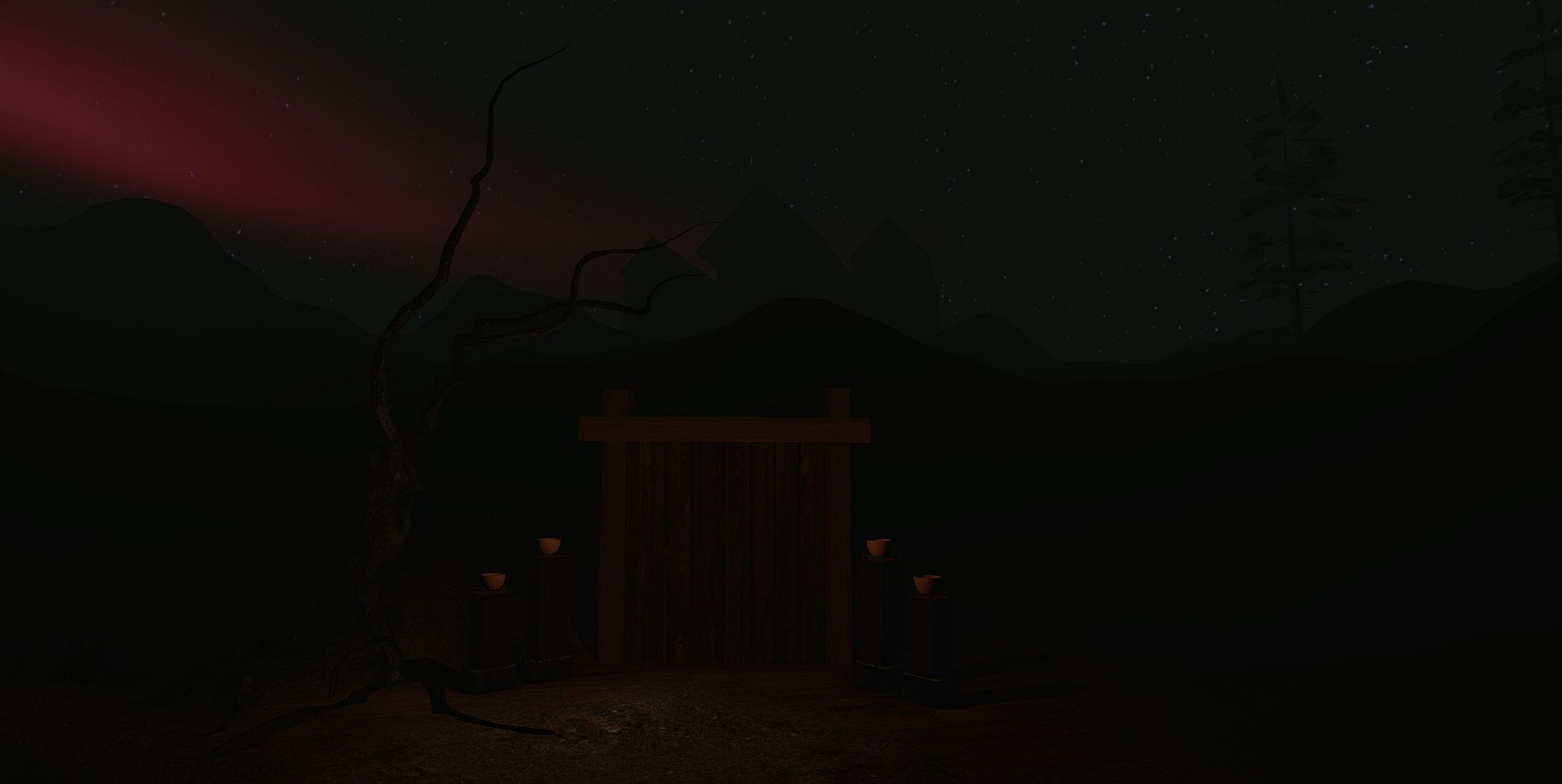
Graphics come from Unreal Engine 3 via the UDK, delivering a functional but dated look suited to the confined indoor setting. The focus stays on spatial manipulation instead of high-fidelity visuals or combat. Players advance by observing changes, solving simple collection-based puzzles, and traversing altered spaces without external guidance or checkpoints that reset the environment.
Game Modes
Wooden Floor offers a single-player adventure without separate game modes or multiplayer options. The entire experience unfolds as one continuous narrative-driven journey through the transforming house. No cooperative play, competitive elements, or alternate scenarios exist to alter the core progression. Players handle all navigation and puzzle-solving independently from start to finish.
Atmosphere and Design
The house begins with familiar rooms and hallways that gradually lose predictability. Closing a door can trigger rearrangements, creating a maze-like quality that grows denser with each section. This design choice keeps tension high through uncertainty rather than overt threats. Sound design supports the mood with subtle cues tied to movement and environmental shifts.
Platforming sections and key hunts fit into the spatial puzzles, encouraging repeated observation of the same areas after changes occur. The expanding environment rewards patience and methodical checking of doors and objects. No combat interrupts the focus on discovery and escape.
Is It Worth Playing?
Wooden Floor released in 2015 and remains available as a low-cost title. Reviews sit at mixed status with 57 percent positive from a small number of user submissions. The game appeals most to players who enjoy puzzle-oriented horror built around environmental manipulation and short, focused sessions.
Those seeking traditional jump scares or action elements may find the measured pacing and lack of combat less engaging. Its strength lies in the unique level-streaming approach that creates genuine disorientation within a single-player format. The experience suits fans of indie adventure titles that prioritize spatial puzzles over story exposition or combat systems.
Platforming and collection tasks add variety without overwhelming the main loop of navigating the shifting house. At its price point, the title provides a compact session for anyone interested in experimental horror mechanics from the mid-2010s era. No ongoing updates or additional content have altered the original release.